What blade length defines a long katana compared to a standard katana?
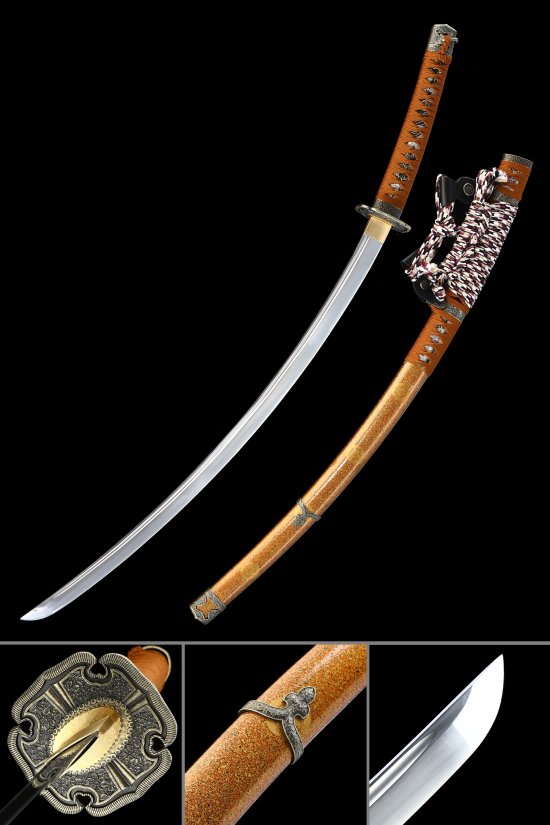
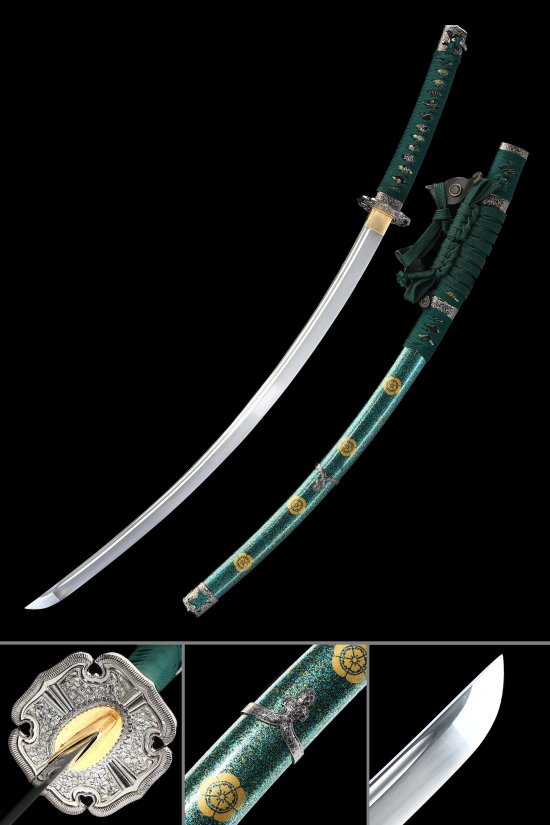
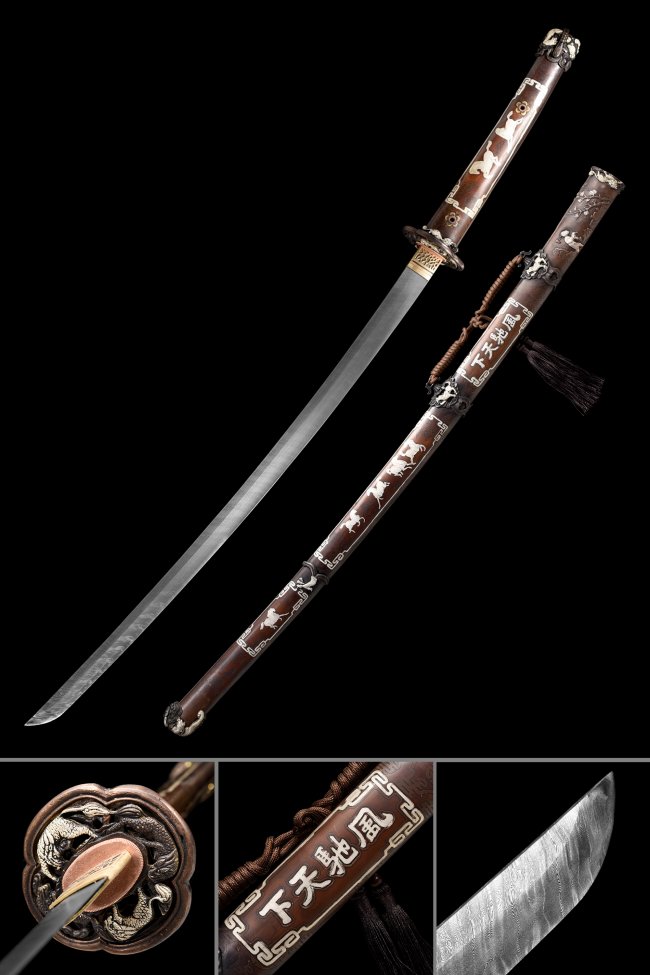
A standard katana has a blade length of approximately 27 to 30 inches, with an overall length of roughly 38 to 42 inches including the handle. A long katana extends this range to approximately 28 to 32 inches of blade length, with overall lengths of 40 to 46 inches or more. In Japanese sword terminology, this places the long katana at the upper end of the katana category and approaching the tachi length range. The additional blade length creates a measurably different visual impression in a display context: the longer sweep of the curved blade creates a more dramatic silhouette, and the increased blade surface area provides more canvas for hamon detail, scabbard length, and overall visual presence from across the room. For collectors who want the maximum visual impact within the katana form factor without moving to the odachi great blade category, a long katana represents the optimal balance of display impact and practical displayability within standard room dimensions.
What is a T10 clay-tempered long katana and why is it desirable?
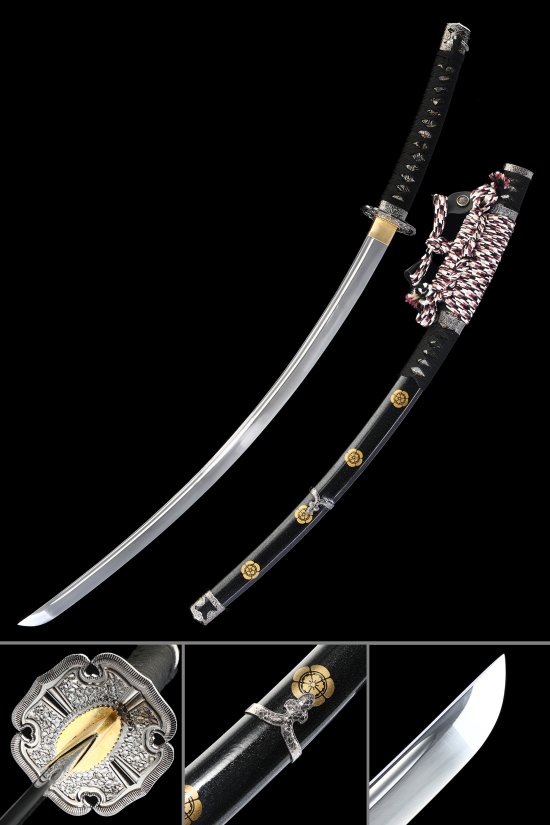
A T10 clay-tempered long katana is a full-length or extended katana forged from T10 carbon steel and heat-treated using the traditional Japanese differential hardening technique, where a clay coating is applied to the blade spine before quenching. T10 carbon steel has a precisely controlled grain structure and carbon content that makes it particularly responsive to this process, producing a well-defined hamon temper line along the blade edge after quenching and polishing. On a long katana blade of 28 to 32 inches, the hamon runs across an impressive length of blade surface, with visible activity - nie and nioi crystalline structures - within the temper zone that experienced collectors study as quality indicators. The desirability of a T10 clay-tempered long katana stems from this combination of premium blade length and premium blade material: the long blade provides maximum hamon visibility and display impact, while T10's grain structure ensures the hamon is well-defined and detailed rather than faint or diffuse. For collectors who want the best available blade character in the long katana format, T10 clay-tempered is the definitive choice.
What display options work for a long katana sword at home?
A long katana displays effectively on standard Japanese sword display hardware, though the extended blade length requires attention to peg spacing and wall clearance. A horizontal two-peg wall bracket with adjustable peg positions allows you to support the blade at approximately one-quarter and three-quarter positions along its length, distributing the weight evenly and preventing tip droop. For a long katana of 40-plus inches in overall length, ensure the bracket's peg spacing can accommodate the longer blade - some standard brackets are sized for shorter katana and may not provide adequate support at extended lengths. A floor-mounted display stand with a horizontal peg at the appropriate height is an alternative for collectors who prefer not to wall-mount. The long katana should be displayed with the edge facing upward in the traditional Japanese sword resting orientation. A directed spotlight or track light positioned to illuminate the blade from above or the side will reveal the hamon detail on T10 pieces and enhance the visual depth of the scabbard finishes across all configurations.
How do I maintain a long katana blade in good display condition?
Maintaining a long katana blade requires the same fundamental routine as any high-carbon steel Japanese sword, applied consistently after each handling session. The longer blade surface of a long katana means the oiling routine takes slightly longer to complete than on a standard-length katana, which is worth factoring into your maintenance schedule. After each handling session, wipe the full blade surface from habaki to kissaki with a soft lint-free cloth to remove fingerprints and any moisture. Apply a thin, even coat of camellia oil or quality mineral oil along the full blade using a separate cloth, then buff away excess until only a barely-visible protective film remains. Pay particular attention to the habaki area where the blade collar meets the scabbard mouth, as moisture tends to accumulate there. For T10 clay-tempered pieces with a visible hamon, the oil routine is the same - there is no additional care required for the hamon itself beyond the standard oil coating applied to the full blade surface. Store on the display rack or in the scabbard in a stable-temperature, low-humidity room.