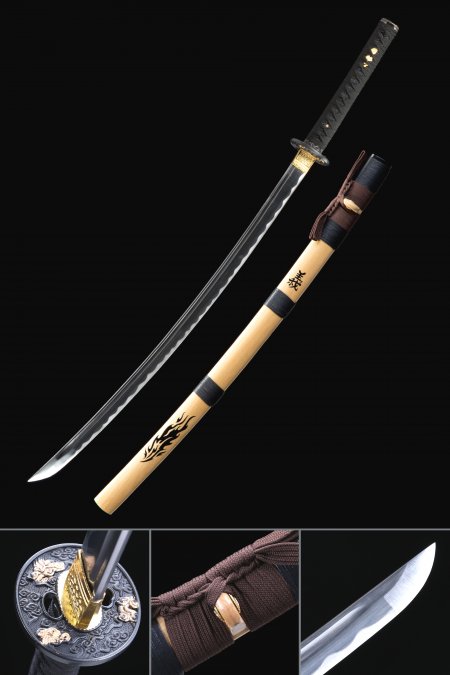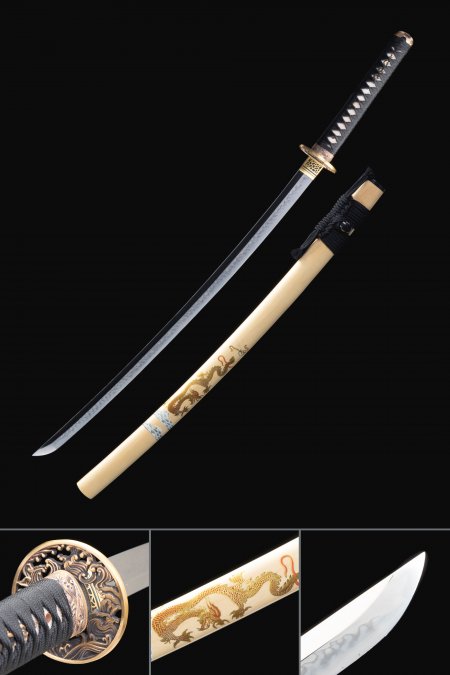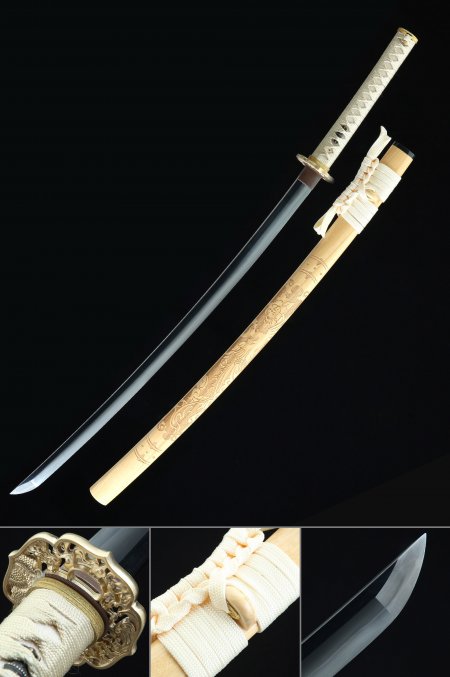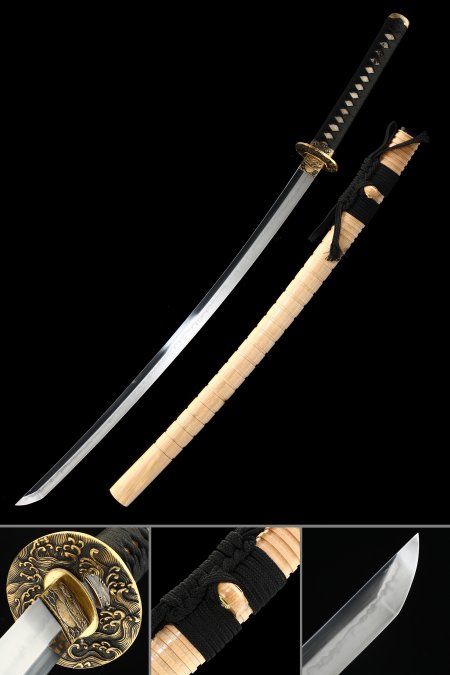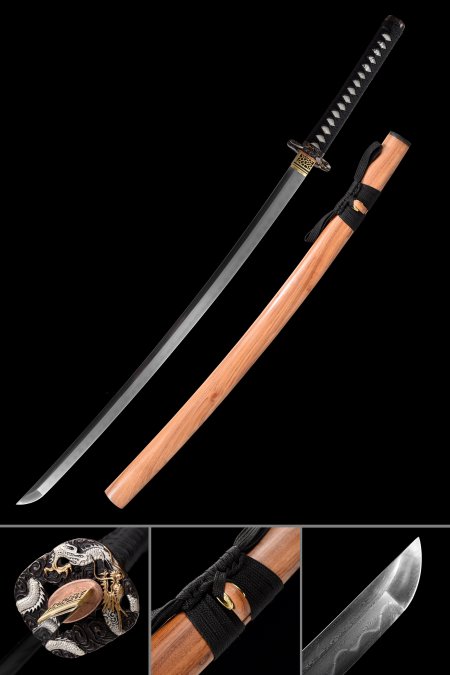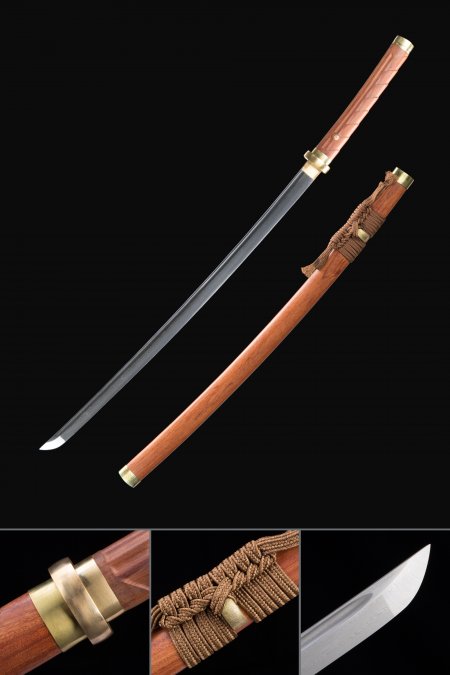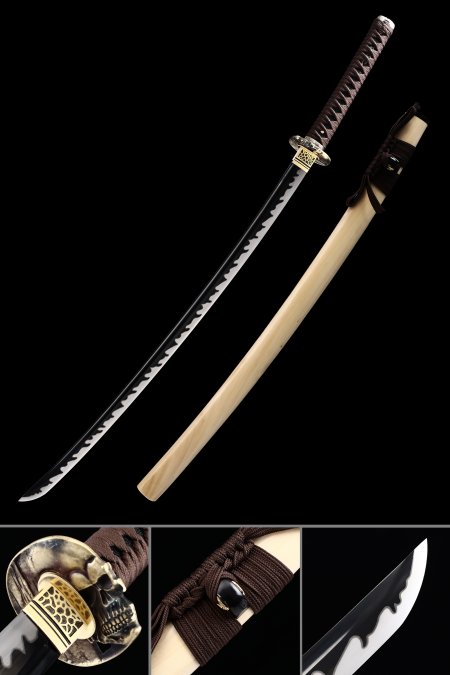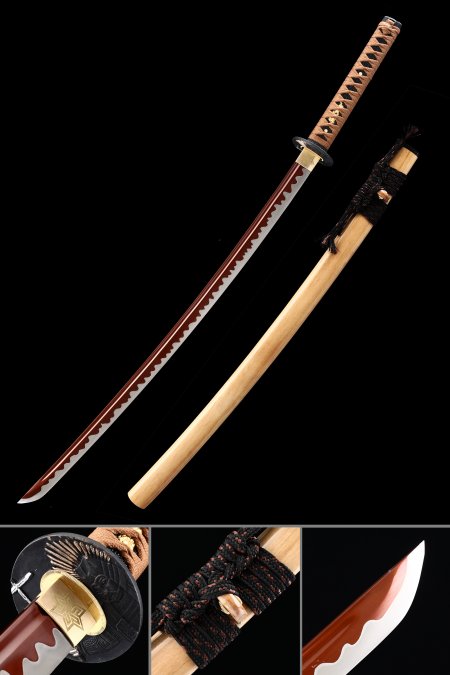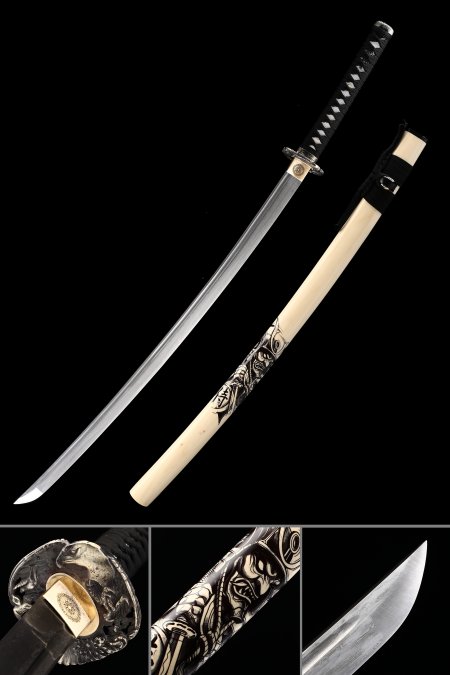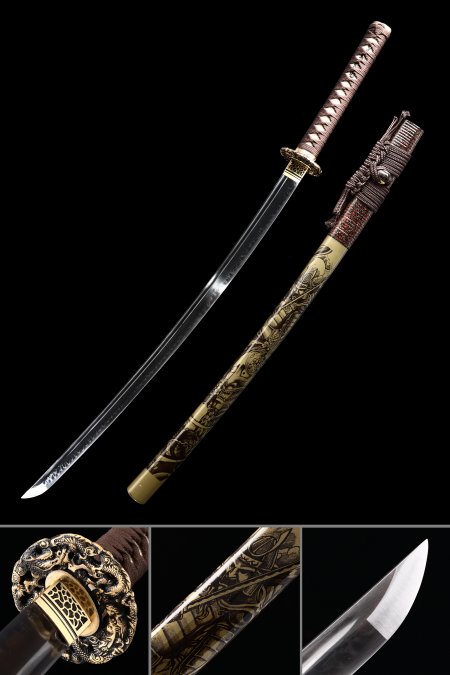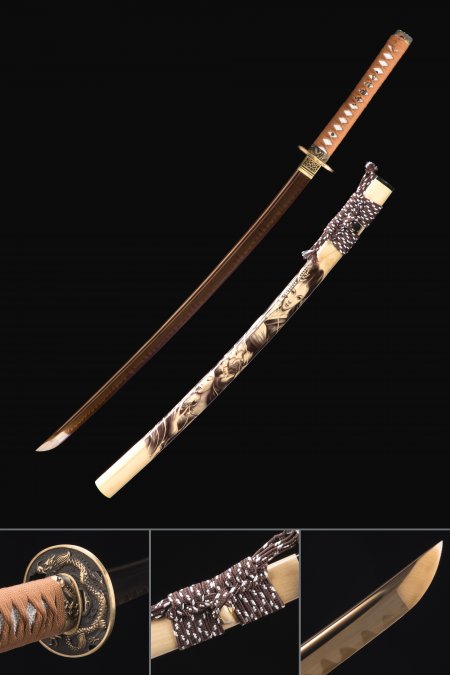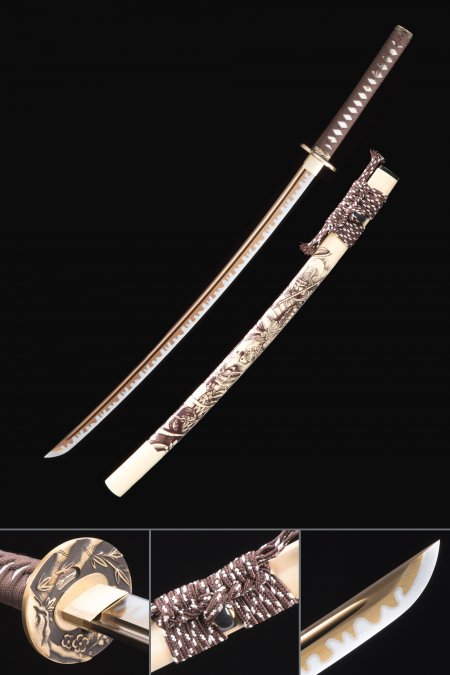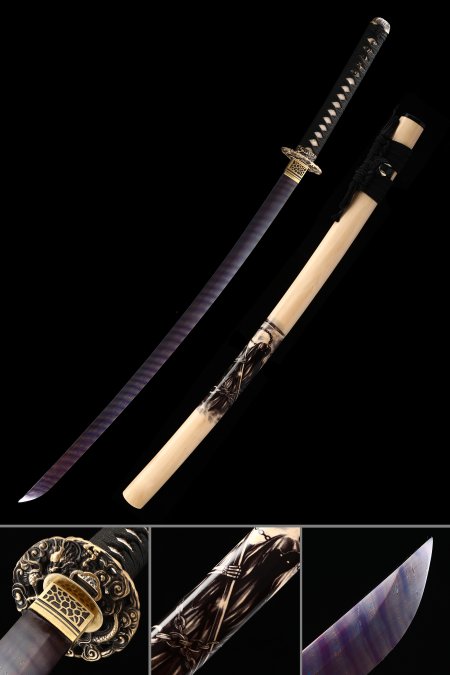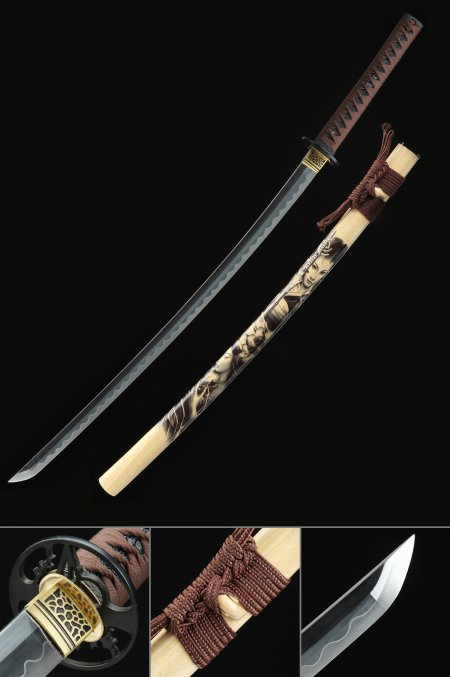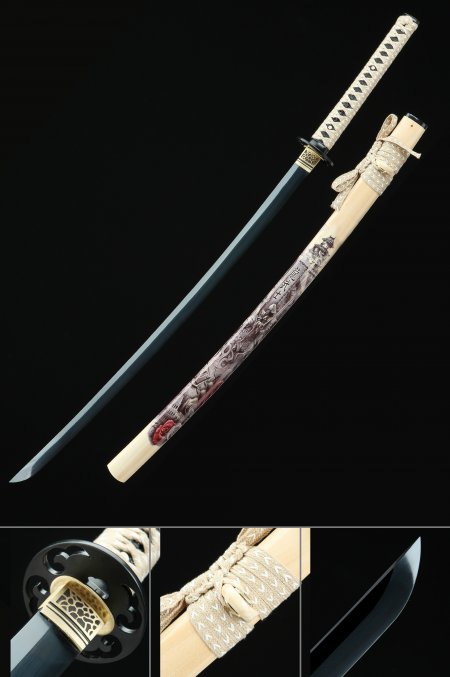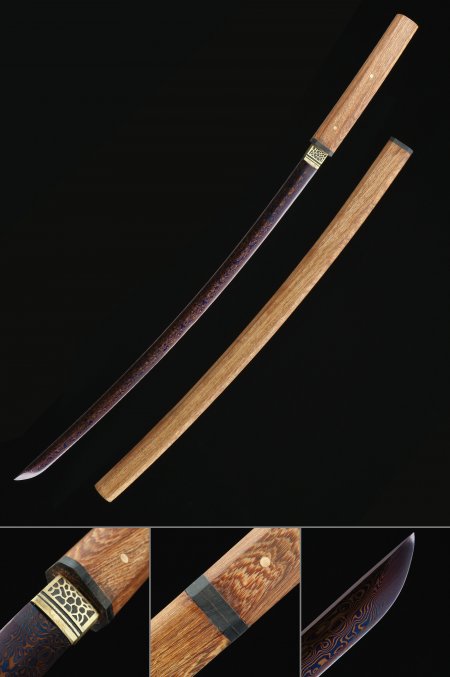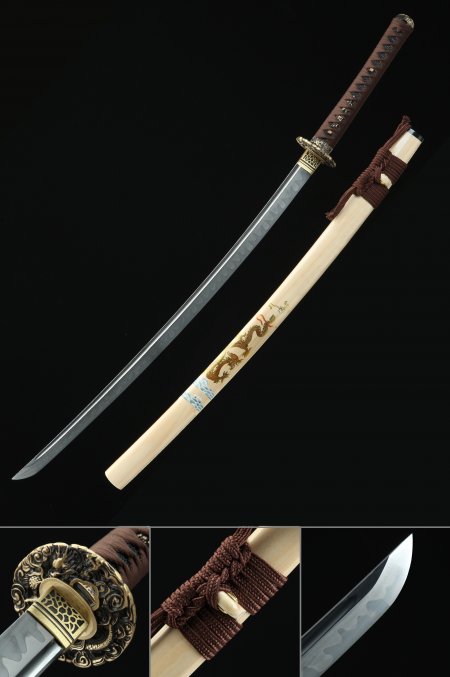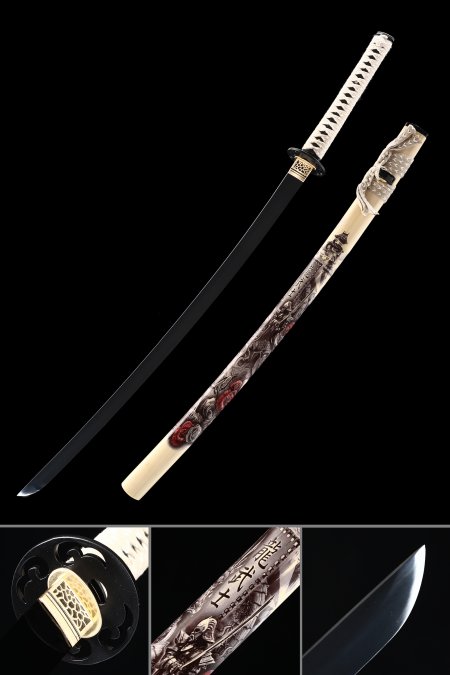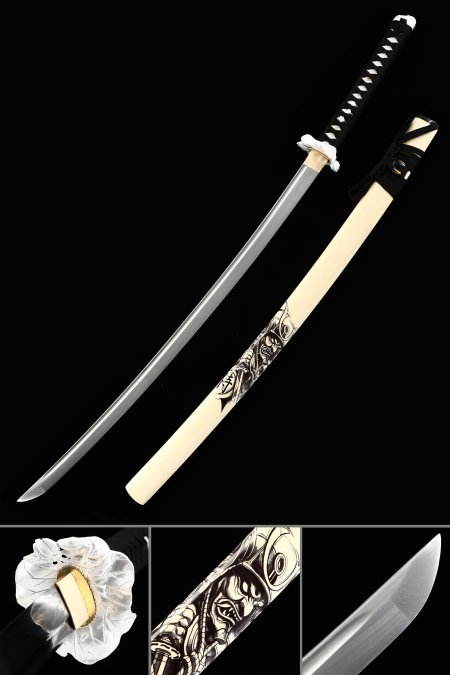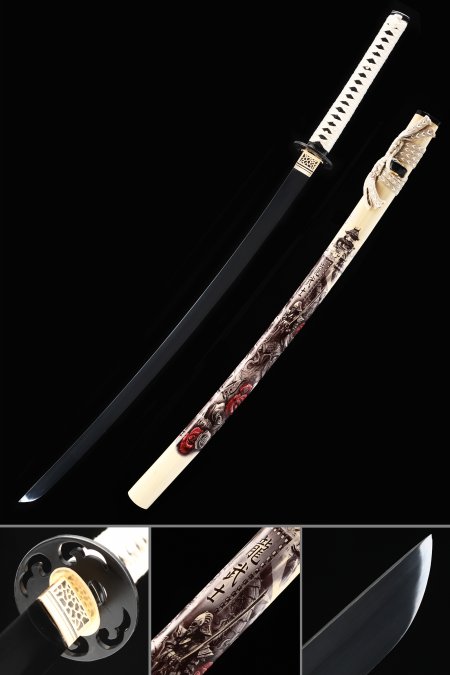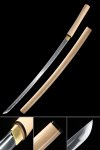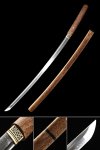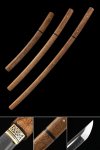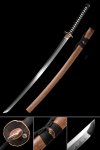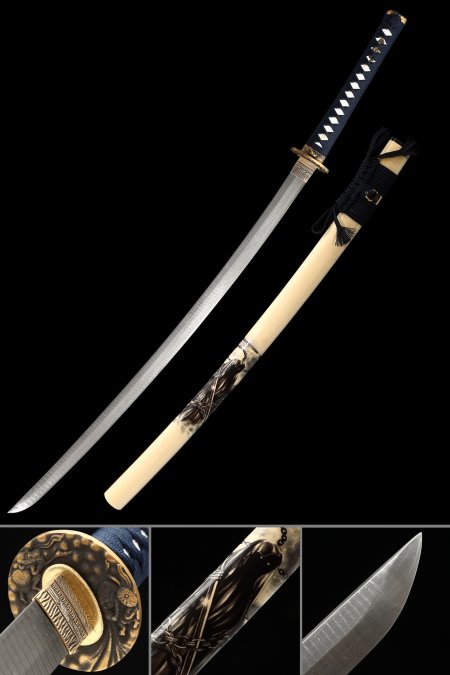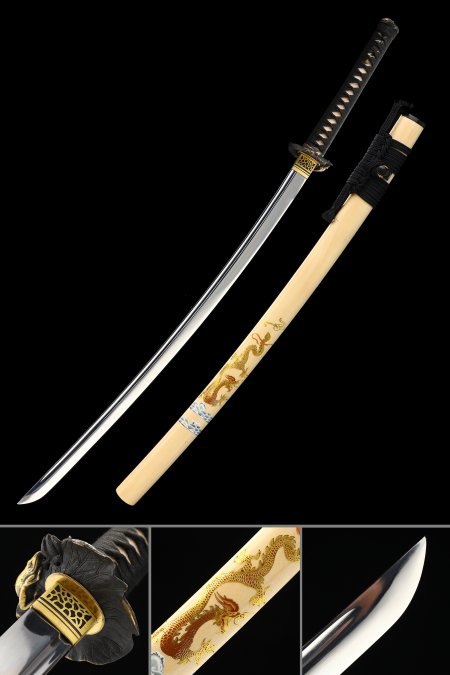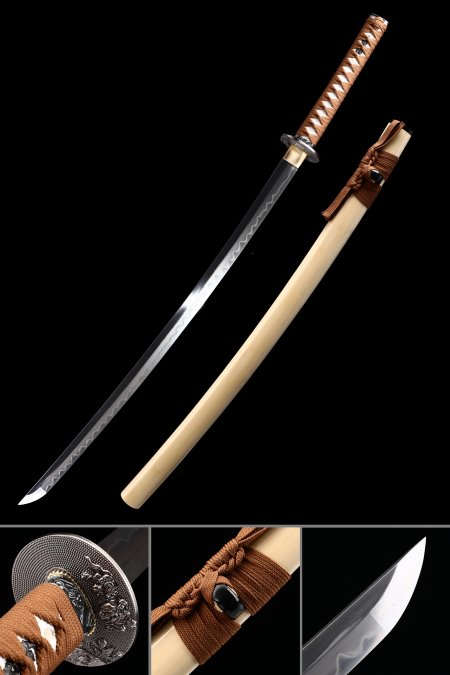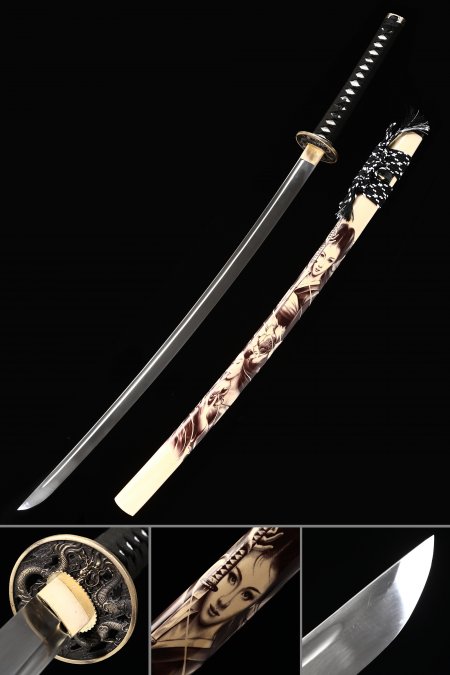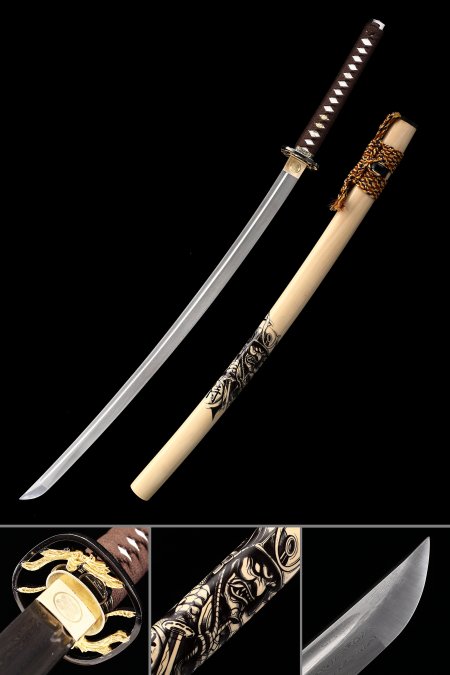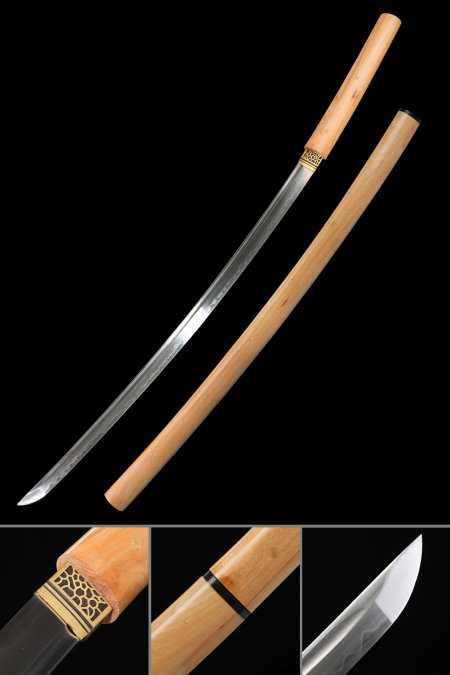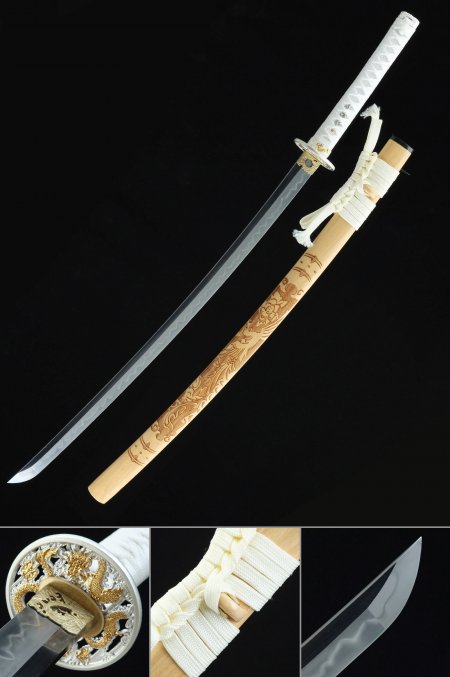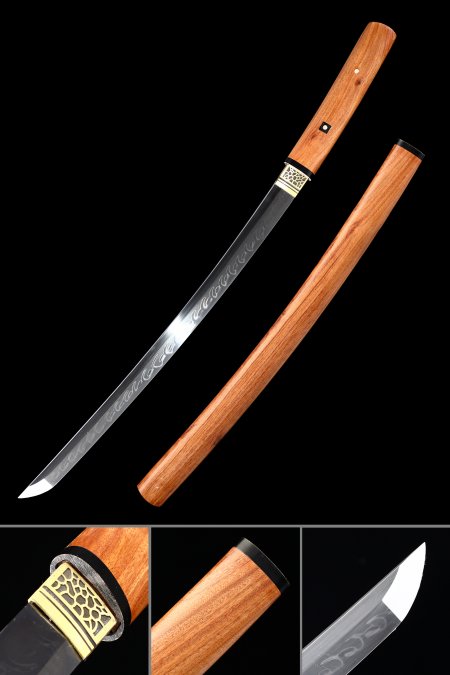
Natural Wood Katana

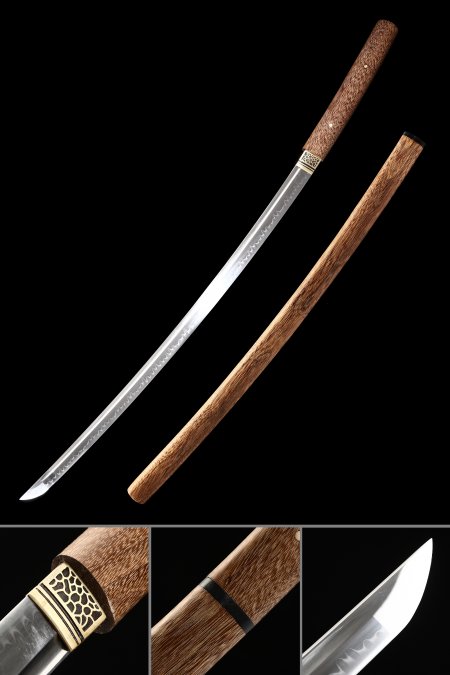
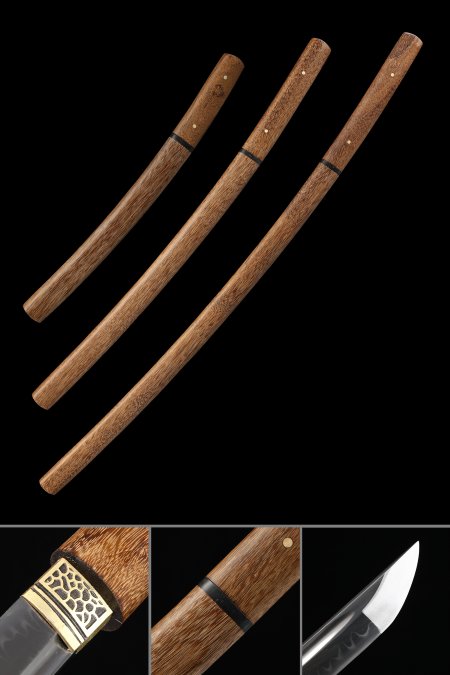
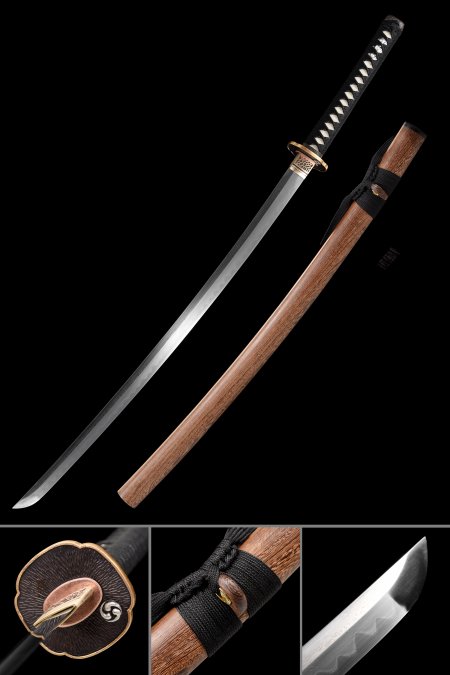
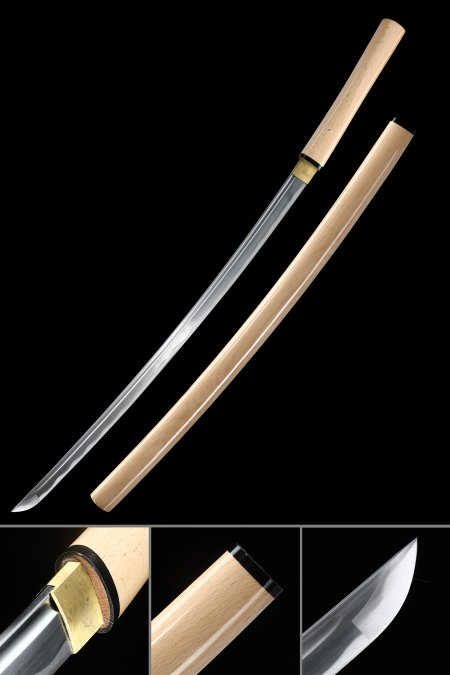
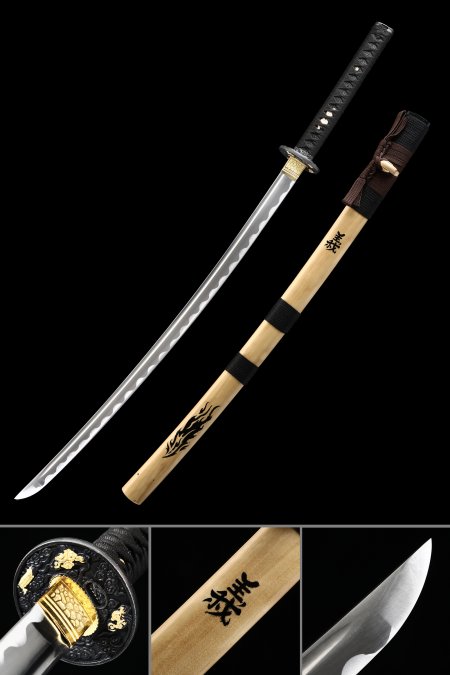
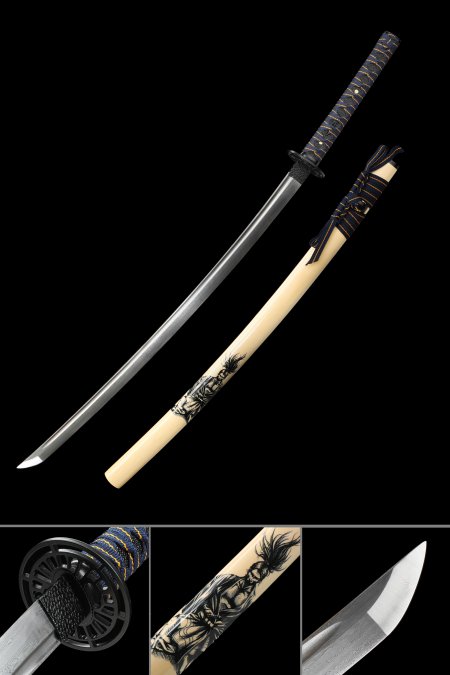
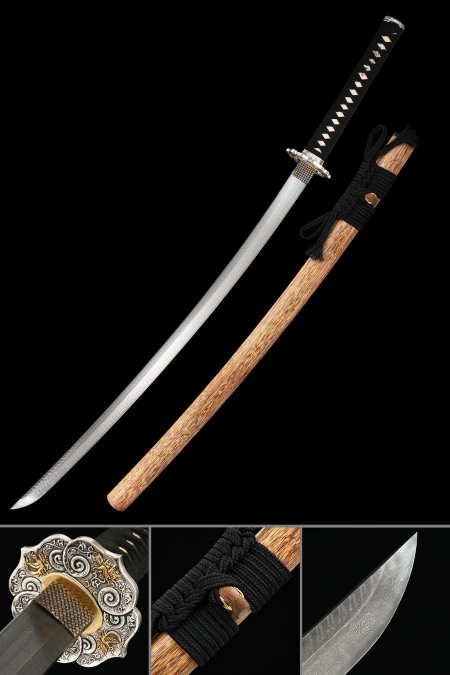
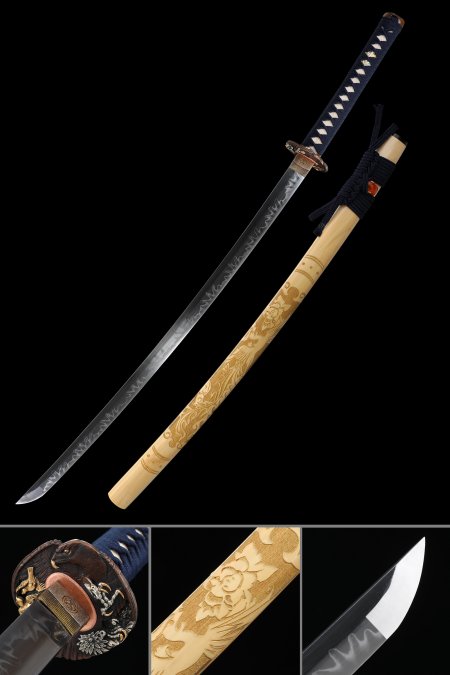
A natural wood katana brings together the warmth of hand-finished hardwood and the refined craft of traditional Japanese sword-making - making each piece a genuine collector's statement. Whether you're drawn to the golden grain of rosewood, the earthy tones of plain hardwood, or the minimalist elegance of a shirasaya-style saya, this collection spans a range of steels, hamon styles, and tsuba designs to suit every display shelf. Every sword ships with free standard shipping and is backed by our hassle-free return policy.
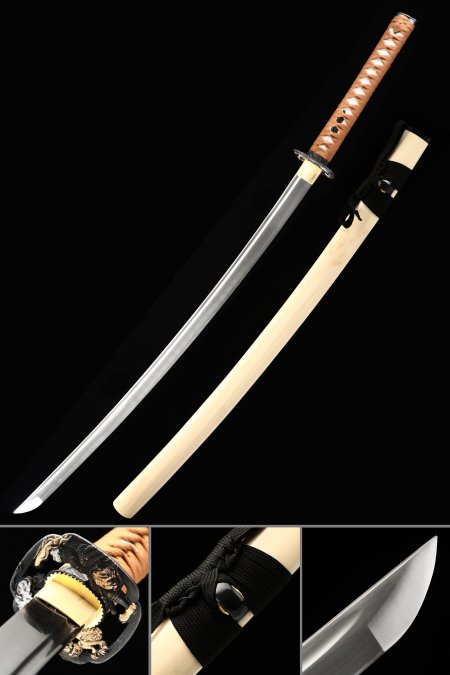
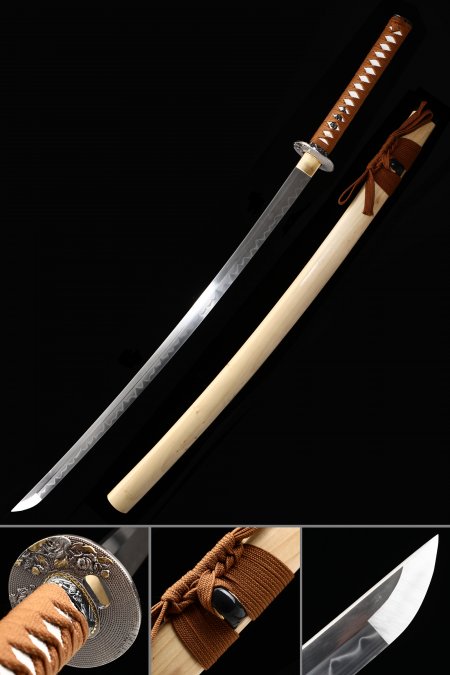
Showing 43 Products

Related Collections

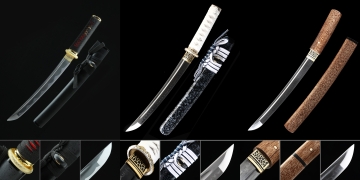
Antique Tanto82 items


382 Reviews

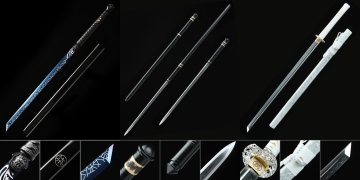
Antique Ninjato111 items


612 Reviews

Aikuchi Tanto120 items


579 Reviews

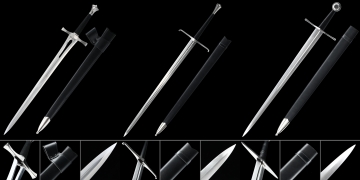
Knight Sword16 items


8 Reviews

Frequently Asked Questions

What types of hardwood are used for natural wood sayas?
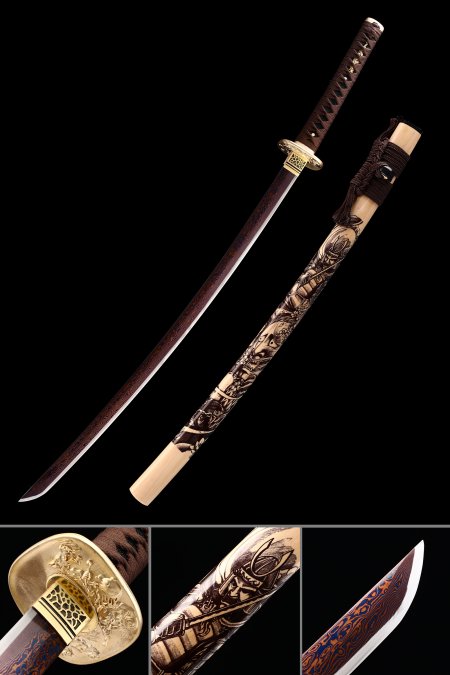
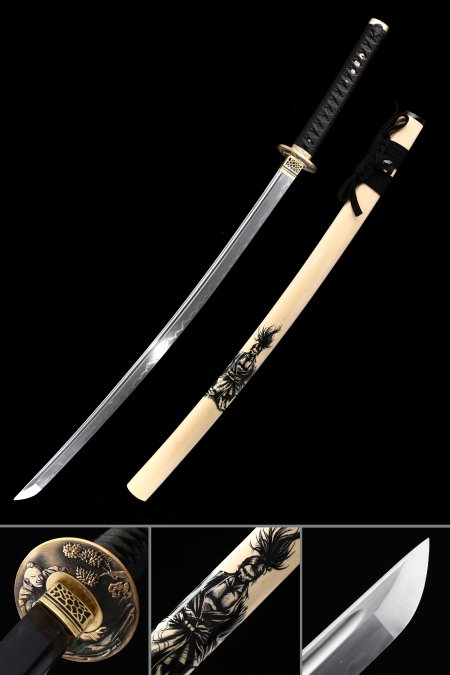
The most common choices in this collection are plain hardwood and rosewood. Plain hardwood sayas tend to show lighter, more neutral grain patterns that pair well with both bright polished blades and dark clay-tempered finishes. Rosewood sayas are denser, darker, and carry a richer reddish-brown tone with tighter grain — they are particularly striking alongside gold fittings or hamon blades where the contrast between steel and wood is part of the display composition. The wood is typically lacquered lightly or left in a semi-natural finish to protect the surface while preserving the visible grain. Because natural wood is porous, occasional light waxing or a dry cloth wipe-down after handling helps maintain the finish long-term.
What is a hamon, and which blades in this collection have a real one?
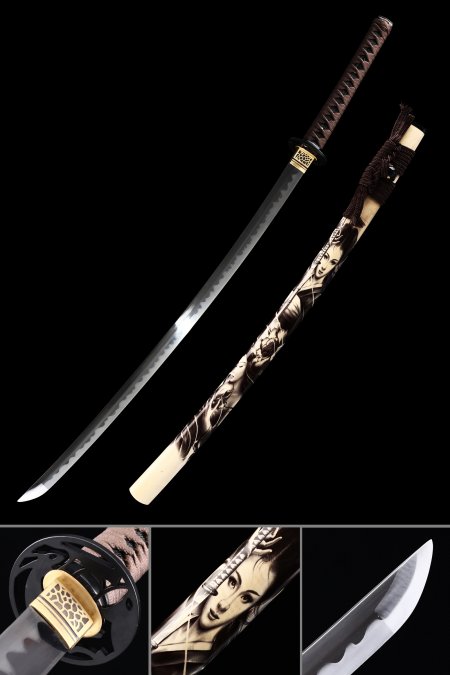
A hamon is the temper line that forms along a blade during the clay-tempering process. A swordsmith applies a clay slurry to the blade before quenching — the thinner-coated edge cools faster, producing a harder edge, while the clay-insulated spine cools more slowly and stays tougher. The boundary between these two zones becomes visible as a distinct wavy or irregular line running along the lower portion of the blade. A real hamon is genuinely formed by this heat-treatment process and will shift in appearance depending on lighting angle. Blades described as having a "real hamon" or "clay-tempered hamon" in this collection — particularly those in 1065 carbon steel, Damascus, and folded steel variants — carry this authentic feature. Blades described with a "hamon blade" without the clay-temper qualifier may have a polished or acid-etched visual effect rather than a metallurgical one.
How does Damascus steel differ from 1065 carbon steel in these katanas?
1065 carbon steel is a single-alloy high-carbon steel known for its consistent grain and reliable hardness when properly heat-treated. In this collection, 1065 blades are often clay-tempered to develop a visible hamon and are recognized for their clean, uniform surface. Damascus steel — or pattern-welded steel — is made by forge-welding multiple layers of steel together and then twisting or manipulating the billet before final shaping. The result is a blade with visible layered patterns across its surface that shift dramatically in different lighting. Damascus examples in this collection are full-tang collectibles with folded or multi-layer billets, and some feature blue-red or contrasted surface finishes. The practical distinction for display collectors is primarily aesthetic: Damascus blades offer more visual complexity and variation, while 1065 blades present a cleaner, more traditionally structured look with the hamon as the main visual focal point.
How should I store and maintain a natural wood saya katana?
Proper storage protects both the blade and the saya from moisture, temperature fluctuation, and unnecessary friction. Keep the sword in a low-humidity environment — ideally between 40% and 60% relative humidity — as excessive moisture can warp wood and promote surface oxidation on carbon steel blades. When storing horizontally, position the blade edge facing upward to prevent the edge geometry from pressing against the interior of the saya over long periods. For the blade itself, apply a thin coat of camellia oil or mineral oil every few months using a soft cloth, wiping along the blade from spine to edge rather than across it. Remove old oil before applying fresh oil to avoid buildup. The hardwood saya can be lightly wiped with a dry or very lightly dampened cloth to remove dust. Avoid direct sunlight exposure, which can fade the wood finish and dry out the grain over time.
Is a natural wood katana a good gift for a collector?
A natural wood katana makes an excellent gift for someone who appreciates traditional Japanese craftsmanship, historical sword design, or decorative display pieces. The organic grain of the saya gives each sword a distinct, one-of-a-kind character that mass-produced decorative items cannot match. For a first-time collector, a 1065 carbon steel example with a real hamon and a clean hardwood saya is an approachable entry point that still carries genuine metallurgical and visual interest. For a more experienced collector, a Damascus or folded steel shirasaya variant offers a higher level of craft complexity. Pairing the katana with a coordinating sword stand elevates the presentation significantly for display purposes. These pieces arrive inspection-ready and are appropriate for display cases, offices, or dedicated collection spaces.

Customer Reviews

Alvan Crittenden Georgia, United States

The two swords are fantastic, truly the best sword I've ever had in hand. They didn't take too long to arrive either, the only problem I have is that one sword is very different to unsheathe and ensheathe. It seems like the cut in the sheathe is off, but otherwise everything is great and would definitely order again.r
r
The first two are the ones I received from "TrueKatana". The topmost sword is the one with the sheathing problem.
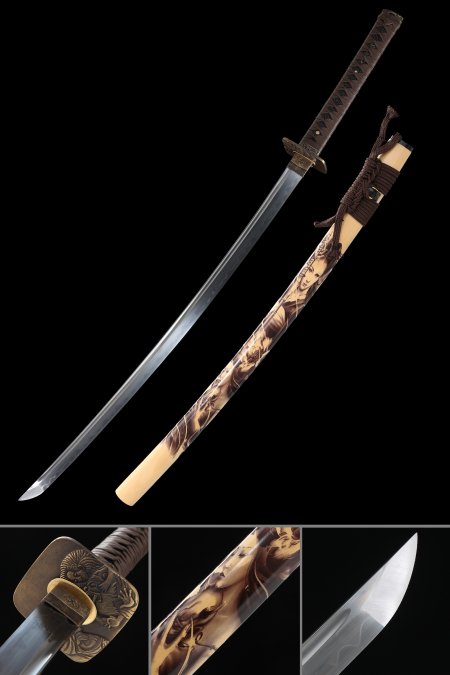
T10 Carbon Steel Katana with Clay Tempered Real Hamon in Hand-Painted Beige Saya with Copper Fittings T10 Carbon Steel Katana with Clay Tempered Real Hamon in Hand-Painted Beige Saya with Copper Fittings