
Red Saya Wakizashi
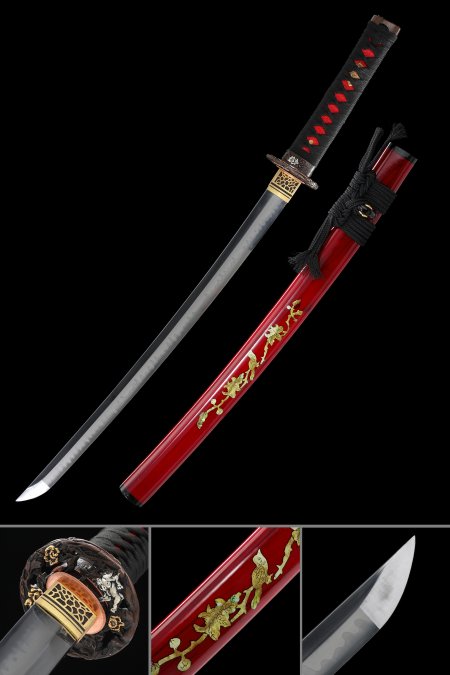
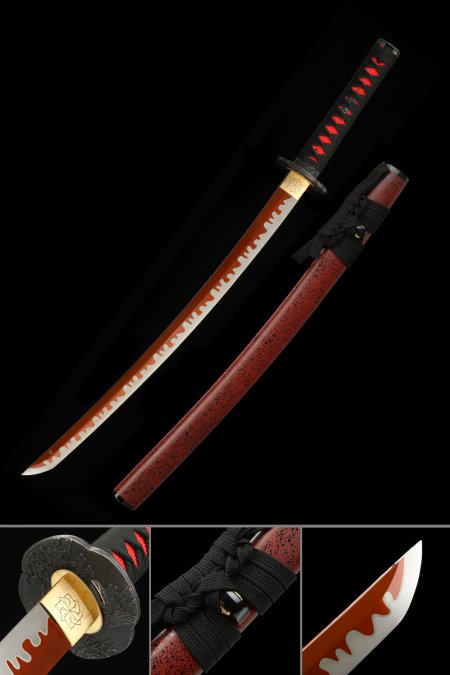
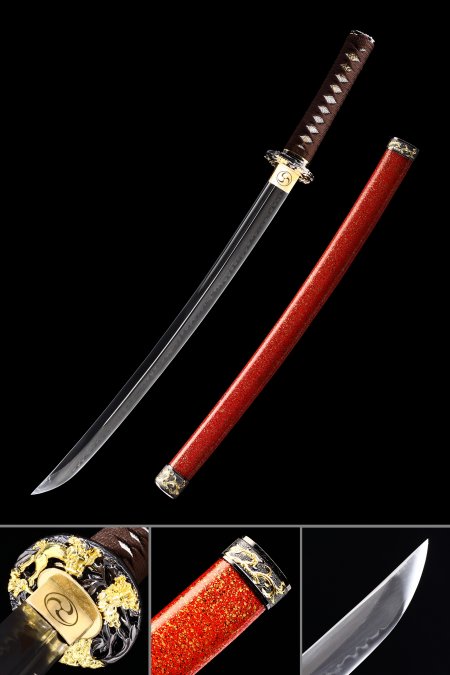
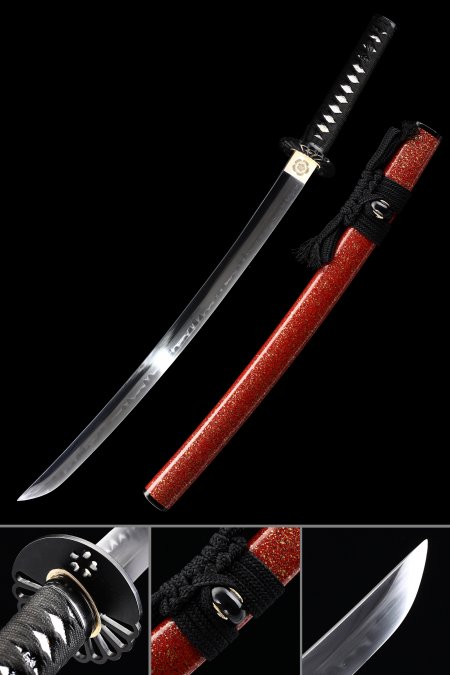
A red saya wakizashi brings together striking visual presence and genuine craft — lacquered hardwood scabbards in deep crimson paired with hand-forged T10 carbon steel blades bearing authentic hamon lines that no two pieces share exactly. These are display-worthy collectibles built with the precision and material integrity that serious collectors demand. Every order ships free with hassle-free returns, so adding one to your collection is completely risk-free.
Related Collections
Frequently Asked Questions
What makes T10 steel a preferred choice for wakizashi collectors?
How is a red lacquered saya made, and does the finish last?
How does a wakizashi differ from a tanto as a display collectible?
What care routine keeps a display wakizashi in top condition?
Is a red saya wakizashi a good gift for a Japanese culture enthusiast?
Customer Reviews
Moc krásný děkuji. Jen by to mělo být ostřejší ahoj
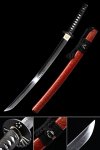 |
T10 Carbon Steel Wakizashi with Real Hamon in Red Lacquer Hardwood Saya - Black Tsuka |
Pretty cool never had one before this is my first one. But I love it, will definitely be buying more.
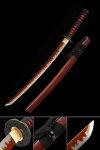 |
Manganese Steel Wakizashi with Red Blade & Black-Red Tsuka in Chrysanthemum Koshirae |
It is good for an old professor, should be good for a young dentist: will buy one for my son.
I see one problem - we have no enemies to fight :-)
|
Manganese Steel Wakizashi with Red Blade & Black-Red Tsuka in Chrysanthemum Koshirae |
Great Condition and it Shipped to My House Really Quick.
|
T10 Carbon Steel Wakizashi with Real Hamon in Red Lacquer Hardwood Saya - Black Tsuka |
The product arrived and looks even more awesome than the catalogue photos.
Well made by people that know what they're doing !
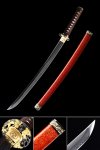 |
T10 Carbon Steel Wakizashi with Real Hamon - Red Lacquer Saya, Dragon Tsuba, Brown Tsuka |
A very sharp and well-made wakizashi, especially for the money. The blade has been well-sharpened and cuts paper easily. The saya is attractive, not just your usual one-color paint. The habaki is fancier than the usual plain brass saya and continues the theme of the flower like the tsuba. Customer service went out of their way to ensure that I was pleased with my purchase.
|
T10 Carbon Steel Wakizashi with Real Hamon in Red Lacquer Hardwood Saya - Black Tsuka |
Really nice Wak!!
If you just gotta have a sword, True Katana is the place to shop!
Cheers!
|
T10 Carbon Steel Wakizashi with Real Hamon - Red Lacquer Saya, Dragon Tsuba, Brown Tsuka |
I've purchased two of your Swords with Sword Stands. I am very pleased with the beauty and quality of work on the items I received. My friends are amazed at the appearance and overall
quality and finish of your products.
Sincerely,
LCoffman
|
T10 Carbon Steel Wakizashi with Real Hamon - Red Lacquer Saya, Dragon Tsuba, Brown Tsuka |



