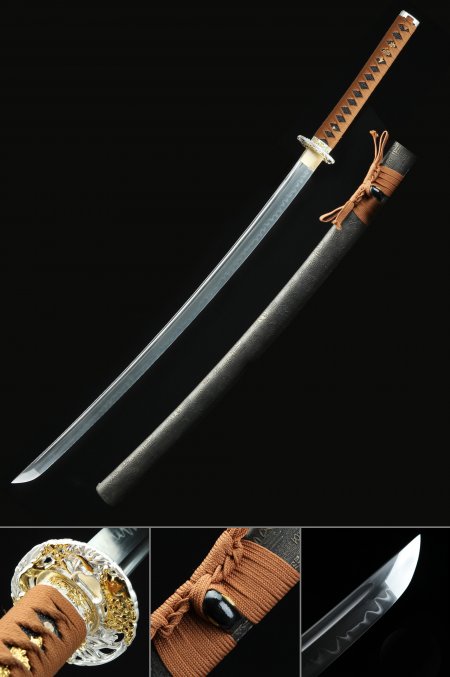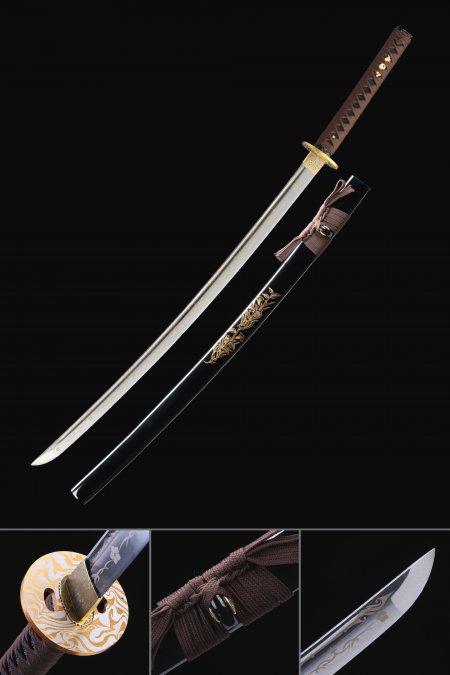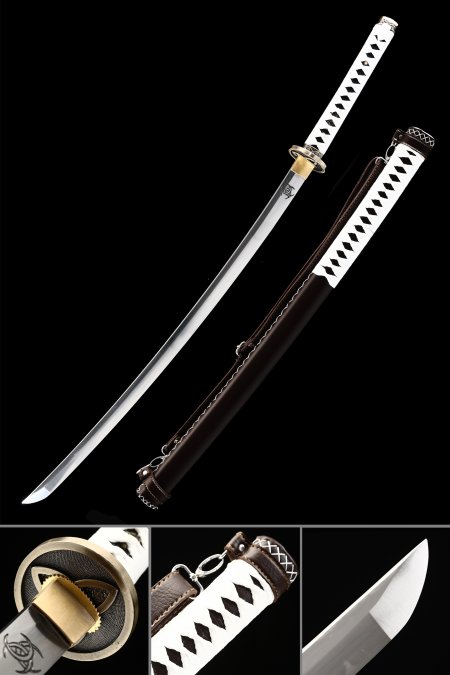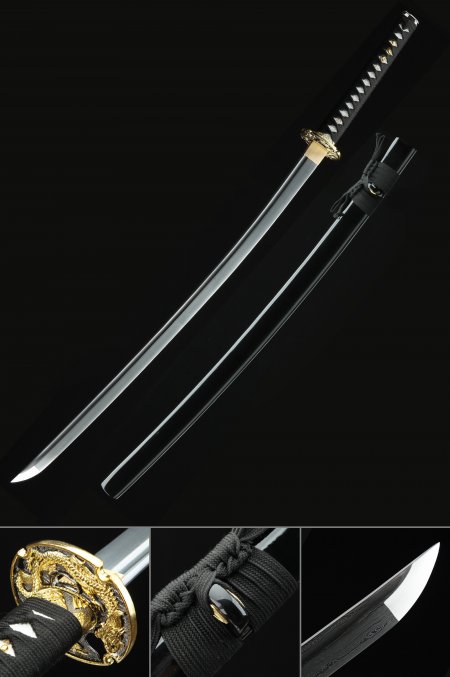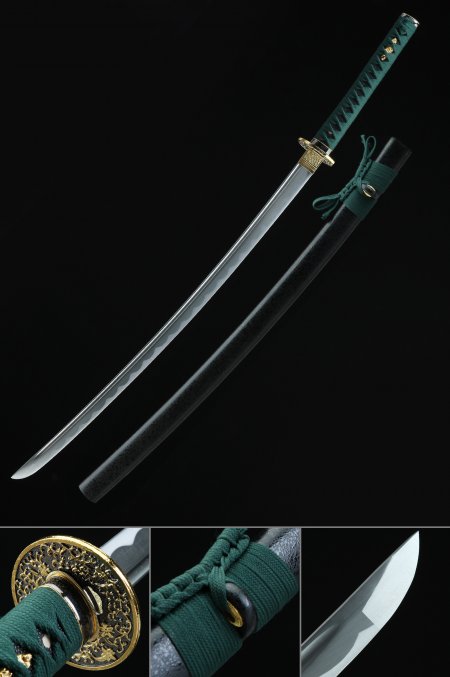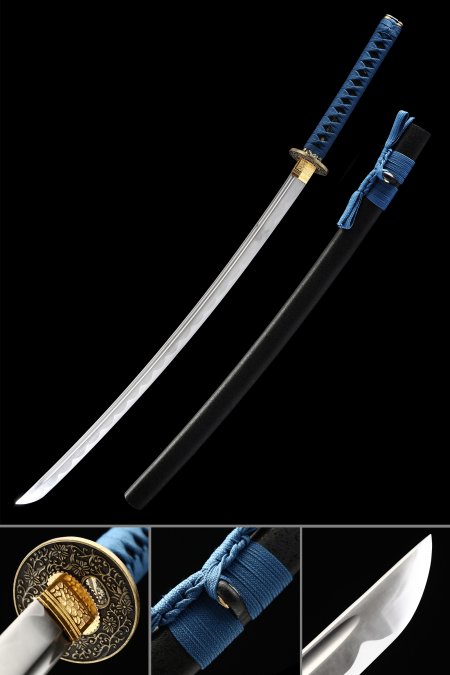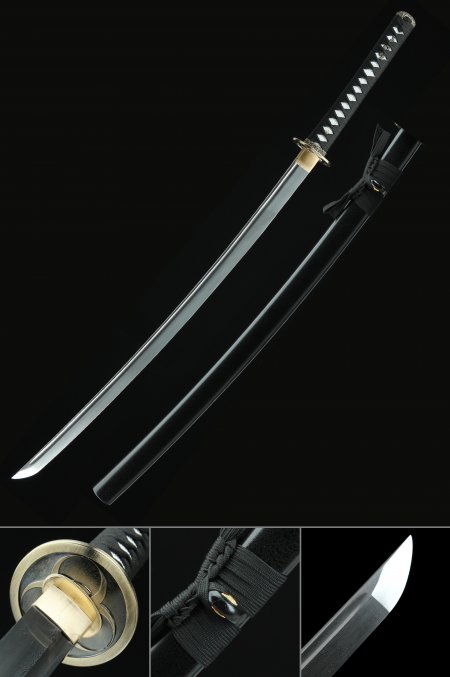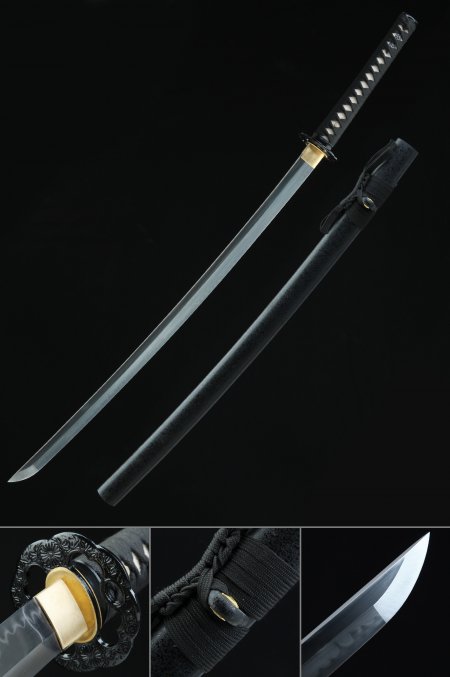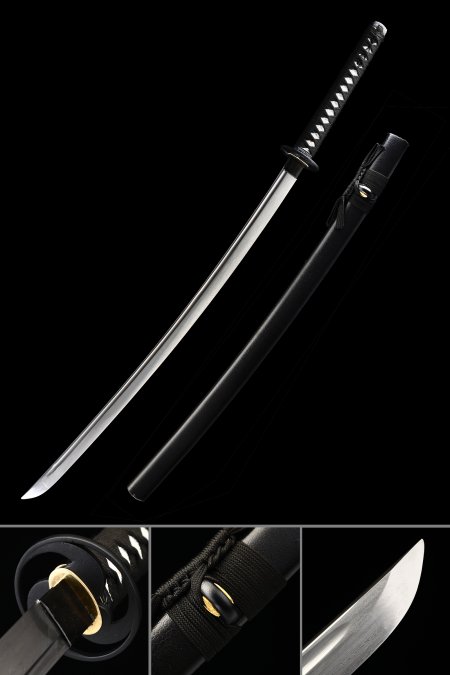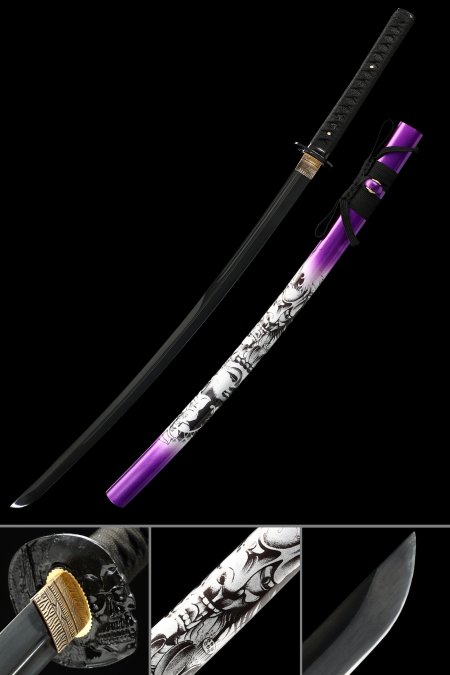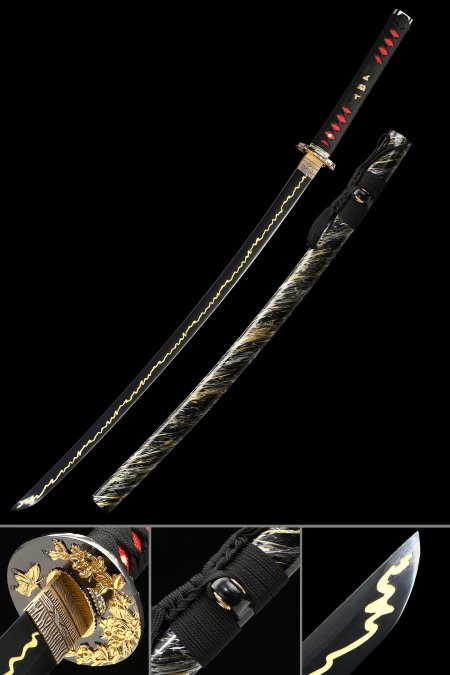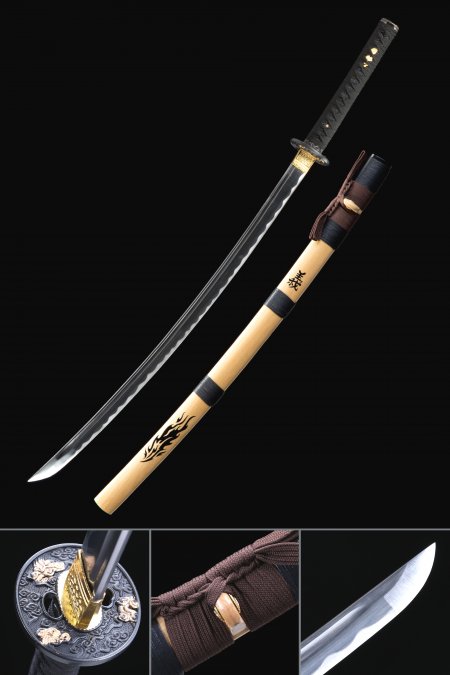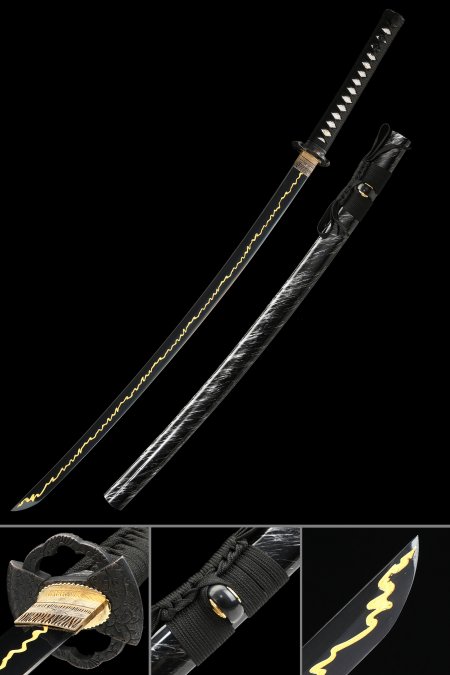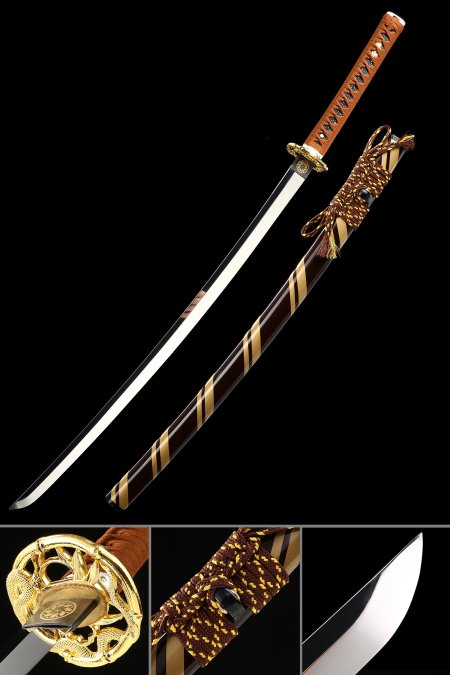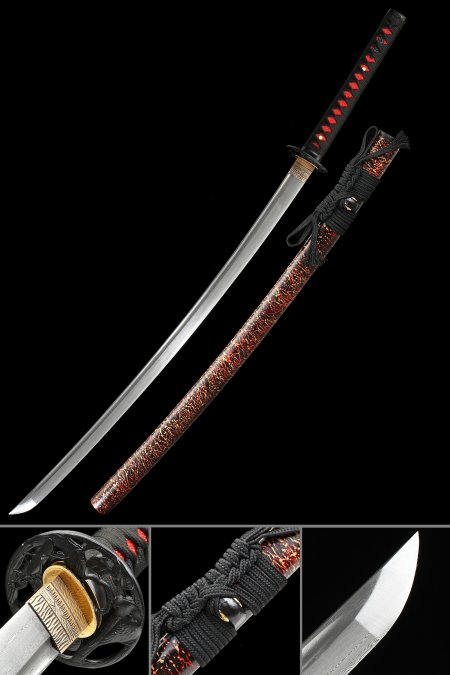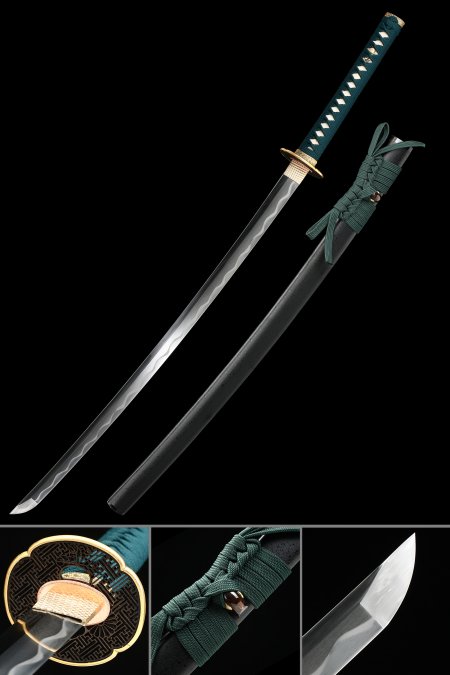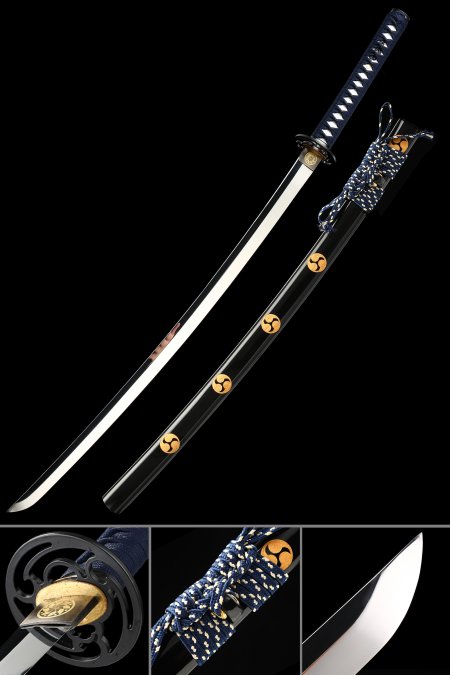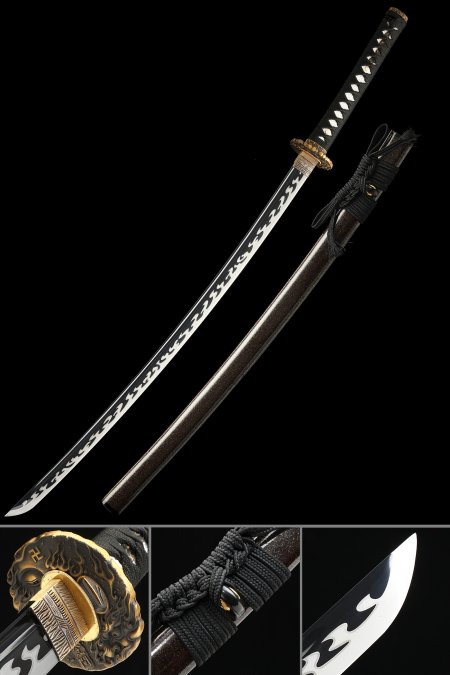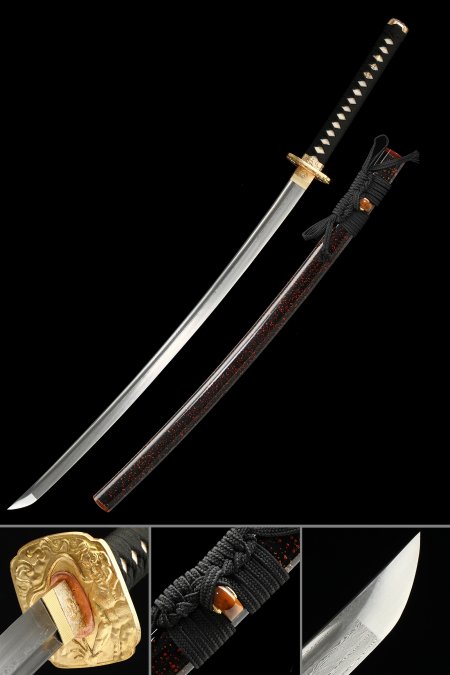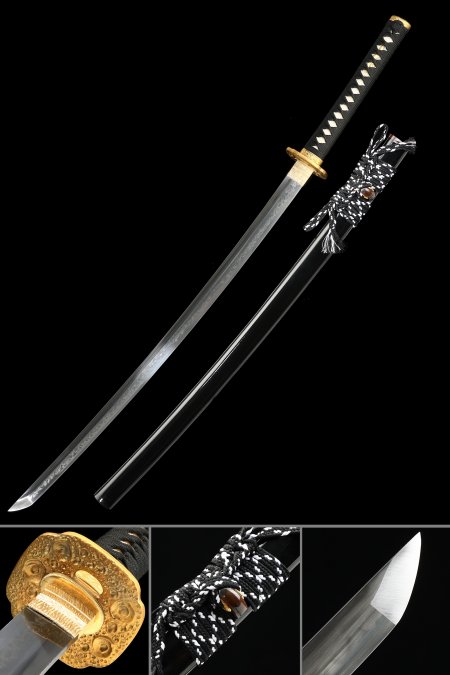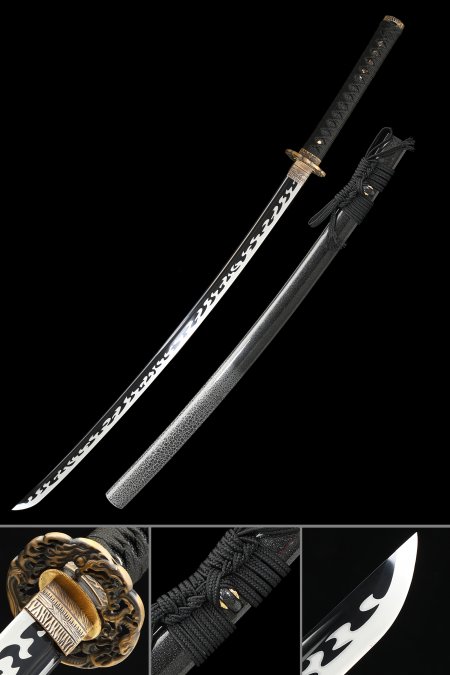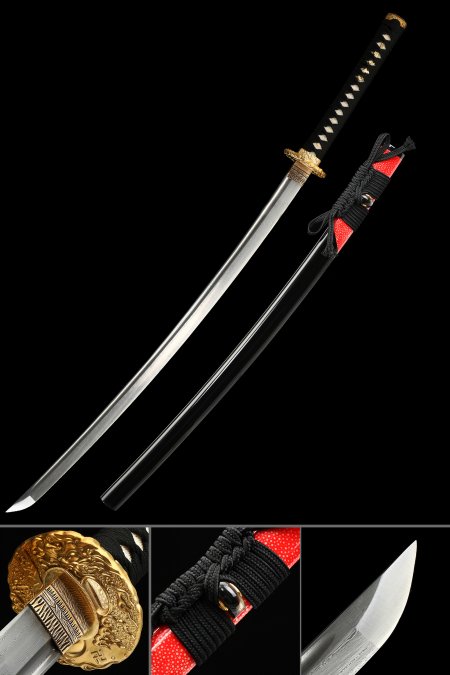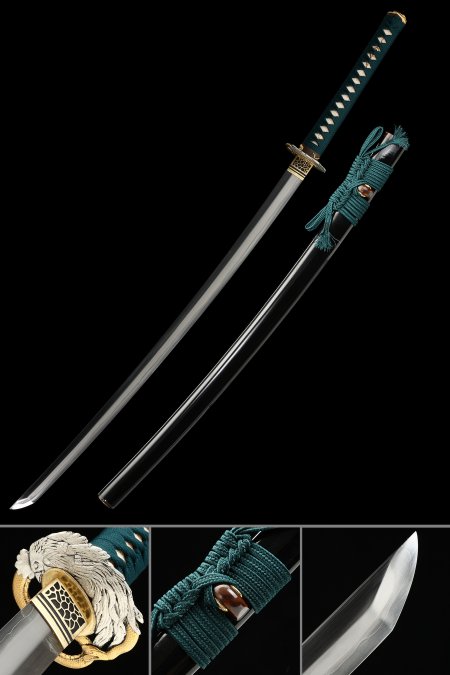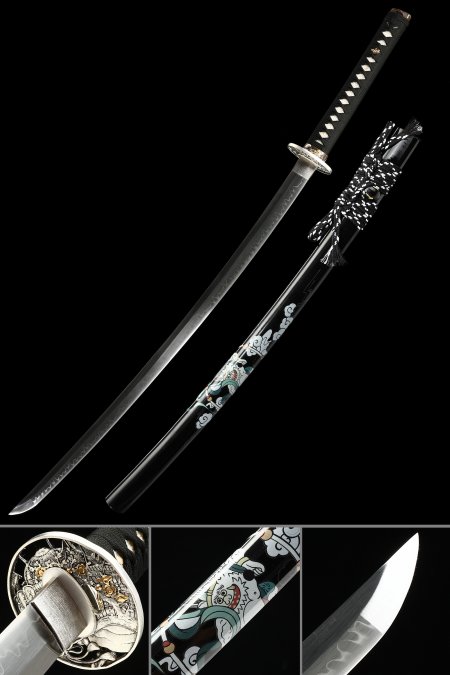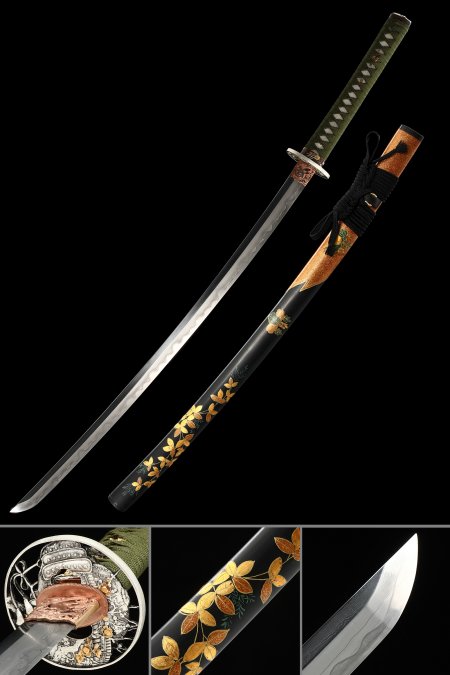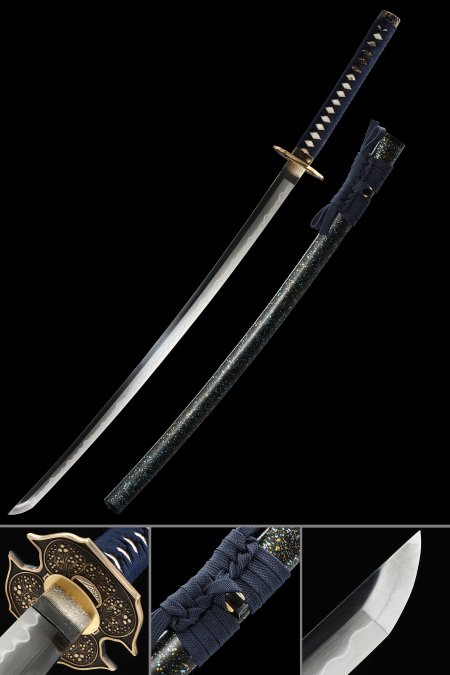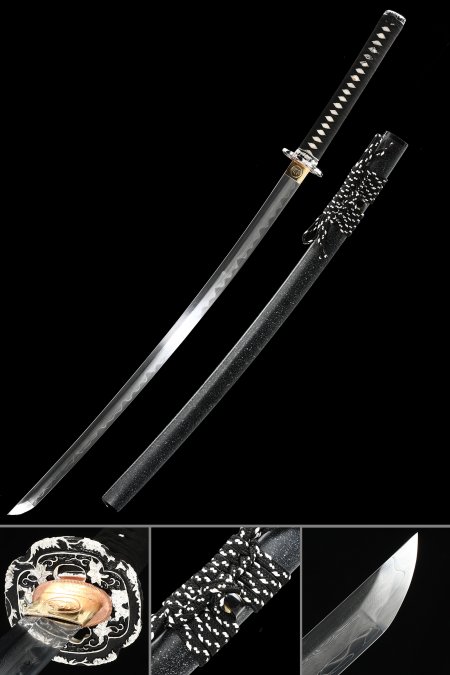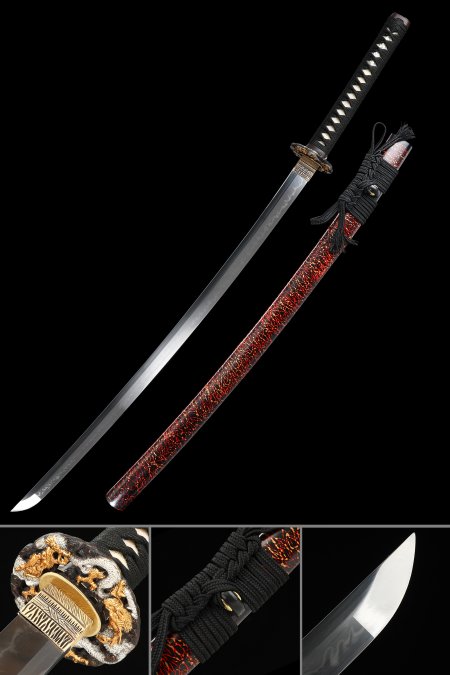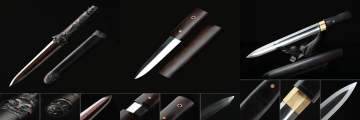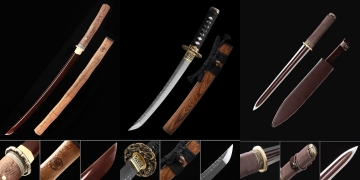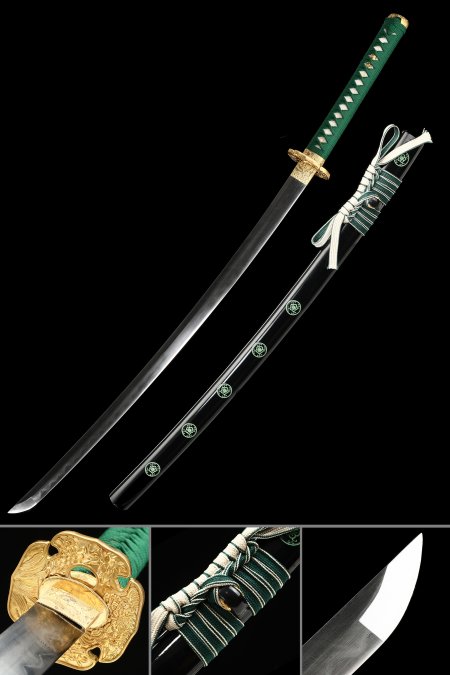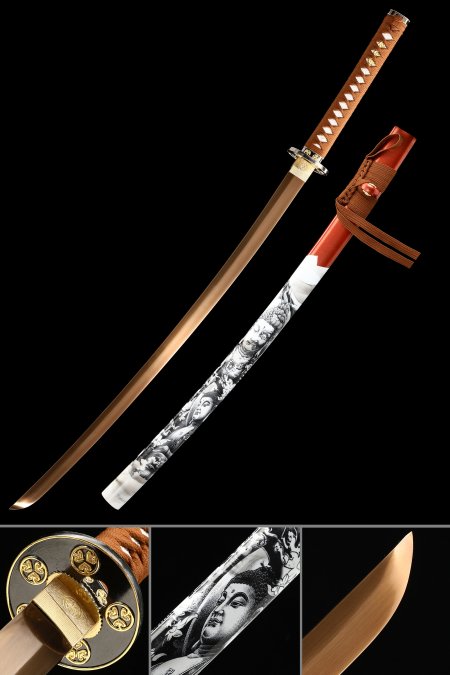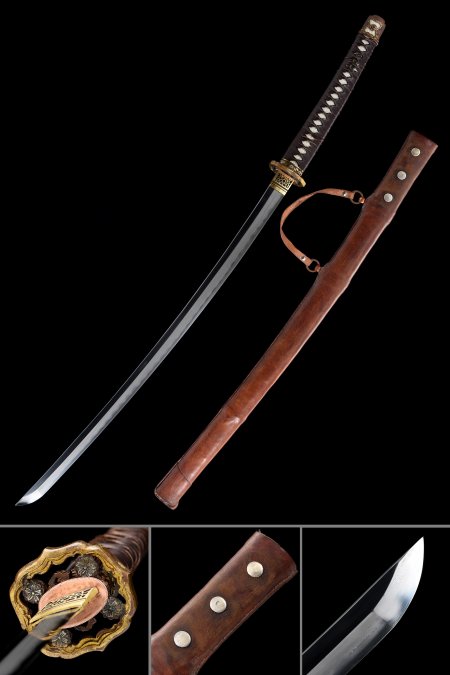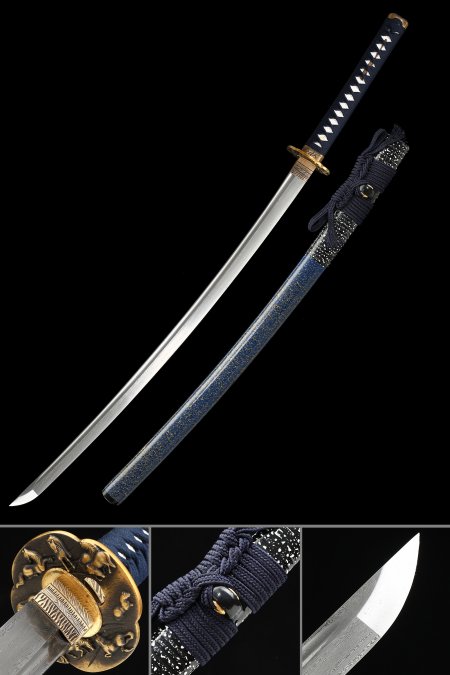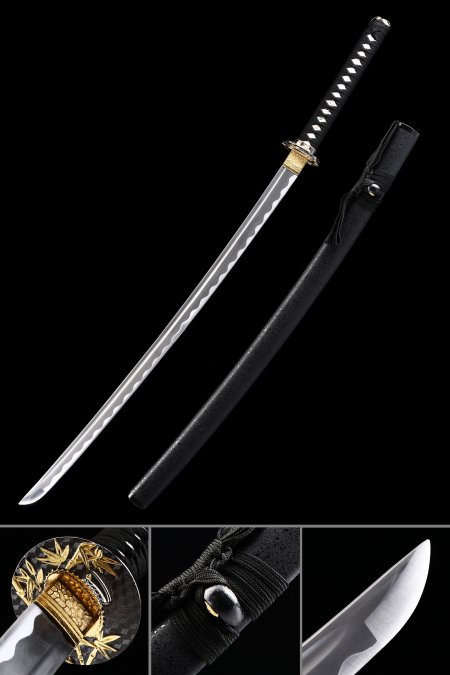
Short Sharp Katana

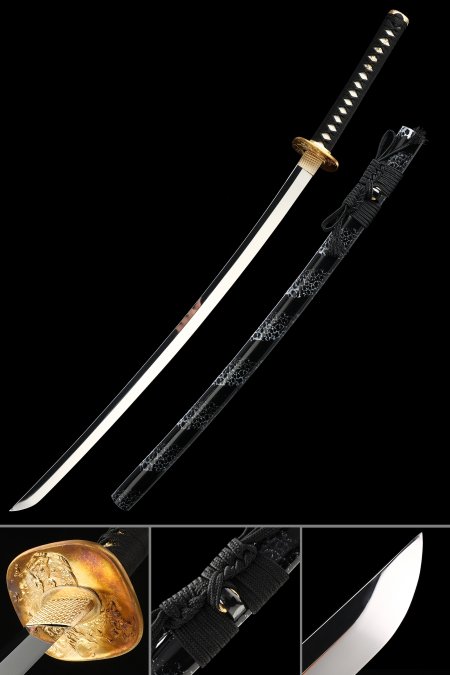
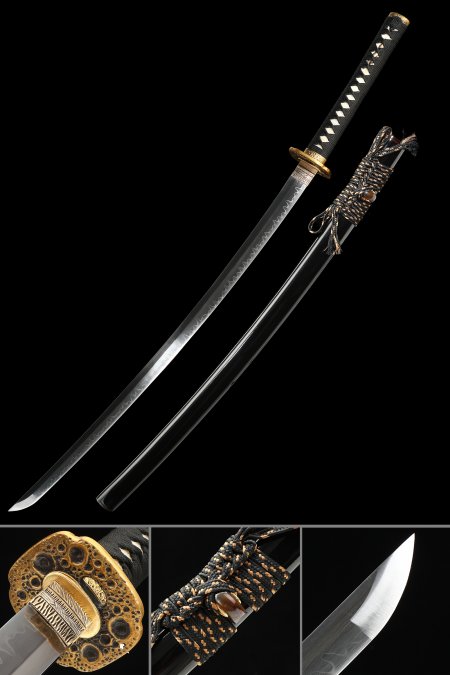
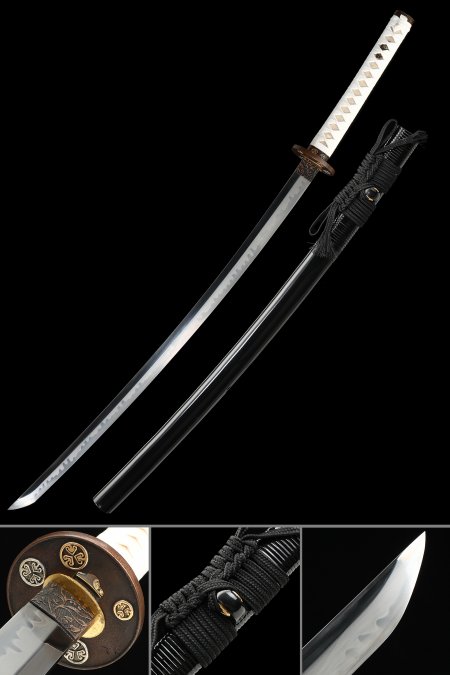
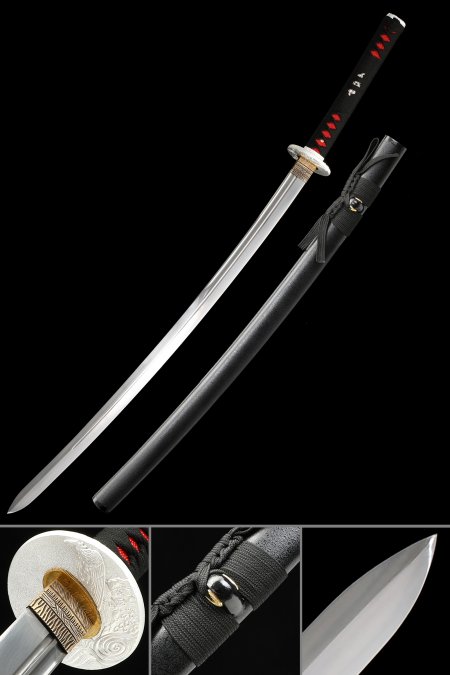
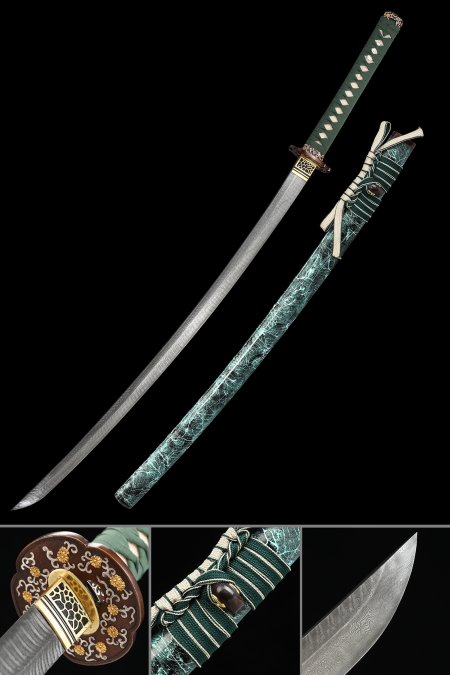
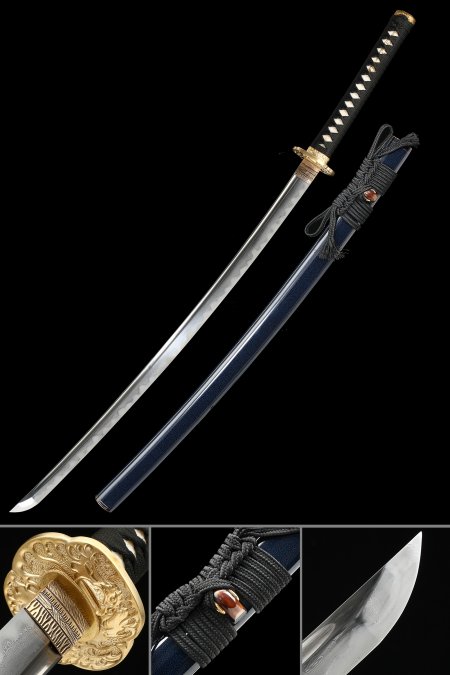
Explore our collection of short sharp katana swords - hand-forged wakizashi and compact Japanese katana collectibles built with full-tang high-carbon steel and genuine differential heat treatment, producing short blades with the sharpened edge character that serious collectors and practitioners demand. Available in T10, Damascus, Manganese Steel, and 1045 carbon steel across a range of styles and colors. Free US shipping and hassle-free returns included on every order.
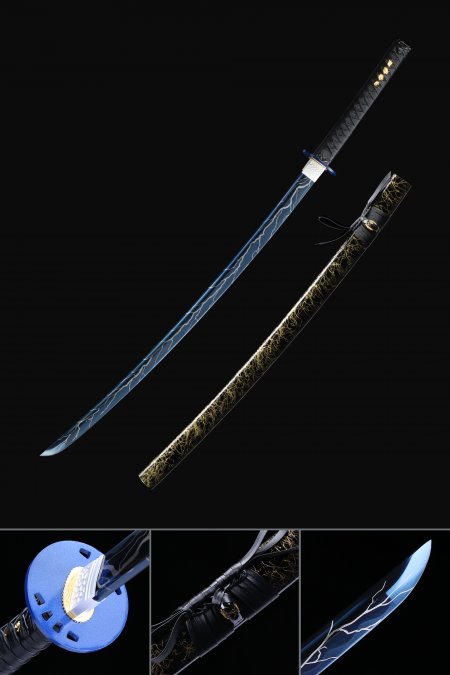
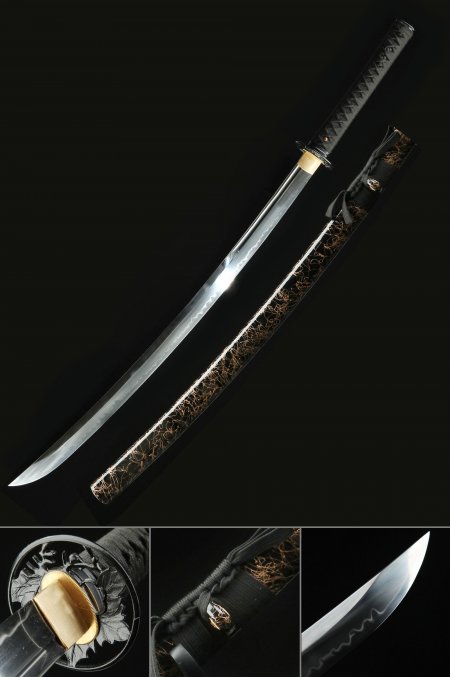
Showing 92 Products

Related Collections

T10 Steel Katana30 items


1 Reviews

Short Japanese Tanto106 items


318 Reviews

Double Edge Sharp Tanto4 items


52 Reviews

Damascus Short Sword53 items


70 Reviews

Frequently Asked Questions

What makes a short katana genuinely sharp as a collectible?
A genuinely sharp short katana is defined by the combination of steel grade, heat treatment method, and edge finishing that produces a blade capable of holding a keen edge. High-carbon steel grades - T10, 1045, 1065, Manganese Steel - can be heat-treated to achieve the edge hardness necessary for genuine sharpness. During heat treatment, the edge zone of a properly clay-tempered blade is hardened to a Rockwell hardness of approximately 55-60 HRC, which is the hardness range appropriate for a sharp edge that holds well during use and handling. The final edge finishing process - polishing and edge grinding on progressively finer stones - refines the edge geometry to the specific sharpness profile of the finished piece. A properly finished high-carbon steel short katana will have a sharpened edge that is immediately apparent during visual inspection and careful tactile examination with a cloth. All short sharp katana in this collection are built with high-carbon steel and proper heat treatment appropriate to a genuinely sharpened edge.
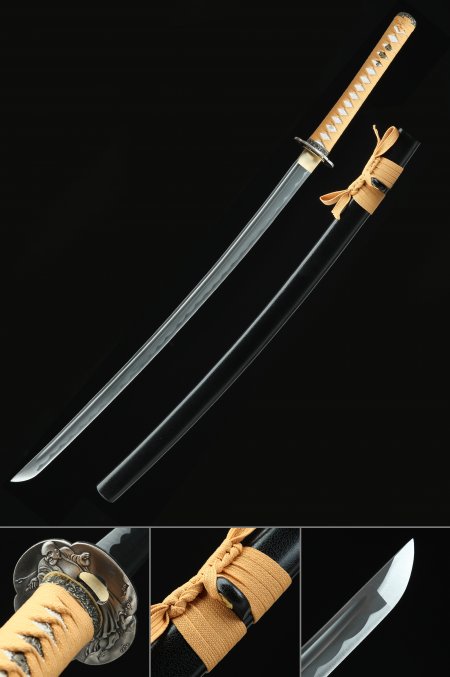
What steel grades produce the best edge quality in a short katana?
Edge quality in a short katana is primarily determined by the steel grade and the heat treatment method applied. T10 carbon steel is the premium option: its controlled grain structure and high effective carbon content allow for differential clay tempering that produces the hardest edge zone available in the high-carbon steel category without compromising toughness at the spine. T10 short katana with visible hamon have edge zones at approximately 60 HRC - the hardest appropriately achievable for a Japanese-style blade - which corresponds to exceptional edge retention and sharpness. Manganese Steel is highly regarded for surface hardness and delivers excellent edge quality with a deep, consistent finish across the edge profile. 1065 carbon steel, used in selected pieces like certain anime replica short katana, is a high-carbon grade that sits above 1045 in achievable hardness while remaining more workable to forge than T10. Damascus steel short katana offer excellent edge quality from the combination of high-carbon steel types used in their fold-forged construction. 1045 is the most accessible grade and produces reliable edge quality at the entry level.
What is the difference between a sharpened and unsharpened short katana?
A sharpened short katana has an edge that has been ground and polished to a functional cutting edge during the finishing process after forging and heat treatment. An unsharpened or blunt-edged katana is finished to a smooth profile without the final edge grinding that creates a sharp cutting edge - typically for practice or display purposes where a sharp edge is not required or is a safety concern. In the short sharp katana collection, all pieces are finished with a sharpened edge unless specifically stated otherwise in the product listing. A sharpened short katana requires more careful handling than a blunt-edged alternative: always handle the blade with a soft cloth rather than bare hands, never use the edge as a support point when placing the sword down, and ensure the scabbard is in good condition with an intact koiguchi (scabbard mouth) that guides the blade cleanly during sheathing. The edge of a properly sharpened high-carbon steel short katana will remain in good condition with appropriate care and periodic maintenance oiling.
How do I safely handle and display a short sharp katana?
Safe handling and display of a short sharp katana centers on respecting the blade's sharpened edge at all times. When handling the blade outside its scabbard, always use a soft lint-free cloth to hold the blade rather than bare hands - this prevents fingerprints and oils from reaching the blade surface and prevents accidental contact with the edge. When drawing or sheathing the sword, make the motion slow and deliberate, guiding the blade along the scabbard's inner surface rather than pulling it straight out or pushing it straight in. For display, a properly fitted scabbard with an intact koiguchi protects the edge during storage and presentation - inspect the scabbard mouth periodically to confirm it is guiding the blade cleanly. For wall or tabletop display without the scabbard, position the blade with the edge facing upward or away from any surface that could be damaged by accidental contact. For household display, consider the location of the display relative to children and pets, and mount the piece at a height that keeps it out of reach when necessary.

Customer Reviews