FAST SHIP
Free Shipping
189.00 USD
ON SALE! 15% OFF
Was: 219.00 USD
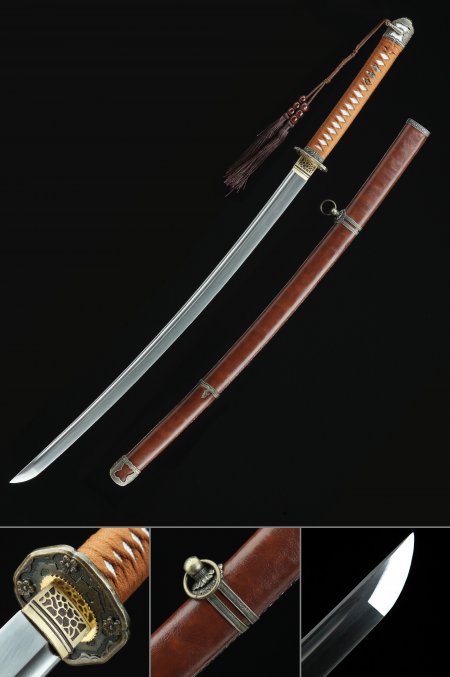
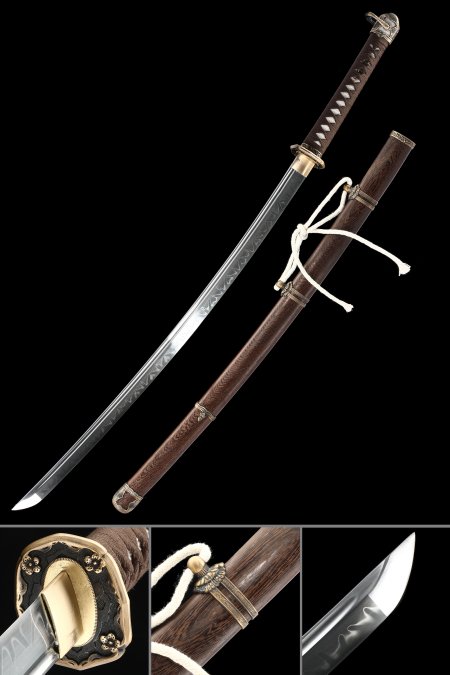
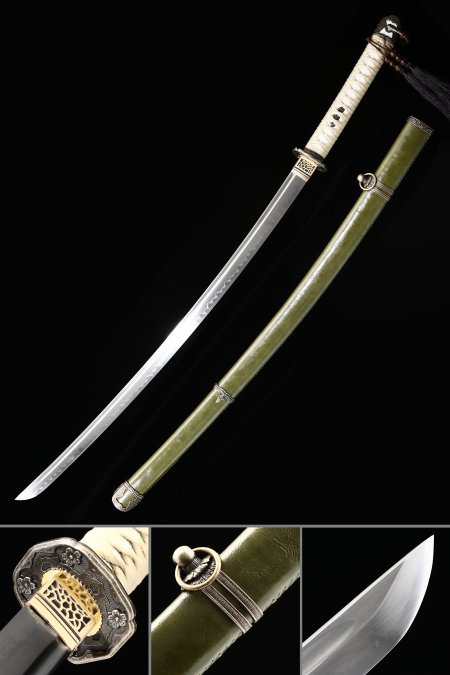
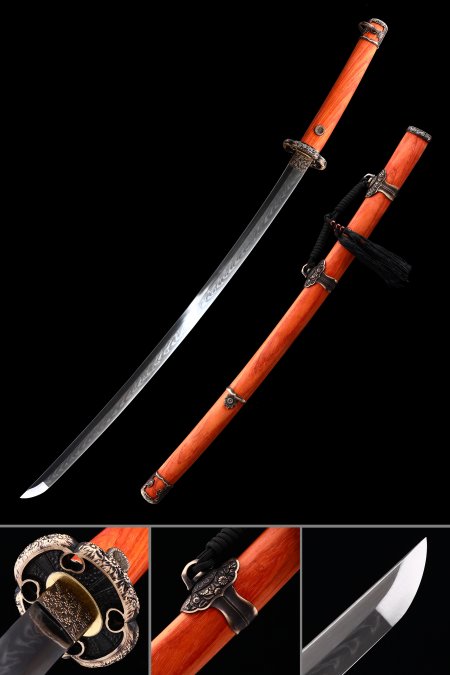
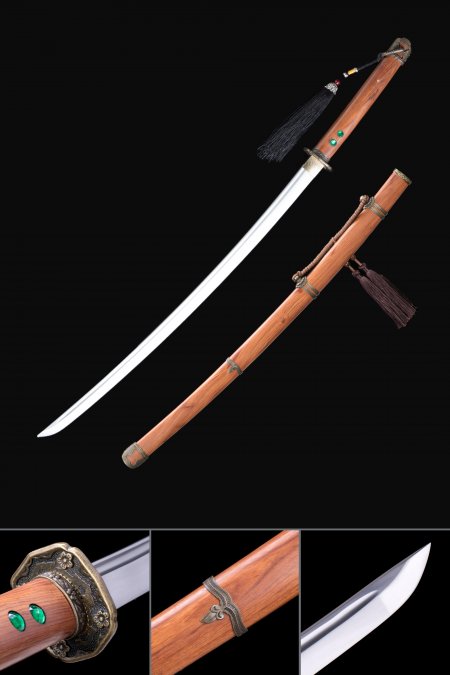
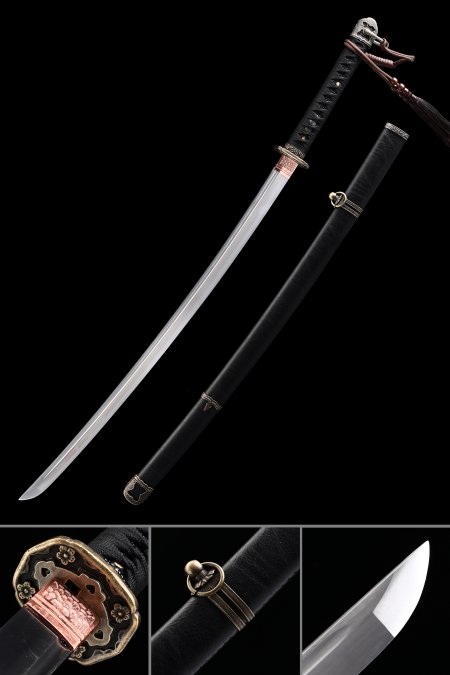
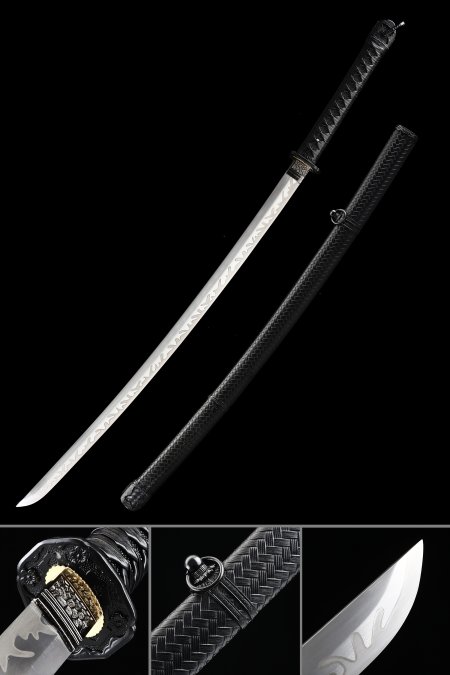
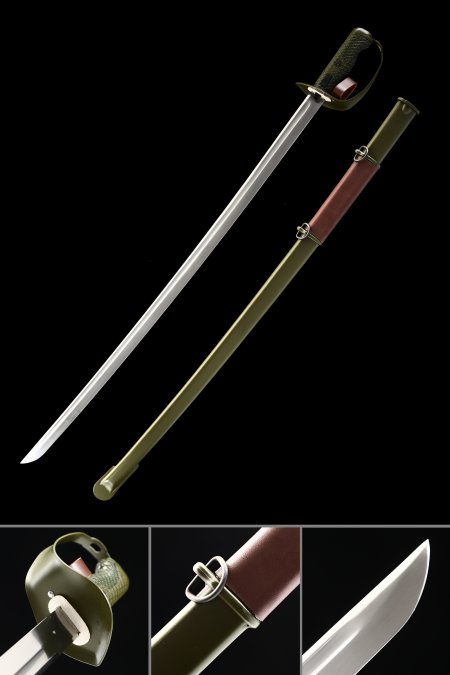
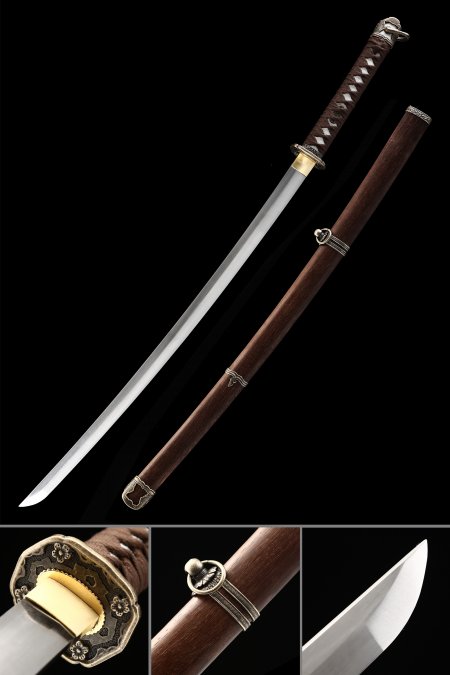
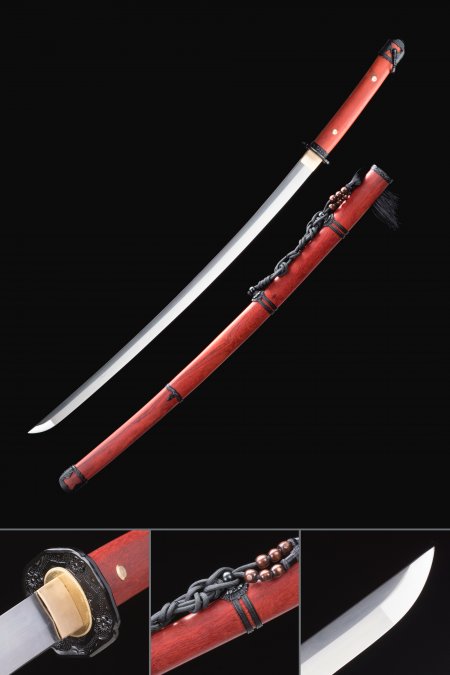
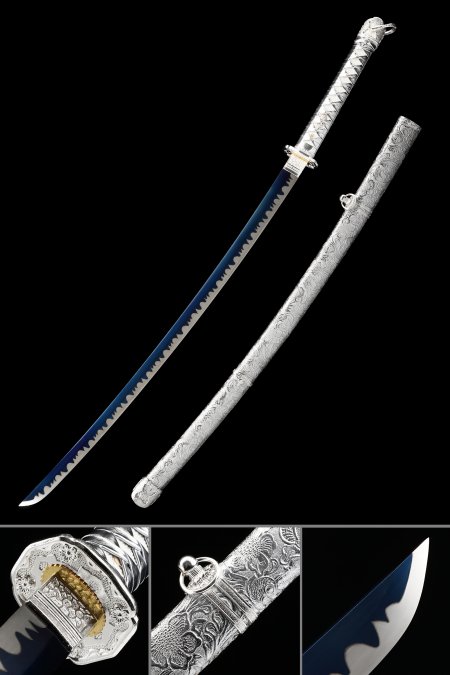
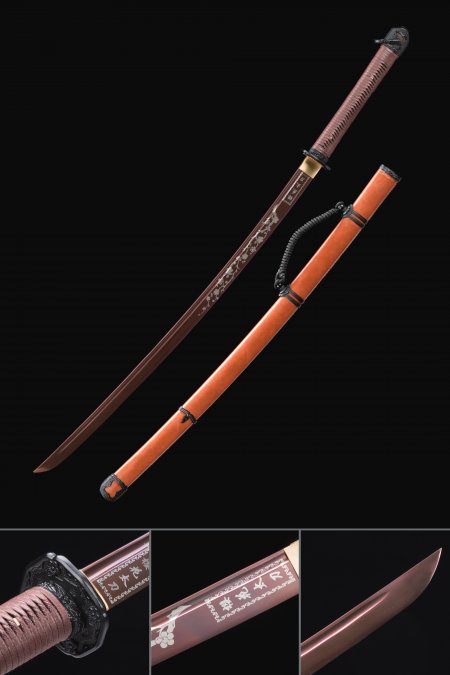
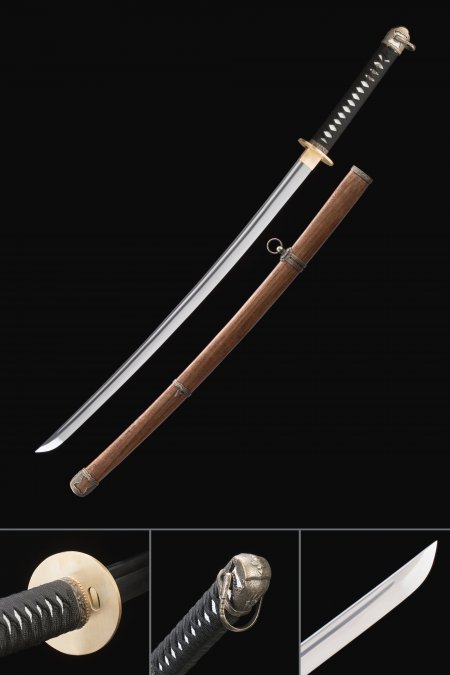
WW2 Japanese katana replicas capture the disciplined military aesthetic of Imperial Japan's officer corps, from the iconic Type 98 Shin Gunto profile to hand-forged blades in Damascus, 1095 carbon, and T10 clay-tempered steel. Each piece is built with period-accurate fittings — floral tsuba, ray-skin or leather-wrapped handles, and lacquered iron or hardwood saya — making them compelling display centerpieces for serious collectors. Free standard shipping on all orders, backed by our hassle-free return policy.
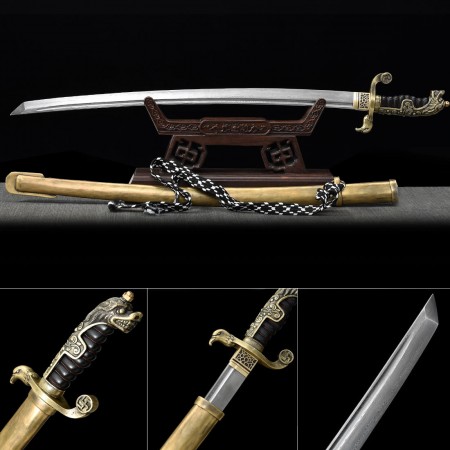
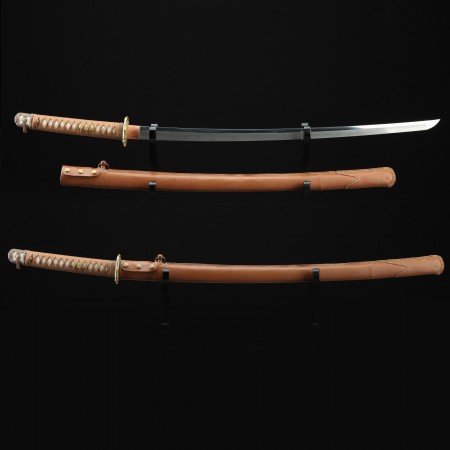
Excellent workmanship very authentic reproduction of the real sword. Thank yo
 |
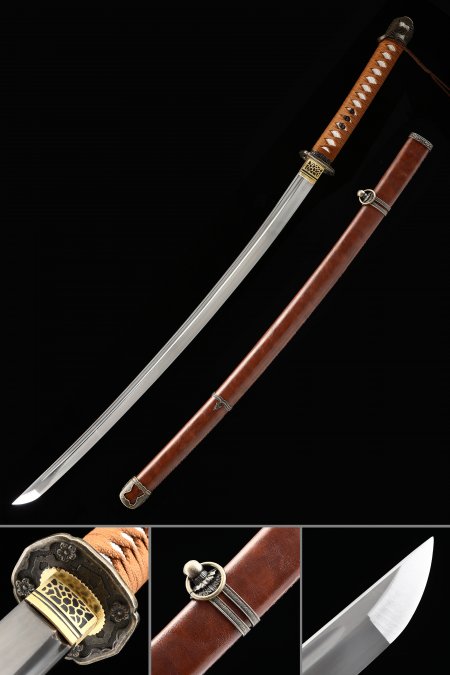
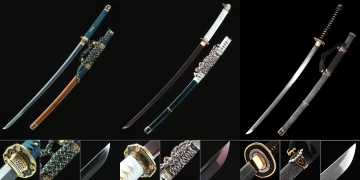
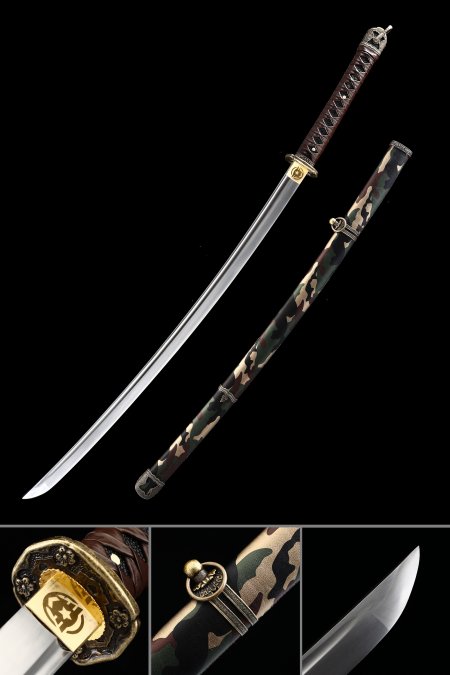
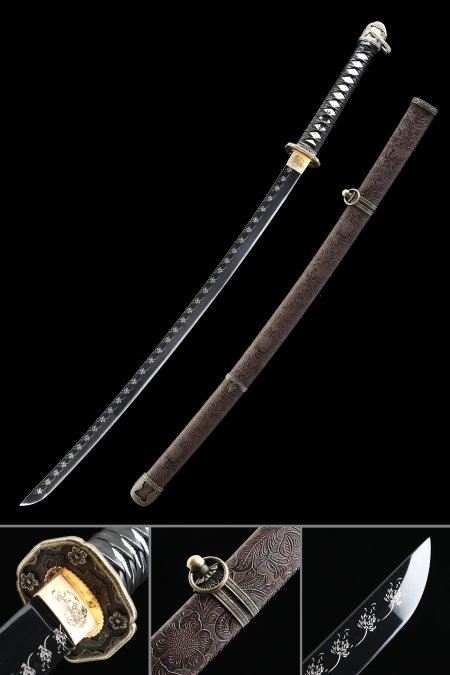
WWII Type 98 Shin Gunto Officer Katana in 1095 Carbon Steel with Brown Leather Saya and Flower Tsuba |
The item arrived well packaged and in a timely manner. I am pleased with this item but have made several minor alterations to improve appearance. the price was not too bad. I would buy again from this company if I found an item I liked and was priced right
 |
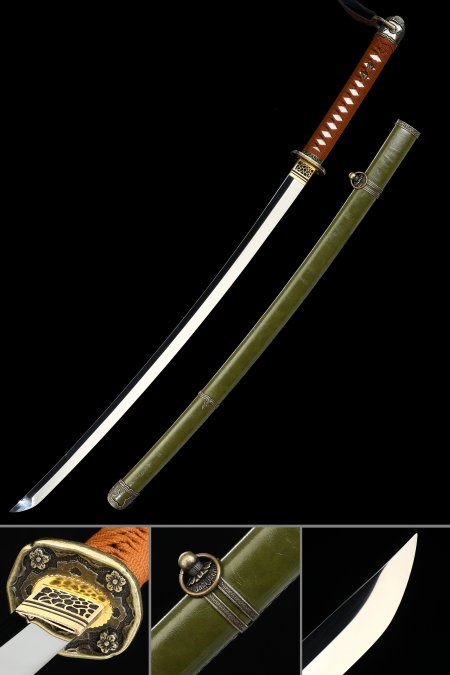
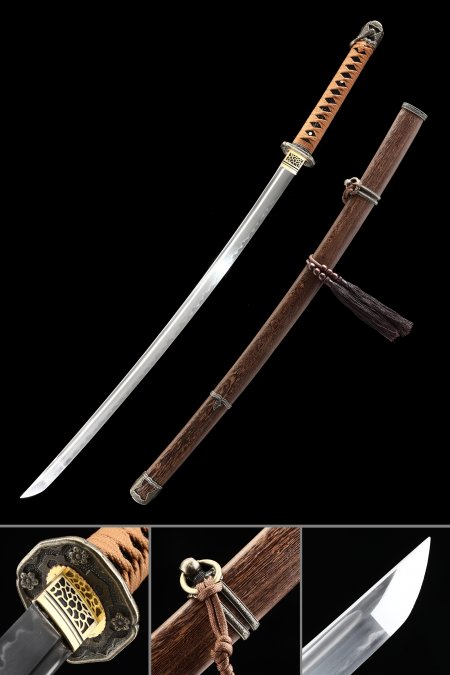
WWII Type 98 Shin Gunto Officer Katana - 1065 Carbon Steel with Brown Rosewood Saya and Alloy Flower Tsuba |
Excellent. As described. Another great piece for my son and I's collection. Certainly not a cheap toy. Battle Ready.
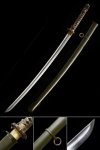 |
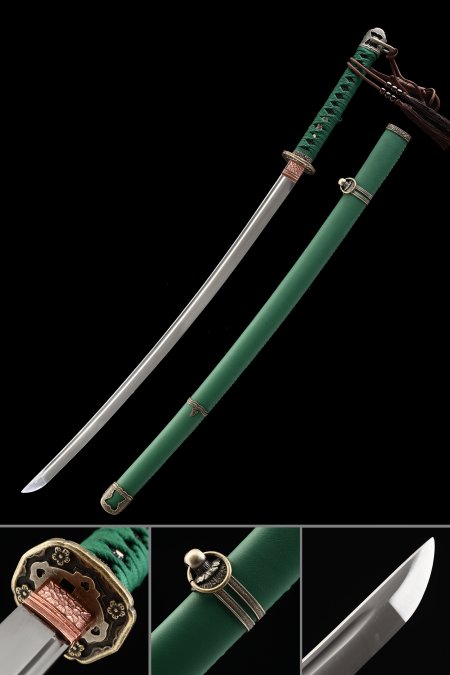
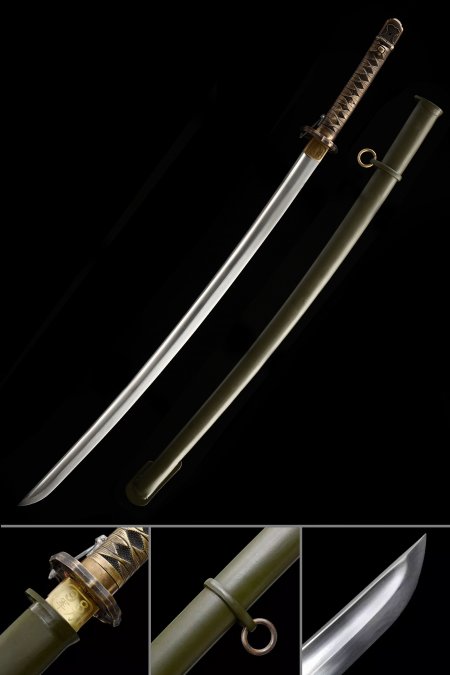
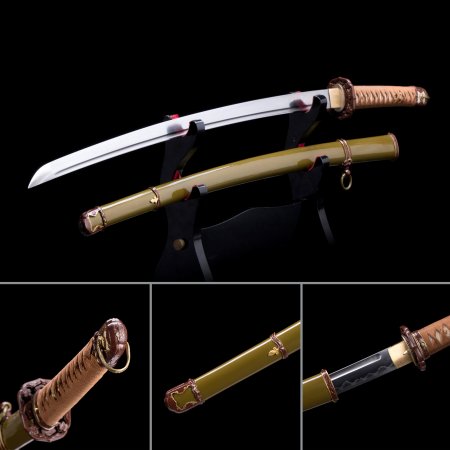
WWII Type 98 Shin-Gunto NCO Sword - 1095 Carbon Steel with Olive Iron Saya and Copper Fittings |
My order came in pretty quickly and the quality seems pretty good! It’s a gift so I have to wait till it’s opened to see how durable it is but it’s got good weight to it :D
|
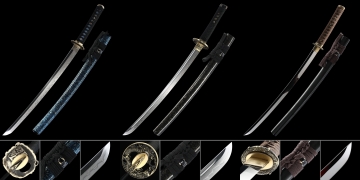
WWII Type 98 Shin Gunto Officer Katana - 1065 Carbon Steel with Brown Rosewood Saya and Alloy Flower Tsuba |
Placed the order on July 14th and received the sword today. Apparently when TrueKatana says "in stock" that means in stock in China.....still, the tracking was not bad at all, I could log on and get info anytime, right up until delivery. I admit I was apprehensive about paying this much for a Katana, but I have to say that it has exceeded my expectations and I am very happy with this purchase. r
The fit and finish is absolutely perfect, I cannot find a flaw in this blade, handle or scabbard. It even came with a neat silk lined case that I wasn't expecting. The Hamon is perfect, the blade has a beautiful taper and it is true to all the features of a WWII type 98 Shin Gunto. Anyone worried about the quality matching the price should buy with confidence, you will not be disappointed with this Katana!!!!!!
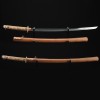 |
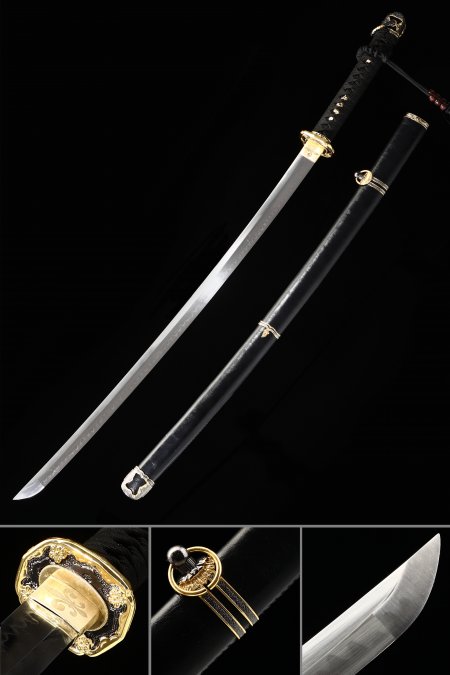
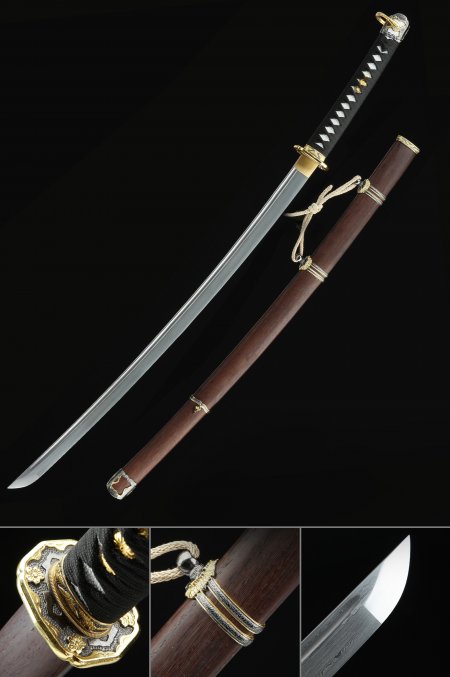
WWII Type 98 Shin Gunto Katana in Damascus Steel with Brown Leather Saya - Gold Tsuba Officer's Replica |
Amazing quality. Everything is snug, tight, and very well-built. The tang is tightly wound with durable ray skin underneath. The end cap of the tang is snuggly fitted. The blade itself, while this will be used for display, is extremely sturdy. r
r
My main purchasing factor was that True Katana was the only company selling WWII katanas (olive color, rosewood, etc.), and all of the designs and effects are 100% accurate, with the reasonable exception that there is no stamp on the blade (but that's expected, because those forges did not make the blade). With that being said, for what this is, it's well worth the price. r
r
Also, shipping was very fast considering it came from China to America.
|
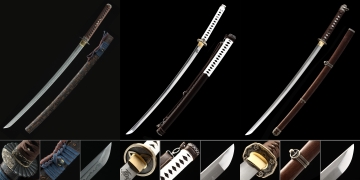
WWII Type 98 Shin Gunto Officer Katana - 1065 Carbon Steel with Brown Rosewood Saya and Alloy Flower Tsuba |
OUR 22 YR OLD ABSOLUTE LOVED IT!! THANK YOU FOR. A TRUE KATANA!!!
|
WWII Type 98 Shin Gunto Officer Katana - 1065 Carbon Steel with Brown Rosewood Saya and Alloy Flower Tsuba |
Great sword for the price. Could have been a bit sharper. But, I bought it mostly for display. It arrived much faster than I thought. I’ll definitely buy from True Katana again.
|
WWII Type 98 Shin Gunto Officer Katana - 1065 Carbon Steel with Brown Rosewood Saya and Alloy Flower Tsuba |