What is the difference between a table-top 2 sword stand and a wall-mount version?
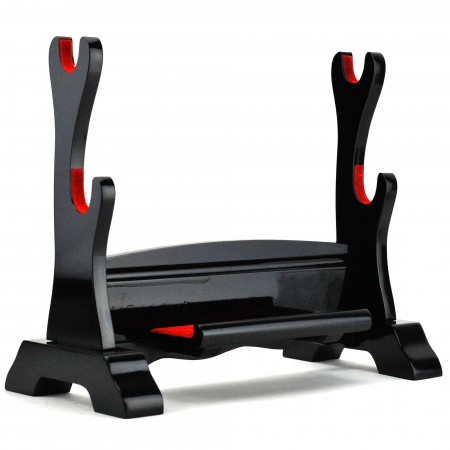
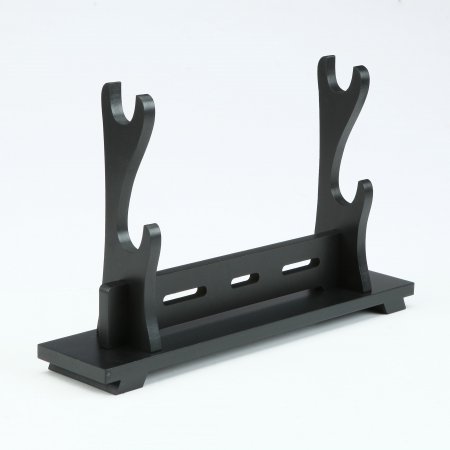
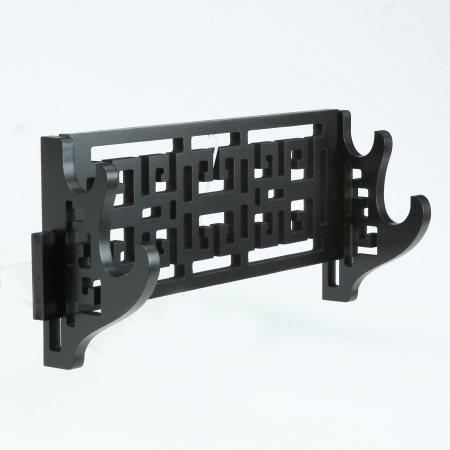
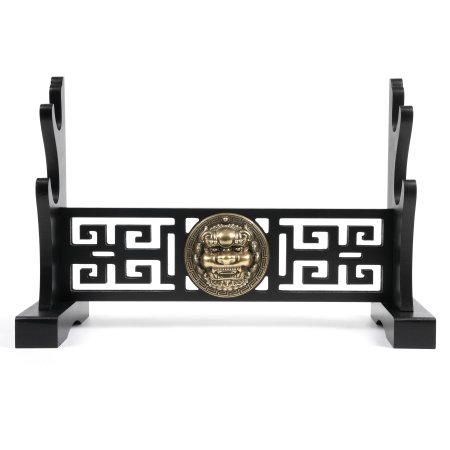
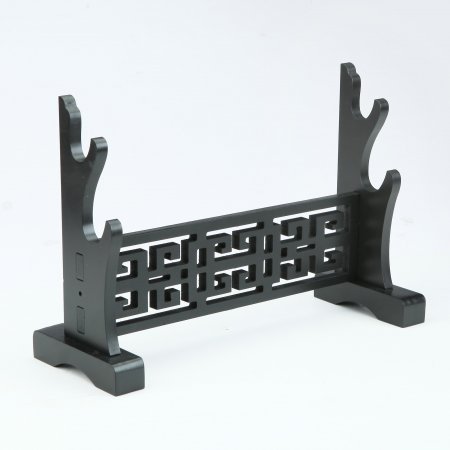
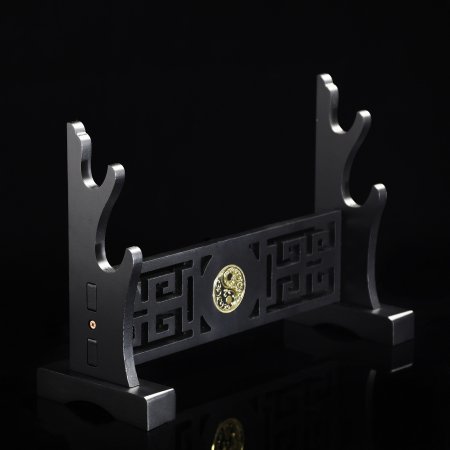
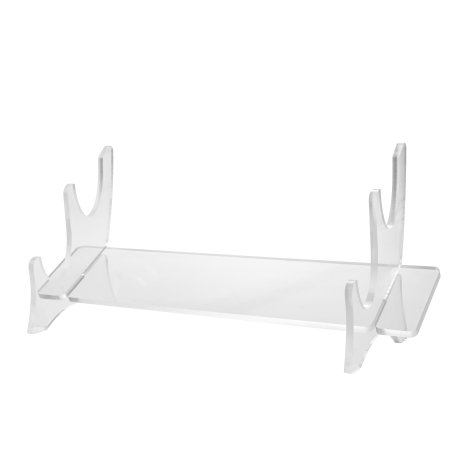
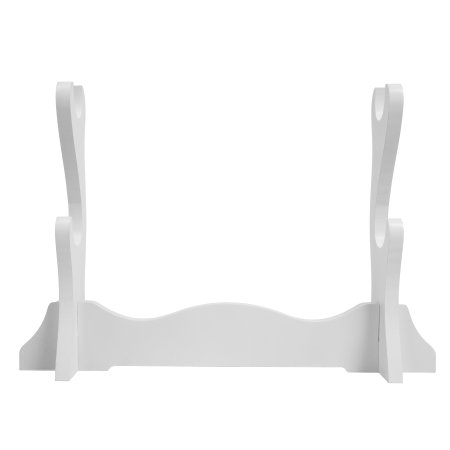
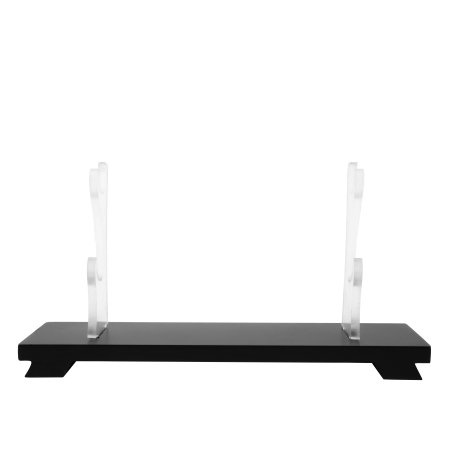
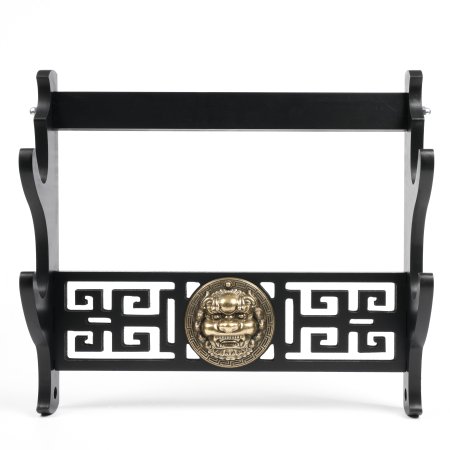
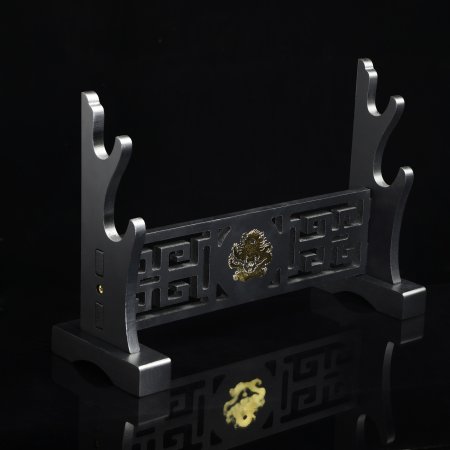
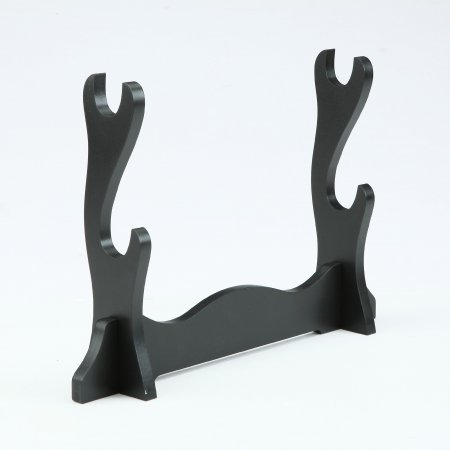
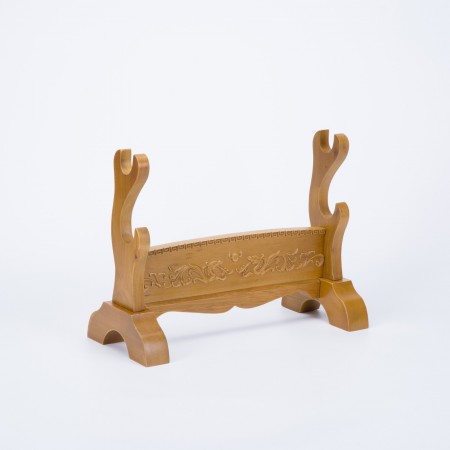
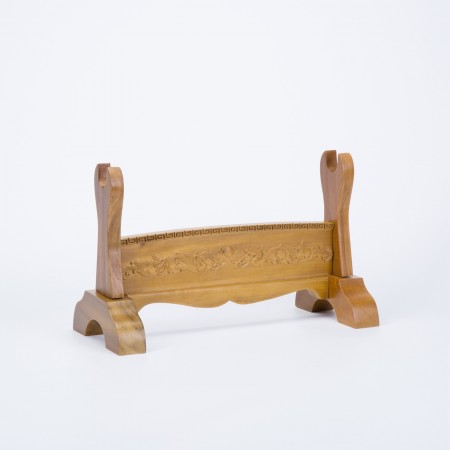
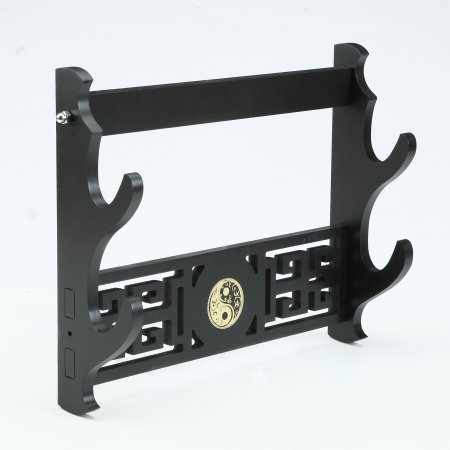
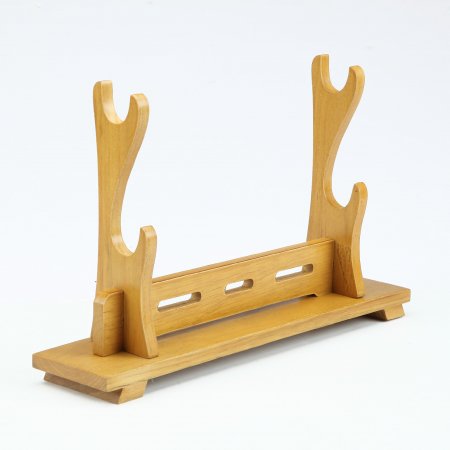
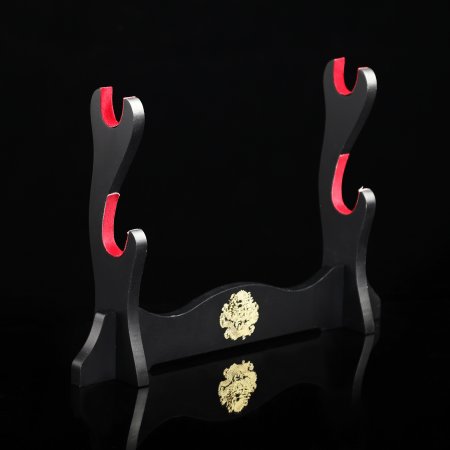
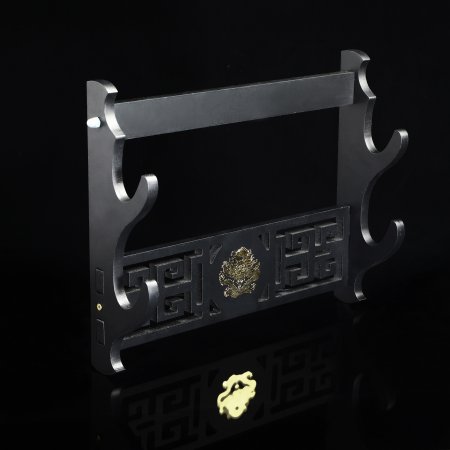
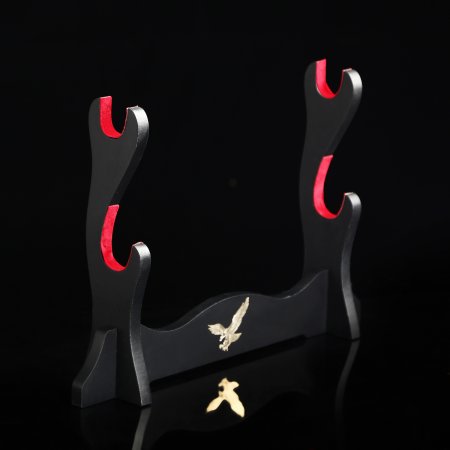
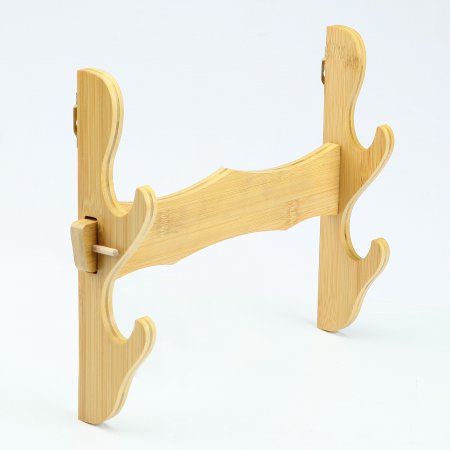
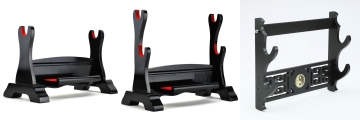
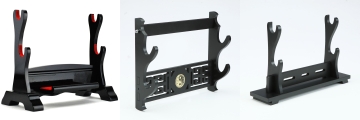
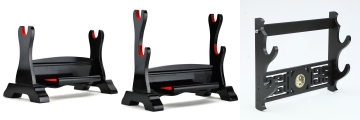
The table-top and wall-mount versions of the two-sword stand serve the same display purpose but suit different spaces and aesthetic preferences. A table-top stand sits on a shelf, desk, or display table with a weighted base that keeps it stable independently. It is portable, requires no installation, and can be repositioned or moved to a different room without any tools. The wall-mount version attaches directly to a wall surface using bracket hardware, keeping the swords flat against the wall at a chosen height. This format saves all horizontal surface space and creates a cleaner, more architectural look - the swords appear to float against the wall rather than sitting on a piece of furniture. The wall-mount version is particularly effective for swords with striking visual finishes, as positioning them at eye level against a clean wall background maximizes their visual impact. The choice between the two comes down to the room layout, available surfaces, and whether you prefer the portability of a table stand or the space efficiency of wall mounting.
How do I mount a 2 sword stand to the wall safely?
Wall mounting a two-sword stand correctly requires finding and fastening into wall studs or using appropriate wall anchors for your wall type. First, locate the studs in your wall using a stud finder and mark their positions. Position the mounting bracket at the desired height, check it is level using a spirit level, and mark the screw hole positions. If the bracket holes align with a stud, use wood screws of appropriate length to fasten directly. If the holes fall between studs, use wall anchors rated for the combined weight of the stand and swords - typically 3 to 5 kilograms total. Drive the anchors according to the manufacturer's instructions, then attach the bracket with the supplied screws. Once mounted, the bracket should feel completely solid with no movement when you apply hand pressure in any direction. Hang the sword stand on the bracket and check that it sits level before placing the swords. Do not mount on plaster without anchors, and avoid mounting near doors where vibration from closing could gradually loosen the fasteners over time.
Can a 2 sword stand hold swords of different lengths on the same display?
Yes. A two-tier sword stand works well for swords of different lengths on the same display, including the classic daisho pairing of a longer katana and shorter wakizashi. The peg positions on these stands are fixed but spaced to accommodate the standard length range of Japanese swords - katana typically measure 95 to 110 centimeters overall and wakizashi 60 to 80 centimeters. Both lengths rest comfortably on the same peg spacing because the support points near the handle base and mid-saya are appropriate for both lengths. Swords that are significantly longer or shorter than this range - such as tanto or odachi - may not balance as naturally on standard katana-sized pegs. For a tanto, the sword is short enough to rest entirely within the peg span without issue. For an odachi, the extended length may extend beyond the pegs without adequate support at the tip end, in which case a wider stand or wall mount with adjustable brackets is a better choice.
What maintenance does a hardwood 2 sword stand require?
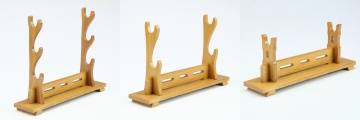
Hardwood sword stands are low-maintenance display furniture. Under normal indoor conditions, the main care required is periodic dusting to prevent buildup on the lacquered surface and in the carved or jointed areas. Use a soft dry cloth or a very lightly dampened cloth for dusting - avoid wet cleaning or furniture polishes that contain silicone or wax, as these can cloud the lacquer finish over time. Keep the stand away from direct sunlight, which can cause the lacquer to fade and the wood to dry out and develop fine surface cracks. Avoid placement near heating vents or humidifiers that cause repeated humidity cycling, as this causes wood to expand and contract and can eventually loosen the joints. If a joint develops slight movement after years of use, a small amount of wood glue applied carefully to the joint and clamped overnight will restore it. The lacquer finish does not require re-application under normal indoor use conditions. With basic dusting and stable placement, a quality hardwood sword stand maintains its appearance and function for many years.