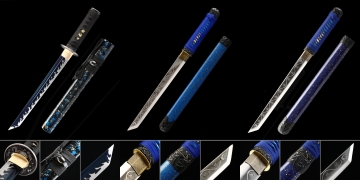
What steel types are used in blue blade wakizashi?
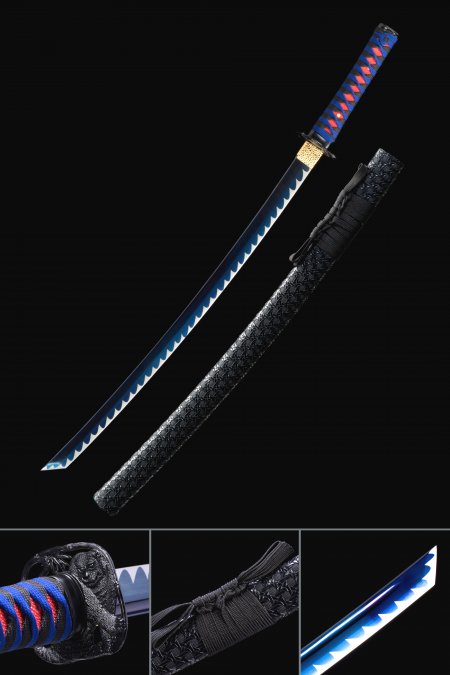
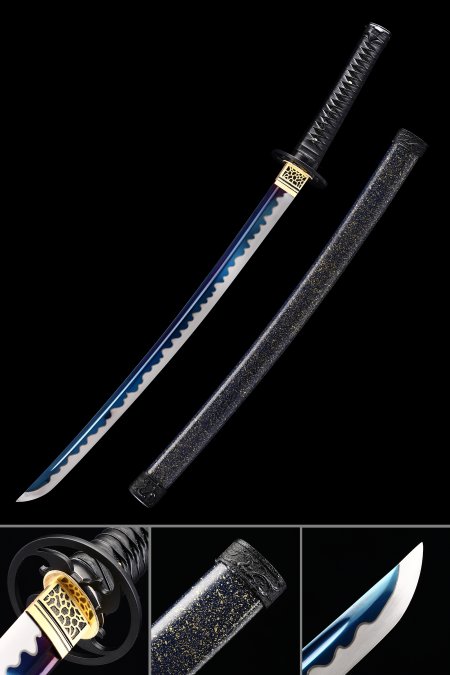
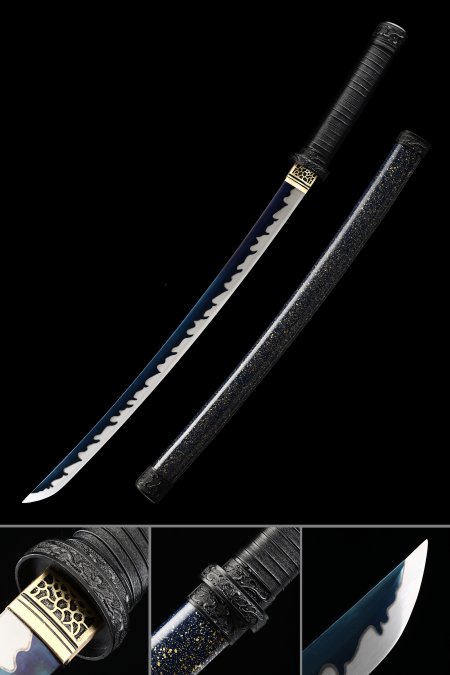
The blue blade wakizashi in this collection are forged primarily from two steel types: manganese steel and T10 high-carbon steel. Manganese steel offers notable toughness and resistance to deformation, making it a popular choice for display pieces that may also be used for test cutting. T10 high-carbon steel, by contrast, is prized among collectors for its ability to take a finer polish and a more defined hamon — the visible temper line produced during differential hardening. Both steels are fully compatible with the blue patination process, though T10 pieces often show more pronounced grain character beneath the blue finish, which many collectors find especially appealing.
How is the blue color on the blade actually created?
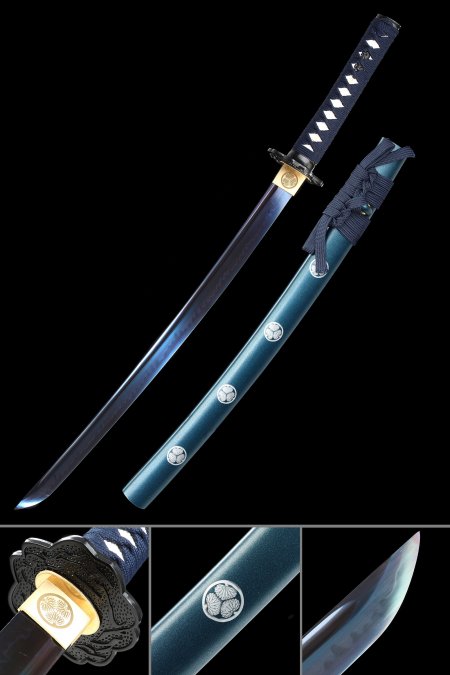
The blue tone on these wakizashi blades is produced through a controlled chemical patination process applied after the blade has been ground and polished. A solution — often containing ferric chloride or similar compounds — reacts with the steel surface to create a stable oxidized layer that presents as deep cobalt or blue-grey depending on the steel composition and finish. This is distinct from a painted or coated surface; the color is a product of the steel itself reacting to the treatment. Beyond the visual effect, this patinated layer offers modest corrosion resistance compared to bare polished steel, though regular light oiling is still recommended to preserve both the color and the underlying surface.
How should I store a blue blade wakizashi for long-term display?
For long-term display, store the wakizashi horizontally on a dedicated sword stand, ideally with the edge facing upward in the traditional Japanese orientation. Avoid prolonged exposure to direct sunlight, which can fade the blue patination over time and dry out the ito wrapping. Apply a thin coat of camellia oil or choji oil to the blade every one to three months to prevent moisture from penetrating the surface. If you live in a humid climate, silica gel packets placed near the display case will help regulate ambient moisture. Keep the blade in its saya when not actively being viewed to minimize dust accumulation and accidental surface contact.
Can a blue blade wakizashi be paired with a katana for display?
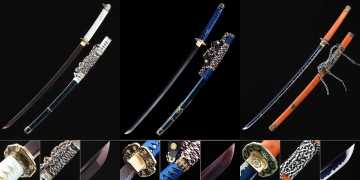
Yes, and it is one of the most visually compelling ways to display either piece. The classic daisho pairing — katana and wakizashi together — is deeply rooted in samurai tradition and translates beautifully to a modern display setup. When selecting a companion katana, look for matching or complementary fittings: a shared tsuba motif, consistent ito color, or coordinated saya finish will give the pair a cohesive, intentional appearance. TrueKatana's Blue Steel Katana collection is specifically designed to harmonize with blue blade wakizashi, offering matching aesthetic language across blade tone, handle wrapping, and lacquer finish. A two-tier sword stand is the standard display solution for a daisho arrangement.
What makes a wakizashi different from a tanto as a collectible?
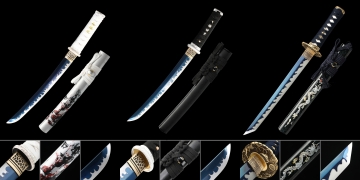
The primary difference lies in blade length and intended visual presence. A wakizashi typically measures between 30 and 60 centimeters in blade length, situating it clearly between the tanto and the katana in the traditional Japanese blade hierarchy. As a collectible, the wakizashi occupies a unique middle ground: it carries more visual presence and surface area for hamon detail than a tanto, while its shorter proportions make it easier to display in smaller spaces than a full katana. The wakizashi also tends to feature more elaborate fitting combinations due to its role as the daisho companion, which gives collectors more visual variety to work with when building a display around it.