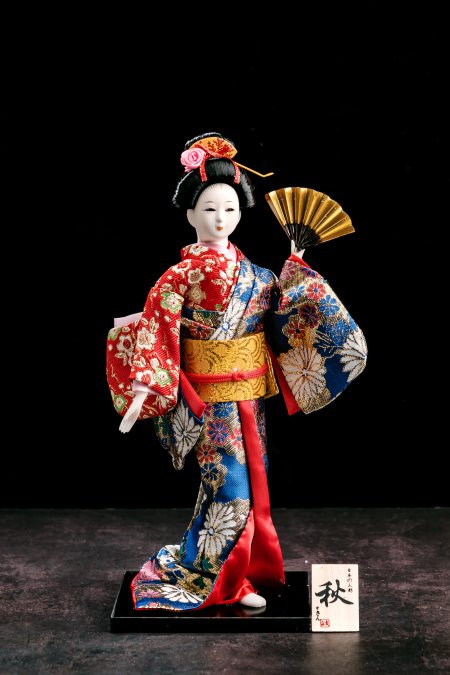
Blue Japanese Geisha Dolls
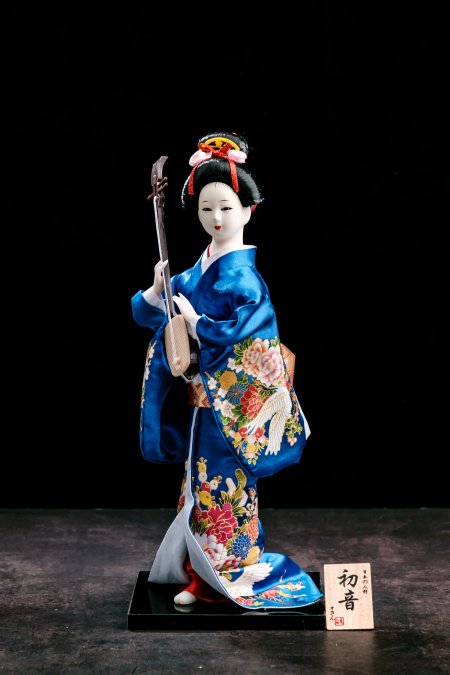
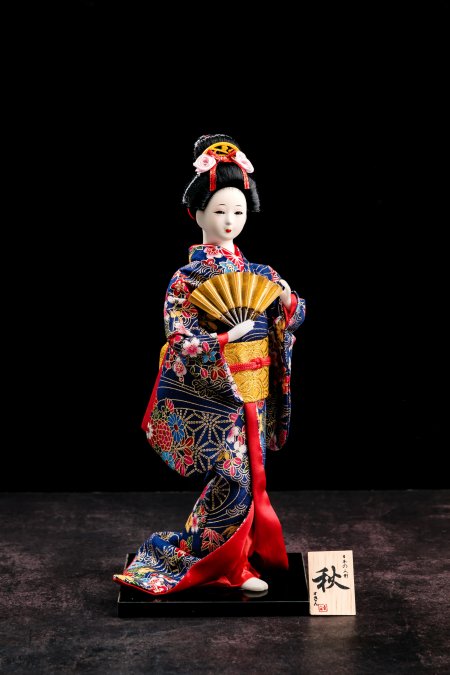
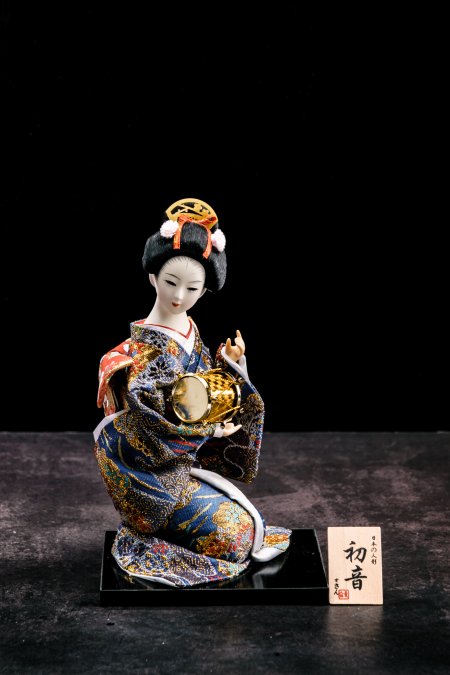
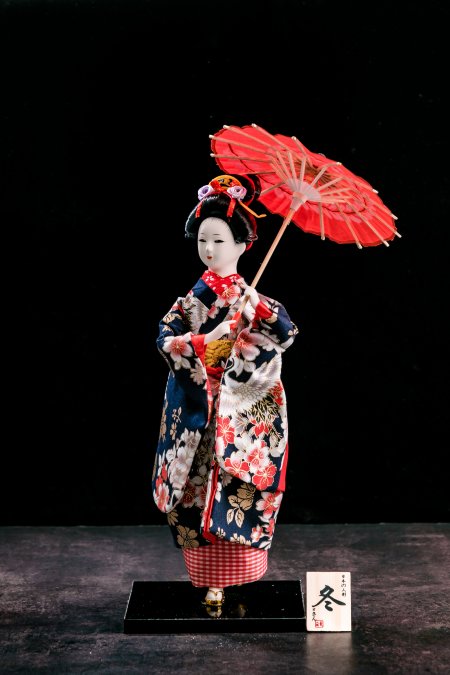
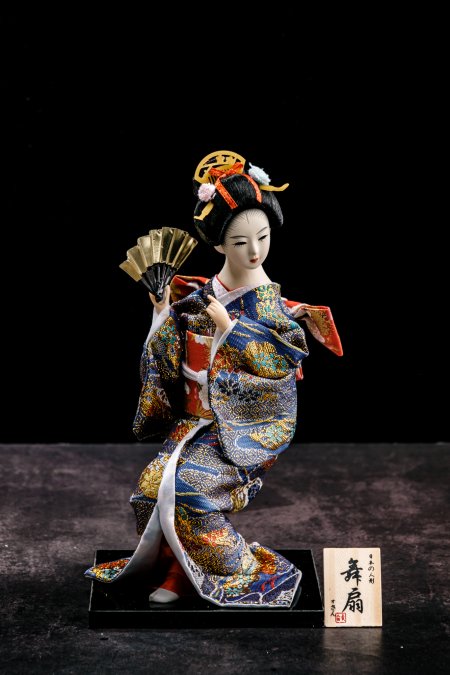
Blue Japanese Geisha Dolls bring an air of timeless elegance to any display shelf or curated collection. Each piece is crafted with meticulous attention to detail - from the hand-painted porcelain features to the layered silk-like kimono fabric in rich, serene shades of blue that evoke classical Kyoto artistry. These dolls make a refined gift for enthusiasts of Japanese culture and decorative art alike. Enjoy free shipping on your order, and shop with confidence backed by our hassle-free return policy.
Related Collections
Blue Blade Tanto12 items
Blue Blood Sword111 items
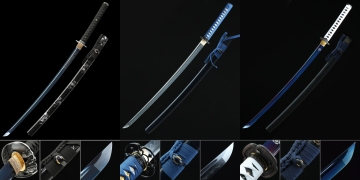
Dark Blue Samurai Sword125 items

Blue Blade Wakizashi4 items
Frequently Asked Questions
What makes blue kimono geisha dolls distinct from other styles?
The blue kimono is not an arbitrary color choice - in classical Japanese aesthetics, shades of indigo and cerulean carry associations with serenity, depth, and cultivated refinement. Geisha dolls wearing blue garments often reference the formal aesthetic codes of Kyoto's hanamachi (flower districts), where cool, composed tones in silk kimono signaled a high degree of artistic discipline. Beyond symbolism, blue-toned dolls tend to feature more formal obi arrangements and subdued hair ornaments, distinguishing them from the warmer, festive palette of red or gold variants. For collectors, this makes blue geisha dolls particularly well-suited to understated, gallery-style display environments.
How are the kimono details on these geisha dolls constructed?
Quality geisha collectible dolls replicate the layered structure of a real kimono rather than depicting it as a single flat garment. Look for visible collar folds (the juban underlayer), a separately formed obi sash with a distinct knot style at the back, and sleeve proportions consistent with furisode or tomesode cut depending on the figure's implied age and occasion. On higher-detail pieces, the fabric surface may feature woven or printed patterns - chrysanthemum, crane, or geometric asanoha motifs are historically accurate choices. These garment details are the primary differentiator between a superficial decorative figurine and a piece with genuine collectible merit.
How should I display a geisha doll to keep it in best condition?
The two primary preservation concerns for fabric-dressed geisha dolls are UV exposure and humidity. Direct sunlight will gradually fade blue kimono fabric - even dyed synthetic fibers lose vibrancy over months of unfiltered light exposure. Position your display away from windows or use UV-filtering glass on enclosed cabinets. For dusting, use a clean, dry soft-bristle brush rather than a cloth, which can snag fine accessories or disturb hair ornament placements. If storing long-term, acid-free tissue wrapped loosely around the figure helps prevent fabric compression and protects painted porcelain features from contact scratches.
Do geisha dolls make appropriate gifts for people new to Japanese culture?
Geisha dolls are among the most accessible entry points into Japanese decorative art collecting precisely because they carry immediate visual appeal while rewarding deeper knowledge. For a recipient unfamiliar with Japanese culture, a well-crafted geisha doll with a brief note about the cultural context of the geisha tradition - as artists trained in music, dance, and classical ceremony rather than any other role - transforms a decorative gift into a genuinely educational one. For collectors already familiar with the tradition, the kimono style, accessory choices, and color palette become meaningful reference points. Either way, these dolls work well as milestone gifts, housewarming presents, or additions to an existing Asian decorative art collection.
How do geisha statue dolls differ from traditional Hina Matsuri dolls?
Hina Matsuri (Doll Festival) dolls are a specific ritual format displayed during the March 3rd Girls' Day celebration in Japan - they depict imperial court figures in a strict hierarchical arrangement and follow codified costuming rules tied to Heian period court dress. Geisha statue dolls, by contrast, are decorative collectibles with no prescribed ritual context, depicting the aesthetic archetype of the geisha as a figure of artistic and cultural refinement. This distinction matters for collectors: Hina dolls are seasonal ceremonial objects with specific display traditions, while geisha dolls are year-round decorative pieces suited to any setting. The blue kimono geisha doll in particular has no seasonal restriction and integrates naturally into permanent display arrangements.