
Brown Sageo Katana
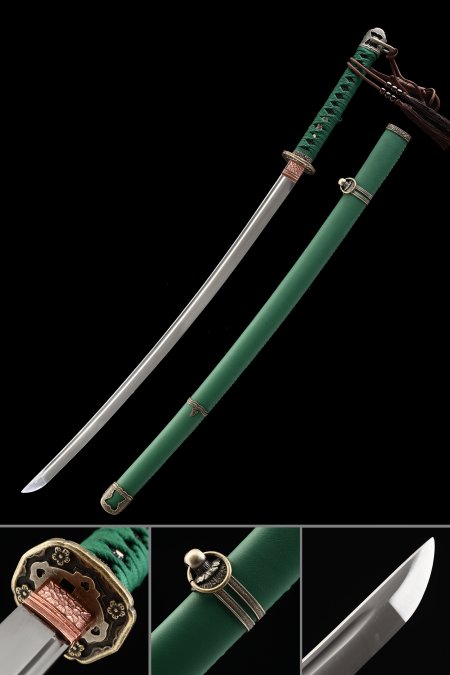
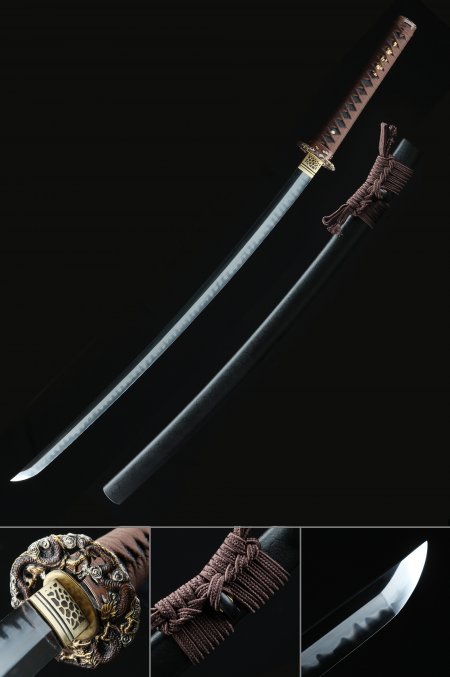
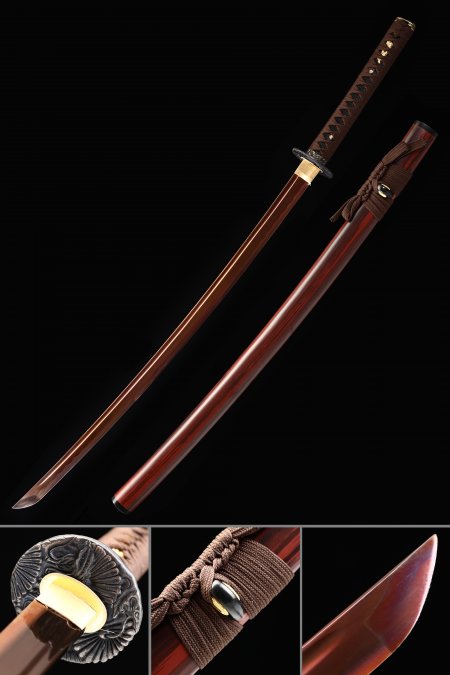
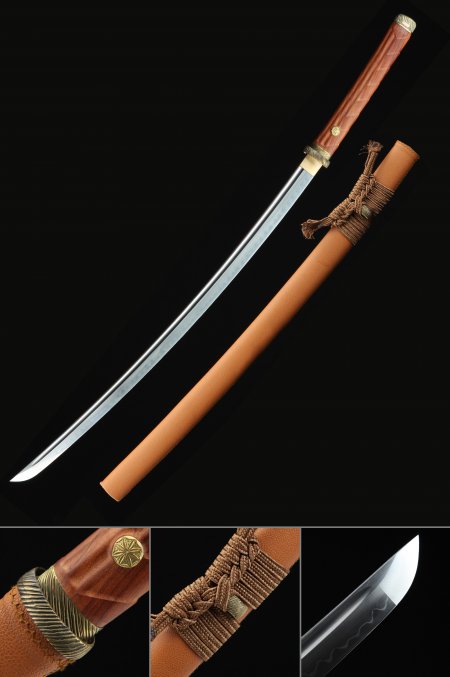
Brown sageo katana swords bring a grounded, earthy refinement to any serious collection — the warm earth-tone cord winding around the saya offers a quiet contrast that elevates both traditional and contemporary display aesthetics. Each piece in this collection is assembled with hand-selected fittings, quality carbon steel or Damascus blades, and lacquered or hardwood scabbards that reward close inspection. Free standard shipping is included on every order, along with a straightforward return policy so you can collect with confidence.
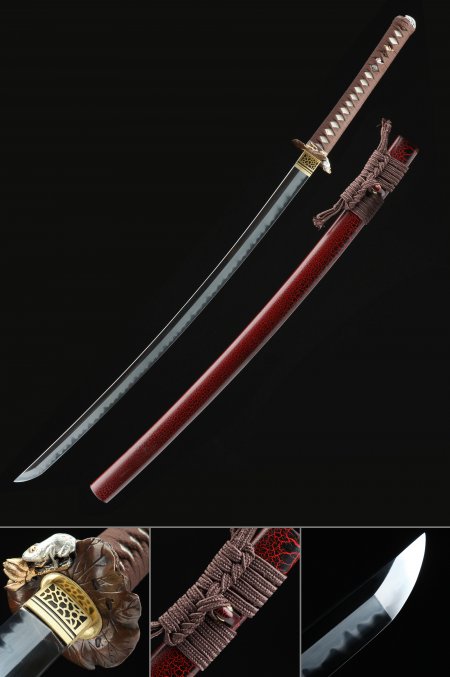
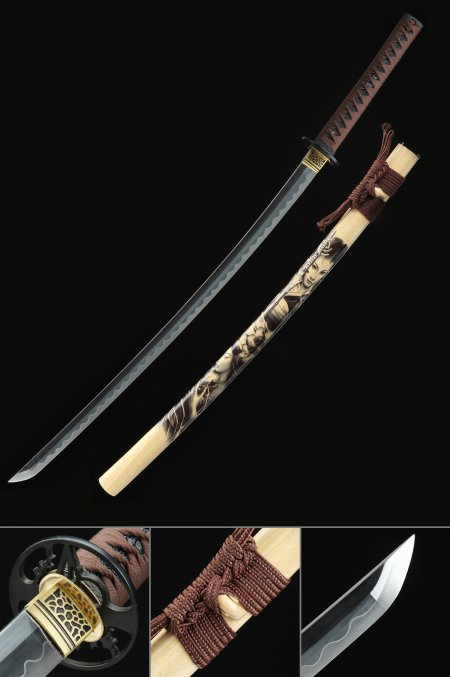
Free Shipping
219.00 USD
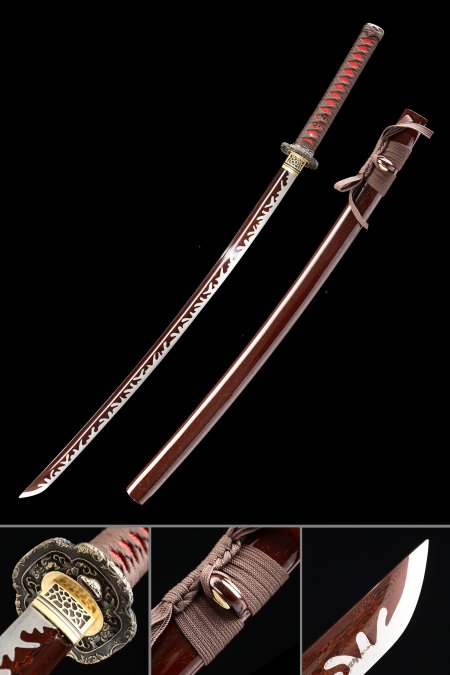
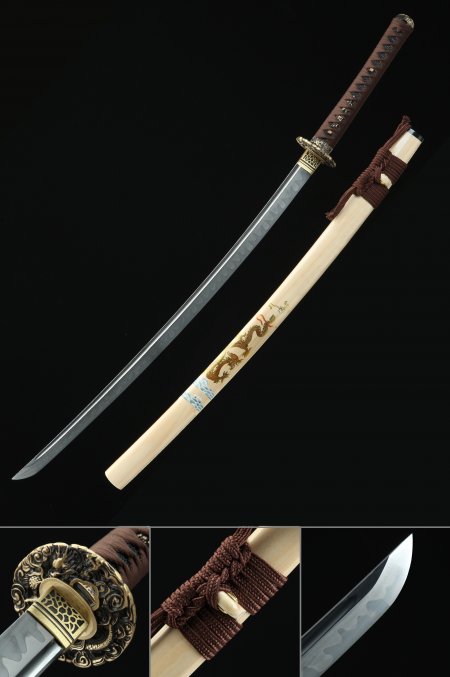
Free Shipping
289.00 USD
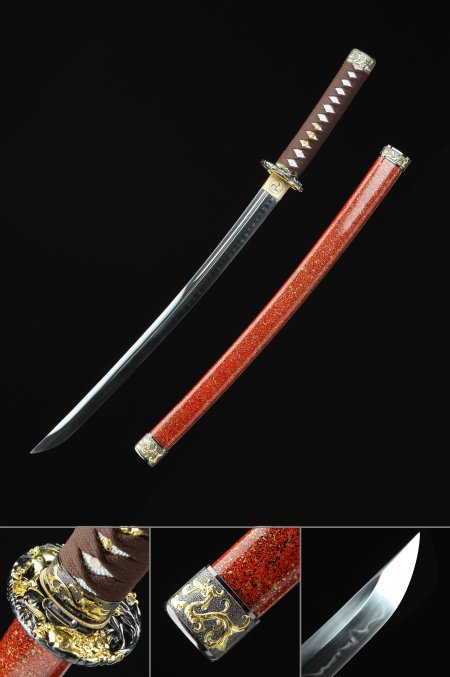
Free Shipping
259.00 USD
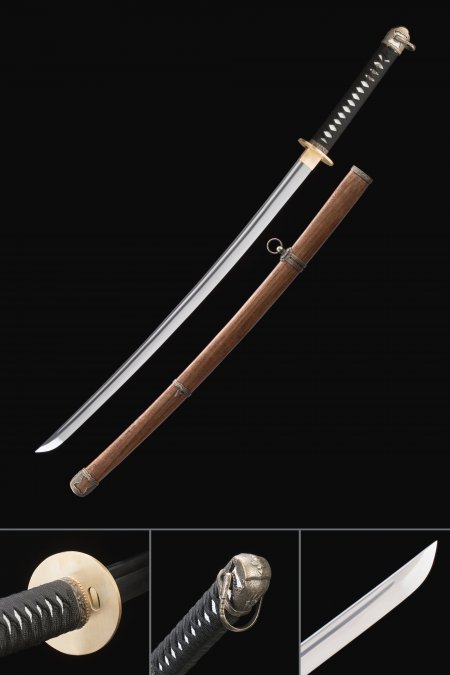
Free Shipping
169.00 USD
ON SALE! 15% OFF
Was: 199.00 USD
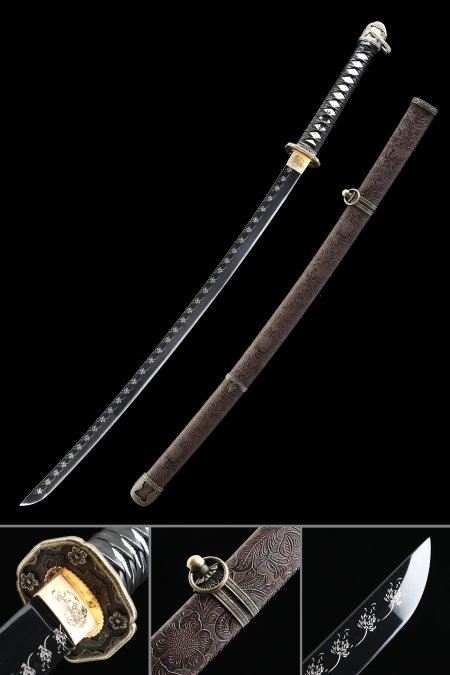
Free Shipping
209.00 USD
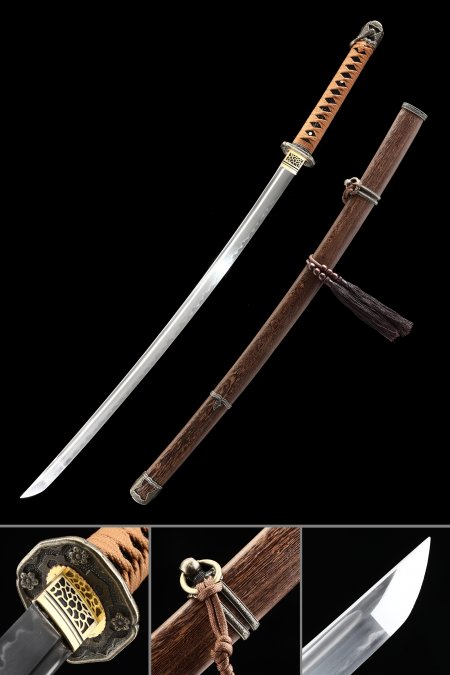
Free Shipping
219.00 USD
Free Shipping
489.00 USD
Free Shipping
189.00 USD
Free Shipping
479.00 USD
Free Shipping
299.00 USD
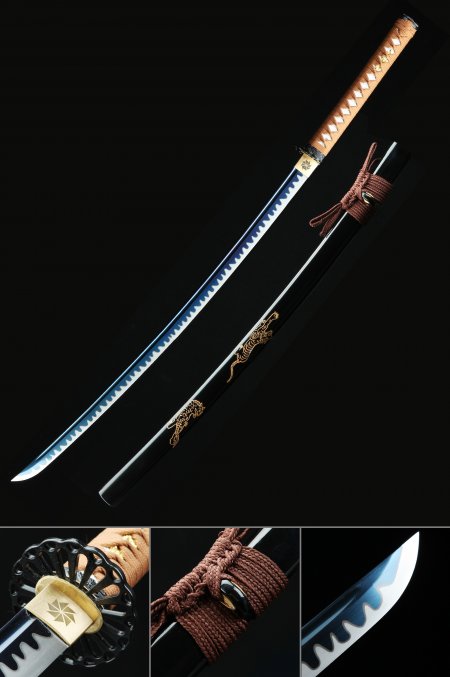
Free Shipping
219.00 USD
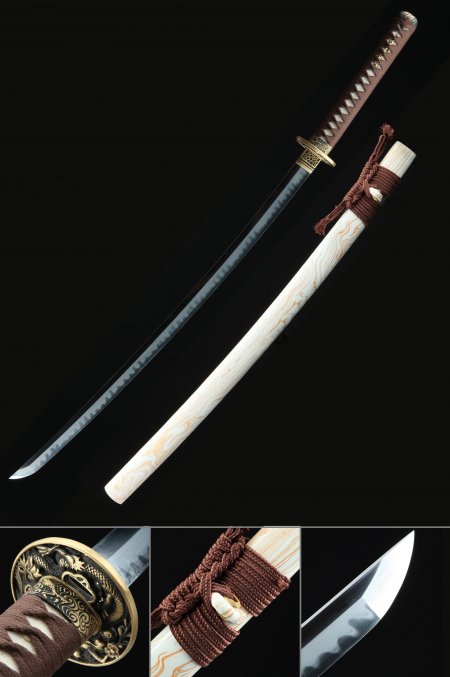
Free Shipping
439.00 USD
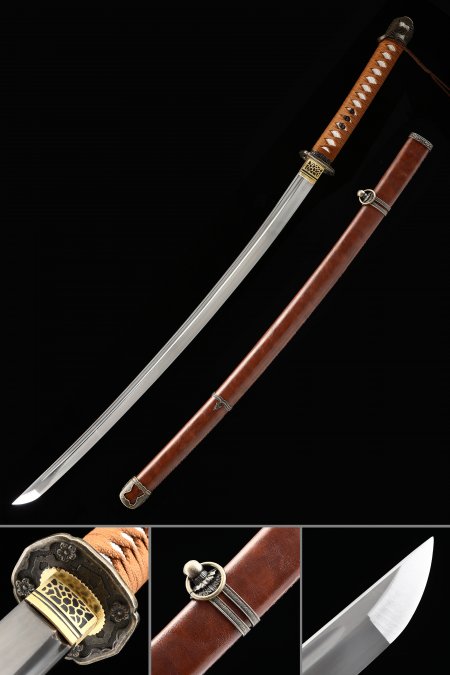
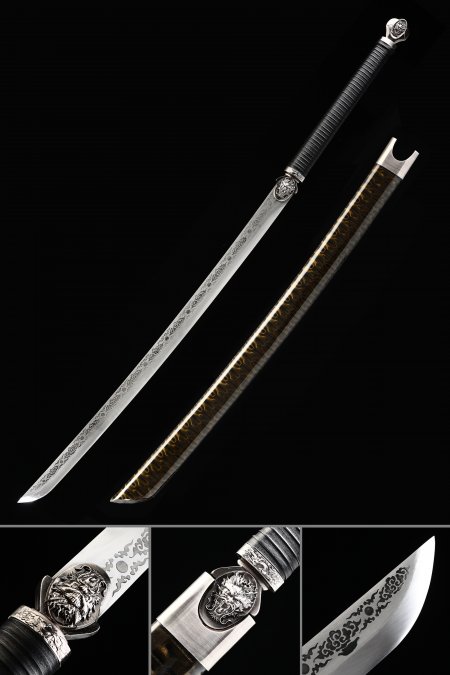
Free Shipping
209.00 USD
Free Shipping
909.00 USD
ON SALE! 15% OFF
Was: 1,069.00 USD
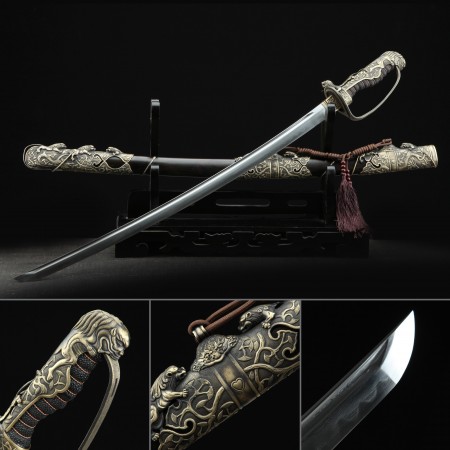
Free Shipping
1,339.00 USD
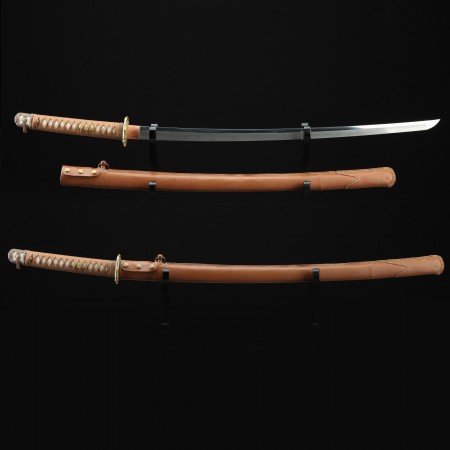
Free Shipping
1,039.00 USD
ON SALE! 15% OFF
Was: 1,219.00 USD
Related Collections
Brown T10 Carbon Steel Katana25 items
Brown 1090 Carbon Steel Katana47 items
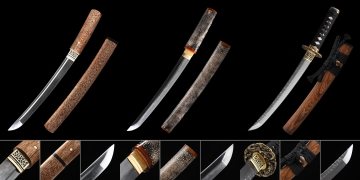
Brown Scabbard Tanto10 items

Brown Tachi Swords7 items
Frequently Asked Questions
What does the sageo cord actually do on a katana display piece?
On a traditional Japanese sword, the sageo served a functional role — it was used to secure the saya to the obi (sash) when worn, and could be unwound for use as a restraining cord in certain situations. On a collectible or display katana, the sageo's role is entirely aesthetic and presentational. It runs through the kurigata, a small knob on the side of the saya, and is typically tied or draped in a deliberate knot pattern. The color and texture of the sageo contribute significantly to the overall visual identity of the piece. A brown sageo, in particular, introduces a warm, neutral tone that complements both lacquered black sayas and natural hardwood finishes without competing with more elaborate tsuba or tsuka designs.
How does 1045 carbon steel compare to 1060 in these katanas?
The numbers refer to carbon content by weight — 1045 steel contains approximately 0.45% carbon, while 1060 sits at around 0.60%. In practical terms for a collectible sword, 1060 steel is harder and holds an edge with greater consistency, while 1045 is slightly more flexible and easier to work with during forging, which is why it appears frequently in well-priced entry-level and mid-range collectibles. Both grades are genuine high-carbon steel, not stainless, which means they require periodic light oiling to prevent surface oxidation — especially on the blade flat and any uncoated metal fittings. For display purposes, either grade performs well; the visible difference you are more likely to notice is in the blade's surface polish and any hamon activity, which can vary by smith and finishing method regardless of steel grade.
Is full-tang construction important for a display katana?
Full-tang means the steel of the blade extends continuously through the entire length of the handle, secured by one or more mekugi (bamboo or metal peg) through the tsuka. For a collectible displayed on a wall mount or stand, full-tang construction is not strictly necessary for safety — the sword is not being swung. However, full-tang pieces are considered the more authentic construction approach and are generally preferred by serious collectors because they reflect how traditionally made Japanese swords were assembled. They also allow for handle disassembly, which is useful when performing maintenance like re-oiling the blade or inspecting the habaki fit at the blade collar.
What is the best way to care for a lacquered saya at home?
Piano lacquer sayas — the high-gloss finish seen on several pieces in this collection — are durable but sensitive to impact and abrasion. Fingerprints show readily on gloss surfaces, so handling with clean cotton gloves or a soft cloth is recommended. For regular maintenance, a barely damp microfiber cloth followed immediately by a dry buff is sufficient to remove dust and skin oils. Avoid silicone-based polishes or furniture sprays, as these can cloud the lacquer over time. Hardwood sayas without a full lacquer coat should be inspected periodically for dryness — a very light application of camellia oil on the exterior wood, buffed down to almost nothing, helps maintain the wood's flexibility and surface appearance in low-humidity environments.
Can a brown sageo katana work as a gift for someone new to collecting?
It is an excellent entry-level gift precisely because the brown sageo colorway is versatile enough to complement most interior settings without requiring the recipient to redecorate around it. Pieces in this collection span a range of blade styles — from traditional katana geometry to tanto and ninjato forms — so you can match the gift to the recipient's aesthetic interest. For someone new to Japanese swords, a katana with a clearly defined hamon line, a legible tsuba motif, and a quality saya finish gives them multiple visual details to learn from and appreciate over time. Including a basic care kit with camellia oil and a soft cloth adds practical value and signals that the gift is meant to be genuinely maintained and enjoyed, not simply shelved.
Customer Reviews
Alvan Crittenden
Georgia, United States
The two swords are fantastic, truly the best sword I've ever had in hand. They didn't take too long to arrive either, the only problem I have is that one sword is very different to unsheathe and ensheathe. It seems like the cut in the sheathe is off, but otherwise everything is great and would definitely order again.r
r
The first two are the ones I received from "TrueKatana". The topmost sword is the one with the sheathing problem.
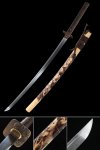 |
T10 Carbon Steel Katana with Clay Tempered Real Hamon in Hand-Painted Beige Saya with Copper Fittings |
Zach Finn
Indiana, United States
Engraving looks fantastic. Sword seems solid. Beautiful craftsmanship. Friendly customer service.
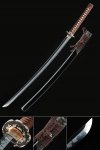 |
Handmade Japanese Katana in T10 Carbon Steel - Clay Tempered, Real Hamon, Black Saya, Full Tang |
Victoria M Mccumber
New York, United States
Beautiful blade, and great made handle and sheath! Didn't take too long for shipping and wall holder is so beautiful 😍
|
T10 Carbon Steel Katana with Clay Tempered Real Hamon in Hand-Painted Beige Saya with Copper Fittings |
Edward Kunkel
New Jersey, United States
Excellent workmanship very authentic reproduction of the real sword. Thank yo
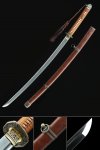 |
WWII Type 98 Shin Gunto Officer Katana in 1095 Carbon Steel with Brown Leather Saya and Flower Tsuba |
Richard Paoni
Pennsylvania, United States
It's a very nice sword. Good quality, little minor scratches on the blade very sharp and it looks good with my collection. I will buy from your company again
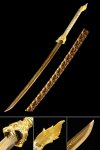 |
Golden Katana Sword with Manganese Steel Lightning Blade and Dragon Tsuba in Brown Scaled Saya |
Joseph L Hamilton
Kansas, United States
Arrived on time. Beautiful piece. Blade is t10 and handles well. Would purchase again.
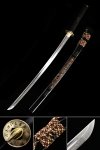 |
T10 Folded Clay Tempered Katana with Real Hamon - Dragon Embossed Black Saya in Gold Alloy Tsuba |
Cara Nuzzolese
Indiana, United States
Beautiful craftsmanship, my fiancé loved his sword would definitely buy again
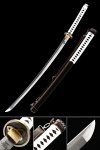 |
Michonne Inspired Katana - The Walking Dead Replica, 1090 Carbon Steel, Brown Leather Saya |
Roger Spangler
Texas, United States
The item arrived well packaged and in a timely manner. I am pleased with this item but have made several minor alterations to improve appearance. the price was not too bad. I would buy again from this company if I found an item I liked and was priced right
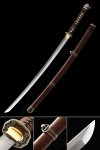 |
WWII Type 98 Shin Gunto Officer Katana - 1065 Carbon Steel with Brown Rosewood Saya and Alloy Flower Tsuba |