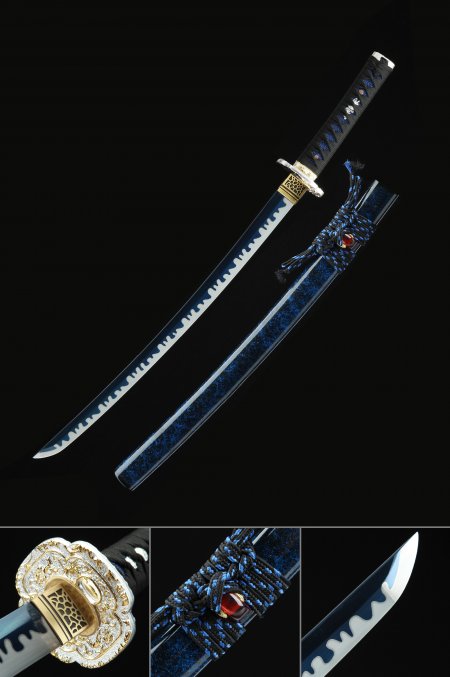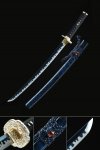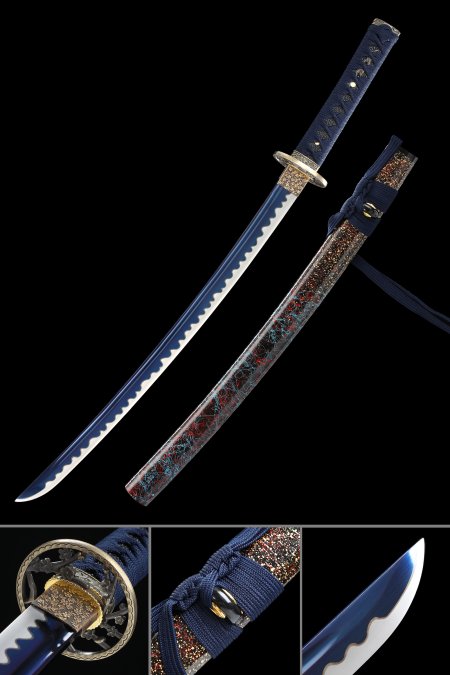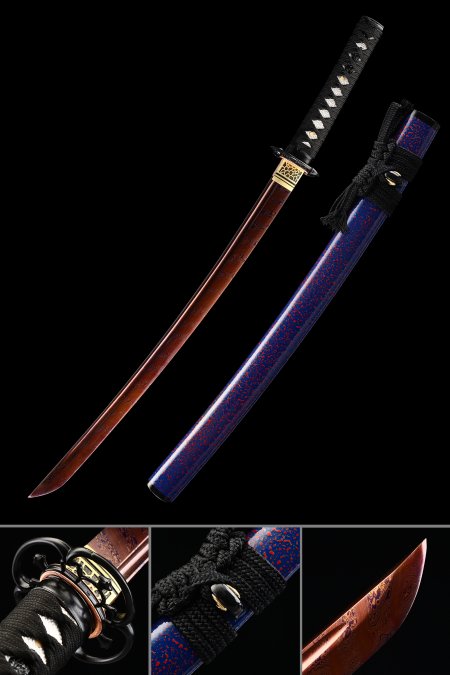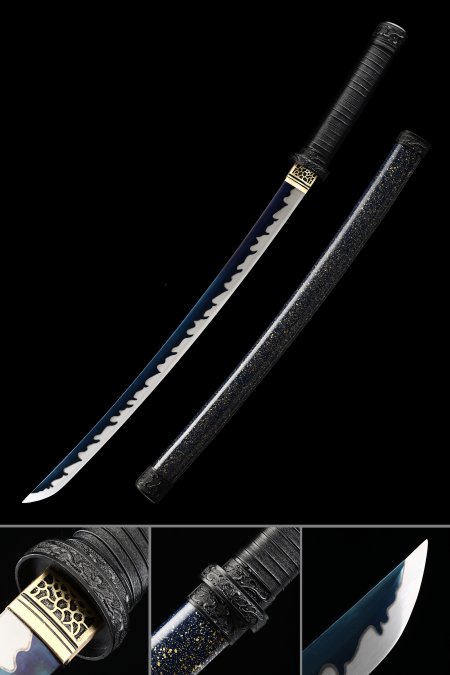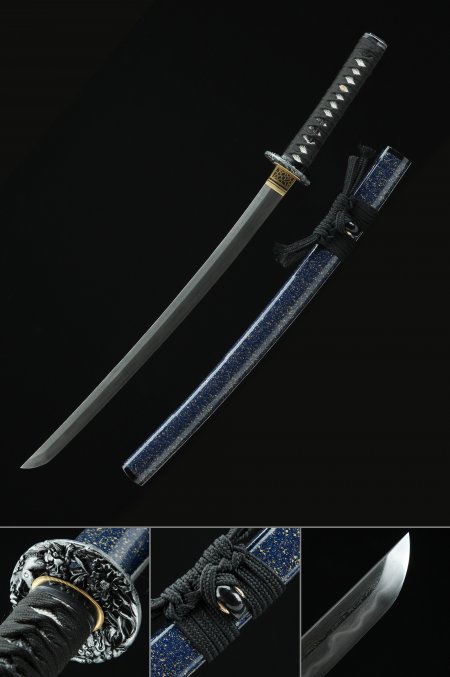
Dark Blue Saya Wakizashi

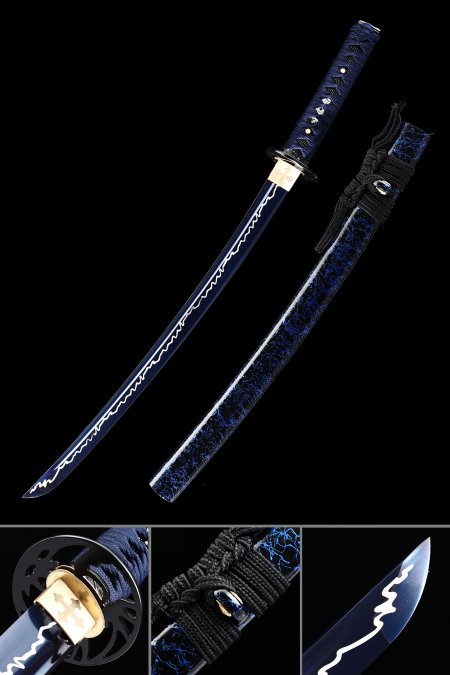
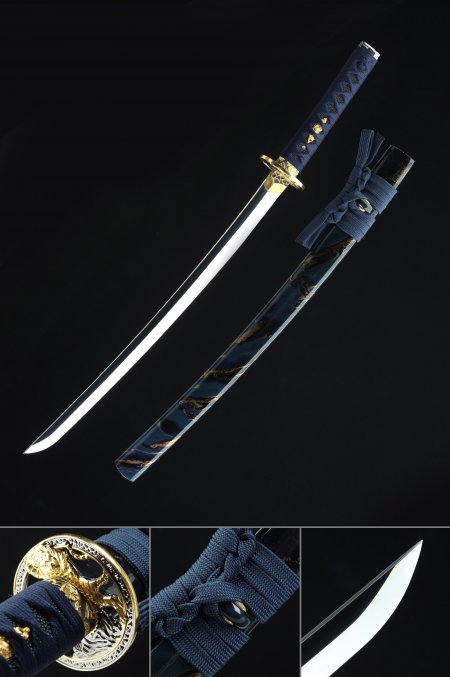
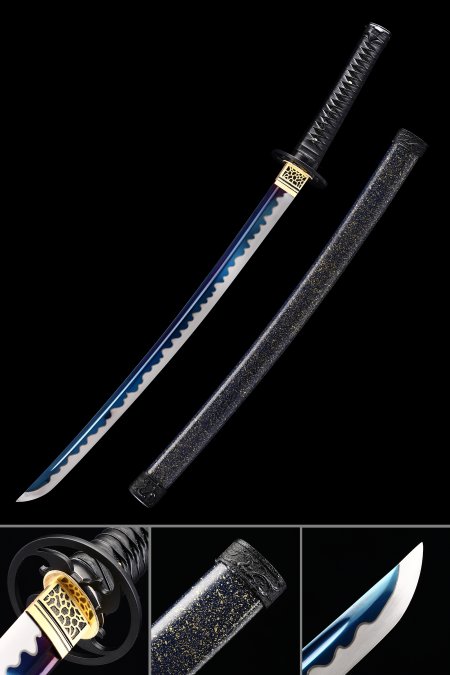
A dark blue saya wakizashi sits at the intersection of refined aesthetics and serious craftsmanship. Each piece in this collection is hand-forged from quality steel - manganese, Damascus, or T10 carbon - dressed in deep-lacquered scabbards and finished with ornate tsuba bearing dragons, lions, and chrysanthemums. Whether displayed in a dedicated sword stand or added to a growing collection, these wakizashi are built to impress the most discerning eye. Enjoy free shipping on your order, backed by our hassle-free return policy.
Showing 8 Products

Related Collections

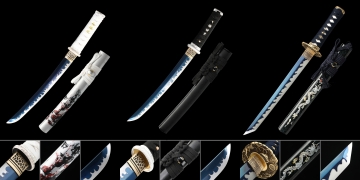
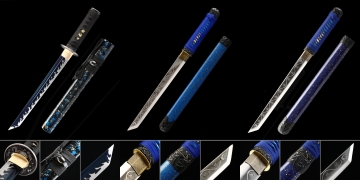
Blue Tanto10 items


68 Reviews

Blue Odachi4 items


16 Reviews

Blue Naginata3 items


7 Reviews

Blue Hamidashi3 items


3 Reviews

Frequently Asked Questions

What makes a dark blue saya different from a standard black one?
The distinction is more than cosmetic. A dark blue lacquered saya is typically built on a honoki wood core - the same lightweight magnolia wood used in traditional Japanese scabbard construction - and then finished with multiple layers of urushi-style lacquer tinted in deep indigo or midnight-blue pigments. The depth of color varies depending on how many lacquer coats are applied and whether metallic flecks (like gold spatter) are embedded in the finish. Black saya tend to read as utilitarian or martial; dark blue carries a more decorative, almost ceremonial quality that suits display pieces. The color also interacts differently with blade finishes - a blue-tempered manganese blade against a dark blue saya creates a tonal harmony, while a high-contrast silver hamon on a Damascus blade creates a striking visual counterpoint to the deep scabbard.
How does Damascus steel differ from manganese steel in a wakizashi?
These two steels produce very different visual and structural results. Manganese steel (typically high-manganese carbon steel) is valued for its toughness and its ability to develop a visible hamon - the temper line along the edge produced during differential hardening. Smiths working with manganese steel can achieve dramatic hamon patterns: rolling waves, tight notches, or bold lightning lines. Damascus steel, by contrast, is produced by forge-welding multiple steel layers together and drawing them out repeatedly until the layers number in the hundreds. When acid-etched after forging, the alternating iron and steel layers reveal a flowing, water-grain pattern across the blade's surface. From a collector's standpoint, Damascus wakizashi tend to be showpieces where the patterned blade surface is the primary visual feature, while manganese wakizashi often emphasize hamon character and blade geometry.
What type of tsuba is most common on dark blue koshirae wakizashi?
Dragon-motif tsuba appear most frequently in this collection, and for good reason - the dragon is one of the most recognized symbols in Japanese and broader East Asian decorative arts, associated with strength, wisdom, and auspicious fortune. On dark blue koshirae, dragon tsuba are typically rendered in iron or cast alloy, finished in antique black or paired with gold accents that echo any gold lacquerwork on the saya. Gold lion tsuba are less common but particularly striking, carrying an almost heraldic quality. Chrysanthemum tsuba offer a more restrained classical alternative, drawing on centuries of use in imperial Japanese aesthetics. The tsuba on these wakizashi is not merely decorative - it defines the character of the entire mounting, and collectors often choose pieces as much for the tsuba design as for the blade.
How should I store and maintain a lacquered saya long-term?
Lacquered wood scabbards require more thoughtful storage than plain wood or synthetic alternatives. The primary enemies of a lacquered saya are humidity fluctuation, direct sunlight, and physical impact. Ideal storage humidity sits between 40-60% relative humidity - too dry and the wood core can shrink and crack the lacquer surface; too damp and the lacquer can lift or develop mold beneath the finish. Store the wakizashi horizontally on a display stand or in a padded sword bag away from windows. Never leave the blade stored inside the saya for extended periods without periodic inspection - residual moisture from handling can cause rust on the blade near the koiguchi (scabbard mouth). For the blade itself, apply a very light coat of choji oil or food-grade mineral oil every few months using a soft cloth, and use a mekugi punch to remove the handle pin before oiling if you want to inspect the full tang. The saya exterior only needs occasional dusting with a soft dry cloth - avoid liquid cleaners on lacquered surfaces.
Is a wakizashi a good choice as a collectible gift for a sword enthusiast?
A wakizashi is arguably one of the better entry points for a collectible Japanese sword gift, for a few practical reasons. The shorter blade - typically under 60 cm - means it is easier to display in a standard living space without requiring dedicated wall mounts built for a full katana. The proportions are also visually elegant on a tabletop sword stand, making it a versatile display piece. For someone already collecting katana, a wakizashi in a complementary color scheme (such as a dark blue saya to match an existing dark blue or black katana) is a natural pairing gift. The ornamental koshirae on pieces in this collection - particularly those featuring dragon tsuba and gold-accented saya - give the gift a ceremonial presence that generic decorative swords lack. If the recipient appreciates blade variety, consider pairing a wakizashi gift with a recommendation to explore the Blue Steel Sword collection for full-length pieces in the same aesthetic.

Customer Reviews

Cart 0 Items

Your cart is empty