FAST SHIP
64 Reviews
ON SALE 15% OFF
$169.00$199.00

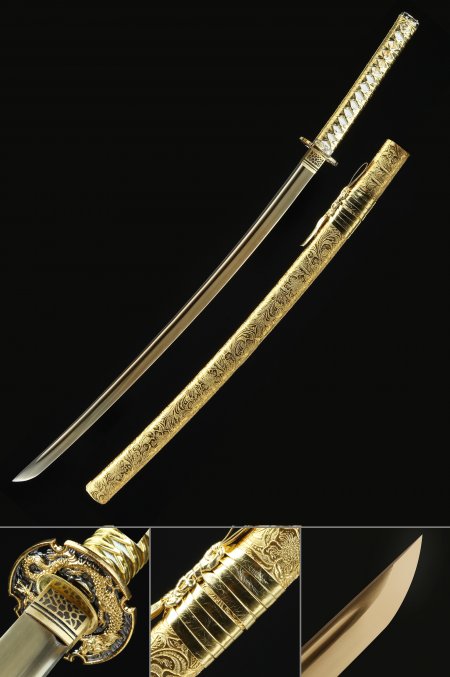
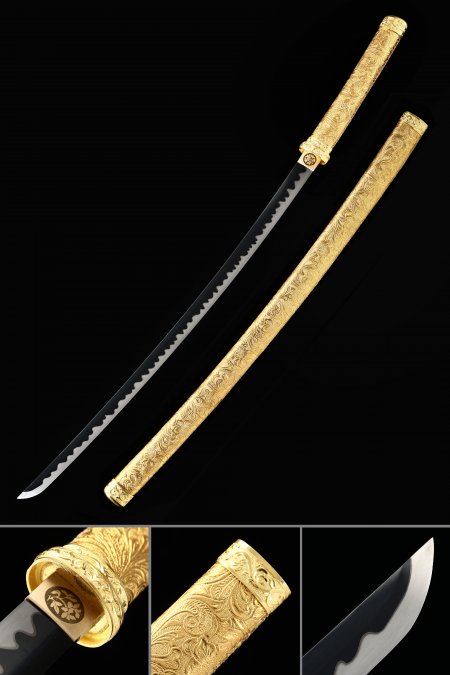
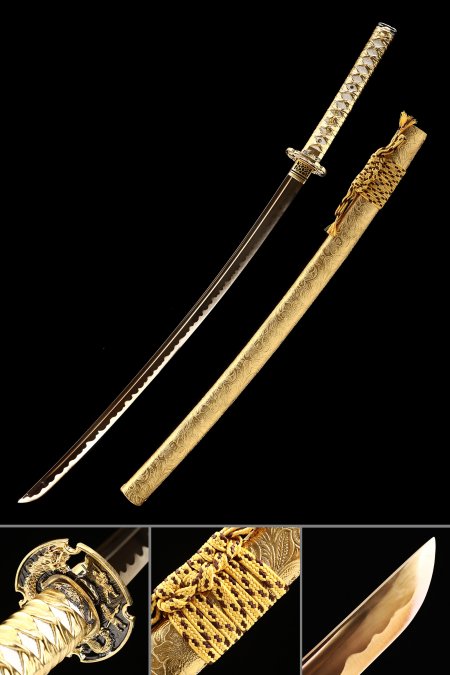
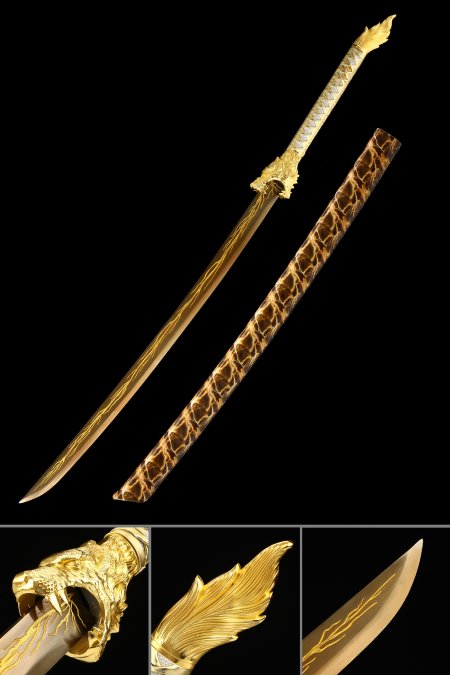
Gold manganese steel katana blades are prized for their warm metallic finish and the steel's natural resilience, making each piece a striking centerpiece in any serious collection. Paired with ornate dragon tsuba, carved gold fittings, and richly detailed saya, these katana are crafted to display the full visual vocabulary of classical Japanese sword aesthetics. Every order ships free with hassle-free returns, so adding a standout piece to your collection is completely risk-free.
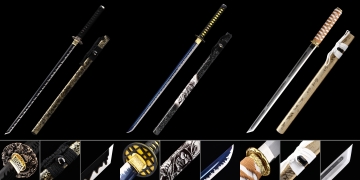
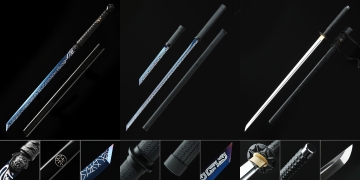
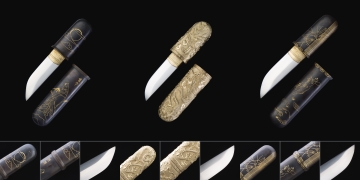
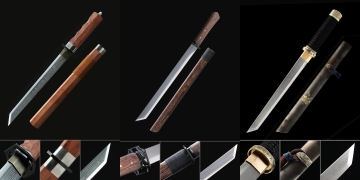
Absolutely excellent quality, product is exactly as described and it arrived quicker than I expected. Will def be shopping more often!
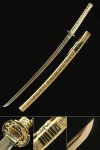 |
Golden Katana Sword - 1045 Steel Blade with Dragon Tsuba in Gold PU Leather Saya Collectible |
It's a very nice sword. Good quality, little minor scratches on the blade very sharp and it looks good with my collection. I will buy from your company again
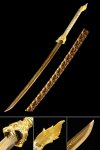 |
Golden Katana Sword with Manganese Steel Lightning Blade and Dragon Tsuba in Brown Scaled Saya |
Omg my boyfriend love it!!! He super heavy and super sharp!!!! It’s literally sword !!! It took a while to get here, but it got here!
|
Golden Katana Sword - 1045 Steel Blade with Dragon Tsuba in Gold PU Leather Saya Collectible |
Delivered well and without issues. Blade and scabbard/saya are beautiful, although the scabbard is very tight, even tight for the initial unsheathing phase of the blade. Even knowing the wood will expand eventually, I may still need to file it down a little to allow for the blade to even be drawn. For any potential buyers as well (I was unaware of this), the scabbard's design is not placed onto the wood itself, but comes from leather sewn onto the scabbard. Otherwise a good purchase and the sword is quality, and functions really well for decoration and very light practical use.
|
Golden Katana Sword - 1045 Steel Blade with Dragon Tsuba in Gold PU Leather Saya Collectible |
I bought this for myself to hang on my wall. It standouts from the room with its golden yellow glow. I bought a total of 3 for my brothers aswell. All of em are uniquely designed!
|
Golden Katana Sword - 1045 Steel Blade with Dragon Tsuba in Gold PU Leather Saya Collectible |
Really beautiful sword and was made perfectly to order, Its just what I needed.
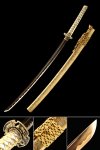 |
Golden Katana - Clay-Tempered T10 Steel Sword with Dragon Tsuba and Engraved Gold Saya |
It is a piece of art for sure! I was a little disappointed that that tsuba looked kind of cheap and there's visible glue in places. The etching on the blade is gorgeous though and the whole thing is nice and weighty. Even the sheath is pretty. Thank you!
|
Golden Katana Sword with Manganese Steel Lightning Blade and Dragon Tsuba in Brown Scaled Saya |
I have purchased three katanas from this website, and the service, along with the prompt delivery, has been outstanding. The quality of the swords and the craftsmanship is truly exceptional.
|
Golden Katana Sword with Manganese Steel Lightning Blade and Dragon Tsuba in Brown Scaled Saya |