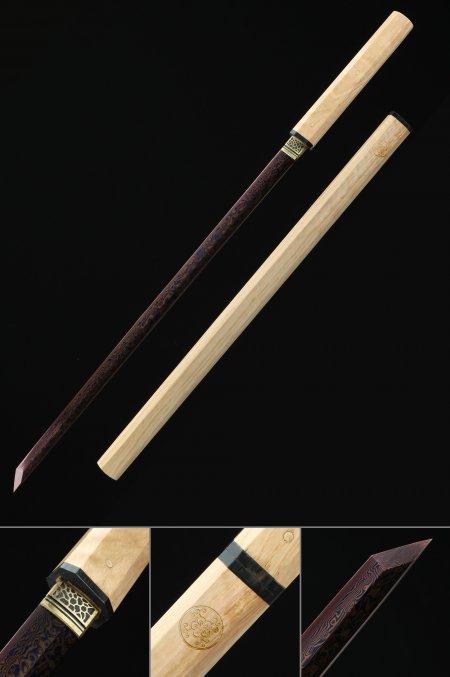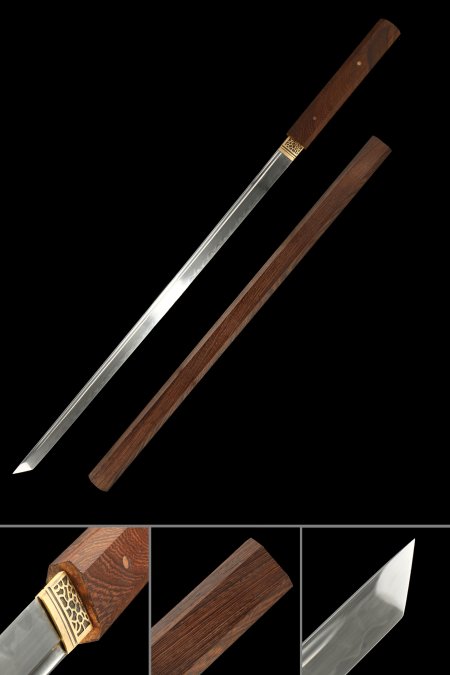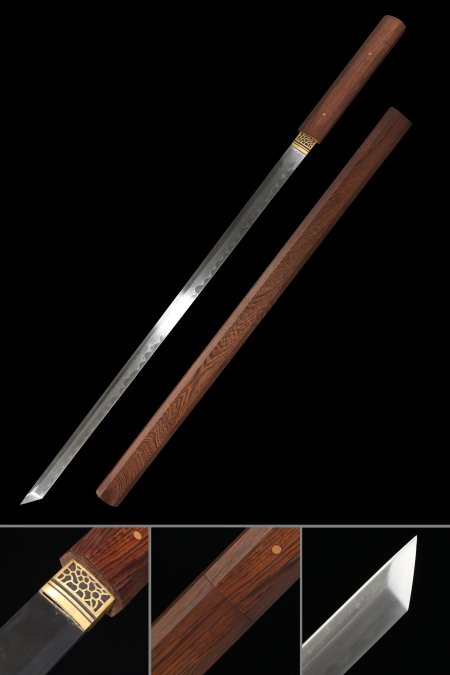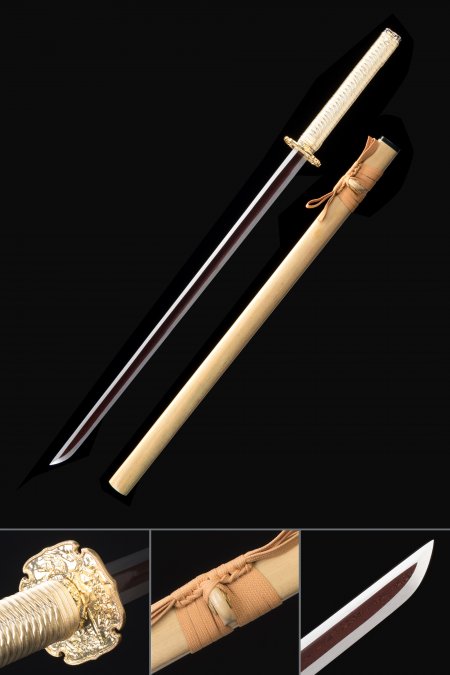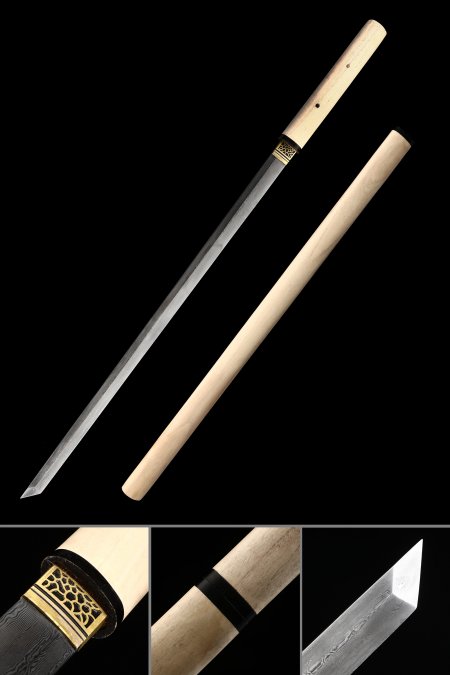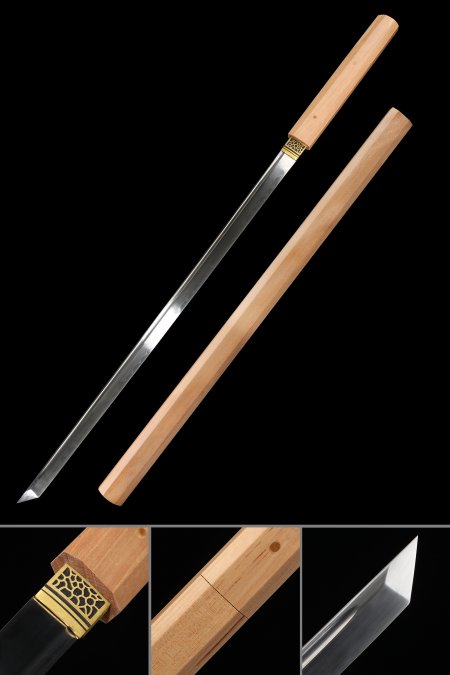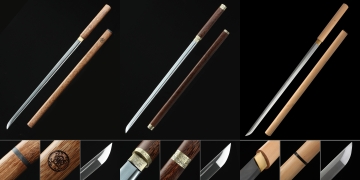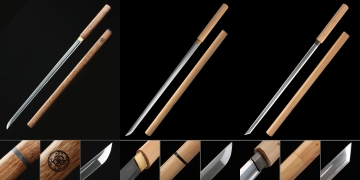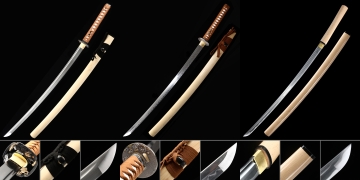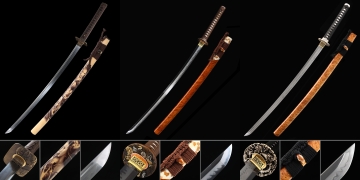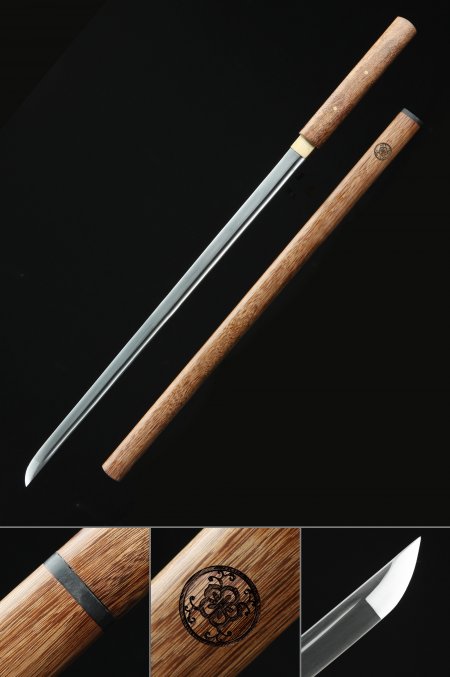
Natural Wood Ninjato

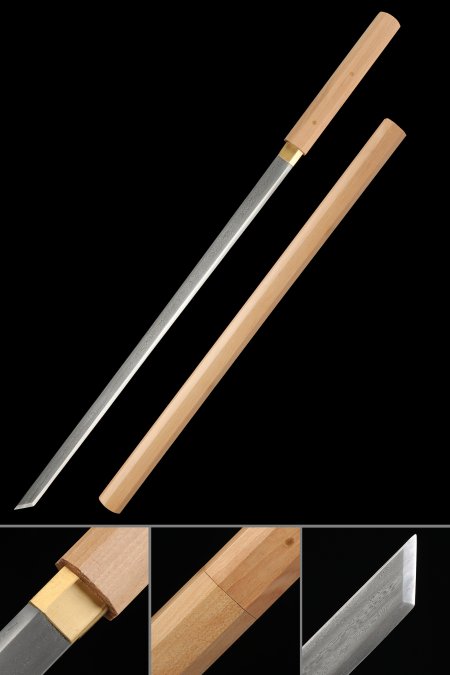
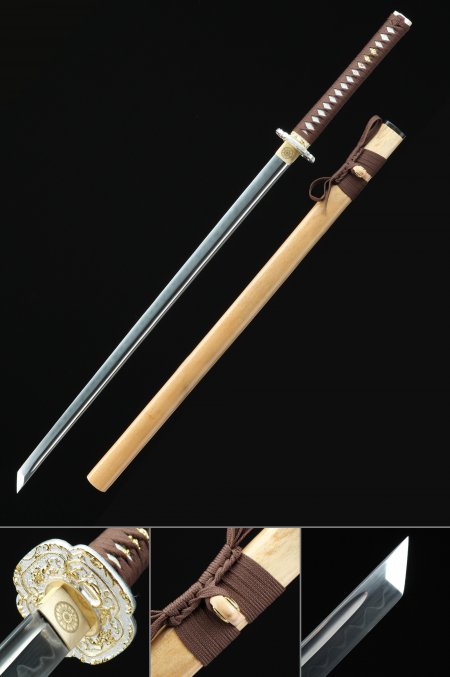
A natural wood ninjato brings together the clean geometry of a straight-bladed Japanese sword and the quiet elegance of an unadorned hardwood saya - a pairing that serious collectors immediately recognize. Each piece in this collection is hand-forged from high-carbon or Damascus steel, finished with a genuine hamon where the steel allows, and fitted into a saya crafted from rosewood, hardwood, or other natural-grain timber. Free standard shipping is included on every order, and we back every purchase with a hassle-free return policy so you can collect with confidence.
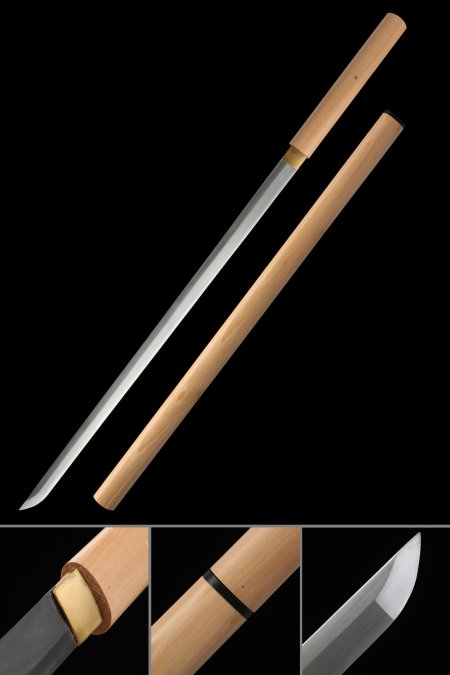
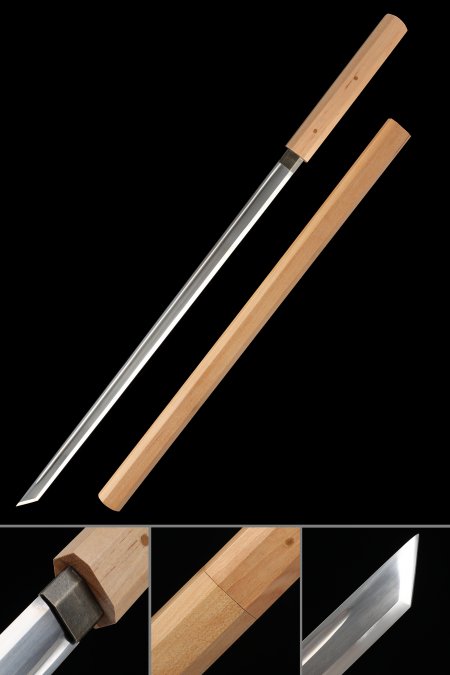
Showing 11 Products

Related Collections

Natural Ninjato16 items


149 Reviews

Natural Cord Handle Katana102 items


291 Reviews

Frequently Asked Questions

What makes a ninjato different from a katana?
The most defining difference is blade geometry. A katana features a curved blade ground to a specific sori (curvature) that varies by school and period, while a ninjato typically has a straight or very slightly curved blade, often with a square or simple tsuba. This straight profile gives the ninjato a compact, utilitarian silhouette compared to the sweeping line of the katana. For collectors, this translates into a noticeably different display presence - the ninjato reads as austere and linear where the katana reads as dynamic. The saya (scabbard) design also tends to differ: ninjato sayas are frequently plain, straight-walled, and finished in natural wood, reinforcing the minimalist aesthetic that distinguishes the form.
How does T10 steel differ from Damascus in a ninjato blade?
T10 is a high-carbon tool steel with roughly 1.0% carbon content and a small tungsten addition that improves wear resistance. When clay-tempered, T10 develops a visible hamon - the crystalline temper line between hard edge and softer spine - making it a favorite among collectors who value traditional differential hardening. Damascus steel, by contrast, is formed by forge-welding alternating layers of high and low carbon steel, then drawing out and folding the billet repeatedly. The result is the flowing pattern visible across the blade surface - each piece is visually unique. T10 offers technical authenticity in the form of a real hamon; Damascus offers visual complexity and surface artistry. Both are legitimate collectible steel traditions; your preference depends on whether you prioritize metallurgical process or surface aesthetics.
Is a full-tang ninjato better for display than a partial-tang?
For collectors, full-tang construction is the more desirable specification even on display-only pieces. A full tang means the steel of the blade extends the entire length of the handle, held in place by the handle wrap, collar (habaki), and often a peg (mekugi) through the tsuka. This construction ensures the handle and blade remain a single rigid unit over time - critical for pieces that may be removed from the saya regularly for examination or photography. Partial-tang or rat-tail tang handles can loosen with handling over years. Beyond structural integrity, full-tang pieces are also considered more accurate to traditional Japanese sword-making standards, which adds to their long-term collectible credibility.
How should I store a natural wood saya ninjato long-term?
Natural wood scabbards respond to their environment more than lacquered ones. Store the sword horizontally or at a slight angle in a low-humidity environment - ideally between 40-55% relative humidity. Avoid placing the display near heating vents, windows with direct sun exposure, or exterior walls that experience significant temperature swings. The blade should be lightly coated with camellia oil or a neutral mineral oil before long-term storage; wipe it to a thin, even film rather than leaving pooling oil, which can attract particulates. Every few months, draw the blade, inspect for any surface discoloration, re-oil lightly if needed, and check that the mekugi (retaining peg) is seated firmly. The wood saya itself benefits from an occasional light wipe with a barely damp cloth - never soaking wet - to remove surface dust without introducing excess moisture to the grain.
Are these ninjato suitable as gifts for sword collectors?
Natural wood ninjato make particularly thoughtful gifts for collectors who already own curved-blade pieces and want to add a contrasting form to their display. The straight-blade profile, natural-grain saya, and variety of steel types - Damascus, T10, and carbon steel options - mean there is a meaningful choice to make based on the recipient's tastes and the aesthetic of their existing collection. Shirasaya-style pieces with minimal fittings suit minimalist display setups; versions with engraved tsuba or gold-accented collars work well as statement pieces. When gifting, consider a sword stand or display box as a companion item - a piece this detailed deserves a proper presentation surface rather than being stored back in its shipping packaging.

Customer Reviews