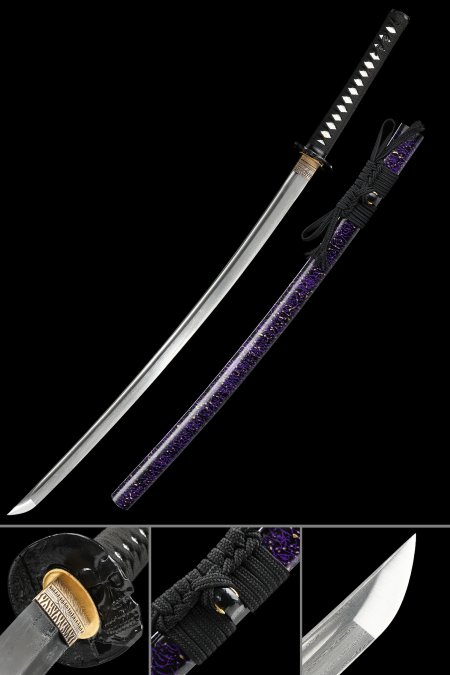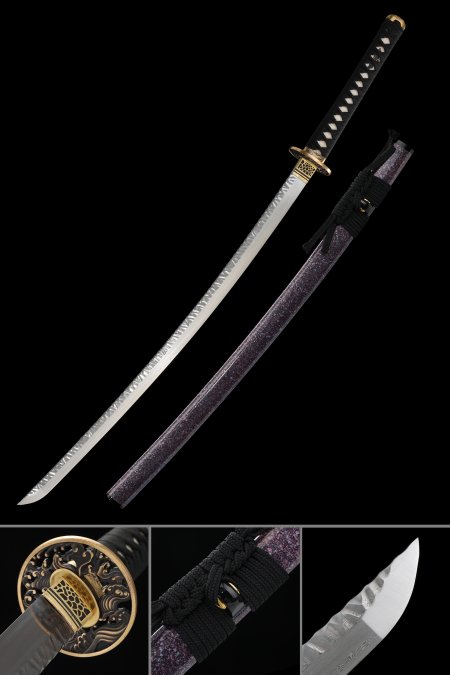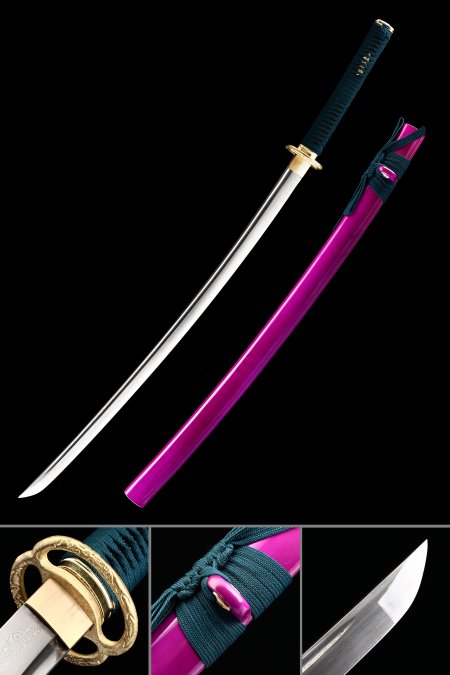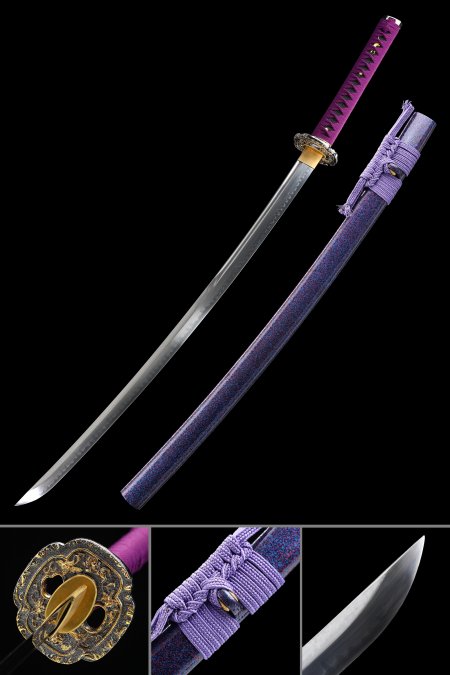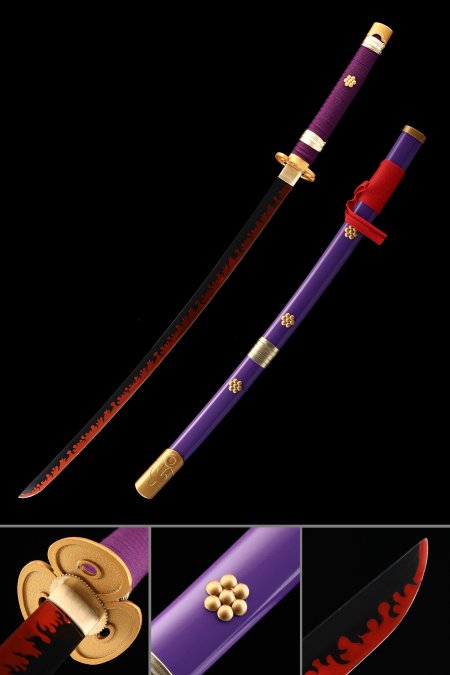
Purple Saya Katana

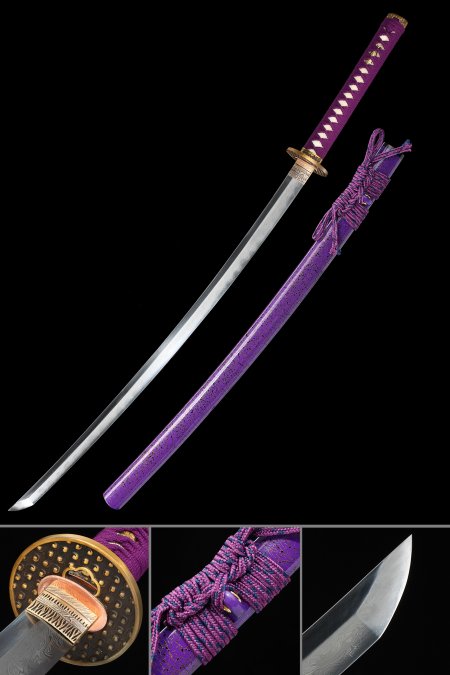
A purple saya katana is one of the most visually striking pieces a collector can own - the deep lacquered scabbard commands attention while the blade beneath reflects serious craft. Every katana in this collection is hand-forged from quality steel, fitted with full-tang construction, and finished with coordinated fittings including ornate tsuba, silk or synthetic ito wrap, and a hardwood saya in rich purple lacquer. Whether you're adding a centerpiece to a display wall or selecting a thoughtful gift for a fellow enthusiast, these swords are built to impress. Enjoy free shipping and hassle-free returns on every order.
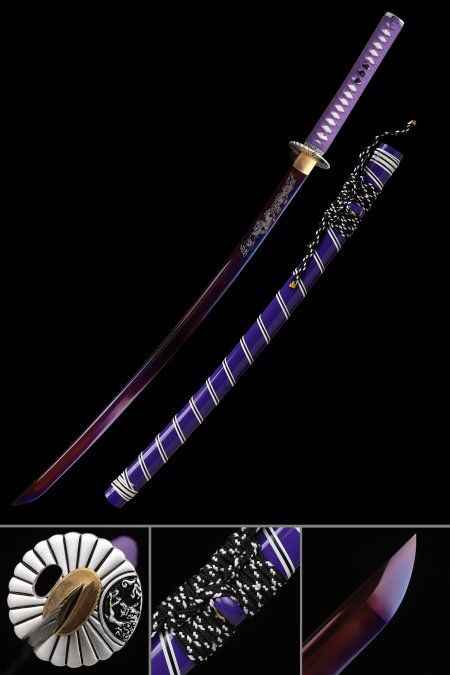
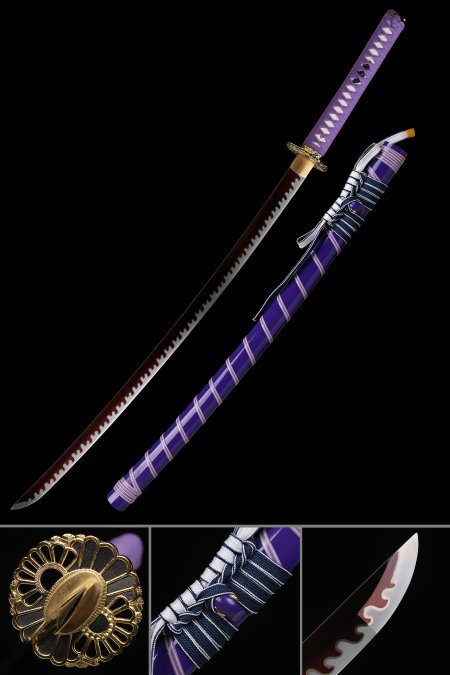
Showing 9 Products

Related Collections

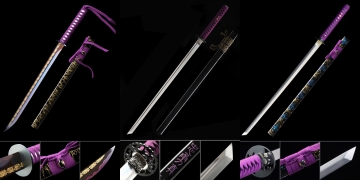
Purple Ninjato1 items


102 Reviews

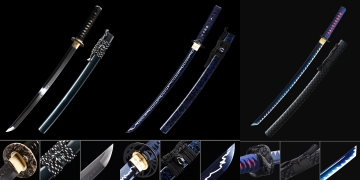
Blue Wakizashi7 items


19 Reviews

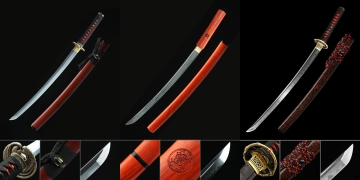
Red Wakizashi7 items


64 Reviews

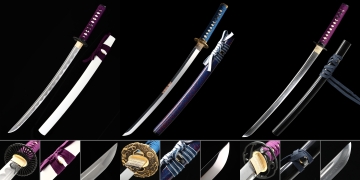
Purple Wakizashi2 items


1 Reviews

Frequently Asked Questions

What steel types are used in purple saya katanas?
The collection includes three primary steel types, each offering a distinct character. Damascus steel is built from folded and pattern-welded layers, producing a surface with flowing visual grain that pairs naturally with ornate fittings and lacquered hardwood scabbards. T10 carbon steel is a tool-grade material valued for its fine grain and the crisp, visible hamon it produces during differential hardening - making it a favorite among collectors who prioritize blade aesthetics alongside construction quality. 1090 high-carbon steel offers consistent geometry and reliable hardness, making it the standard foundation for replica-style builds. All three are used in full-tang configurations throughout this collection, meaning the steel runs the full length of the handle beneath the wrapping.
How is a purple lacquer saya actually made?
Traditional and modern saya construction both begin with a hardwood core - typically ho wood or a comparable close-grained timber - shaped and hollowed to fit the specific blade profile. The lacquering process involves applying multiple coats of urushi-style lacquer or synthetic lacquer, with each coat cured and lightly sanded before the next is applied. Purple pigment is introduced during the base coat stages, and the number of coats determines the depth and tone of the final color. Piano lacquer finishes involve a high-gloss top coat that creates a reflective, almost glass-like surface, intensifying the purple considerably. Marble-effect sayas use layered or swirled pigment application during intermediate coats to produce a dimensional, veined appearance. The result in either case is a finish that's both protective and decorative.
How does a purple saya katana differ from a purple blade katana?
The distinction is straightforward but meaningful for collectors. A purple saya katana features a conventionally finished blade - silver, Damascus-patterned, or showing a natural hamon - housed in a purple-lacquered scabbard. The color is concentrated in the mounting. A purple blade katana, by contrast, features a blade that has been treated, coated, or differentially finished to carry a purple or violet tone on the steel itself. This is typically achieved through heat treatment, chemical patination, or coating processes. The two categories appeal to different collecting sensibilities: purple saya builds tend to emphasize the interplay between neutral blade steel and bold mountings, while purple blade builds treat the steel surface itself as the primary decorative canvas. Both are available on TrueKatana - see our Purple Blade Katana collection for the latter.
Is a full-tang blade important for a display collectible?
Full-tang construction means the steel of the blade extends as a single continuous piece through the entire length of the handle, secured by one or more mekugi pegs beneath the tsuka-ito wrapping. For a display collectible, this matters for two reasons. First, it is a direct indicator of construction quality - full-tang assembly reflects the same structural approach used in traditionally made nihonto, and it signals that the smith and fittings workshop treated the sword as a complete, integrated object rather than a decorative prop. Second, it affects the balance and feel of the sword in hand, which matters to collectors who handle their pieces for photography, occasional movement practice, or simply the tactile experience of ownership. A partial-tang or rat-tail construction typically indicates cost-cutting at the assembly stage and is considered a significant downgrade among informed buyers.
How should I store and maintain a purple saya katana long term?
For long-term display and storage, keep the sword horizontal on a dedicated katana stand or mount it on a wall rack where the saya is not under sustained contact pressure from a single edge - this prevents lacquer compression marks over time. Avoid direct sunlight on the saya; UV exposure gradually shifts lacquer pigment, and purple tones are particularly susceptible to fading or color drift over months of light exposure. Humidity is the more serious concern: store in a space with relatively stable, moderate humidity. Excessive moisture can cause the hardwood saya core to swell, which affects how the blade sits within the scabbard and can stress the lacquer surface. Before storing the blade for any extended period, apply a very light coat of choji oil to the steel using a soft cloth, then wipe off the excess - this prevents surface oxidation without transferring oil to the interior saya lining.

Customer Reviews

Cart 0 Items

Your cart is empty