Free Shipping
179.00 USD
ON SALE! 30% OFF
Was: 259.00 USD

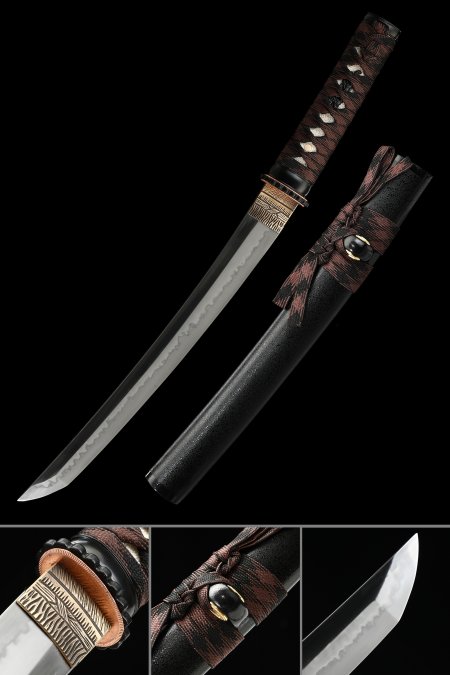
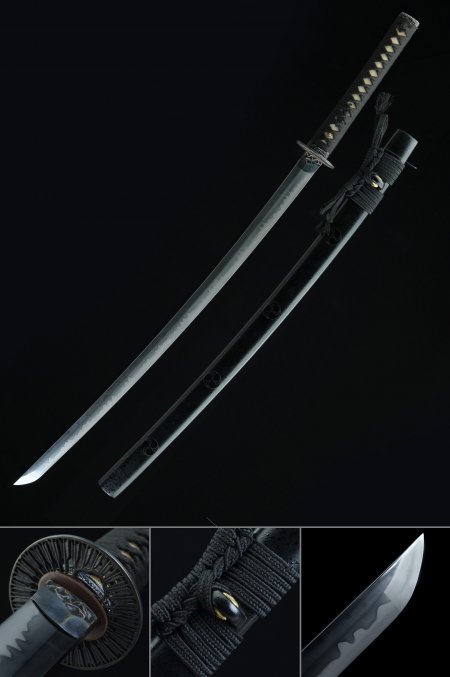
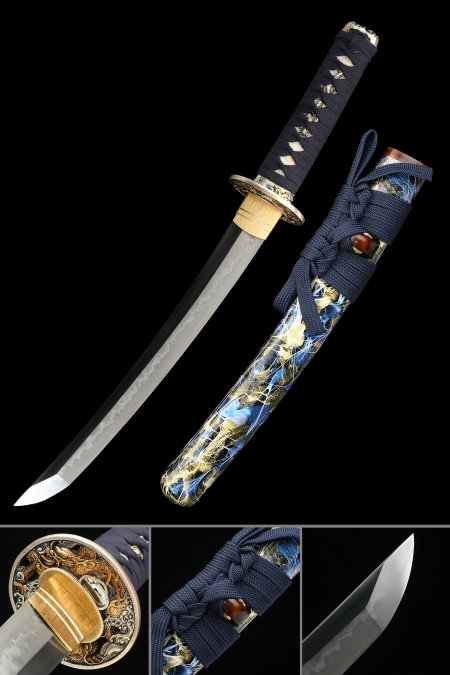
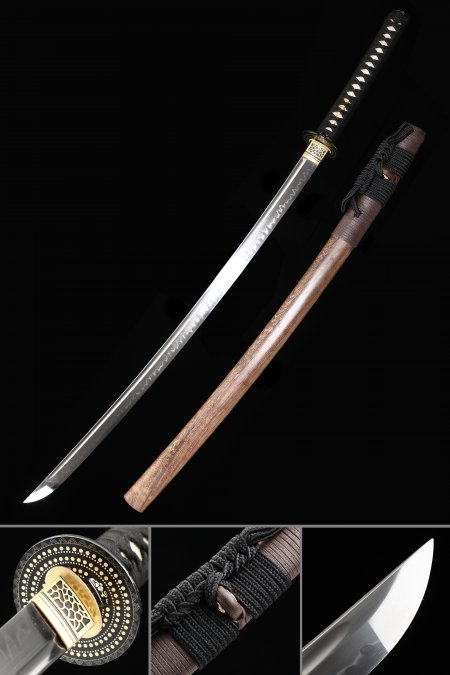
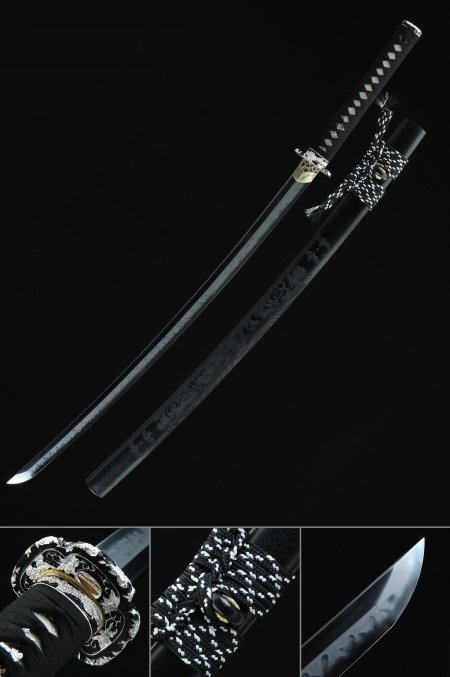
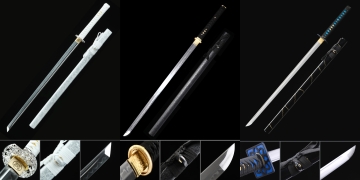
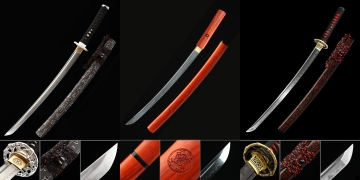
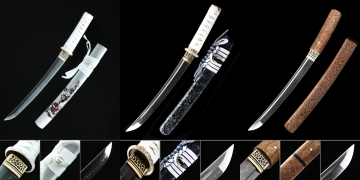
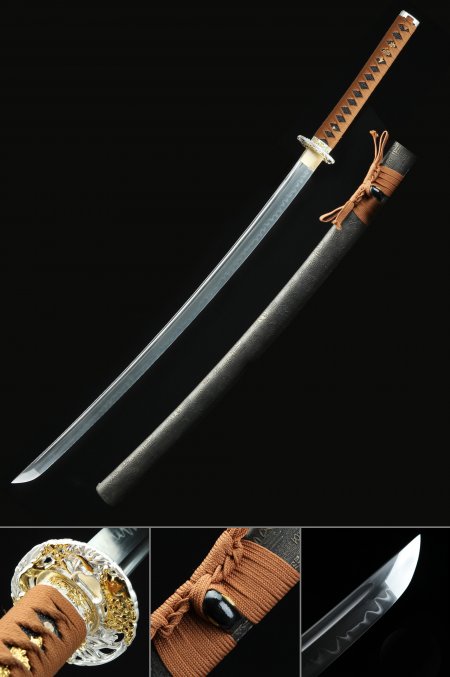
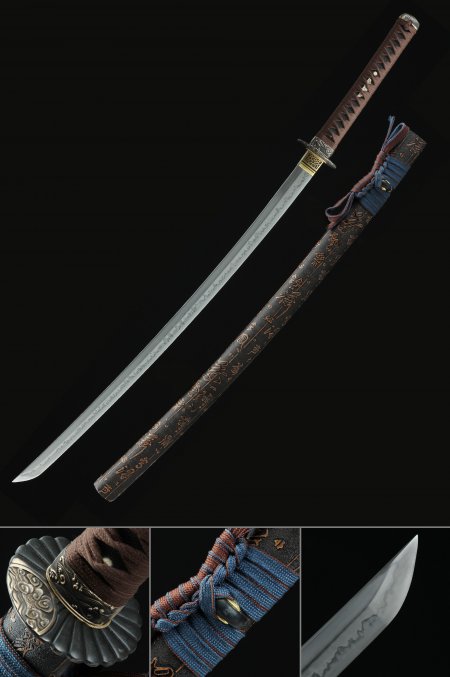
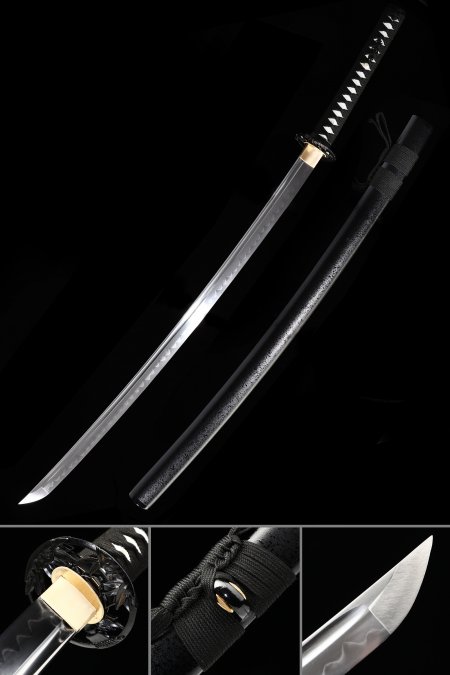
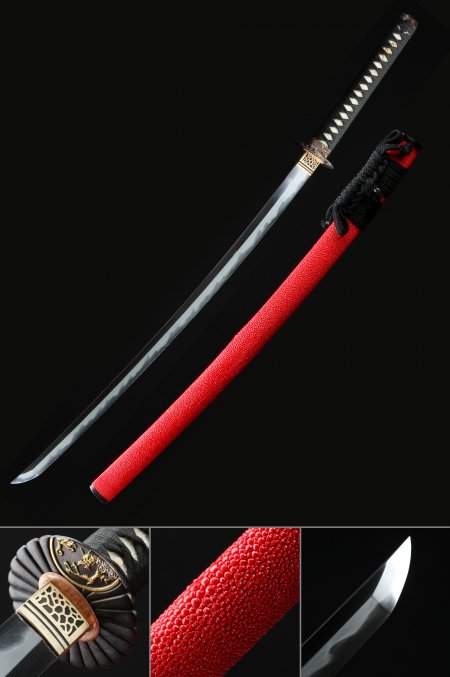
Real antique samurai swords represent centuries of Japanese metallurgical mastery — each blade shaped by traditions that modern manufacturing simply cannot replicate. This curated selection brings together hand-forged T10 carbon steel and Damascus steel katana, wakizashi, and tanto, all featuring authentic clay-tempered hamons, hand-wrapped ito, and ornate tsuba that speak to the artisan's intent. Every piece arrives as a fully realized collectible, ready for display or preservation. Enjoy free shipping on your order, backed by our hassle-free return policy.
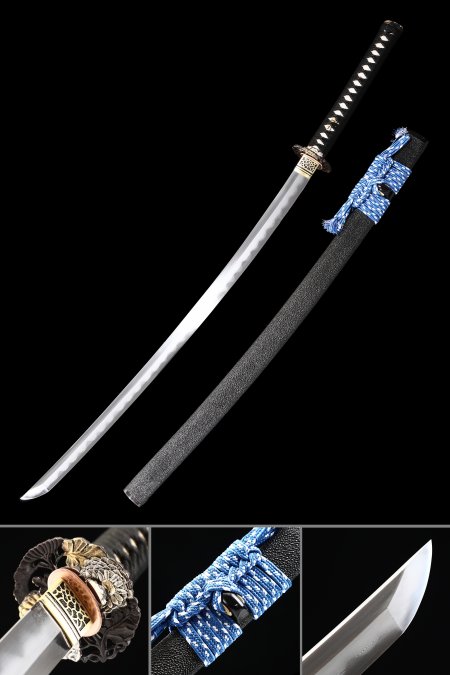
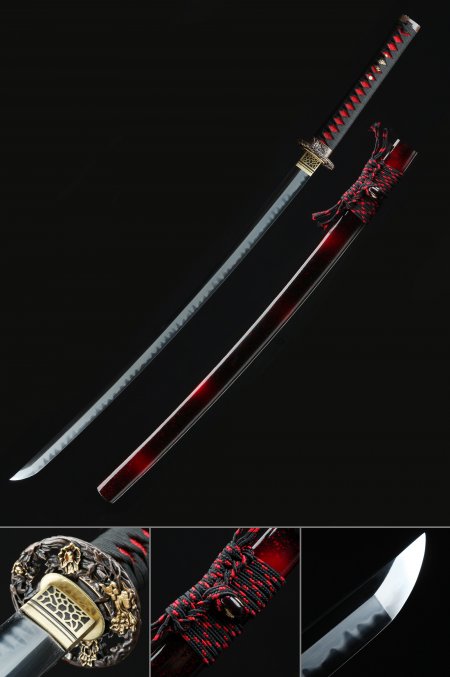
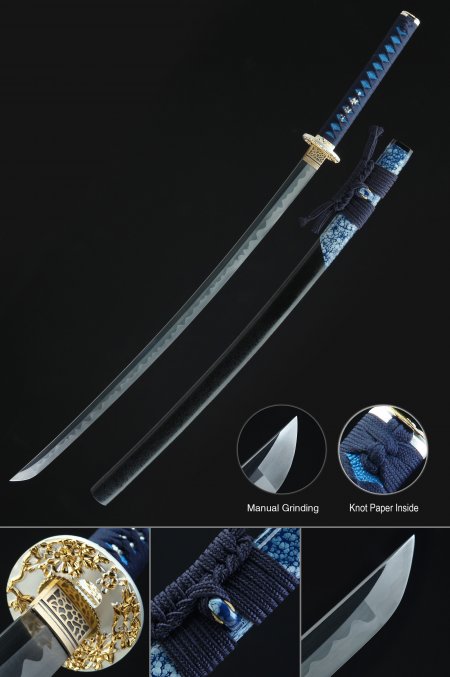
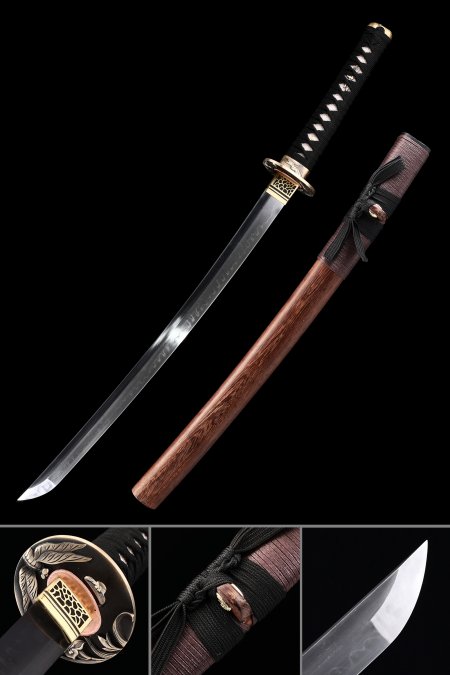
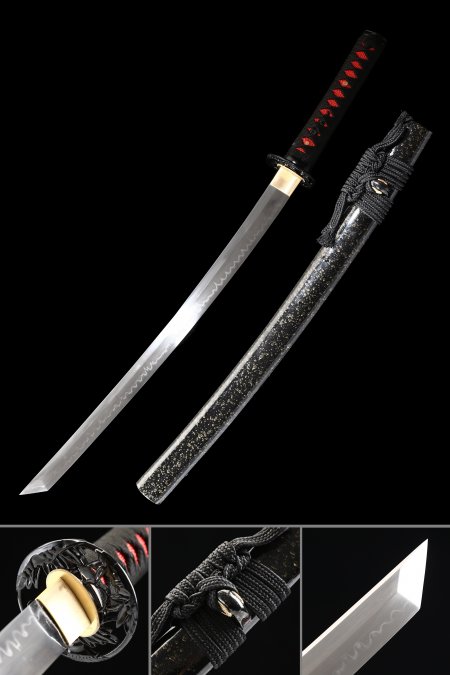
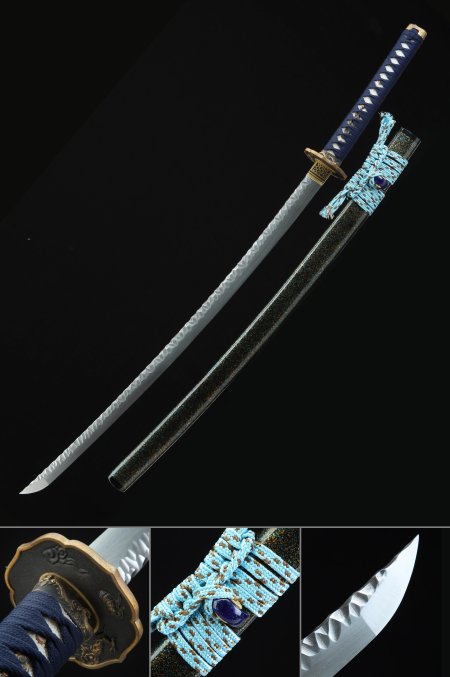
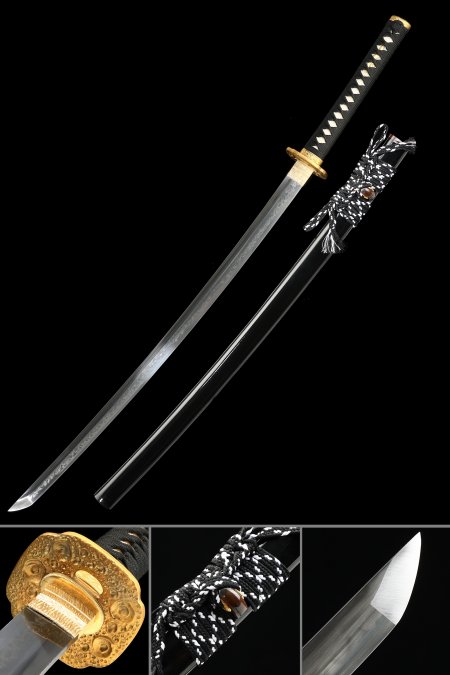
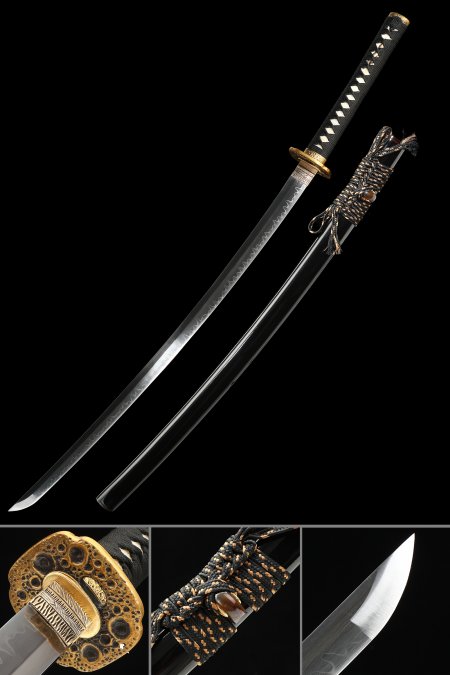
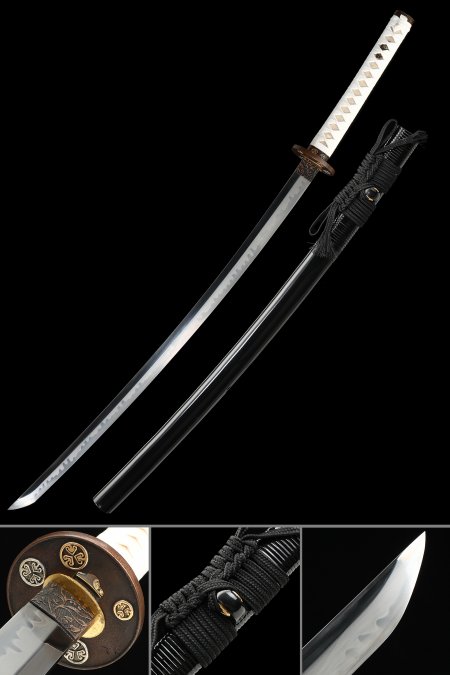
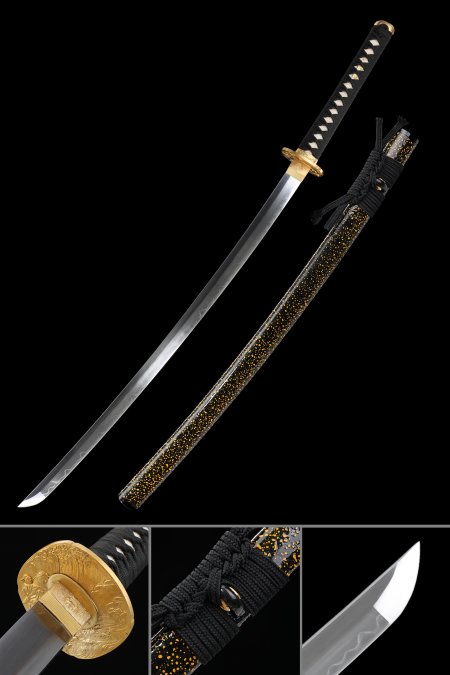
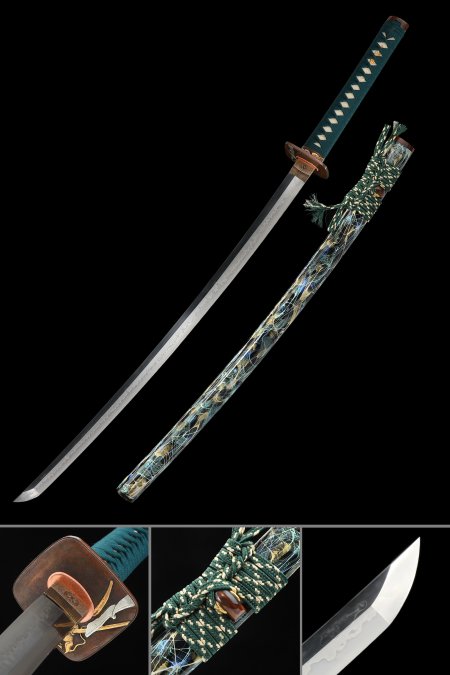
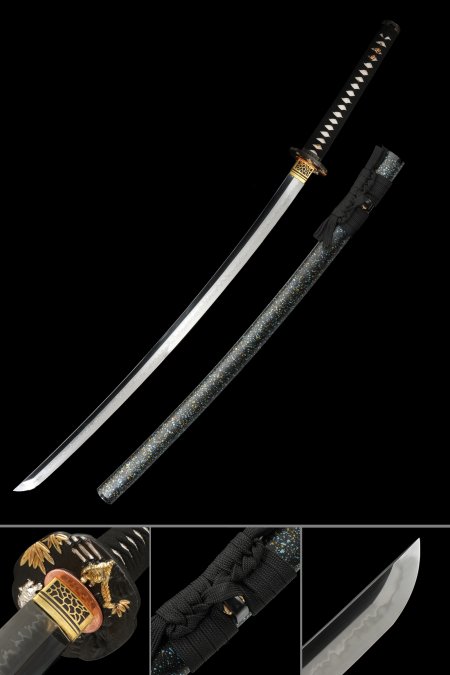
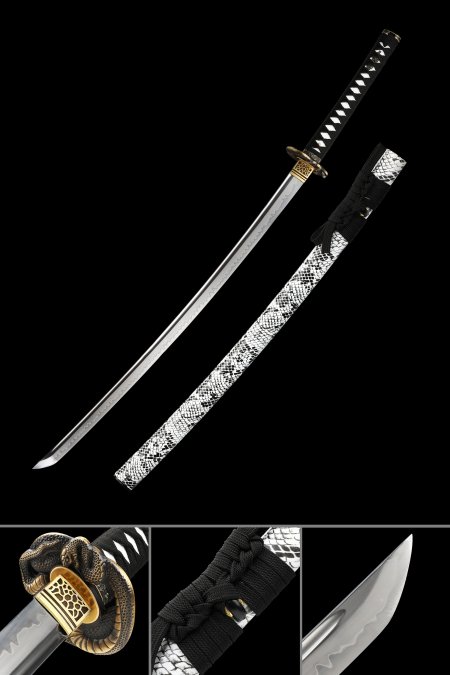
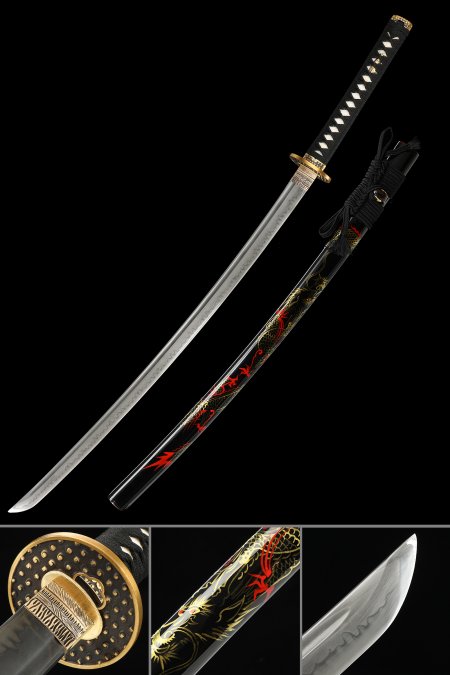
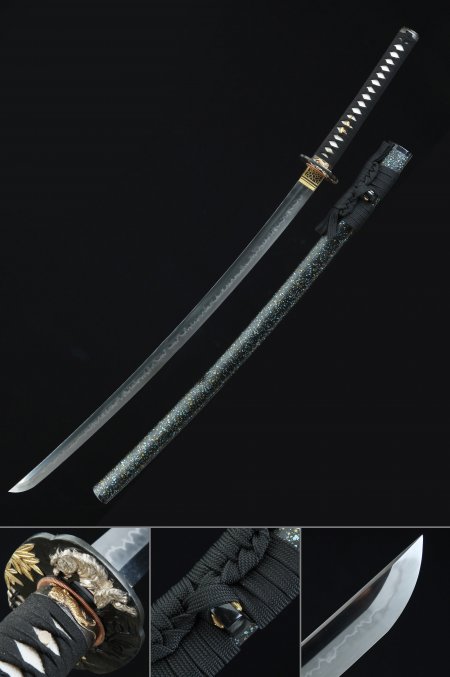
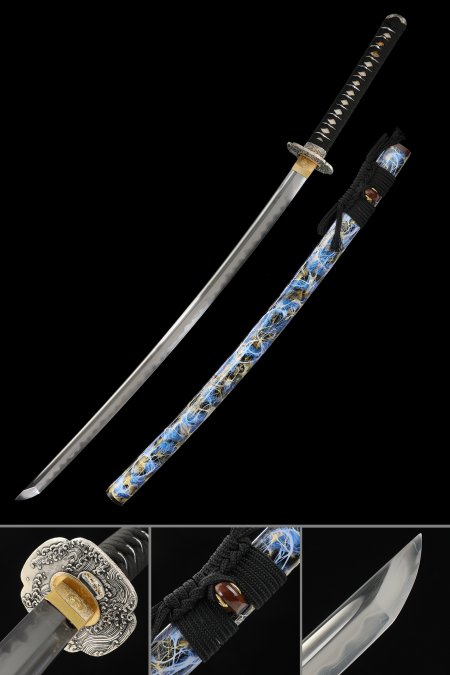
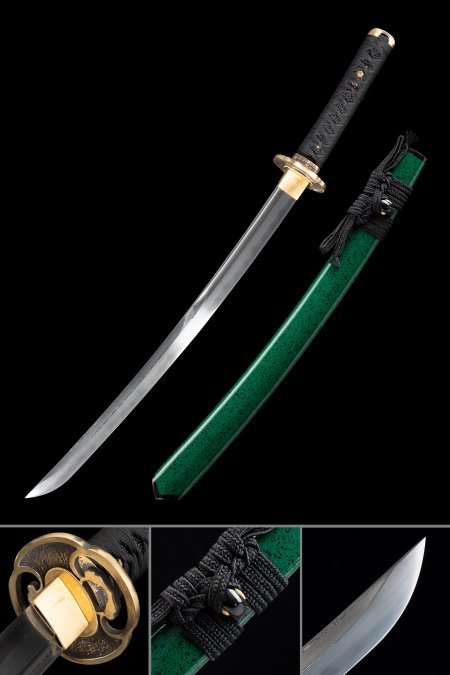
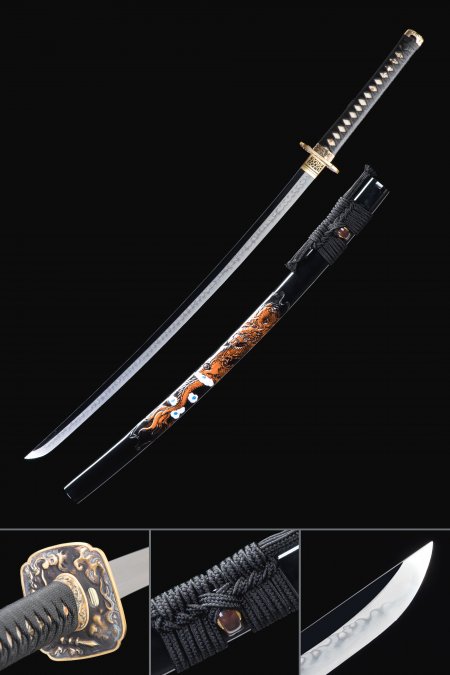
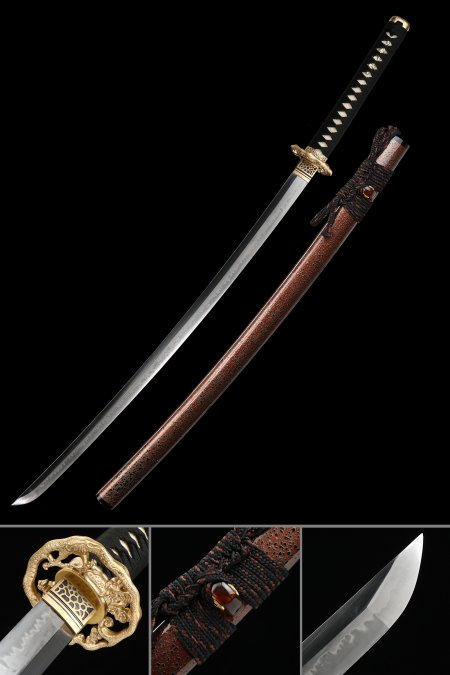
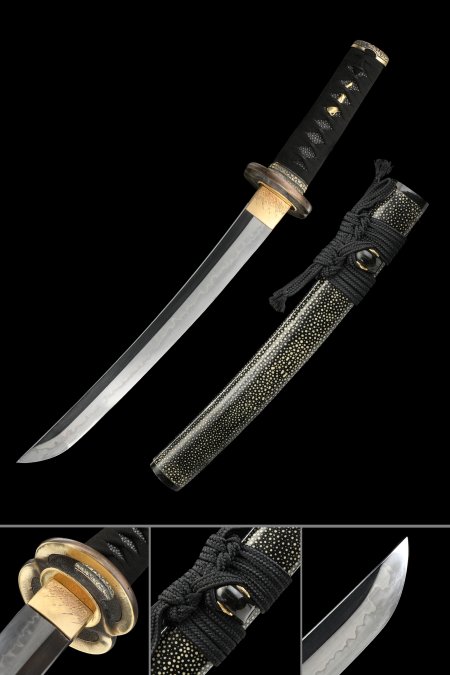
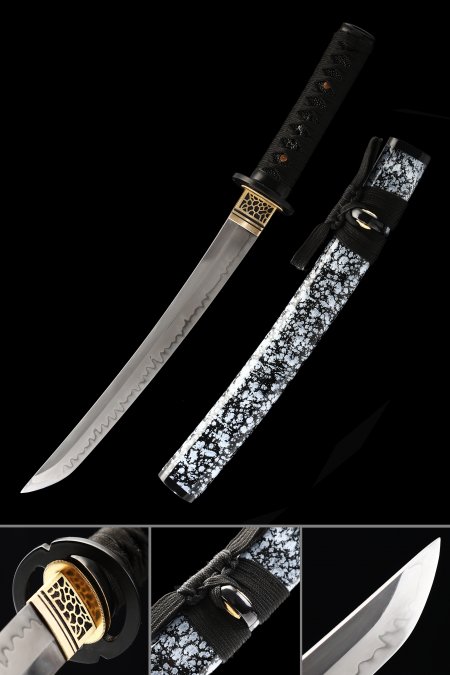
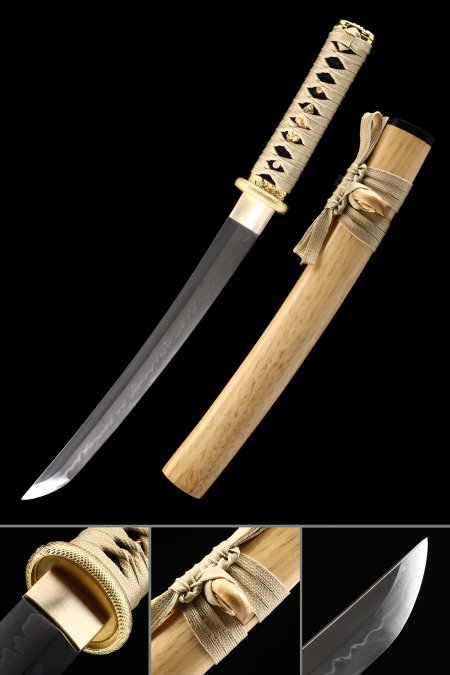
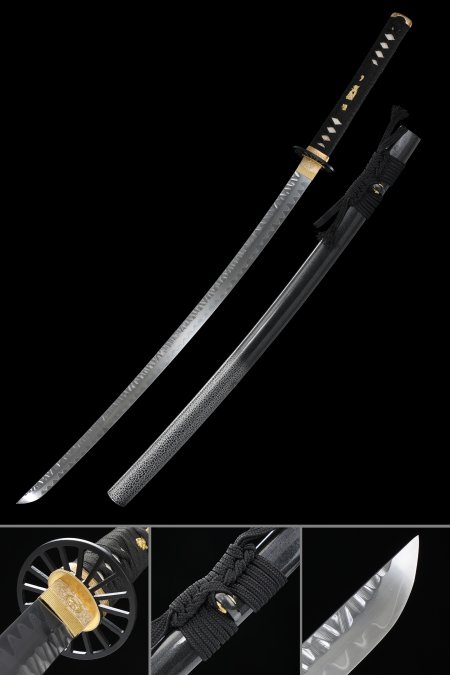
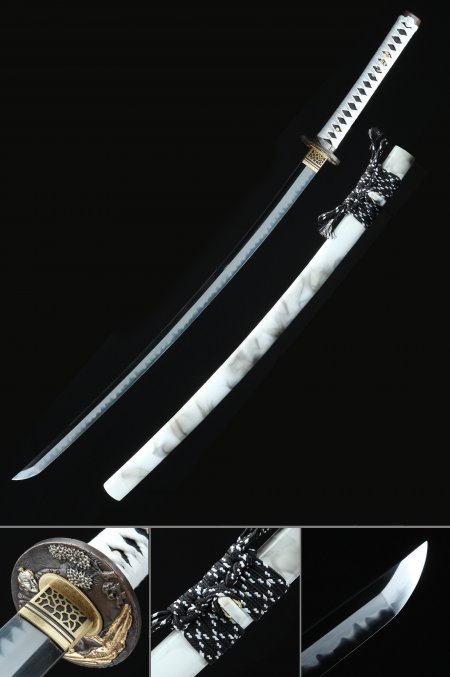
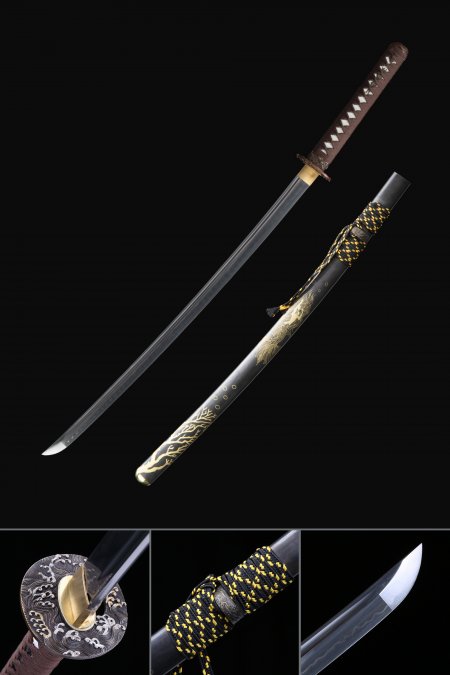
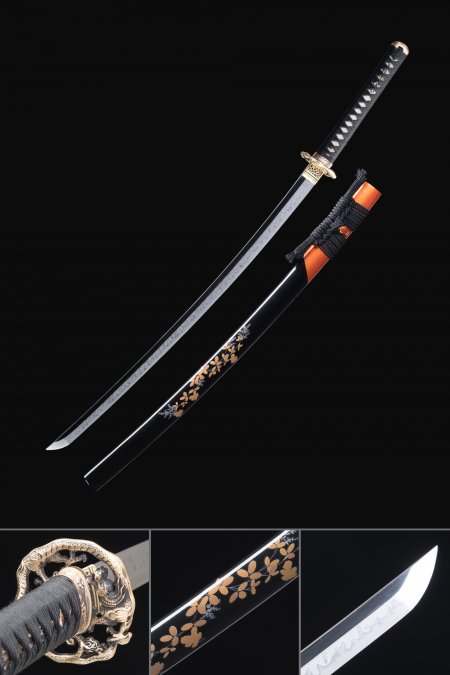
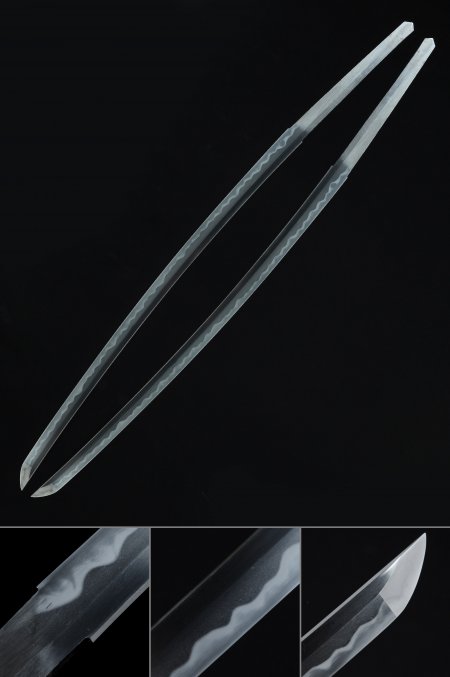
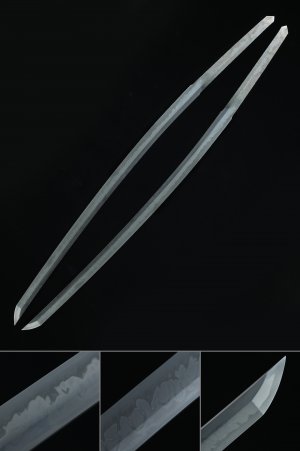
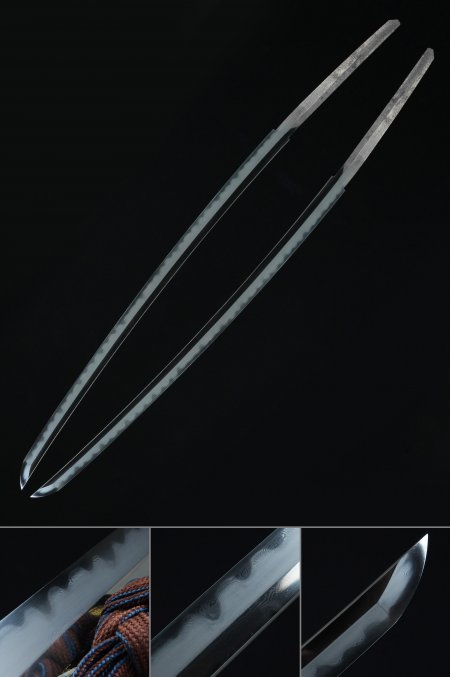
I thought my product was made in Japan… Looks like made in China… good thing blade sharp display doesn’t look bad except handle has wood piece that’s light brown that doesn’t match black they could’ve dyed it. Def worth more around $50-$90 not $150. The little wood part on sword handle bothers me they should’ve dyed it black to blend it in. Other than that honestly it’s just okay and don’t think it was worth the $150
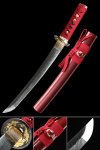 |
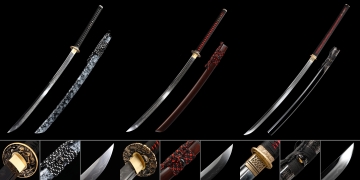
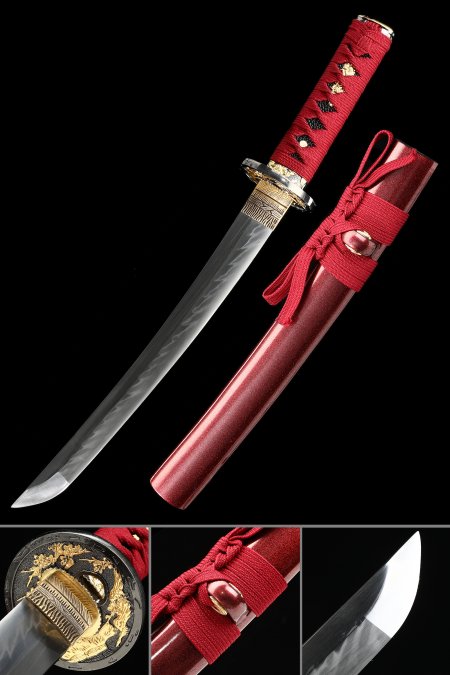
T10 Clay Tempered Tanto Sword with Real Hamon in Red Saya - Gold Floral Tsuba Collectible |
The two swords are fantastic, truly the best sword I've ever had in hand. They didn't take too long to arrive either, the only problem I have is that one sword is very different to unsheathe and ensheathe. It seems like the cut in the sheathe is off, but otherwise everything is great and would definitely order again.r
r
The first two are the ones I received from "TrueKatana". The topmost sword is the one with the sheathing problem.
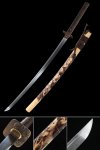 |
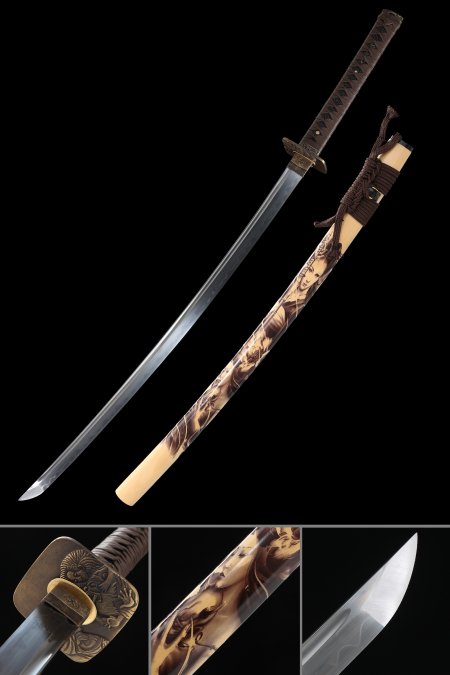
T10 Carbon Steel Katana with Clay Tempered Real Hamon in Hand-Painted Beige Saya with Copper Fittings |
Beautiful blade, and great made handle and sheath! Didn't take too long for shipping and wall holder is so beautiful 😍
|
T10 Carbon Steel Katana with Clay Tempered Real Hamon in Hand-Painted Beige Saya with Copper Fittings |
Great sword, amazing value, helpful customsr service.
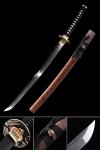 |
T10 Folded Clay Tempered Wakizashi Sword with Real Hamon in Brown Rosewood Saya and Copper Tsuba |
Our grandson was delighted by this gift. It was well crafted and exactly what he wanted to display on his fraternity wall.
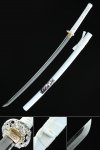 |
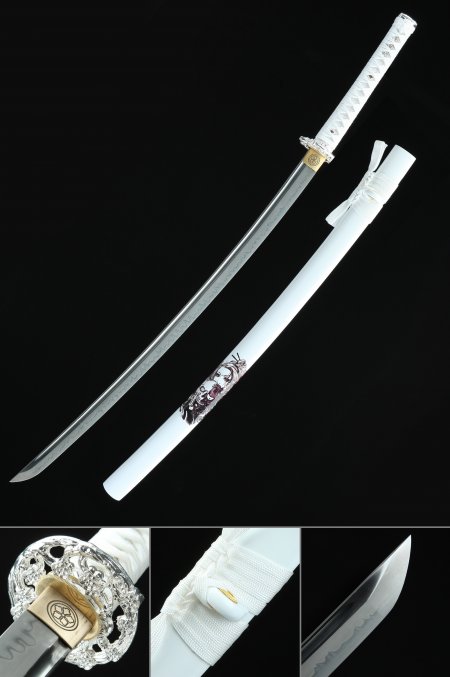
White T10 Clay Tempered Katana with Real Hamon in Piano Lacquer Saya and Silver Flower Tsuba |
Sword looks beautiful but did come with a couple rusty spots. They offered a little discount and that made me happier. The sword was sharp but not as sharp as I thought it would be from the reviews and description according to the page. Overall still a beautiful sword that looks well made!
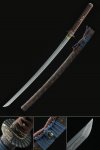 |
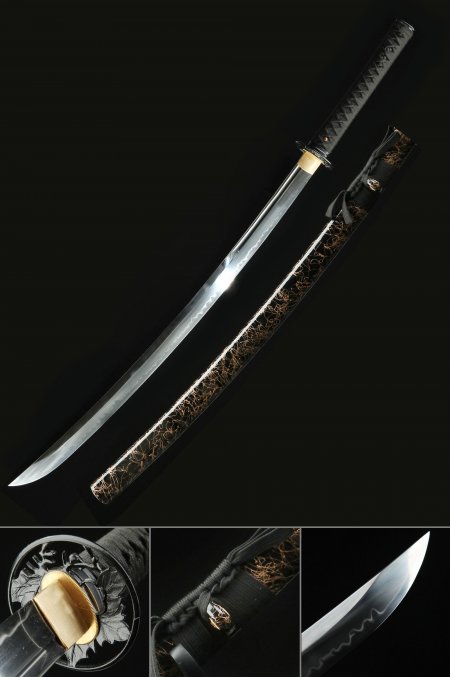
Clay Tempered T10 Steel Katana with Real Hamon - Brown Ito Wrap, Kanji Engraved Saya in Gold Gilding Tsuba |
I F!!CKiNG Love my new sword almost as much as my Wife🤫😆r
I can't wait to soak it in blood👹
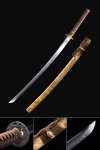 |
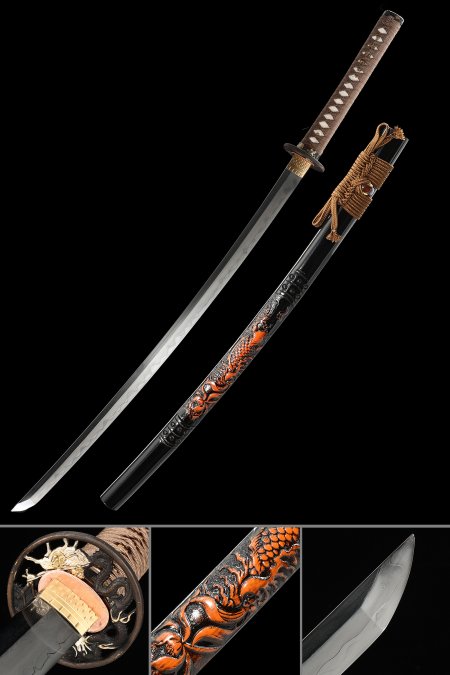
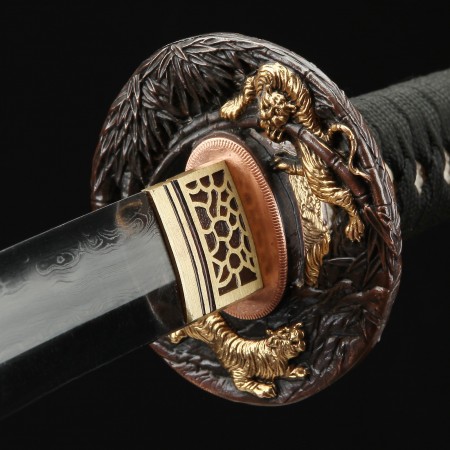
T10 Carbon Steel Katana with Real Hamon, Wave Engraving in Brown Cord Handle - Dragon Tsuba |
I rarely leave reviews, but my experience with TrueKatana absolutely deserves one.r
r
I initially received an incorrect item with my order. Mistakes happen, that part didn’t concern me. What did matter was how the situation was handled, and TrueKatana exceeded every expectation I had.r
r
From the very first reply, their support team was polite, responsive, and genuinely focused on making things right. They clearly communicated my options, worked with my timeline (this was a birthday gift), and went out of their way to minimize inconvenience. Instead of rigid policies or delays, I was met with flexibility, transparency, and solutions.r
r
The highlight? They arranged shipment of the correct sword promptly and ultimately told me I could keep the incorrect item at no cost—no return required. That level of trust and goodwill is rare, especially in online retail.r
r
What impressed me most wasn’t just the resolution, but how easy they made the entire process feel. No friction. No defensiveness. No hoops to jump through. Just professional, thoughtful customer care from start to finish.r
r
TrueKatana has earned a customer for life. Their customer service genuinely rivals what I’ve experienced with top-tier Fortune 500 companies, and I wouldn’t hesitate to recommend them to anyone considering a purchase.r
r
If you’re on the fence, don’t be. You’ll be taken care of.
|
Clay Tempered T10 Steel Katana with Real Hamon - Brown Ito Wrap, Kanji Engraved Saya in Gold Gilding Tsuba |