Red 1060 Carbon Steel Katana
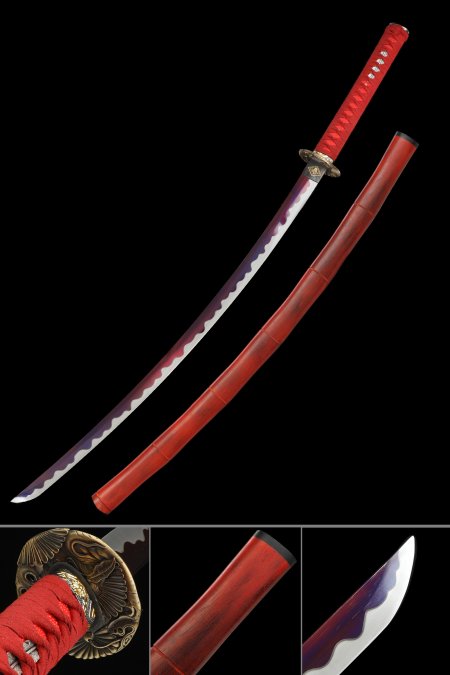
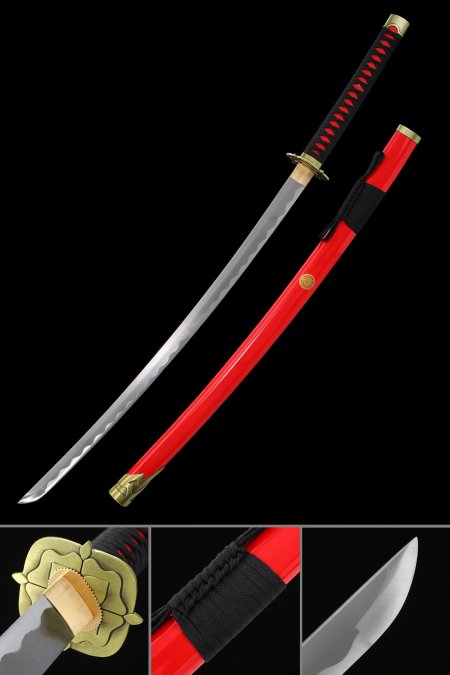
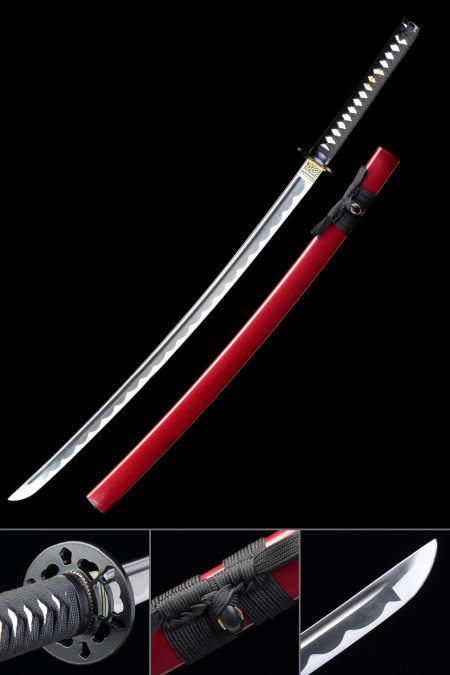
A striking combination of artisanal craftsmanship and bold visual identity, each Red 1060 Carbon Steel Katana in this collection features a hand-forged blade, traditionally assembled fittings, and a richly lacquered red saya that makes it as compelling on display as it is in the hands of a serious collector. The 1060 high-carbon steel construction delivers a reliable, full-tang build with a resilient edge geometry prized by enthusiasts who appreciate authentic Japanese sword-making tradition. Every piece ships with free standard shipping and is backed by our hassle-free return policy.
Related Collections
Frequently Asked Questions
What makes 1060 carbon steel a good choice for katana collectors?
1060 carbon steel contains roughly 0.60% carbon, placing it in a practical sweet spot for collectible Japanese swords. It is hard enough to take and hold a refined edge geometry, yet flexible enough to resist the micro-fractures that can affect higher-carbon steels like 1095 under stress. For display collectors, this flexibility means the blade is less likely to warp when mounted horizontally for long periods. The steel also responds well to clay-tempering processes, allowing skilled smiths to produce a genuine hamon - the wavy temper line along the edge - which is one of the most visually significant details a knowledgeable collector looks for in an authentic-style katana.
How does 1060 carbon steel compare to 1090 in a katana?
The primary difference lies in carbon content and resulting hardness. 1090 carbon steel contains approximately 0.90% carbon, making it harder and capable of holding a more acute edge angle than 1060. However, this increased hardness comes with reduced flexibility - 1090 blades are more brittle under lateral stress. For a collector focused purely on display, 1090 offers a crisper, more defined hamon and slightly superior edge retention. For those who also enjoy occasional cutting practice with their collectible, 1060's greater resilience often makes it the more forgiving choice. Both are legitimate options depending on your collecting priorities.
What do the red lacquered saya on these katana signify?
In historical Japanese sword culture, lacquered saya were associated with elite samurai and high-ranking figures, with bold colors signaling status and aesthetic confidence. A deep red or crimson saya finish was particularly striking against formal attire and was used to distinguish distinguished blades from utilitarian field equipment. In the context of modern collectibles, a red lacquered hardwood saya is both an authentic design reference and a display-forward choice - the high-gloss finish and rich color create immediate visual impact on a katana stand or wall mount. The lacquer itself also serves a practical function, sealing the wood against moisture and protecting the blade's surface while sheathed.
How should I maintain a 1060 carbon steel katana on display?
Carbon steel is reactive to moisture, so consistent maintenance is essential for any displayed piece. After each handling, wipe the blade with a clean soft cloth to remove fingerprint oils, then apply a thin, even coat of choji oil or food-grade mineral oil using a fresh cloth. Avoid over-oiling, as excess oil can attract dust and residue. Store or display the sword horizontally with the edge facing upward in the traditional Japanese orientation. If using an enclosed display case, include silica gel desiccant packs and replace them every few months. Periodically check the mekugi - the small bamboo or copper pin securing the blade through the handle - and re-seat it if it feels loose.
Are these red katana suitable as collector gifts?
A red 1060 carbon steel katana makes a distinctive gift for Japanese sword enthusiasts, history collectors, and martial arts practitioners who appreciate display-quality pieces. The bold visual combination of a crimson lacquered saya, ornamental tsuba, and hand-wrapped tsuka gives each piece immediate shelf presence without requiring the recipient to have deep technical knowledge to appreciate it. For gifting purposes, pairing a katana with a complementary piece - such as a wakizashi from the Marble T10 Carbon Steel Wakizashi collection - creates a daisho-style display set that holds significantly more visual and collector value than a single sword.