Free Shipping
219.00 USD

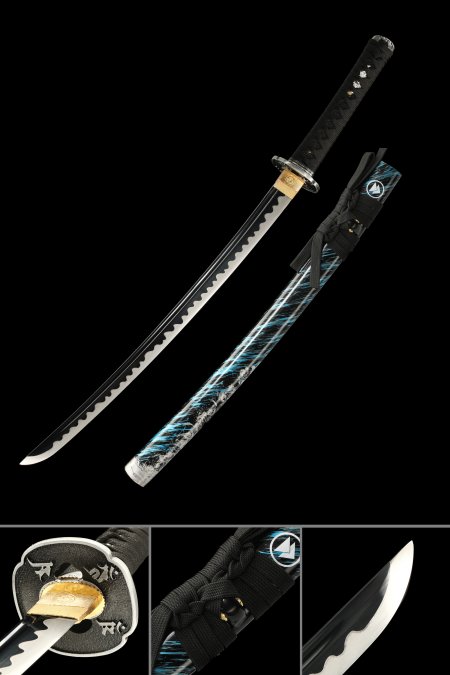
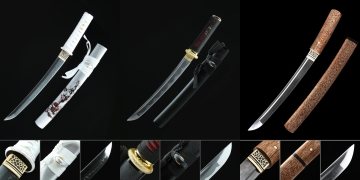
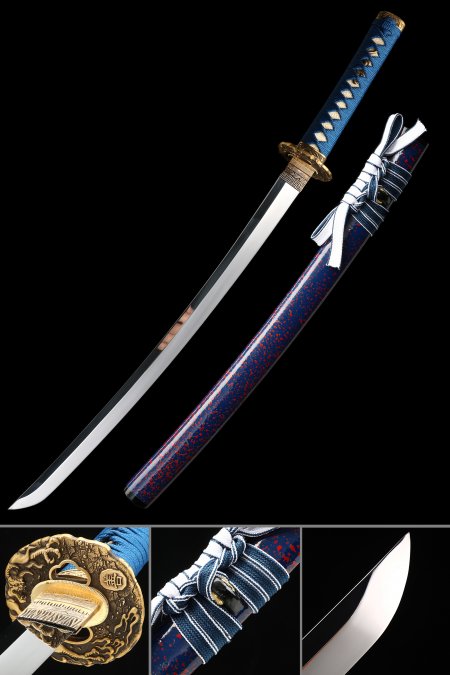
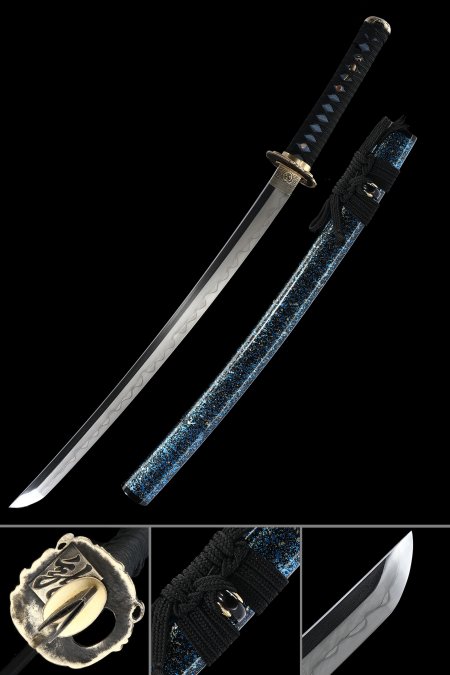
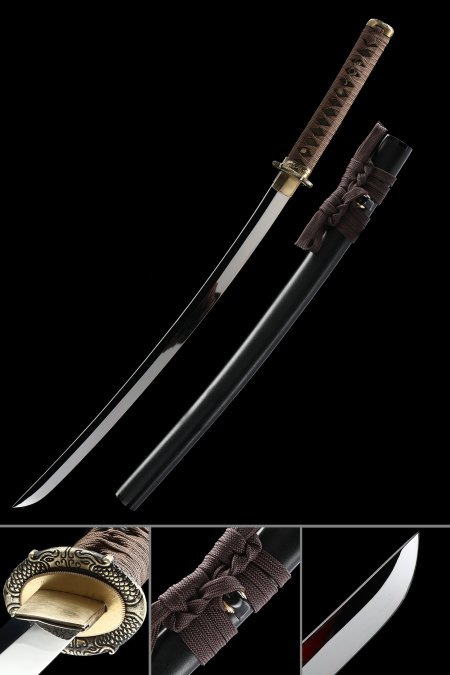
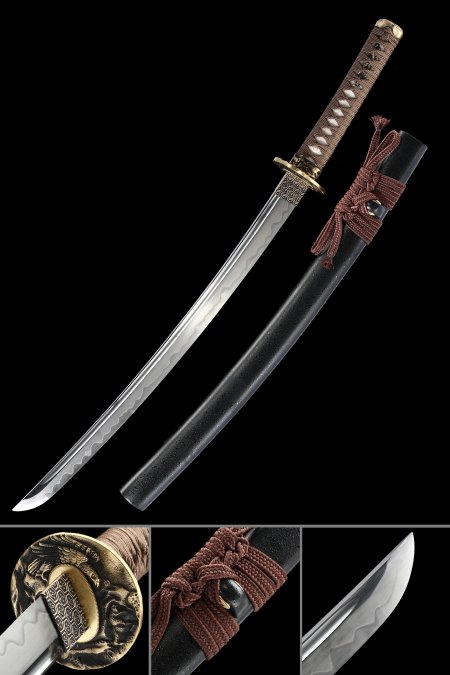
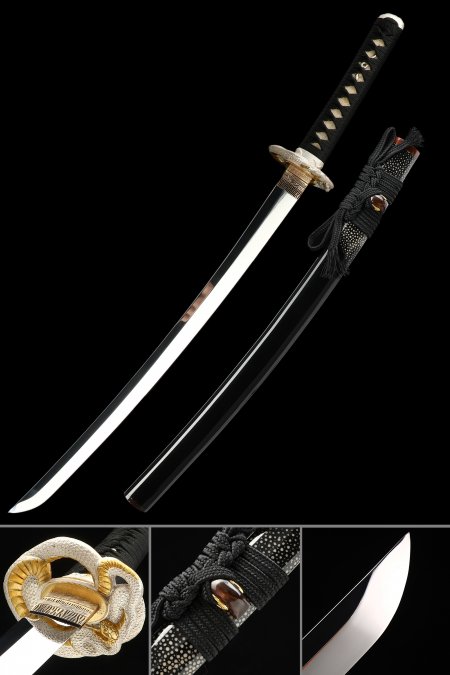
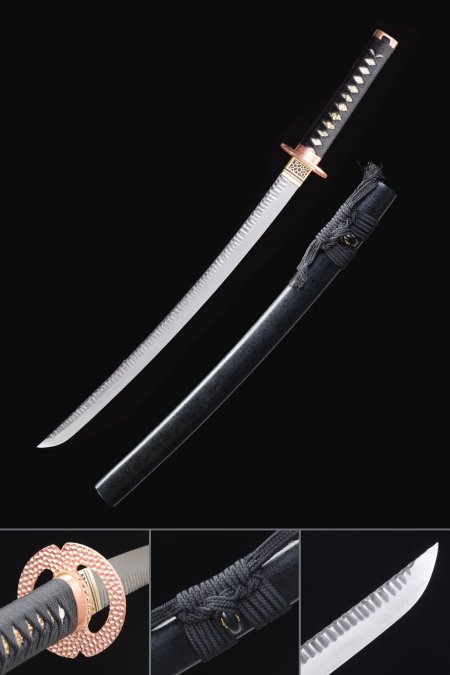
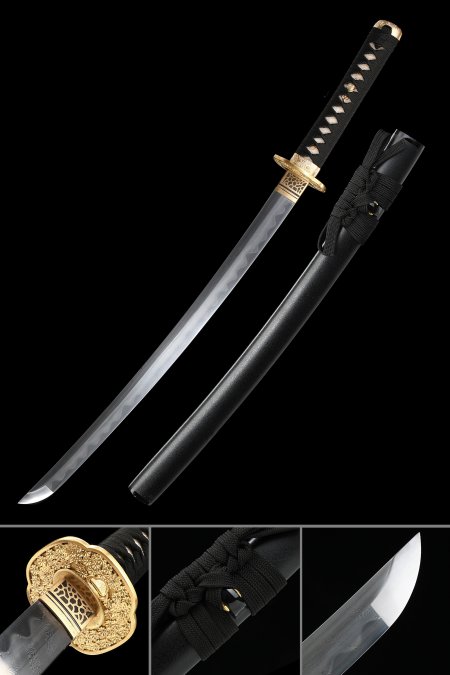
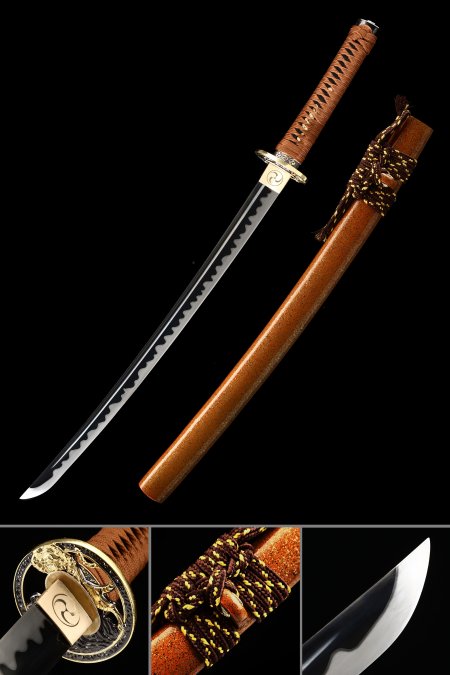
Discover our Short Katana collection, featuring compact curved blades that deliver the katana aesthetic in a more manageable size. Short katanas bridge the gap between the full-length katana and the wakizashi, offering the iconic curved single-edged profile in a format that suits smaller display spaces and collectors who prefer compact swords. Hand-forged with full-tang construction. Free U.S. shipping and 30-day return guarantee.
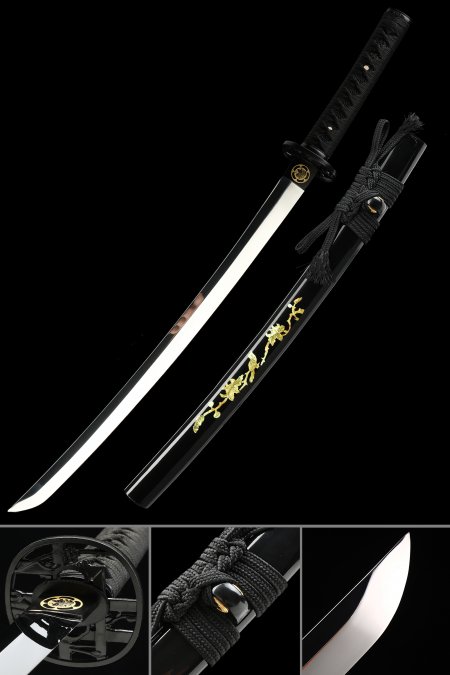
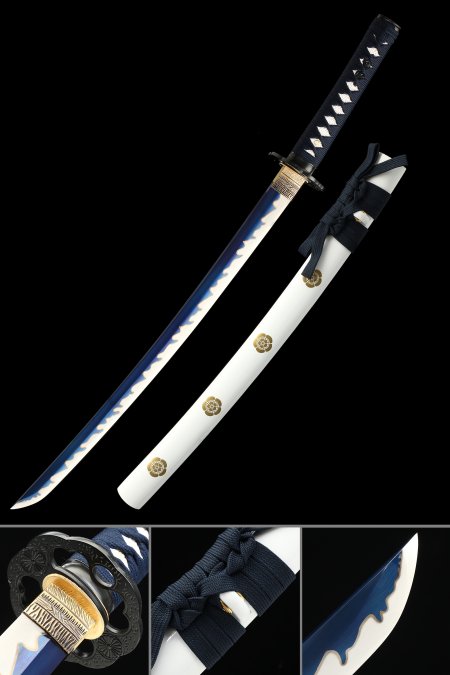
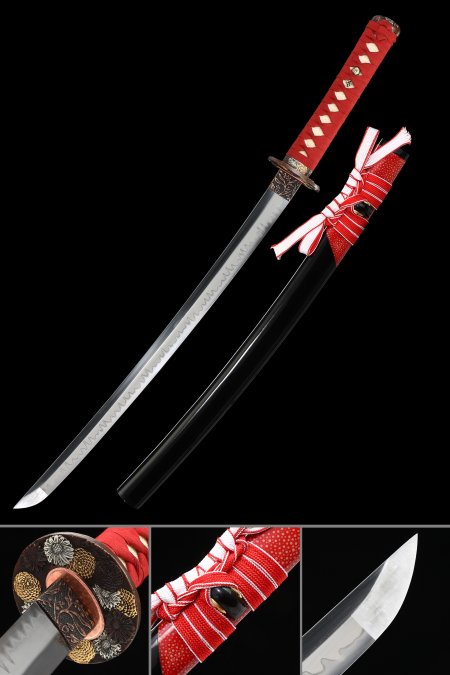
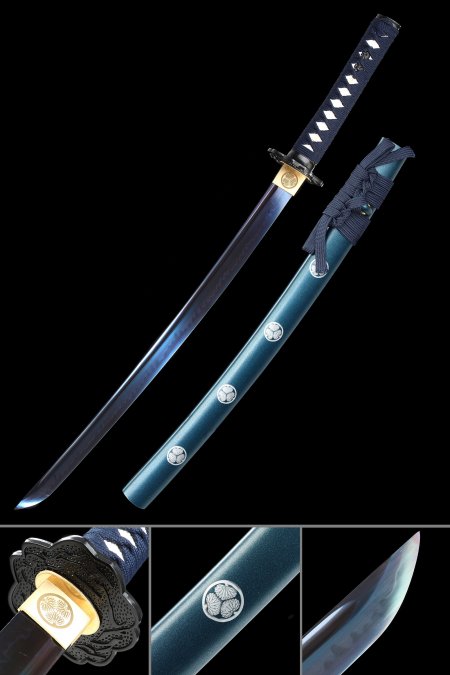
The sword I ordered reached safely in good condition to Indonesia. The quality is good no complaint. The people in True Katana are friendly and helpful. Thank you True Katana
 |
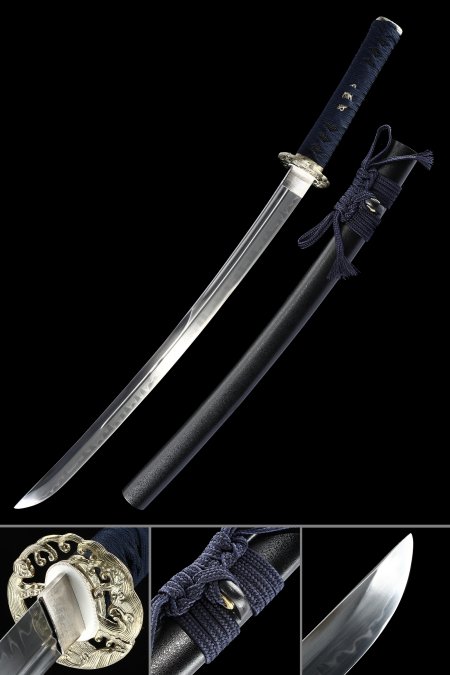
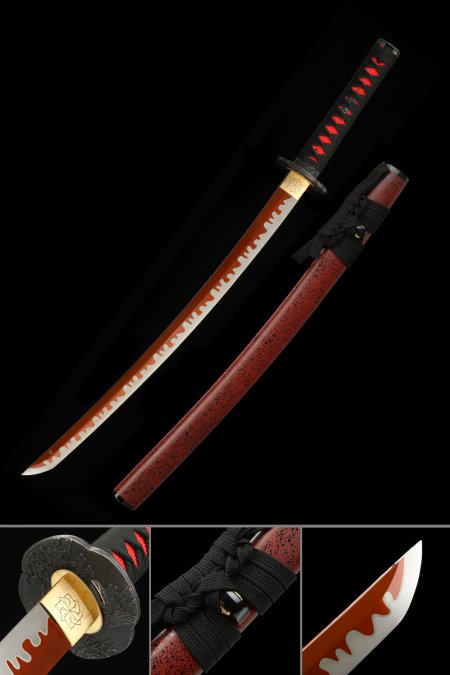
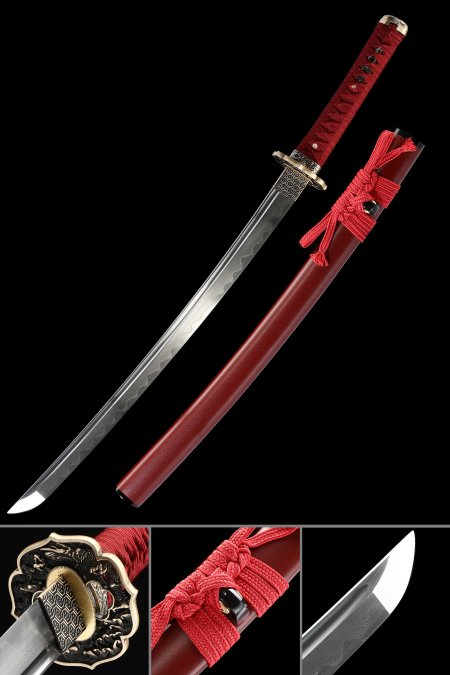
T10 Manganese Steel Wakizashi with Red Ito, Chrysanthemum Tsuba in Black Lacquer Saya |
I've bought a number of katanas and wakizashis through various sites and so far this has been my favorite. Really high quality look and feel and I definitely would recommend it to anyone in the market.
 |
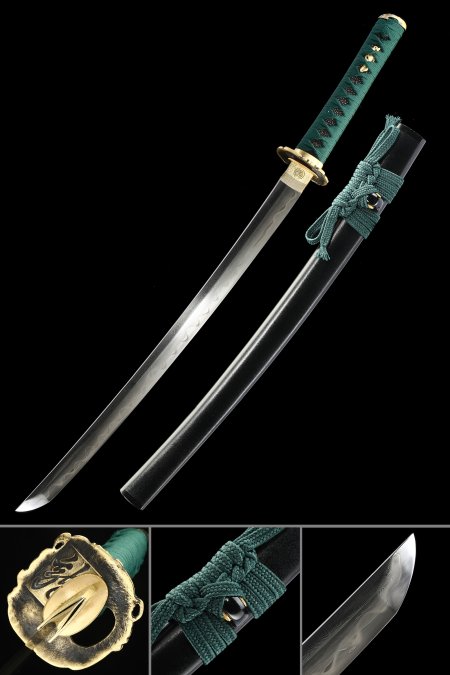
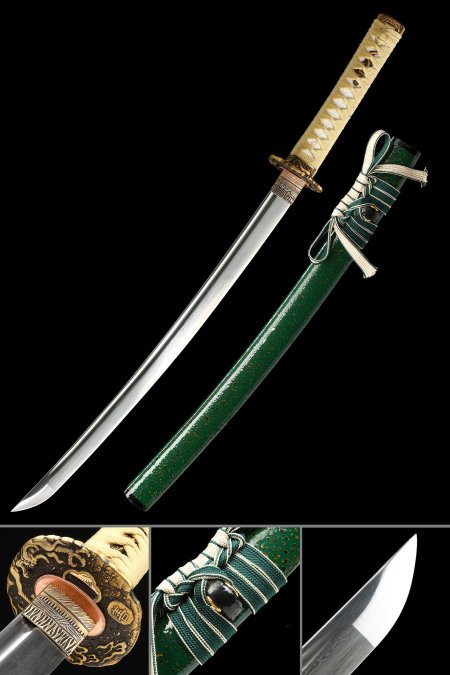
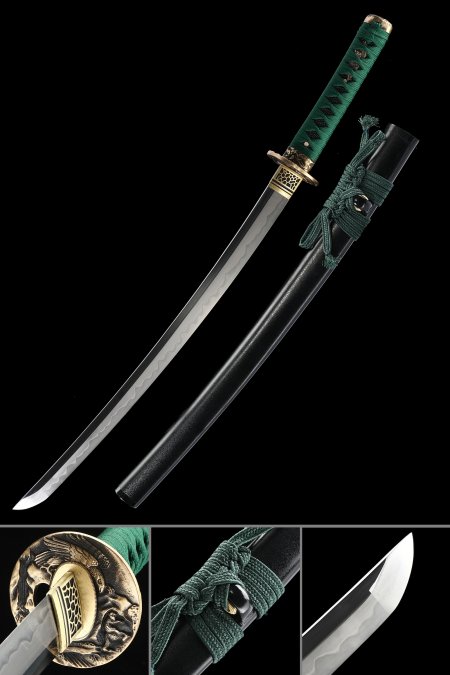
Damascus Steel Wakizashi in Green Lacquer Saya - Dragon Tsuba, Beige Ito, 28.74" Blade |
Sword is of high quality but the sheath came with a flaw. It had a little dent in it
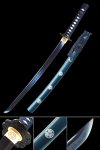 |
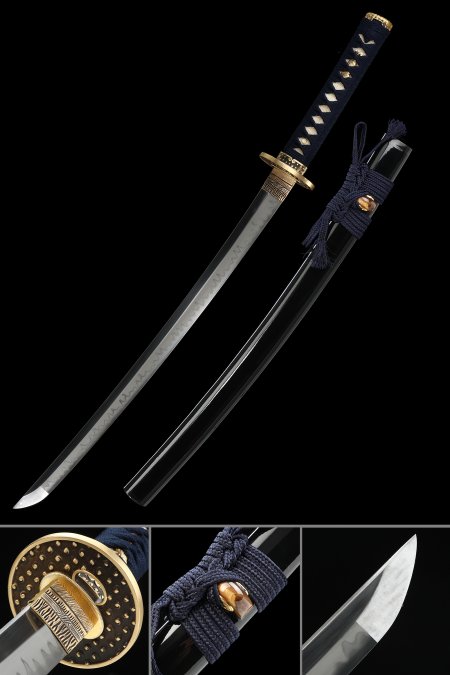
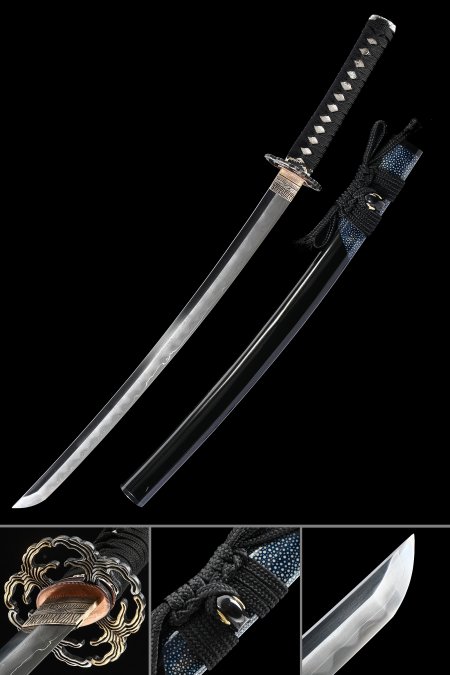
T10 Carbon Steel Wakizashi with Blue Blade, Dark Blue Ito & Teal Hardwood Saya |
Bonjour , pour toute l'équipe de TRUE KATANA . J'ai acheté chez vous 11 Katanas , pour ma collection . Les katanas ,wakizashi , et Tanto que je vous ai acheté , sont de très belles finitions . Cependant ,la SAYA en bois noir de mon wakizashi , étais fendue en deux endroits avec l'entrée trop étroite , pour introduction de l' HABAKY du sabre . Je l'ai fait recollé par un spécialiste sur bois . J'ai aussi dans le passé , perdu deux sabres , qui se sont égaré dans le transport vers mon domicile . Je me permet ces informations ,à votre demande ,afin d'améliorer le suivis , et la qualité de vos commandes . En bon client , je vous souhaite à toute l'équipe une bonne journée .
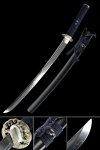 |
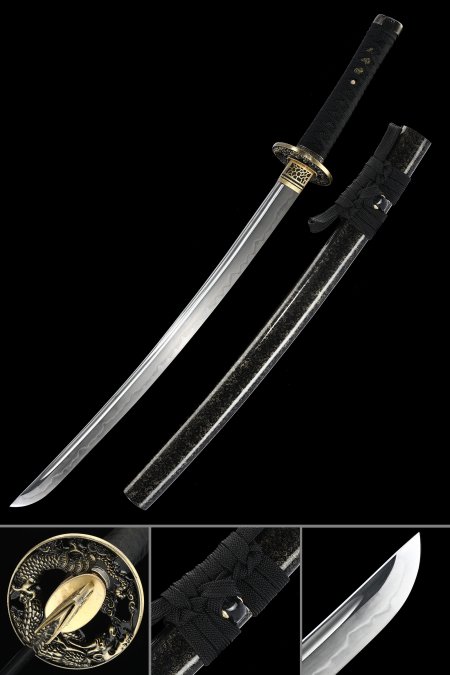
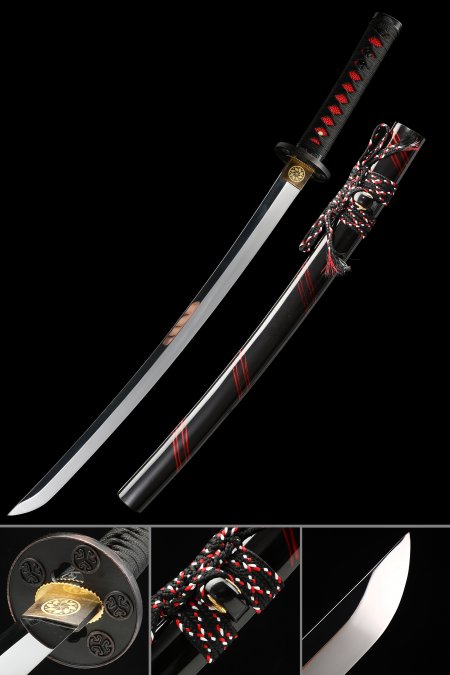
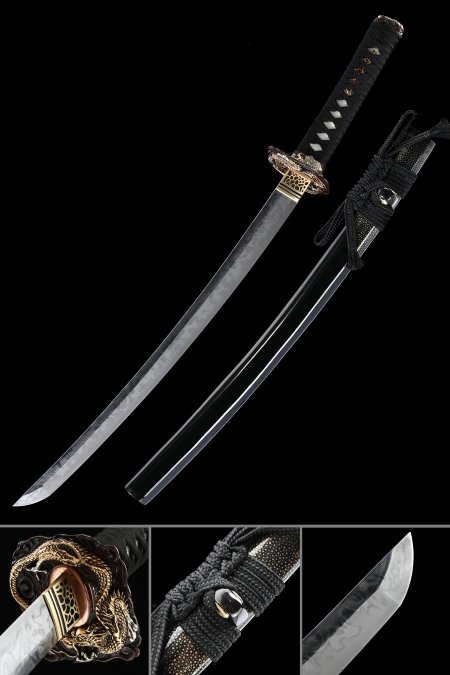
T10 Carbon Steel Wakizashi with Black Lacquer Saya - Dark Blue Cord Handle, Gold Scroll Tsuba |
Nice piece r
Blade is about 20 inches r
Correct size for a traditional Wakizashi. r
Happy with it.
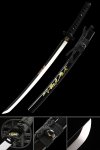 |
1095 Carbon Steel Wakizashi with Black Lacquer Saya and Chrysanthemum Alloy Tsuba |
Overall, I love the sword, well-made, and sharp edge however, unfortunately, the sheath was slightly damaged upon receiving
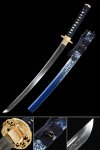 |
T10 Carbon Steel Wakizashi with Real Hamon in Blue-White Lacquer Saya - Gold Dragon Tsuba |
Pretty cool never had one before this is my first one. But I love it, will definitely be buying more.
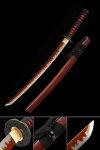 |
Manganese Steel Wakizashi with Red Blade & Black-Red Tsuka in Chrysanthemum Koshirae |
It is good for an old professor, should be good for a young dentist: will buy one for my son.
I see one problem - we have no enemies to fight :-)
|
Manganese Steel Wakizashi with Red Blade & Black-Red Tsuka in Chrysanthemum Koshirae |