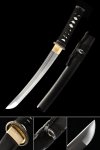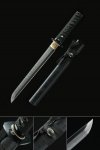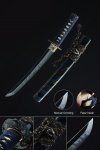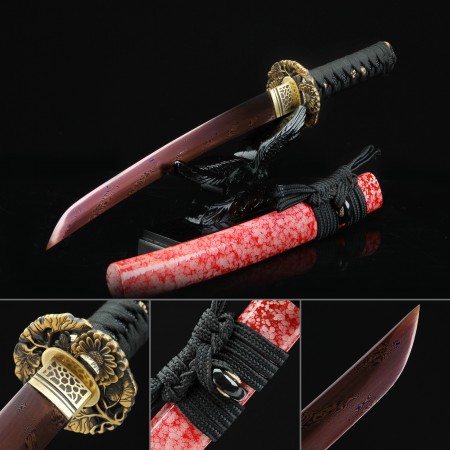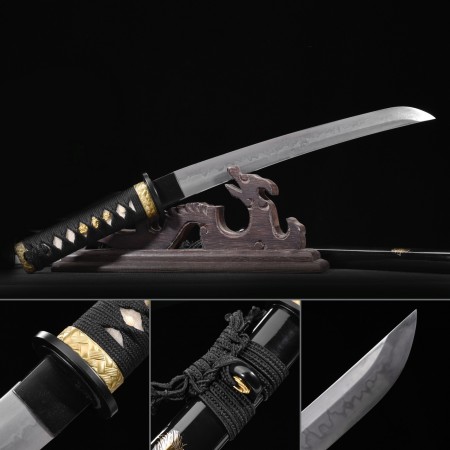
Short Samuri Sword

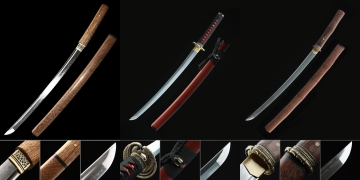
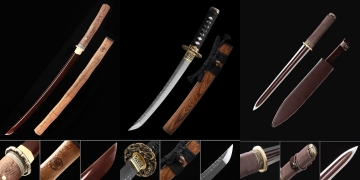
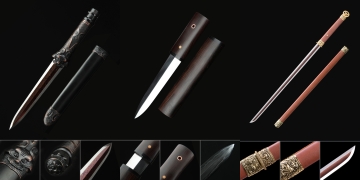
Explore our collection of short samurai swords - hand-forged Japanese tanto and short-blade collectibles built in the samurai tradition, featuring full-tang high-carbon steel construction, classic samurai fittings, and a range of styles from standard tanto to clay-tempered shirasaya pieces with visible hamon. Each piece carries the construction integrity and aesthetic authenticity of genuine Japanese short-blade craftsmanship. Free US shipping and hassle-free returns are included on every order.
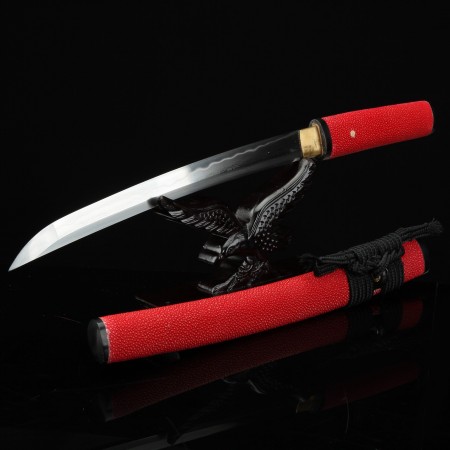
Showing 99 Products

Related Collections

Chokuto Sword47 items


315 Reviews

Wakizashi Sword90 items


350 Reviews

Damascus Short Sword53 items


70 Reviews

Double Edge Short Sword5 items


52 Reviews

Frequently Asked Questions

What role did the tanto play in samurai tradition and culture?
The tanto was an essential element of the samurai's personal equipment from the Heian period through the end of the feudal era. As a short blade worn at the side or tucked into the belt, the tanto served several distinct functions in samurai life and culture. Practically, it was a close-range backup blade for situations where a longer sword was impractical or had been lost. Ceremonially, the tanto was a required element of formal samurai dress alongside the longer katana, and the quality and finishing of a samurai's tanto was considered a reflection of his social standing and aesthetic sensibility. The tanto also had important ritual significance: it was used in the traditional Japanese ritual of seppuku, and particular tanto blades associated with famous samurai or notable historical events were preserved and venerated as cultural treasures. Today, tanto represent the samurai tradition in a particularly concentrated form, and collecting tant is a way of engaging directly with Japanese martial and craft history through objects built to the same standards as those actually used and valued by samurai.
What tanto styles are available in the short samurai sword collection?
The short samurai sword collection covers the main tanto configurations associated with samurai tradition and Japanese sword-making history. Standard tanto pieces follow the most recognized configuration: a single-edged blade with the characteristic angular Japanese tanto tip, fitted with a tsuba guard, ito-wrapped handle, and matching lacquered scabbard in black or natural tones. Hamidashi tanto feature a very small guard fitted flush with the handle collar - a style historically worn as a formal dress sidearm and valued for its elegant minimal design. Shirasaya tanto present the blade in plain unadorned wooden scabbard and handle without conventional fittings, the format used in Japan for housing valued blades for long-term preservation and inspection. The construction standards across all styles are consistent: high-carbon steel blade (1045, T10, or Manganese Steel), full-tang construction with mekugi retention pin, and proper heat treatment. Finish colors range from classic black and natural wood to brown - tones consistent with the historical tanto aesthetic.
What makes a T10 tanto suitable for a serious samurai sword collection?
T10 carbon steel tanto are particularly well suited to serious Japanese sword collecting for two related reasons: the quality of the steel itself and the visual character it produces when properly heat-treated. T10 steel has a tightly controlled grain structure and a relatively high carbon content that makes it the grade most likely to produce a well-defined, visually impressive hamon when subjected to differential heat treatment. The hamon - the wave-patterned line that forms along the blade edge during the clay-tempering and quenching process - is the primary visual indicator of a blade that has been heat-treated to traditional Japanese standards, and its clarity, consistency, and the complexity of the patterns within it are among the criteria most seriously evaluated by experienced tanto collectors. On a tanto's compact blade, a well-defined T10 hamon is an especially striking detail because the blade's small scale means the hamon occupies a large proportion of the visible blade surface. A T10 tanto in a shirasaya presentation is particularly valued because the plain wood scabbard draws all attention to the blade, making the hamon the undisputed visual focus of the piece.
How should I store a short samurai sword to preserve it long-term?
Long-term storage of a short samurai sword requires protecting the high-carbon steel blade from oxidation while maintaining the handle, fittings, and scabbard in good condition. The blade should be lightly oiled with camellia oil or mineral oil before any extended storage period - apply a thin, even coat along the full blade surface and buff away excess, leaving only a barely-visible protective film. This oil layer is the primary long-term protection for the carbon steel. For storage, keep the tanto in its scabbard in a location with stable temperature and low humidity. A temperature-stable room away from exterior walls is ideal - exterior walls can experience temperature swings that cause condensation on metal surfaces. Avoid sealed plastic containers or bags, which trap moisture against the blade. If storing for more than a few months without regular handling, check the blade every two to three months and reapply the oil coating if the surface appears dry. Check the handle mekugi pin annually to confirm it has not loosened. The plain wood scabbard of a shirasaya tanto is particularly effective for long-term storage as it allows the blade to breathe without the moisture-trapping tendencies of lacquered scabbards.

Customer Reviews