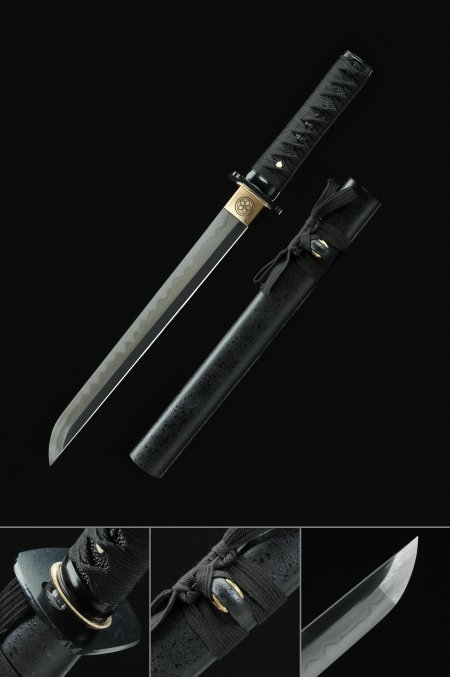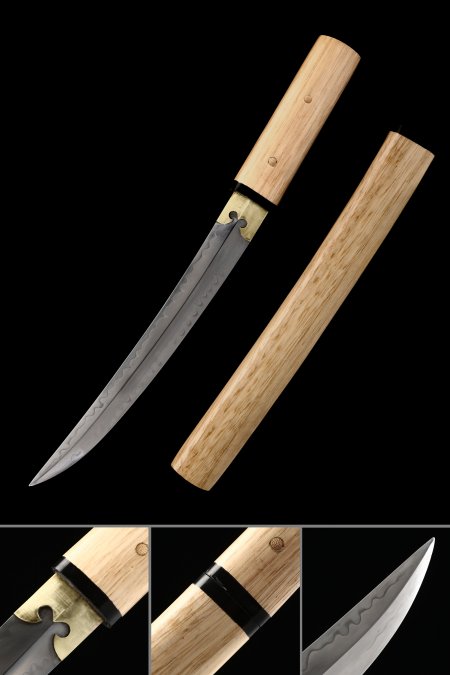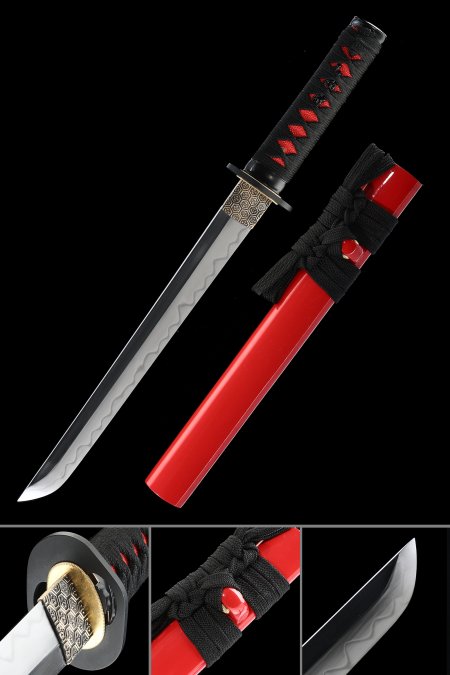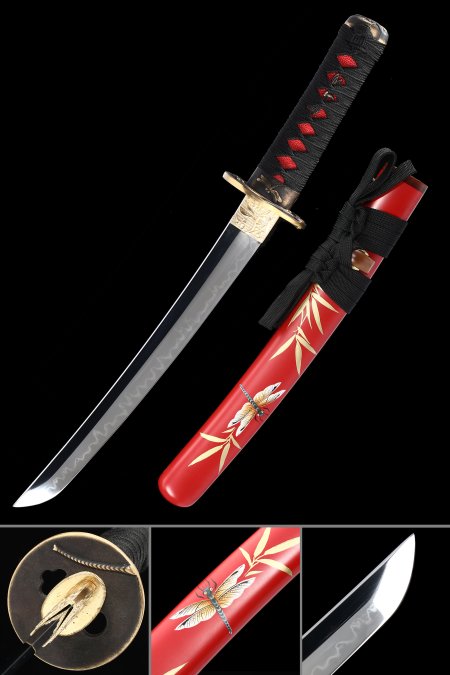
T10 Tanto

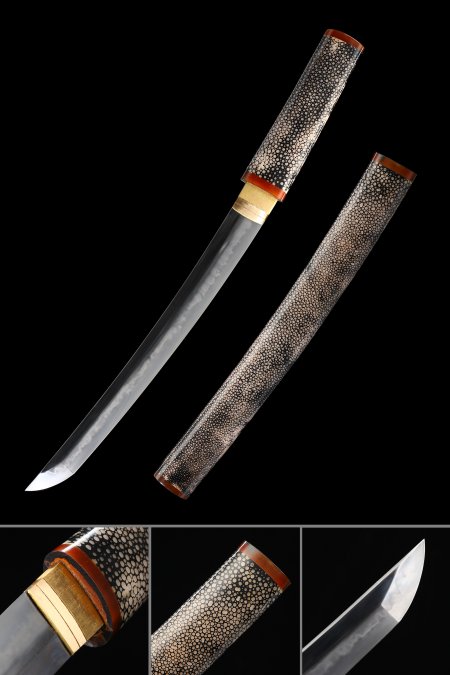
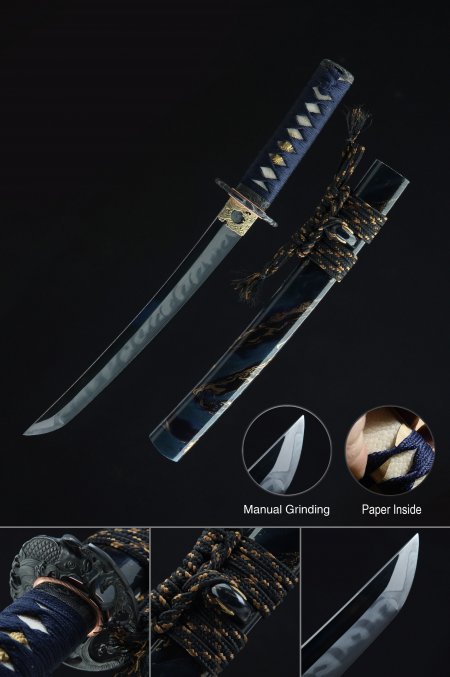
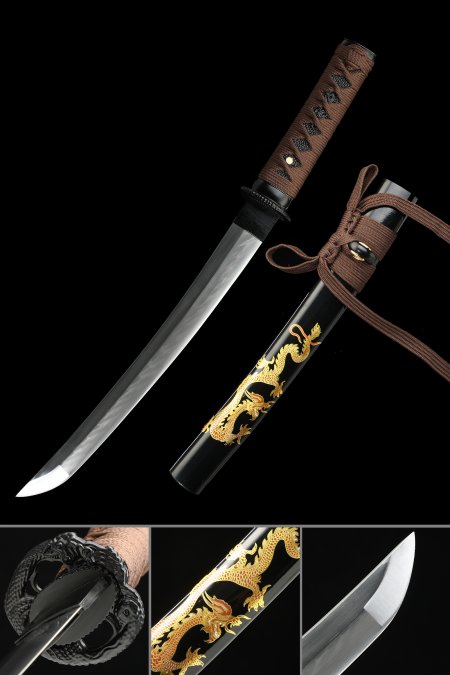
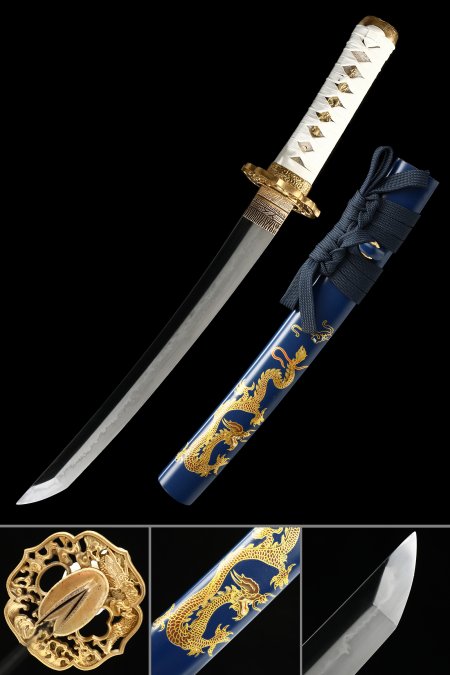
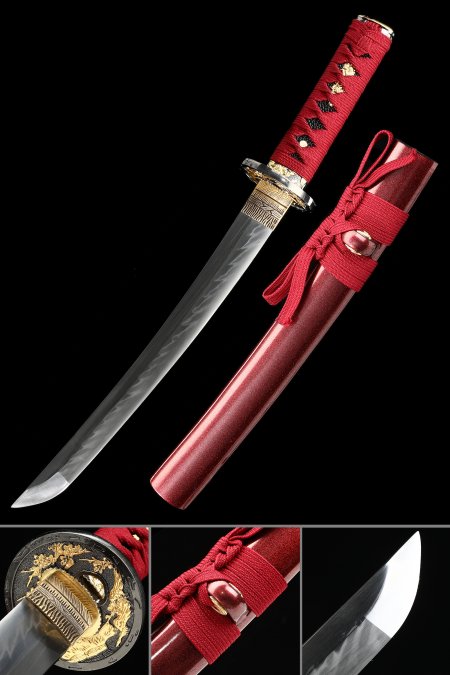
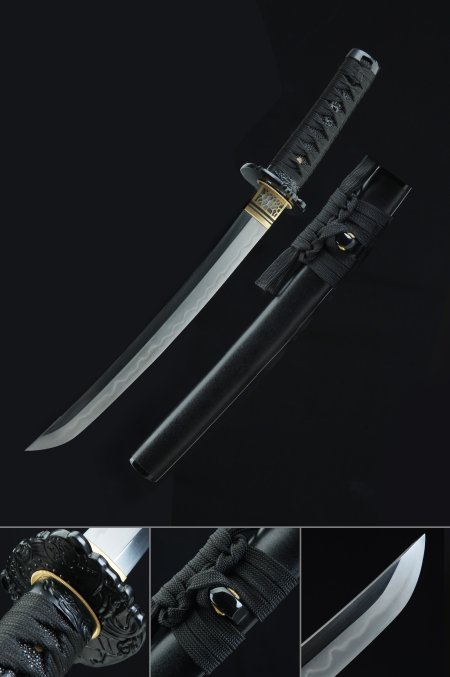
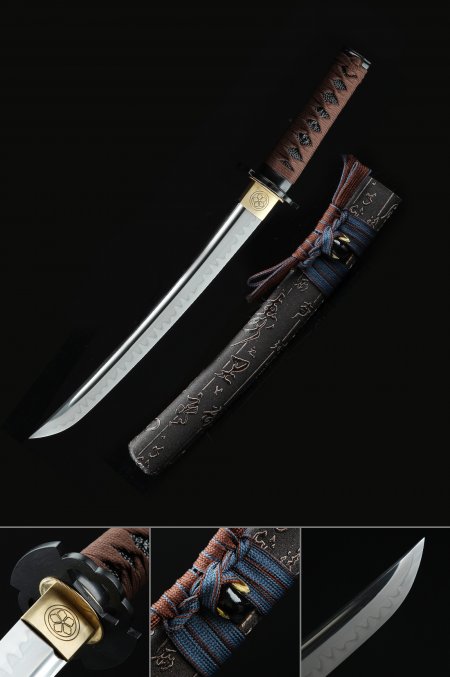
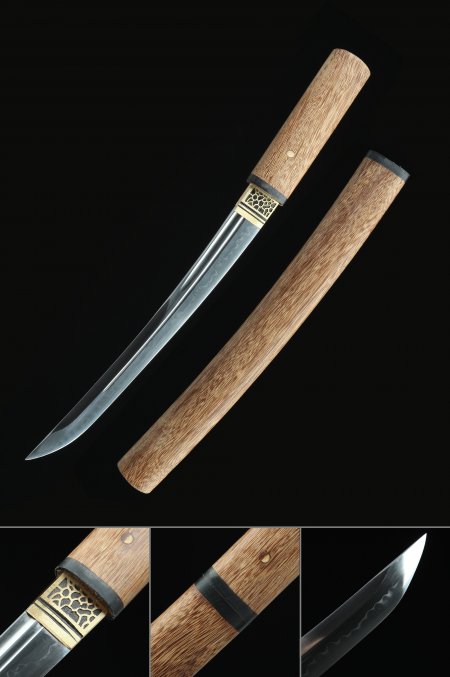
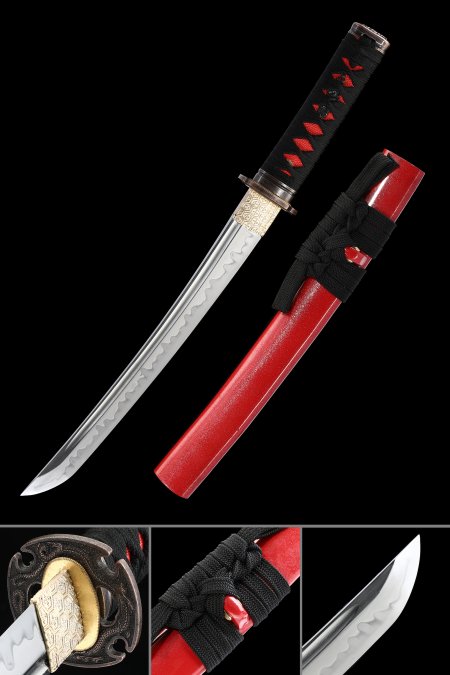
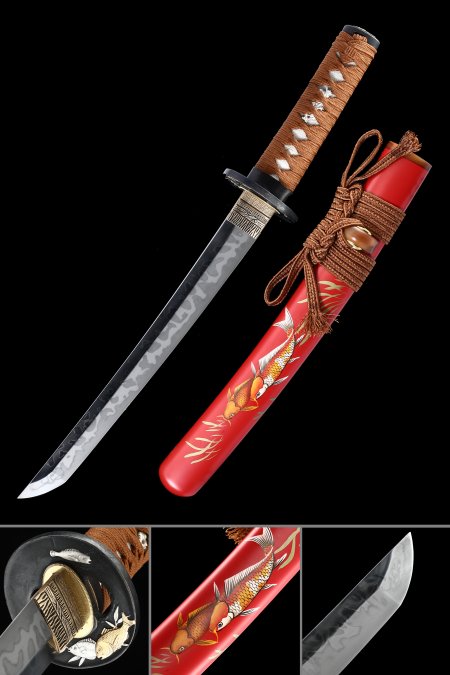
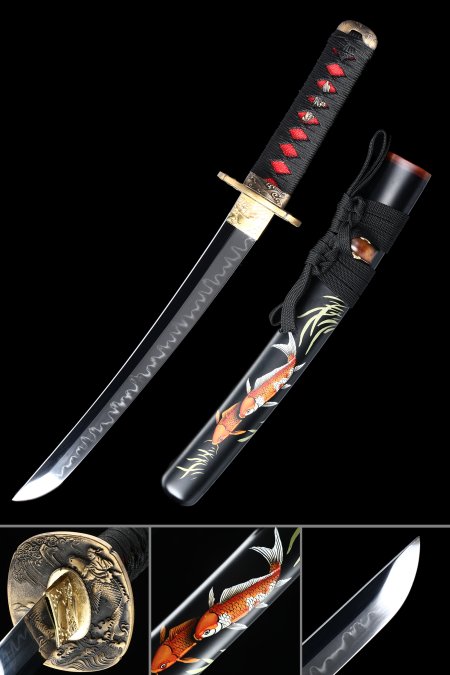
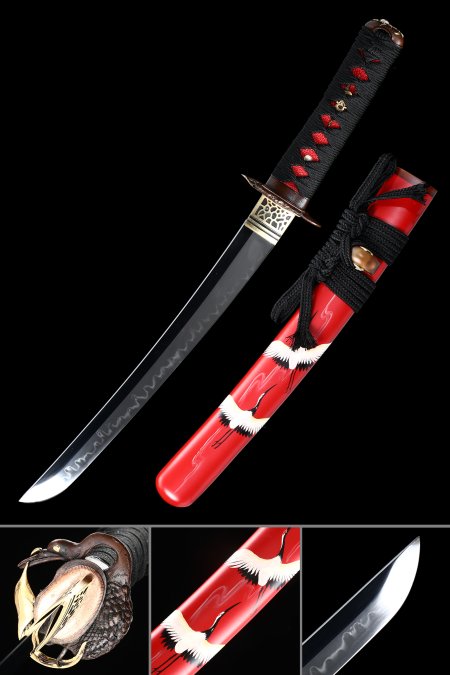
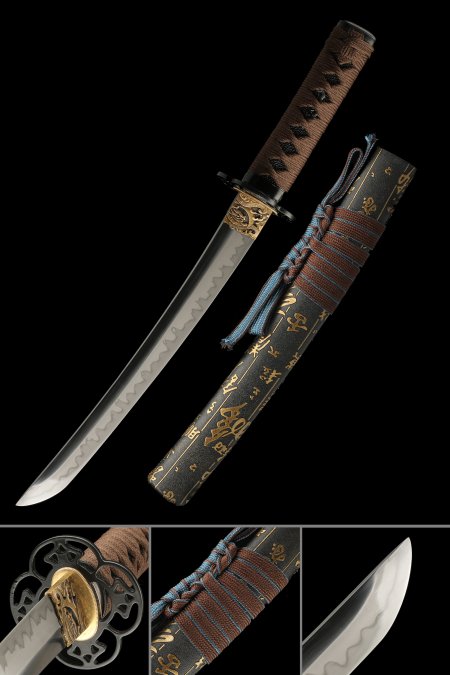
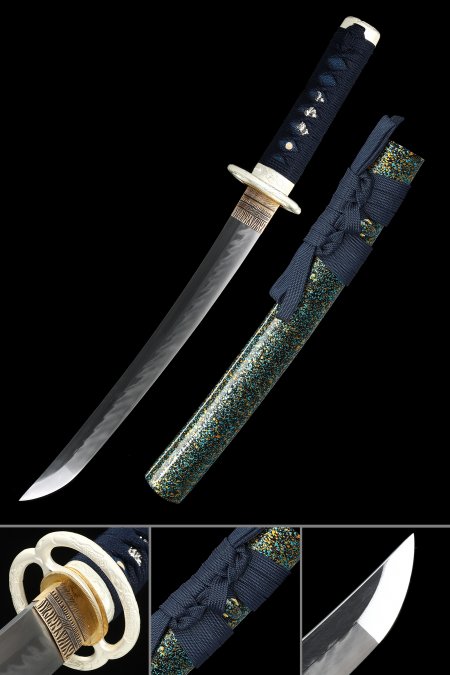
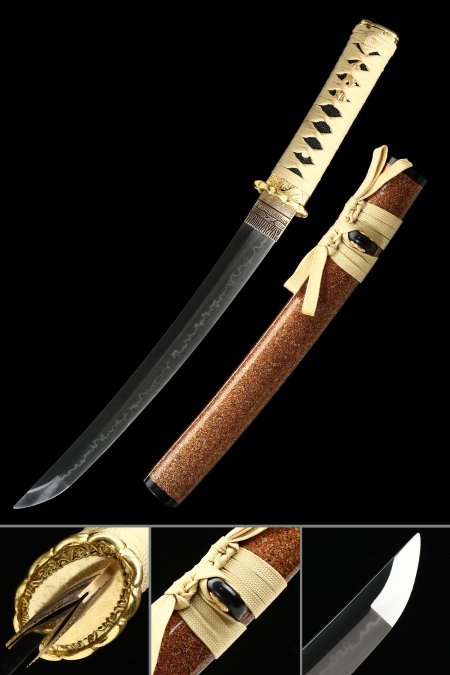
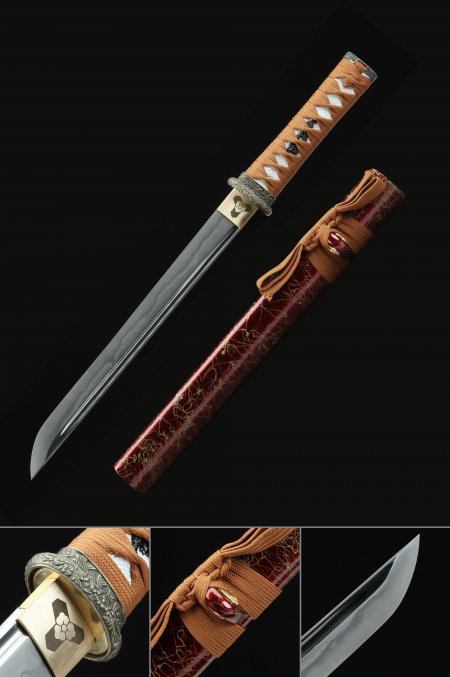
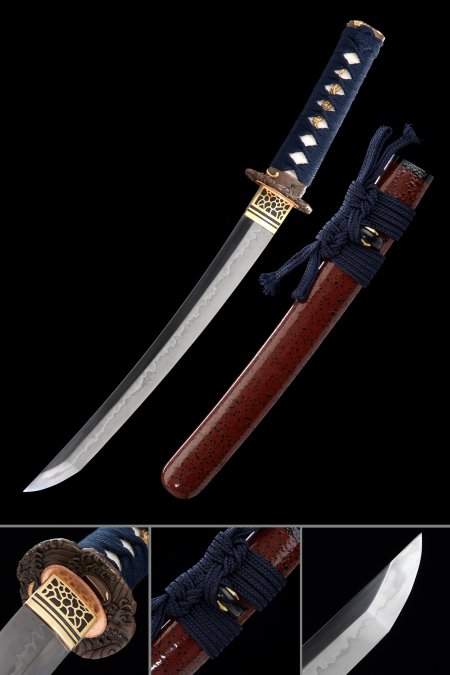
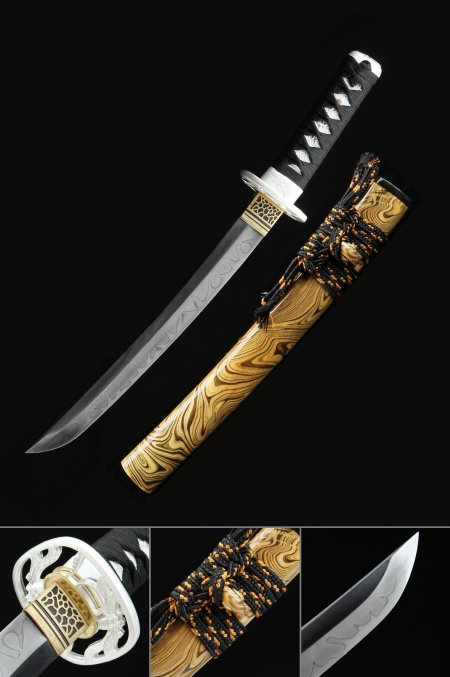
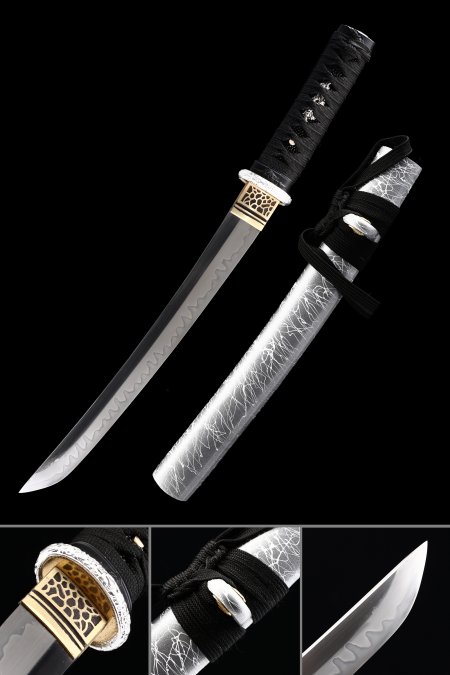
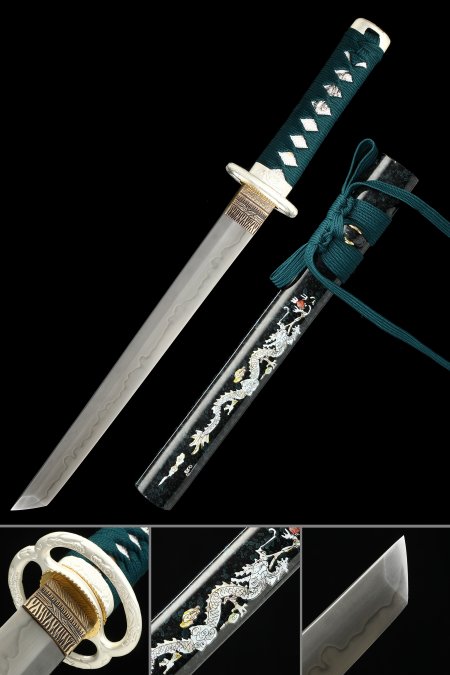
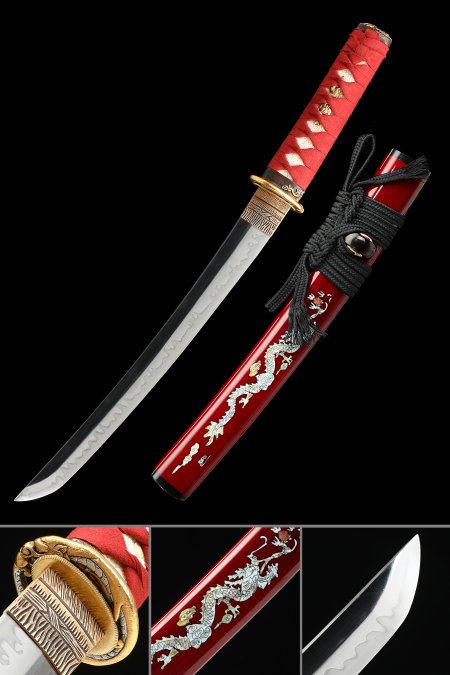
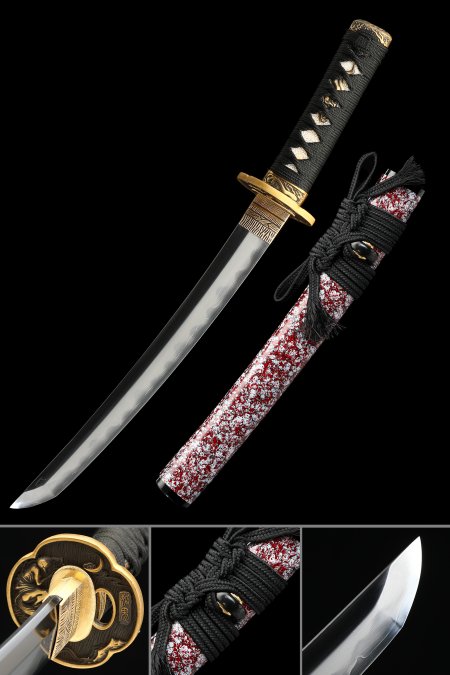
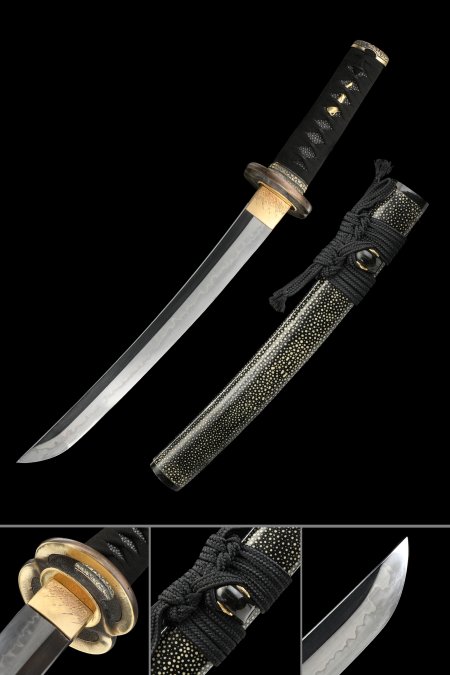
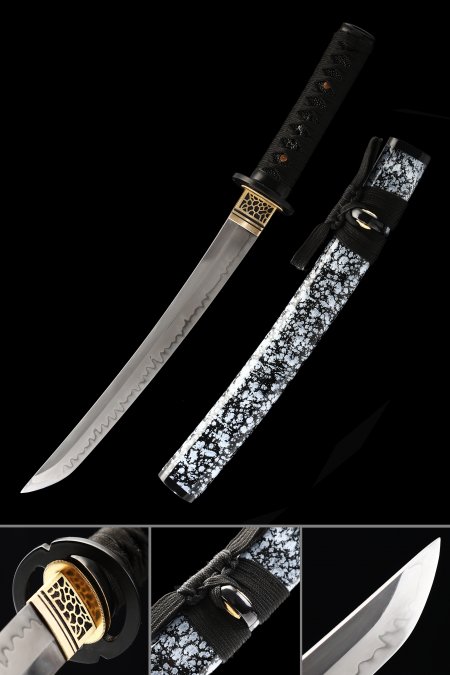
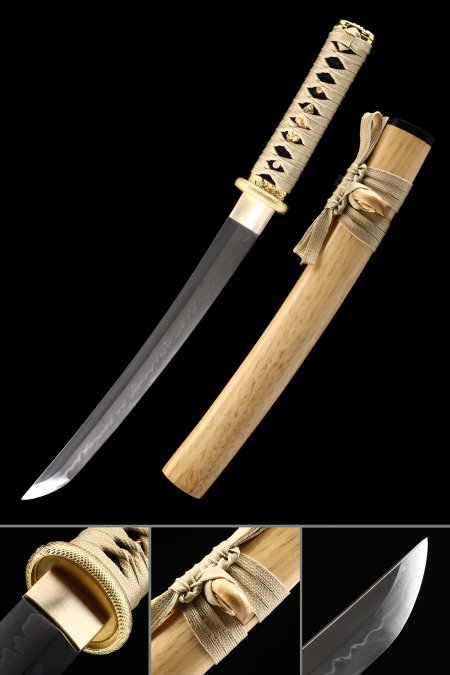
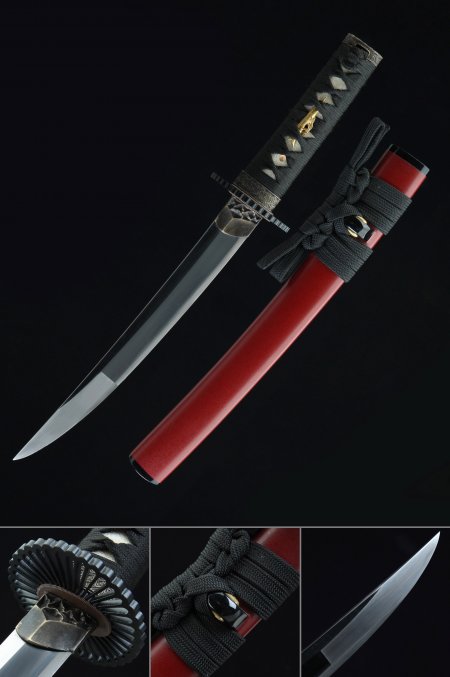
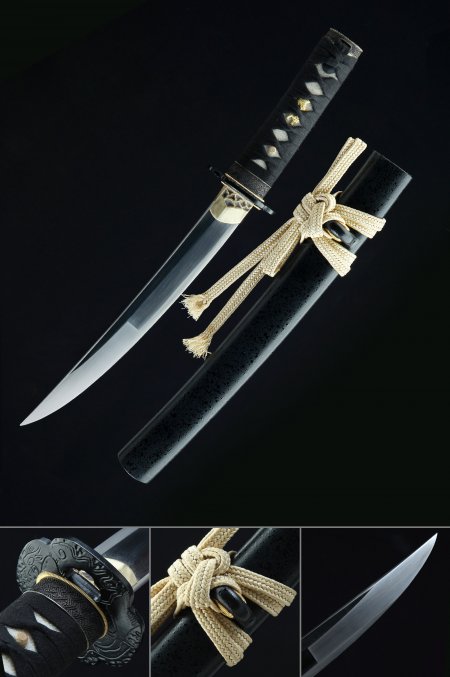
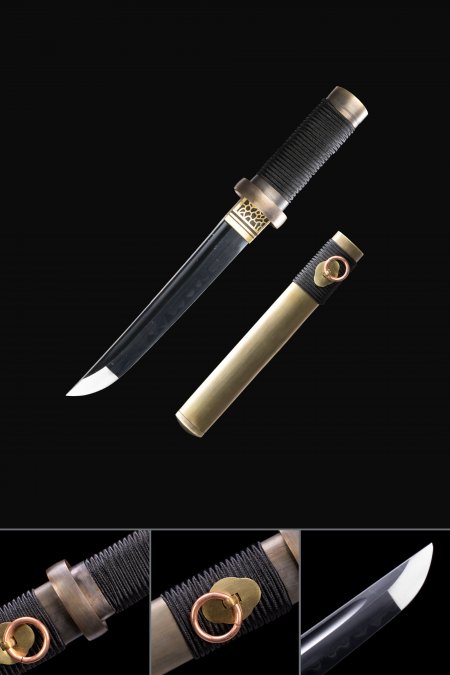
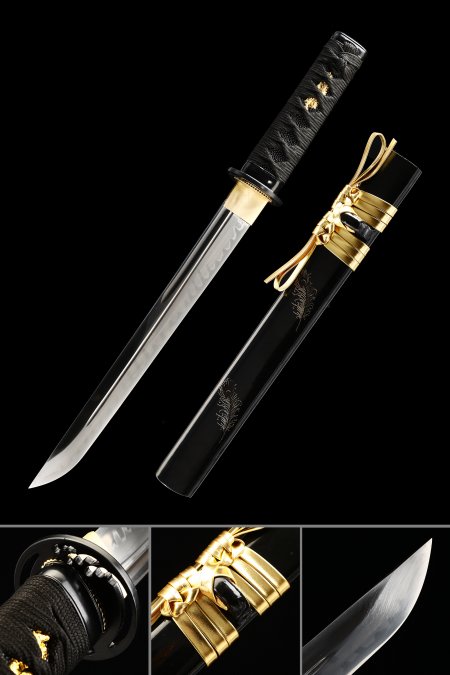
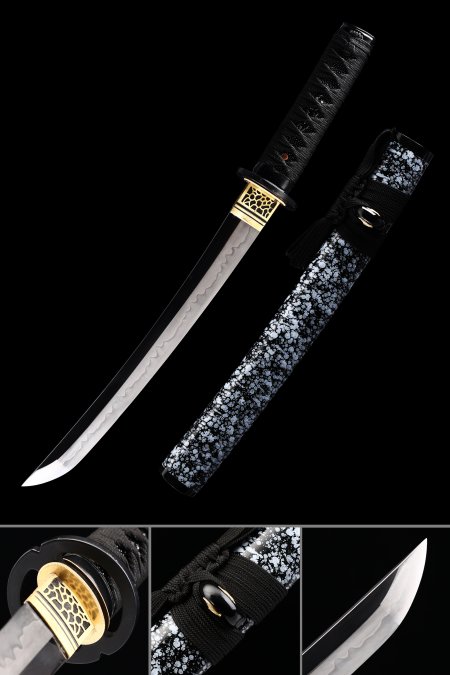
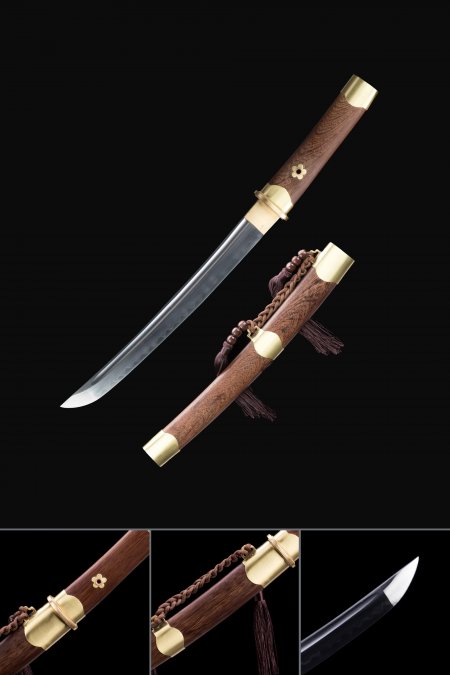
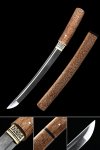
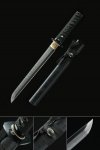
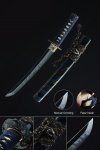
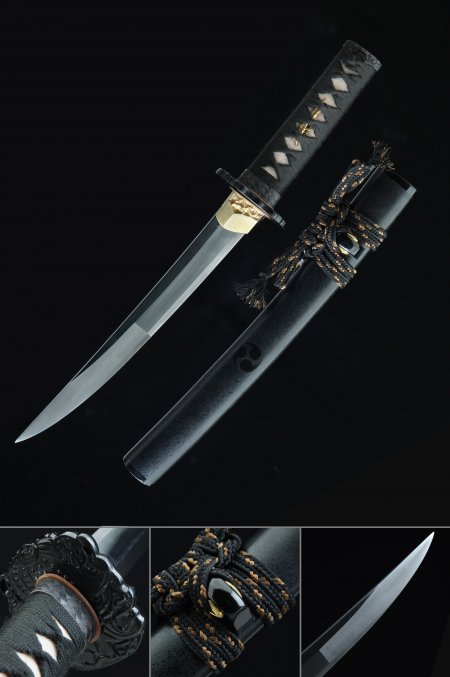
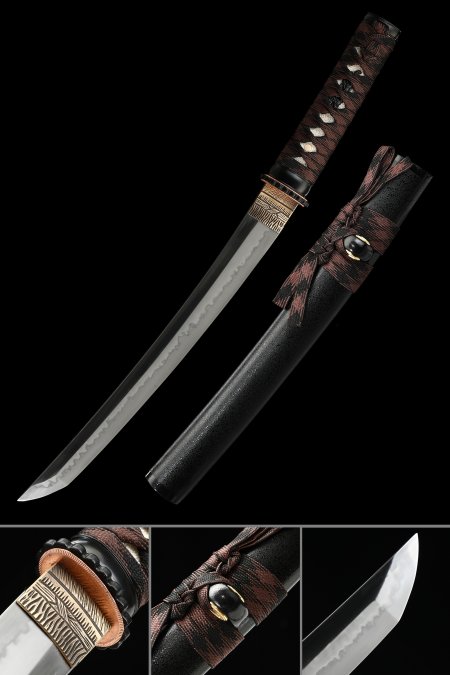
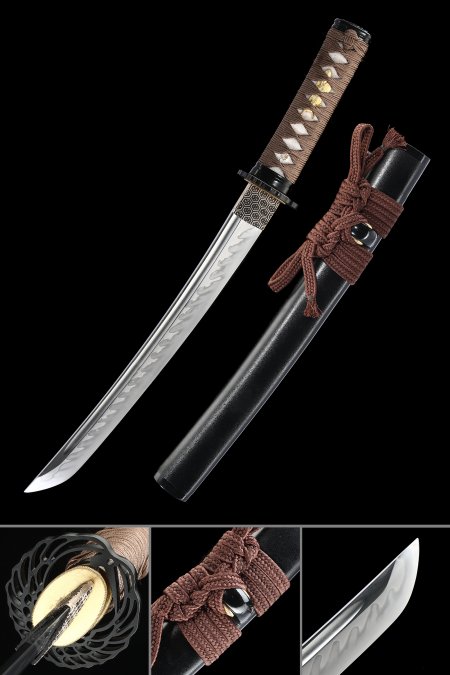
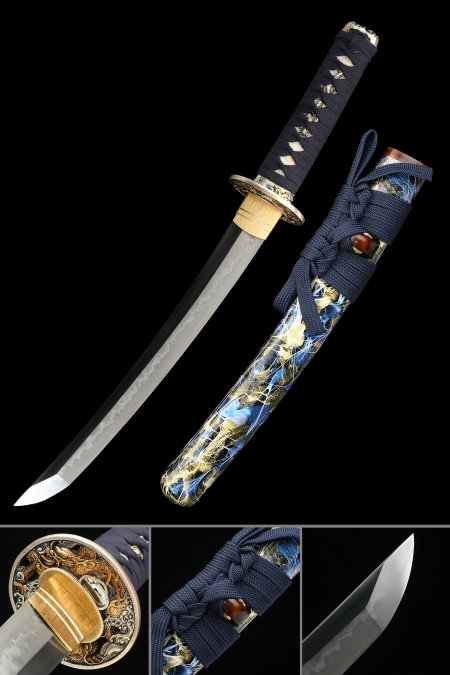
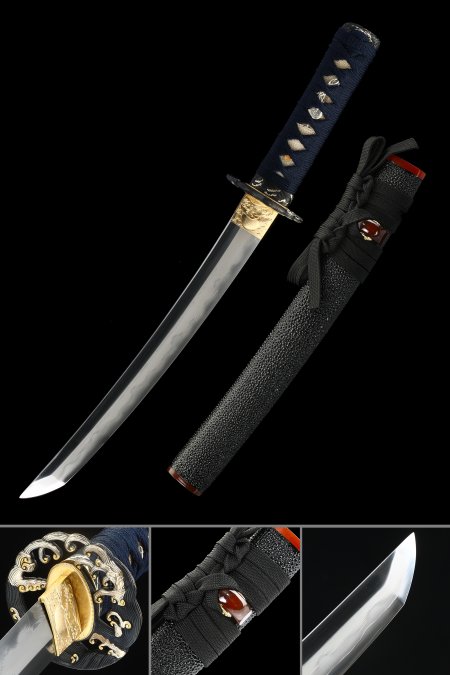
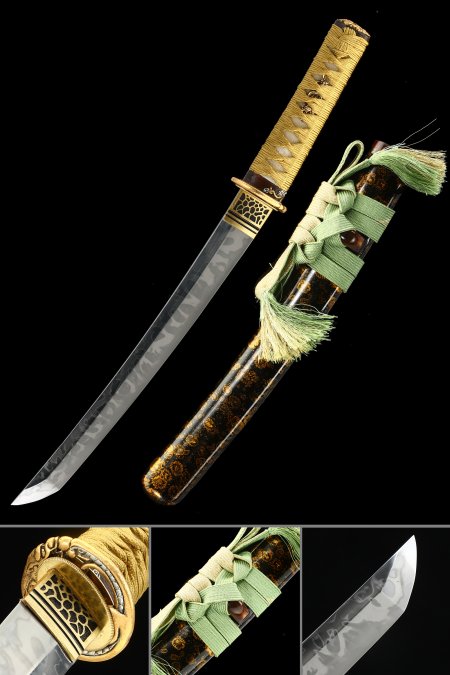
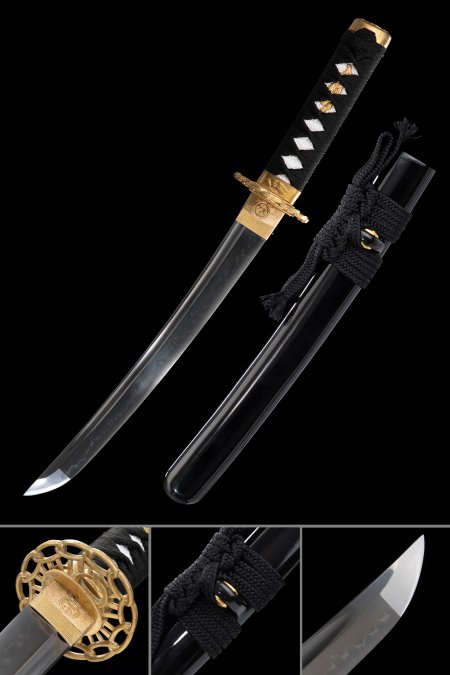
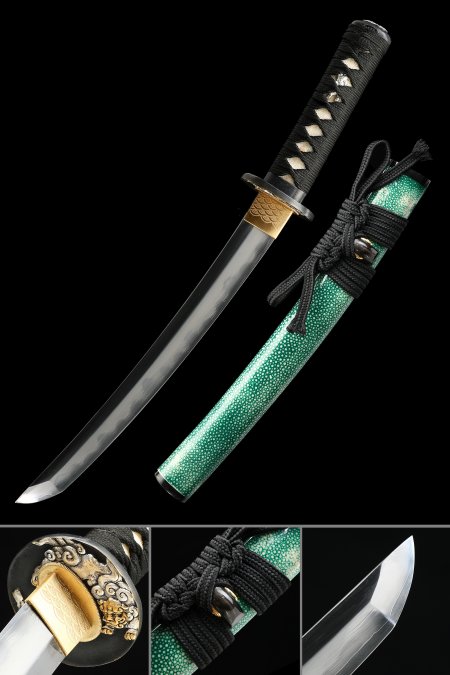
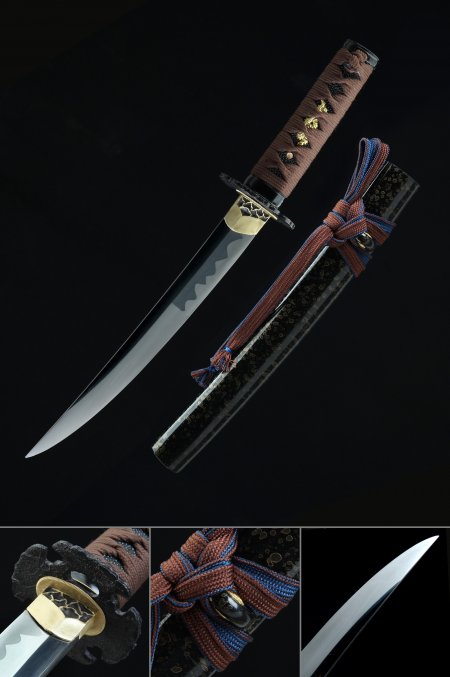
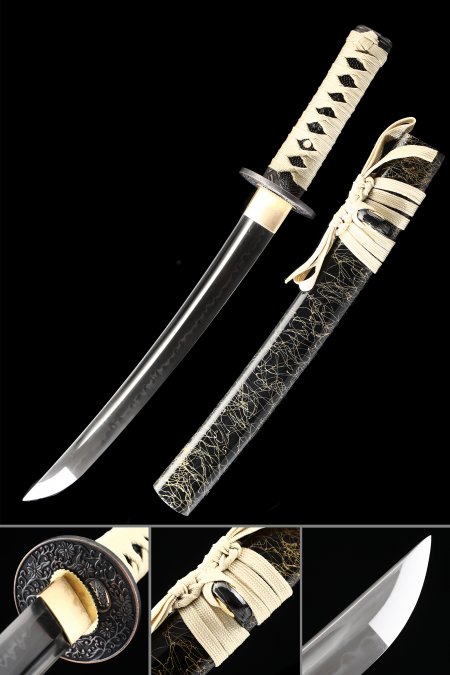
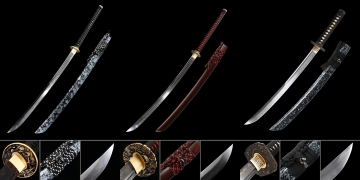
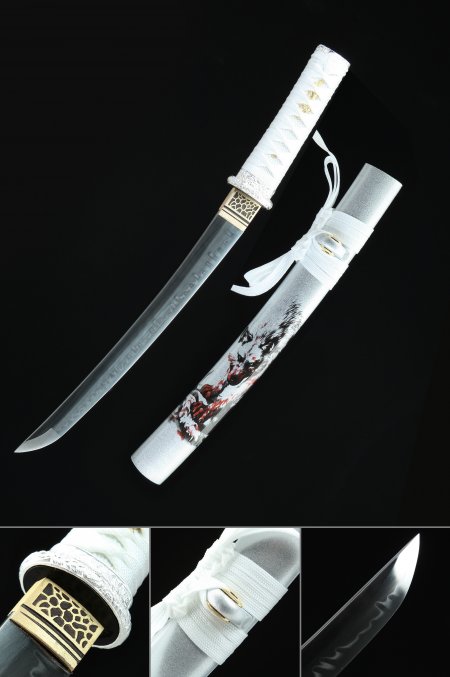
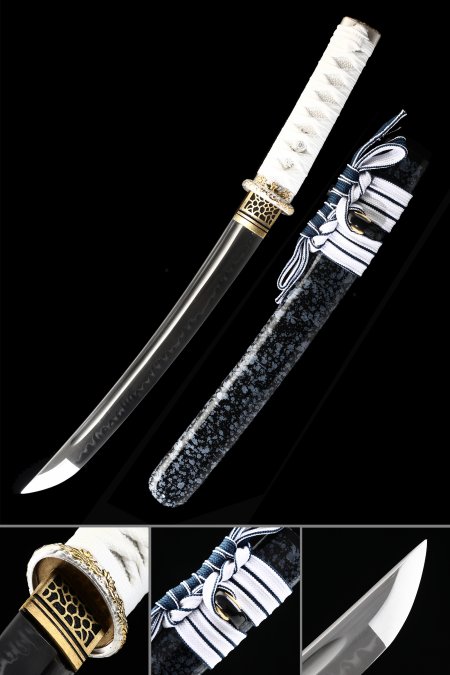
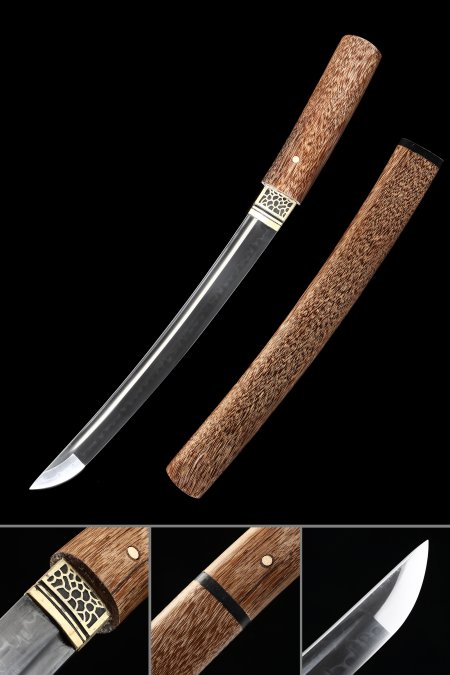
T10 tanto swords in this collection are handcrafted Japanese short swords forged from T10 high-carbon tool steel with clay tempering that produces a visible, well-defined hamon. Available in shirasaya, formal mounted, and specialty formats across natural wood, white, yellow, brown, and other saya finishes. The T10 clay-tempered tanto is the finest technical execution of the Japanese short sword form. Free shipping and a 30-day return policy included.
Showing 52 Products

Related Collections

T10 Carbon Steel Katana30 items


1 Reviews

T10 Ninjato19 items


81 Reviews

T10 Tachi Sword9 items


10 Reviews

T10 Steel Naginata4 items


8 Reviews

Frequently Asked Questions

Why is T10 steel particularly valued for tanto with visible hamon?
T10 steel is valued for hamon quality because its carbon content of approximately 1.0 percent places it in the optimal range for clay tempering to produce a well-defined and active hardening boundary. When clay is applied to a T10 blade and the blade is quenched from high temperature, the areas without clay quench rapidly and form martensite - the hard crystalline structure that gives the edge zone its cutting capability. The transition zone between the hardened edge and the tougher, unhardened body of the blade contains a mixture of crystalline structures that produces the visual activity associated with a quality hamon: nie, the fine crystalline particles visible as a misty zone along the boundary; nioi, the concentrated line of smaller particles that forms the boundary itself; and various other surface effects that experienced sword appreciators evaluate and describe with specific vocabulary. T10's specific carbon content and its response to clay tempering produce these effects more consistently and with more visual richness than lower-carbon steels. For a tanto specifically, where the entire blade can be examined at close range, the quality of the hamon activity is the primary aesthetic and technical feature that rewards extended examination.
What is the difference between a T10 tanto in shirasaya versus formal mounting?
A T10 tanto in shirasaya and one in formal mounting use the same blade - the same T10 steel, the same clay tempering, the same hamon - but present it in completely different aesthetic and cultural contexts. The shirasaya tanto in plain wood has one visual element: the blade. Without tsuba, without ito wrapping, without lacquered saya color to consider, the steel's surface character and the hamon's activity are the entire visual content of the object. This is the most focused presentation possible and suits collectors who engage with the blade itself rather than with the complete sword as a historical artifact. The formally mounted T10 tanto has the blade as its technical core but surrounds it with the full vocabulary of Japanese tanto presentation - a tsuba that may be plain or decorated, ito wrapping in a specific color over ray skin handle, a lacquered saya in white, brown, or another traditional color. This presentation positions the blade within the complete cultural context of the Japanese tanto tradition. Both presentations are valid; the choice depends on whether you want to display the blade's technical character alone or the full traditional presentation of which the blade is the core.
How does the hamon on a T10 tanto compare to a lower-carbon steel tanto?
The hamon on a T10 tanto is typically more clearly defined, more active with crystalline detail, and more visually complex than the hamon on a tanto made from lower-carbon steel. On a 1045 or 1060 carbon steel tanto with clay tempering, a hamon is present but the transition zone between hardened and unhardened areas is less sharp, and the nie and nioi activity is less dense. The hamon reads as a visible line but with less of the misty activity and crystalline detail that makes a T10 hamon compelling to examine. On a T10 tanto, the higher carbon content produces a more complete martensite formation in the edge zone and a more well-defined transition boundary, which results in a hamon that shows clearly defined nioi, visible nie activity in the transition zone, and the kind of irregular, organic boundary shape that experienced sword appreciators describe with terms like choji-midare and suguha. For collectors who are specifically interested in the hamon as an aesthetic and technical feature, the difference between a T10 clay-tempered tanto and a lower-carbon equivalent is immediately apparent under close examination with a good light source.
What is the best way to examine and photograph a T10 tanto hamon?
Examining and photographing a T10 tanto hamon requires specific light positioning to reveal the hamon's full activity. Hold the tanto by the tsuka with the blade angled at approximately 30 to 45 degrees from horizontal, edge facing away from you, under a strong directional light source - a single bright light from above and slightly to the side works well. Rotate the blade slightly toward and away from the light while maintaining the angle, and watch how the hamon activity changes as the light angle relative to the blade surface shifts. The nie and nioi activity in and around the hamon is most visible when the light strikes the blade at a low, raking angle to the hardening boundary. For photography, a single diffused light source positioned at roughly 45 degrees from the blade surface, with the camera positioned perpendicular to the flat of the blade, captures the hamon's geometry clearly. Avoid multiple light sources or diffuse overhead lighting, which flatten the hamon into a simple line and obscure the crystalline activity that makes T10 hamon interesting. A dark background behind the blade during photography maximizes contrast and makes the hamon the clear subject of the image.

Customer Reviews