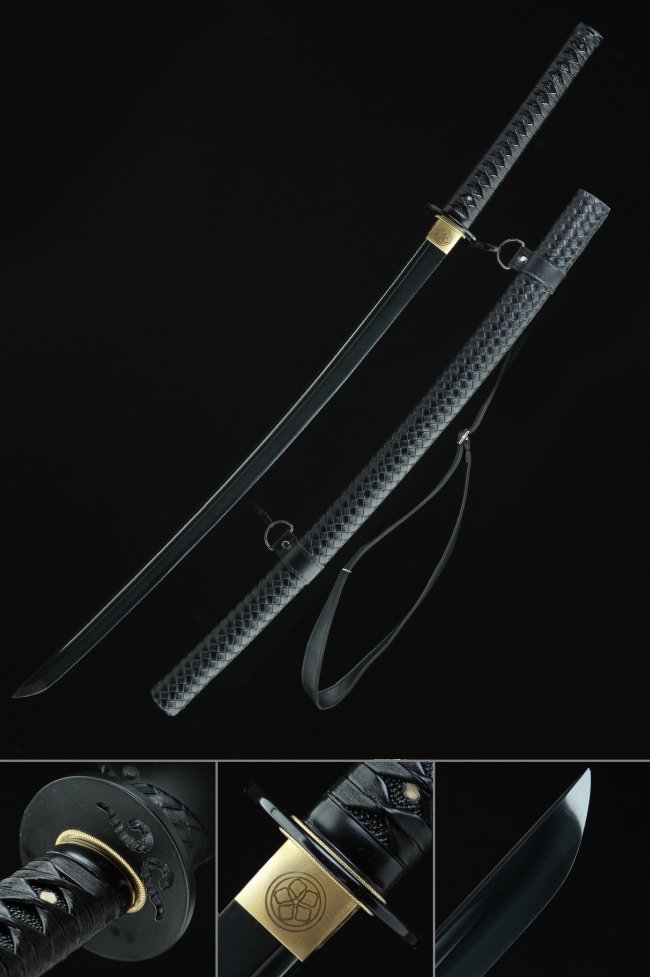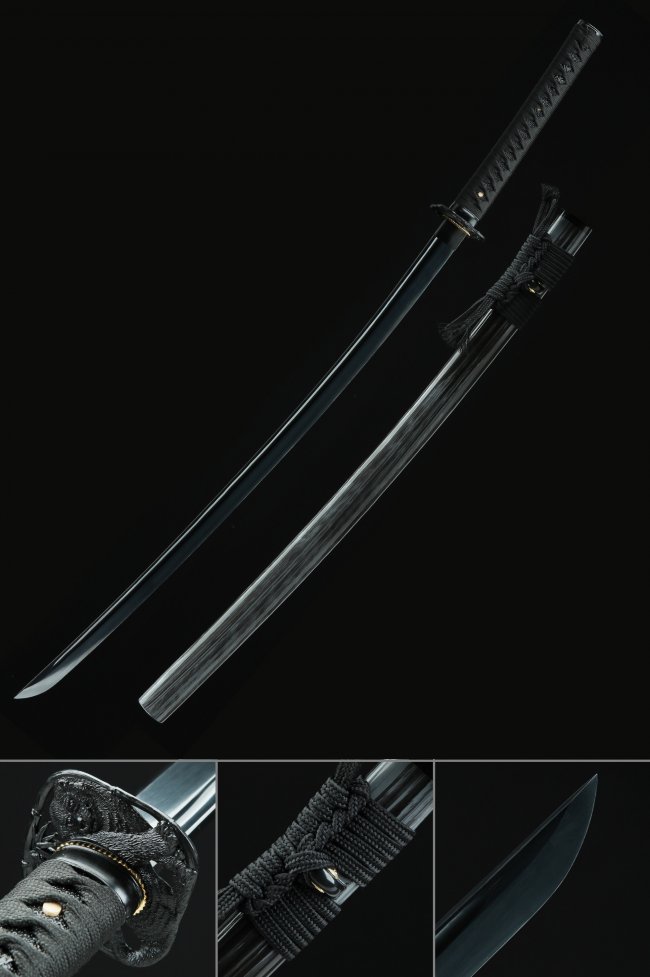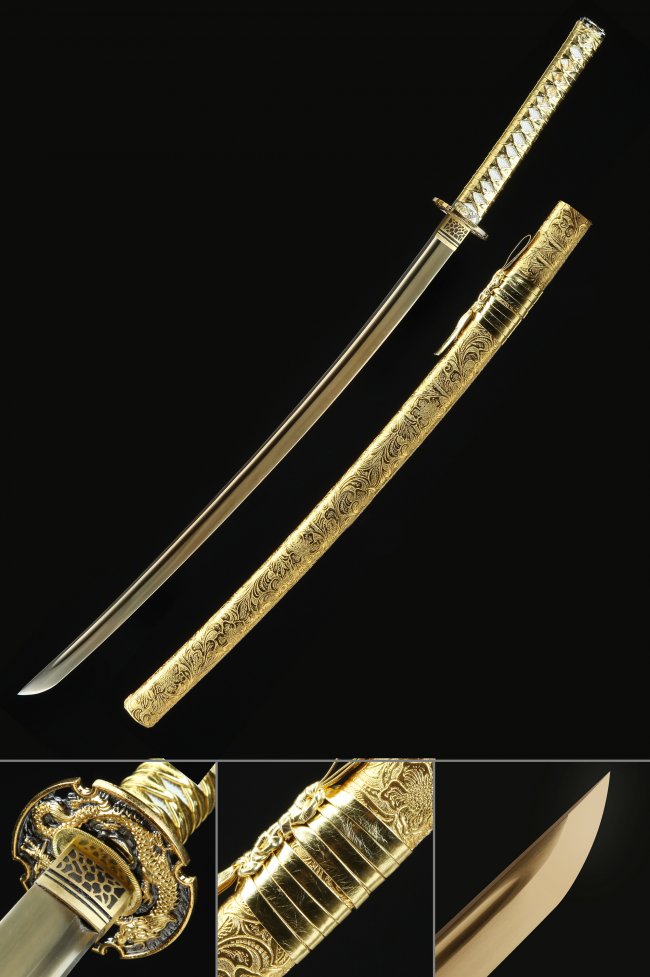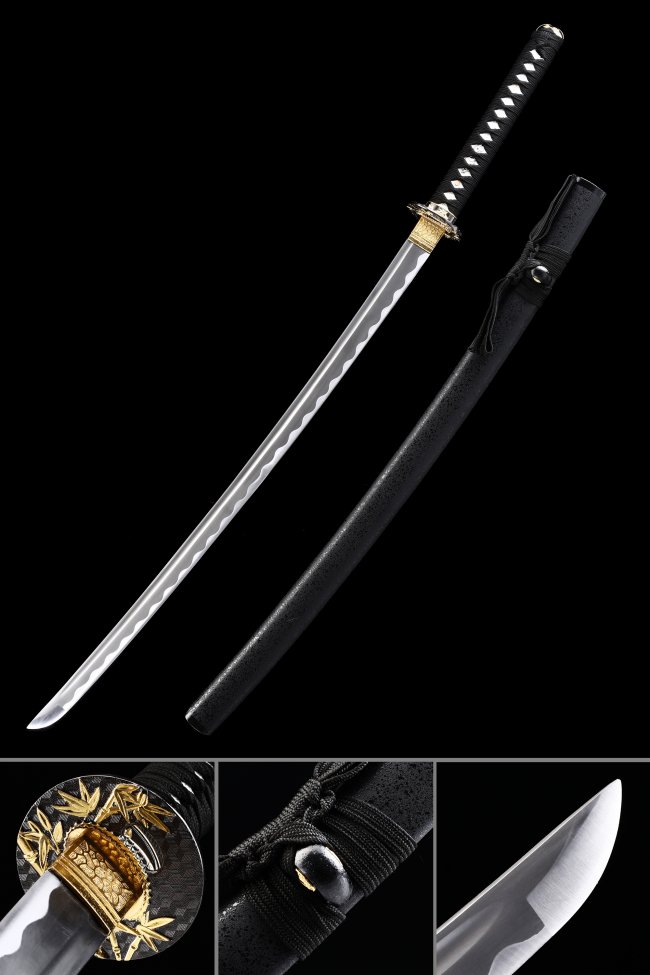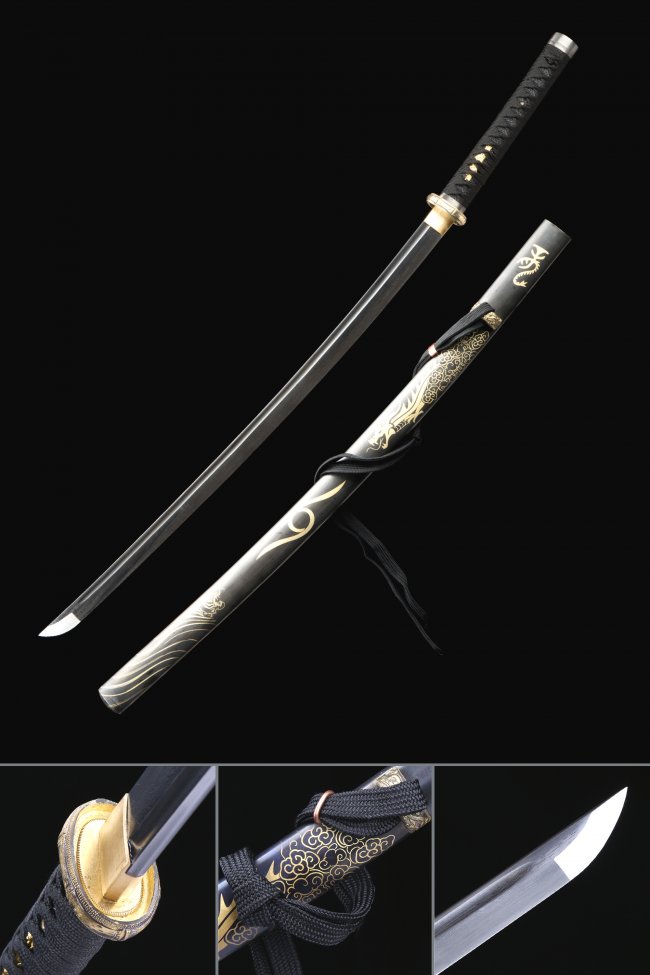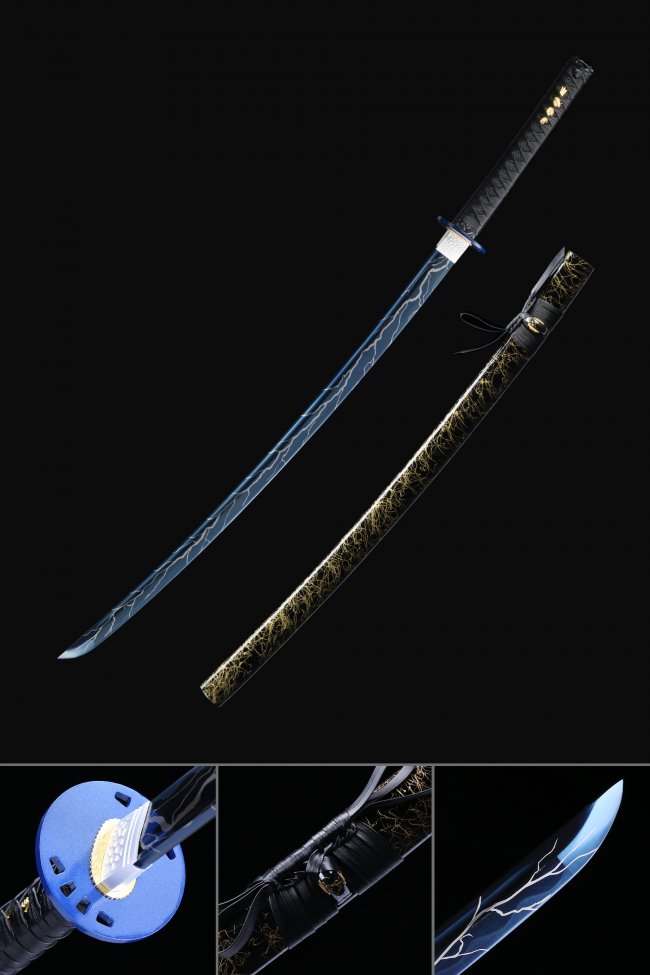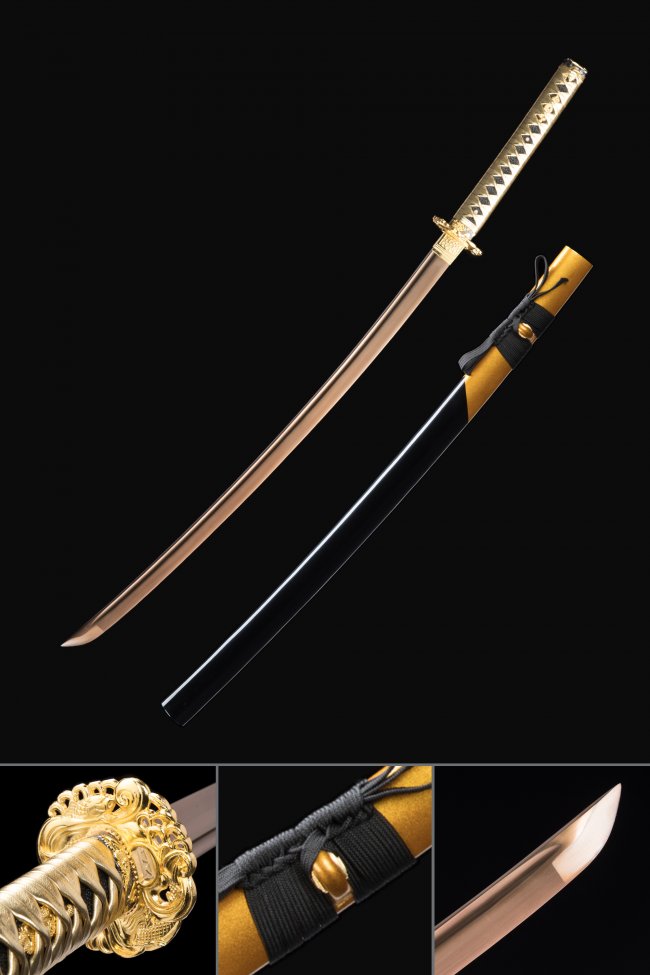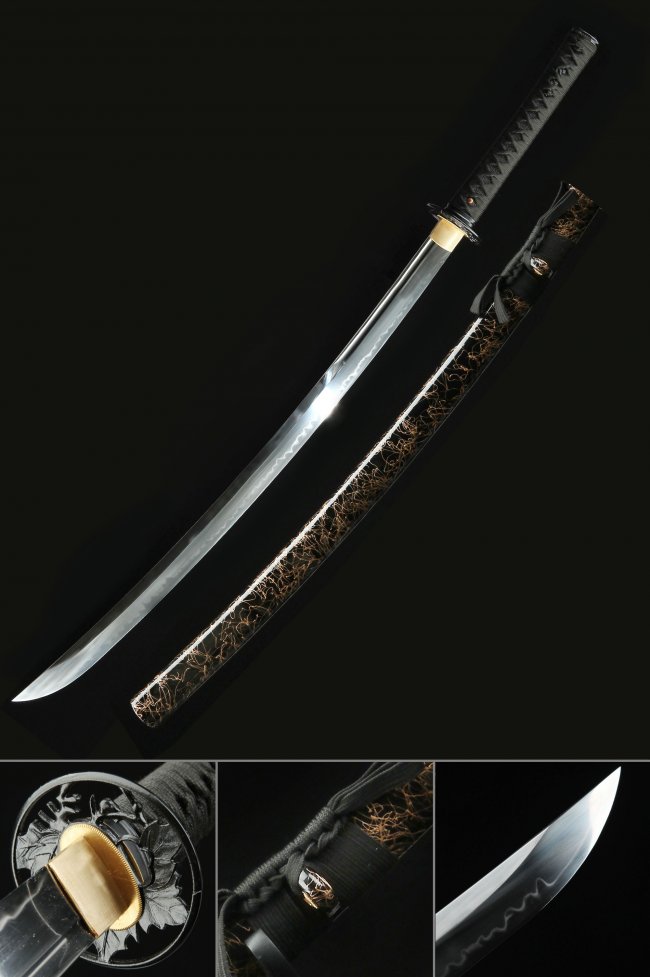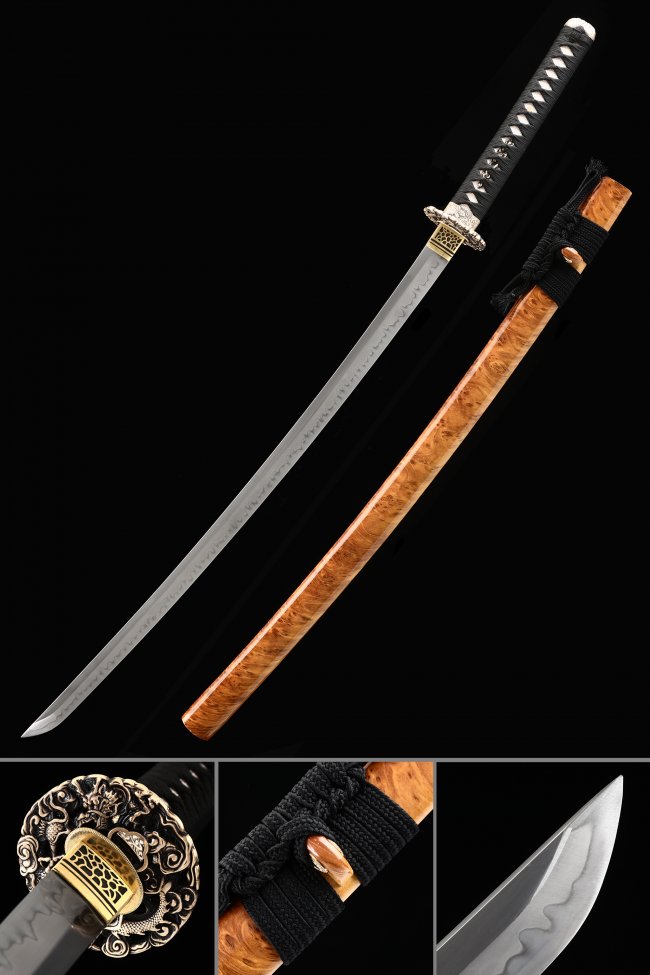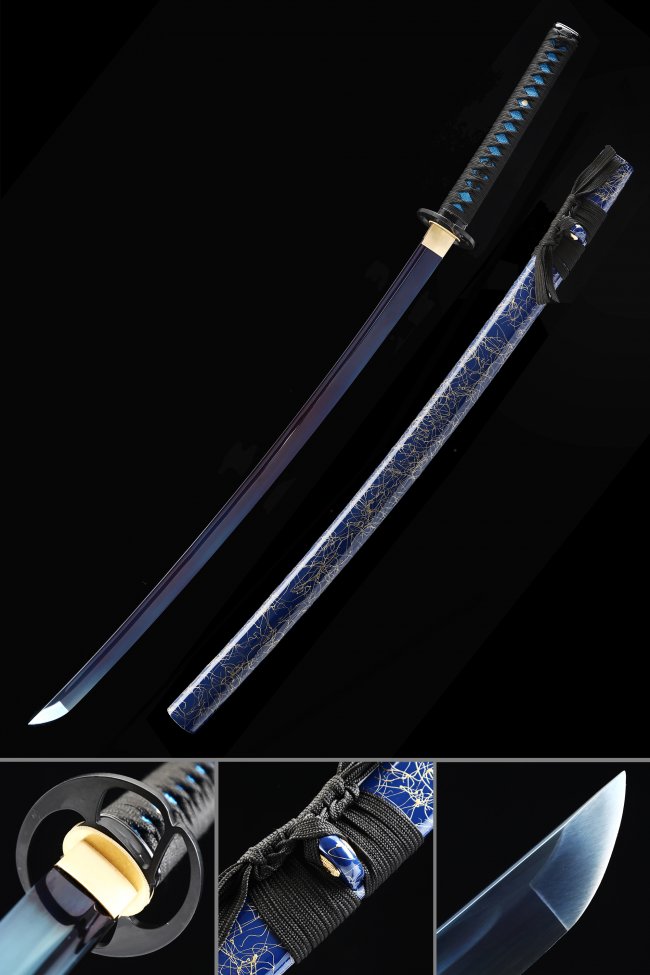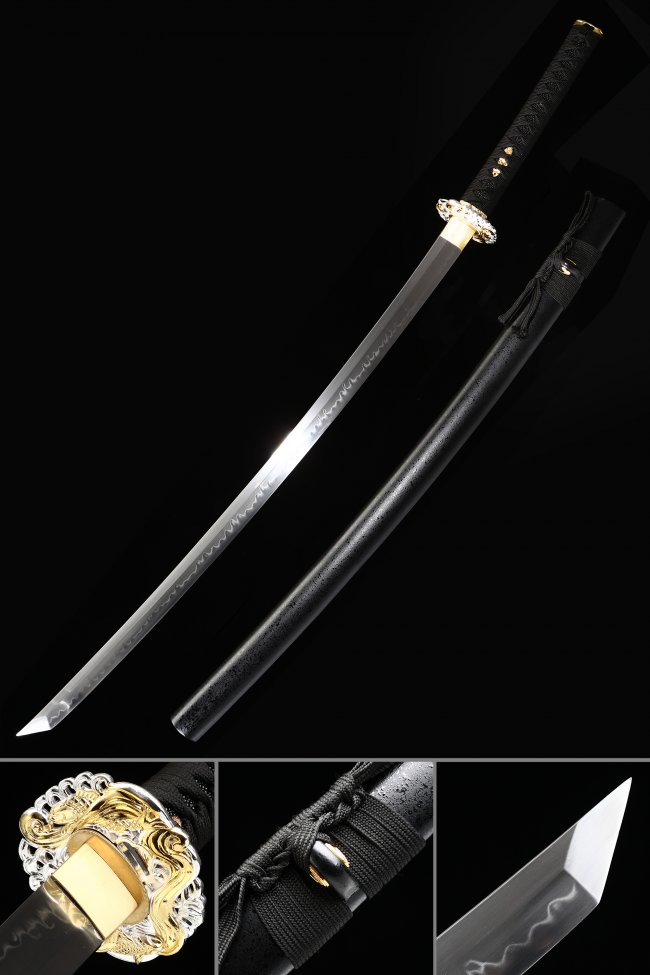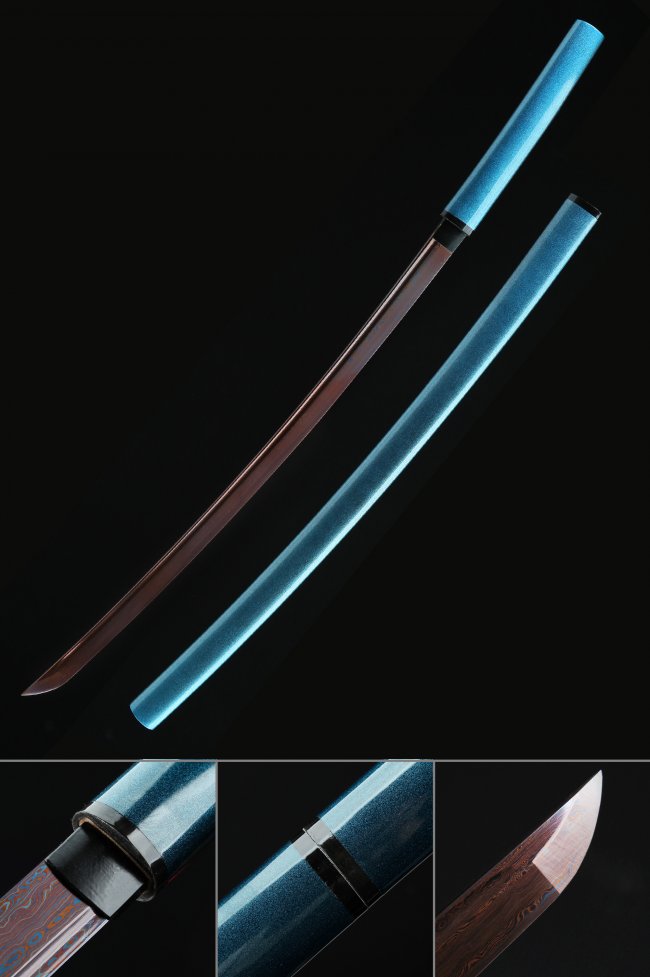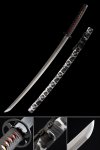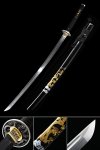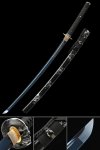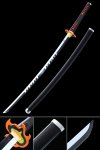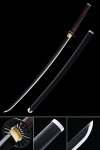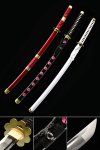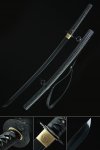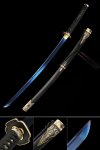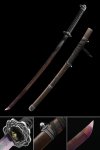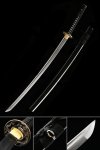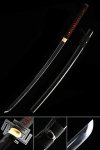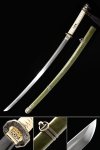
Black Sageo Katana

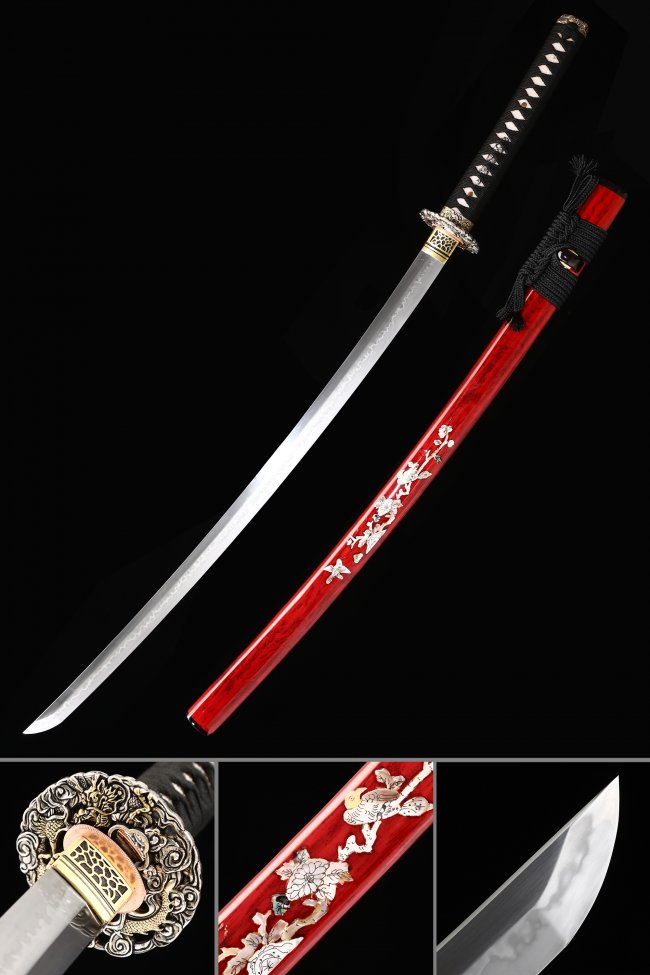
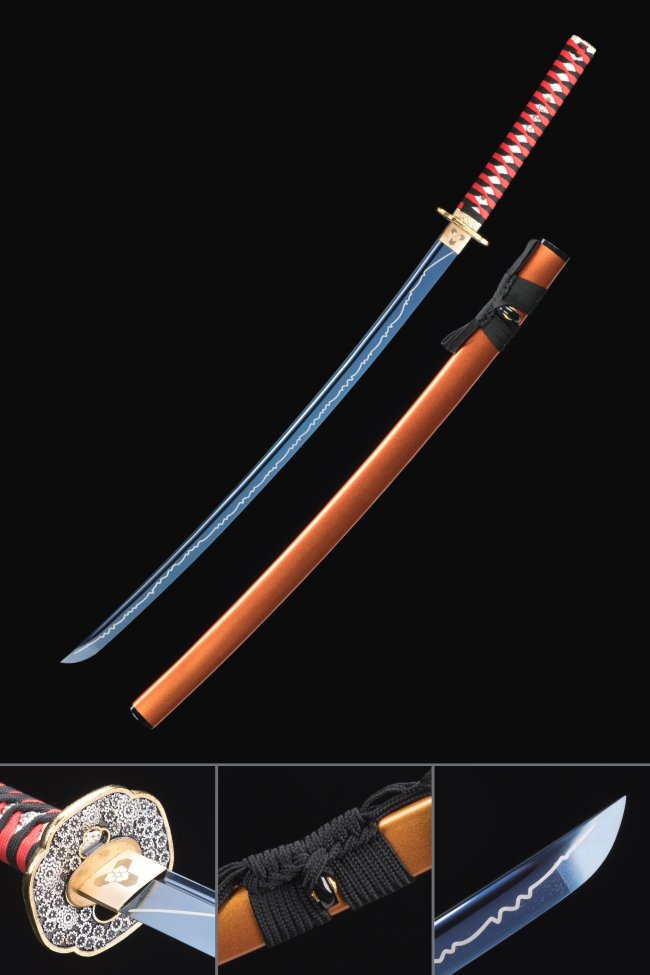
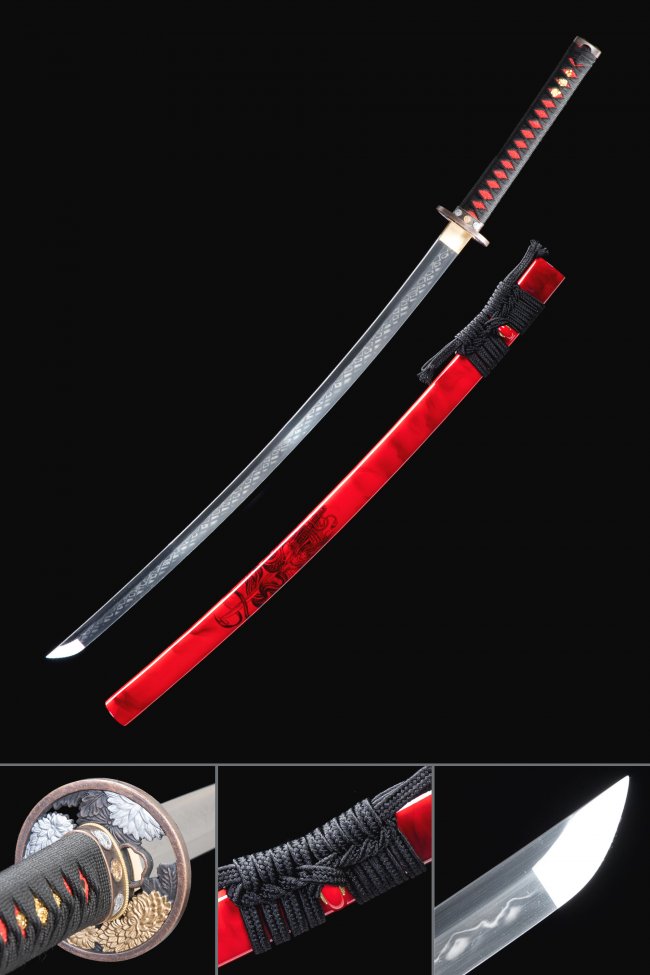
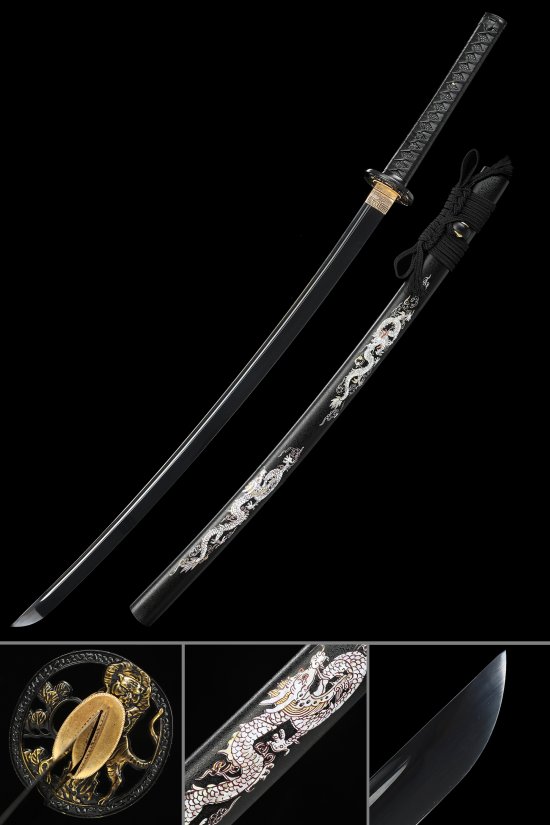
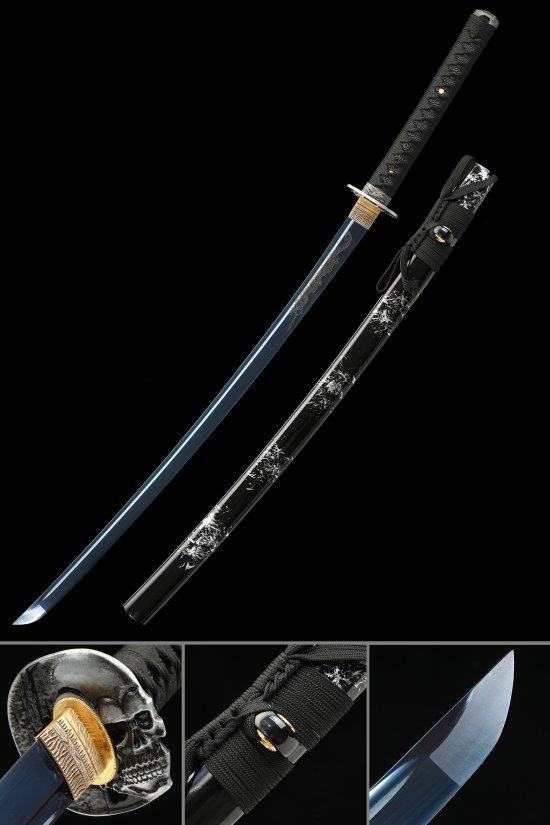
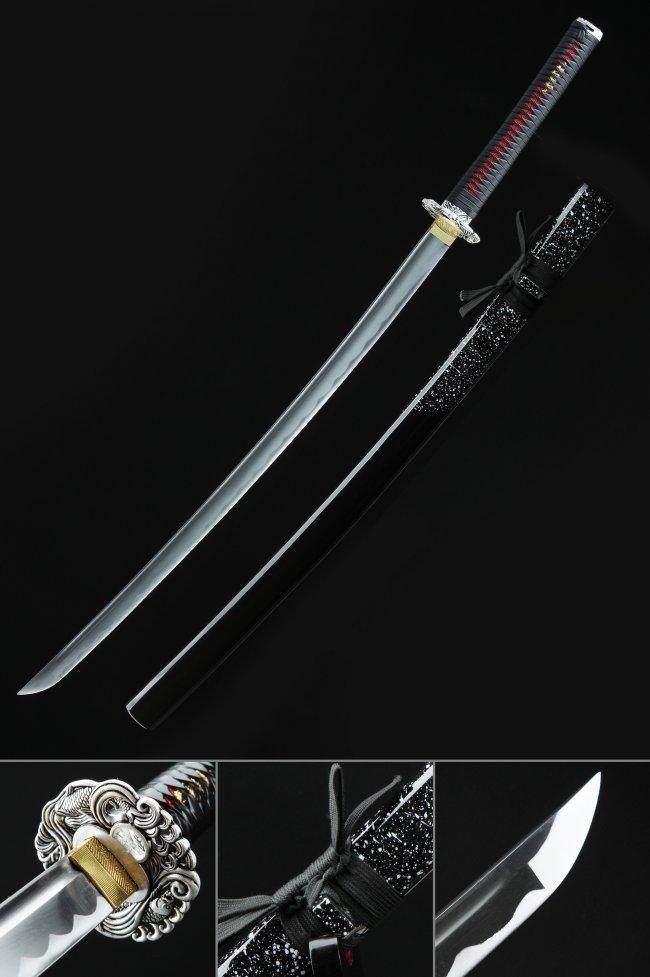
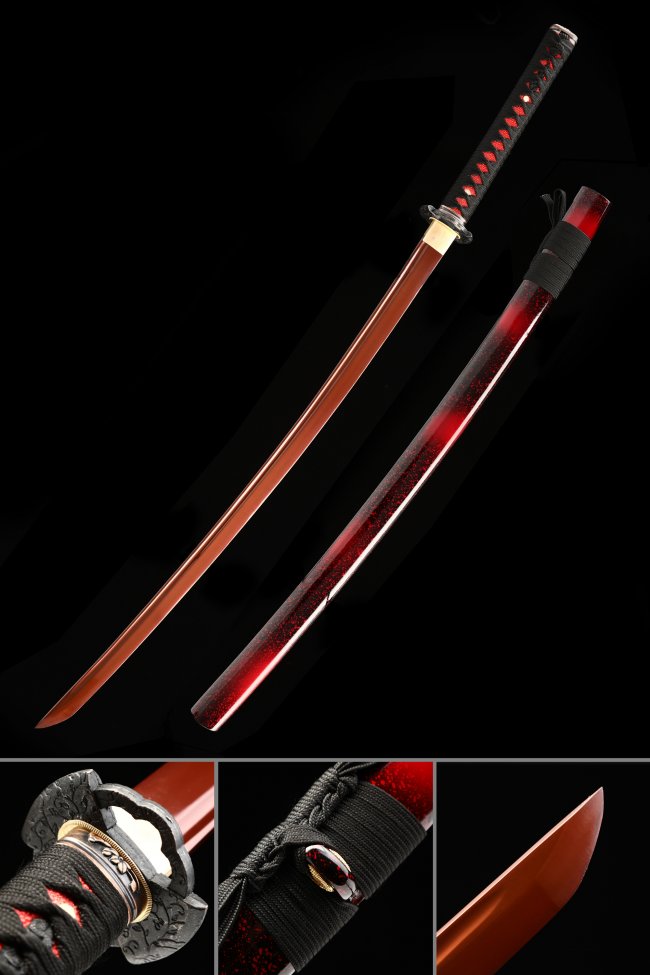
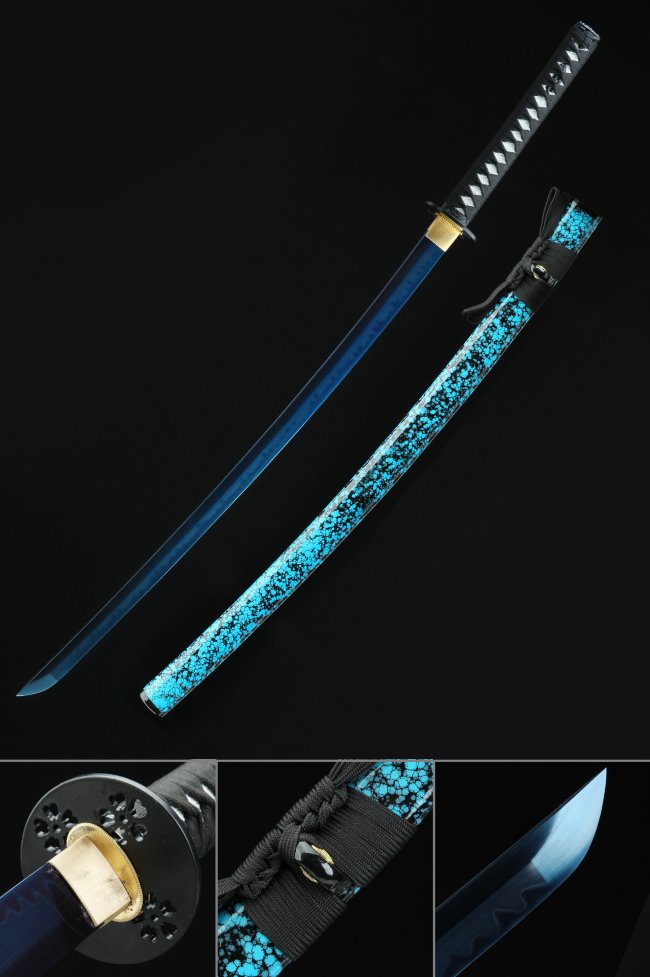
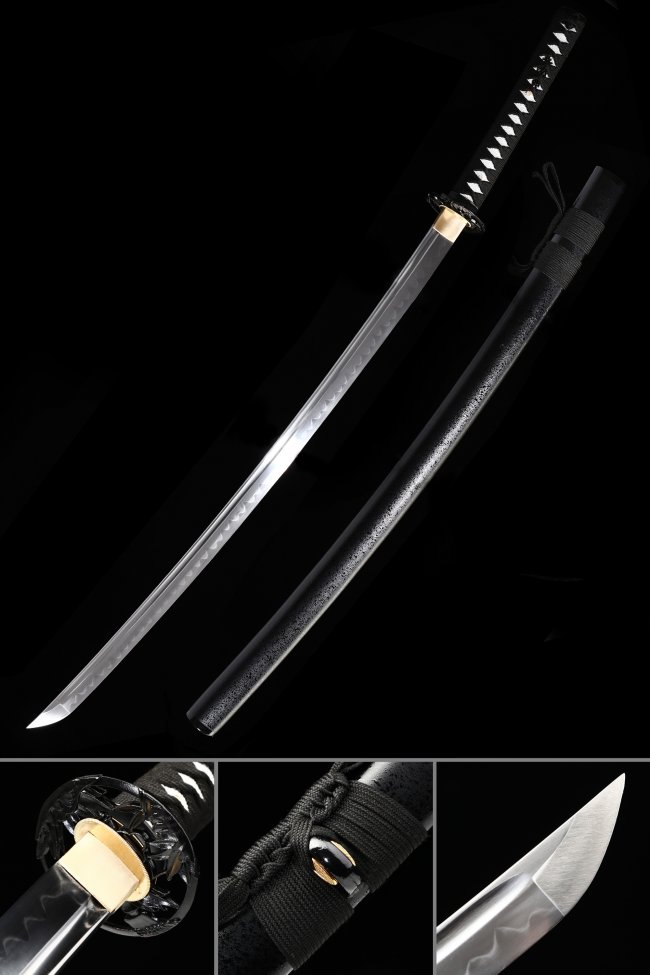
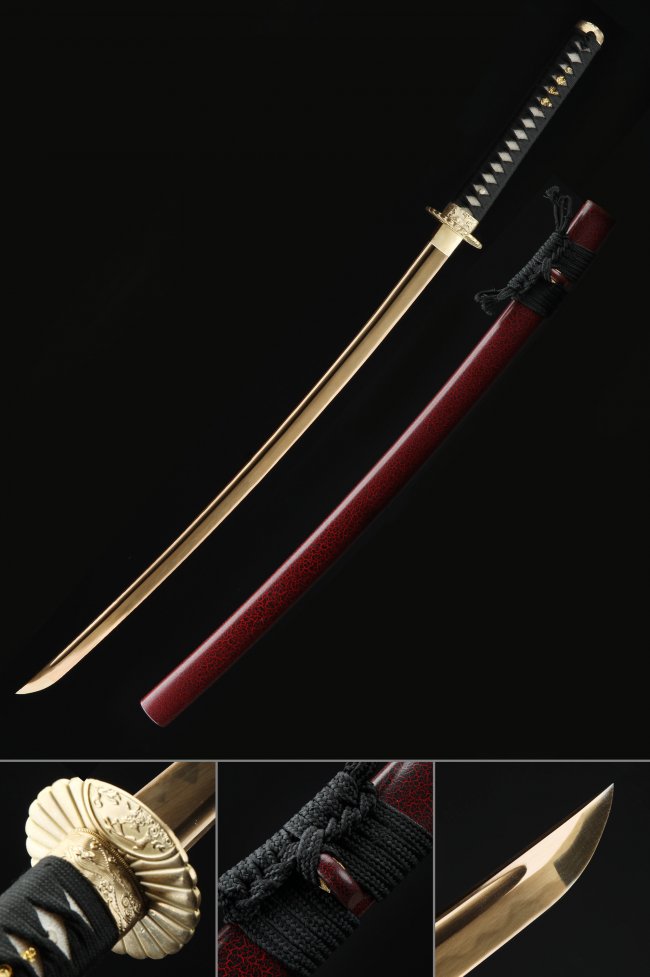
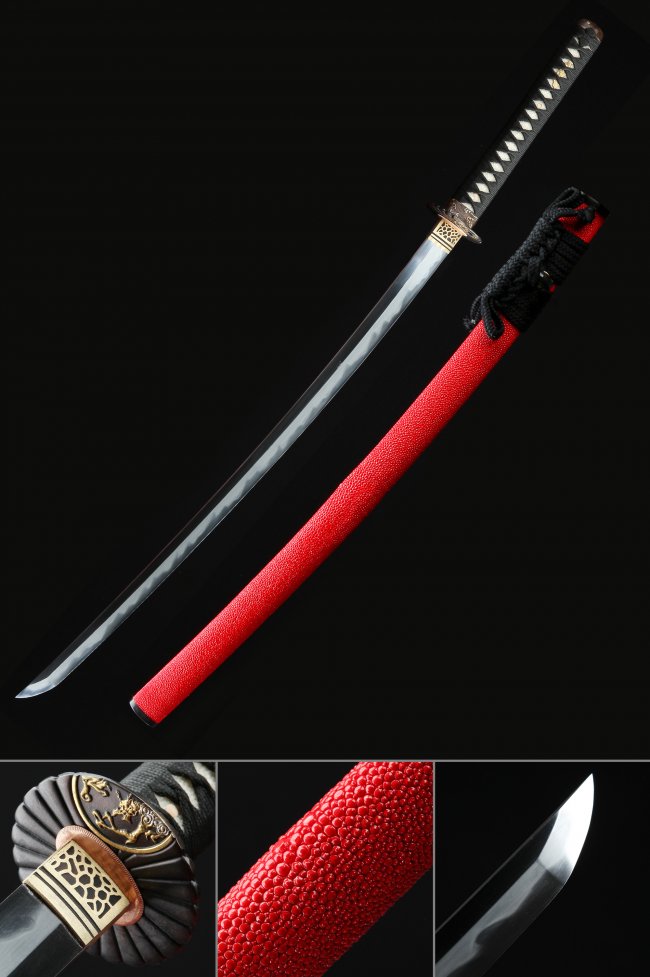
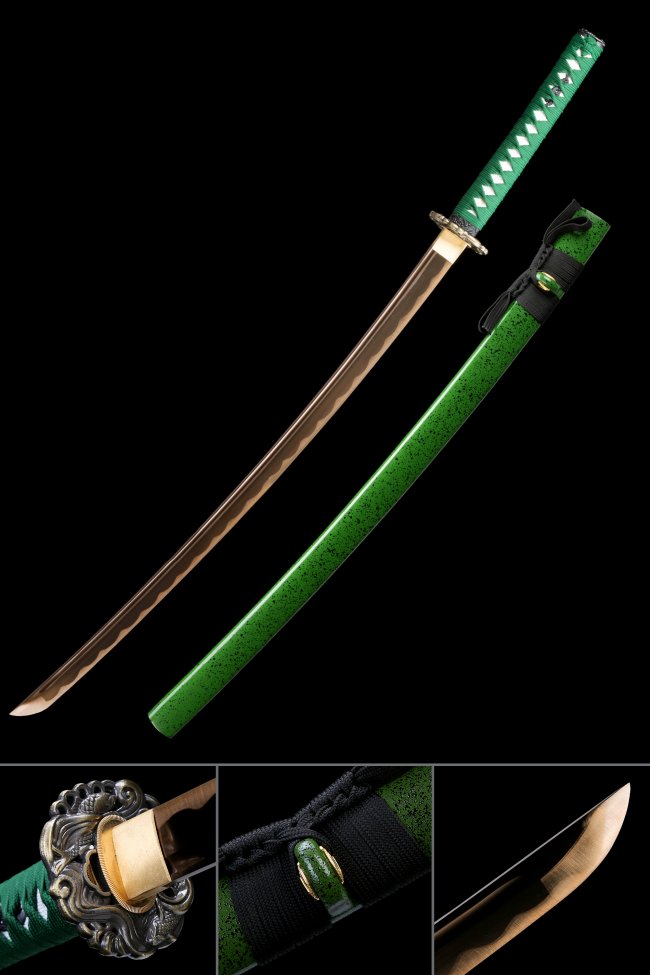
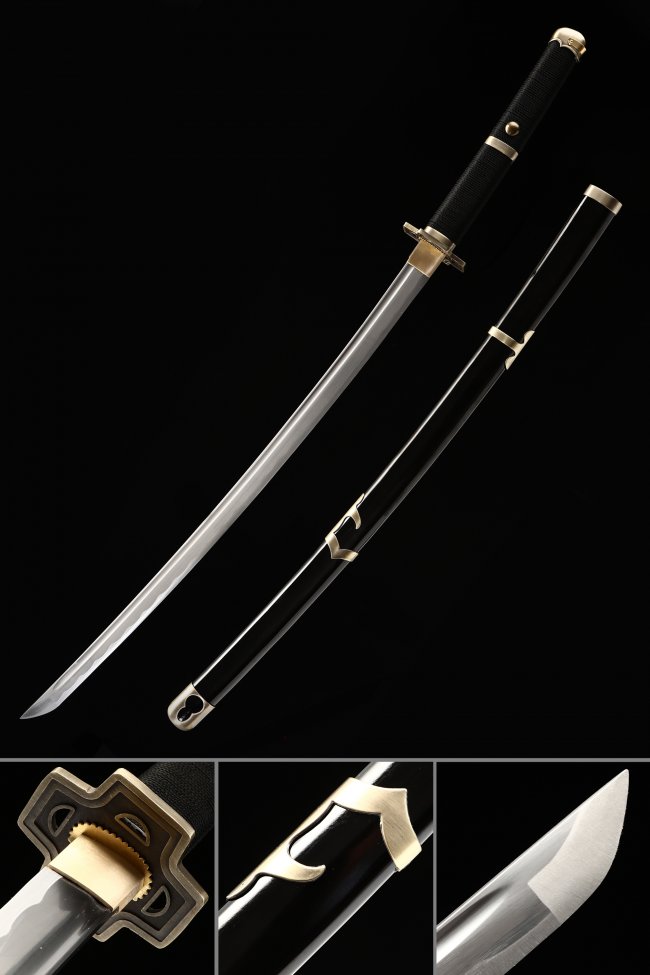
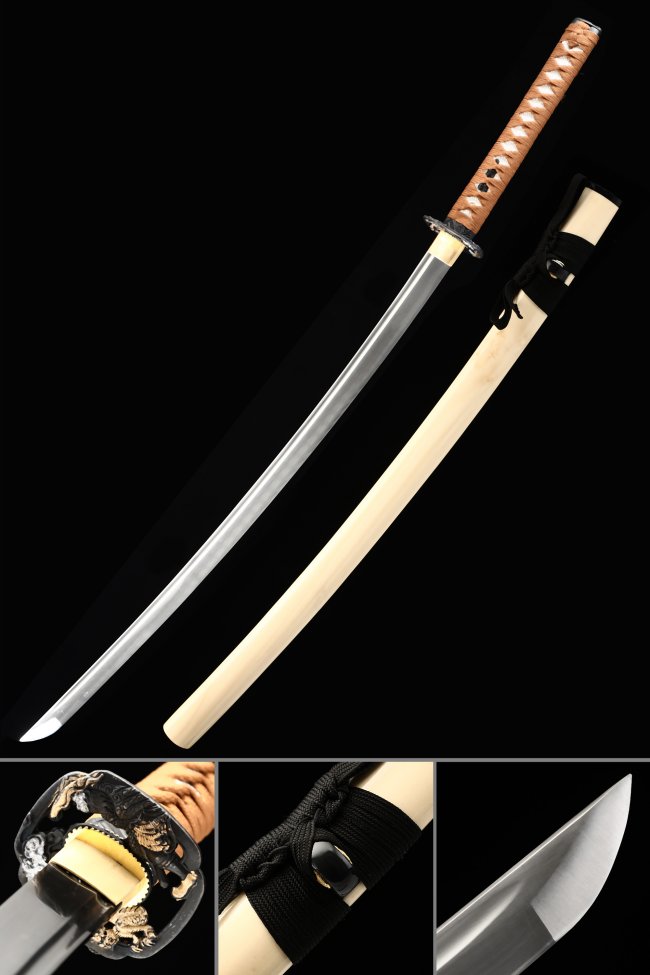
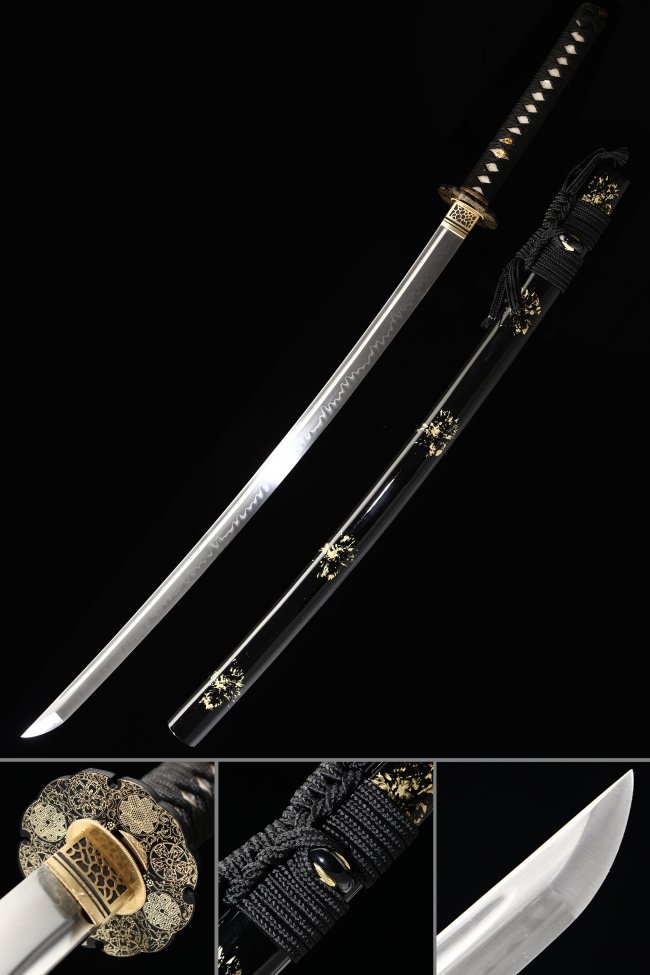
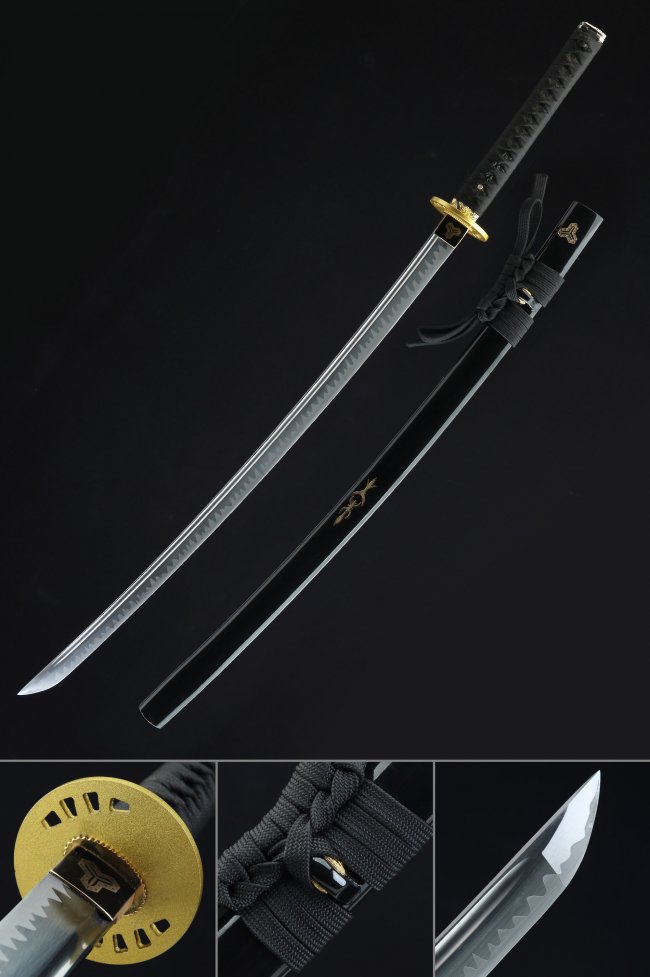
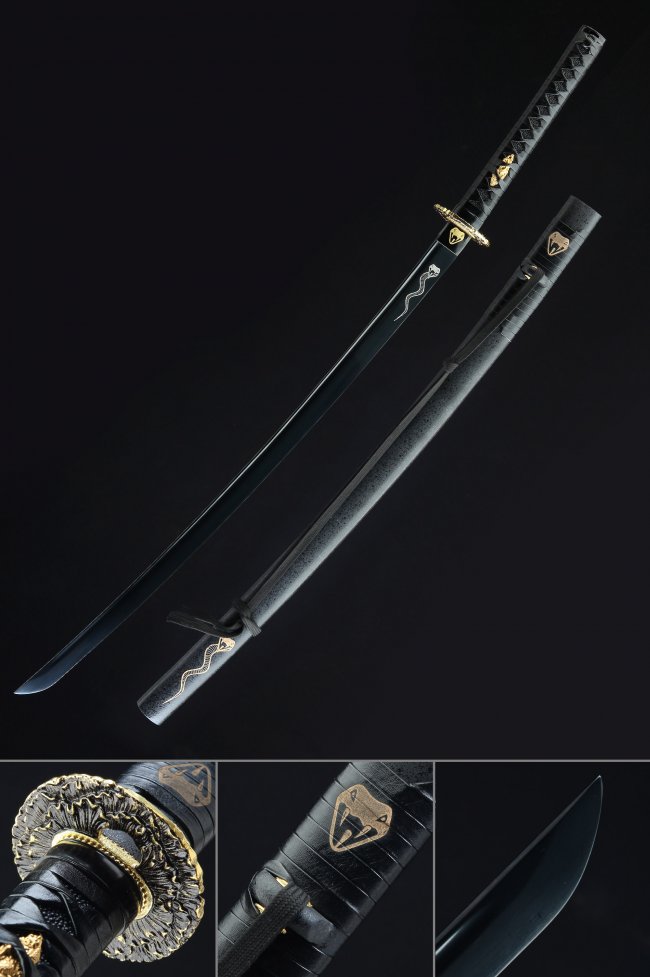
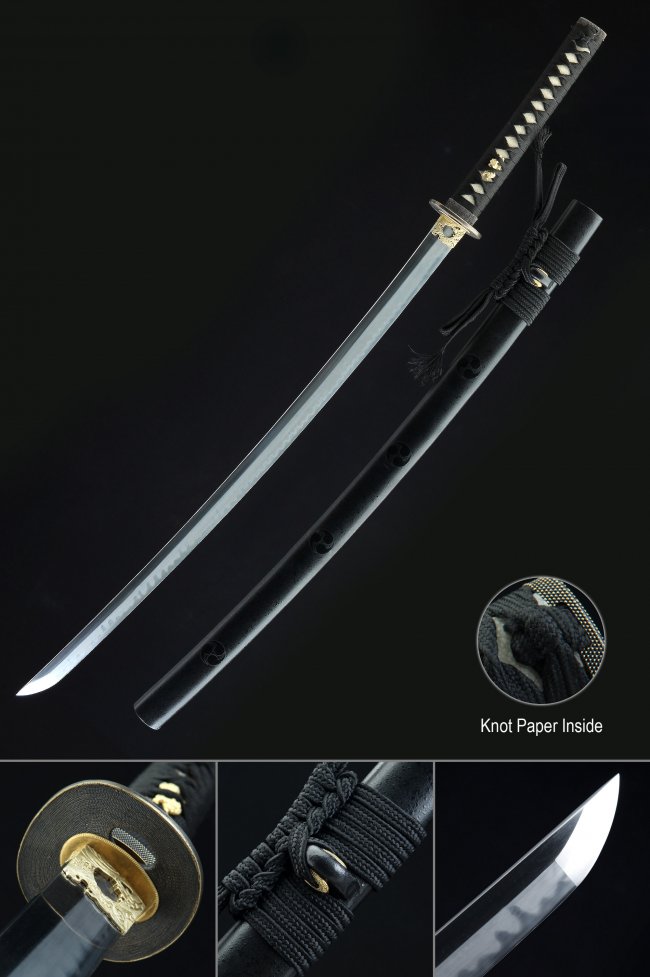
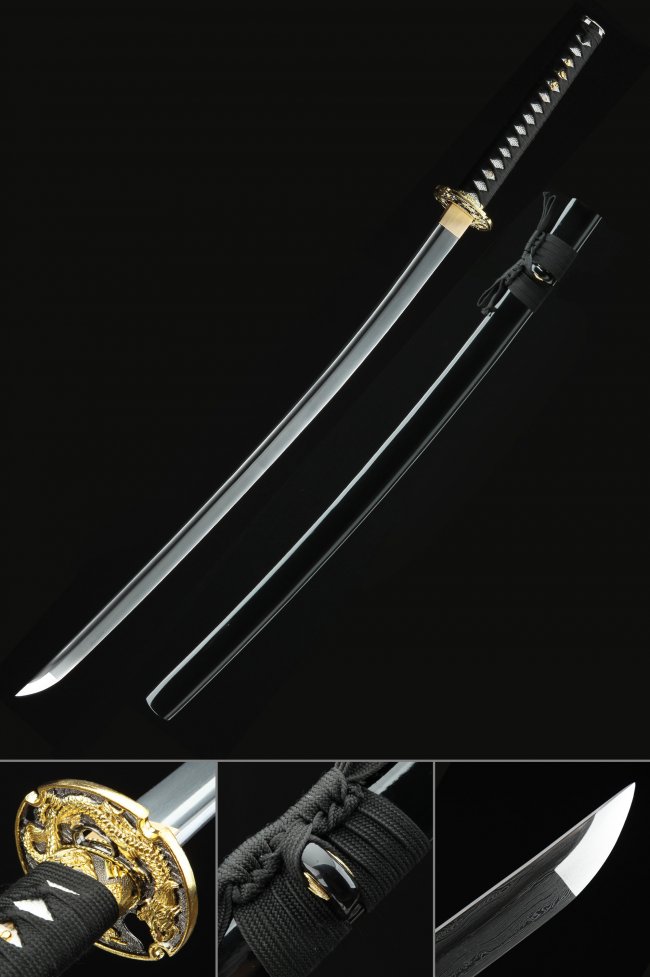
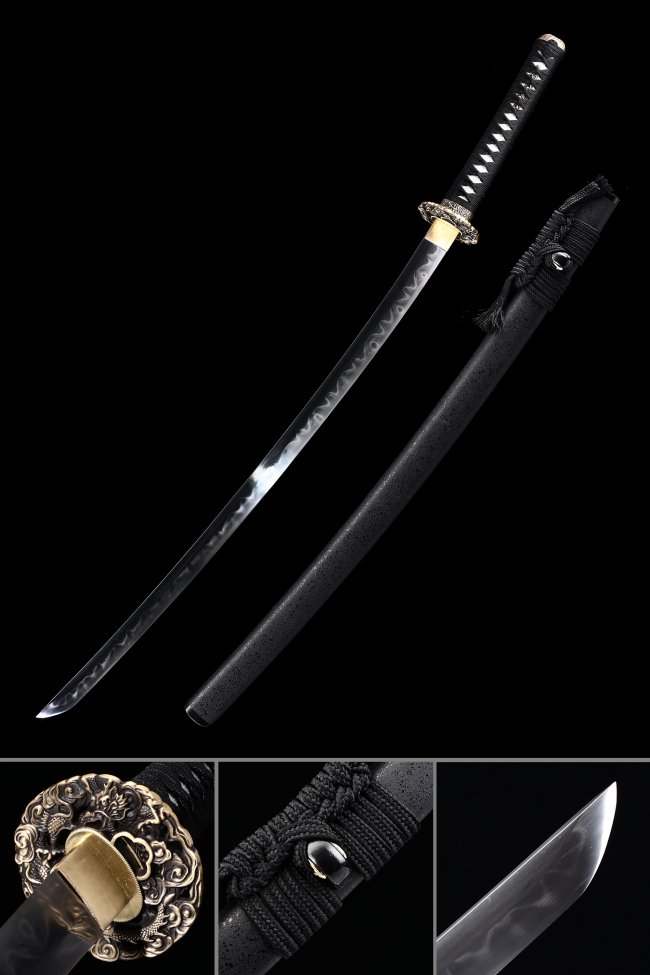
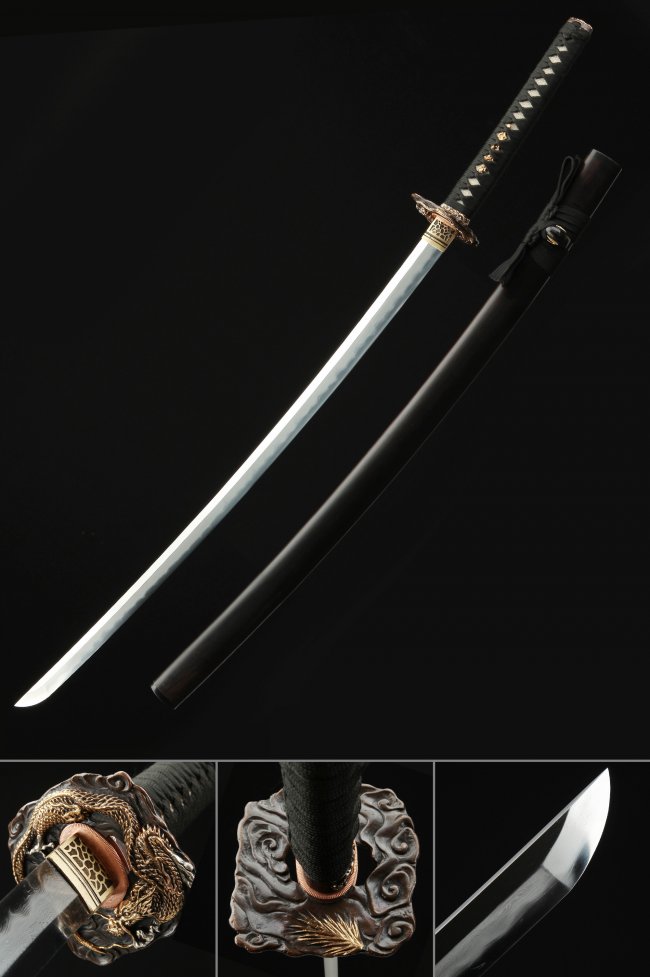
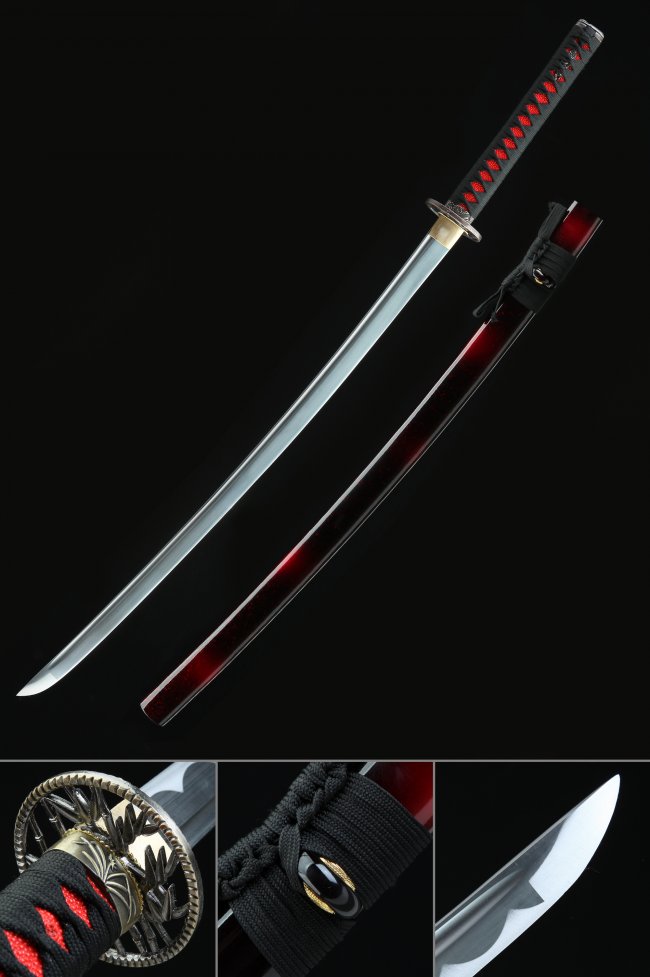
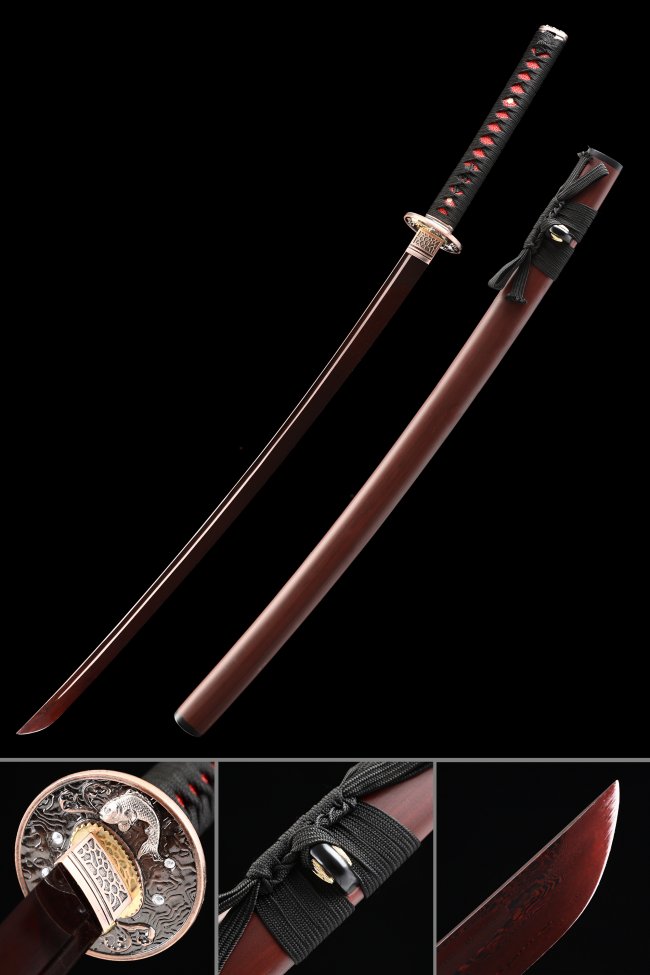
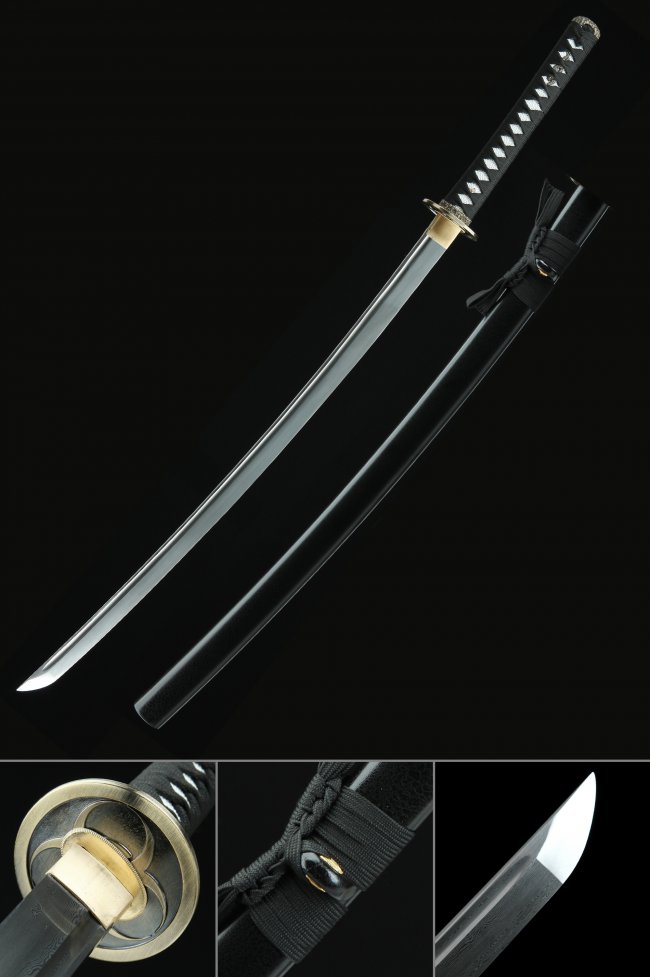
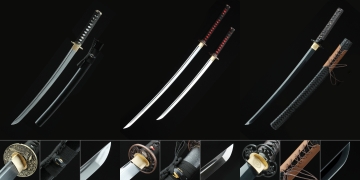
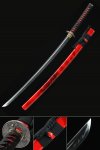
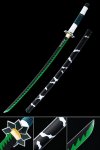
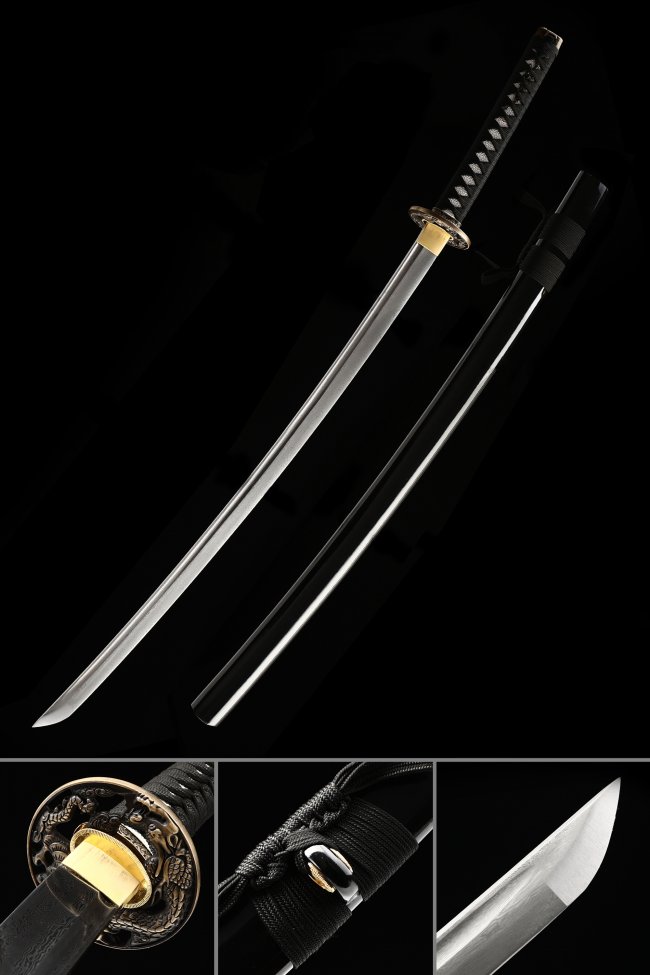
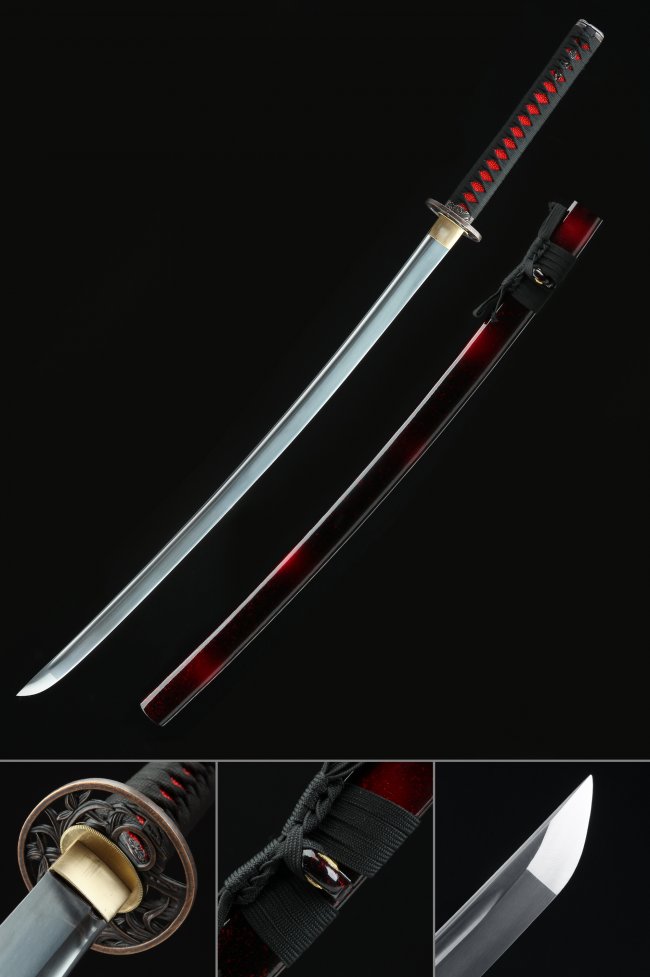
A black sageo - the cord that secures the saya to the obi - is one of the most quietly striking details a katana can carry. Every piece in this collection pairs that signature dark binding with hand-forged blades in 1045, 1060, 1065, T10, and Damascus steel, dressed in lacquered hardwood saya ranging from piano-black to rich crackle finishes. From snowflake alloy tsuba to gold dragon fittings, each sword is a full-tang collectible built for display and appreciation. Enjoy free shipping on your order, plus hassle-free returns.

Showing 616 Products

Related Collections

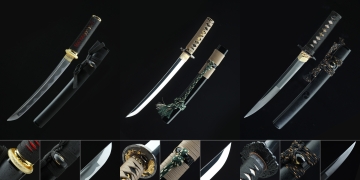
Black Tanto61 items


366 Reviews

Black Wakizashi40 items

102 Reviews

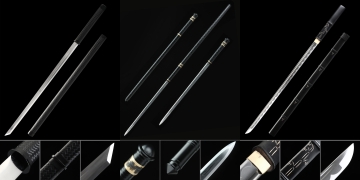
Black Ninjato57 items


453 Reviews

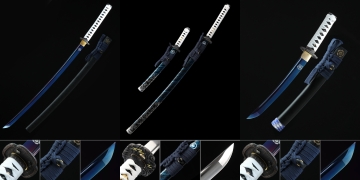
Black Chokuto39 items


288 Reviews

Frequently Asked Questions

What exactly is a sageo, and why does color matter?
The sageo is the braided cord threaded through the kurikata - a raised fitting on the outer spine of the saya. Historically, it secured the scabbard to a samurai's obi and could be removed for utility use in the field. In collectible swords today, the sageo's color is primarily an aesthetic choice that ties together the entire sword's visual theme. A black sageo creates strong contrast against lighter tsuka-ito wraps and makes natural-wood saya grain pop, while it produces a uniform, shadow-toned look when paired with a piano-lacquer black saya. Because it runs the full length of the scabbard, even a subtle cord color shift can noticeably alter how the sword reads as a display piece.
How does T10 clay-tempered steel differ from 1060 carbon steel?
Both are high-carbon steels, but they diverge significantly in composition and finishing process. 1060 steel contains approximately 0.60% carbon and is typically through-hardened or oil-quenched, producing a uniform hardness across the blade. T10 is a tool steel that includes a small amount of tungsten - roughly 0.9-1.0% carbon plus trace tungsten - which refines grain structure and improves wear resistance at the edge geometry. More visually significant is the clay-tempering process applied to T10 blades: a layer of refractory clay is applied along the spine before quenching, causing the edge to cool rapidly into hard martensite while the spine cools slowly into tougher pearlite. The boundary between these two zones produces a genuine hamon - a natural, undulating activity line that is unique to each blade and cannot be acid-etched or polished away.
Is Damascus steel in a katana functional or purely decorative?
In the context of collectible katana, Damascus refers to pattern-welded steel - multiple layers of high and low-carbon steel folded and forge-welded together, then etched to reveal the grain pattern. The resulting blade is fully functional as a display collectible and is structurally sound with full-tang construction. The visual texture along the flat and shinogi is genuinely formed during forging, not printed or painted. From a strict material science standpoint, modern monosteel like T10 can achieve more consistent hardness distribution, but Damascus offers something different: every blade's layer pattern is unrepeatable, making it particularly appealing to collectors who value individuality in their pieces.
What is the best way to store a lacquered saya long-term?
Piano-lacquer and matte-lacquer finishes on hardwood saya are durable but sensitive to two specific conditions: UV exposure and rapid humidity fluctuation. Direct sunlight will fade and yellow the lacquer over months, so positioning the sword stand away from windows or under UV-filtering glass is worthwhile. Humidity swings above 20% RH change within a short period can cause the hardwood core to expand and contract faster than the lacquer shell, leading to hairline cracks. A consistent indoor environment between 45-55% relative humidity is ideal. The blade inside should be lightly oiled before long-term storage to prevent condensation-driven oxidation, and the saya should be placed horizontally - edge upward on a traditional stand - to prevent oil from pooling against the lacquer interior.
Do these katana make good gifts for collectors who are new to the hobby?
Yes, and the black sageo category is particularly well-suited for first-time recipients because the unified color theme removes guesswork about whether components 'match.' New collectors often appreciate a sword that looks intentionally composed right out of the box. For gifting, 1060 carbon steel pieces with alloy tsuba offer excellent craftsmanship at an accessible entry point, while the T10 clay-tempered options with real hamon are ideal for recipients who already have some appreciation for traditional blade metallurgy. If the recipient also appreciates shorter blades or a coordinated set, the Black Cord Handle Tanto collection pairs naturally with these katana for a display grouping that reflects the layered sword culture of feudal Japan.

Customer Reviews