Brown 1060 Carbon Steel Katana
A Brown 1060 Carbon Steel Katana carries the unmistakable warmth of natural earth tones paired with the proven durability of mid-grade high-carbon steel — a combination that appeals equally to dedicated collectors and serious display enthusiasts. Each piece is hand-forged to full-tang construction, fitted with period-accurate fittings, and finished with genuine materials that age gracefully on any sword stand or display cabinet. Enjoy free standard shipping on your order, backed by our hassle-free return policy.
Related Collections
Frequently Asked Questions
What makes 1060 carbon steel a good choice for a display katana?
How does 1060 carbon steel compare to 1095 in a katana?
Why do brown-themed katana often use burl wood or leather saya?
How should I maintain a 1060 carbon steel katana in a display setting?
Is a brown katana a good collectible gift for someone new to Japanese swords?
Customer Reviews
Well made budget swords. Sold feel. 4 stars as the hamon was ground/polished onto the blades not from actual clay tempering. Securely packaged. Relatively fast for international shipping to US.
 |
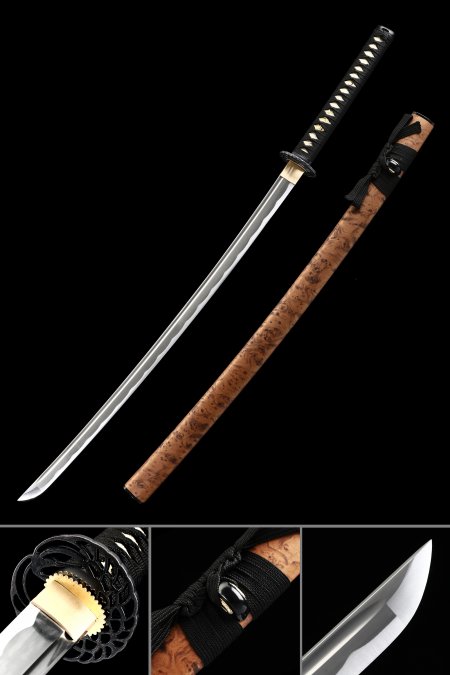
1060 Carbon Steel Katana with Burl Wood Saya - Black Tsuka, Chrysanthemum Tsuba |
Very pleased! The samari is very well made and beautiful.
The professional standards that went into this piece of craftsmanship are reflected in its beauty!
Thanks again I appreciate your hard work.
Frederick Goode
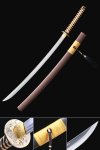 |
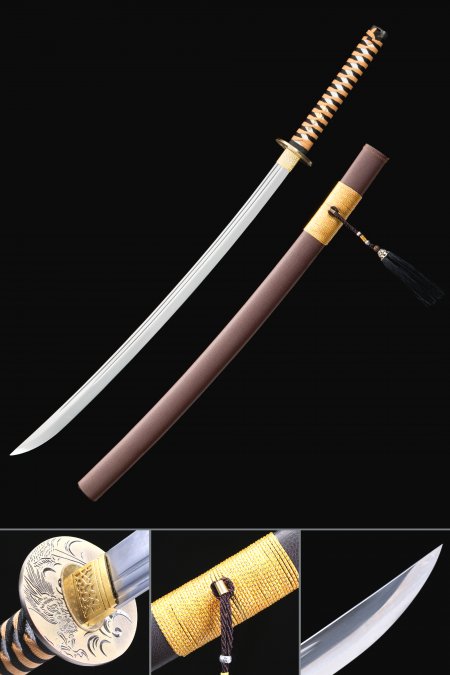
1060 Carbon Steel Katana with Brown Leather Saya and Gold Dragon Tsuba - Full Tang Japanese Sword |
Was a little put off by my item shipping from China. It makes me doubt the manufacturing and quality.
It still looks like a great sword
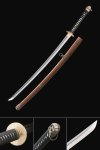 |
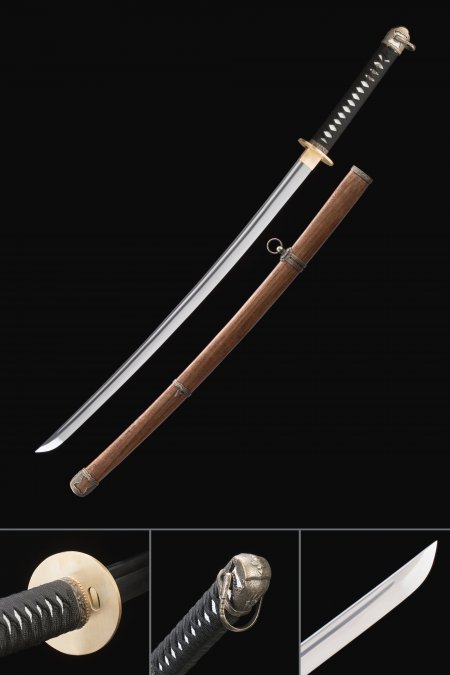
WWII Type 98 Shin Gunto Officer Katana - 1060 Carbon Steel with Brown Hardwood Saya and Copper Fittings |
Really like the sword for what it cost at the supreme
|
WWII Type 98 Shin Gunto Officer Katana - 1060 Carbon Steel with Brown Hardwood Saya and Copper Fittings |
Good quality product, looks great. When I had a question about the shipping the customer service was prompt as well. Thanks!
|
WWII Type 98 Shin Gunto Officer Katana - 1060 Carbon Steel with Brown Hardwood Saya and Copper Fittings |
Took a while to get here but was less than a month, the quality of the katana is amazing and very sharp and already got some lube on it or something and the packaging was protective enough got here with no holes. Very satisfied, already on my wall
|
WWII Type 98 Shin Gunto Officer Katana - 1060 Carbon Steel with Brown Hardwood Saya and Copper Fittings |