What makes 1095 carbon steel a preferred choice for collectible katana?
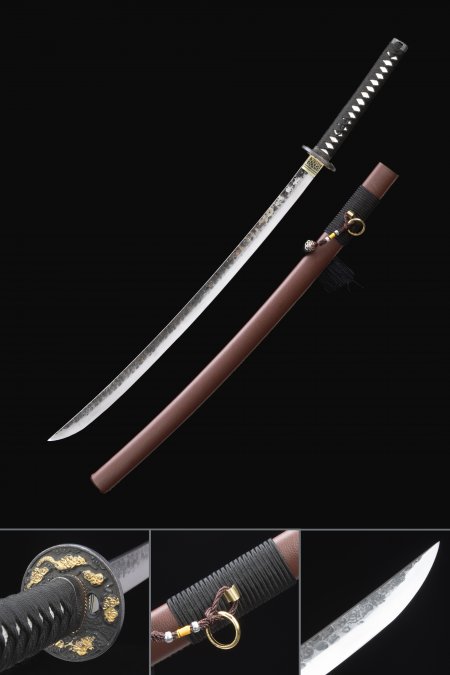
1095 carbon steel sits at roughly 0.95% carbon content, placing it at the higher end of the high-carbon spectrum used in Japanese-style sword making. This level of carbon allows the steel to respond exceptionally well to differential hardening — a process where the blade's edge and spine are cooled at different rates, producing a visible hamon (temper line). For collectors, the hamon is not just decorative; it is physical evidence of a genuine heat-treatment process rather than a cosmetic etch. Compared to lower-carbon options like 1045, which is more forgiving but less refined in finish, 1095 offers a more authentic representation of traditional Japanese blade metallurgy. It does require more attentive care against moisture, but that is a trade-off seasoned collectors readily accept for the visual and material authenticity it delivers.
How does a brown leather saya differ from a lacquered wood saya?
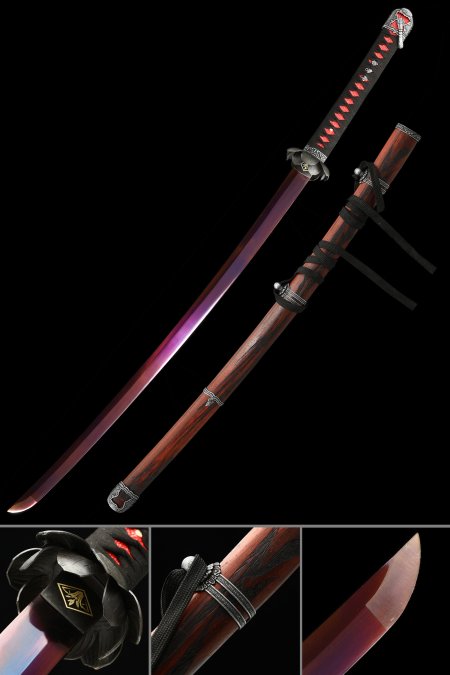
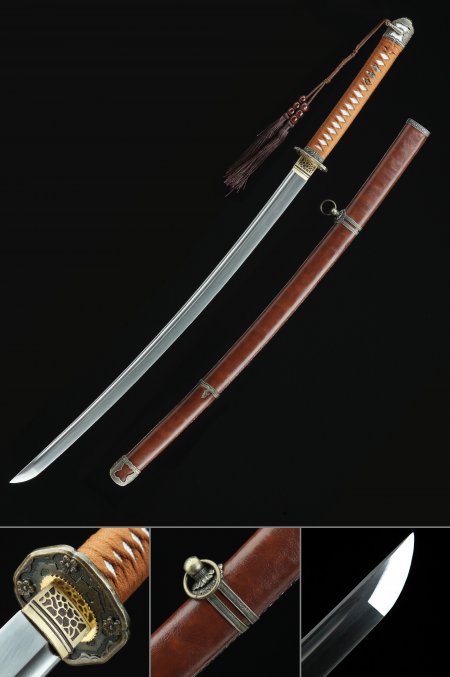
A brown leather saya and a traditional lacquered wood saya serve the same protective function but offer very different aesthetic and handling qualities. Lacquered wood saya — typically honoki magnolia — is the classical Japanese choice, prized for its lightweight feel and the way lacquer seals the wood against humidity. Brown leather saya, by contrast, wraps a wood core in genuine or high-quality synthetic leather, providing additional grip texture, a warmer visual tone, and a tactile character that many collectors find distinctly appealing. The leather surface also tends to show individualized aging over time, developing a patina that adds character to long-held display pieces. For collectors drawn to a more military or early 20th-century aesthetic — as reflected in Type 98 Shin Gunto styling — leather saya are historically appropriate and visually cohesive with brass and gold-tone fittings.
How should I store a carbon steel katana to keep it display-ready?
Proper storage protects both the blade and the fittings from environmental damage. For a 1095 carbon steel katana, the most important step is keeping the blade lightly oiled at all times. Apply a thin coat of choji oil or food-grade mineral oil using a soft cloth or uchiko ball, working from the habaki toward the tip in smooth strokes. Store the sword on a horizontal katana stand (katana-kake) with the edge facing upward, as this is the traditional orientation and prevents undue pressure on the saya's interior. Keep it away from direct sunlight, which can fade ito wraps and dry out leather saya over time. In humid climates, a silica gel pack near the display area helps control moisture. Inspect the blade surface every two to three months and re-oil if the steel appears dry or shows early discoloration. These habits extend the life of the piece significantly.
Are dragon tsuba motifs historically accurate on Japanese swords?
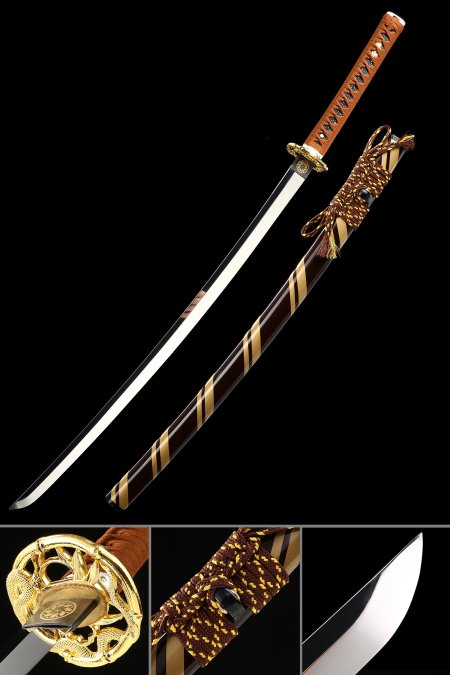
Dragon motifs have a long and genuine history in Japanese sword furniture. The dragon — or ryu — appears frequently in tsuba (hand guards) and other fittings from the Edo period onward, particularly in pieces commissioned by high-ranking samurai or affluent merchants who wanted to express power and spiritual significance. In Japanese tradition, the dragon is associated with water, sky, and transformation rather than the Western concept of a fire-breathing creature. It appears in iron, brass, shakudo, and mixed-metal tsuba across numerous regional schools of metalwork. Collectors will find dragon tsuba on display-quality pieces today as a continuation of that tradition — visually dramatic, thematically meaningful, and representative of an authentic strand of Japanese decorative metalwork history.
What display pairings work well with a brown-themed katana collection?
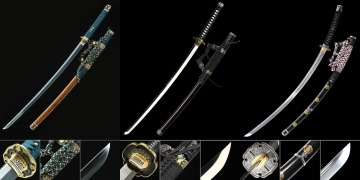
A cohesive display built around brown-toned katana benefits from thoughtful pairing across blade lengths and styles. A full-size katana displayed alongside a shorter companion blade creates the classic daisho impression — historically, samurai carried paired long and short swords as status symbols. The warm earth tones of brown ito, leather saya, and gold-accented tsuba coordinate naturally with natural wood display stands, dark walnut wall mounts, or linen-backed shadow boxes. Adding a tachi — the longer, more deeply curved predecessor to the katana — provides visual contrast in blade geometry while maintaining tonal harmony. Collectors interested in themed military displays may also incorporate period-style accessories such as sword bags or presentation boxes. Keeping the color palette consistent across fittings creates a display that feels curated rather than accumulated.