FAST SHIP
Free Shipping
139.00 USD
ON SALE! 15% OFF
Was: 169.00 USD

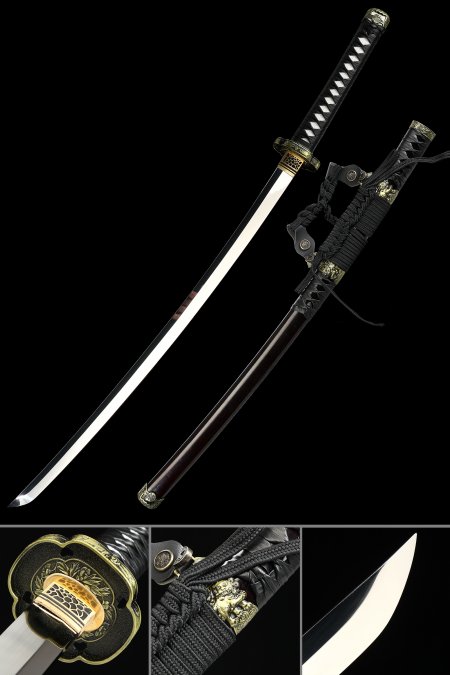
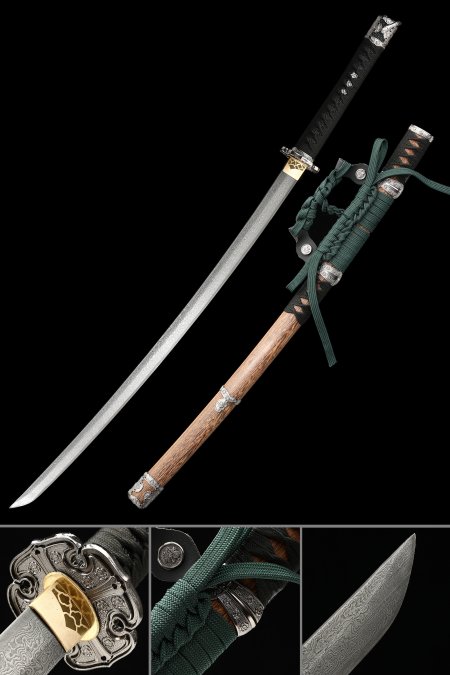
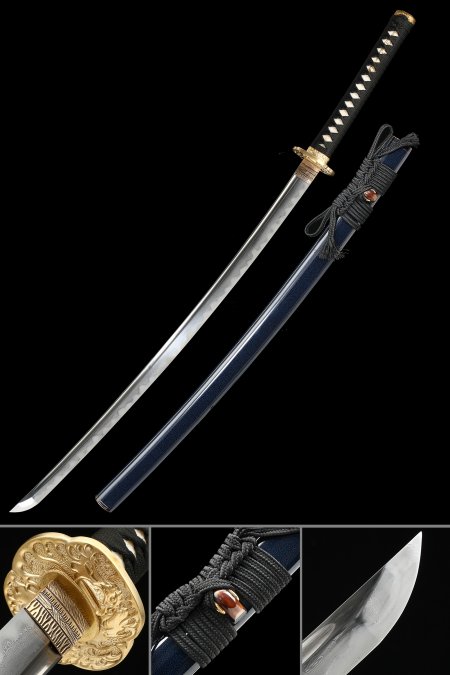
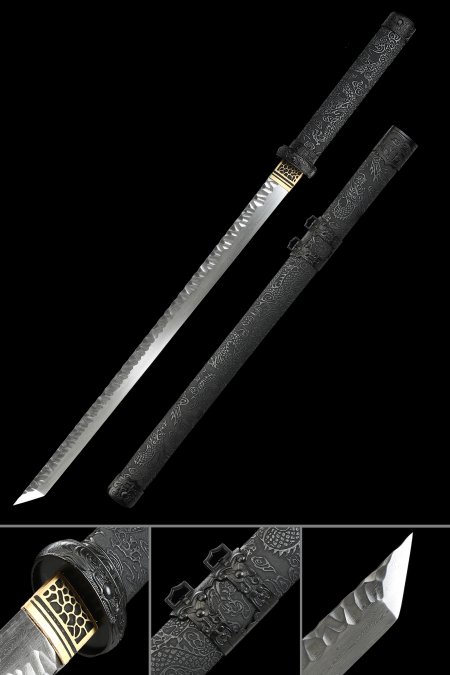
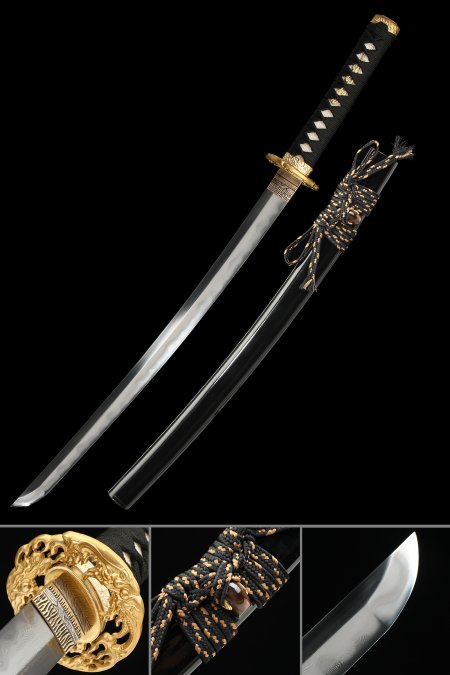
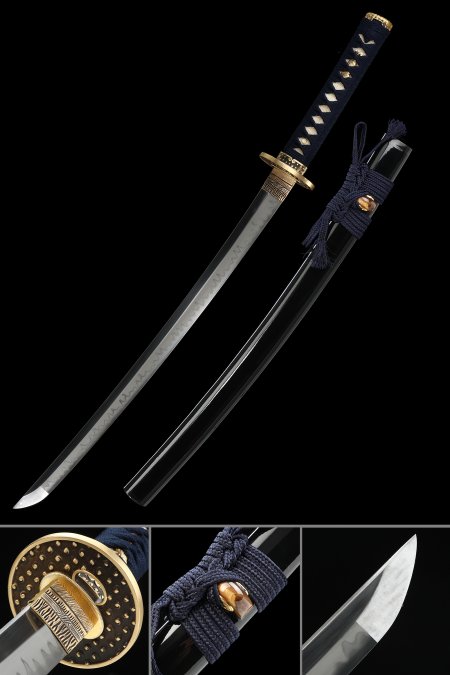
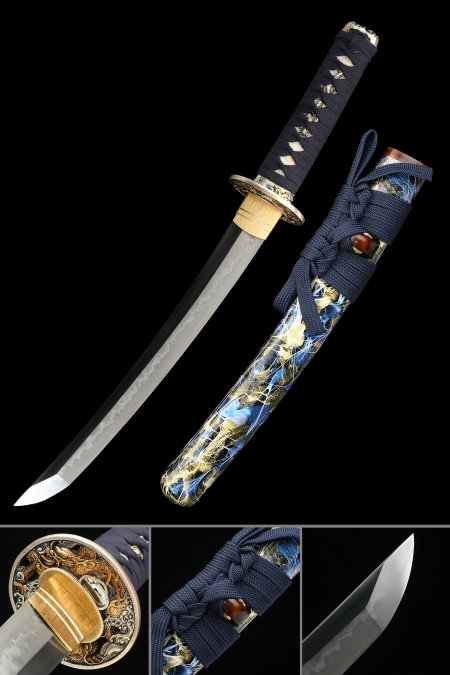
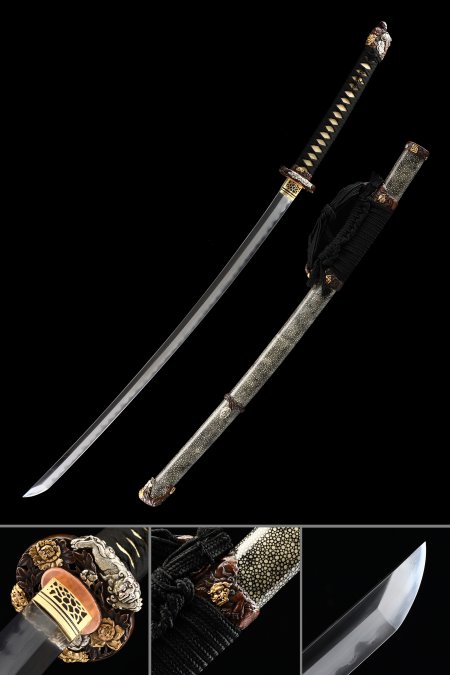
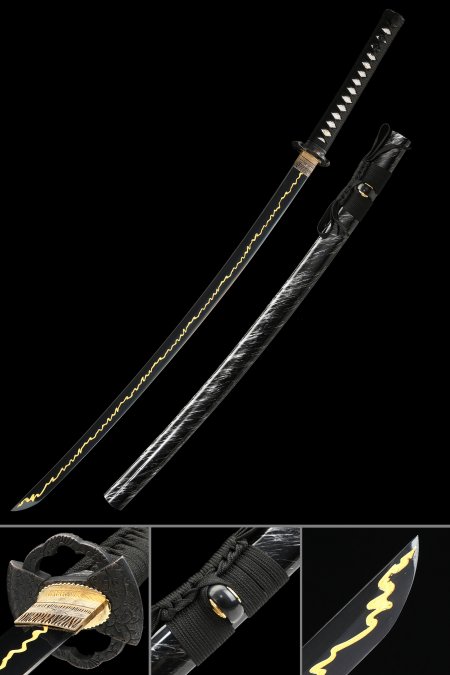
Browse our carbon steel samurai sword collection, featuring hand-forged katana, wakizashi, and tanto crafted from genuine high-carbon steel. Carbon steel is the traditional material of Japanese sword making, prized for its ability to be hardened through heat treatment, hold a sharp edge, and develop the hamon temper line that defines authentic Japanese blades. Steels in this collection include 1045, 1060, 1095, T10, manganese, and Damascus. Free U.S. shipping and hassle-free returns on every order.
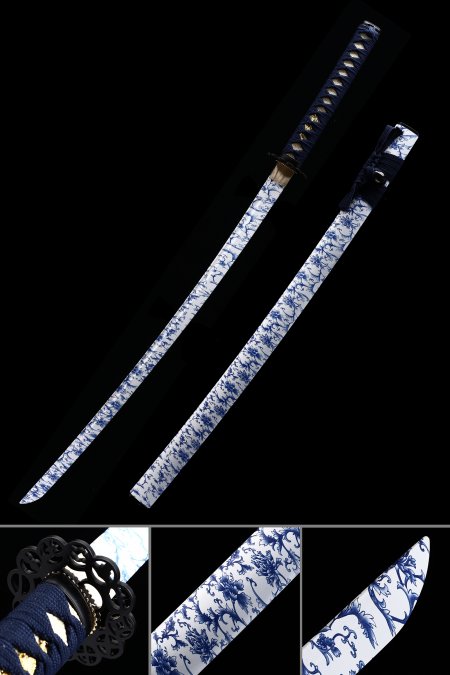
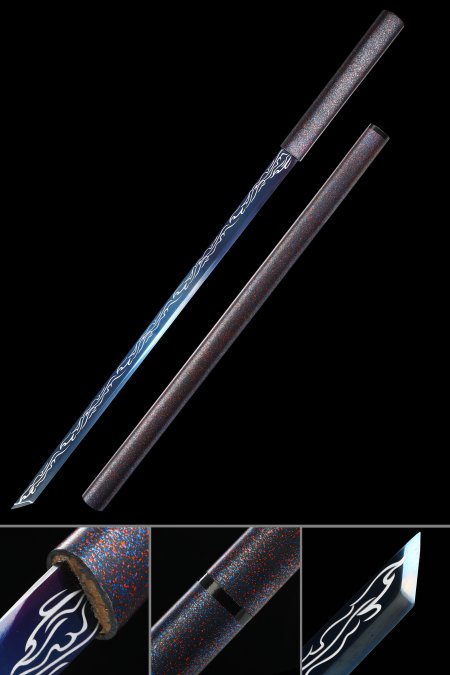
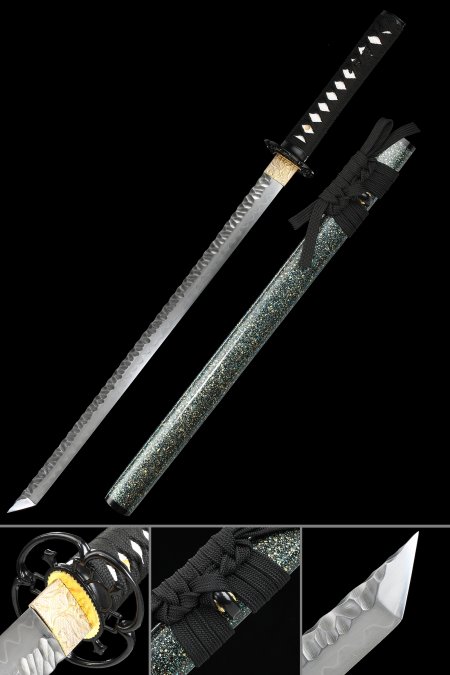
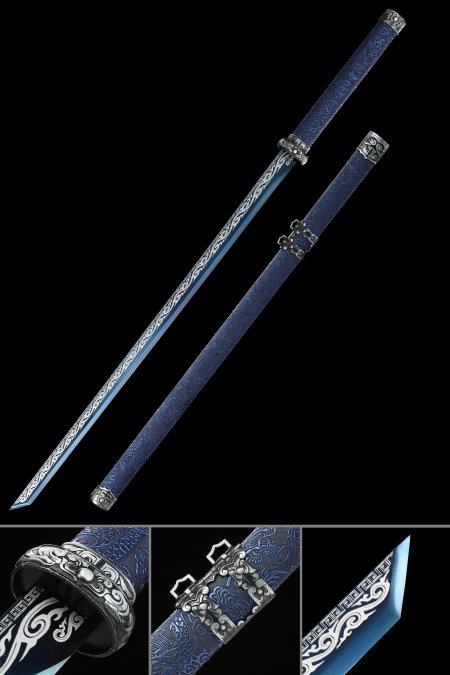
The sword design is elegant and using it feels so much better for kenjutsu and iaido training. I was disappointed about the saya being plastic instead of wood, but overall I’m happy with what I got.
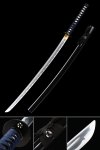 |
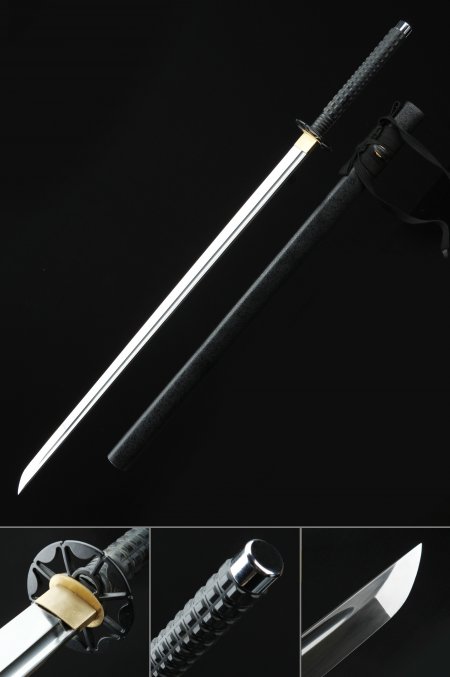
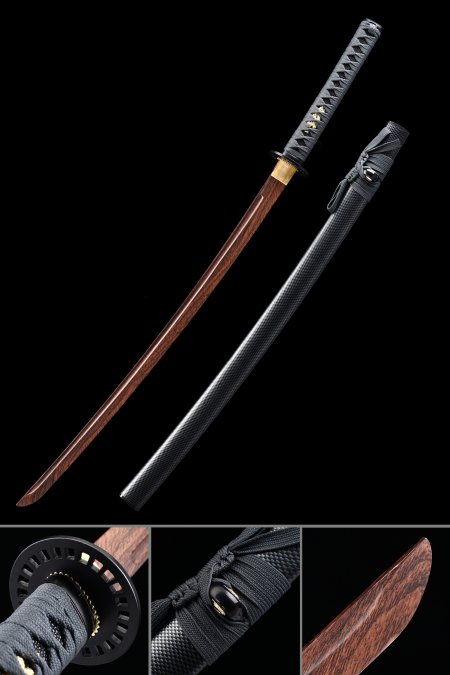
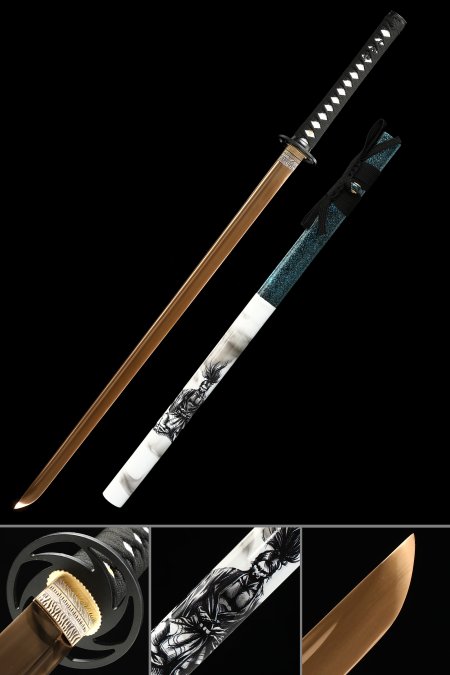
Black Aluminum Practice Katana - Unsharpened 41-Inch, Iron Tsuba, Dark Blue Handle, Training Sword |
My Sword came fast and it's a nice looking sword. I might buy more in the future. Thank you TrueKatana
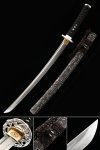 |
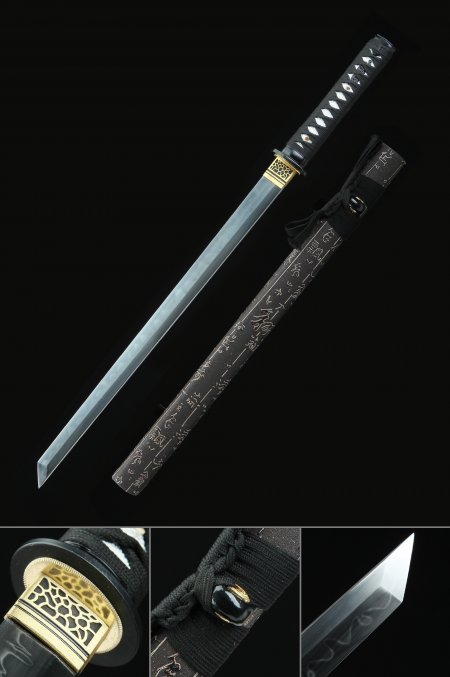
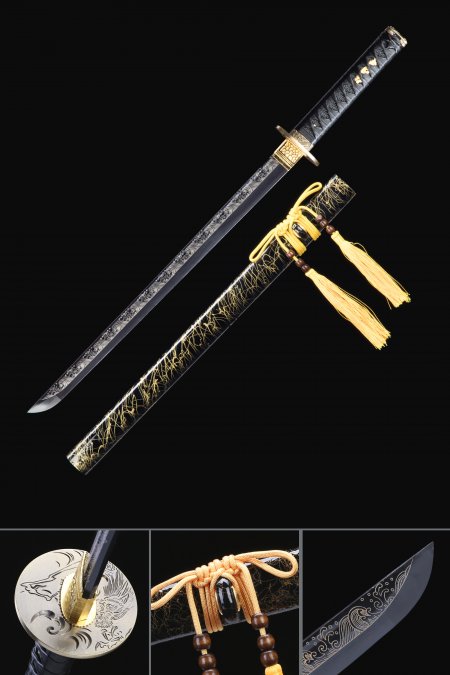
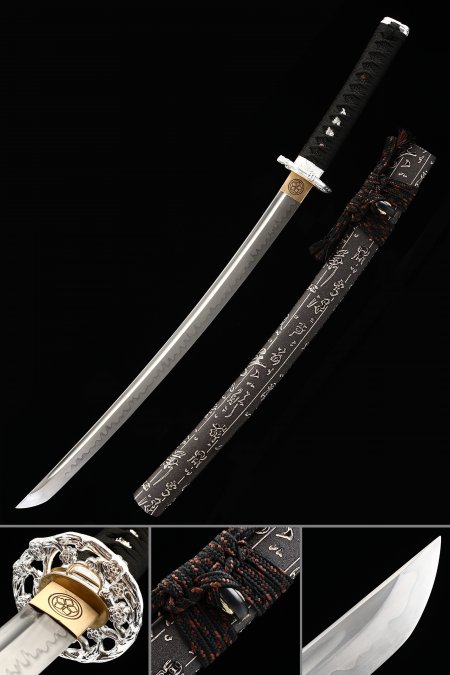
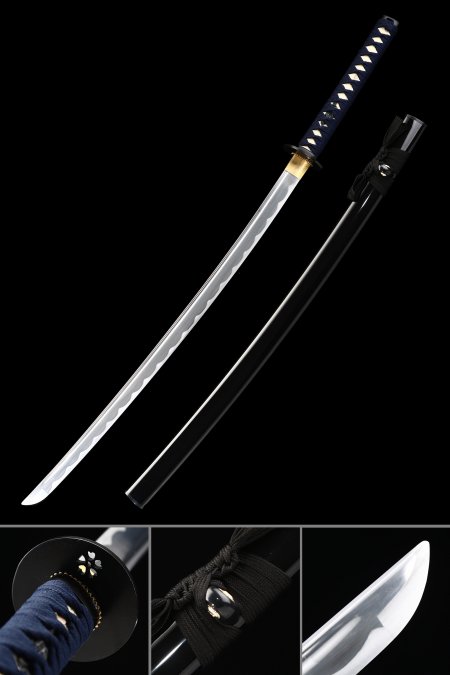
T10 Clay Tempered Wakizashi with Real Hamon and Silver Floral Tsuba in Kanji Engraved Black Saya |
I love it, the knot on the handle came off but is was no big deal easy fix, haven't used it a lot but is still sharp!!
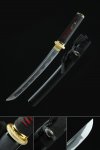 |
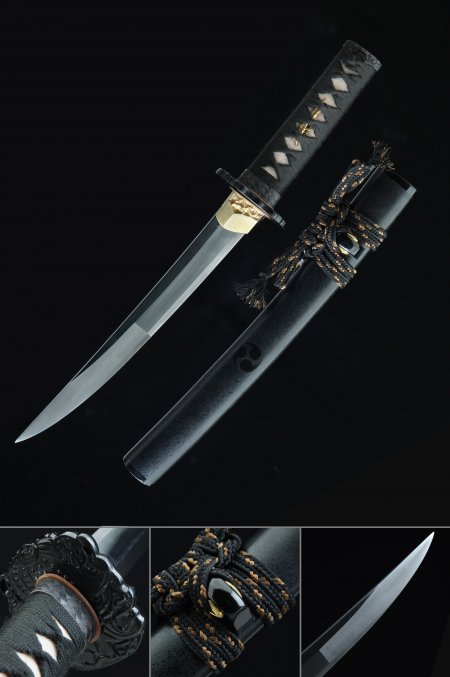
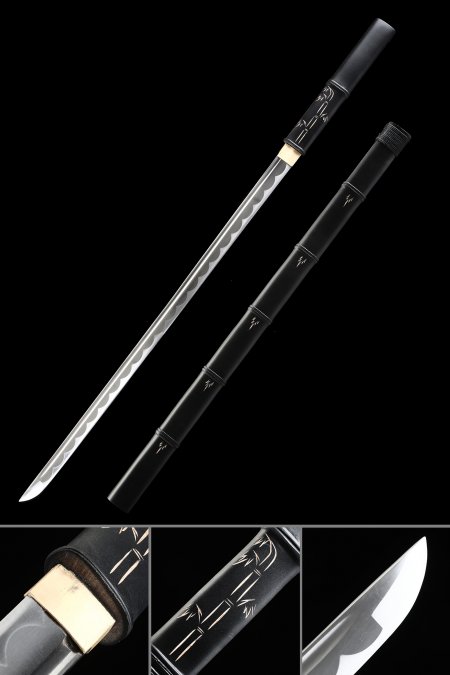
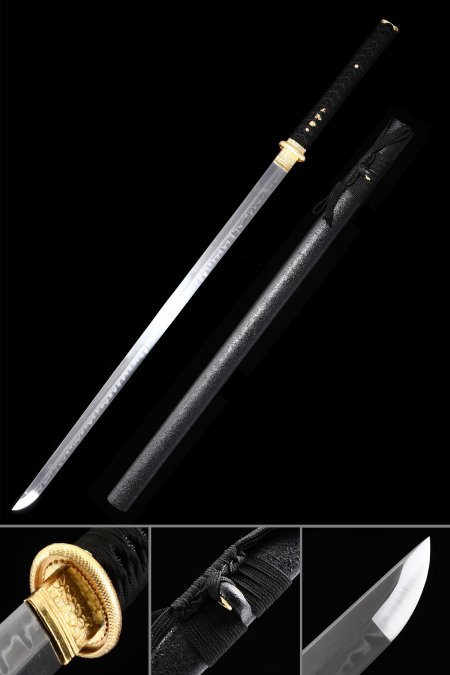
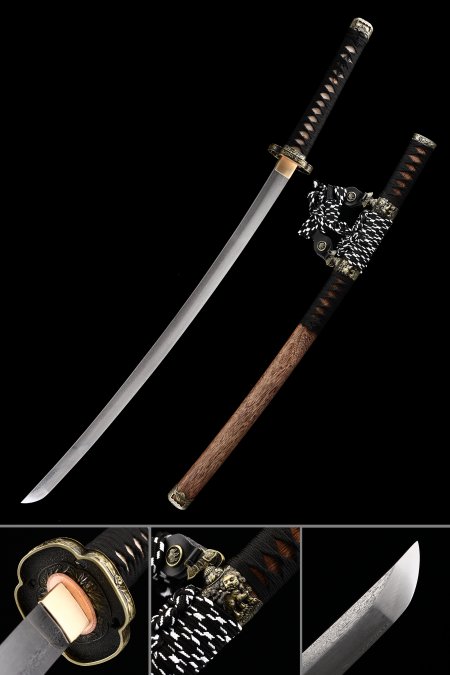
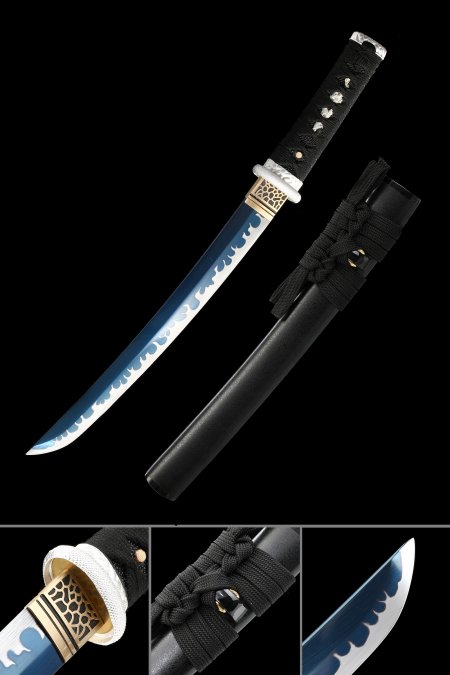
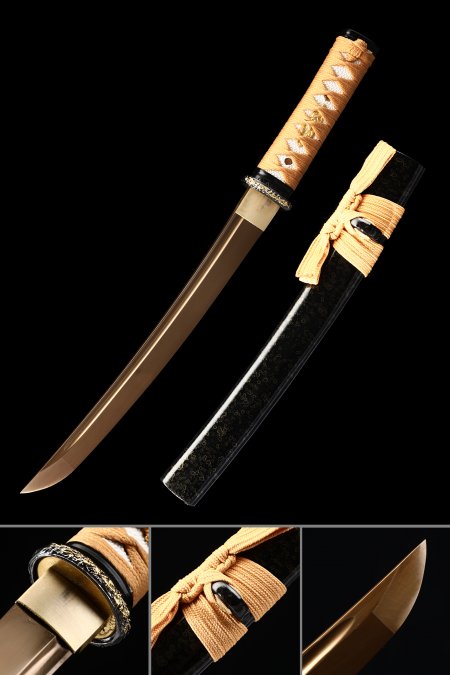
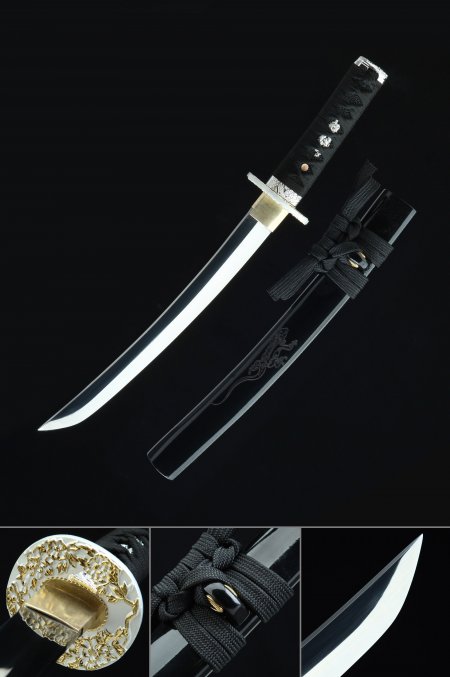
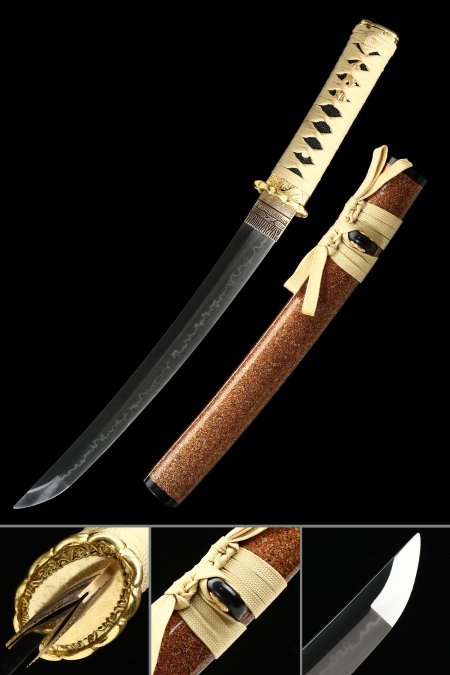
1045 Carbon Steel Tanto Sword with Black Matte Hardwood Saya and Gold Alloy Tsuba - Full Tang Japanese Short Sword |
Online ordering was simple and user friendly. My sword was packaged with care and S&H was extremely fast with no issues!
|
Black Aluminum Practice Katana - Unsharpened 41-Inch, Iron Tsuba, Dark Blue Handle, Training Sword |
The sword I ordered reached safely in good condition to Indonesia. The quality is good no complaint. The people in True Katana are friendly and helpful. Thank you True Katana
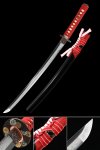 |
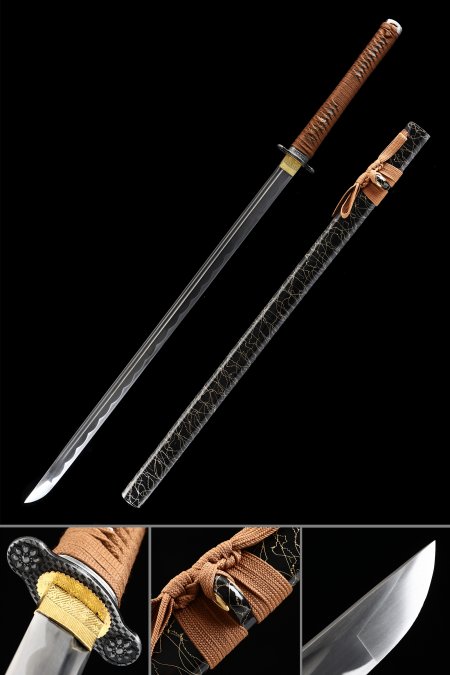
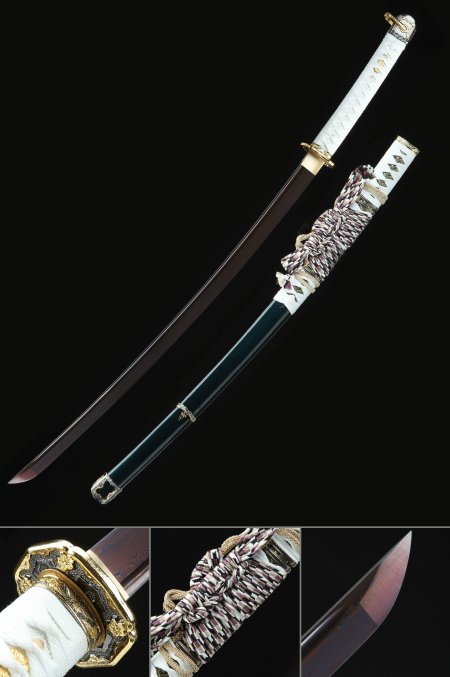
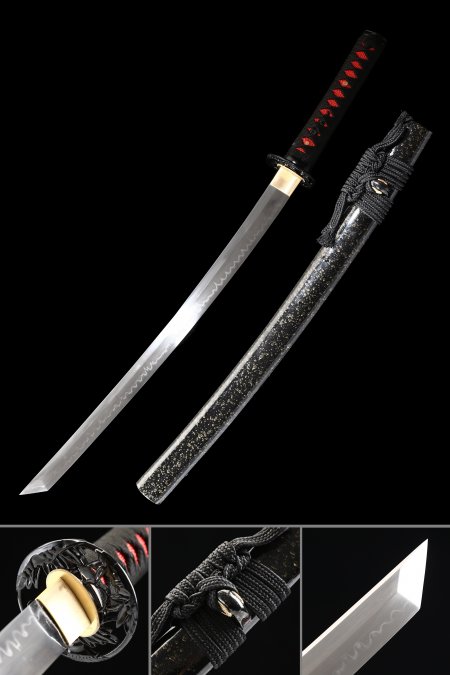
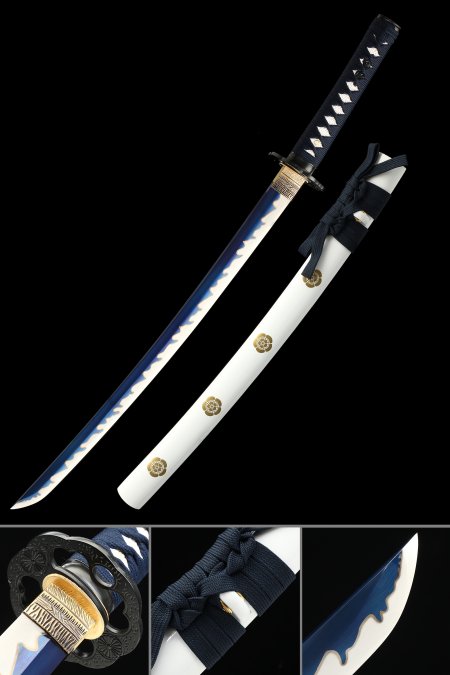
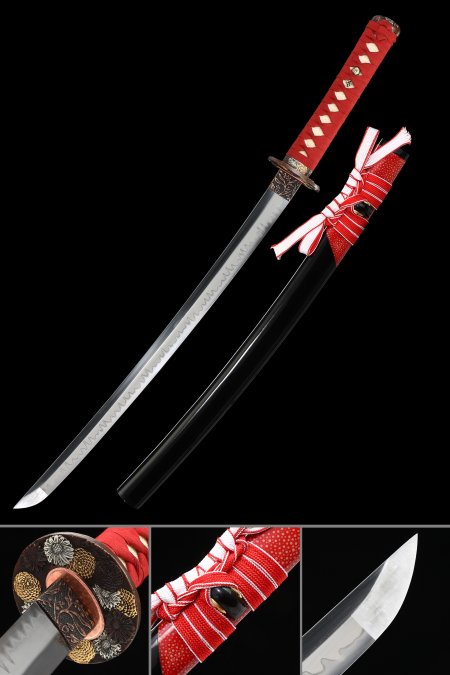
T10 Manganese Steel Wakizashi with Red Ito, Chrysanthemum Tsuba in Black Lacquer Saya |
Got this for my son for Christmas who started collecting swords, looks awesome and he loved it!!!
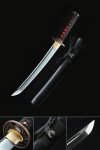 |
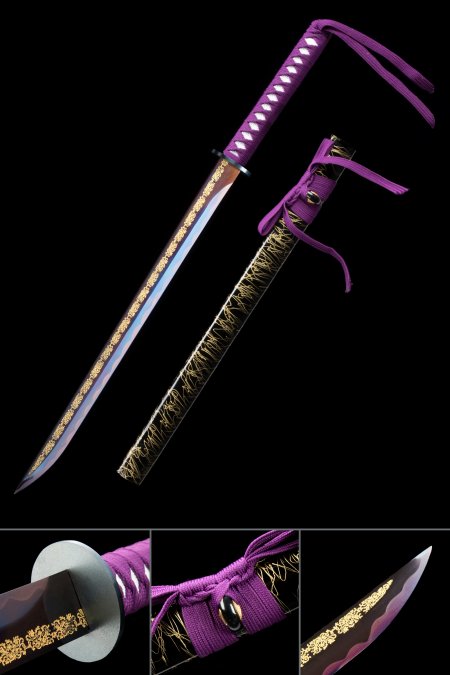
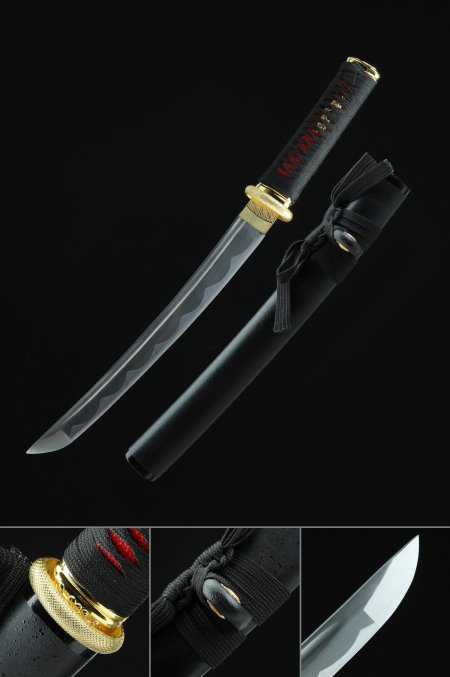
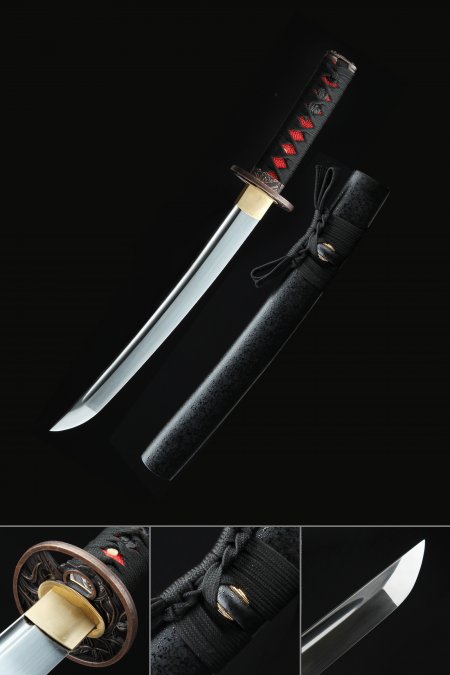
1045 Carbon Steel Tanto Sword with Black Ito Wrap, Red Samegawa and Bronze Orchid Tsuba - Full Tang |
Love at first sight, will definitely purchase more from you guys
|
1045 Carbon Steel Tanto Sword with Black Matte Hardwood Saya and Gold Alloy Tsuba - Full Tang Japanese Short Sword |
My new beaty. Like picture shows Even better and very good craftmanship
|
1045 Carbon Steel Tanto Sword with Black Matte Hardwood Saya and Gold Alloy Tsuba - Full Tang Japanese Short Sword |