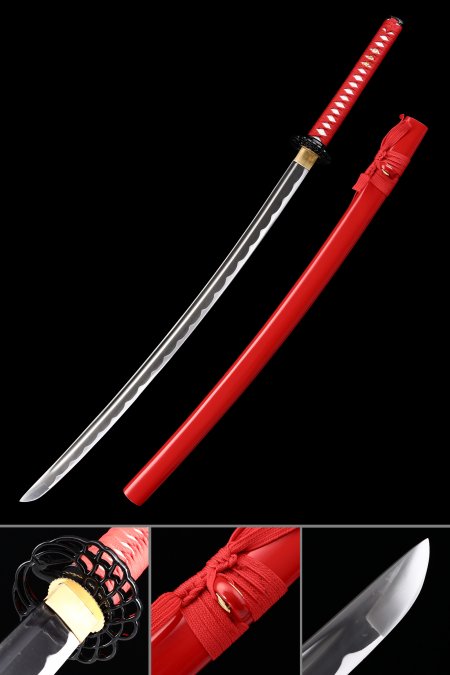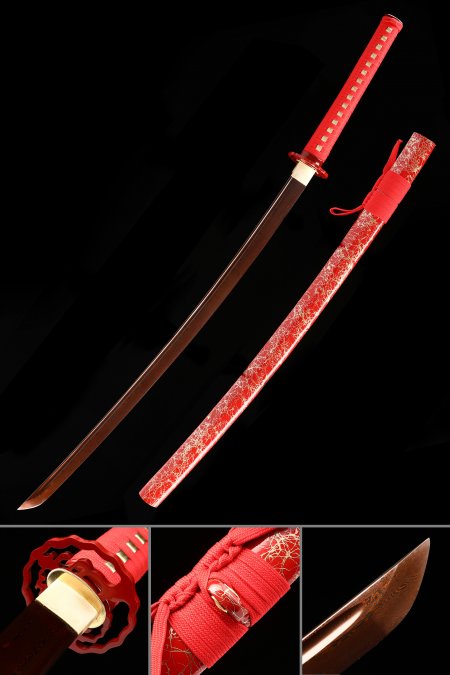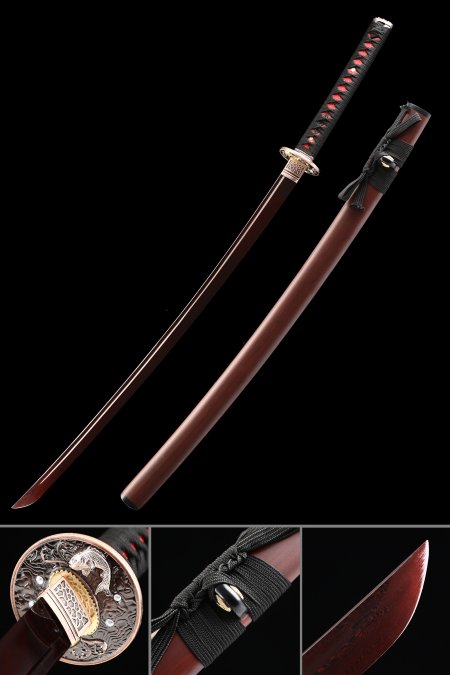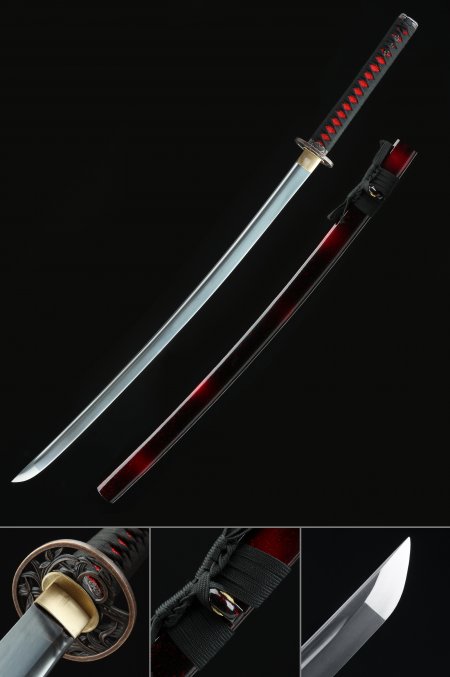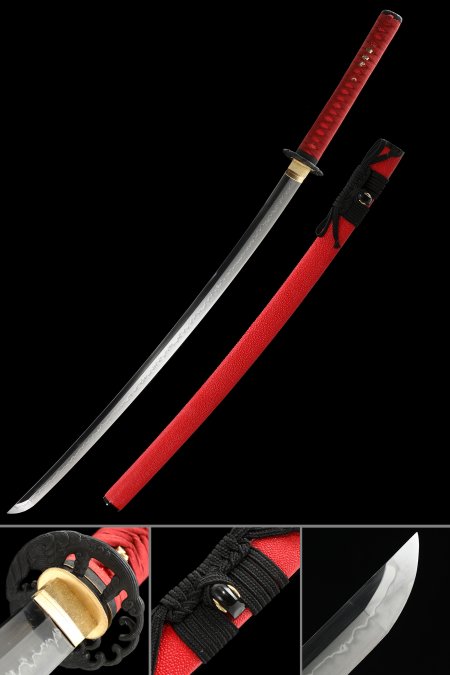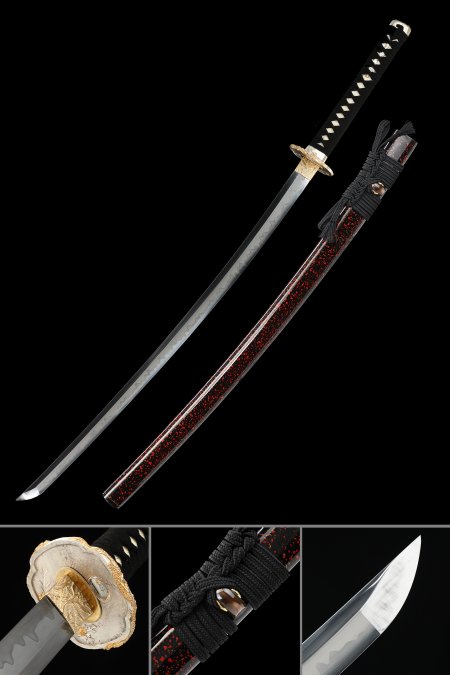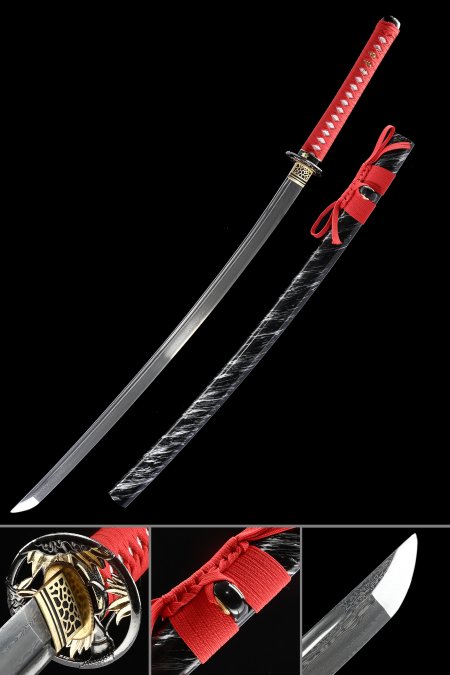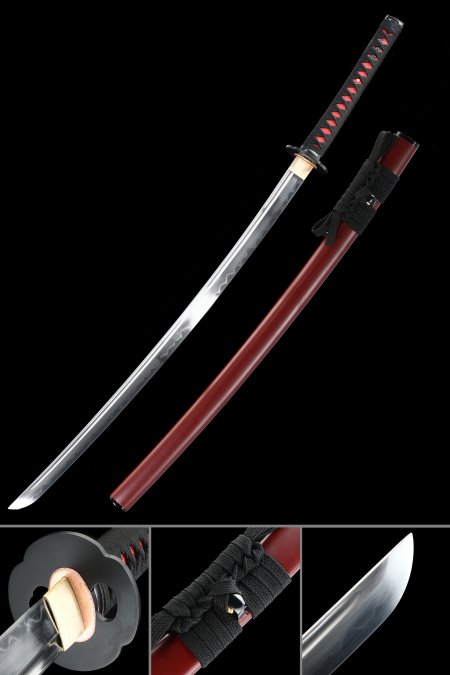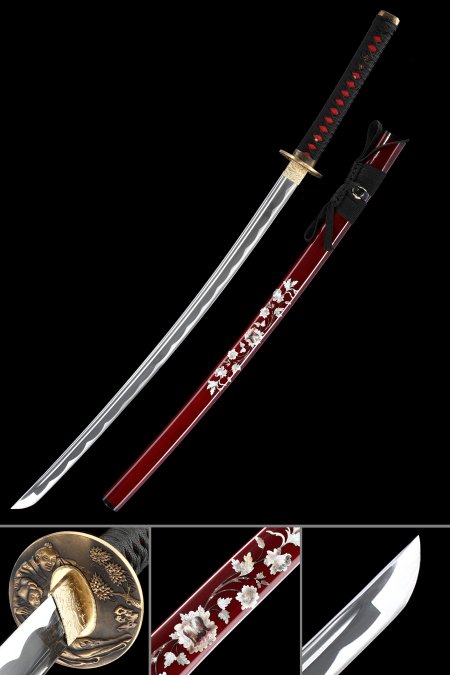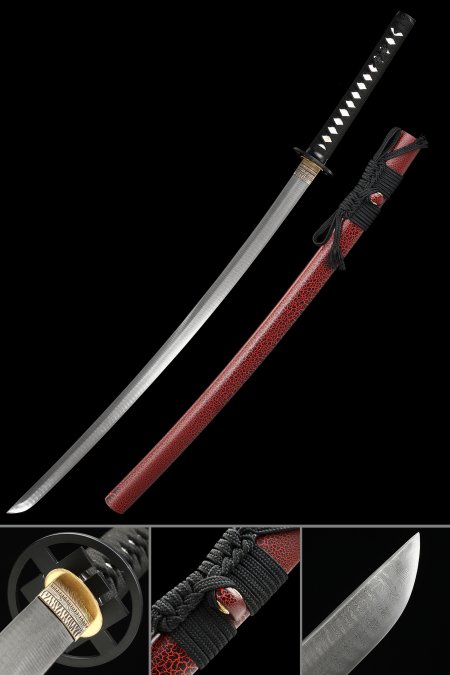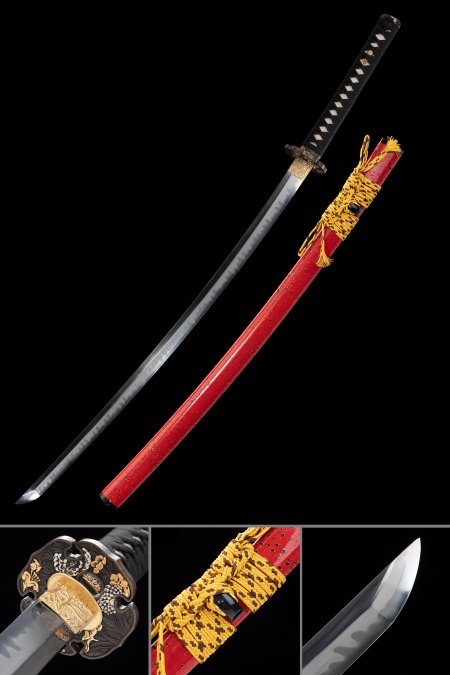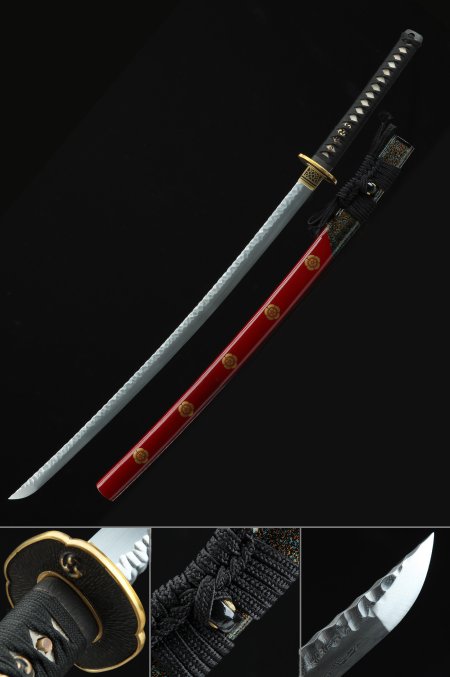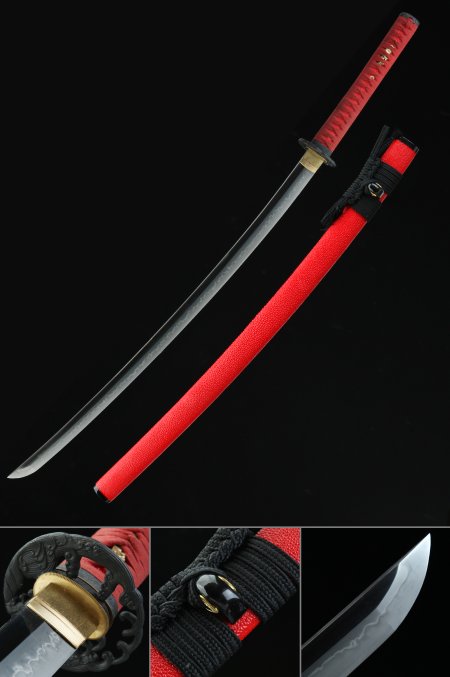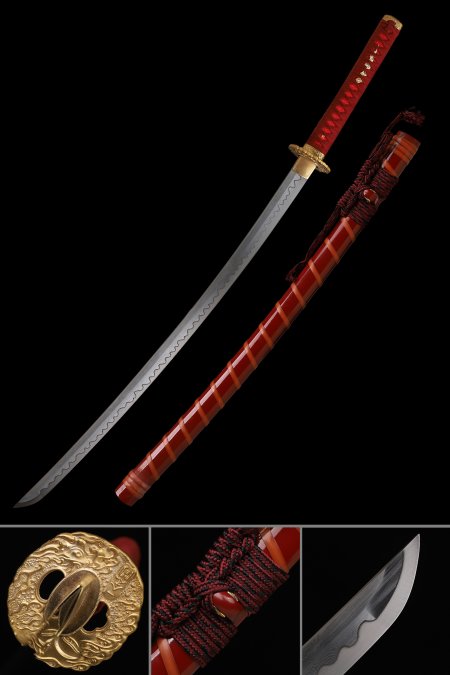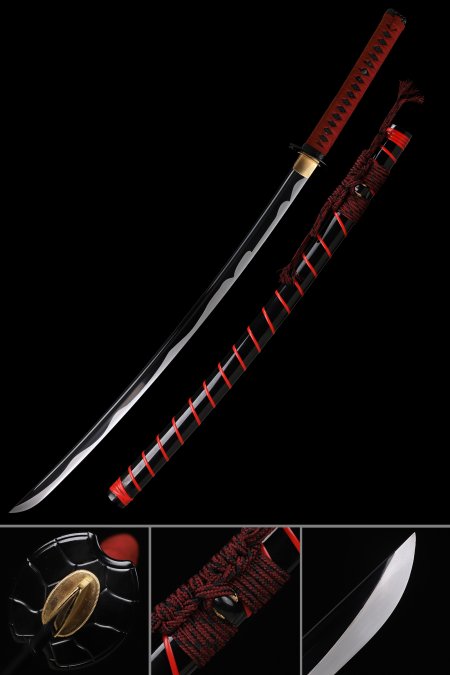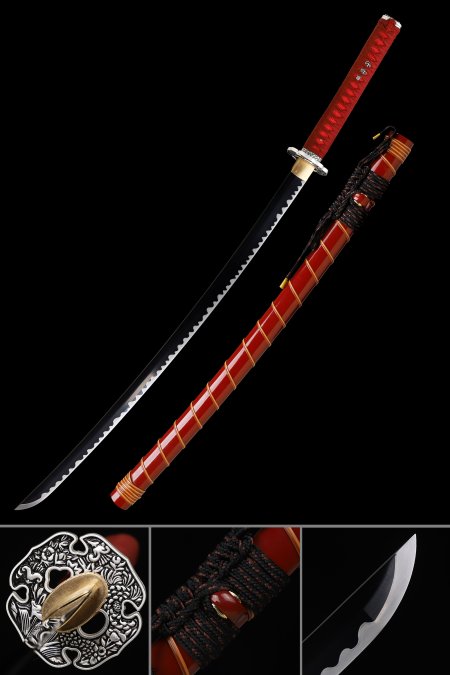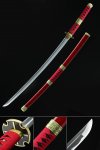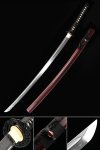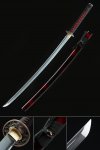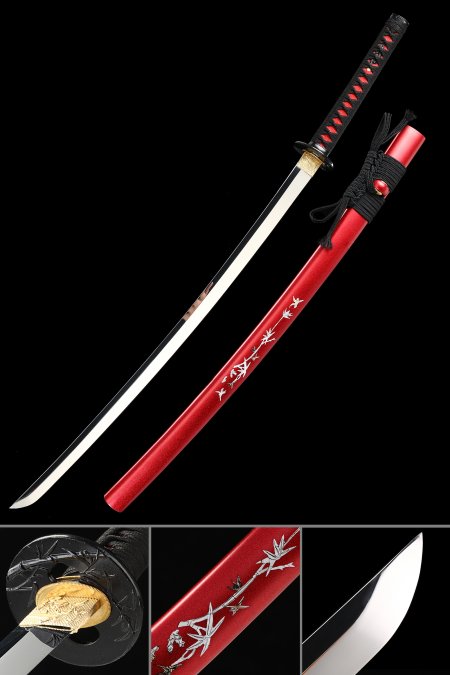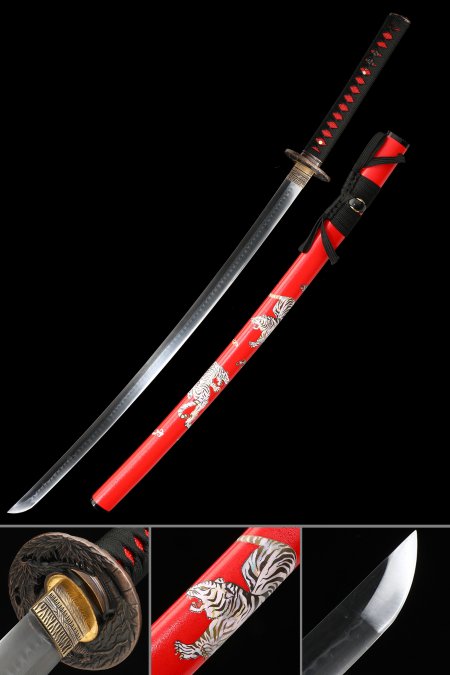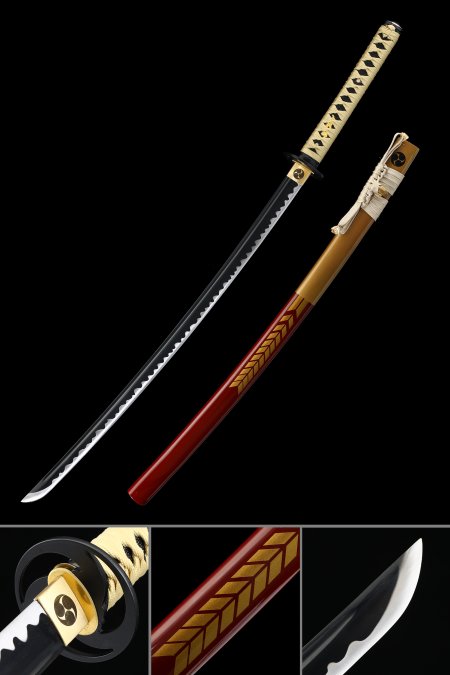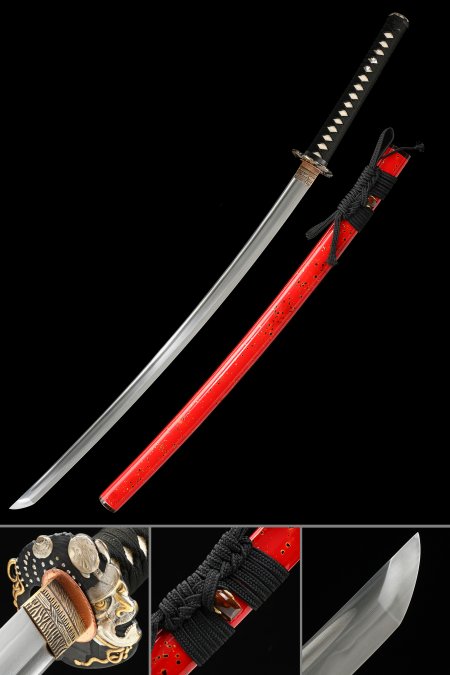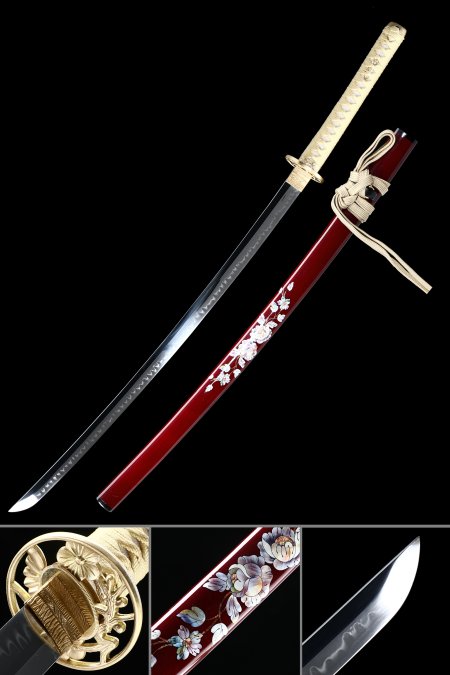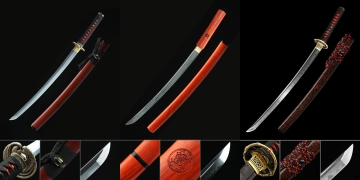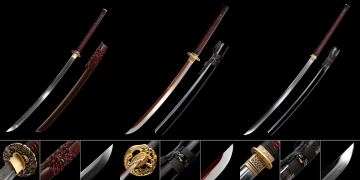
Crimson Red Katana

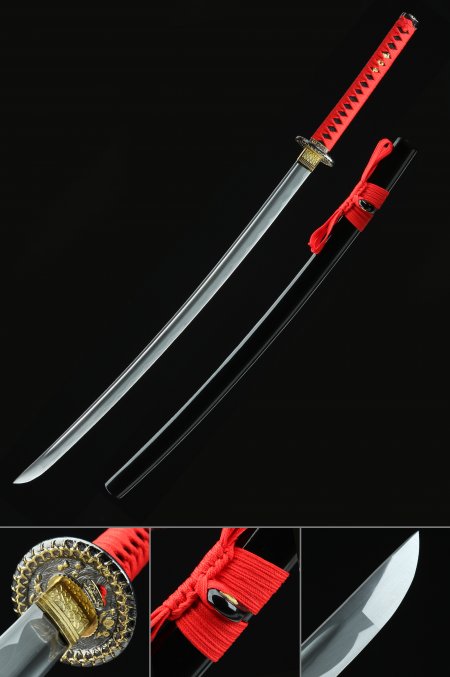
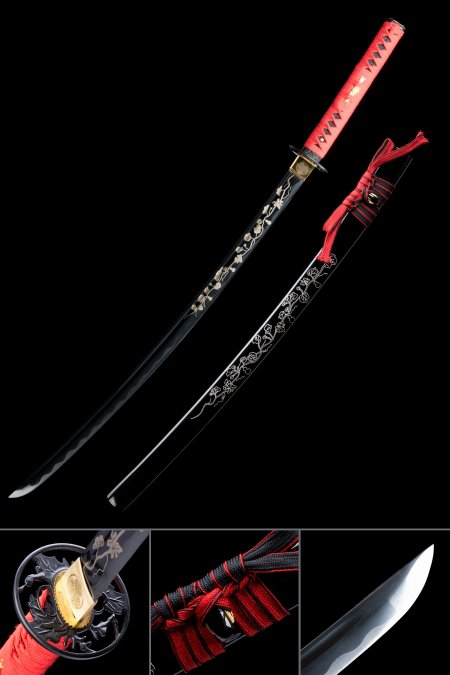
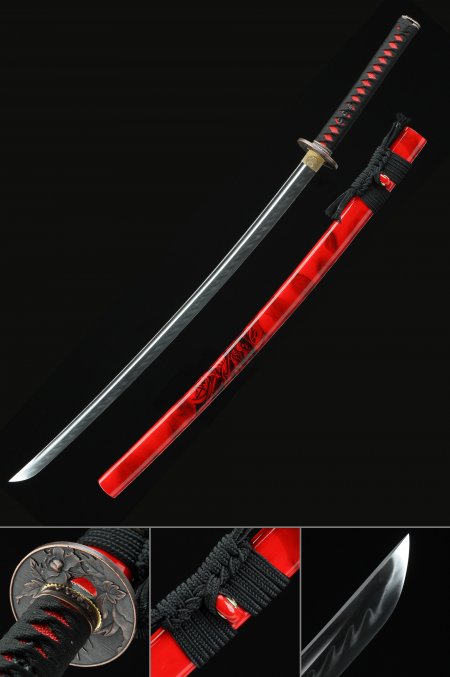
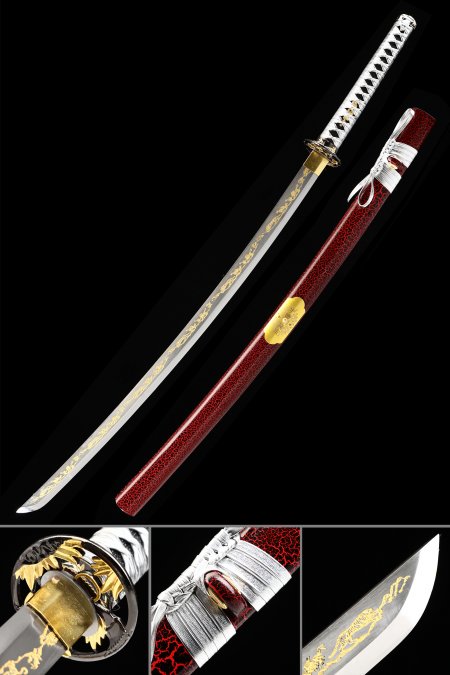
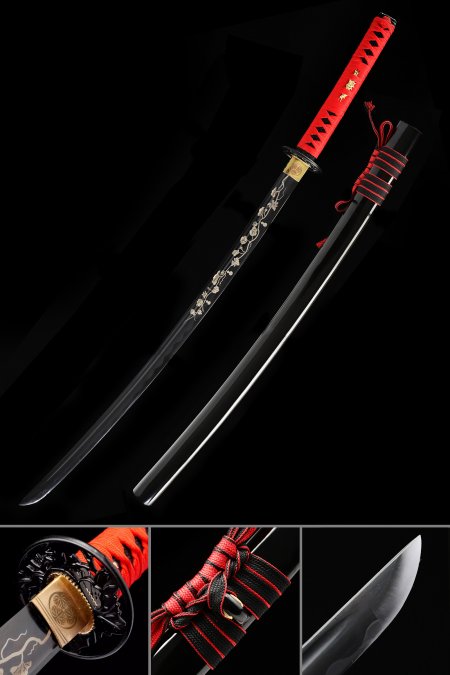
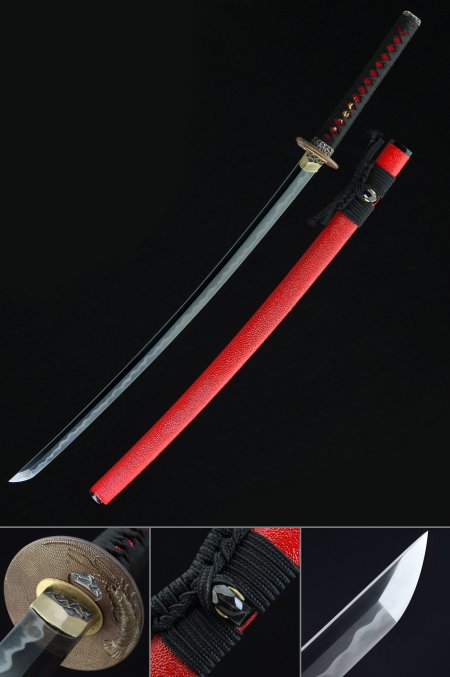
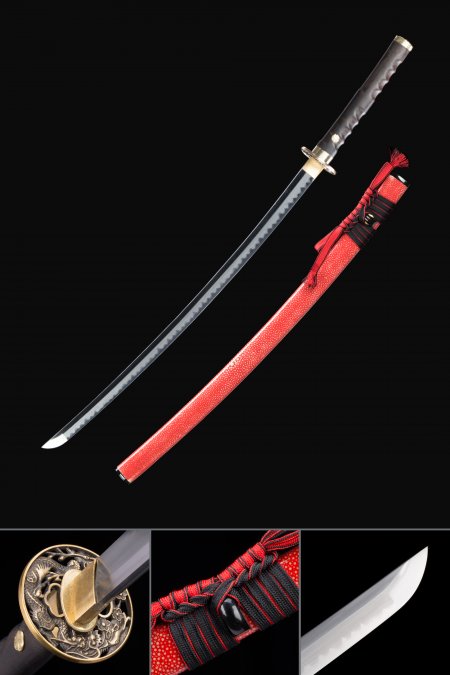
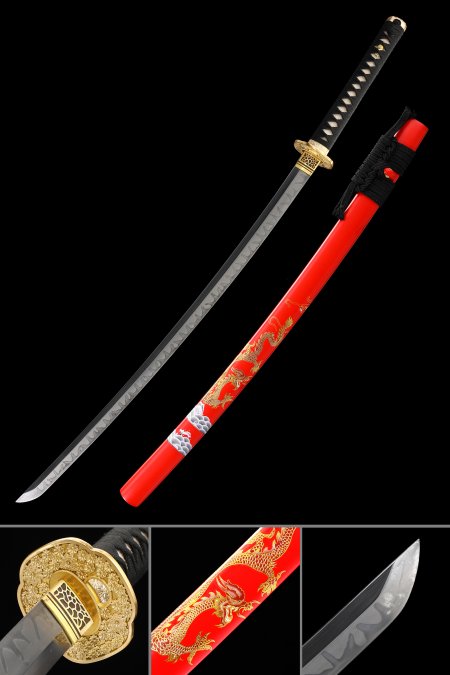
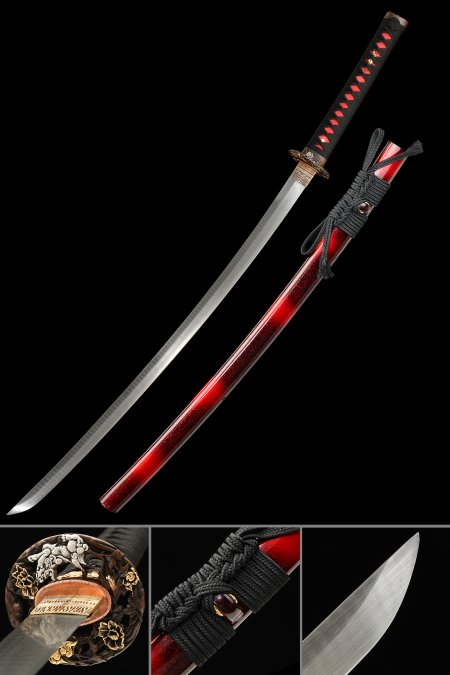
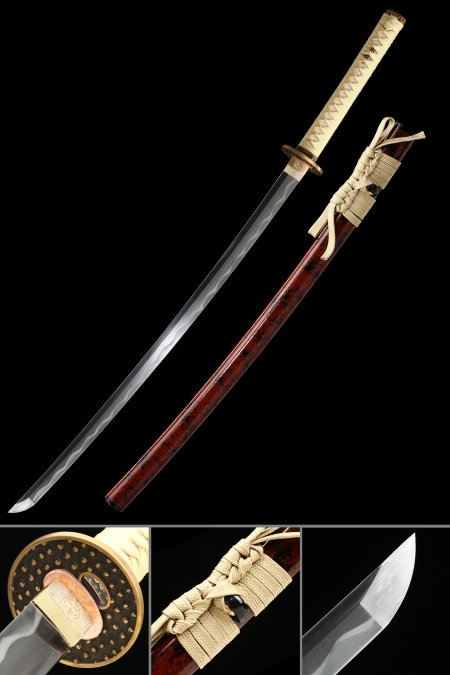
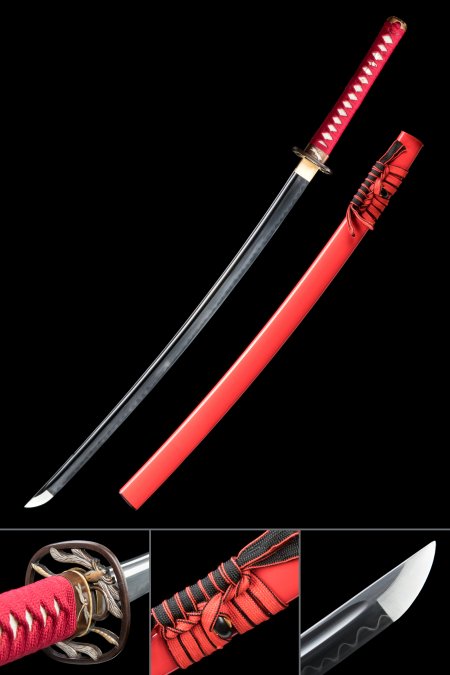
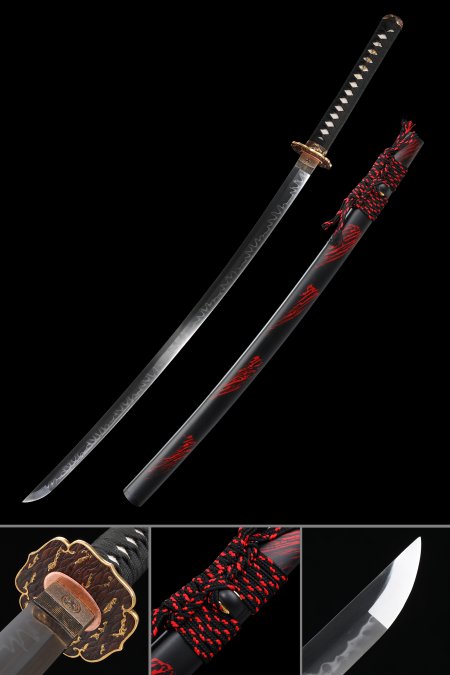
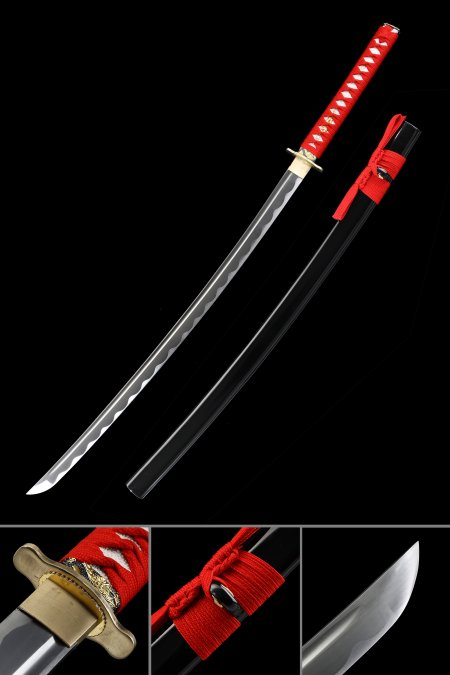
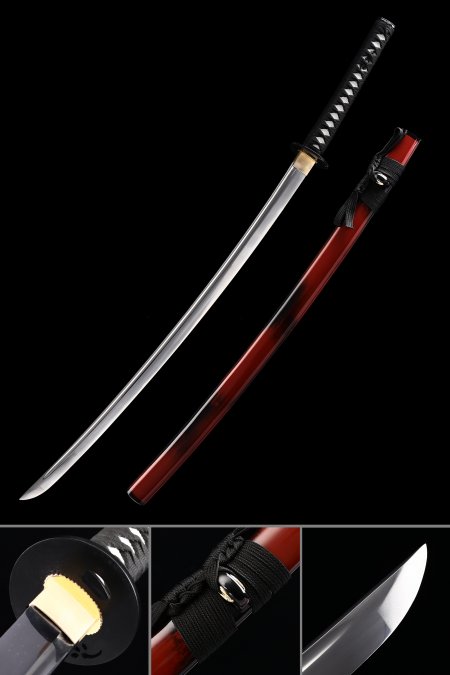
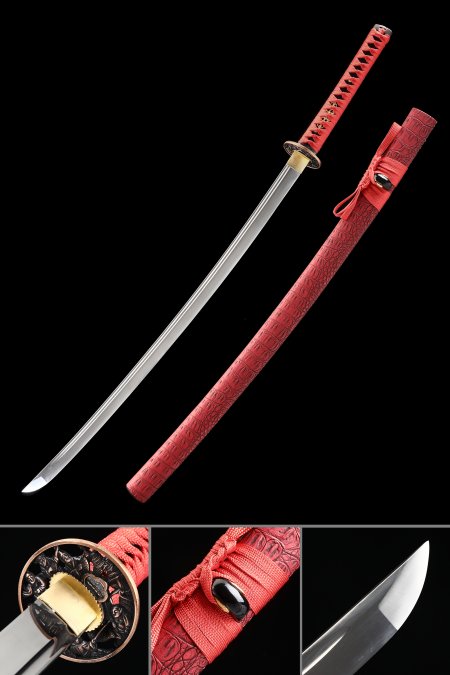
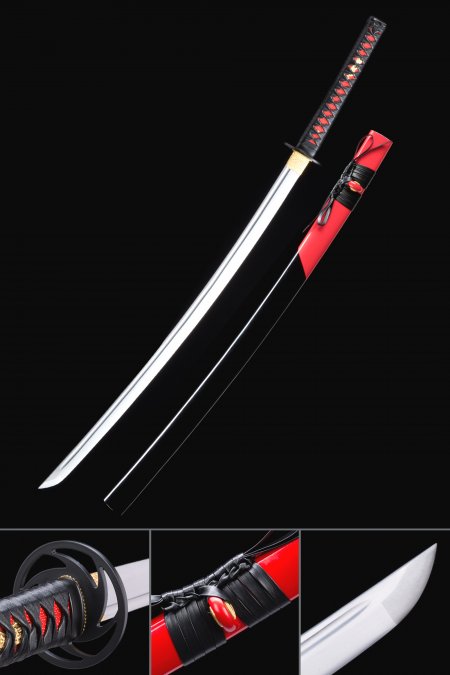
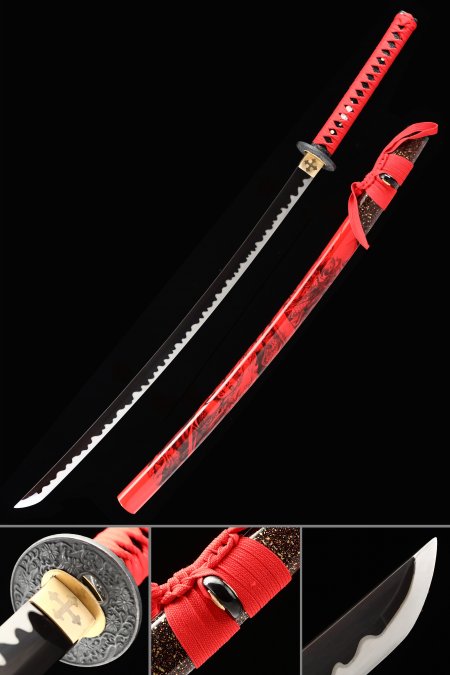
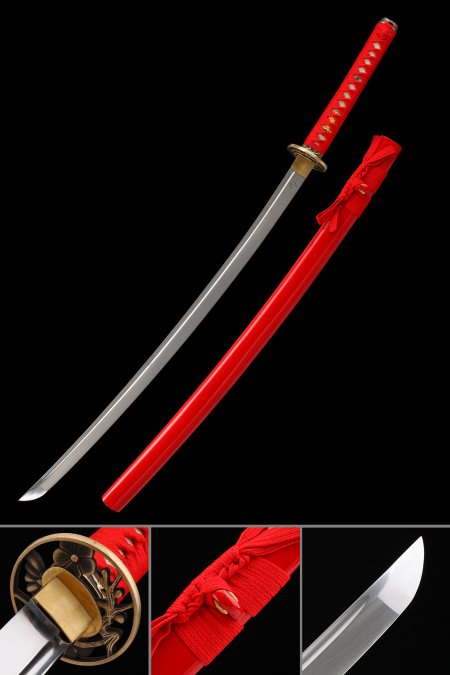
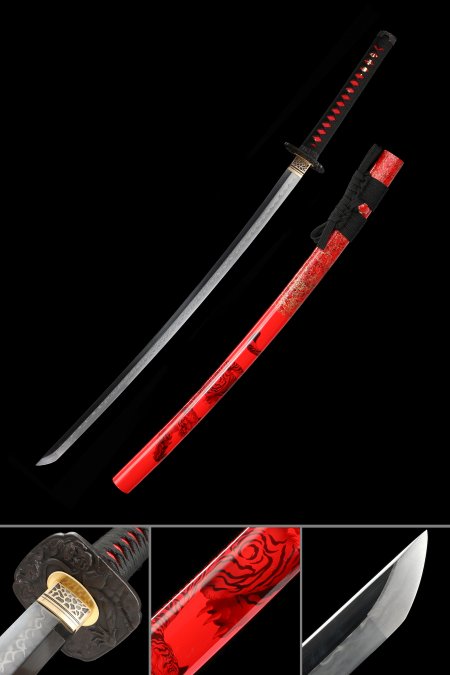
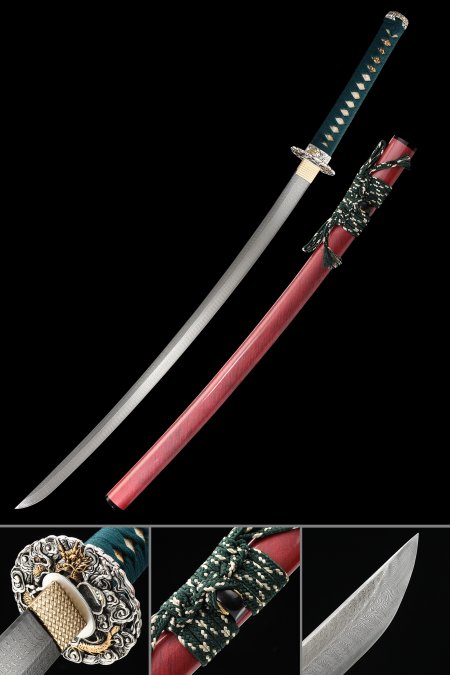
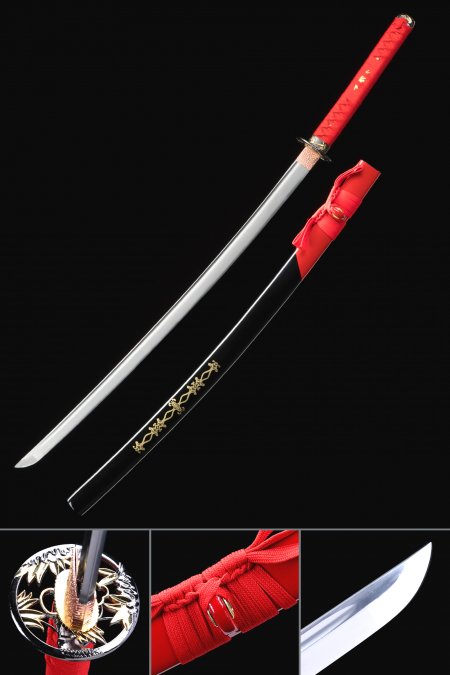
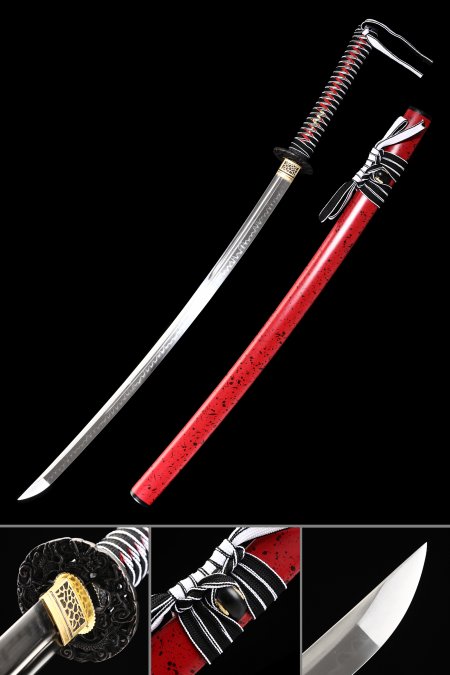
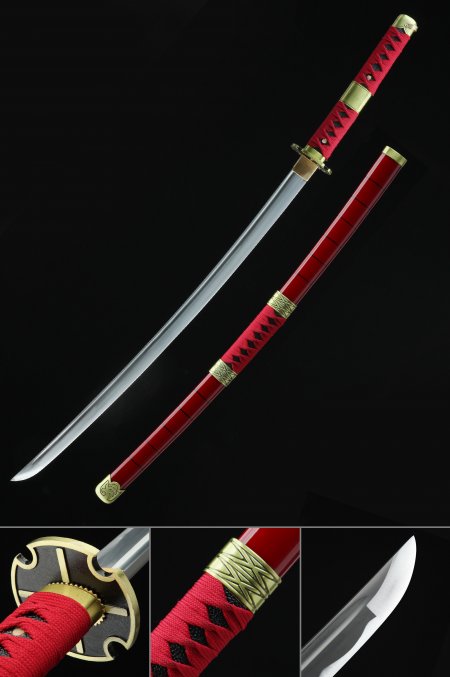
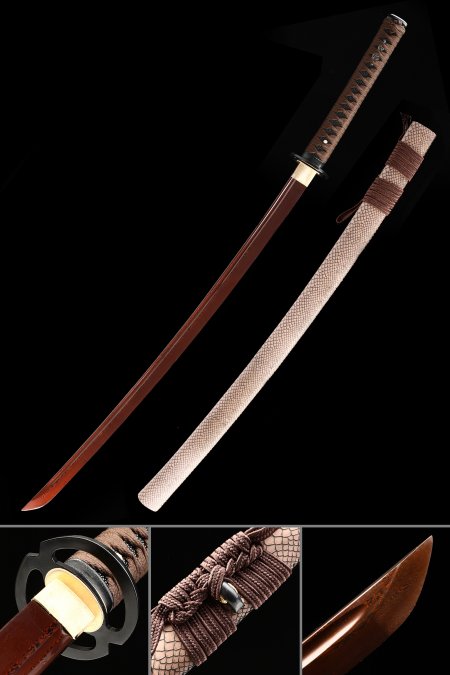
The Crimson Red Katana collection brings together hand-forged blades in 1045 carbon steel, T10, Damascus, and 1060 manganese steel - each finished with richly lacquered hardwood saya and intricately wrapped tsuka in deep crimson tones. From real hamon clay-tempered edges to ornate dragon and koi fish tsuba, every piece is crafted as a display-grade collectible that honors the aesthetic heritage of Japanese sword-making. Enjoy free shipping on your order, backed by our hassle-free return policy.
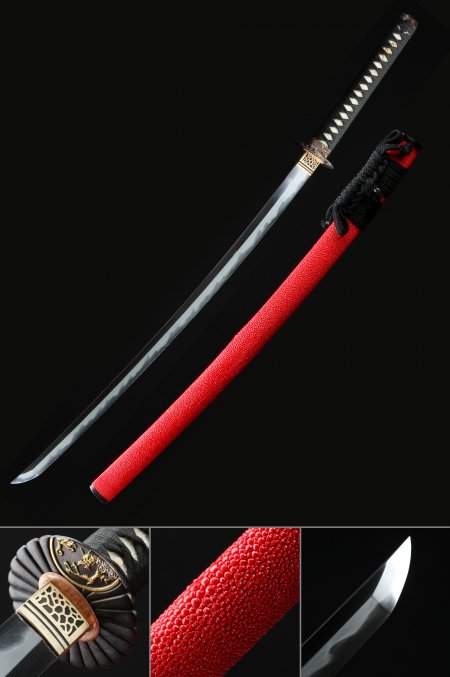
Showing 112 Products

Related Collections

Red Ninjato7 items


29 Reviews

Red Tanto16 items


23 Reviews

Red Wakizashi7 items


64 Reviews

Red Naginata1 items


Reviews

Frequently Asked Questions

What steel types are used in crimson red katana?
This collection features four distinct steel types, each suited to different collecting priorities. 1045 high-carbon steel is the most accessible, offering consistent geometry and a clean finish. 1060 manganese steel provides a denser grain structure and slightly higher hardness. T10 tool steel - enhanced with fine tungsten carbide distribution - is the collector's choice when a vivid, authentic hamon line matters most, especially when combined with clay tempering. Damascus folded steel is selected purely for its surface character: acid etching reveals layered patterns that vary from blade to blade, giving each piece an unrepeatable visual identity. For display purposes, all four options deliver strong long-term durability when stored and maintained properly.
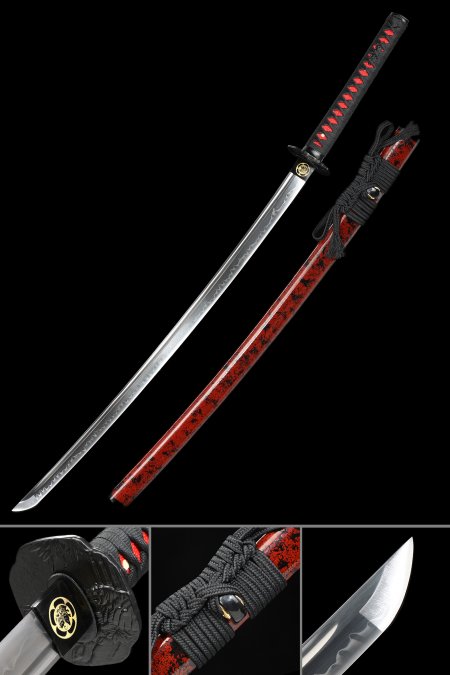
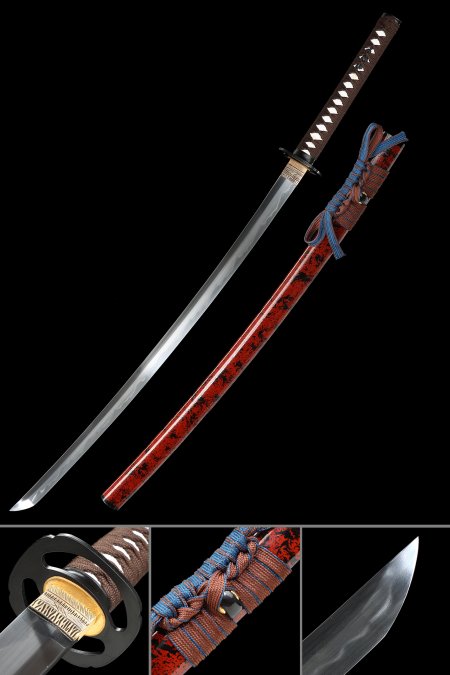
What makes a katana hamon "real" vs decorative?
A real hamon is produced through clay tempering - a process where the spine of the blade is coated with clay before quenching, causing the edge to cool faster and form a harder martensitic crystalline structure. The visible boundary between hardened edge and softer spine creates the activity-rich line collectors call hamon, which under light shows features like nie (coarse crystalline sparkle) and nioi (a misty transition zone). A decorative hamon, by contrast, is acid-etched or wire-brushed onto the surface after heat treatment as a cosmetic effect. T10 tool steel katana in this collection are noted for carrying genuine hamon produced through clay tempering, making them particularly appealing to collectors who study metallurgical details as part of their appreciation.
How should I store a lacquered saya long-term?
Piano lacquer and crackle lacquer saya are susceptible to humidity fluctuations, UV exposure, and physical contact with abrasive surfaces. For long-term display, keep the saya away from direct sunlight, which can fade and crack lacquer finishes over time. Maintain ambient humidity between 45-55% - too dry and lacquer may crack; too humid and the hardwood substrate can swell, affecting the blade's fit. When not displayed, wrap the saya in a soft cloth (never synthetic materials that trap moisture) and store horizontally or on a padded rack. Avoid stacking pieces. Light dusting with a dry microfiber cloth is sufficient for routine care; do not apply oils or wax to lacquered surfaces.
How does a crimson red katana work as a display set?
A single crimson katana makes a strong wall or stand display on its own, but the visual impact increases significantly when paired with shorter blades in matching fittings. A katana displayed alongside a red tanto or red wakizashi - sharing consistent lacquer tone, cord color, and tsuba style - creates what collectors call a daisho-style grouping. While a true daisho is technically a katana-wakizashi pairing, many modern display collectors extend this concept to three-piece sets. When selecting pieces for a unified display, prioritize consistent saya finish (for example, all piano lacquer or all crackle), matching ito color, and complementary tsuba motifs. The ornate dragon and koi fish tsuba featured in this collection carry enough visual weight to anchor a multi-piece arrangement without competing.
Is Damascus steel katana harder than T10 for display durability?
For display purposes, the distinction matters less than collectors sometimes assume - but it's worth understanding. Damascus folded steel katana in this collection are prized for surface aesthetics: the layered pattern revealed by acid etching is their defining quality, and that pattern does not affect structural stability for a display piece. T10 tool steel, however, achieves higher and more consistent edge hardness through its tungsten carbide content, making it the superior choice if metallurgical quality and hamon authenticity are your primary criteria. Neither is "harder" in a way that impacts display longevity under normal conditions. What does impact longevity is proper storage - light oiling of the blade with choji or mineral oil every few months prevents oxidation on both steel types.

Customer Reviews

Mv Elias Kansas, United States

TrueKatana has adequate blades, primarily T10... best bang for your buck; especially for tameshigiri.r
r
When you order your sword, pray that nothing ever goes wrong because the company has ZERO customer service.r
r
I've ordered 11 swords from this company. Despite that, they NEVER tried to make amends for selling me a shinobi sword once that was fucked up beyond repair. When I lodged my reasonable complaint, they acted like I was full of shit.r
r
Any decent company would spare NO expense in satisfiying a good customer. Not TrueKatana... they know their customer base needs what they have so they punish you for it.

T10 Folded Clay Tempered Katana with Real Hamon in Dark Red Crackle-Finish Saya - Black Ito Full Tang Sword T10 Folded Clay Tempered Katana with Real Hamon in Dark Red Crackle-Finish Saya - Black Ito Full Tang Sword
Július Bakša Zilinsky, Slovakia

Mnou zakúpená katana je spracovaná na veľmi dobrej úrovni. Čepeľ vykazuje malé nedostatky v súmernosti, chrbát čepele nemá obidve polovice rovnako široké po celej dlžke a taktiež plochy medzi rebrami a hranami chrbta na oboch bokoch čepele nie sú rovnako široké po celých dlžkach. Nakoľko saya s habaki sú zlícované dosť na tesno, katana sa vyťahuje zo saye dosť ťažko (ale toto sa dá doladiť, nie je to večší problém. Zakončenie rukoväti (Kashira) nebolo nasadené kolmo na os čepele, čo som musel upraviť. Mekugi neboli namontované do rukoväte (Tsuky) moc esteticky.
Tamahagane Steel Clay Tempered Katana with Real Hamon in Red Rayskin Saya and Black Cord Tsuka Tamahagane Steel Clay Tempered Katana with Real Hamon in Red Rayskin Saya and Black Cord Tsuka
Cart 0 Items

Your cart is empty