What makes 1095 carbon steel a good choice for a display katana?
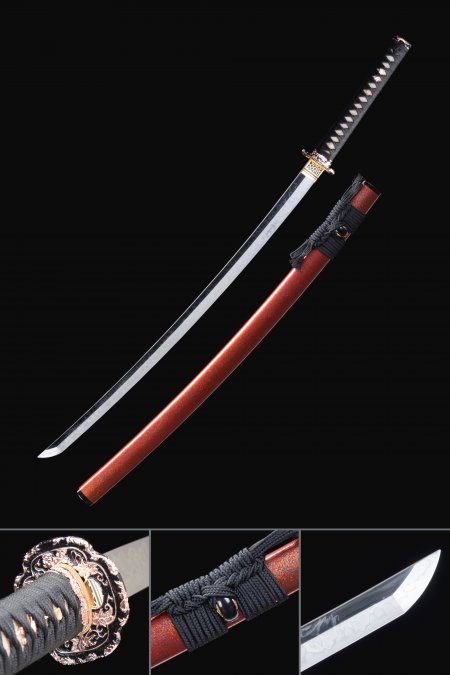
1095 carbon steel contains roughly 0.95% carbon, which places it in a sweet spot for hand-forged Japanese-style blades. When differentially hardened through clay tempering, the steel develops a genuine hamon — the visible temper line along the edge — that is a defining mark of authenticity for collectors. Unlike stainless steel, which rarely shows a true hamon, 1095 responds beautifully to the hardening process, producing the subtle activity along the temper line that experienced collectors specifically look for. For display purposes, this means the blade itself becomes a visual artifact, with natural character that no two pieces replicate exactly.
How does 1095 carbon steel compare to T10 steel for collectors?
Both 1095 and T10 are high-carbon steels popular in hand-forged Japanese-style blades, but they differ in composition. T10 contains a small amount of silicon and traces of tungsten, which increases wear resistance and gives the steel a slightly finer grain after polishing. 1095, by contrast, is a simpler alloy that is highly responsive to differential hardening, often producing a more dramatic and clearly defined hamon. For collectors focused on blade activity and traditional aesthetics, 1095 is frequently preferred. T10 appeals to those who prioritize surface refinement and edge retention in their display pieces. Neither is strictly superior — the choice reflects what aspect of craftsmanship matters most to the individual collector.
What does the dark red lacquer saya signify on these katana?
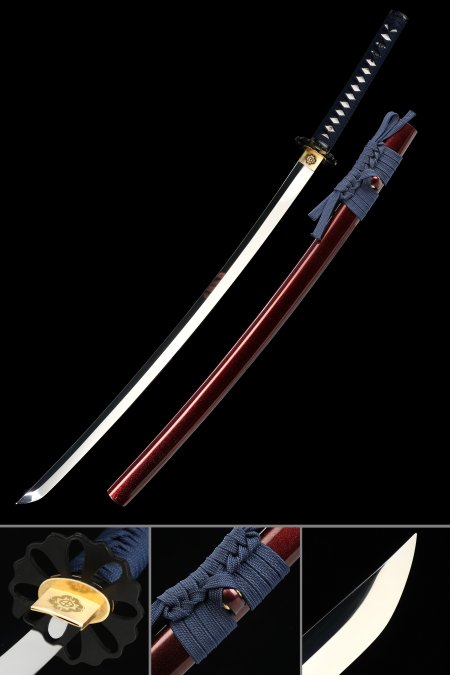
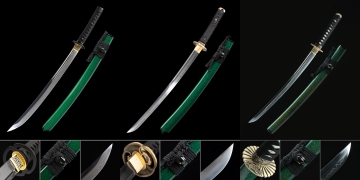
The lacquered saya (scabbard) is an integral part of Japanese sword tradition, not simply decorative packaging. Historically, lacquer was applied to wood scabbards to seal and protect the interior from humidity — a practical necessity given Japan's climate. The dark red finish seen on these katana draws on a long tradition of colored lacquerware in Japanese craftsmanship, where deep reds and blacks held particular cultural and aesthetic significance. In a modern collection context, the crimson lacquer creates a striking visual contrast with polished fittings and cord-wrapped handles, giving the overall piece a cohesive, gallery-quality presentation that stands out on any display rack or sword stand.
How should I store and maintain a 1095 carbon steel katana?
1095 carbon steel is reactive to moisture and will develop surface oxidation if neglected. For long-term display storage, apply a thin, even coat of choji oil (traditional camellia oil) or a museum-grade mineral oil to the blade every one to three months depending on your climate's humidity level. Always handle the blade with clean cotton gloves — fingerprints deposit acidic oils that accelerate spotting. Store the katana horizontally on a dedicated sword stand, edge facing upward in the traditional orientation, and avoid placing it in areas with significant temperature fluctuations or direct sunlight. The dark red lacquer saya should be inspected periodically for chips or cracks that could allow moisture to contact the blade inside.
Is a chrysanthemum tsuba historically accurate for Japanese swords?
The chrysanthemum (kiku) motif carries deep symbolic weight in Japanese culture, historically associated with the imperial family and themes of longevity and renewal. Tsuba — the hand guard positioned between blade and handle — were often decorated with nature motifs including kiku, and surviving historical examples featuring chrysanthemum designs are well documented in museum collections. For a collector, a chrysanthemum tsuba on a katana is therefore not merely decorative; it is a connection to a recognized aesthetic vocabulary that Japanese craftsmen have used for centuries. Paired with the dark red saya and blue cord handle found in this collection, it contributes to a visually deliberate piece with genuine historical reference points.