
Dragon Tsuba Katana
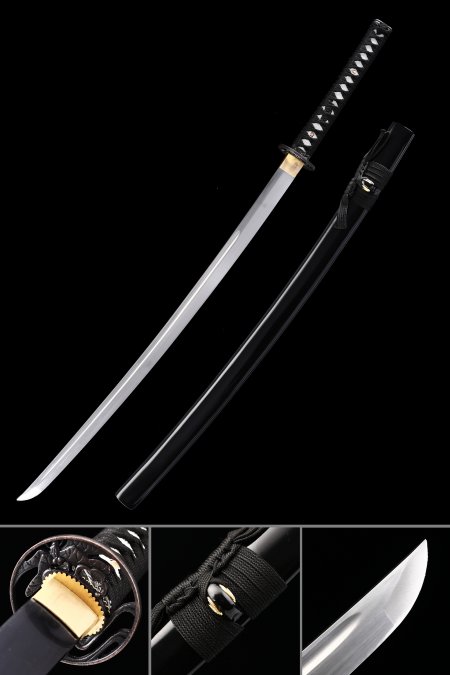
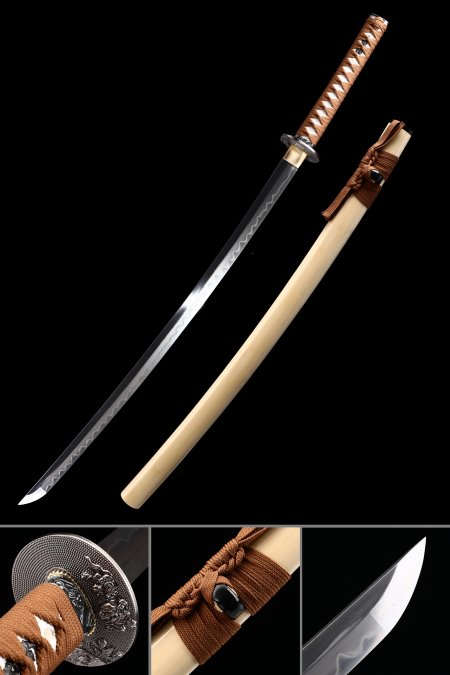
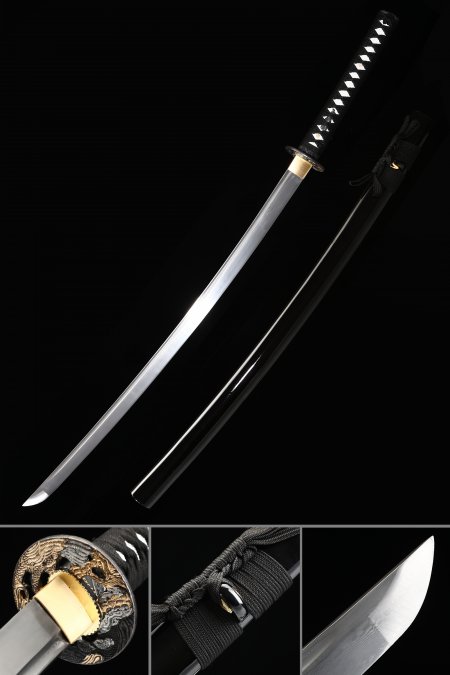
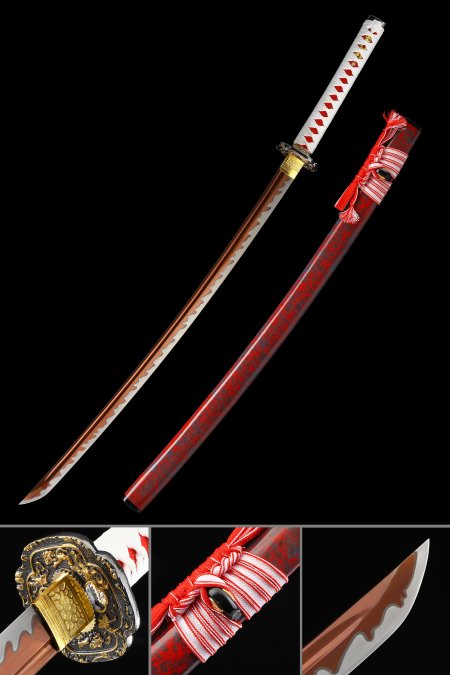
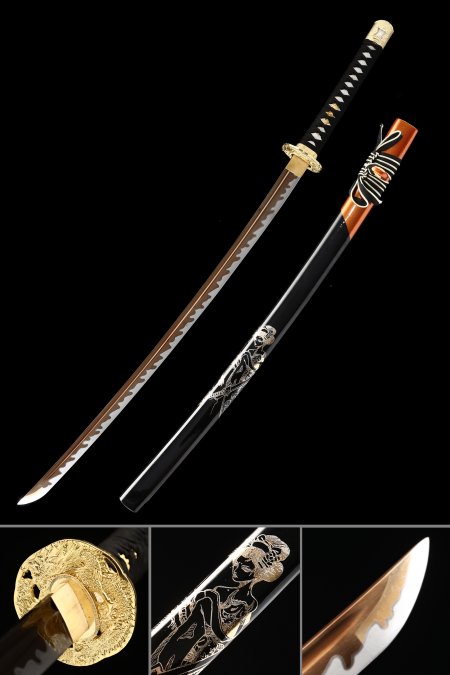
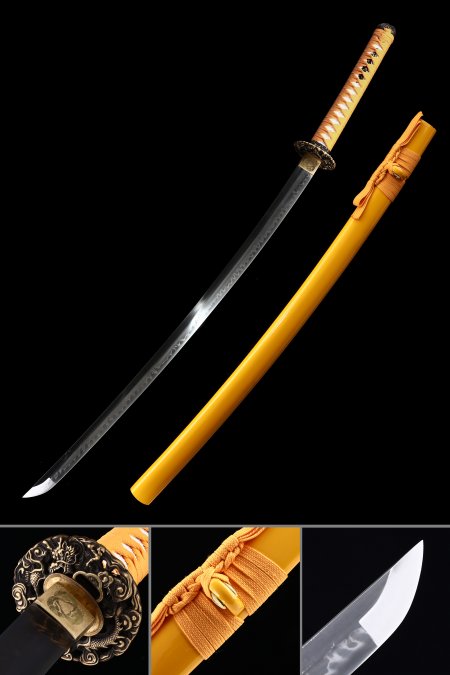
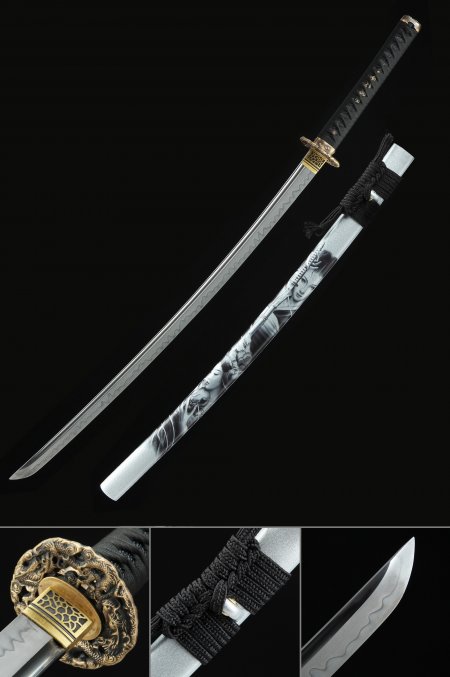
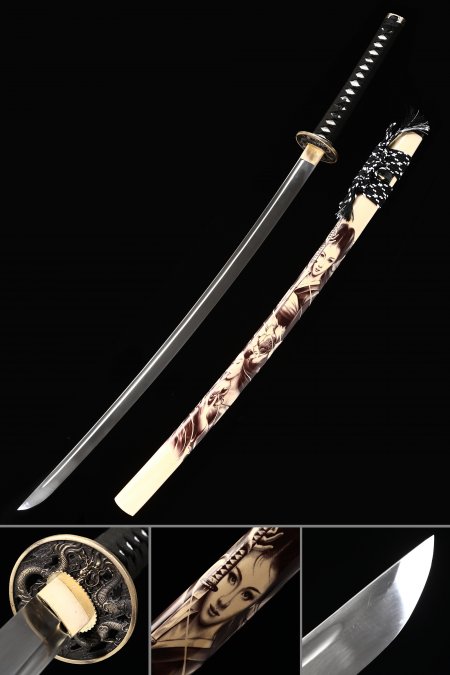
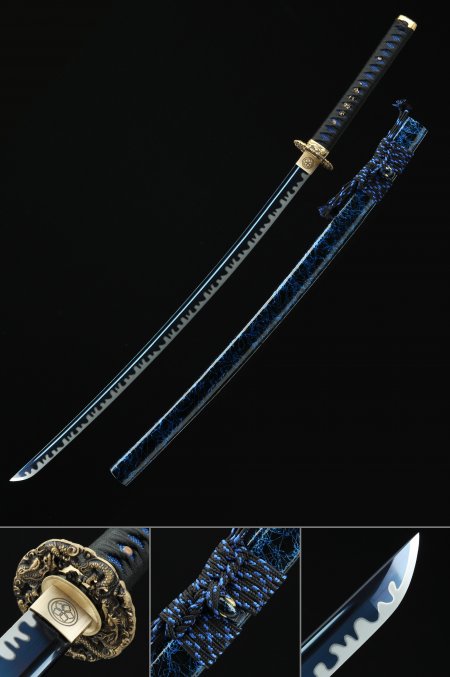
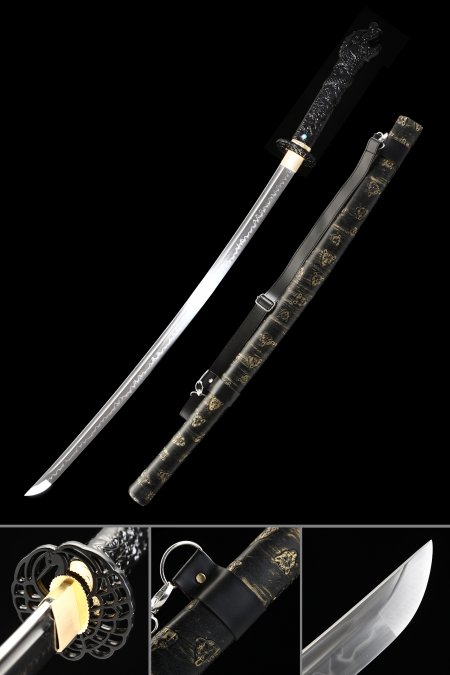
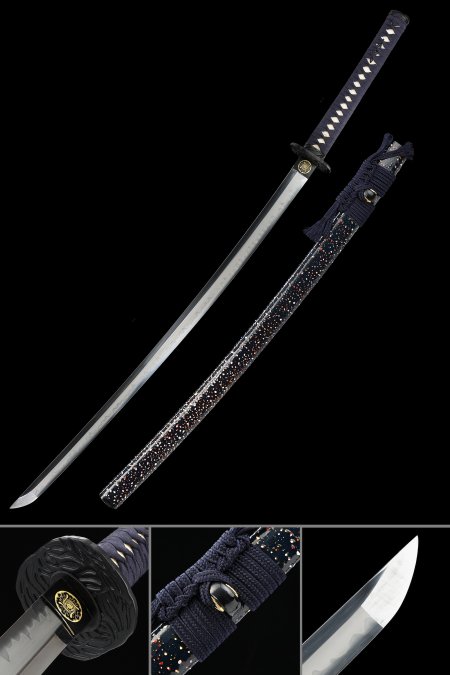
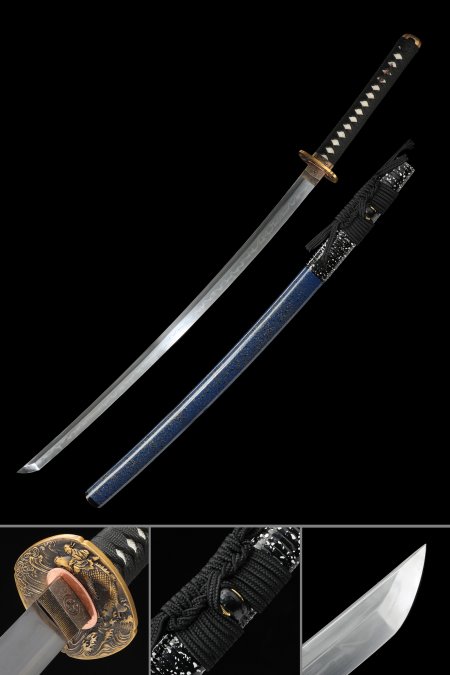
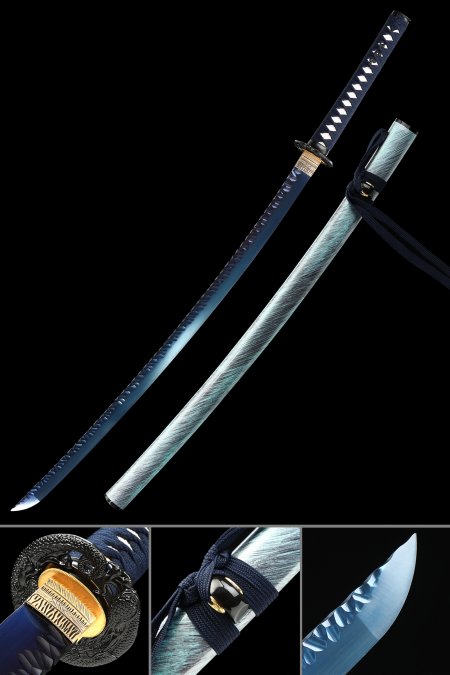
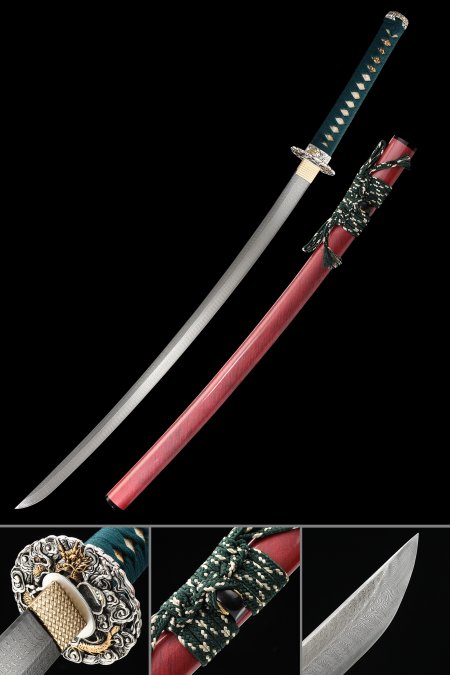
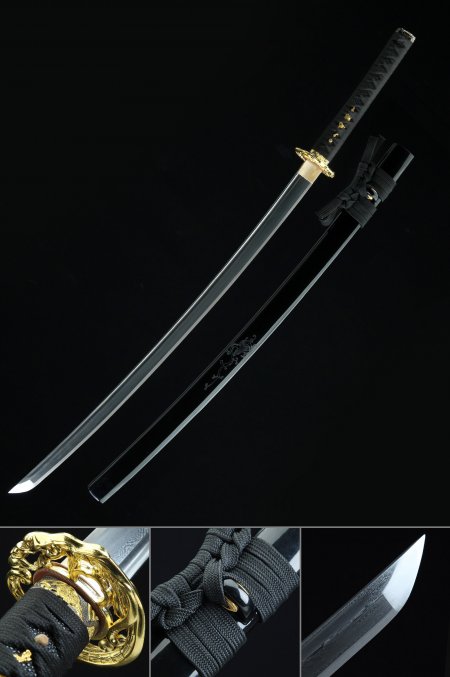
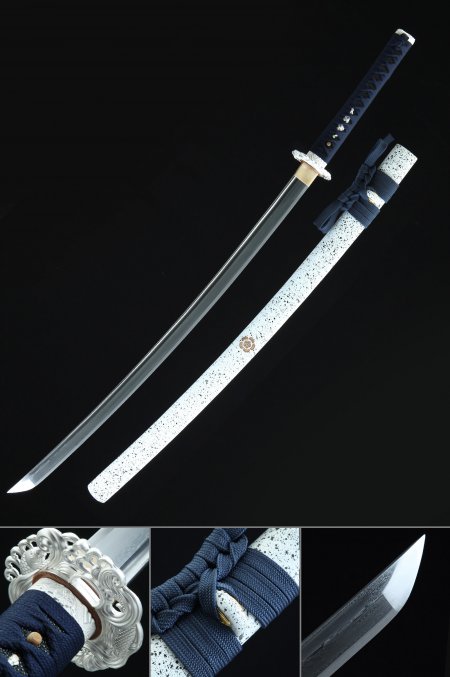
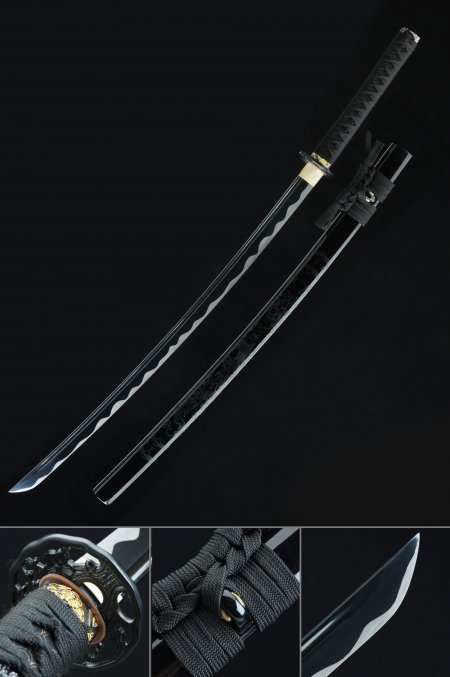
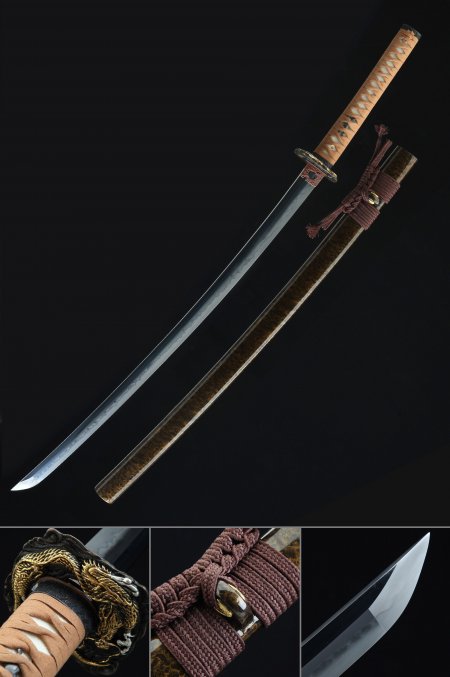
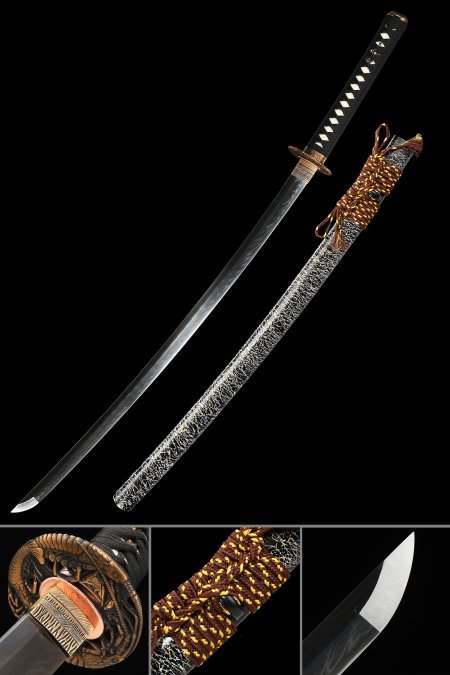
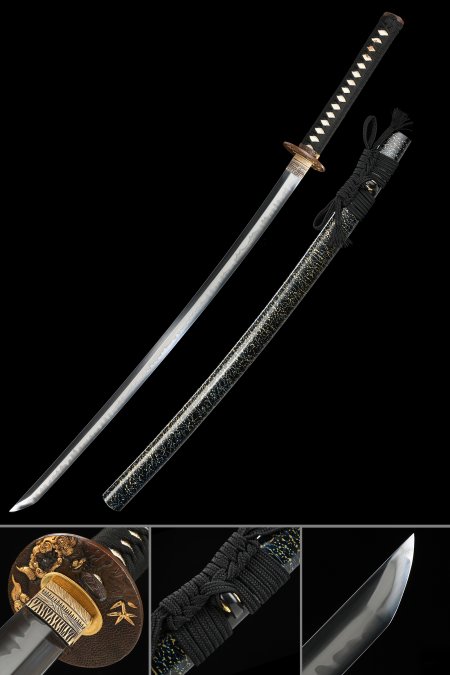
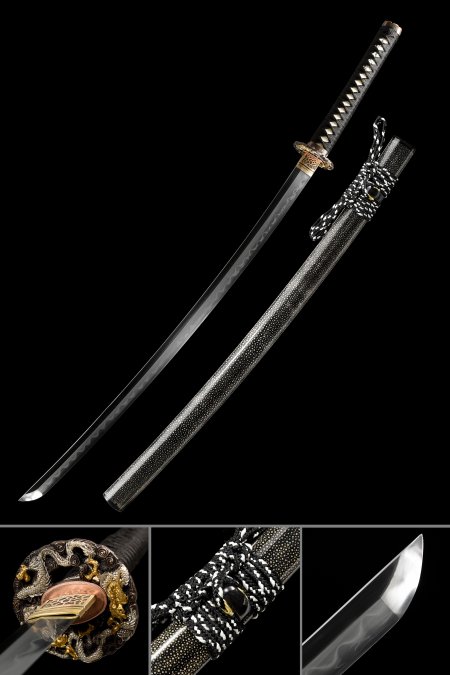
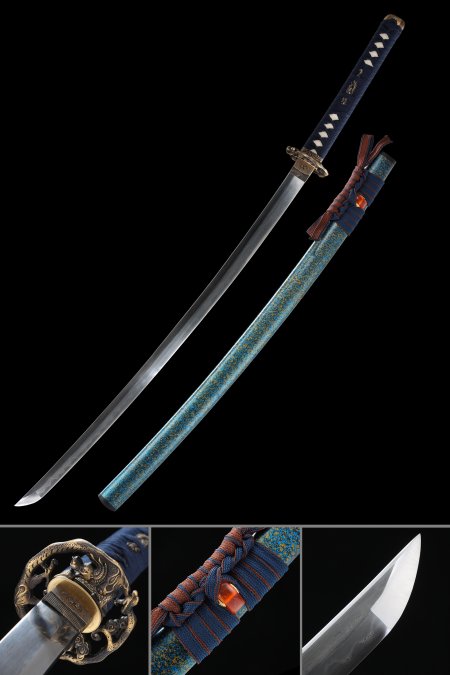
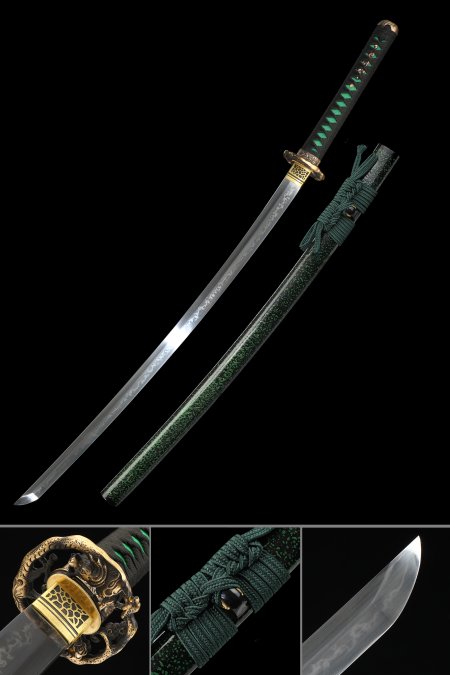
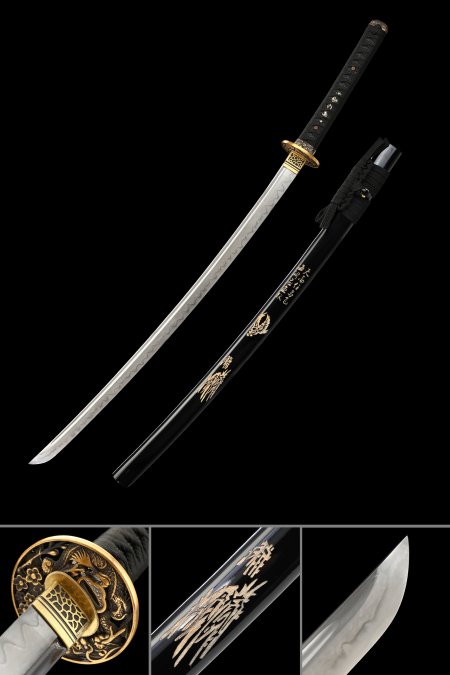
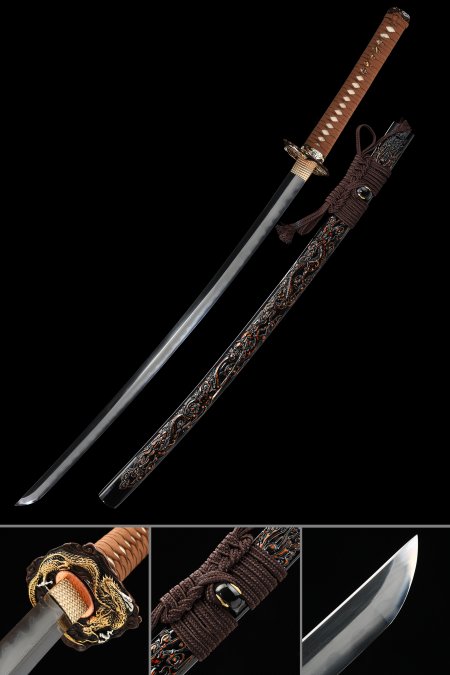
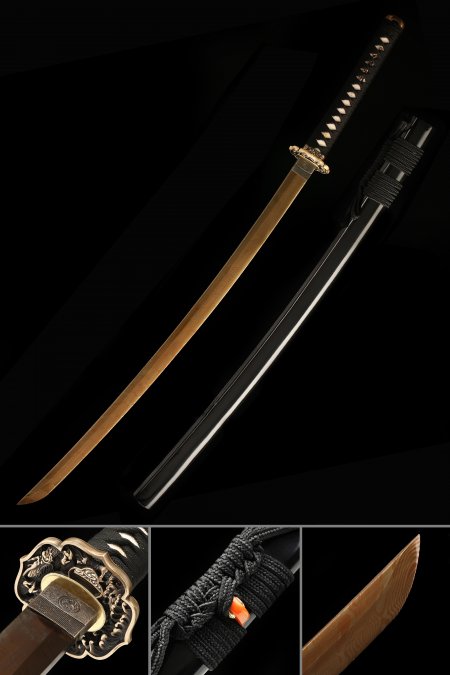
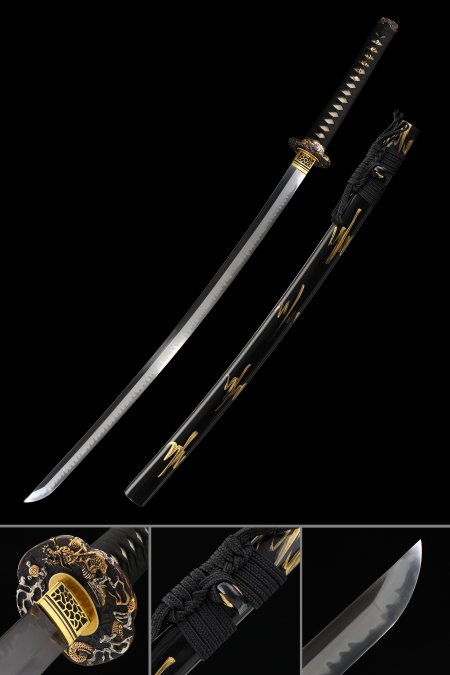
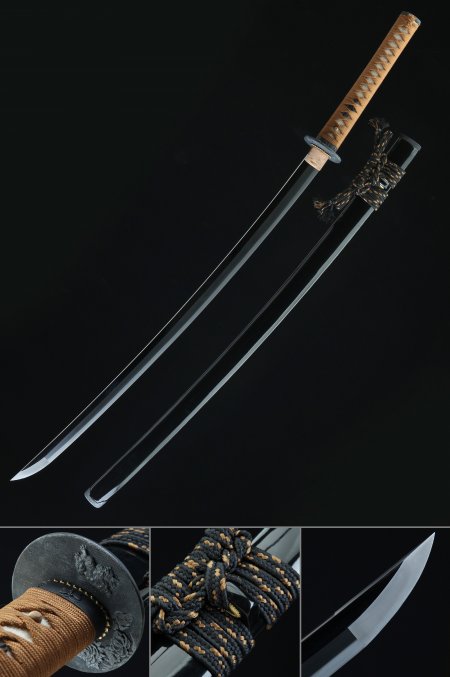
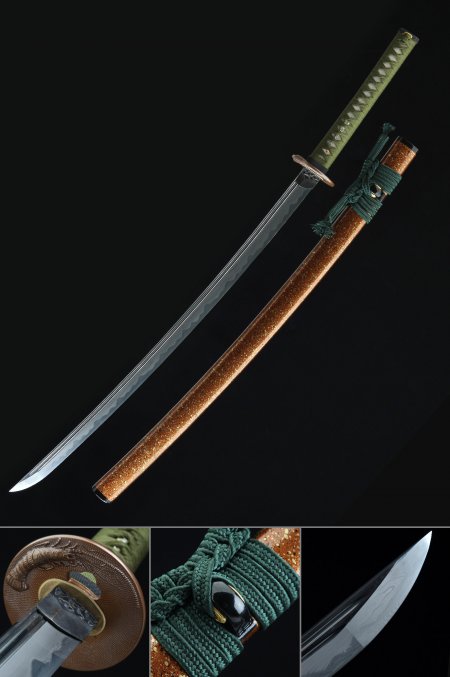
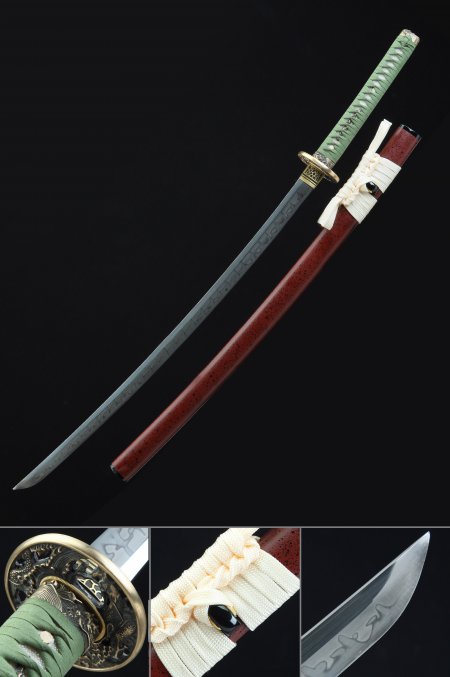
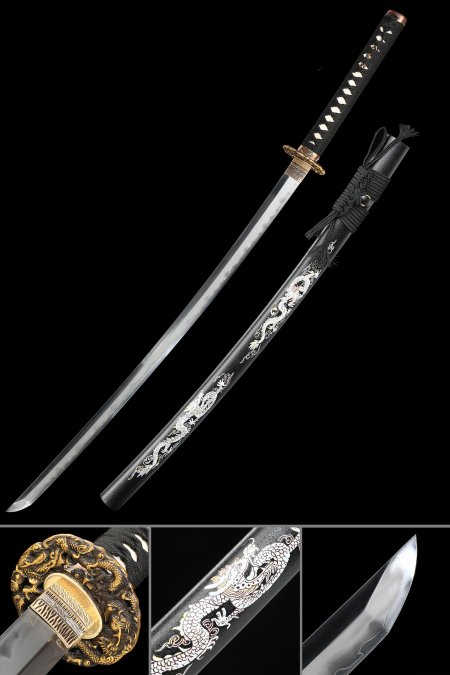
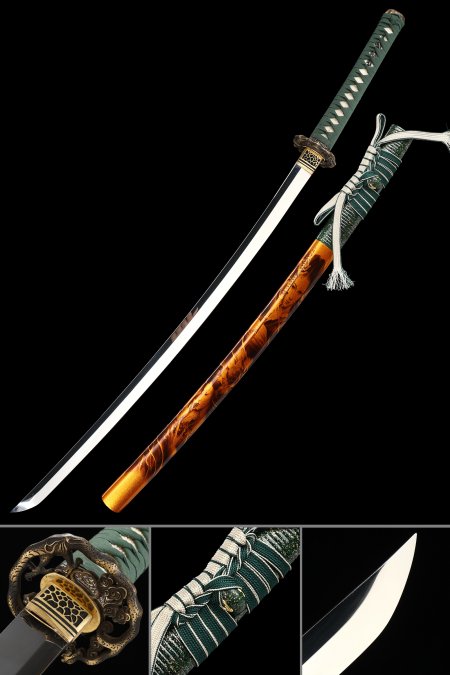
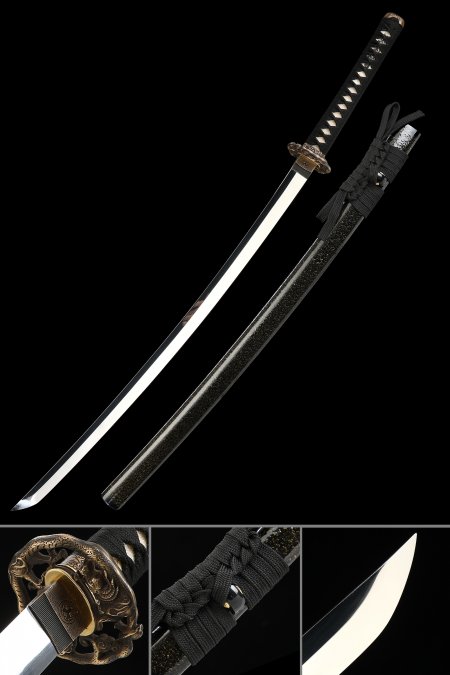
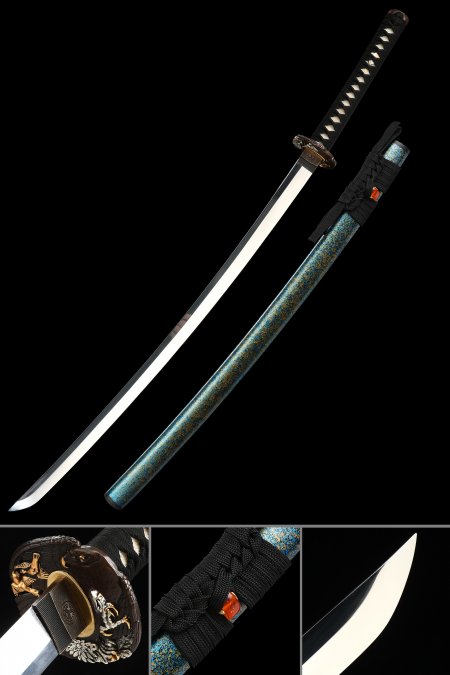
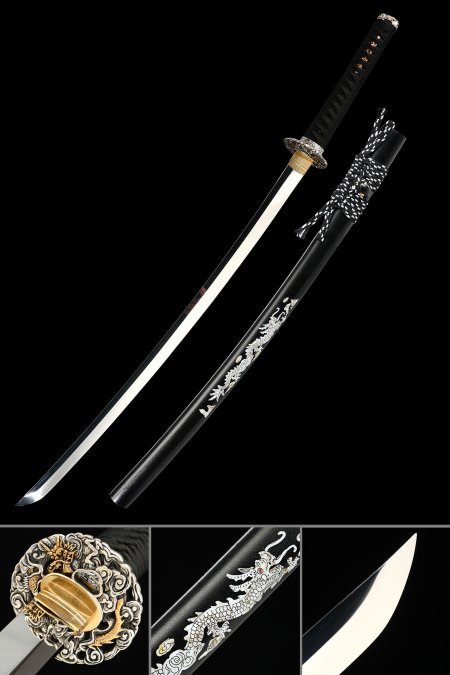
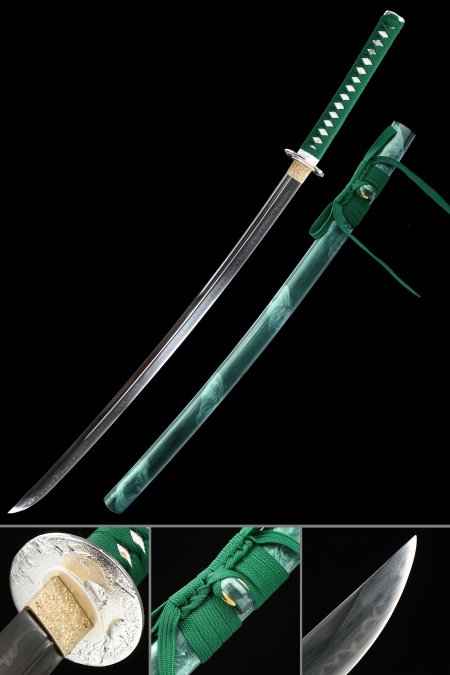
Dragon tsuba katana in this collection feature hand-forged blades in Damascus, 1045, and 1060 carbon steel paired with ornamental dragon motif hand guards that give each piece a distinct display character. Full-tang construction and individually fitted fittings are standard throughout, combining traditional craftsmanship with a tsuba design rooted in Japanese symbolic tradition. Free shipping and a 30-day return policy are included with every order.
Free Shipping
209.00 USD
Free Shipping
209.00 USD
Free Shipping
259.00 USD
Free Shipping
269.00 USD
Free Shipping
299.00 USD
Free Shipping
239.00 USD
Free Shipping
269.00 USD
Free Shipping
249.00 USD
Free Shipping
239.00 USD
Free Shipping
489.00 USD
Free Shipping
409.00 USD
Free Shipping
289.00 USD
Free Shipping
239.00 USD
Free Shipping
229.00 USD
Free Shipping
289.00 USD
Free Shipping
409.00 USD
Free Shipping
289.00 USD
Free Shipping
289.00 USD
Free Shipping
289.00 USD
Free Shipping
679.00 USD
Free Shipping
469.00 USD
Free Shipping
489.00 USD
Free Shipping
339.00 USD
Free Shipping
619.00 USD
Free Shipping
3,569.00 USD
Free Shipping
3,569.00 USD
Free Shipping
3,569.00 USD
Free Shipping
3,779.00 USD
Free Shipping
1,169.00 USD
ON SALE! 15% OFF
Was: 1,379.00 USD
Free Shipping
329.00 USD
Free Shipping
619.00 USD
Free Shipping
409.00 USD
Free Shipping
419.00 USD
Free Shipping
239.00 USD
Related Collections
Frequently Asked Questions
What is the symbolic meaning of the dragon motif on a katana tsuba?
In Japanese culture, the dragon carries associations of power, wisdom, and protection that made it a natural choice for sword fittings. Unlike the destructive Western dragon, the Japanese ryu is primarily a water deity and a symbol of imperial authority - a creature of great power that is aligned with order rather than chaos. Placing a dragon on a tsuba was not merely decorative: it invoked these associations and expressed something about the sword's identity and its owner's aspirations. Dragons appeared on high-status swords throughout the feudal period and remained a consistently popular motif for tsuba artisans across different schools and regional traditions. On the dragon tsuba katana in this collection, the motif connects the piece to this historical tradition while giving the sword a strong visual identity that is immediately recognizable. Whether mounted as a display centerpiece or examined in hand, the dragon tsuba adds a layer of meaning that a plain tsuba cannot provide.
How does the Damascus blade complement the dragon tsuba aesthetically?
The pairing of a Damascus blade and a dragon tsuba creates a display piece where both elements reward close examination. Damascus pattern-welded steel - made by folding and layering different steel alloys, then acid-etching to reveal the grain - has a flowing, organic surface pattern that varies along the length of the blade. This movement in the steel surface echoes the dynamic quality of a dragon motif, where the creature is typically shown in motion - coiled, lunging, or in flight. At a distance, both elements read as simply striking: the patterned blade and the sculptural tsuba. Up close, both reveal detail that is genuinely interesting to study. The contrast between the linear grain of the Damascus blade and the three-dimensional form of the dragon tsuba creates a visual dialogue between the two elements rather than one element overwhelming the other. This is what makes the combination particularly effective for display.
Are the dragon tsuba on these katana functional hand guards or decorative additions?
The dragon tsuba on these katana are functional fittings installed as integral components of the sword's construction. A tsuba serves to prevent the hand from sliding onto the blade during handling - it acts as a stop between the grip and the blade - and the dragon tsuba in this collection fulfill this function the same as any other properly sized and fitted hand guard. They are made from metal alloy and fitted through the habaki and against the handle assembly in the standard manner. The dragon design adds ornamental character but does not compromise the fitting's structural role. On a display sword that is primarily handled for examination and cleaning rather than active use, the tsuba's protective function is secondary to its visual contribution, but it is present. The ornamental and functional aspects coexist in the same fitting, which is consistent with how historically significant tsuba were made throughout the Japanese sword tradition.
What saya and handle color options work best with a dragon tsuba katana?
The most effective pairings for a dragon tsuba katana depend on whether you want the tsuba to dominate the display or integrate into a more balanced overall composition. A black saya and black ito wrapping create maximum contrast with a bronze or brass-toned dragon tsuba, directing the eye to the tsuba as the focal point of the sword. A white saya creates a cleaner, more restrained presentation where the blade and tsuba both read clearly without competing. Brown and mixed-color options give the sword a more traditional, warmer character that suits a display room with natural wood tones and earth-colored textiles. If the blade is Damascus, a dark saya tends to work best because it lets the patterned blade surface read more clearly. For a solid carbon steel blade, the saya color becomes more important as a compositional element because the blade itself contributes less visual texture. Consider the environment where the sword will be displayed when choosing between these options.
Customer Reviews
Richard Paoni
Pennsylvania, United States
It's a very nice sword. Good quality, little minor scratches on the blade very sharp and it looks good with my collection. I will buy from your company again
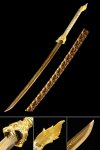 |
Golden Katana Sword with Manganese Steel Lightning Blade and Dragon Tsuba in Brown Scaled Saya |
Sara A
Texas, United States
Was an amazing gift! r
He loved it and it’s actually very sharp and durable.
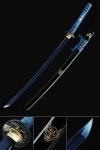 |
1060 Carbon Steel Katana Sword with Blue Blade and Dragon Tsuba in Black Piano Lacquer Saya |
Louis Ferrari Iii
Wisconsin, United States
Great gift for my son. He loves the color and it's exactly what we expected! Looking to buy a green colored katana next time!
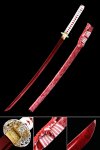 |
Red Blade 1045 Carbon Steel Katana with White Ito Handle and Floral Red Saya - Collectible Samurai Sword |
Darlene Heitman
Missouri, United States
Excellent customer service! Couldn’t be happier with our purchase!
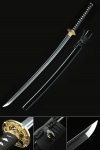 |
Damascus Steel Katana Sword with Gold Dragon Tsuba in Black Piano Lacquer Saya - Full Tang Collectible |
Marc Wijnen
Limburg, Netherlands
I ordered 2 swords and they are sharp and look amazing. Really good craftmenship.
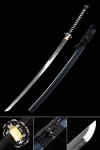 |
T10 Folded Clay Tempered Katana with Real Hamon - Blue Blade, Silver Flower Tsuba, Full Tang |
John Vipperman
Ohio, United States
Very beautiful weapon, well crafted and sharp, glad it chose here to buy it from
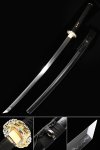 |
T10 Folded Clay Tempered Katana with Real Hamon in Black Matte Saya - Dragon Tsuba Collectible Sword |
Jessica Christensen
Minnesota, United States
I bought this as a gift for my son and he absolutely loves it! Wonderful attention to detail and expertly crafted.
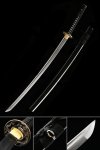 |
Damascus Steel Katana Sword with Black Piano Lacquer Saya and Dragon Tsuba - Full Tang Collectible |
Július Bakša
Zilinsky, Slovakia
Mnou zakúpená katana je spracovaná na veľmi dobrej úrovni. Čepeľ vykazuje malé nedostatky v súmernosti, chrbát čepele nemá obidve polovice rovnako široké po celej dlžke a taktiež plochy medzi rebrami a hranami chrbta na oboch bokoch čepele nie sú rovnako široké po celých dlžkach. Nakoľko saya s habaki sú zlícované dosť na tesno, katana sa vyťahuje zo saye dosť ťažko (ale toto sa dá doladiť, nie je to večší problém. Zakončenie rukoväti (Kashira) nebolo nasadené kolmo na os čepele, čo som musel upraviť. Mekugi neboli namontované do rukoväte (Tsuky) moc esteticky.
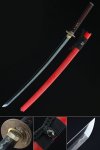 |
Tamahagane Steel Clay Tempered Katana with Real Hamon in Red Rayskin Saya and Black Cord Tsuka |