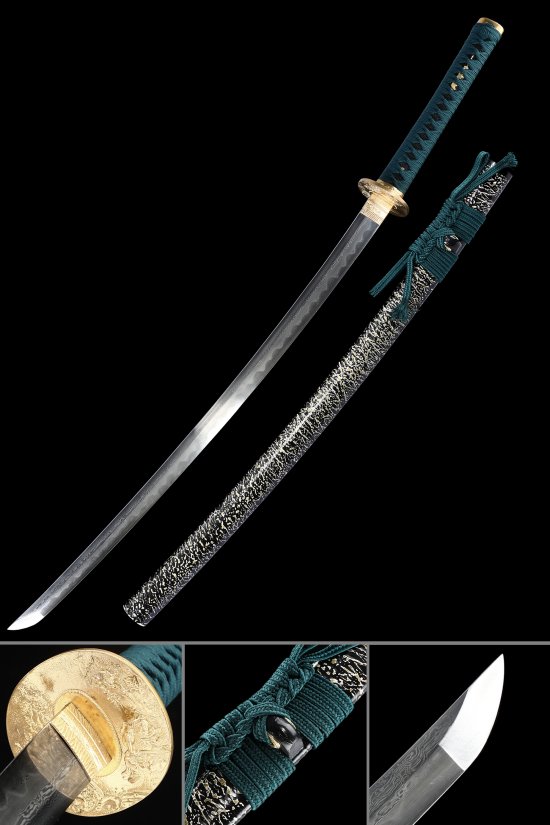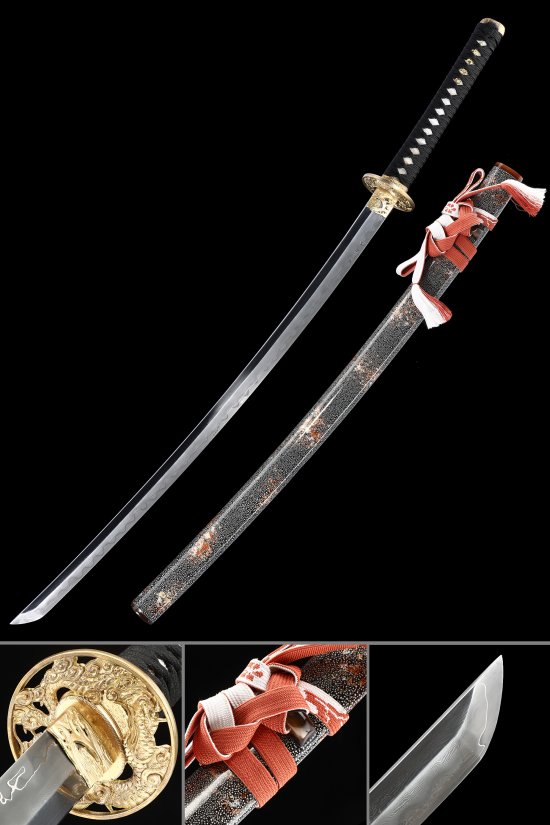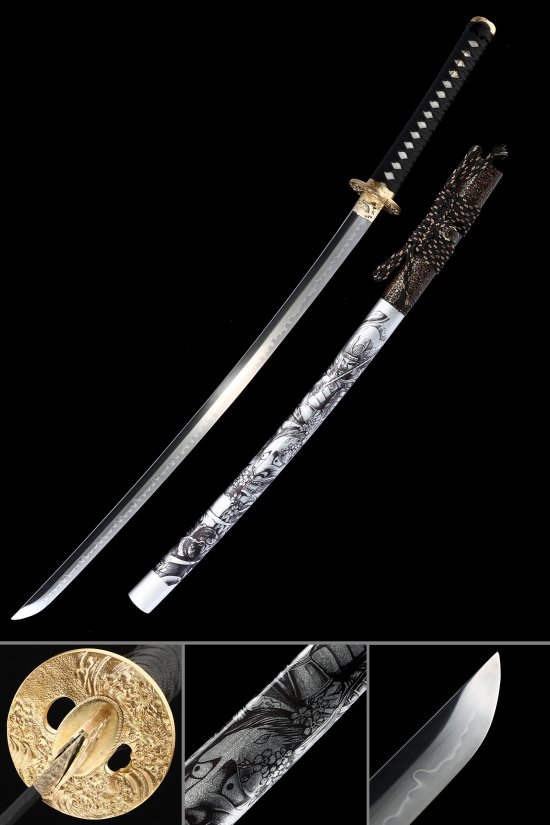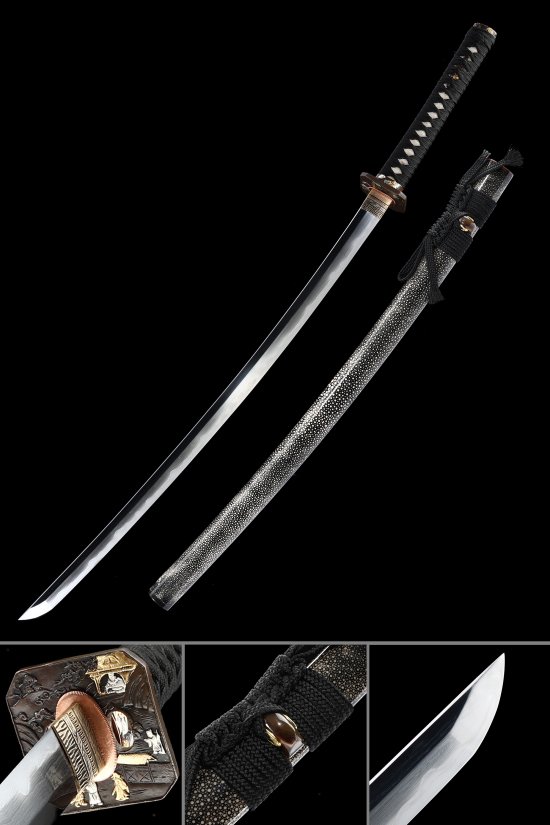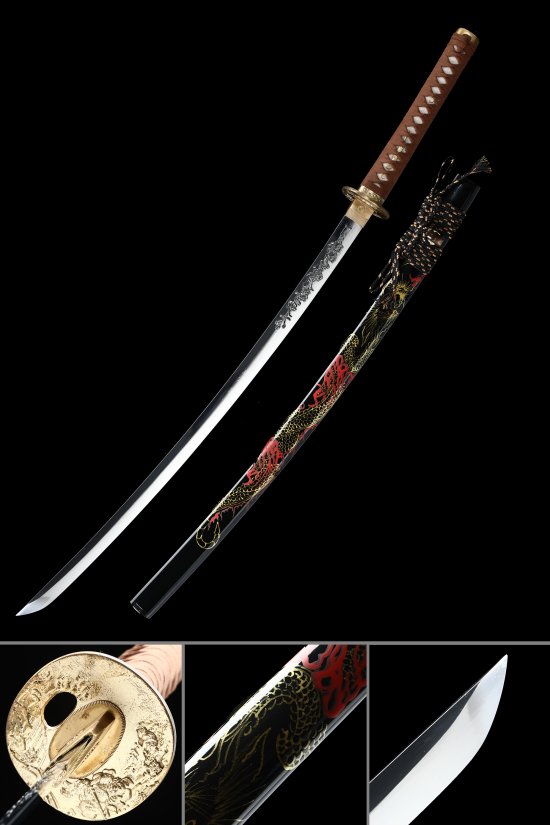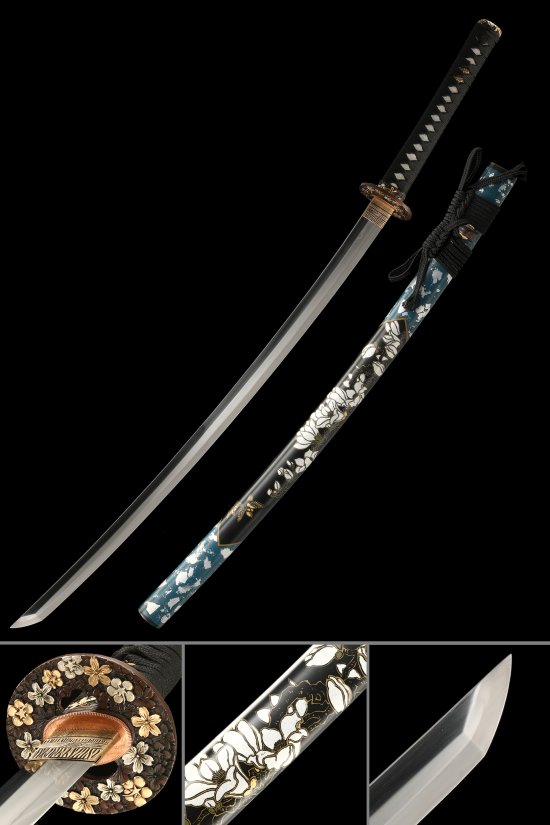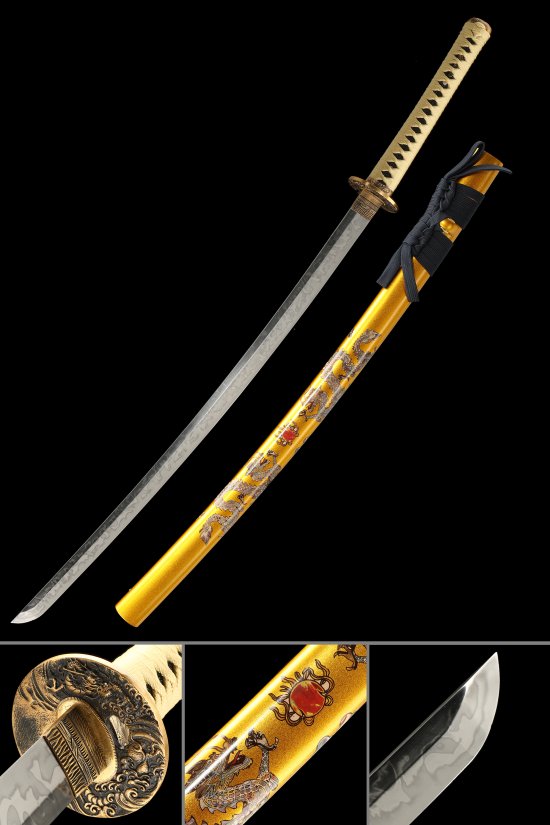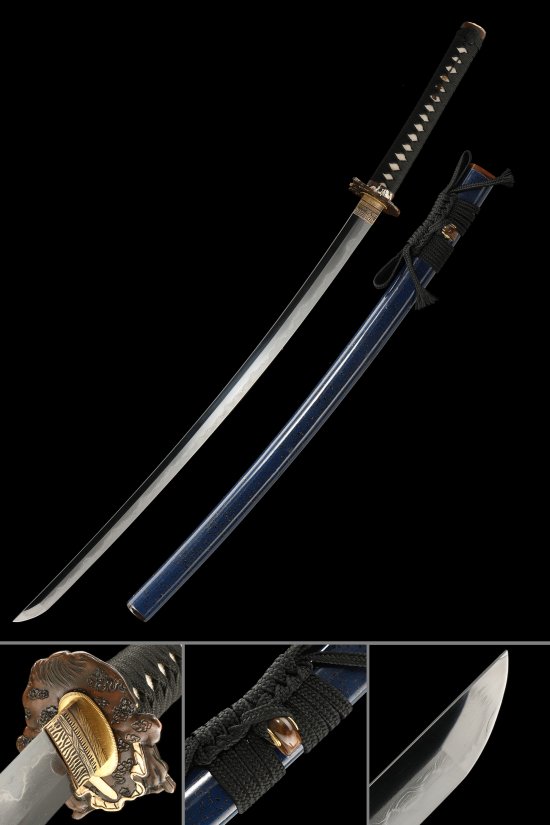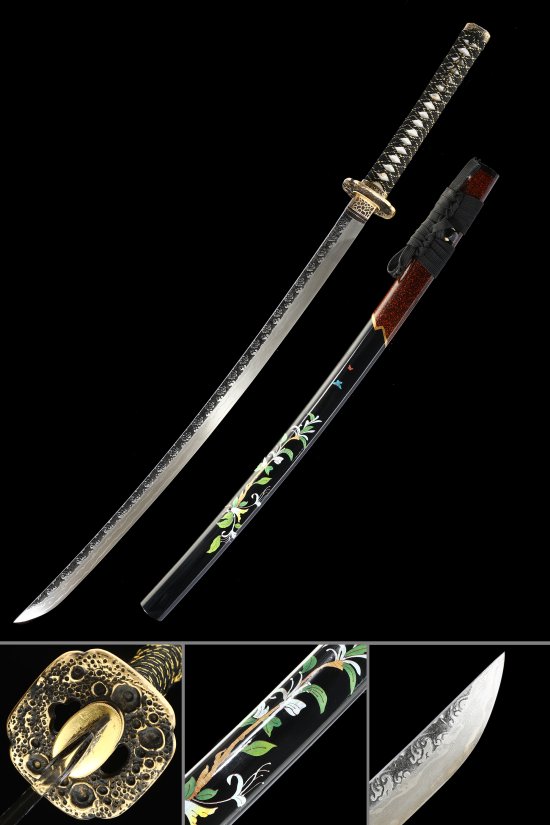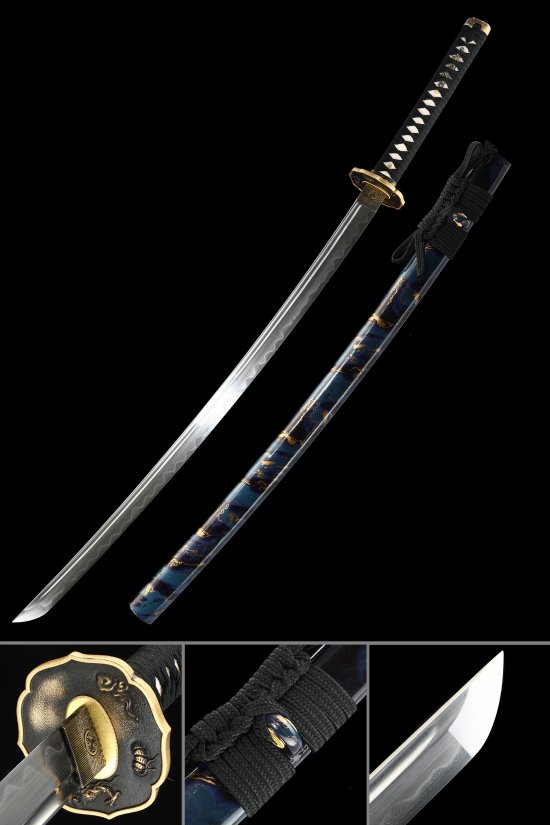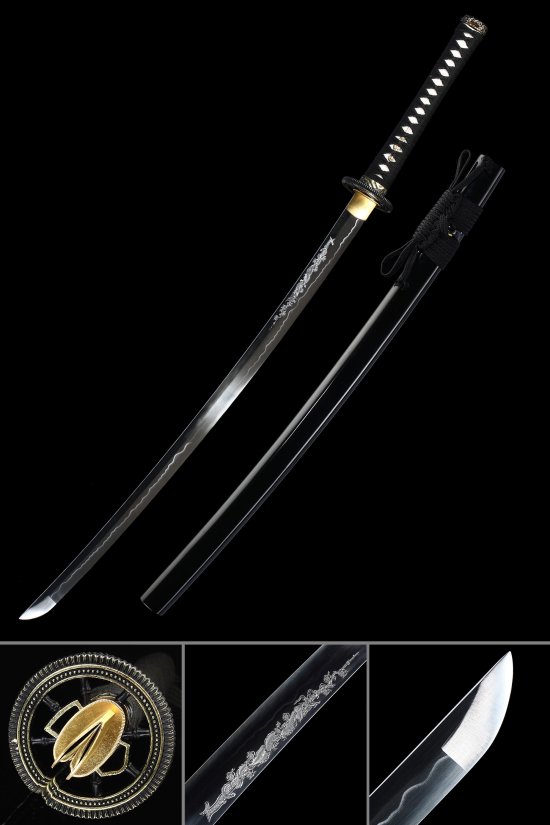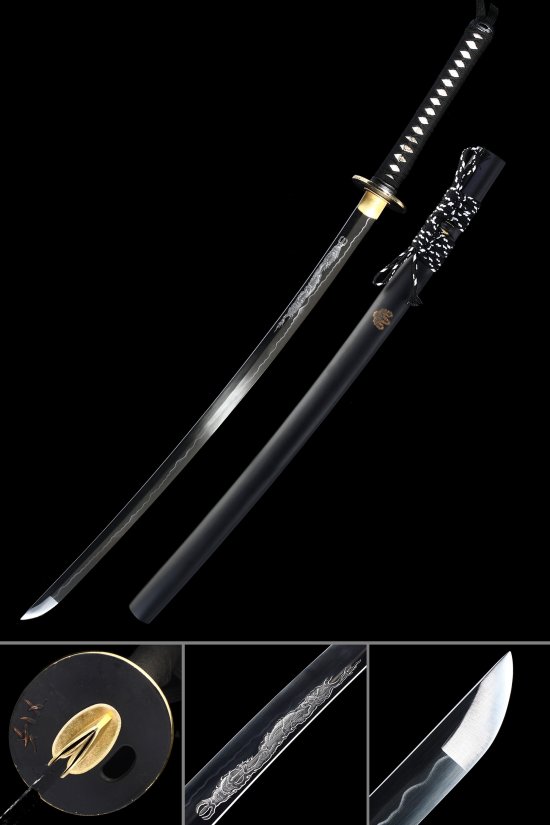
Full Tang Sword
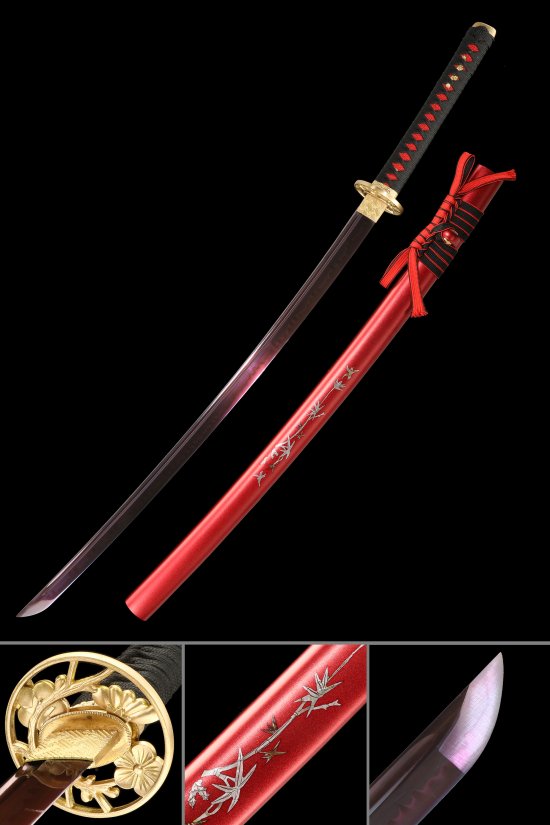
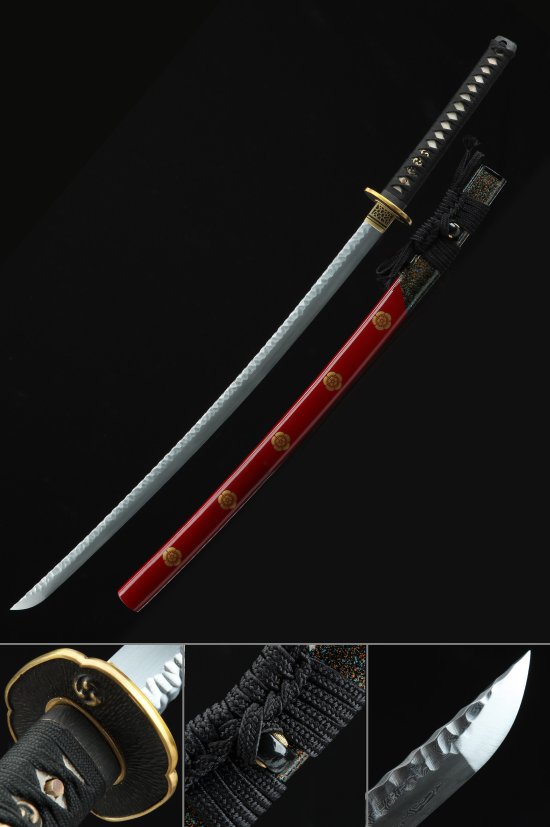
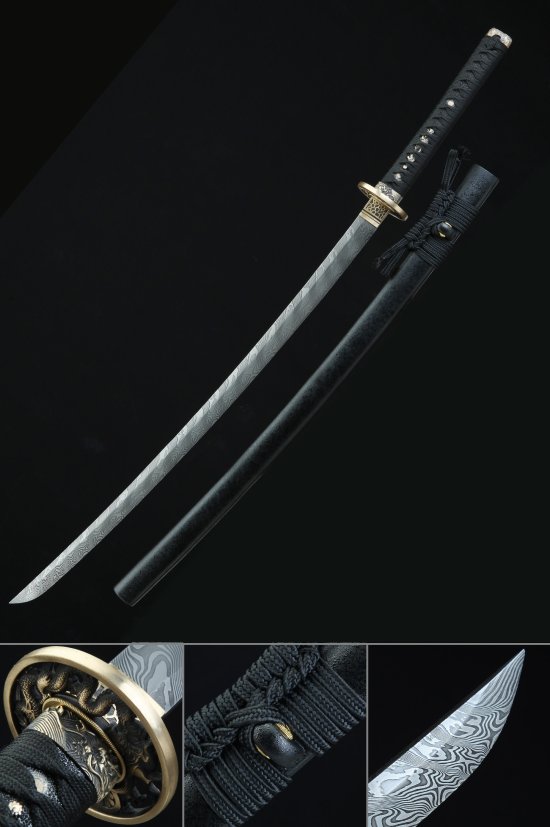
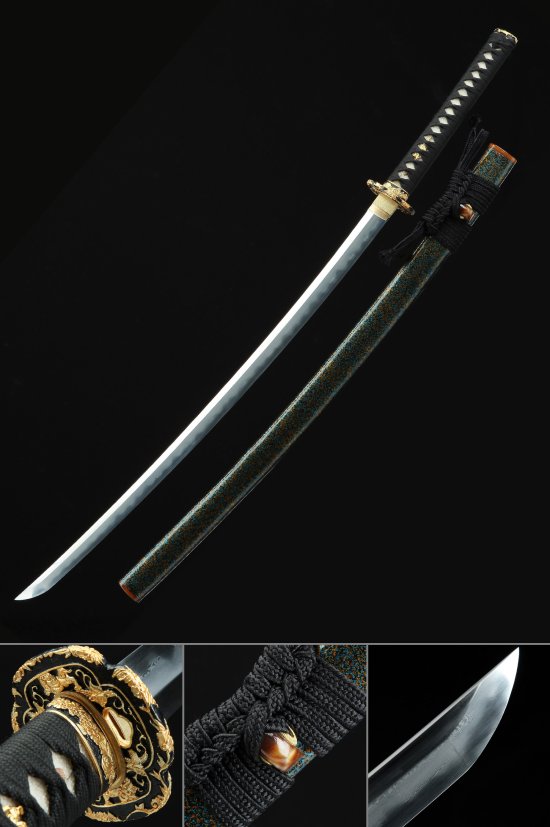
Full tang construction is the single most important quality indicator in any sword built for actual use. When the steel runs continuously from blade tip through the complete length of the handle — secured by mekugi pins rather than epoxy or hope — you get a sword that won't separate at the handle under stress, distributes cutting force correctly, and balances the way a real forged blade should. Every sword in this collection is built to that standard: carbon steel, full tang, properly heat-treated, and ready for cutting practice, martial arts training, or serious display from day one.


Related Collections
Frequently Asked Questions
What is a full tang sword?
A full tang sword refers to a type of sword construction where the blade extends through the entire length of the handle, forming a solid, continuous piece of metal. In other words, the tang, which is the part of the blade that extends into the handle, runs the full length of the handle.
A full tang sword has several distinguishing features and advantages:
- Strength and Durability: A full tang construction provides increased strength and durability to the sword. The continuous piece of metal from the blade through the handle minimizes the risk of breakage or separation at the hilt. This makes the sword less prone to bending, snapping, or becoming loose during use, ensuring its longevity.
- Better Balance and Handling: With the weight of the blade extending through the handle, a full tang sword maintains a proper balance. This balance contributes to the overall handling, control, and maneuverability of the weapon, making it easier to wield and providing a more effective and responsive feel during combat.
- Improved Power Transfer: A full tang construction allows for efficient power transfer from the wielder's hand to the blade. The direct connection between the handle and blade reduces energy loss or vibration, enabling more effective and controlled strikes with increased cutting or thrusting force.
- Enhanced Stability and Control: The full tang provides stability and control, allowing for better accuracy and precision in sword techniques. The solid connection between the blade and handle promotes a firm and secure grip, minimizing any slippage or wobbling during use.
Full tang construction is often sought after in high-quality swords, as it ensures a robust and reliable weapon that can withstand rigorous use and maintain its integrity over time.
It's important to note that the term "full tang" can be used in reference to various types of swords, including Japanese katanas, European longswords, or other traditional blades. Each sword type may have variations in tang design, such as tapered tangs or full-length tangs, but the common feature is that the tang extends the entire length of the handle.
What is the difference between full tang and rat-tail tang?
Full tang and rat-tail (sometimes called stick tang) represent opposite ends of the tang construction quality spectrum, and the difference has direct consequences for how the sword performs under stress. In a full tang design, the blade steel continues into the handle at a width and thickness that closely matches or fills the handle interior — the nakago is a substantial piece of metal, occupying most of the handle's cross-section. It's retained by mekugi pins that pass through the handle wood and nakago, creating a mechanically robust connection that transfers cutting forces along the entire handle length. In a rat-tail tang, the blade narrows abruptly to a thin rod (resembling a rat's tail) that is then inserted into a drilled hole in the handle and held in place primarily by epoxy, sometimes with a single pin or a threaded pommel nut at the base. The problem with this design under cutting stress is that the junction between the wide blade and the narrow tang creates a stress concentration point: when force is applied through the handle, all of it is channeled through that narrow transition rather than distributed across a broad steel cross-section. Under sufficient load — or repeated moderate loads over time — rat-tail tangs can fail at this junction, which in a sword used for cutting can mean the blade separating from the handle during a strike. For display-only swords that are never struck against anything, this structural weakness is invisible because it's never tested. For any sword that will be used for cutting practice, martial arts training, or regular handling, full tang construction is the minimum safety standard. TrueKatana's full tang samurai sword collection confirms mekugi pin retention for every model — no rat-tail construction is included.
Can I use a full tang sword for tameshigiri?
Yes — and full tang construction is the prerequisite for any sword used in tameshigiri (Japanese cutting practice with rolled tatami mats or other targets). The forces involved in cutting through tameshigiri targets are substantial: the blade decelerates rapidly on contact while the handle continues forward under the cutter's momentum, creating significant stress at the blade-handle junction. This is precisely the load condition under which partial tang and rat-tail tang swords fail — it's not unusual in cutting practice environments to encounter examples of decorative swords that have separated at the handle during attempted cuts, which is a safety hazard regardless of how theatrical it might appear. A properly built full tang sword distributes this load safely and can be pushed to its design limits without structural concern. The steel grade then determines the cutting performance within that safe structural envelope: 1060 carbon steel is the most forgiving choice for practitioners working on technique, tolerating less-than-perfect edge alignment without chipping; 1095 and T10 deliver superior edge retention for practitioners who have consistent technique and want the blade to maintain its sharpness through longer cutting sessions. Spring steel (9260) provides the best tolerance for harder targets and impact stress if your tameshigiri practice includes materials beyond standard rolled tatami. For all cutting practice regardless of steel grade, proper target preparation (appropriate moisture content in tatami rolls), correct edge alignment, and controlled swing mechanics protect both the blade and the practitioner. The full tang katana collection at TrueKatana includes models across these steel grades with cutting suitability noted in each listing.
How do I verify that a sword is truly full tang without taking it apart?
Verifying full tang construction without disassembly is possible through several cross-referencing checks, none of which is individually definitive but which together give a reliable picture of what you're actually buying. Weight is the most immediately useful proxy: a genuine full tang katana in carbon steel at standard proportions weighs noticeably more than a partial-tang or hollow-handled sword of similar dimensions, because the steel mass in the handle is substantial. If a sword's listed weight seems unusually low for the blade length and steel grade, this discrepancy is worth investigating before purchase. The product description should explicitly state "full tang" and, critically, should describe the retention mechanism — mekugi pins (bamboo or metal pegs through the handle) are the correct and traditional retention method for Japanese swords; epoxy-only retention or a pommel nut on a narrow threaded extension suggests partial or rat-tail construction regardless of how the tang is labeled. If the description mentions that the handle can be removed for cleaning or maintenance, this confirms the sword can be disassembled — which is only true if there are actual pins to drive out, not a handle permanently adhered to the blade. Customer reviews from verified buyers who have actually handled and used the sword are among the most reliable quality signals available, because reviewers who practice cutting will note handle security issues if they exist. Visual evidence in product photos can also help: on some full tang designs (particularly Western-style swords), the tang metal is visible at the spine of the handle. On Japanese-style swords with wrapped handles, the tang is hidden inside but the mekugi pins should be visible as small pegs through the ito wrapping at one or two points. TrueKatana's verified customer reviews and explicit construction specifications on each sword stand product page are designed to support exactly this kind of pre-purchase verification.
What steel is best for a full tang battle-ready sword?
The best steel for a full tang battle-ready sword depends on how the sword will be primarily used, and there's a meaningful difference in the right answer between a practitioner who prioritizes sharpness and edge retention versus one who prioritizes durability and toughness. For cutting practitioners with consistent technique who want the best edge performance — the sharpest cutting geometry held through the longest sessions — T10 tool steel is the premium choice. With high carbon content plus tungsten for wear resistance, T10 achieves excellent hardness (typically 60 HRC when properly heat-treated) and holds its edge geometry through extended tameshigiri use better than comparable carbon steels. The trade-off is reduced toughness: T10 at high hardness will chip along the edge if struck off-angle or used against hard targets outside its design envelope. For practitioners balancing cutting performance with durability and some forgiveness for developing technique, 1095 high carbon steel delivers strong edge performance at slightly lower hardness than T10, with better resistance to chipping. It's the most commonly recommended steel for serious cutting practice across the martial arts community. For practitioners who put their swords through the hardest use — hard targets, high-volume practice, or conditions where impact stresses exceed what pure edge performance swords tolerate — 9260 spring steel prioritizes toughness and flexibility above sharpness, with the ability to flex under impact and return to true rather than chipping. It won't take quite as fine an edge as T10 or 1095, but it handles harder use without structural concern. For collectors whose intent is primarily display with occasional handling, 1060 carbon steel provides a practical balance of all characteristics at an accessible price point. The full tang katana collection at TrueKatana covers all these steel grades with specific hardness ratings listed for each model.
Is a full tang sword good for display as well as use?
Full tang swords are not only suitable for display — they're better display pieces than partial-tang decorative swords in most of the ways that matter to serious collectors. The physical presence of a full tang carbon steel sword, when held or handled during display interaction, is immediately different from a decorative partial-tang piece: the weight, the balance distribution, and the solidity of the handle assembly communicate the sword's material reality in a way that lightweight decorative swords don't. Visitors and fellow collectors who handle the sword in a display context feel this difference instantly. For long-term display stability, full tang construction with mekugi retention maintains its handle security without the progressive loosening that can affect partial-tang swords held by adhesive over time as temperature and humidity cycles cause slight dimensional changes in the wood. Full tang swords can also be maintained correctly for display — disassembled, inspected, oiled, and reassembled — in a way that keeps them in excellent condition indefinitely. The visual presentation of a full tang sword in a display arrangement is identical to any other properly built katana: a single-tier sword stand in dark lacquer or hardwood works for desk and shelf display, and horizontal wall mounting shows the full blade length effectively. The sword's slightly greater weight compared to decorative alternatives is well within the structural capacity of any quality mount designed for Japanese sword dimensions. For collectors who want a display piece that is genuinely what it appears to be — a real forged sword, not a prop shaped like one — full tang carbon steel is the construction standard that delivers that authenticity. The TrueKatana samurai sword collection covers the full range of display and functional options within the full tang category.
What is the mekugi pin and how important is it?
The mekugi is the small peg — traditionally made from bamboo, sometimes from metal in modern production swords — that passes through the tsuka (handle) and the nakago (tang) to lock the sword assembly together. In a properly built full tang Japanese sword, there are one or two mekugi holes through the handle wood and corresponding holes through the nakago; the mekugi pins are driven through these aligned holes, creating a mechanical lock that prevents the blade from separating from the handle under any normal cutting or handling stress. The mekugi is small but load-bearing: it's the primary retention mechanism keeping the blade secured to the handle, and its quality and correct fitting are important to the sword's structural integrity. In the traditional construction, bamboo mekugi are used because bamboo's grain structure gives it specific mechanical properties — it's strong in compression and along the grain, and if the sword is subjected to extreme force, a bamboo mekugi is designed to shear and fail before the nakago or handle wood does, acting as a sacrificial element that prevents more serious damage. Metal mekugi (brass or steel) are more common in modern production swords and are stronger than bamboo under normal conditions, though they lack the traditional sacrificial failure mechanism. The practical significance for buyers is that the presence of correctly fitted mekugi pins is the most reliable indicator of genuine full tang construction — you can't fit mekugi pins through a rat-tail tang because there's no steel mass to drill through. If you can see the small pegs through the ito wrapping at one or two points along the handle, you're looking at a sword with actual nakago retention. A loose or visibly poorly fitted mekugi is worth addressing before use: replacement bamboo mekugi are inexpensive and the re-pinning process is straightforward on any genuine full tang katana.
Customer Reviews
Incredible quality to cost ratio. Exceeded expectations in every way. I just wish you offered a laser etching option.
![]() |
1045 Carbon Steel Blue Blade Katana with Blue Saya and Light Blue Tsuka-ito - Full Tang Collectible Samurai Sword |
sirs i have tryed but am only able to upload 6%r
\
![]() |
1045 Carbon Steel Tanto Sword with Black Matte Hardwood Saya and Bronze Alloy Oval Tsuba - Full Tang |
Order was great. One of the sheaths did have a crack in it but thats ok.
![]() |
1045 Carbon Steel Tanto Sword with Black Matte Hardwood Saya and Gold Alloy Tsuba - Full Tang Japanese Short Sword |
Amazing as always, will keep continuing to buy from this company. Always quality with y’all!
![]() |
1045 Carbon Steel Katana With Purple Blade And Red Piano Lacquer Saya - Full Tang Collectible Sword |
My kids are jealous! It's so beautiful and I will display it better soon.
![]() |
1045 Carbon Steel Katana Sword with Gold Bamboo Tsuba in Black Matte Hardwood Saya - Full Tang Collectible |
Beautiful katana, well built. No rattle in handle, perfectly straight blade. It come decently sharp. Not as sharp as I would like. Overall it's a beautiful piece of art. I also recently purchased the matching Tanto. Just waiting for it to arrive
![]() |
Damascus Steel Shirasaya Katana with Clay-Tempered Real Hamon in Natural Hardwood Saya - Full Tang Collectible |
absolutely beautiful a true work of art completed by a true craftsman
![]() |
1045 Carbon Steel Wakizashi Sword Full Tang with Purple Tsuka Wrap and White Piano Lacquer Saya |
Only regret is that this item was made in China, not Japan, since it represents a Japanese sword, but well made and impressive.
![]() |
1045 Carbon Steel Tanto Sword with Black Matte Hardwood Saya and Bronze Alloy Oval Tsuba - Full Tang |