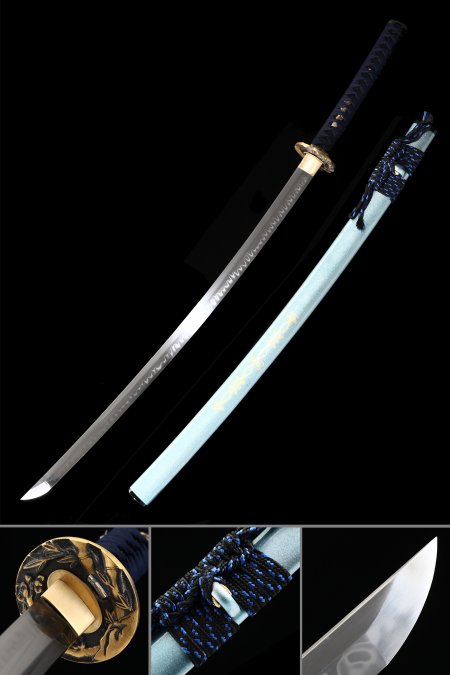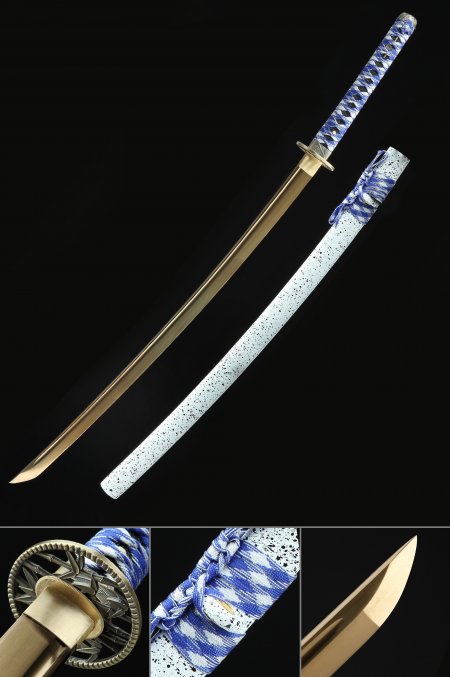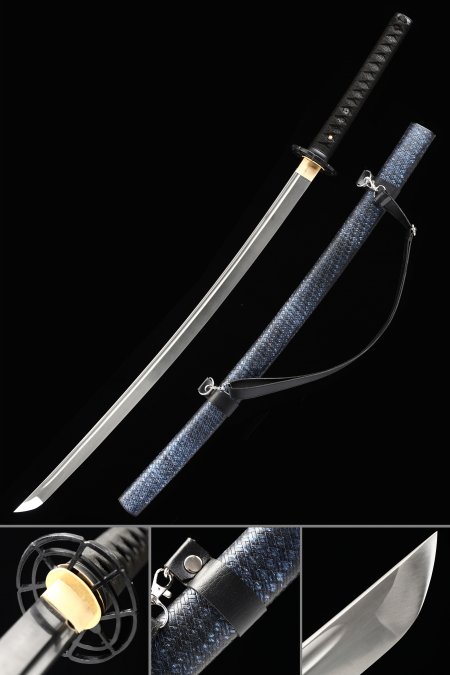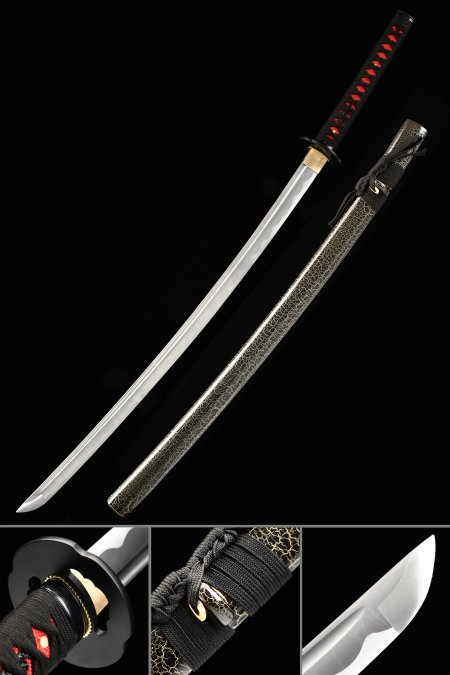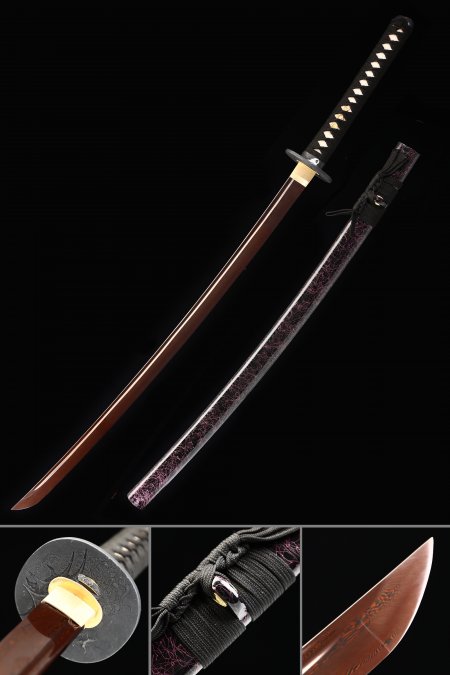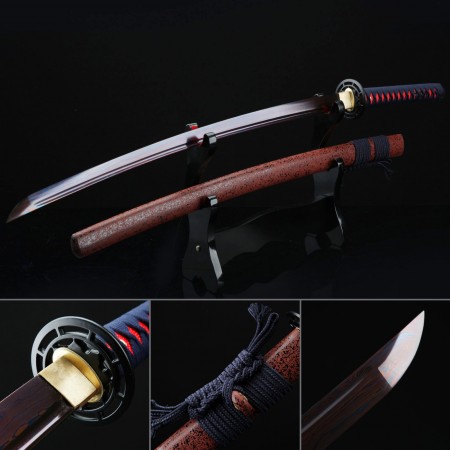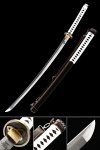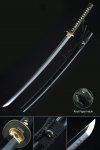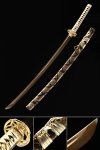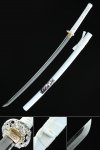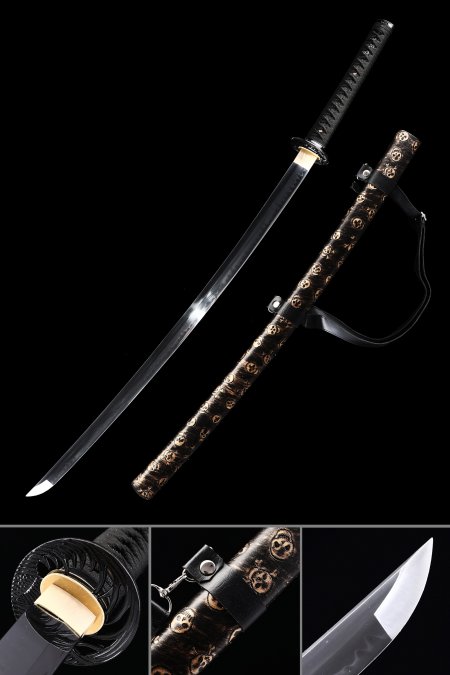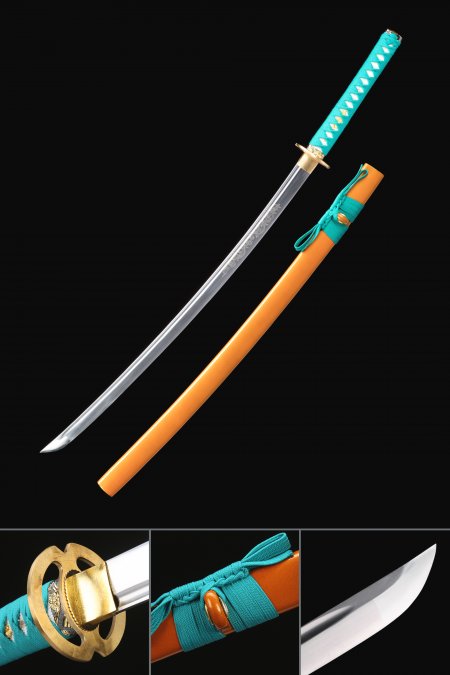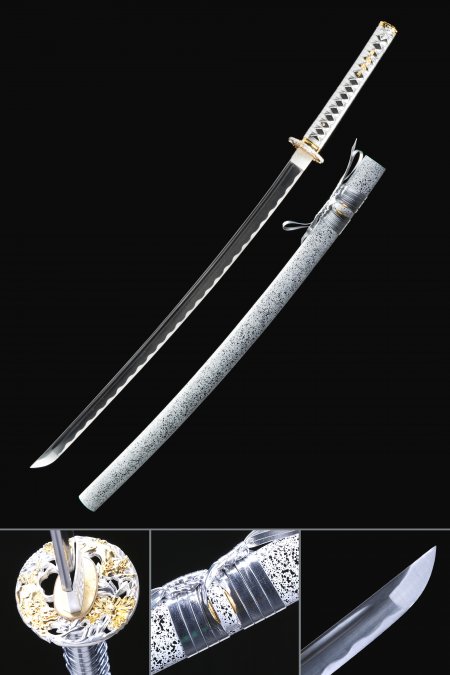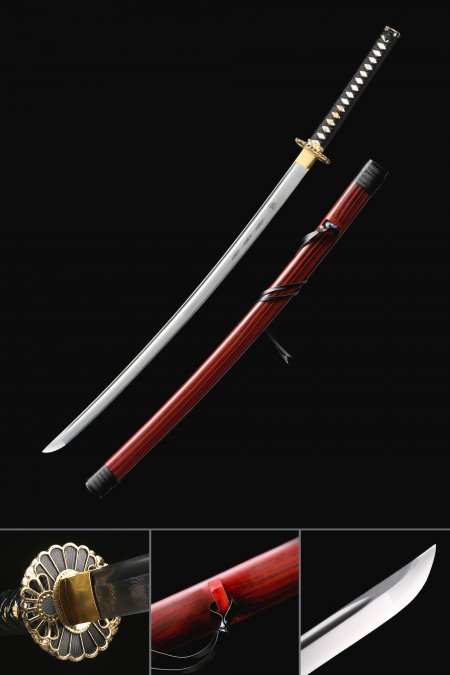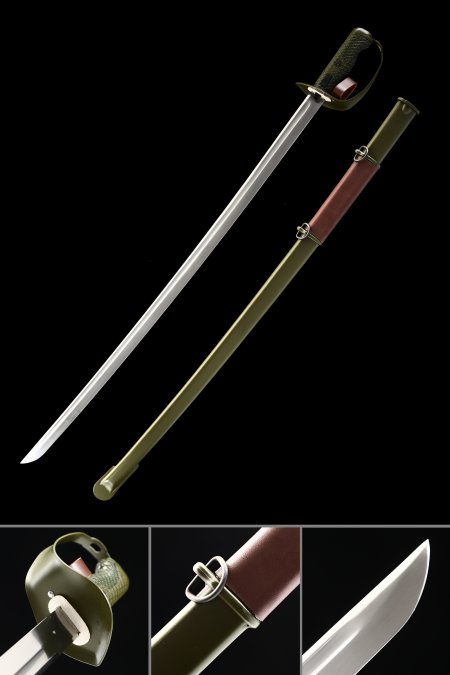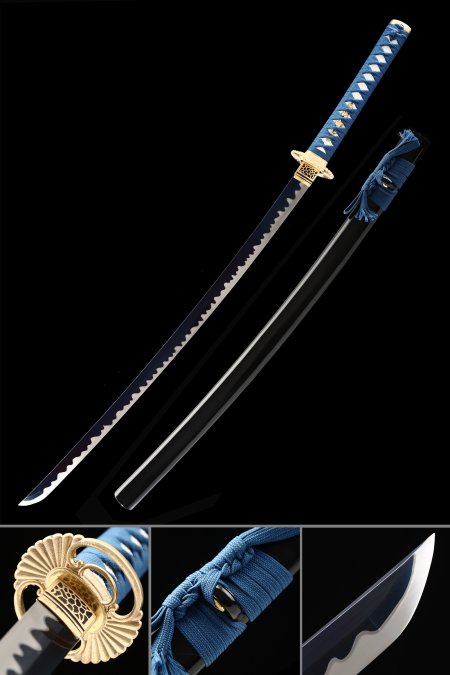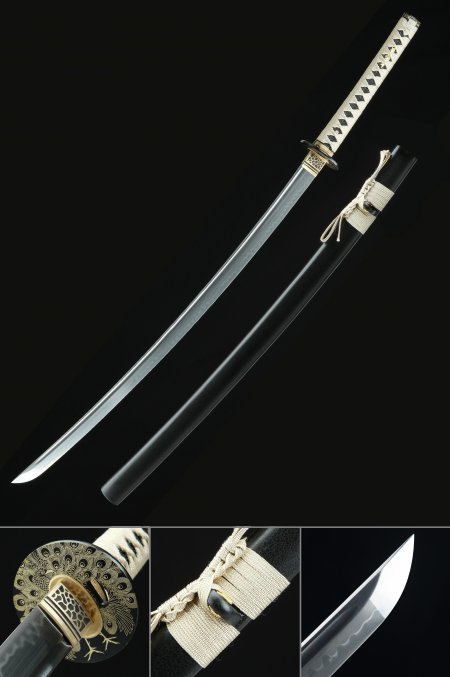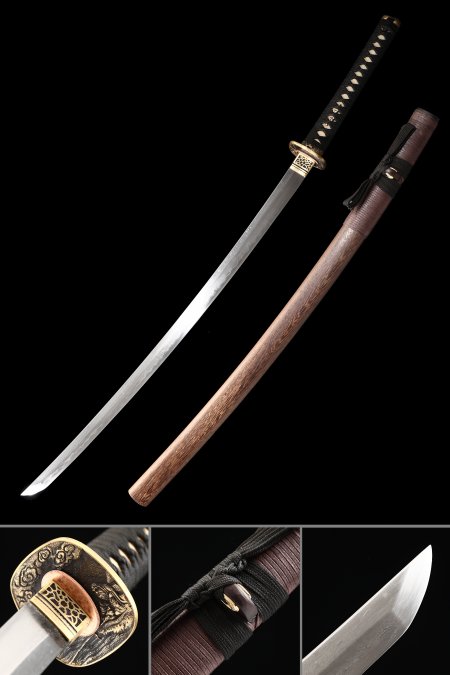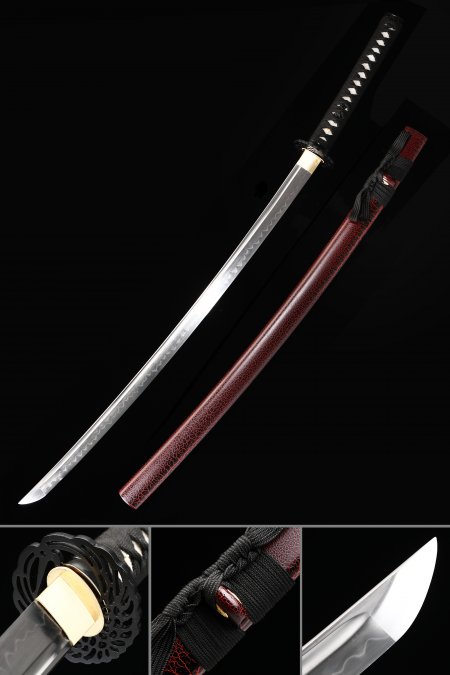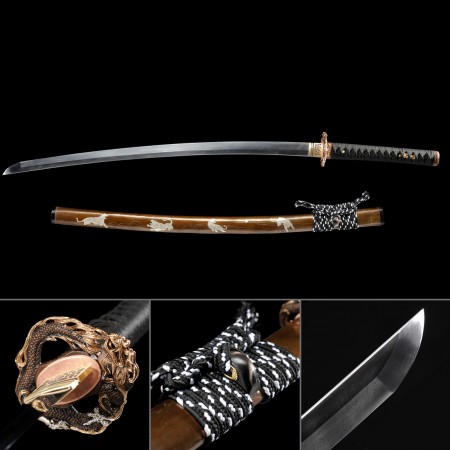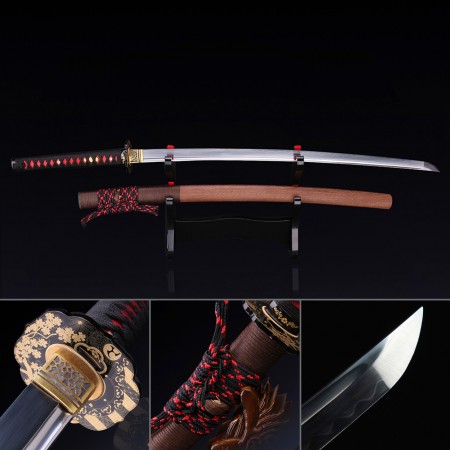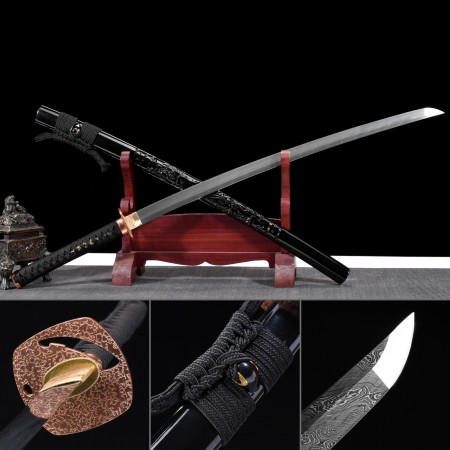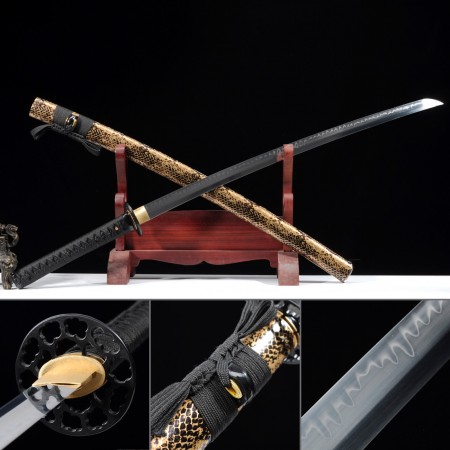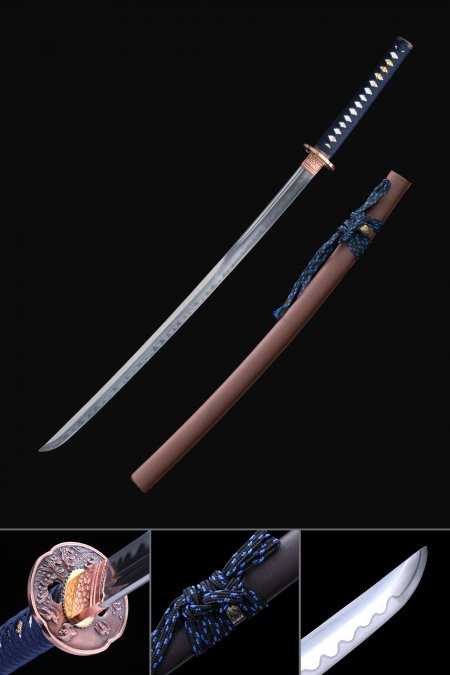
Long Handle Katana

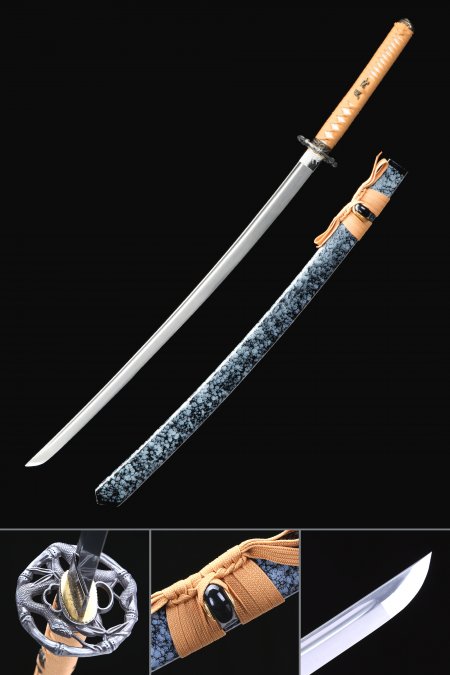
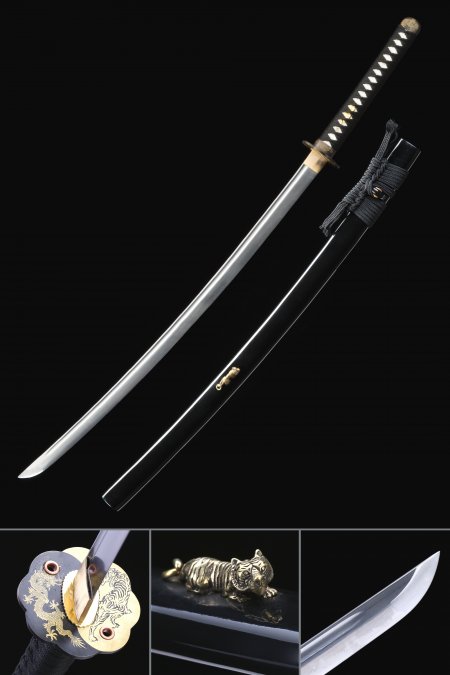
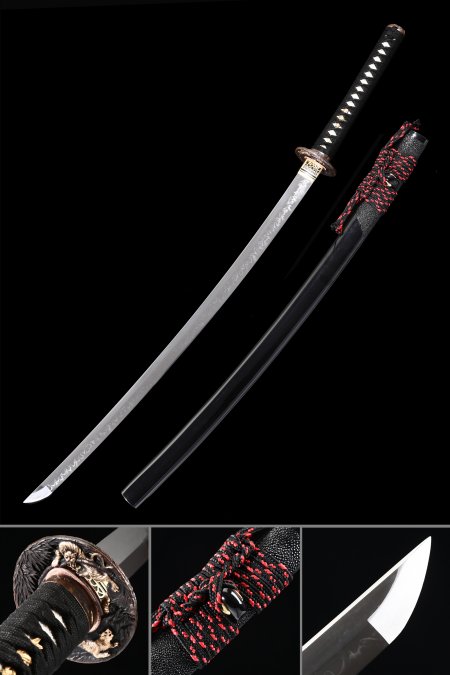
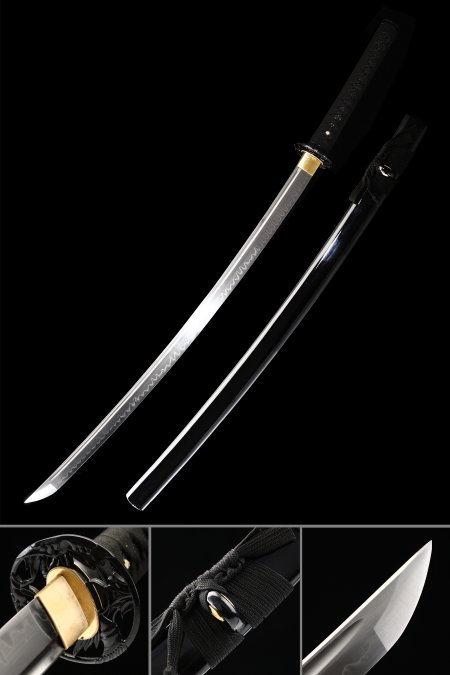
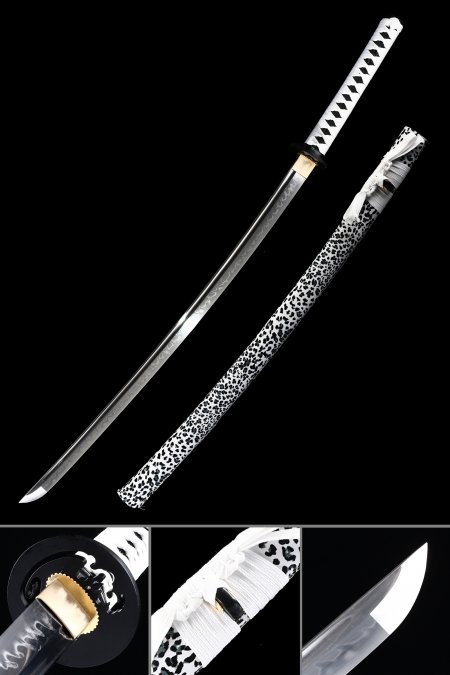
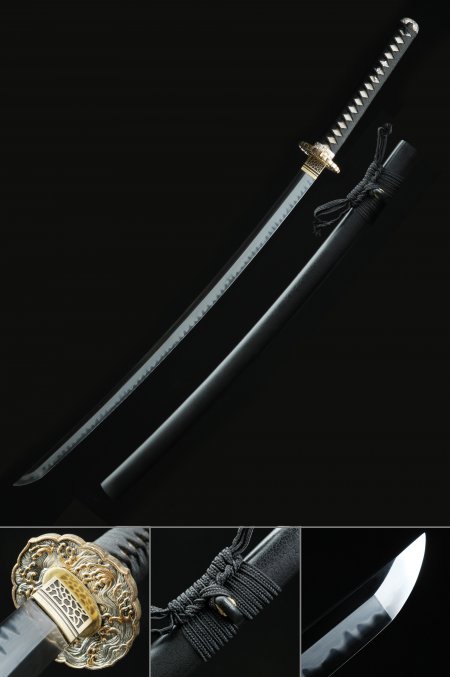
Browse our collection of long handle katana and naginata swords - Japanese polearm blades featuring extended handles that dramatically increase the reach of a traditional Japanese curved blade, available in T10 clay-tempered and Damascus steel with full-tang construction. The naginata's distinctive combination of long pole handle and curved blade creates one of the most historically significant and visually distinctive Japanese polearm collectibles. Free US shipping and hassle-free returns included.
Showing 128 Products

Frequently Asked Questions

What is a naginata and what is its role in Japanese martial history?
A naginata is a Japanese polearm consisting of a curved single-edged blade mounted on a long wooden pole handle. Unlike a sword, which is held close to the body and used for close-range personal combat, the naginata's extended pole handle dramatically increases the user's reach and creates a very different combat dynamic. Historically, the naginata was a primary weapon of the Japanese samurai cavalry during the Heian and Kamakura periods - the blade's reach was effective against infantry from horseback. As cavalry tactics evolved and the naginata's role in mounted combat diminished, it transitioned to become the weapon most associated with female samurai warriors - the onna-bugeisha - who trained with naginata for castle and manor defense. The weapon's historical association with women's martial training continued through the Edo period, when naginata training became a standard part of upper-class female education. Today naginata is still practiced as a martial art in Japan (naginatajutsu), and naginata as collectibles are valued for their distinctive combination of blade quality and extended pole format.
How does the naginata blade differ from a katana blade?
The naginata blade shares the curved single-edged profile of the katana but differs in several important ways that reflect its different role at the end of a long pole handle. Naginata blades are typically shorter than katana blades - 12 to 20 inches of blade length is common compared to the katana's 27 to 30 inches - because the pole handle already provides an extended reach that makes a very long blade less necessary. The blade geometry is also typically more pronounced in its curve than a standard katana, optimized for the sweeping cuts and hooking strikes associated with naginata technique. The tang of the naginata blade is designed to insert into and be secured to the pole handle rather than to fit a conventional katana handle, and the habaki or equivalent collar at the blade base is fitted accordingly. The blade itself is forged, ground, and heat-treated using the same methods as a sword blade - T10 clay-tempered naginata blades are capable of displaying a hamon, and Damascus naginata feature fold-forged layered patterning - with the blade quality fully matching the construction standards of the sword category.
How do I display a naginata at home?
Displaying a naginata at home requires dedicated display hardware chosen for its 5 to 7 foot overall length - dimensions that are incompatible with standard sword display racks and wall brackets. The most practical display solution for most homes is a dedicated naginata floor stand that holds the piece upright against a wall, typically with a support point at the base of the pole and a secondary support point at mid-height to keep the piece stable. A wall corner is an ideal position for a floor-standing naginata display, as the corner provides natural support and positions the piece away from main traffic paths. Horizontal wall mounting of a naginata requires at minimum two heavy-duty brackets spaced along the pole's length, anchored into wall studs and rated for the combined weight of pole and blade. For horizontal display, confirm that the wall length is sufficient - a 6-foot naginata needs at least 7 feet of clear wall run with no obstructions. A directed spotlight positioned above or to one side of the display will illuminate the curved blade and reveal any hamon or Damascus patterning.
What steel grades are available in naginata polearm collectibles?
Naginata in this collection are available in T10 carbon steel and Damascus steel - two of the premium blade material options in the Japanese sword collecting category - both applied to the naginata blade using the same forging, heat treatment, and finishing techniques used for katana and odachi blades. T10 clay-tempered naginata offer the possibility of a visible hamon temper line along the curved blade - the wave-patterned boundary that forms during differential heat treatment and is one of the most prized visual details in Japanese blade collecting. On a naginata blade's compact 12 to 20 inch length, the hamon is particularly close and accessible for inspection when the blade is examined at close range. Damascus steel naginata feature fold-forged layered patterning in the blade, with flowing surface patterns unique to each individual piece revealed by acid etching. Both steel grades are forged with full-tang construction appropriate to the demanding connection between blade and pole handle, with the blade tang inserted into the pole and secured mechanically to provide the structural integrity that a long polearm requires.

Customer Reviews