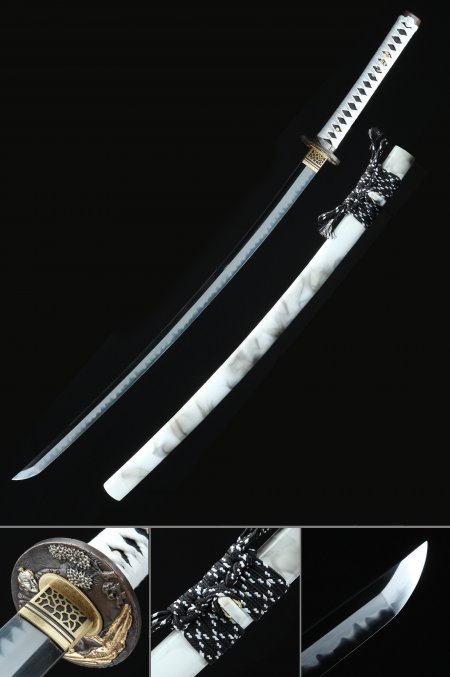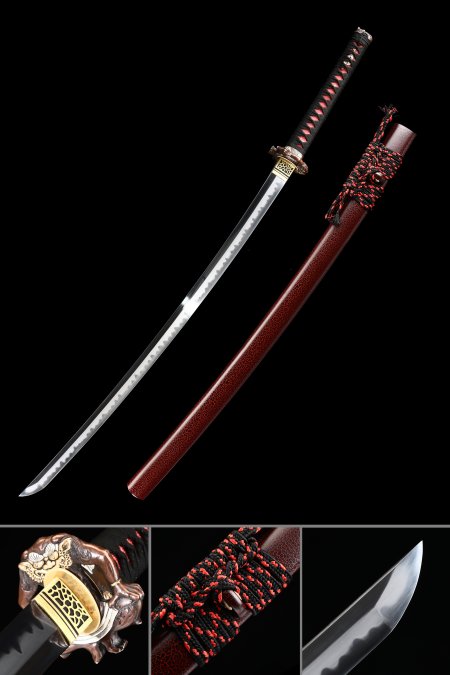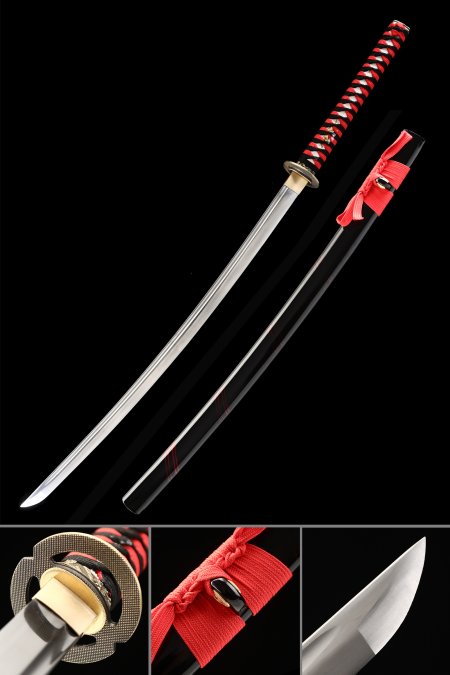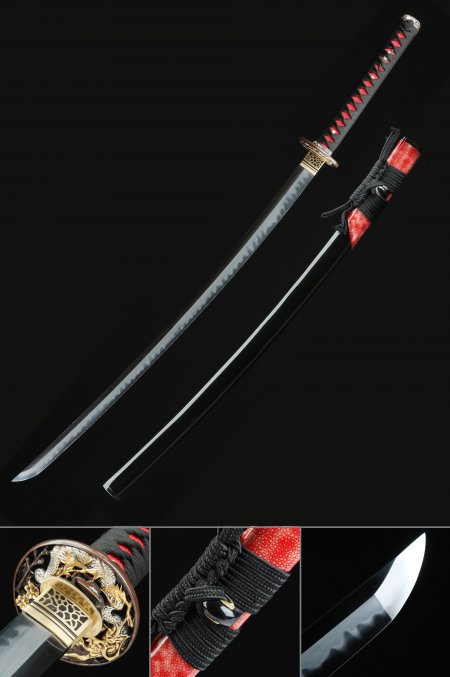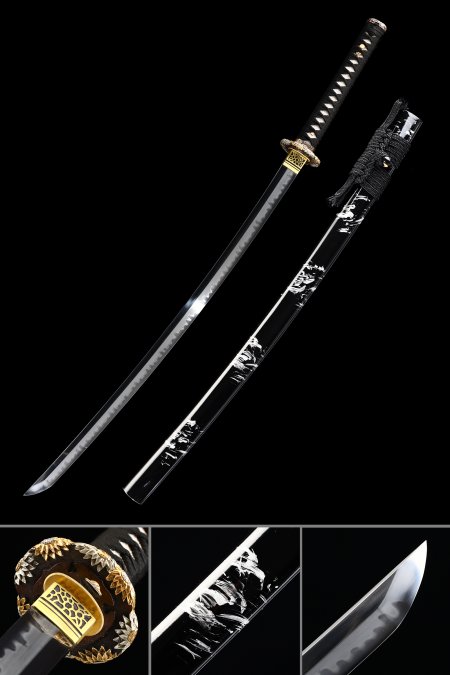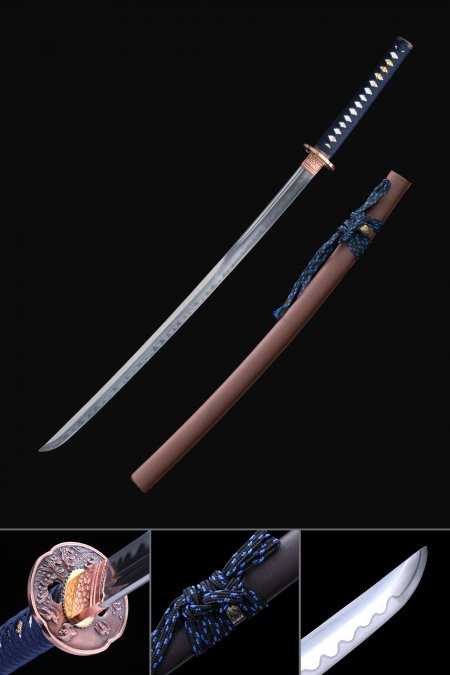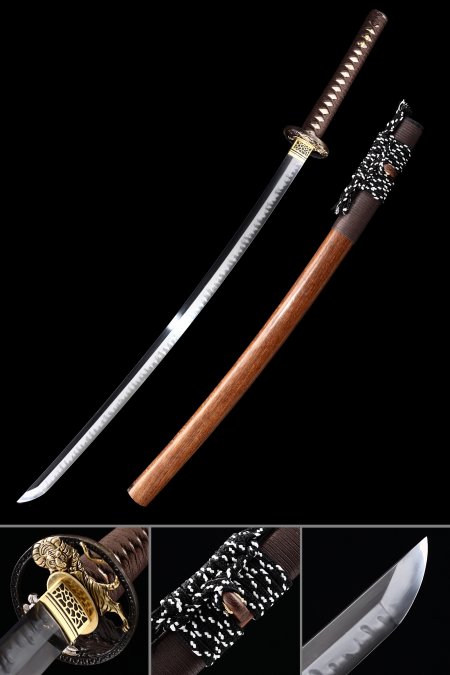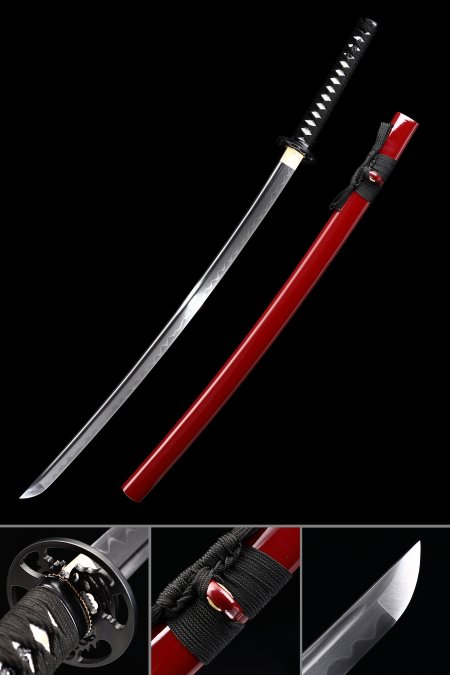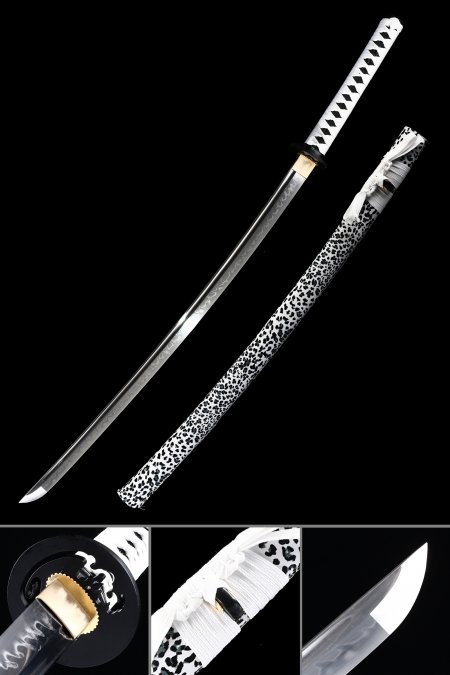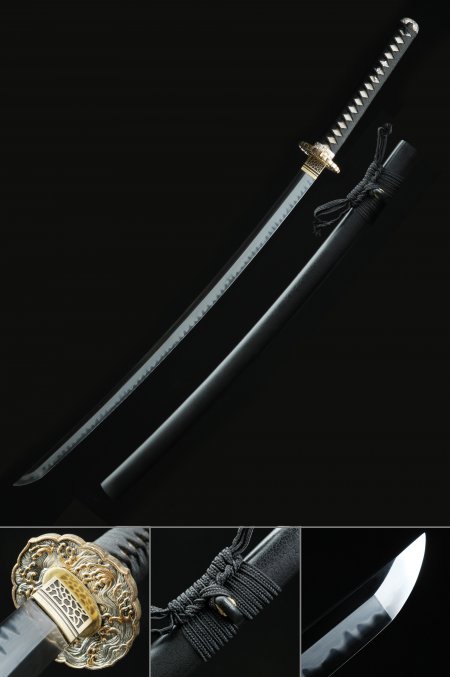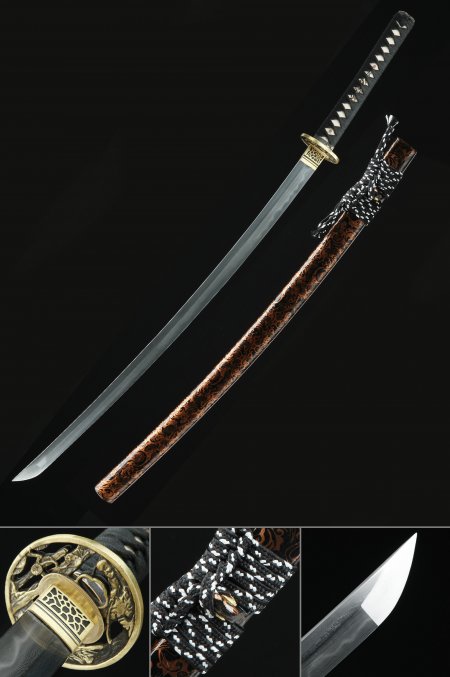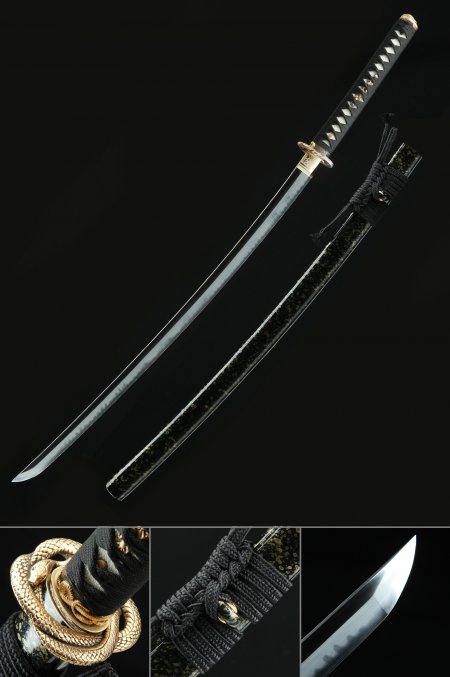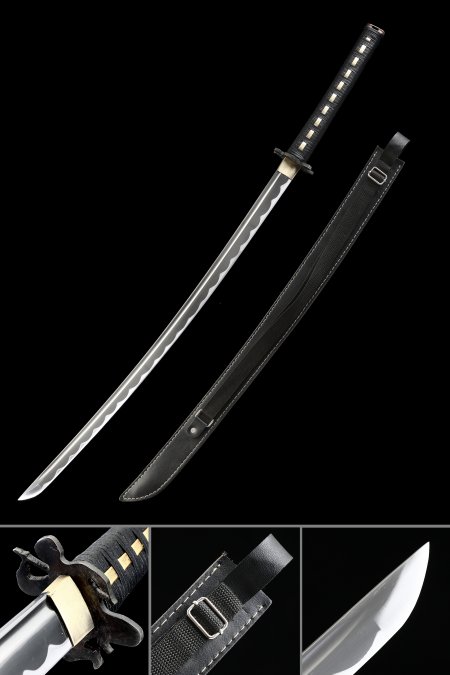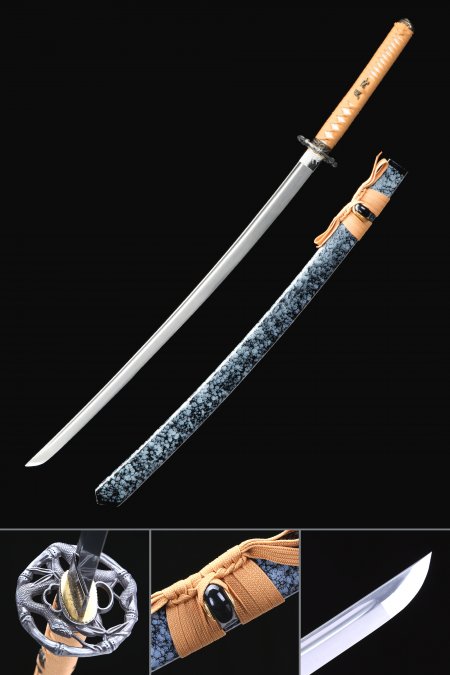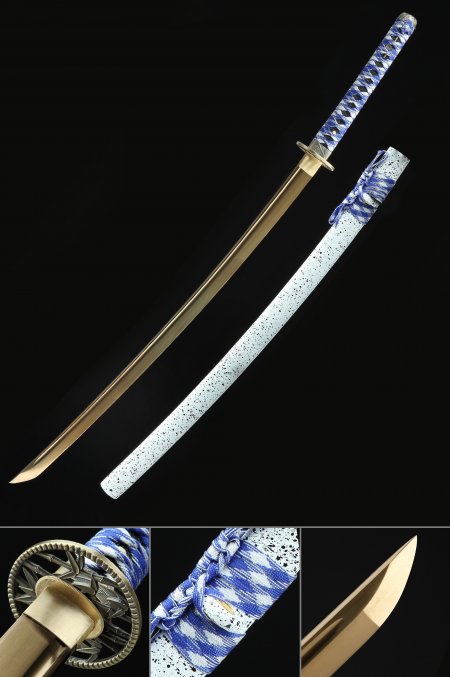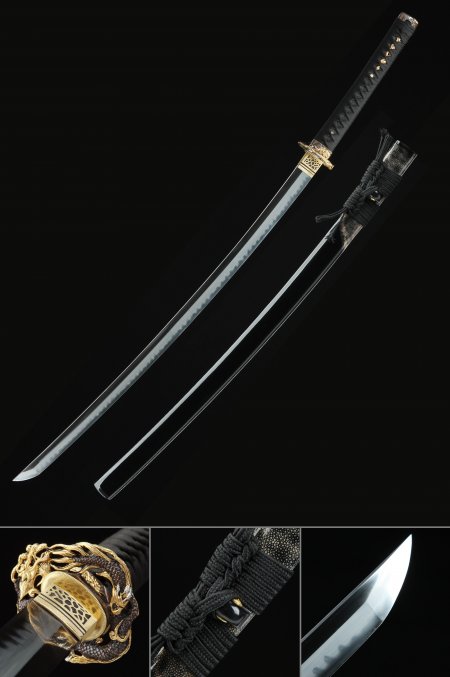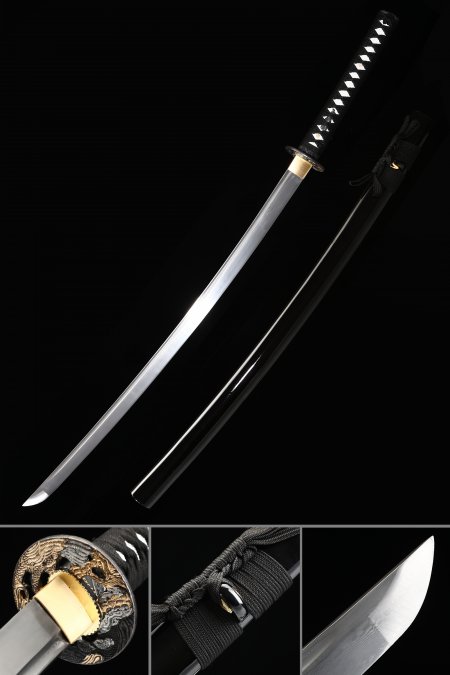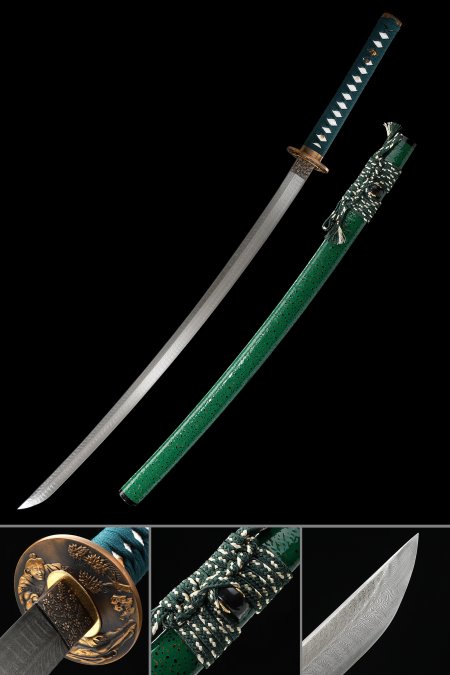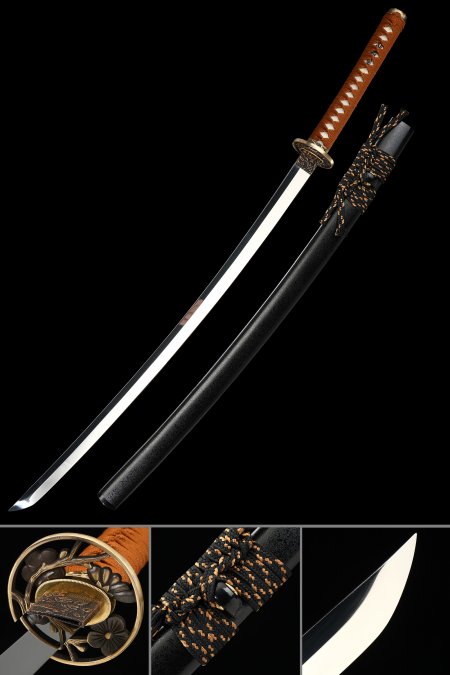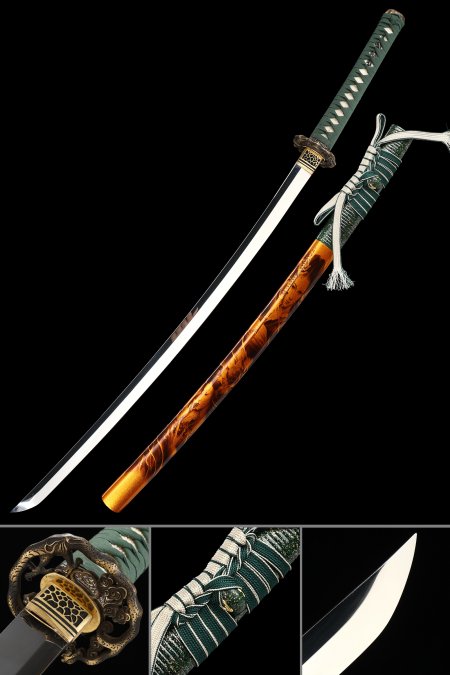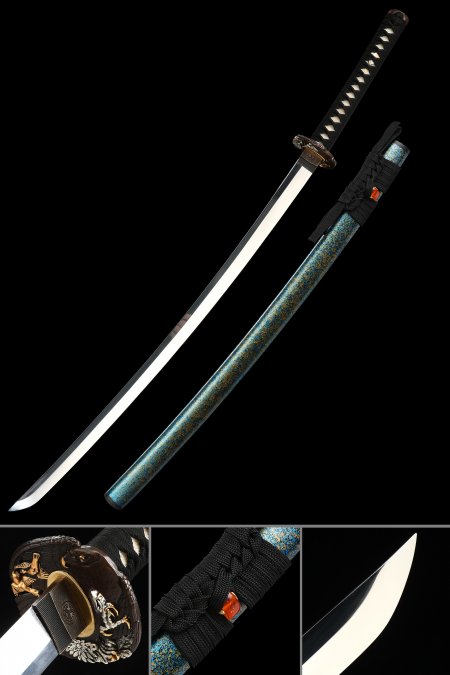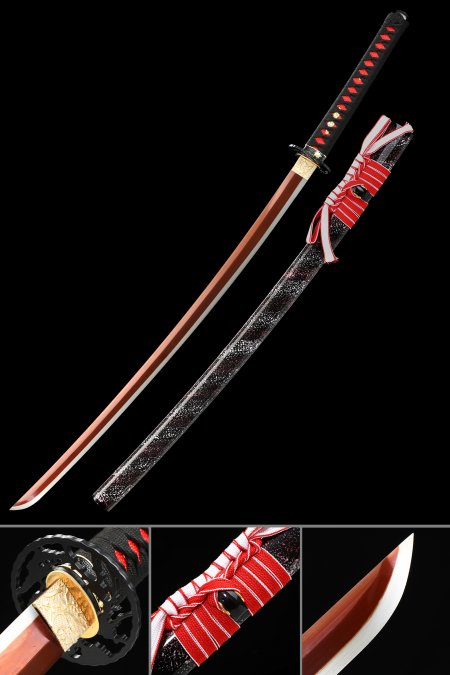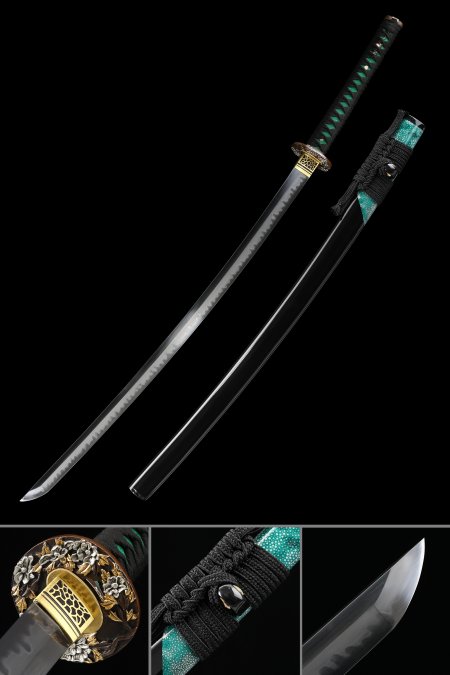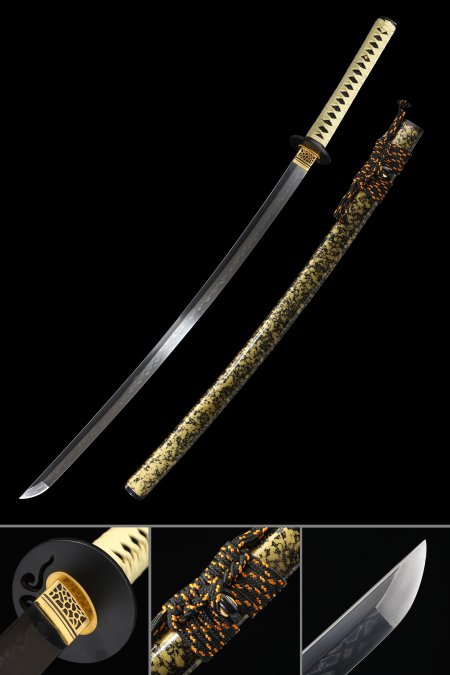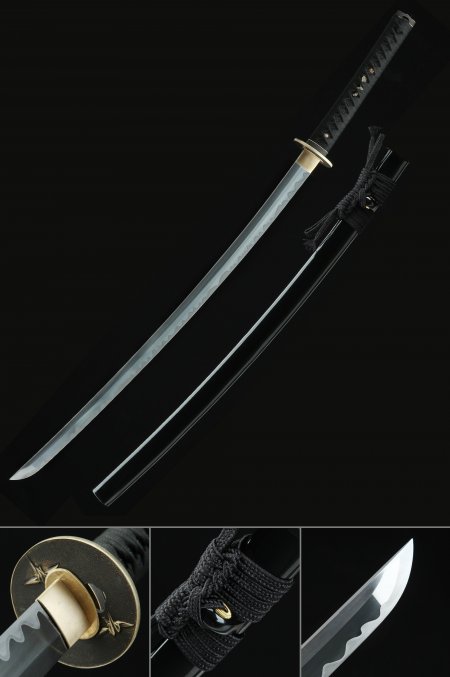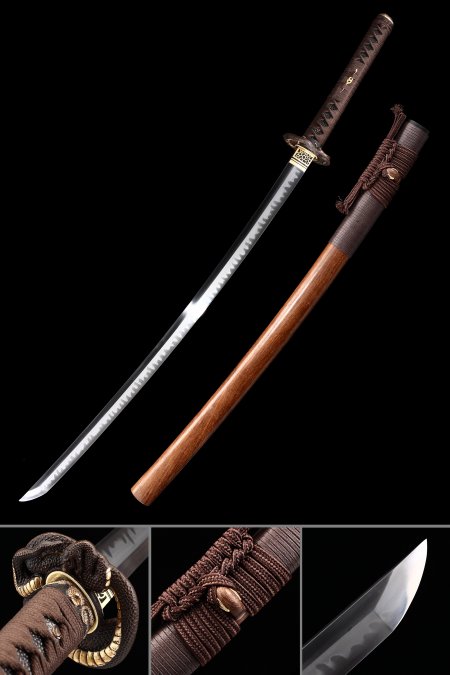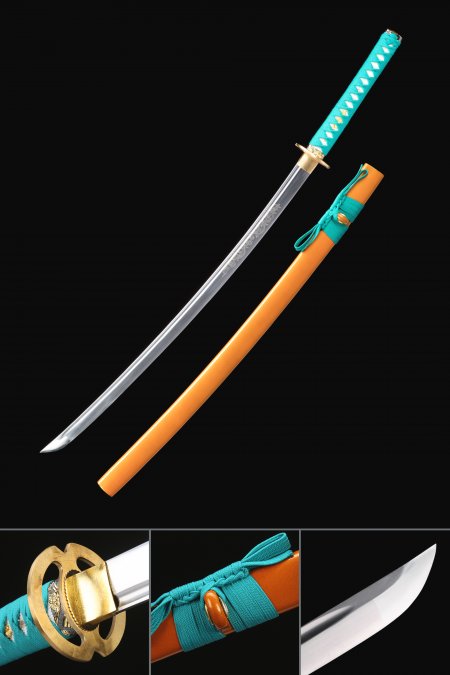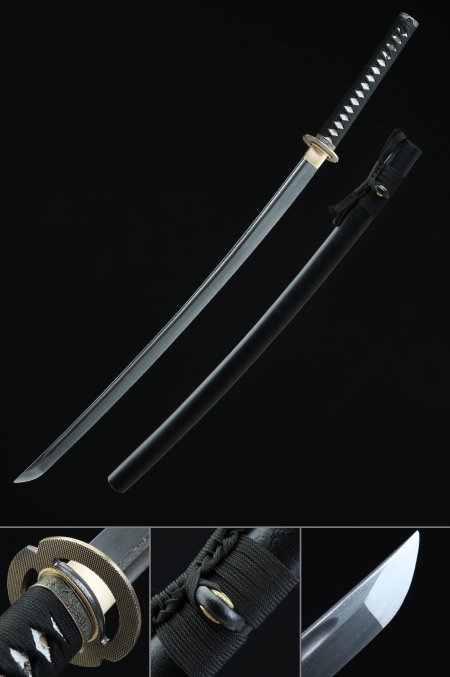
Metal Katana

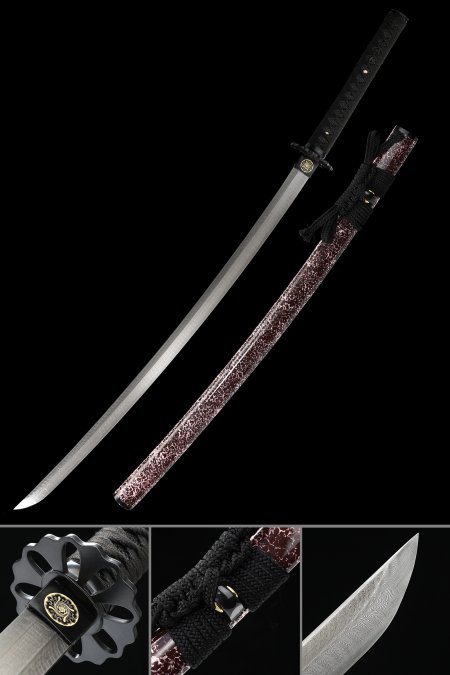
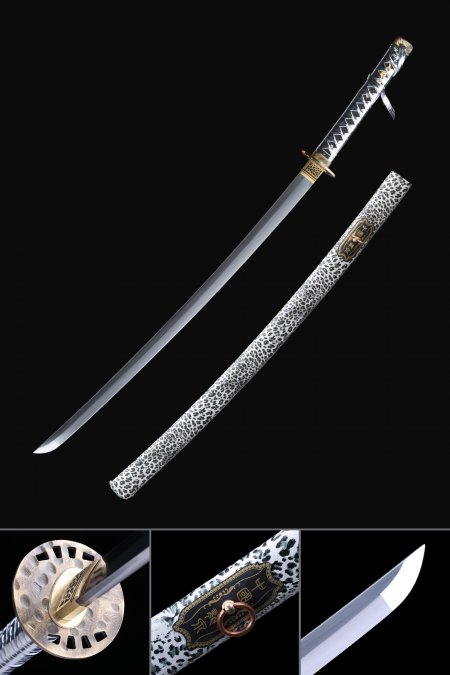
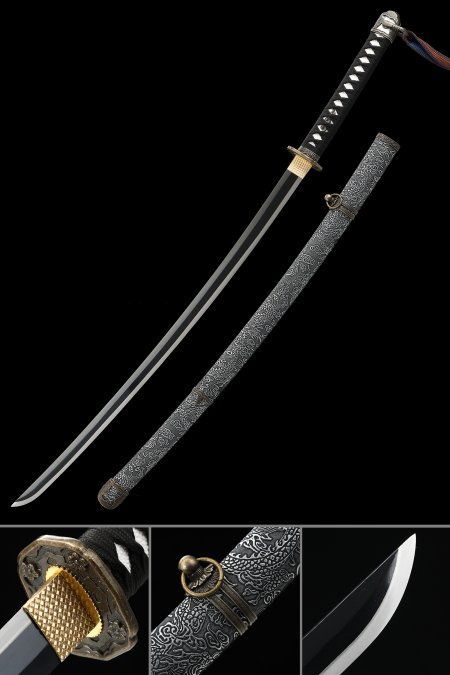
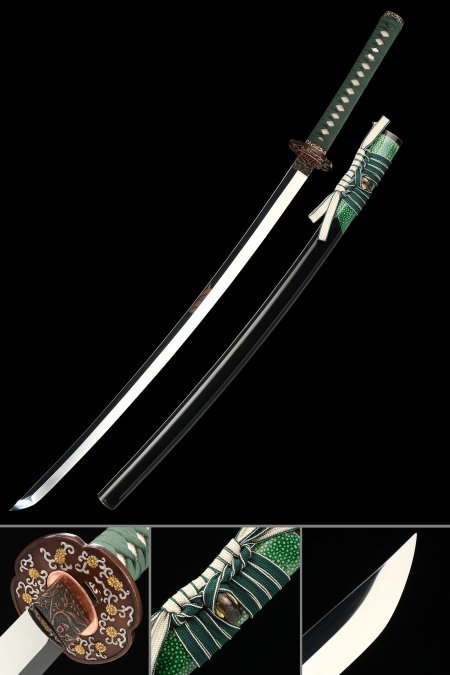
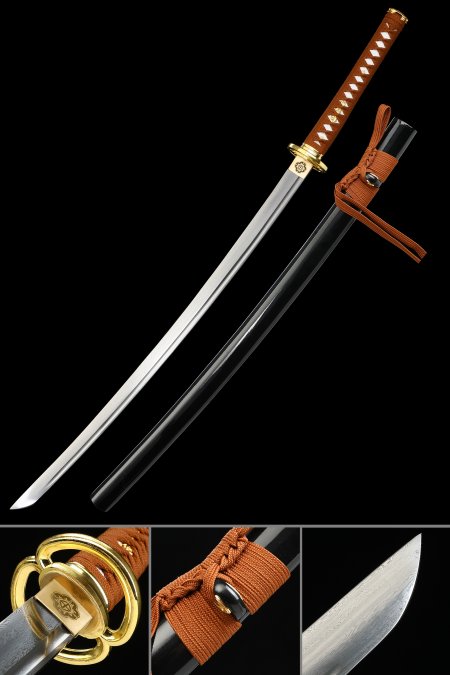
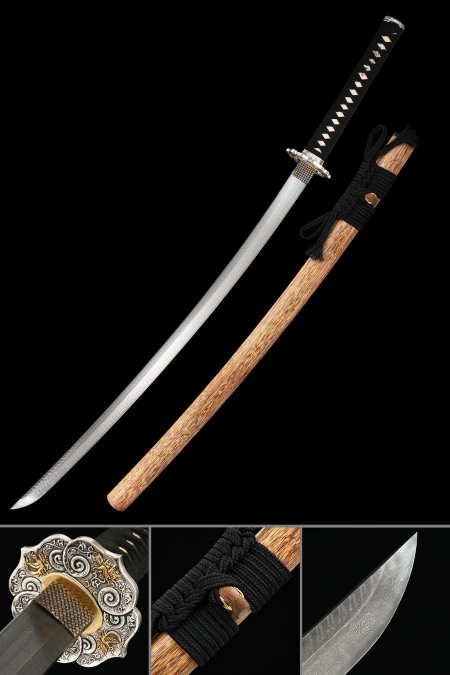
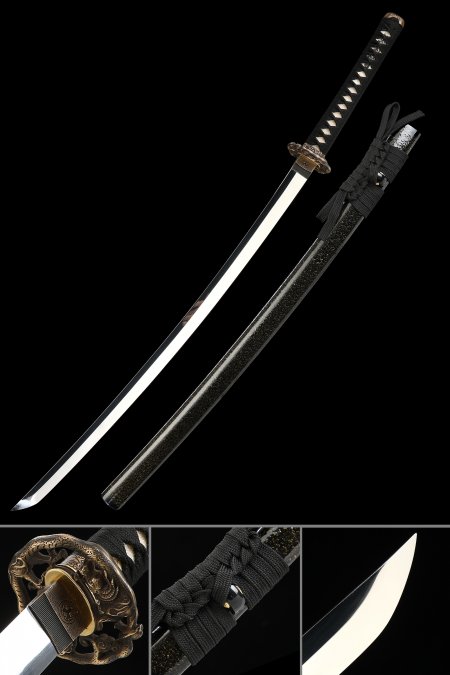
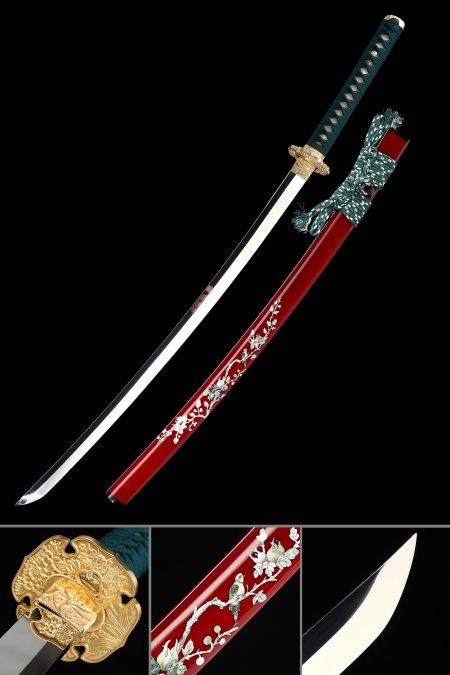
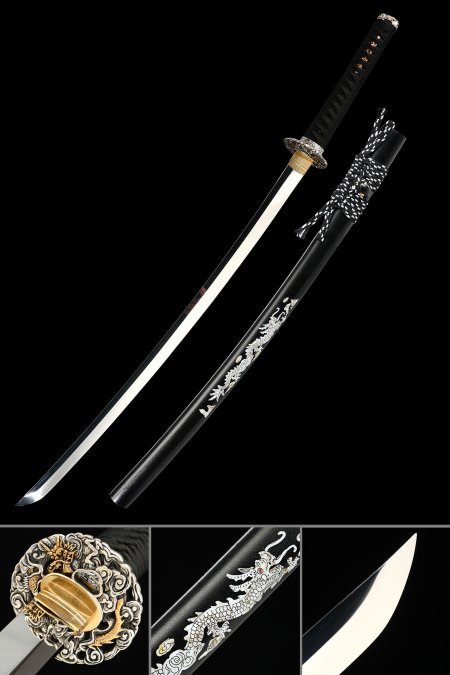
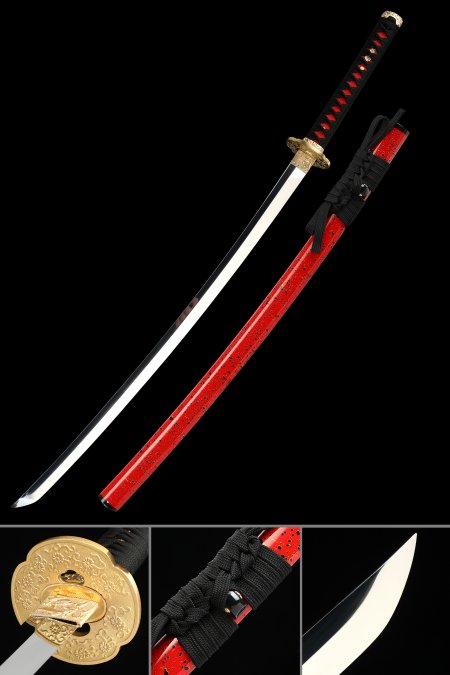
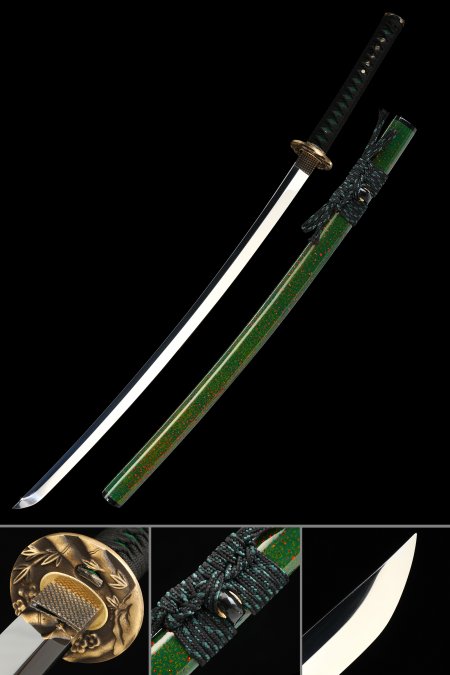
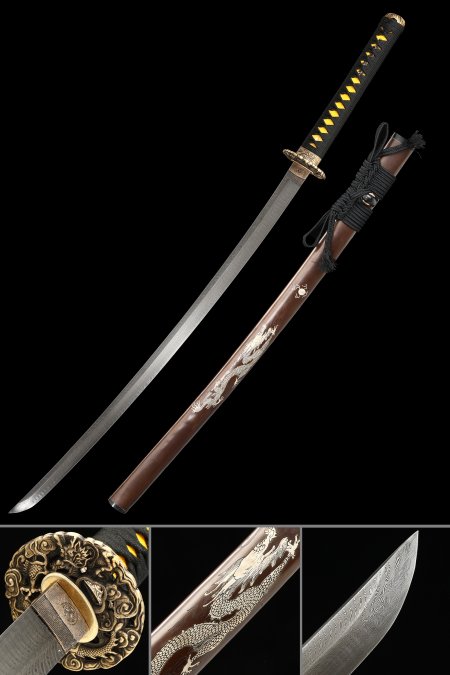
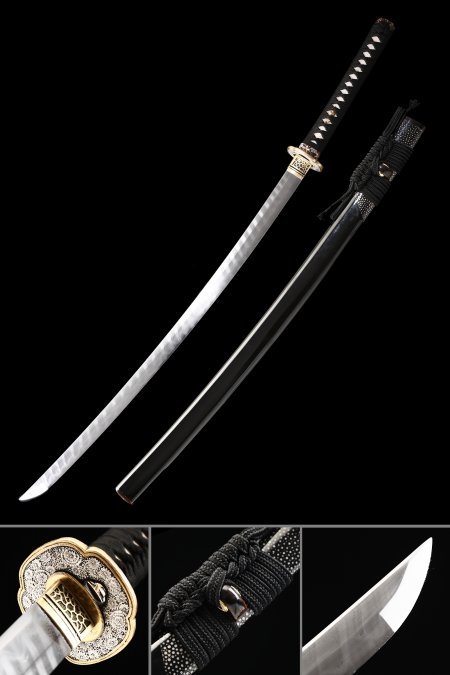
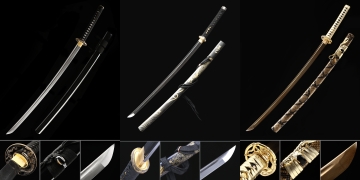
Shop our collection of metal katana swords - hand-forged Japanese katana built from high-carbon steel in 1060, 1045, T10, Damascus, and Manganese Steel with full-tang construction throughout. Metal katana in this collection are genuine blade collectibles with properly heat-treated carbon steel blades, samegawa and ito-wrapped handles, and lacquered wooden scabbards - distinguished from wooden practice and decorative display pieces by their authentic steel blade quality. Free US shipping and hassle-free returns included.
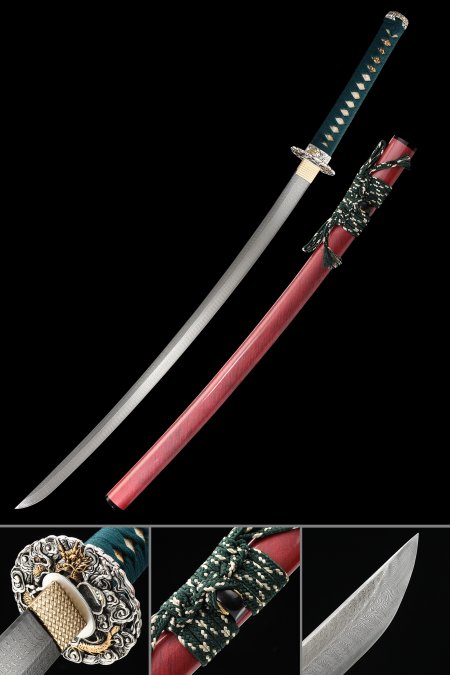
Showing 112 Products

Related Collections

Damascus Katana74 items


191 Reviews

Wakizashi Sword90 items


354 Reviews

Samurai Tanto Sword86 items


432 Reviews

Pattern Steel Katana108 items


338 Reviews

Frequently Asked Questions

What qualifies a katana as a genuine metal katana versus a decorative piece?
A genuine metal katana is distinguished from a decorative or display-only piece by several construction characteristics. The blade must be forged from high-carbon steel - 1045, 1060, 1065, T10, Damascus, or Manganese Steel grades - rather than stainless steel or zinc alloy, which cannot be properly heat treated. Proper heat treatment creates genuine blade hardness through quenching: carbon steel blades will typically achieve a Rockwell hardness of 55-60 HRC, while stainless and alloy blades cannot achieve comparable hardness through heat treatment. Full-tang construction with the blade steel running through the complete handle body, confirmed by mekugi retention pins, is the second requirement for a genuine metal katana. The handle assembly should include real samegawa ray skin under the ito wrapping, properly fitted metal tsuba guard, and habaki blade collar. A lacquered wooden scabbard completes the authentic construction. All metal katana in this collection meet these standards.
What high-carbon steel grades are available in the metal katana collection?
Metal katana in this collection are available across the full range of high-carbon steel grades used in serious Japanese sword collecting. 1045 carbon steel is the most widely available grade, providing reliable heat treatment and blade hardness at accessible price points - 1045 katana represent the solid foundation of the metal katana category. 1060 carbon steel offers enhanced hardness and surface quality for a step up in blade character. T10 carbon steel is the premium grade available with clay tempering that creates a visible hamon along the blade length - the most traditional construction indicator in Japanese sword-making. Damascus steel katana feature fold-forged layered blade patterning that creates visually individual pieces where no two blades are exactly alike. Manganese Steel is used in color blade treatment configurations where its exceptional surface hardness allows vivid blade treatments to adhere with maximum clarity.
How does a metal katana compare to a wooden practice katana for display purposes?
A metal katana and a wooden practice katana - bokken, suburito, or wooden display replica - create fundamentally different display experiences. A metal katana's high-carbon steel blade reflects light with the depth and intensity of genuine steel, catching light along the hamon temper line on T10 clay-tempered pieces and creating the play of reflection that is unique to a polished blade surface. A wooden practice katana has a matte surface that absorbs rather than reflects light, lacking the visual complexity of the steel blade. The metal katana's complete construction - steel blade, metal tsuba guard and fittings, lacquered scabbard, ito-wrapped handle - creates a display piece with visual depth at multiple levels of close inspection. For display purposes, a metal katana is the appropriate format for any collector who wants their display to represent genuine Japanese swordcraft rather than a training or educational prop.
How do I establish a care routine for a metal katana collection?
Maintaining a metal katana collection requires a consistent care routine that protects the high-carbon steel blades from oxidation. Carbon steel will rust without regular oil protection, making the care routine an ongoing responsibility rather than an occasional task. After every handling session, wipe each blade with a soft lint-free cloth to remove moisture and skin oils. Apply a thin coat of camellia oil or mineral oil to the full blade surface and buff away excess, leaving a very fine protective film. Inspect the mekugi retention pins periodically to ensure the handle remains firmly attached. For the scabbard, keep dry and away from humidity that can warp the wood and damage the lacquer. The ito handle wrapping should be kept dry and inspected for any loosening of the wrap pattern. For a collection with multiple pieces, establish a regular rotation of inspection and oiling to ensure no piece is overlooked. Store the full collection in a stable-temperature, low-humidity room away from prolonged direct sunlight.

Customer Reviews

Michael Deshaun Taliaferro North Carolina, United States

Not like any videos were saying slandering the tk it's not flimsy, doesn't rust easily, is infact very sharp, saya isn't weak wood and overall is just a very decent maybe even entry level katana for only 200$ I will say though it did bend the very tip of the katana when I hit something metal on accident but that aside its very great qualityr
r
5 stars to the smith
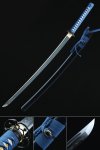
Clay Tempered T10 Carbon Steel Katana with Blue Ito Handle and Black Flower Tsuba - Full Tang Japanese Sword Clay Tempered T10 Carbon Steel Katana with Blue Ito Handle and Black Flower Tsuba - Full Tang Japanese Sword