Free Shipping
179.00 USD
ON SALE! 30% OFF
Was: 259.00 USD

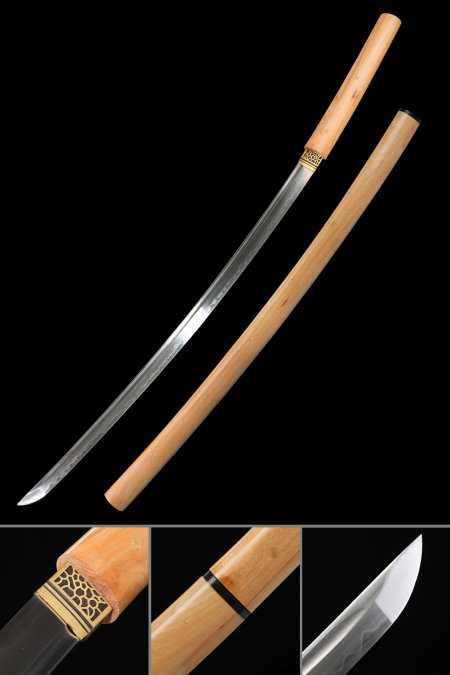
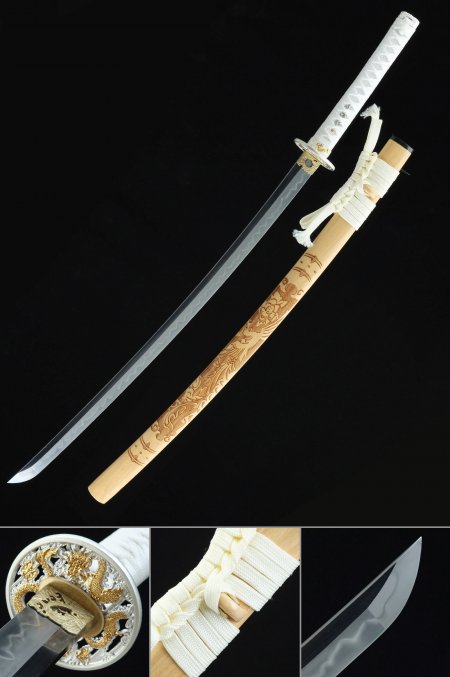
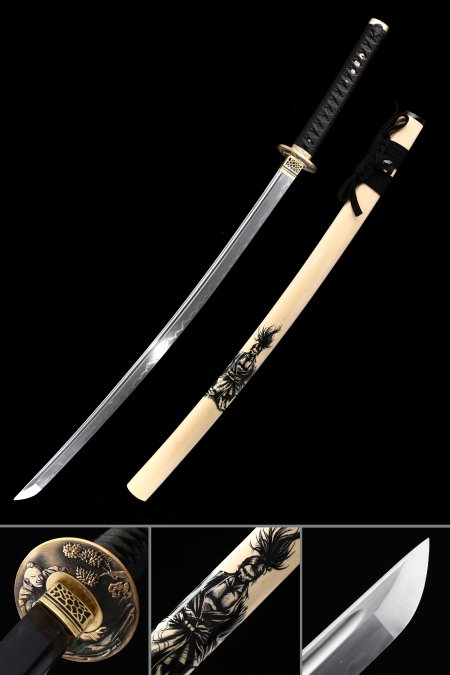
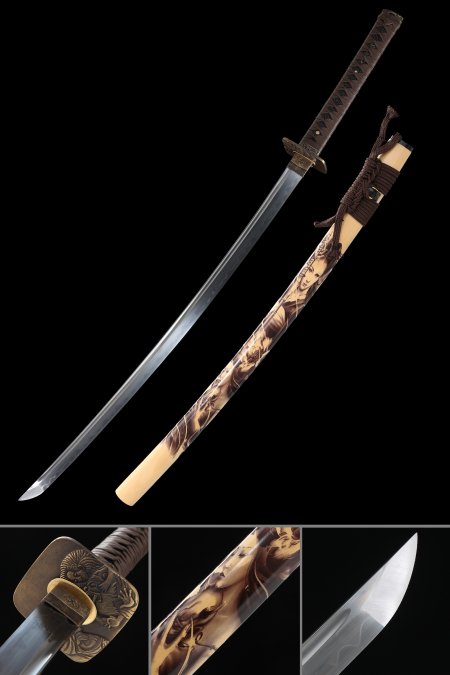
T10 carbon steel is prized among serious collectors for its fine grain structure and natural hamon - the wavy temper line that emerges from clay tempering and stands as a hallmark of authentic Japanese sword craftsmanship. Each katana in this collection features a hand-forged full-tang blade paired with natural wood saya in materials like wengewood, rosewood, and lacquered finishes, reflecting the aesthetic traditions of the Edo period. From solo display pieces to three-piece daisho sets, every sword ships with free standard delivery and is backed by our hassle-free return policy.
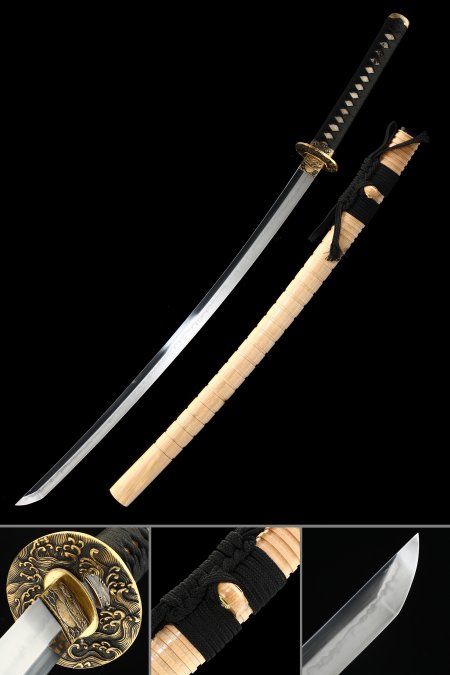
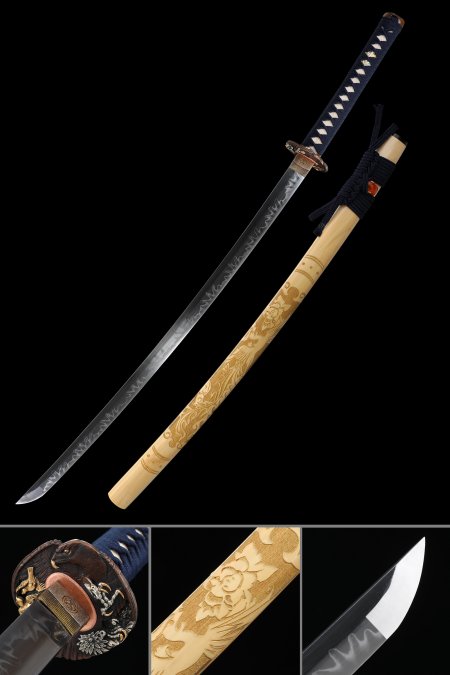

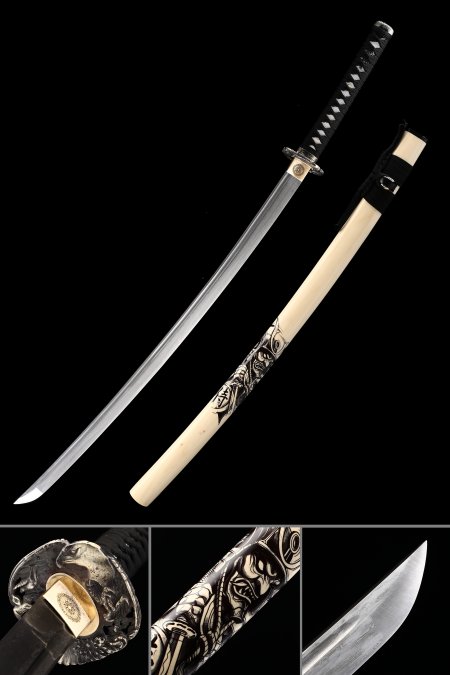
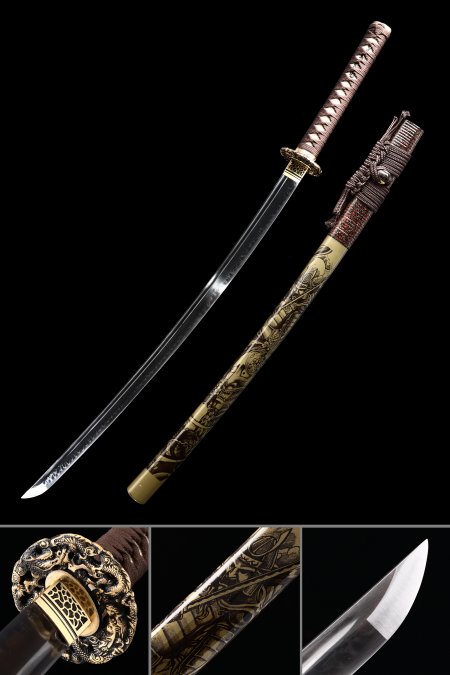
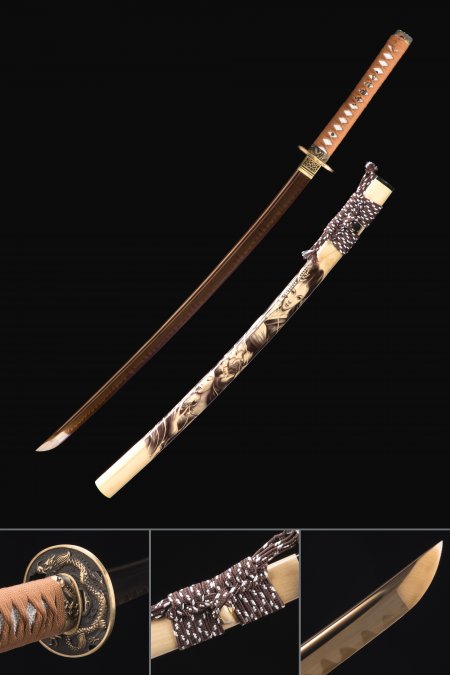
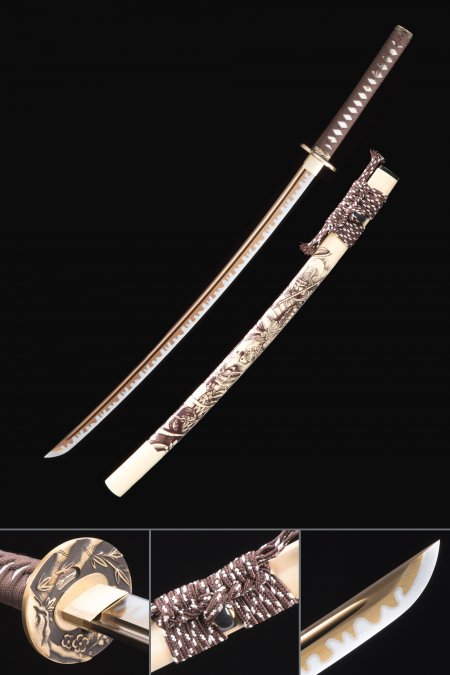
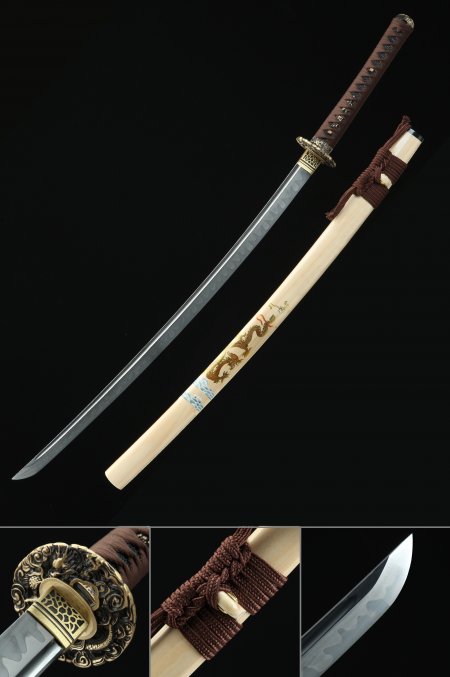
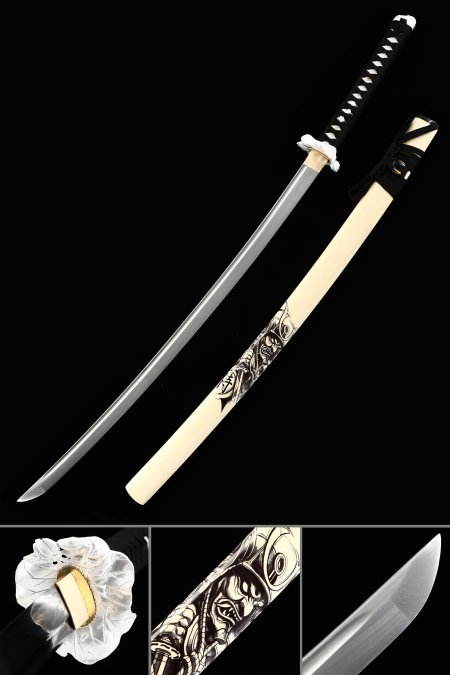
The two swords are fantastic, truly the best sword I've ever had in hand. They didn't take too long to arrive either, the only problem I have is that one sword is very different to unsheathe and ensheathe. It seems like the cut in the sheathe is off, but otherwise everything is great and would definitely order again.r
r
The first two are the ones I received from "TrueKatana". The topmost sword is the one with the sheathing problem.
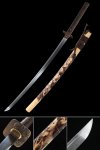 |
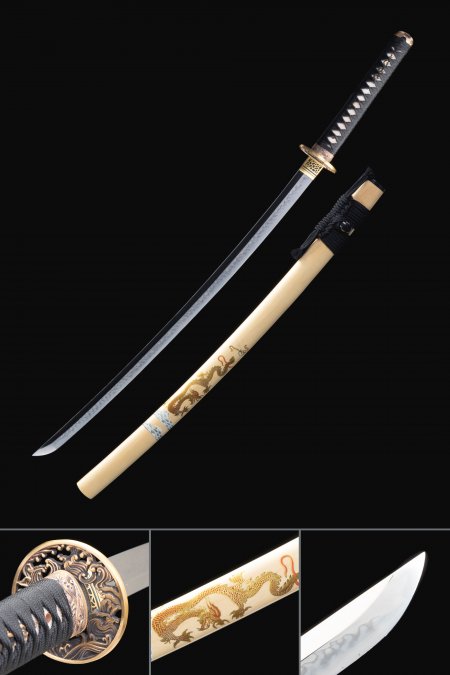
T10 Carbon Steel Katana with Clay Tempered Real Hamon in Hand-Painted Beige Saya with Copper Fittings |
Beautiful blade, and great made handle and sheath! Didn't take too long for shipping and wall holder is so beautiful 😍
|
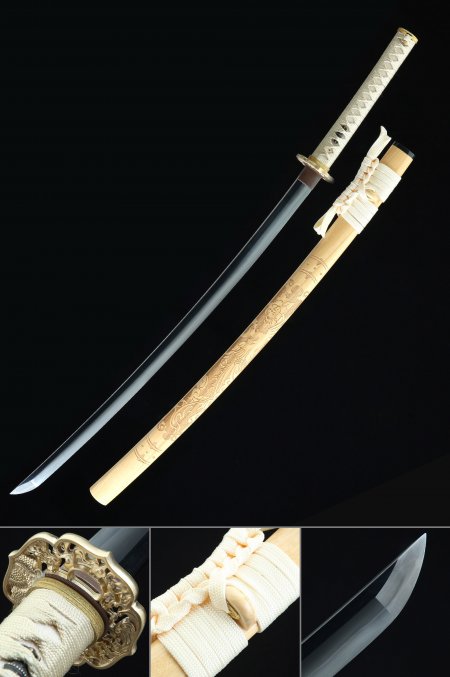
T10 Carbon Steel Katana with Clay Tempered Real Hamon in Hand-Painted Beige Saya with Copper Fittings |
The first one was damaged, but they did replace it.
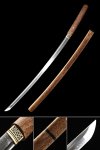 |
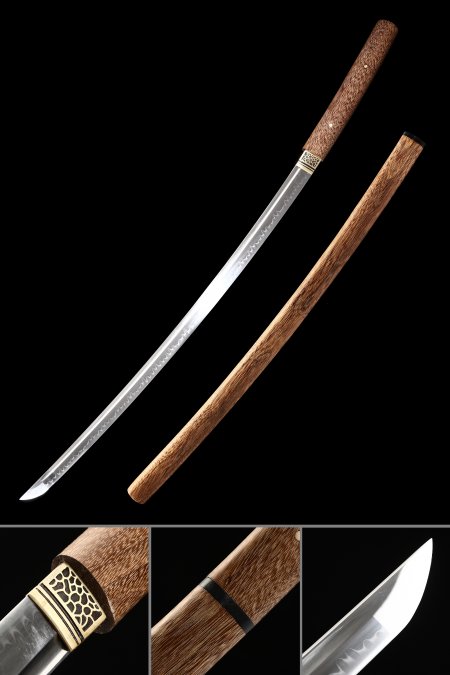
T10 Carbon Steel Shirasaya Katana with Clay-Tempered Real Hamon in Natural Wengewood Saya |
The only recommendation I will make is please upload the physical dimension specs of the swords -- it would help with people who want to make custom stands or mounts. Otherwise these look lovely and are quality pieces I am glad I purchased. r
r
Very much "adult" style of katana, classy, and tasteful for my wall.
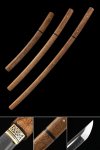 |
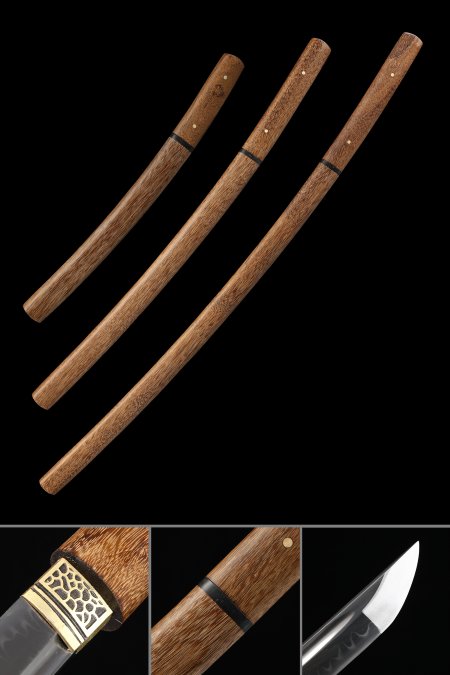
T10 Clay Tempered Daisho Set - Shirasaya Katana Wakizashi Tanto in Rosewood with Real Hamon 3-Piece Collection |
Very pleased with the quality the order.was shipped promptly too.very sharp too so be careful kiddos.
|
T10 Carbon Steel Shirasaya Katana with Clay-Tempered Real Hamon in Natural Wengewood Saya |
I love the wood looks beautiful .has a great feeling. Price was awseome shipping was awseome. I just can't get the sword out of the sheath .it's like it's swollen. Inside
|
T10 Carbon Steel Shirasaya Katana with Clay-Tempered Real Hamon in Natural Wengewood Saya |
Nice sword.good quality. I have plans to buy more in the future
|
T10 Carbon Steel Shirasaya Katana with Clay-Tempered Real Hamon in Natural Wengewood Saya |
My first Katana, it looks amazing, It feels great definitely will buy another soon.
|
T10 Carbon Steel Katana with Clay Tempered Real Hamon in Hand-Painted Beige Saya with Copper Fittings |