Free Shipping
229.00 USD

The Old Katana captures the timeworn elegance of historical Japanese swords, recreating the look and feel of blades that once belonged to samurai families generations ago. Each sword in this collection is hand-forged with high-carbon steel, dressed in classical koshirae and finished with deliberately aged fittings, so it carries the soul of the past while remaining a fully functional modern blade. If you love the patina of an Antique Katana or the worn dignity of a Vintage Katana, this collection brings the same atmosphere into your living room. Every piece arrives display-ready, balanced for two-handed use and crafted to honor the centuries-old traditions of Japanese sword making.
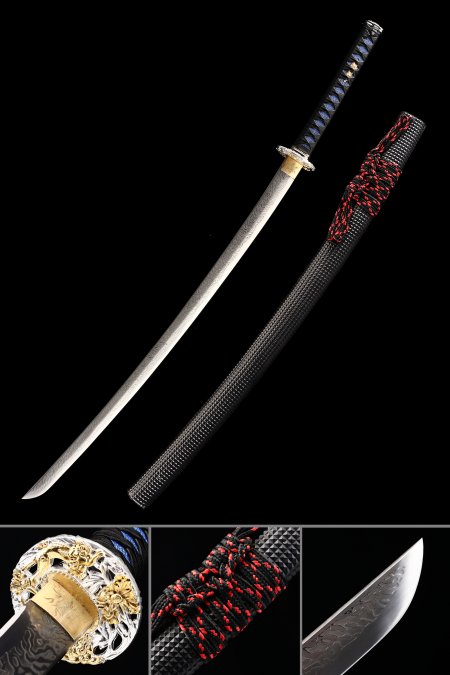
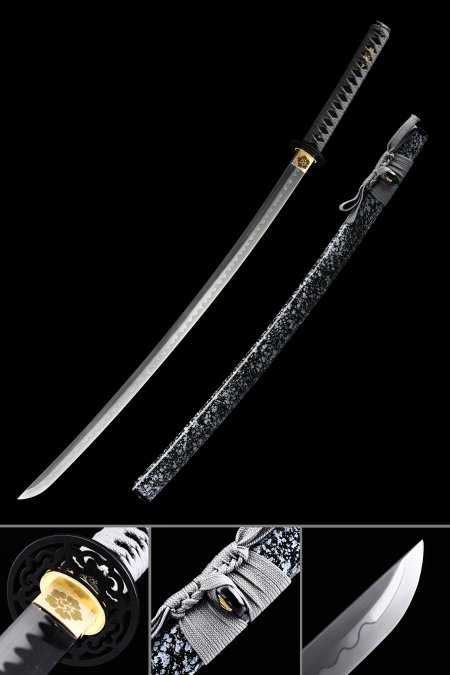
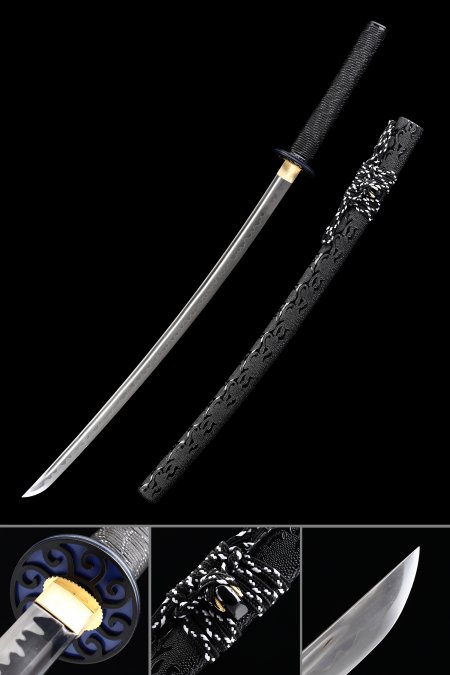
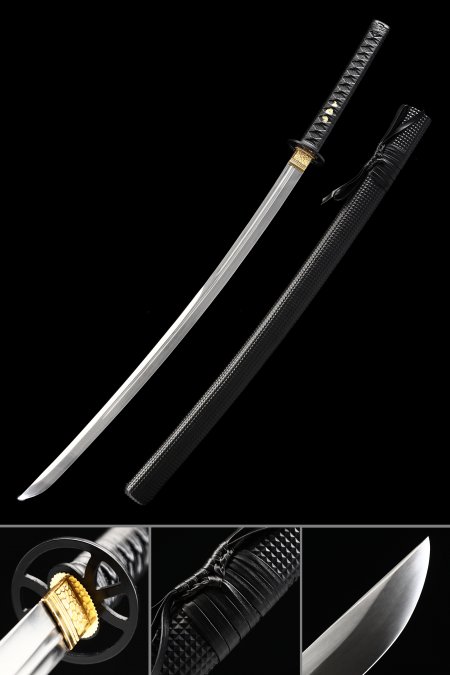
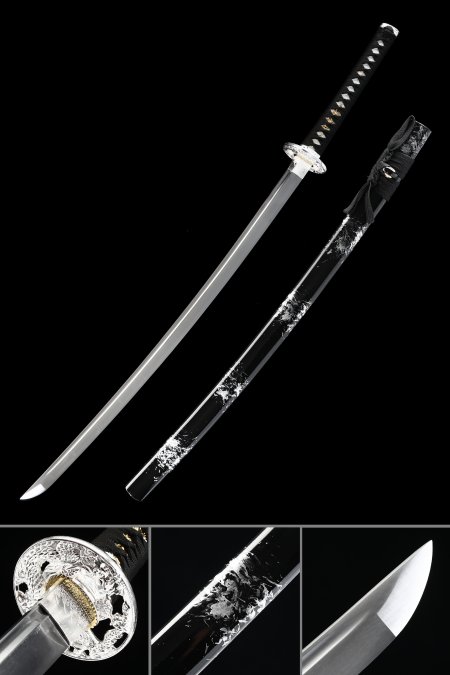
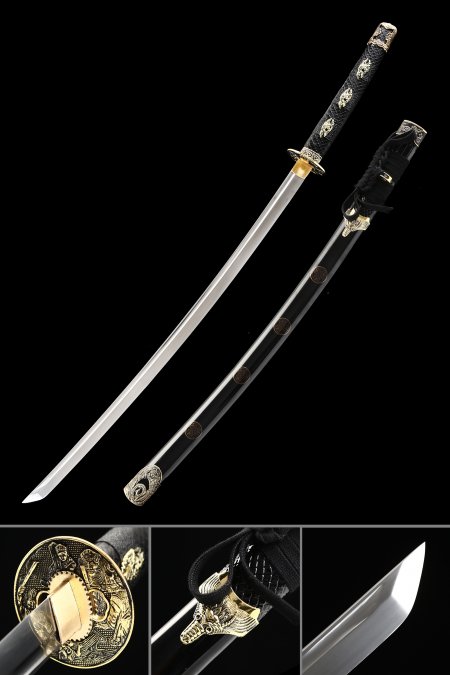
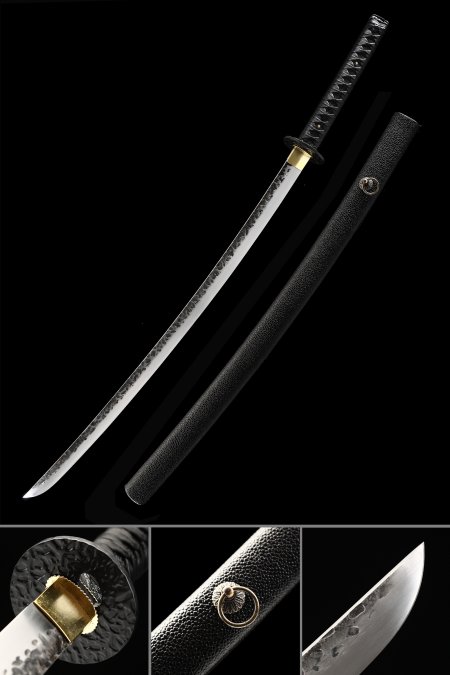
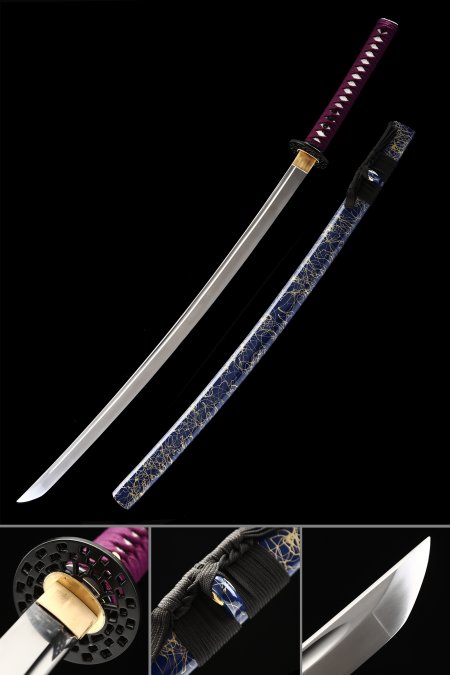
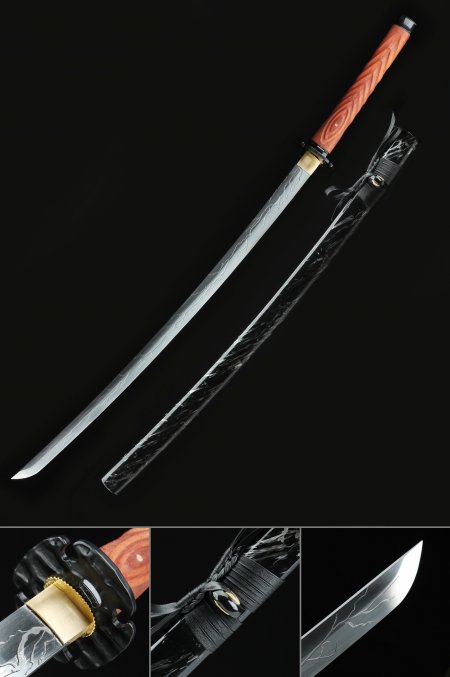
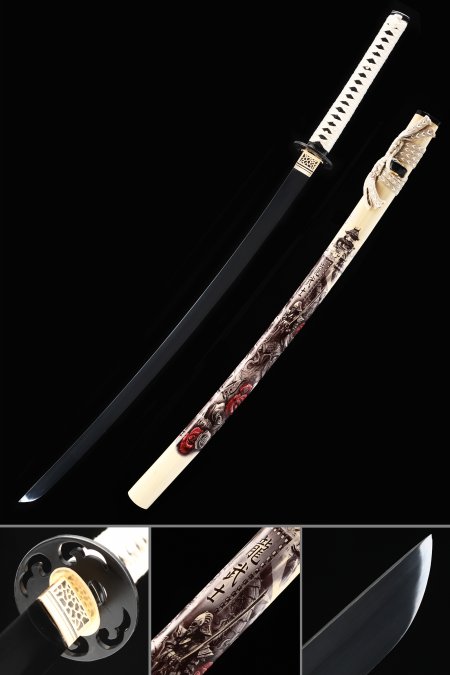
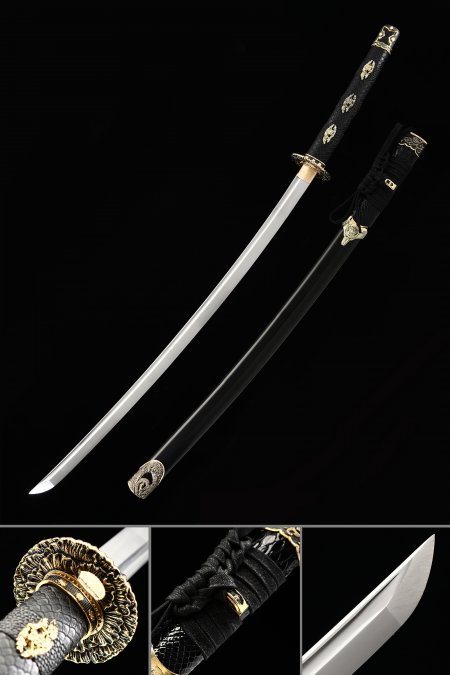
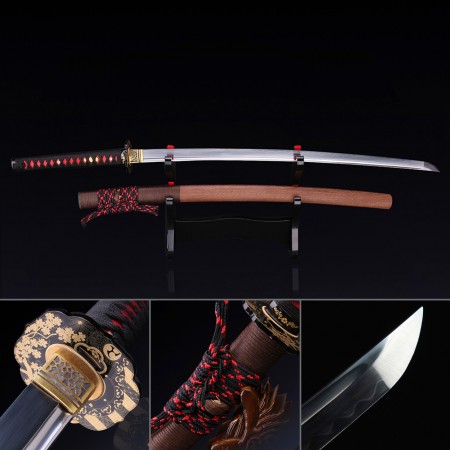
A genuine antique katana is a sword forged hundreds of years ago, often documented through registration papers in Japan and subject to strict export and ownership rules in many countries. These pieces are typically registered with NBTHK or NTHK certifications, command extremely high prices on the collector market and require specialized knowledge to authenticate, store and maintain. An old-style replica, by contrast, is a newly manufactured blade designed to look and feel like an antique while being legally simple to own and ship. The replica uses modern materials and quality control, so the blade is fully functional and comes with a clear chain of custody from workshop to door. A Traditional Katana built in this style respects historical proportions and uses period-correct mountings, but it is not a museum-grade artifact. If you want the visual character and atmosphere of an heirloom for daily display or practice, an old-style Antique Katana finish gives you everything you need without the customs paperwork or six-figure price tag. Always be wary of online sellers claiming to ship genuine antiques cheaply, as authentic period blades almost never appear on general e-commerce channels at modest prices.
The blade inside an old-style sword is identical in quality to the standard hand-forged katanas that have made TrueKatana a trusted name. Most entry-level pieces use 1045 or 1060 high-carbon steel, which is shock-tolerant, easy to sharpen and ideal for both display and light cutting practice. A 1060 Katana in particular offers an excellent balance of toughness and edge retention, which makes it the most popular middle-ground choice for first-time buyers. Mid-tier and premium variants step up to 1095 high-carbon steel, T10 tungsten-alloy steel or fully folded steel, and a Damascus Steel Katana built to the antique theme adds the visible flowing pattern of folded layers that historical smiths achieved through tamahagane refinement. All of these steels can be heat-treated to traditional Japanese hardness levels, with edge zones reaching HRC 58 or higher and softer spines that absorb impact. The final hardness, sori curvature and weight balance are tuned by hand by experienced smiths, so the blade behaves like a genuine sword in the hand rather than a wall ornament. Always confirm the exact steel grade in the product description before checkout to make sure you are getting the construction level you expect.
Yes, the blades in this collection ship factory sharp and are fully capable of real cutting work when matched with appropriate targets. The edge is hand-honed before shipping so that the sword can slice paper cleanly, cut soft fruit and handle light tameshigiri targets straight out of the box. For maximum cutting performance, a Battle Ready Katana in this antique styling is the best choice because it combines heat-treated edge geometry with a structurally sound full-tang construction that absorbs impact safely. If you want a blade that doubles as both display and serious practice tool, a Sharp Katana in the same series ships ready to use without any additional sharpening. Suitable practice targets include rolled tatami omote, soaked newspaper bundles, light bamboo segments and pool noodles. Heavy hardwoods, metal pipes, cinder blocks and dense bone should always be avoided, as they will damage the edge and may damage the lacquered fittings. With proper technique, gradual target progression and routine oiling after every session, an old-style blade from our catalog will perform reliably for many years of practice without losing its dignified visual character. Always wear eye protection and clear the practice area of bystanders.
Absolutely, and assembling a coordinated antique-style set is one of the most rewarding paths a collector can take. The classic daisho pairs a long sword with a medium companion wakizashi, but many enthusiasts add a small tanto on top to create a complete three-piece arrangement that fills a tiered wall stand beautifully and historically represents the full personal arsenal of a samurai. To build a cohesive set, start with the long samurai sword as the centerpiece, then choose a matching wakizashi in the same aged koshirae styling, and finish with a tanto whose tsuba and menuki echo the larger guard. Consistency in tsuba metal, ito color and saya finish creates the strongest visual harmony, but small variations in motif keep the display visually interesting rather than overly matched. If a perfect tonal match is unavailable, choose complementary muted finishes such as iron tsuba and dark brown saya so the overall palette stays restrained. Mounting the set on a stepped tachi-kake or three-tier horizontal stand draws the eye from large to small in the traditional Japanese reading order. Position the display away from direct sunlight and high humidity for the best long-term preservation.
Very well packaged, daughter really loves it. Will look great above her bed. It’s very pretty, thank you!
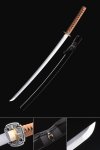 |
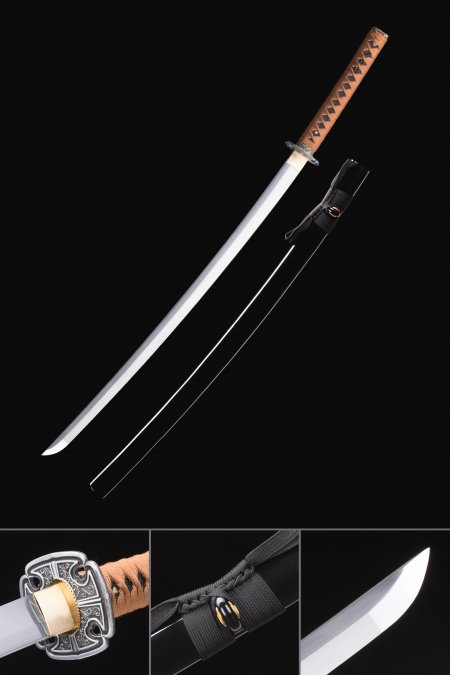
1060 Manganese Steel Katana with Brown Tsuka, Silver Scroll Tsuba & Black Lacquer Saya |
Very good material. Love the set so far. Will be getting more in the future. Arigato
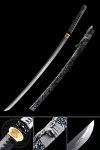 |
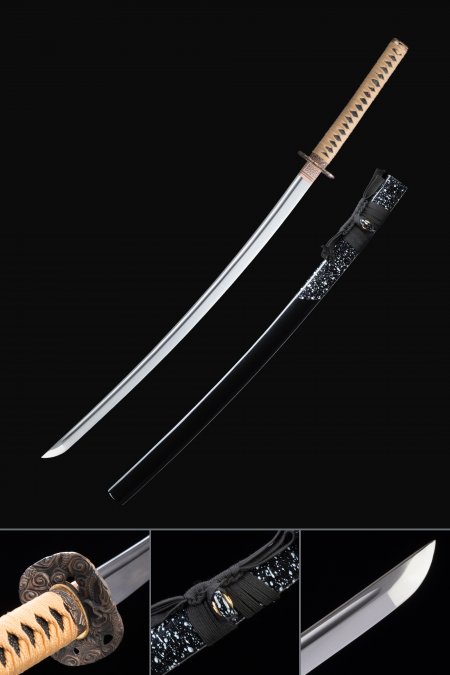
Clay Tempered Manganese Steel Katana with Real Hamon in Black and Silver Marble Saya - Grey Wrap |
It was everything they promised. Quality work for a good price.
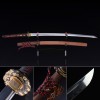 |
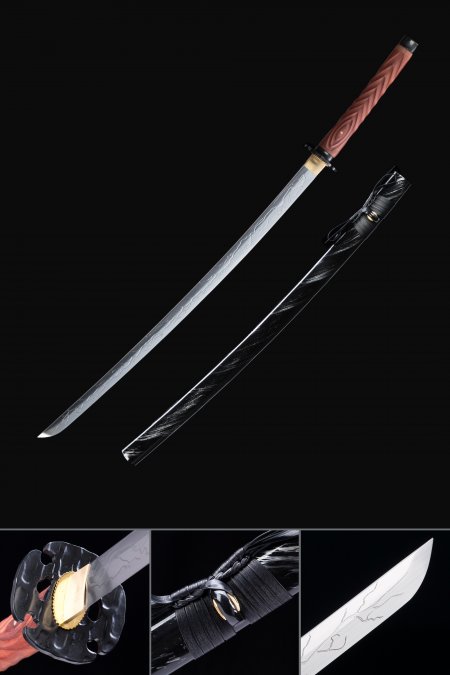
T10 Carbon Steel Clay Tempered Katana with Real Hamon in Natural Rosewood Saya - Gold Floral Tsuba |
This is the most beautiful sword I ever seen it’s really heavy and the color is beautiful. Best purchase I ever made and the sword is so sharp!
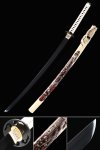 |
Spring Steel Katana with Black Blade and Dragon-Themed Carved Saya in White Tsuka Wrap |
Beautiful silver sword. Themed dragon. Perfect sister sword to the Red Dragon. The Silver Dragon. It is the best silver katana I have seen. It truly is a sword that deserves a name. You only give the best of your swords names. Out of respect to the perfection in design and skill. So you name the sword in honor of the maker's craftsmanship. So only those swords. To know which you are wielding into battle. The fear of your enemy is in that same name. I am telling this story so you know why I name the swords. They are the best I have. The best. Be pleased to know you found the right place.
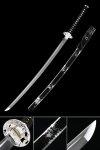 |
Spring Steel Katana with Silver Dragon Tsuba and Black Lacquered Saya - Full Tang Japanese Sword |
I love my sword it is so awesome and they deliver what I wanted I'm happy with my order
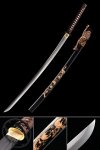 |
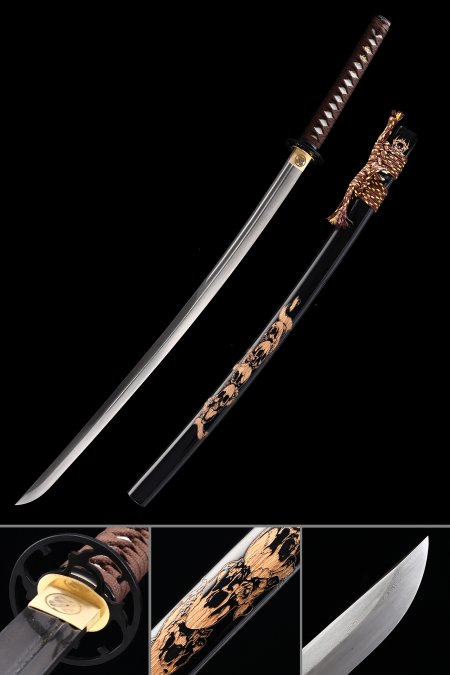
1000-Layer Folded Steel Katana with Skull-Engraved Black Saya and Brown Ito |
I absolutely love this sword!! When I ordered it I thought it would take awhile to get to me, but it made it before the expected delivery date! I would highly recommend shopping at truekatana.com, when I order another sword I will be going here!
|
Spring Steel Katana with Black Blade and Dragon-Themed Carved Saya in White Tsuka Wrap |
Excellent product 👌
I got it for my son's birthday and he is in love with it. I'm sure I'll get one for myself soon!Thanks guys keep doing what you doing!
|
Spring Steel Katana with Black Blade and Dragon-Themed Carved Saya in White Tsuka Wrap |