Free Shipping
269.00 USD
ON SALE! 20% OFF
Was: 339.00 USD

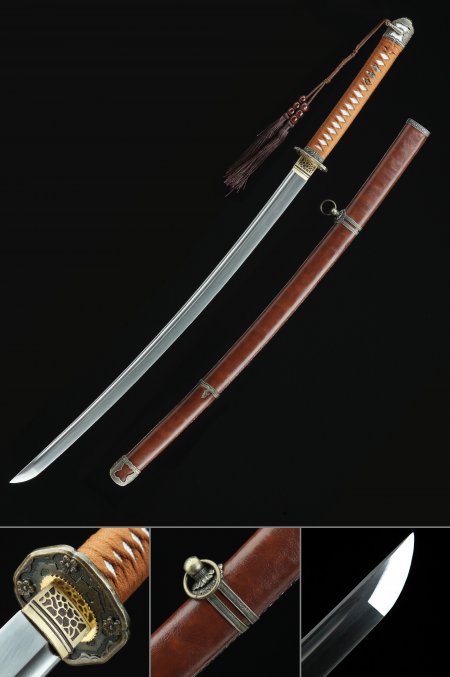
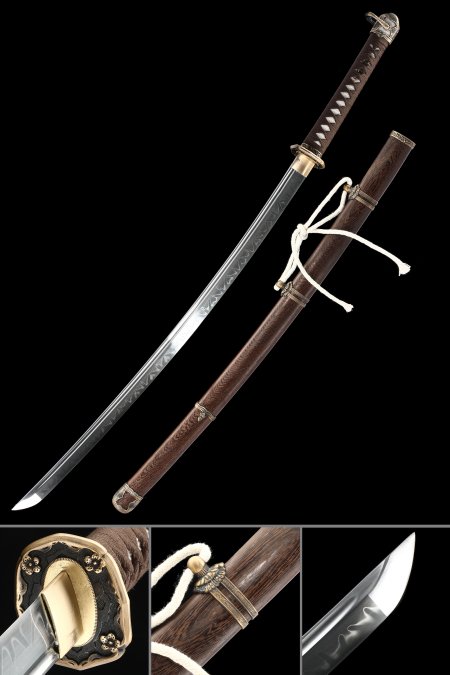
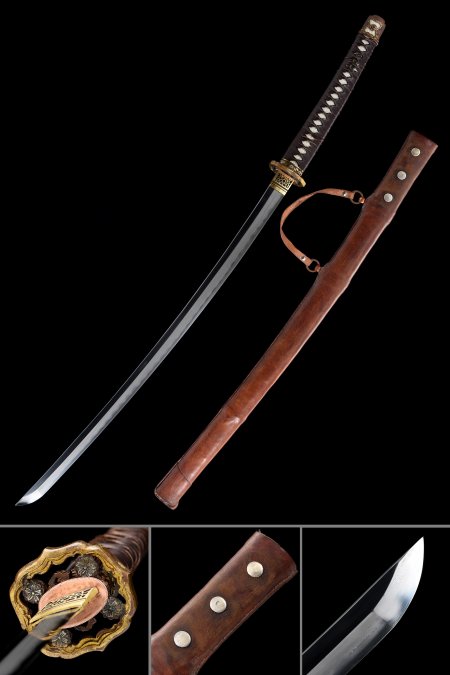
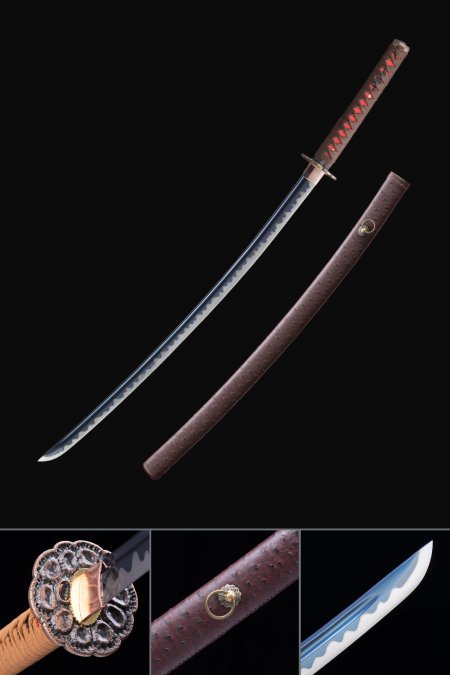
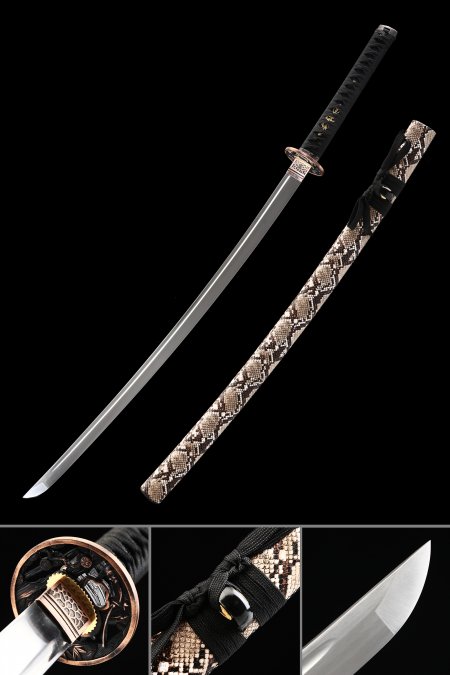
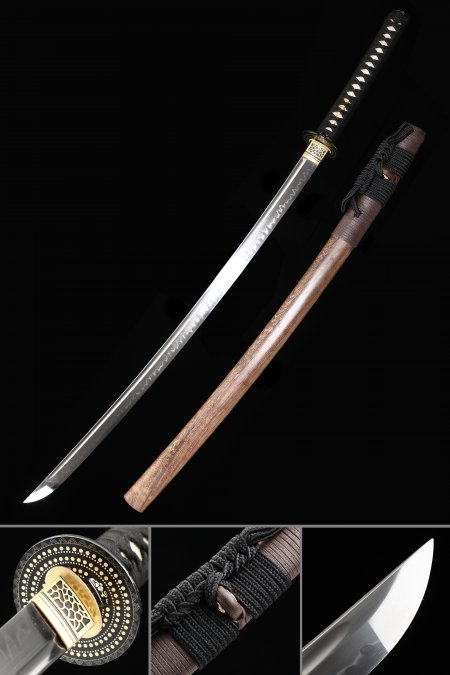
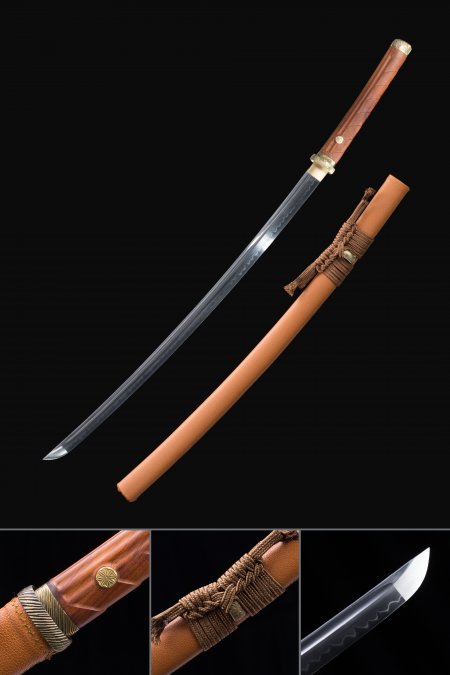
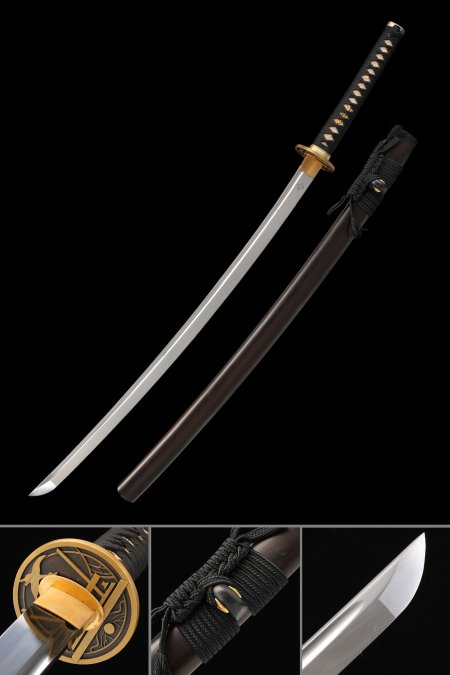
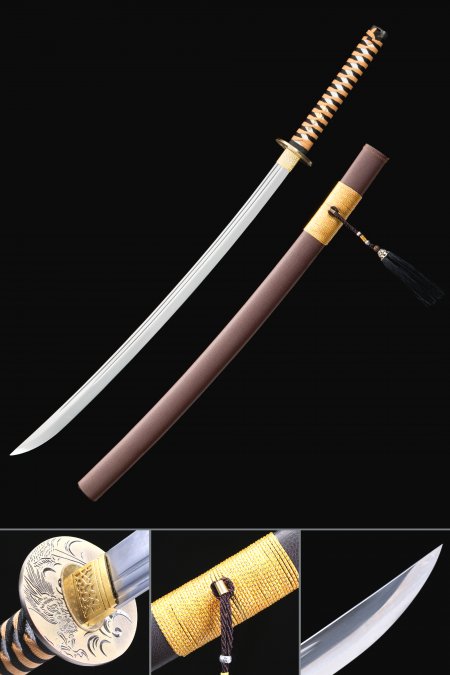
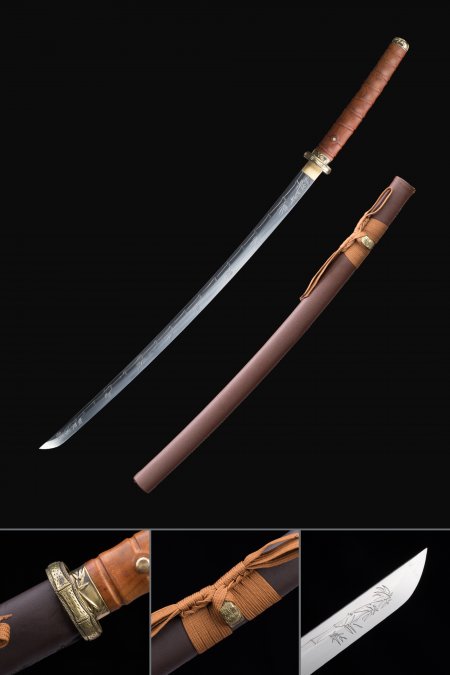
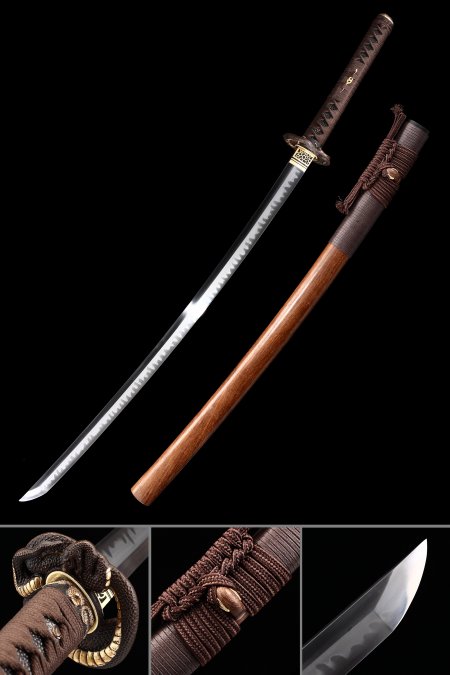
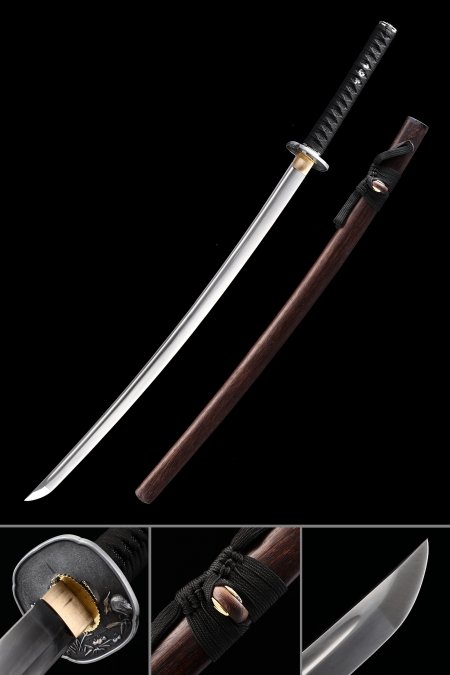
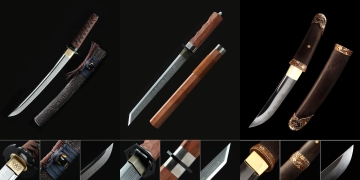
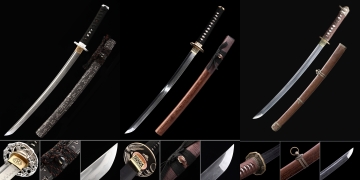
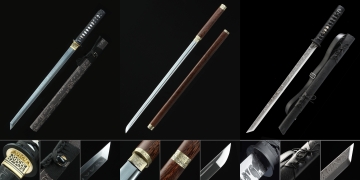
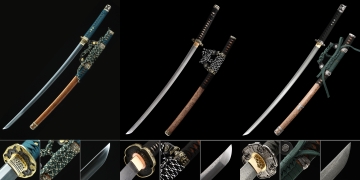
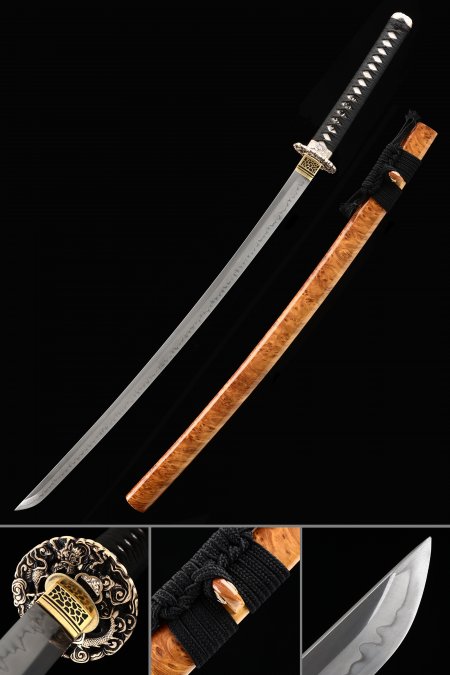
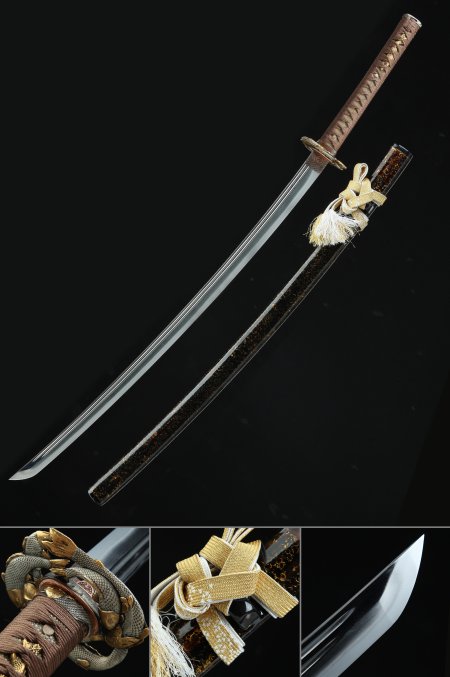
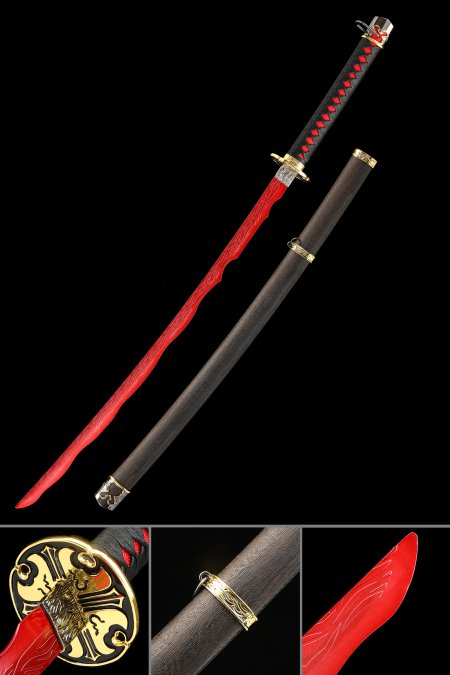
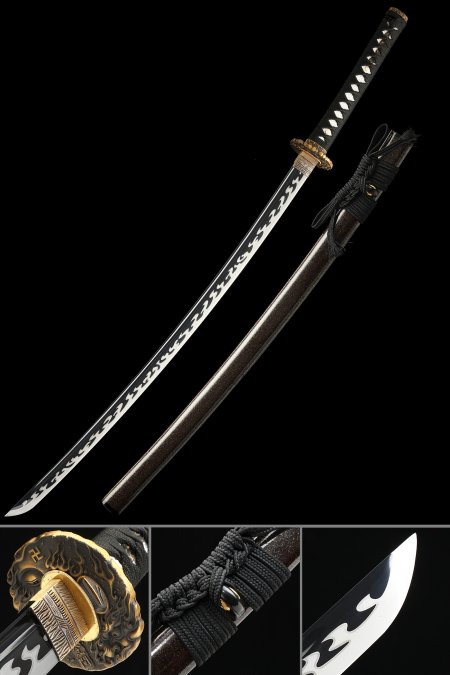
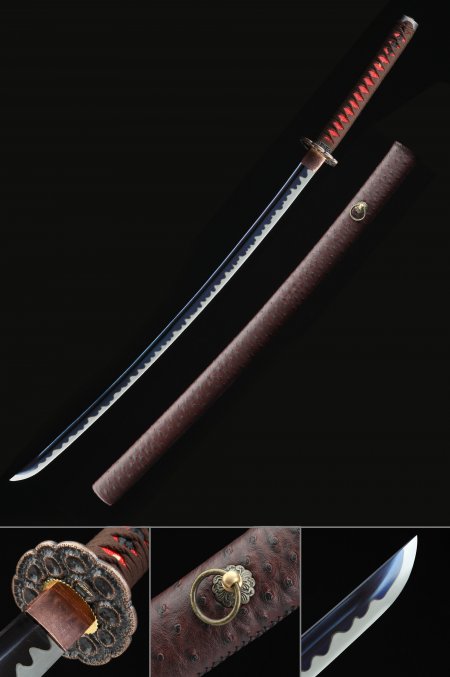
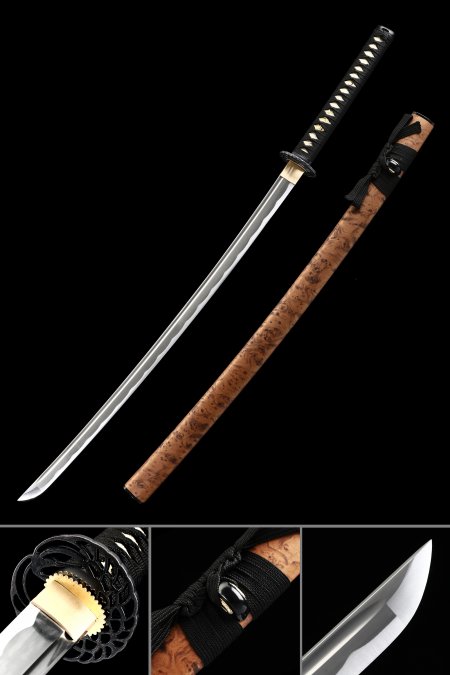
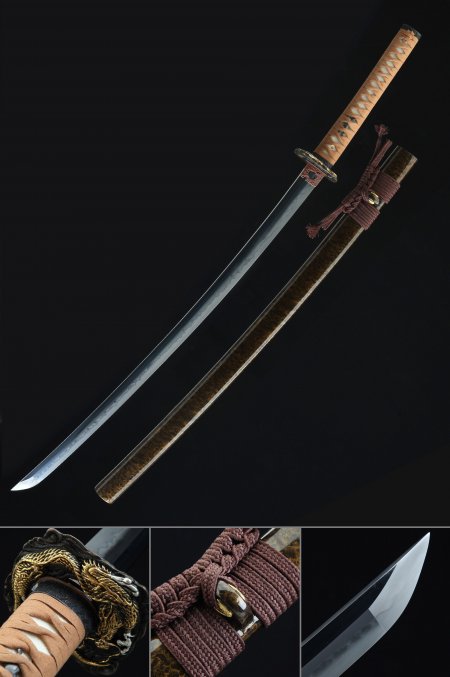
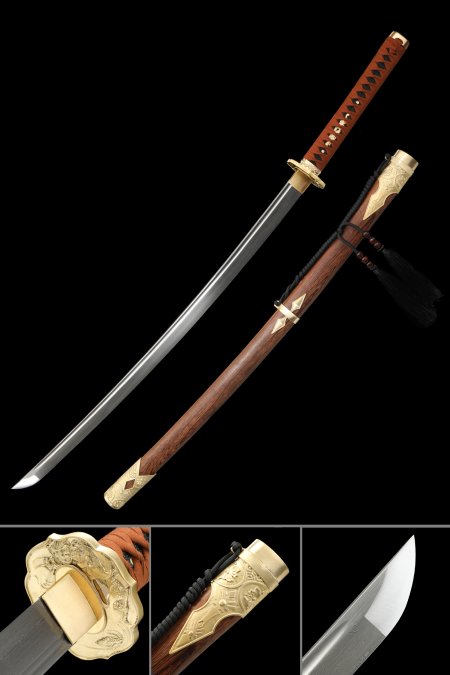
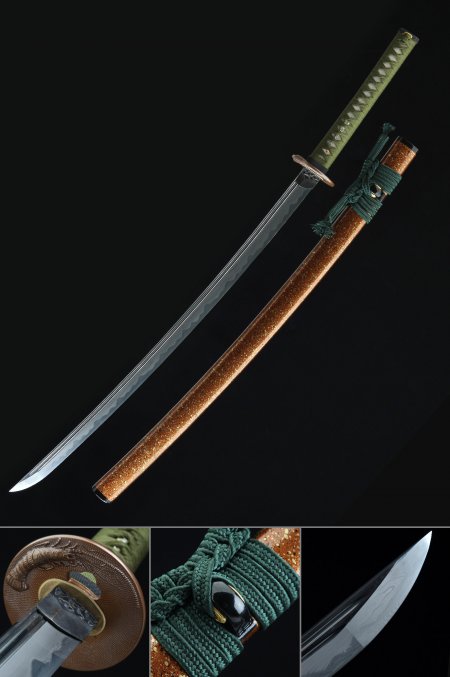
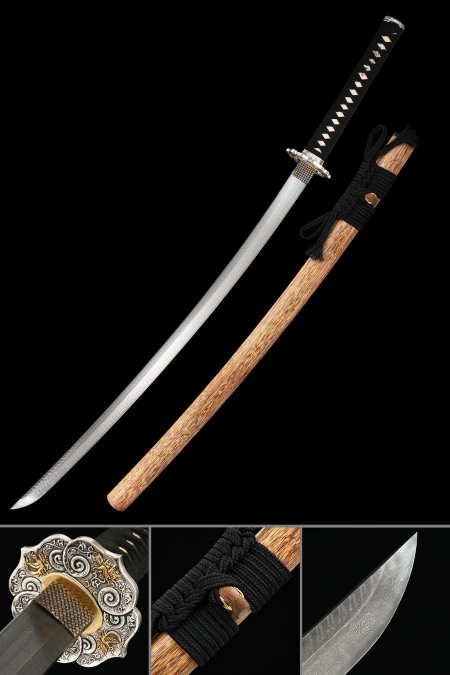
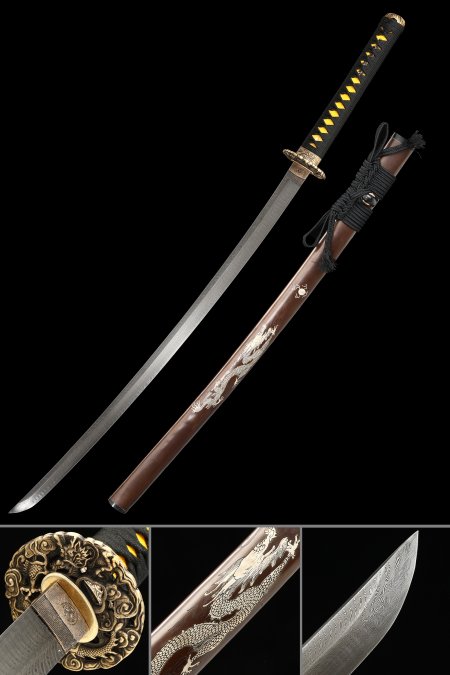
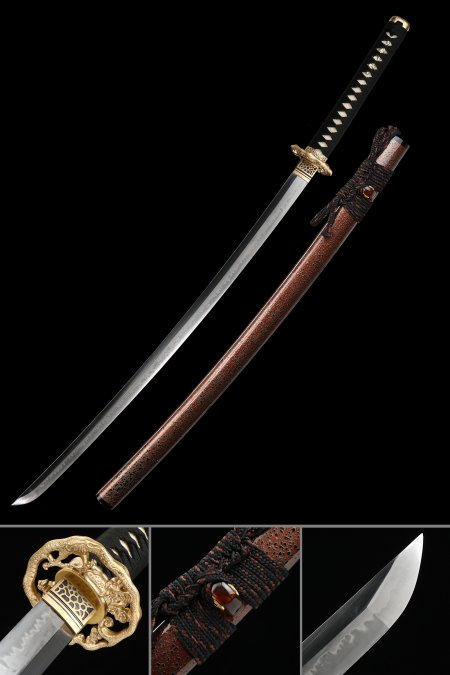
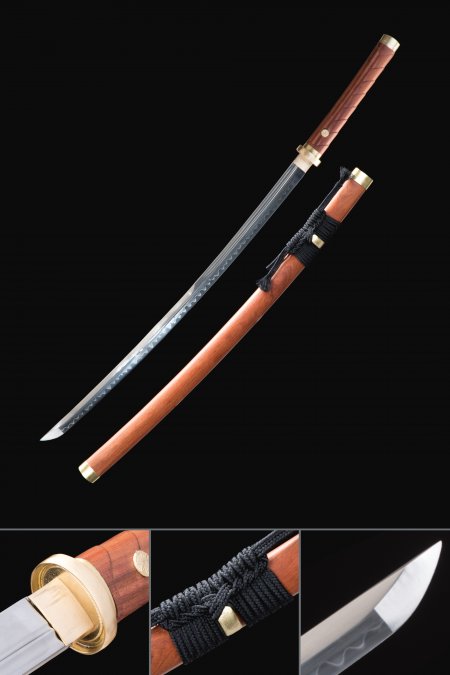
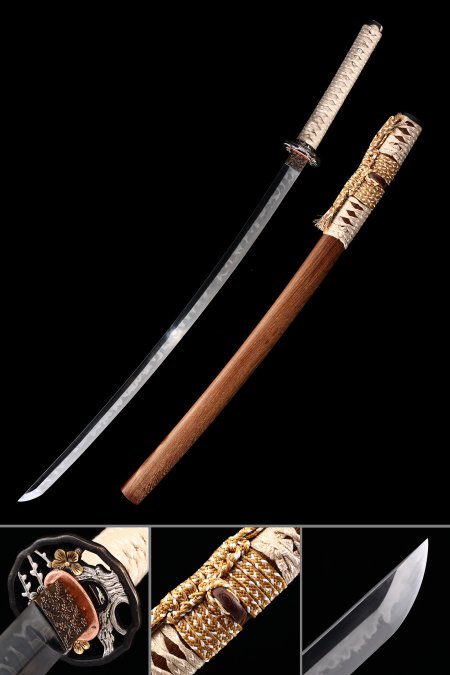
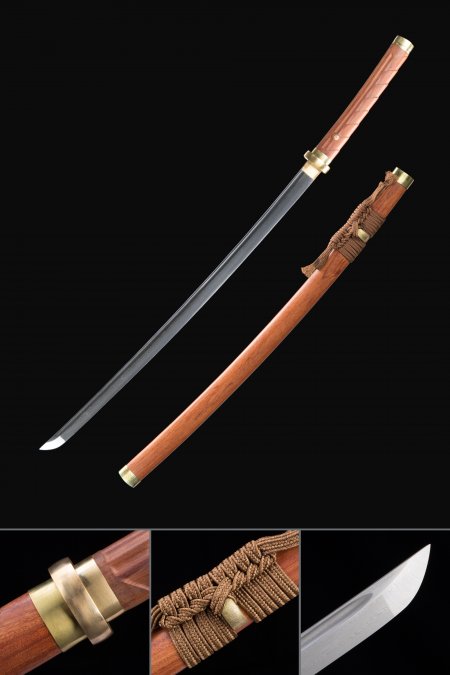
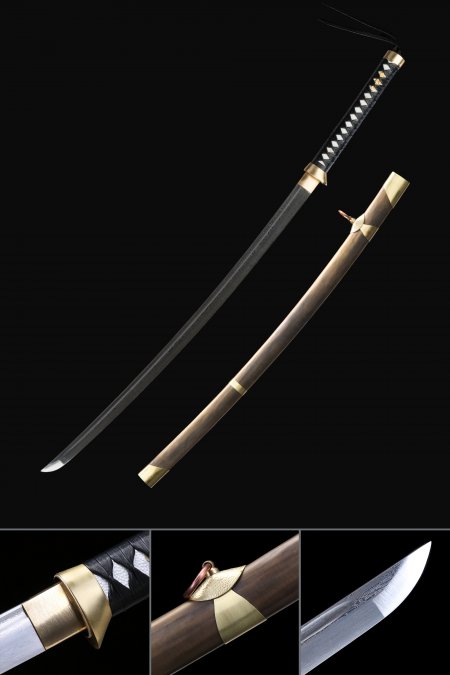
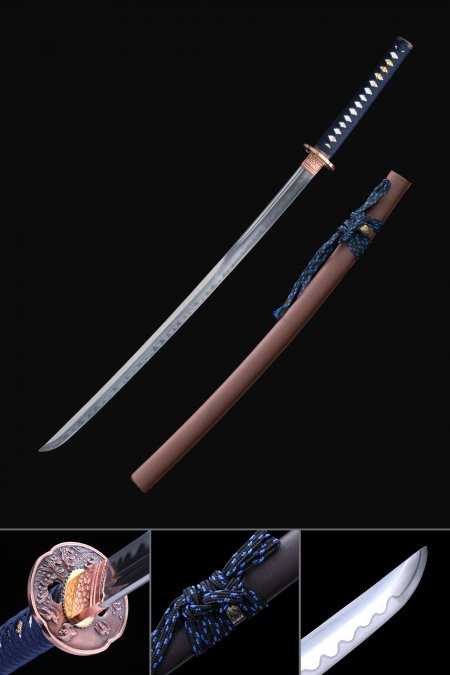
A brown saya katana brings a warmth and natural elegance to any serious collection that polished lacquer simply cannot replicate. Each piece in this collection pairs hand-forged blades - many finished with authentic clay tempering and real hamon activity - with richly grained hardwood or rosewood saya in deep brown tones. From T10 high-carbon steel blades to WWII Shin Gunto officer replicas, every sword is crafted with full-tang construction and meticulous fittings for display integrity. Enjoy free shipping on your order, backed by our hassle-free return policy.
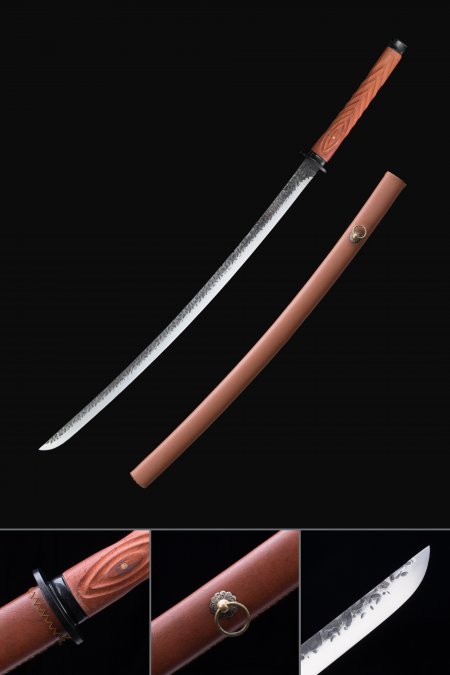
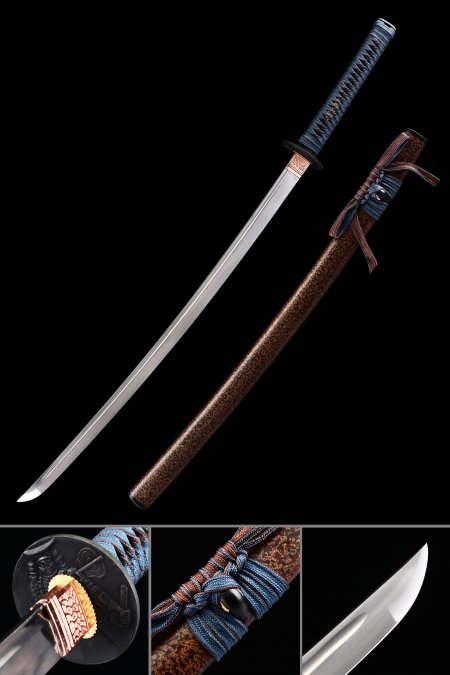
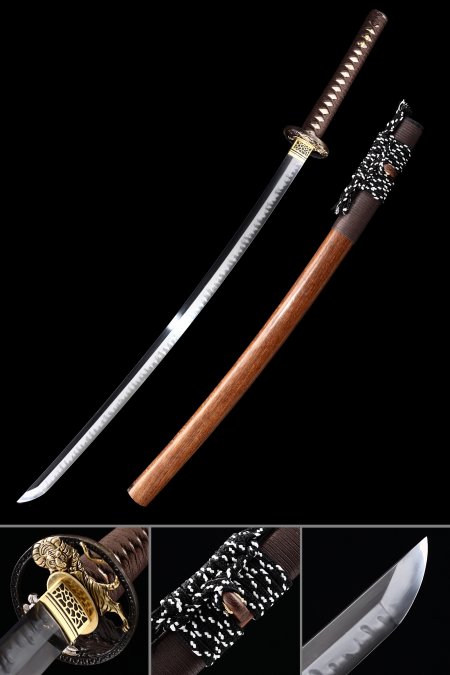
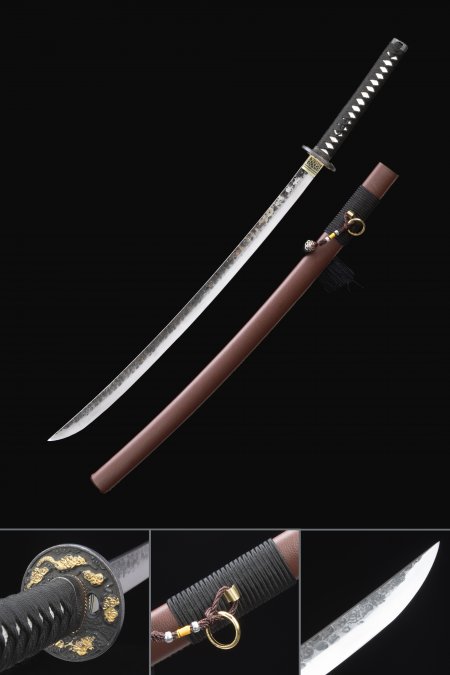
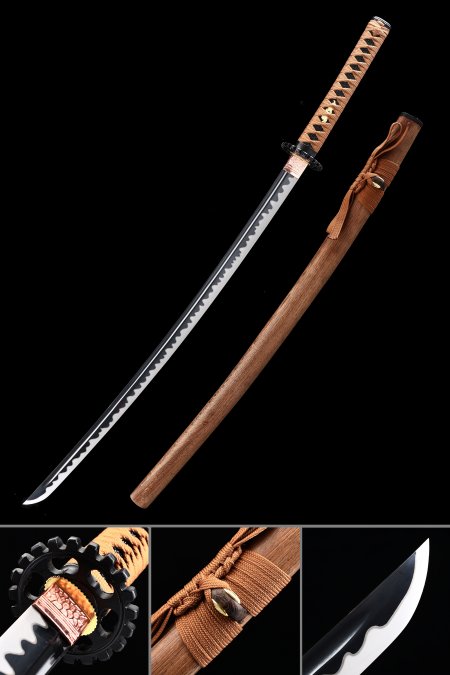
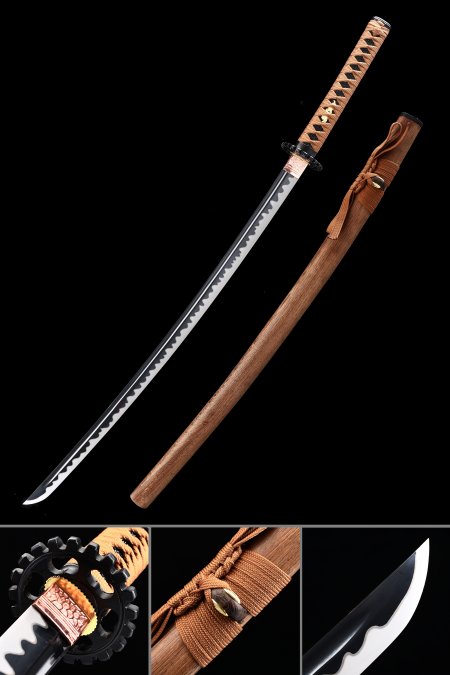
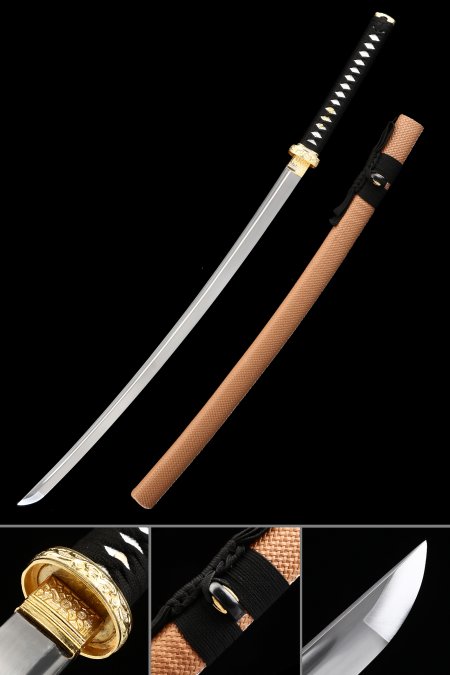
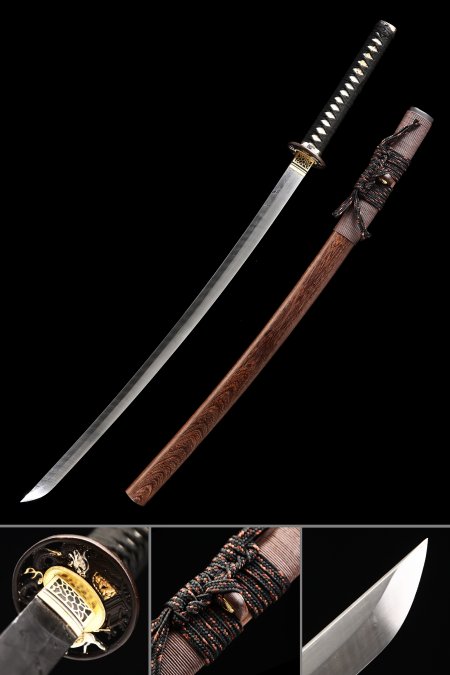
The blade is very beautiful and all of the fittings are tight. My only complaint is the saya, it looks gorgeous but I needed to do some modifications to make it fit tight and it does feel like the saya is a bit under sized for the blade.
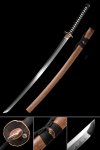 |
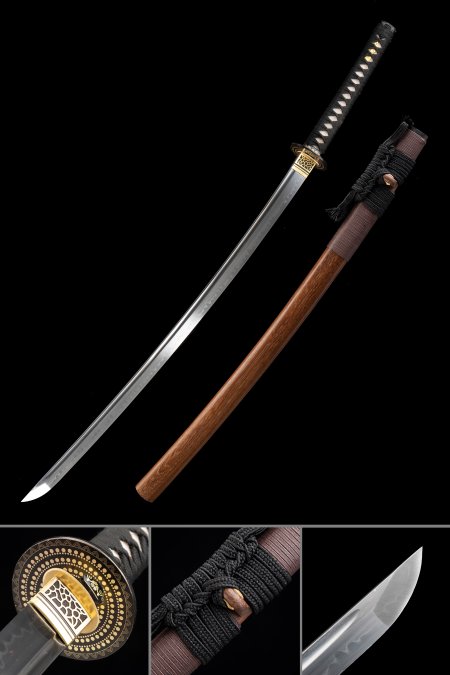
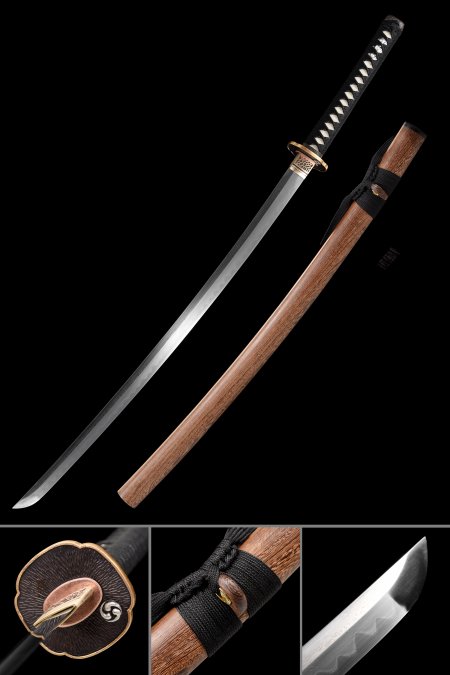
Damascus Steel Katana with Natural Hardwood Saya - Clay Tempered T10 Blade, Real Rayskin, Gold Tsuba |
Excellent workmanship very authentic reproduction of the real sword. Thank yo
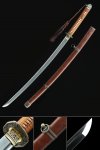 |
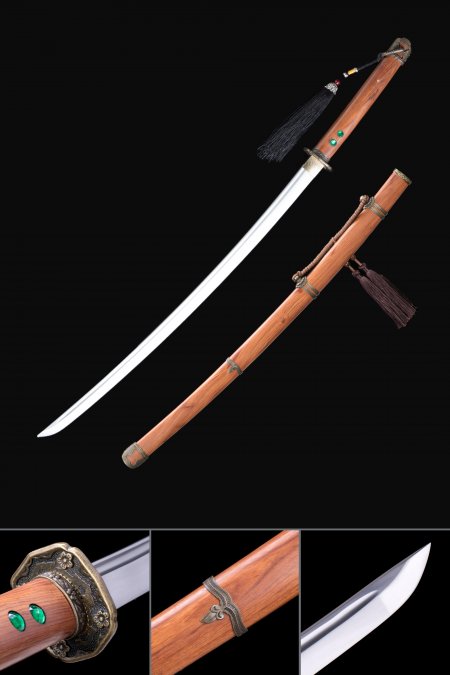
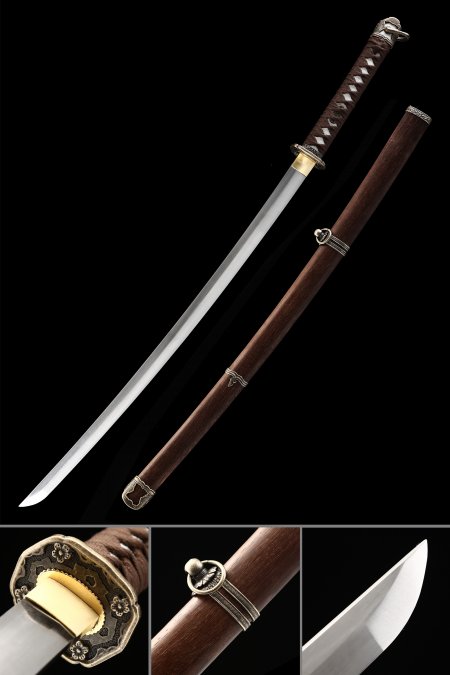
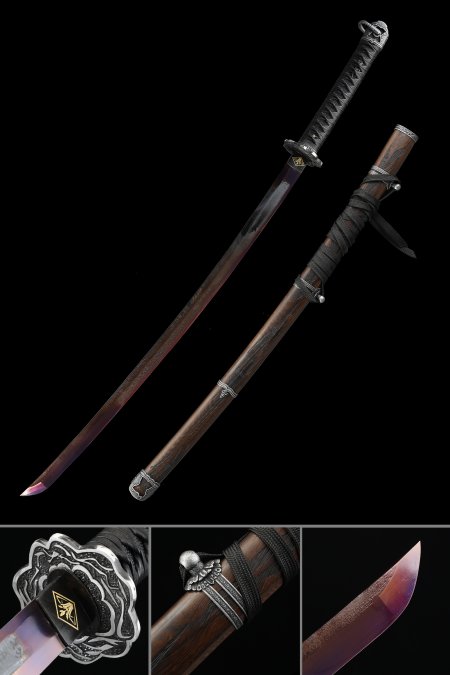
WWII Type 98 Shin Gunto Officer Katana in 1095 Carbon Steel with Brown Leather Saya and Flower Tsuba |
It's a very nice sword. Good quality, little minor scratches on the blade very sharp and it looks good with my collection. I will buy from your company again
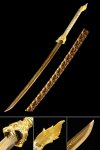 |
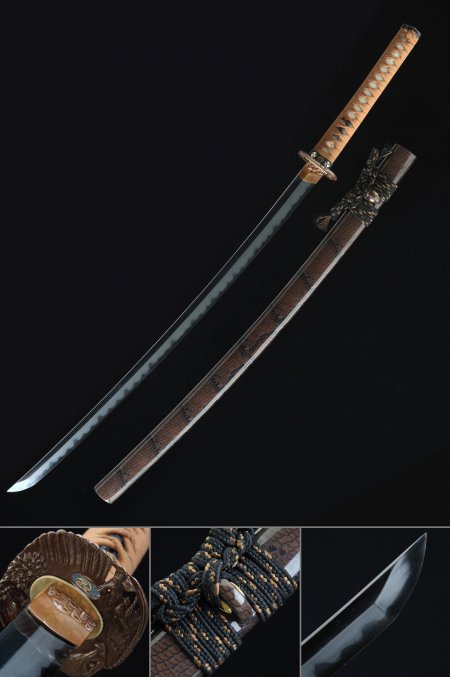
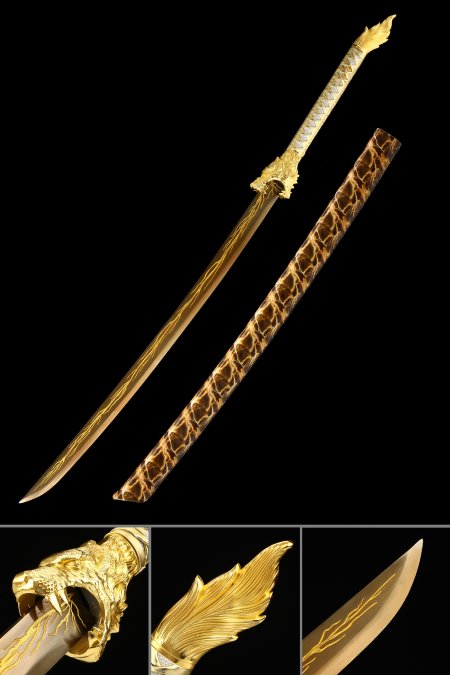
Golden Katana Sword with Manganese Steel Lightning Blade and Dragon Tsuba in Brown Scaled Saya |
Beautiful craftsmanship, my fiancé loved his sword would definitely buy again
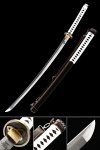 |
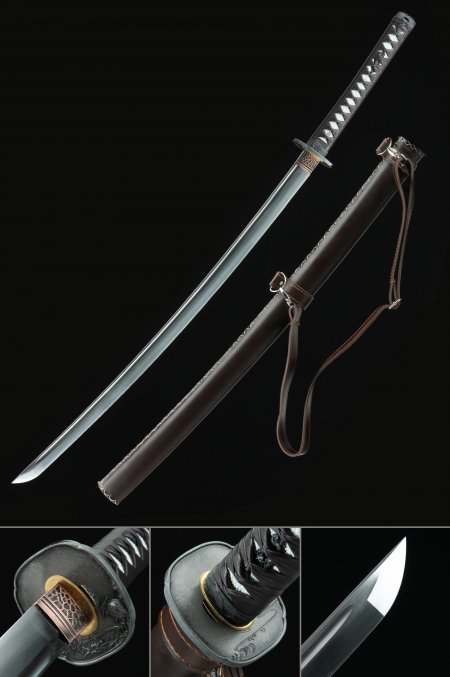
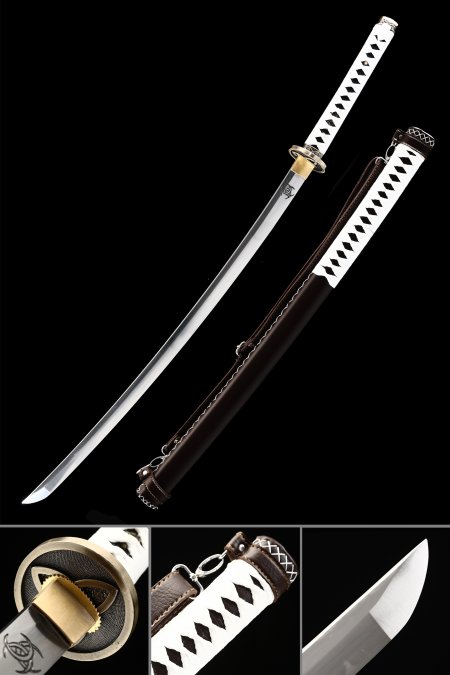
Michonne Inspired Katana - The Walking Dead Replica, 1090 Carbon Steel, Brown Leather Saya |
Nice presentation in box, beautiful sword. Willr
Order another
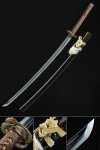 |
Tamahagane Steel Katana with Koi Tsuba in Brown Samegawa - Gold-Gilded Koshirae |
The first one was damaged, but they did replace it.
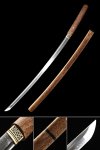 |
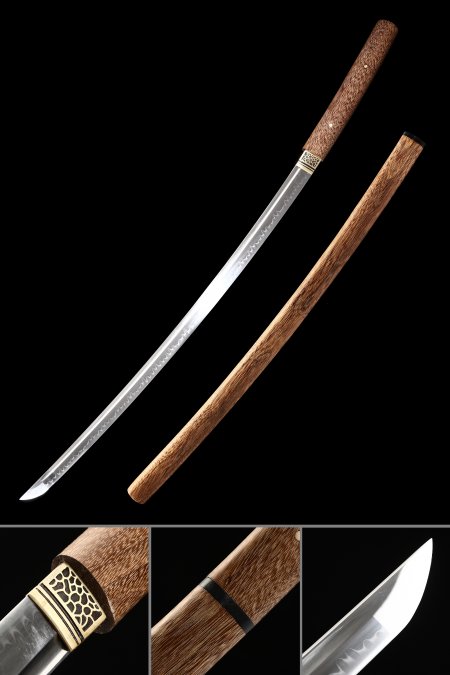
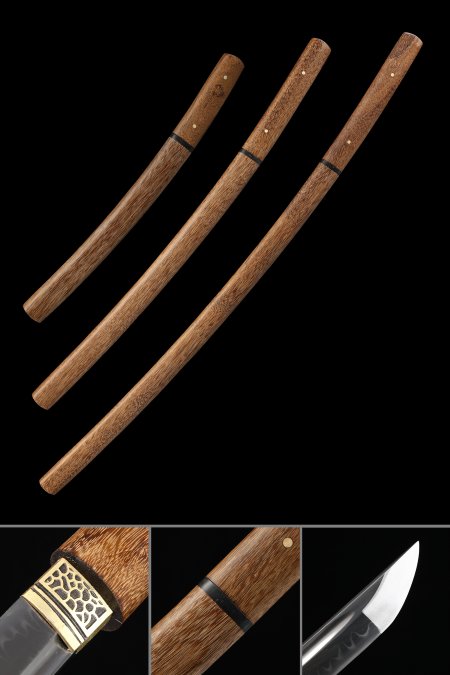
T10 Carbon Steel Shirasaya Katana with Clay-Tempered Real Hamon in Natural Wengewood Saya |
The item arrived well packaged and in a timely manner. I am pleased with this item but have made several minor alterations to improve appearance. the price was not too bad. I would buy again from this company if I found an item I liked and was priced right
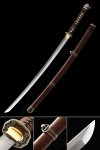 |
WWII Type 98 Shin Gunto Officer Katana - 1065 Carbon Steel with Brown Rosewood Saya and Alloy Flower Tsuba |
The only recommendation I will make is please upload the physical dimension specs of the swords -- it would help with people who want to make custom stands or mounts. Otherwise these look lovely and are quality pieces I am glad I purchased. r
r
Very much "adult" style of katana, classy, and tasteful for my wall.
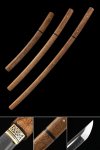 |
T10 Clay Tempered Daisho Set - Shirasaya Katana Wakizashi Tanto in Rosewood with Real Hamon 3-Piece Collection |