White 1095 Carbon Steel Katana

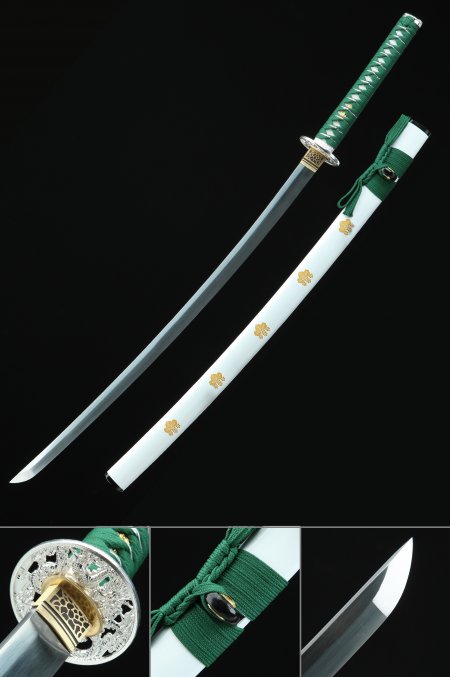
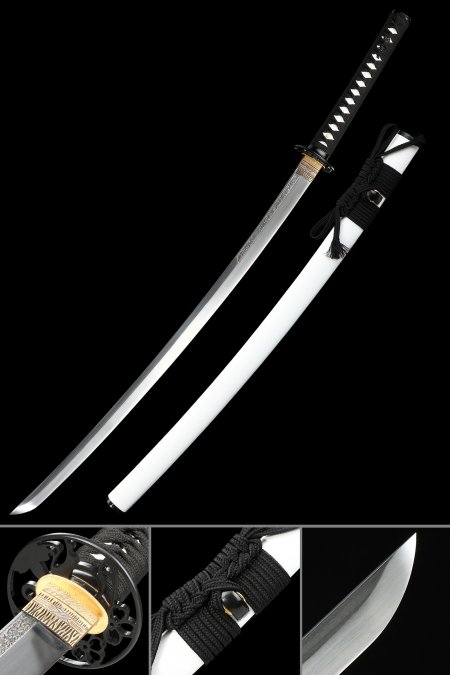
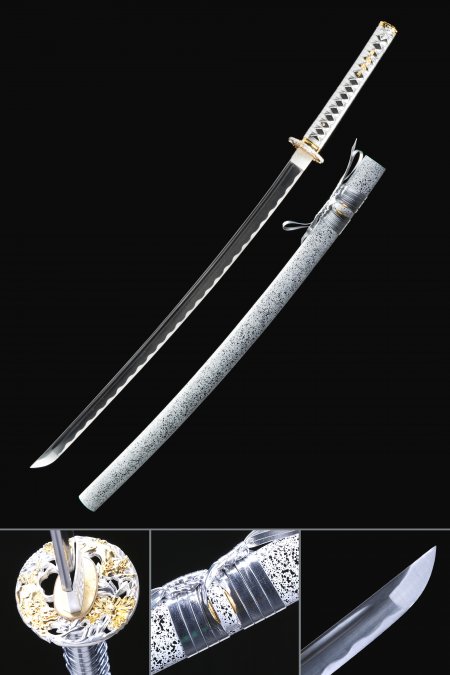
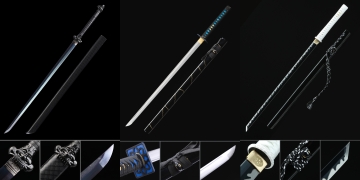
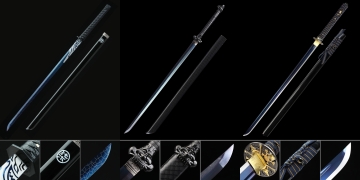
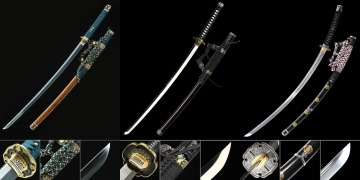
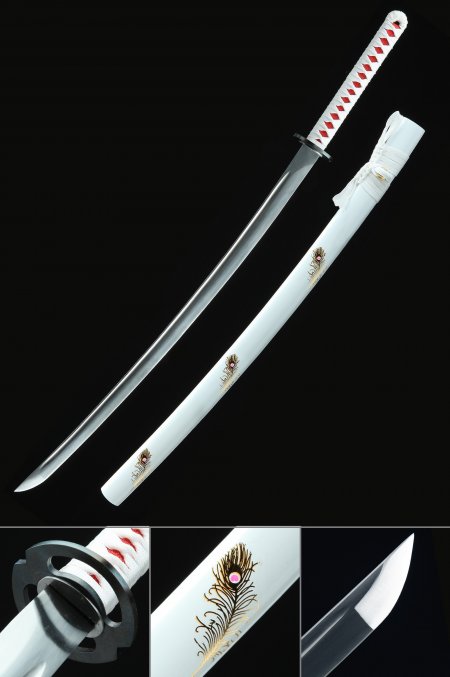
White 1095 carbon steel katana combines a time-honored high-carbon alloy with striking white lacquer saya aesthetics, offering collectors a blade that is as visually compelling as it is skillfully forged. Each piece in this collection features hand-forged construction, full-tang integrity, and hand-wrapped ito — details that distinguish a serious collectible from a decorative novelty. From peacock feather motifs to dragon tsuba fittings, every sword reflects a distinct artistic vision rooted in traditional Japanese sword-making. Enjoy free shipping on your order, and shop with confidence backed by our hassle-free return policy.

Showing 4 Products

Related Collections

Frequently Asked Questions

What makes 1095 carbon steel a good choice for collectible katana?
1095 high-carbon steel sits at roughly 0.95% carbon content, placing it at the higher end of plain carbon steels. This level of carbon allows the steel to achieve meaningful hardness through heat treatment, which in turn supports the formation of a visible hamon — the temper line that separates the hardened edge from the softer spine. For collectors, the hamon is not just decorative; it is physical evidence of the clay-tempering or differential heat treatment process the smith applied. Compared to stainless steel, 1095 responds to traditional quenching techniques in ways that stainless cannot match, making it the preferred material when authentic construction methods and visual hamon clarity are priorities.
How does clay tempering affect a 1095 katana's appearance and structure?
Clay tempering is a traditional Japanese heat-treatment technique in which a layer of clay paste is applied along the spine of the blade before the final quench. The clay insulates the spine during quenching, causing it to cool more slowly and remain relatively soft and tough, while the uncoated edge cools rapidly and hardens. This differential creates both a functional gradient in the steel and the hamon line visible along the blade's surface. On a 1095 clay-tempered katana, the hamon often appears as a misty, undulating line — sometimes with nie or nioi activity visible under angled light. This is one of the most studied details in Japanese sword connoisseurship and a feature collectors specifically look for when distinguishing a craft piece from a production replica.
What should I know about the white lacquer saya before purchasing?
White lacquer saya are finished with multiple coats of lacquer applied over a wood core — typically honoki (magnolia wood) or a comparable lightweight hardwood chosen for its low resin content and dimensional stability. The white finish is achieved through a base preparation and successive lacquer layers, sometimes with texture or speckle effects added to the surface. Because lacquered saya are susceptible to chipping if knocked against hard surfaces, storage and display handling matters. When not on display, storing the sword horizontally with the edge facing upward reduces pressure on the lacquer at the koiguchi (scabbard mouth). Avoid prolonged exposure to direct sunlight, which can cause the white finish to yellow or crack over time. A dedicated sword stand or wall mount that supports the saya at multiple points is ideal for long-term display.
How does this collection compare to tanto or ninjato collectibles?
The katana format — typically ranging from 27 to 29 inches of blade length — occupies a specific place in Japanese sword collecting distinct from the tanto and ninjato. A tanto is a short blade under 12 inches, traditionally paired with a katana as a matched daisho set, and appeals to collectors who value compact, highly detailed fittings at close inspection range. A ninjato, by contrast, features a straight or near-straight blade with a more austere aesthetic. The katana sits between these forms in both physical scale and cultural weight — it is the form most closely associated with the samurai aesthetic, which makes it the most recognized and broadly collected format. For collectors building a display around the white lacquer visual theme, a katana serves as the natural centerpiece, with a tanto as a smaller accent piece alongside it.
What routine care does a 1095 carbon steel katana need for long-term display?
Carbon steel requires more active maintenance than stainless because it will develop surface oxidation when exposed to humidity or skin oils without a protective oil layer. For display pieces, the most important habit is applying a thin, even coat of choji oil — or a neutral mineral oil if choji is unavailable — to the blade surface every two to three months, or after any handling. Use a soft, lint-free cloth to spread the oil in smooth strokes from the habaki toward the tip, following the blade's geometry without pressing against the edge. Store the katana in a low-humidity environment; a sword bag with moisture-absorbing properties adds a useful layer of protection. If any light rust spots appear, they can typically be removed with a uchiko powder ball and a clean cloth before re-oiling, provided the surface is addressed promptly.

Customer Reviews

Matthew Sokolowski New Jersey, United States

Katana is very nice, scabbard not so much. Very difficult to re sheath once drawn. Blade is hitting the part of the inside of the saya that obviously wasn’t finished well. I would buy again, because the 1095 carbon blade is well made. Hopefully I can buy another scabbard from True Katana to replace the present one. I don’t see how I could fix the issue without splitting the saya in half.

1095 Clay Tempered Katana with White Piano Lacquer Saya and Peacock Feather Design - Full Tang Collectible Sword 1095 Clay Tempered Katana with White Piano Lacquer Saya and Peacock Feather Design - Full Tang Collectible Sword