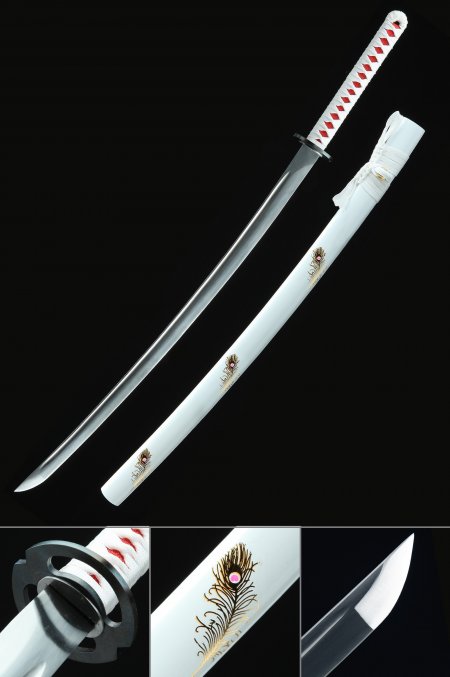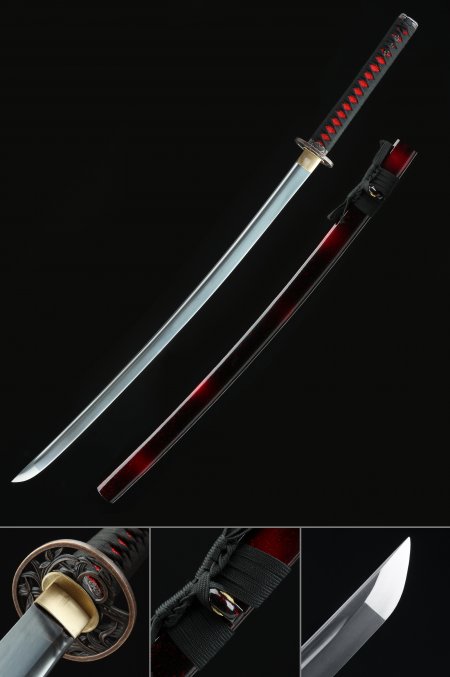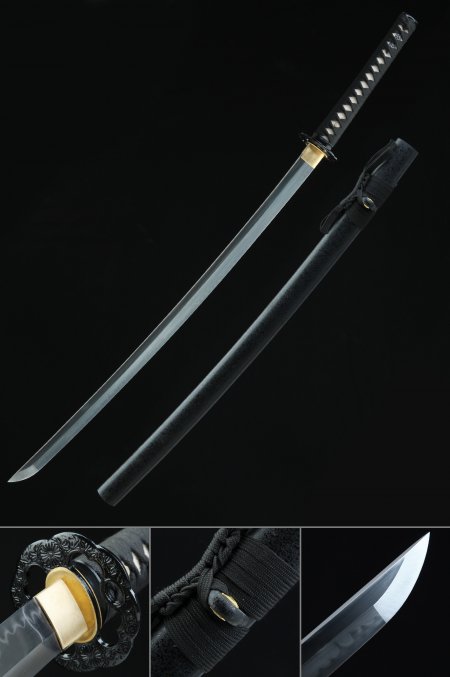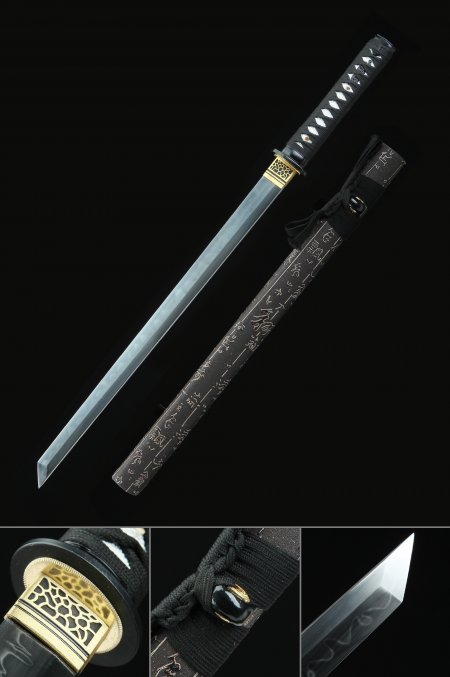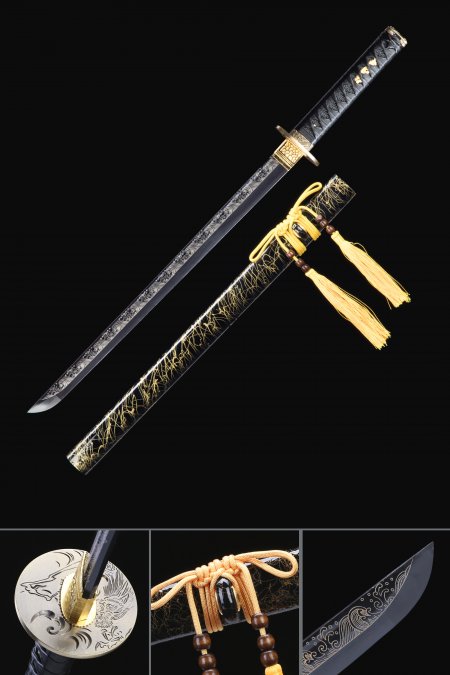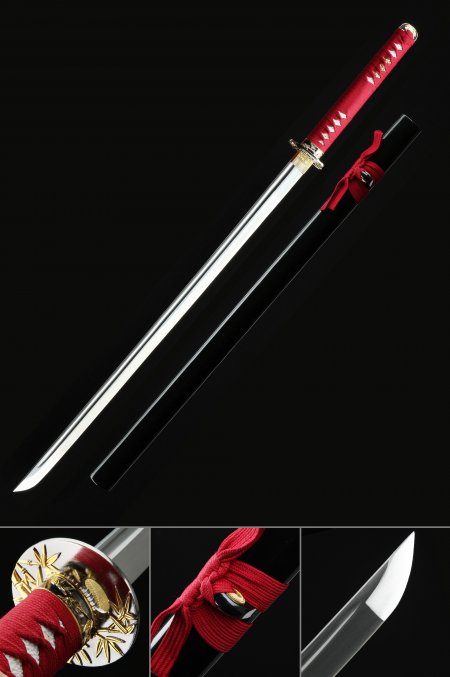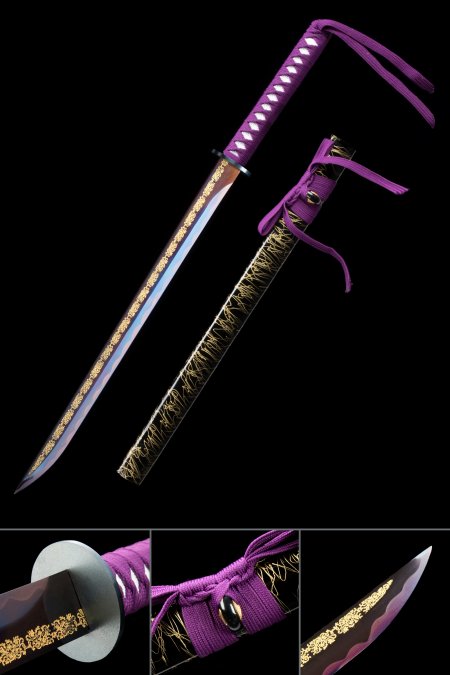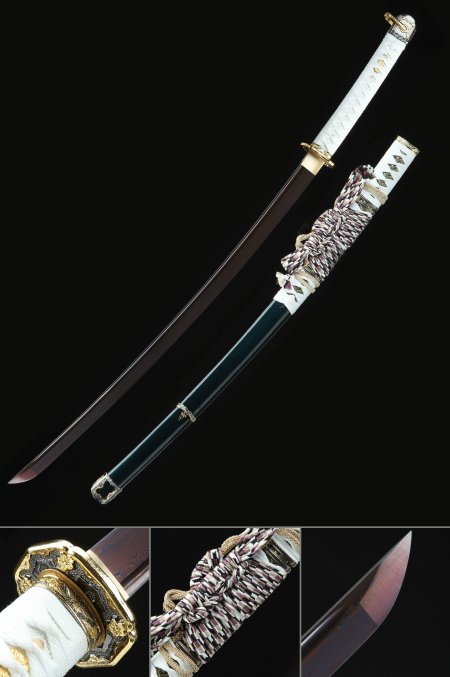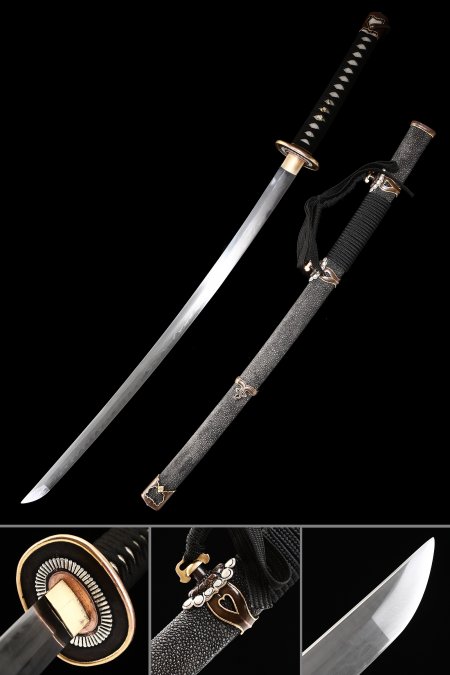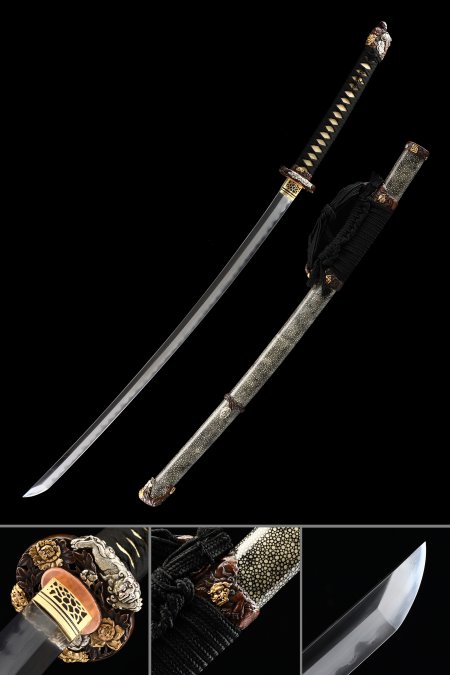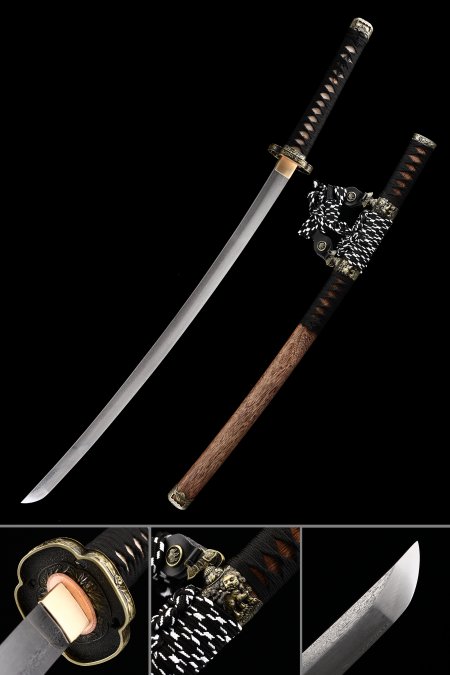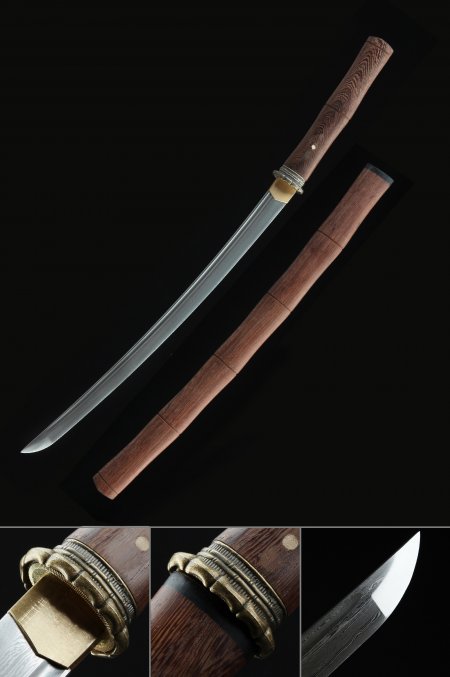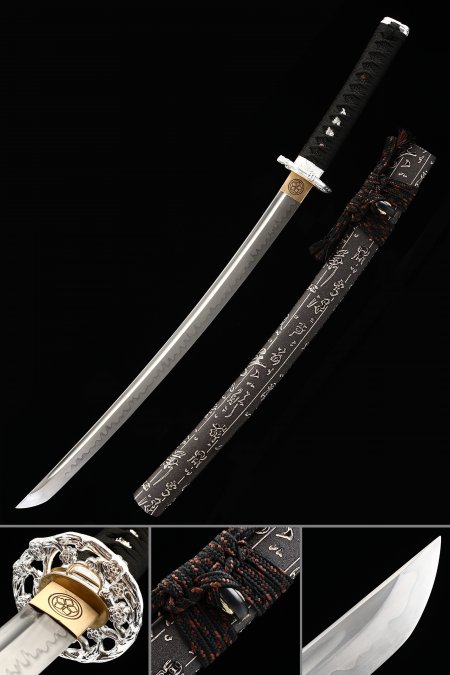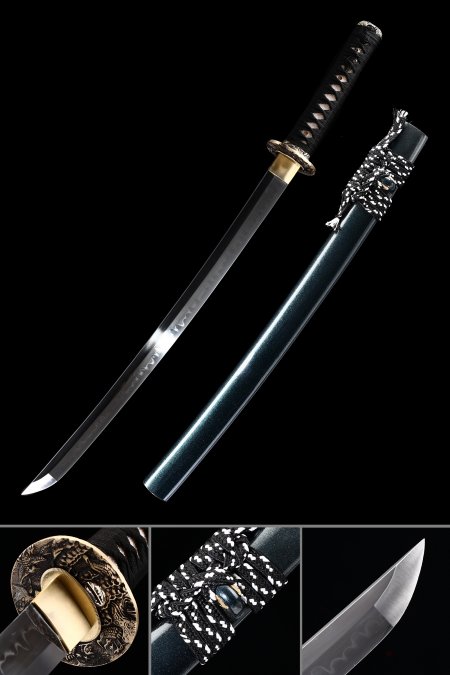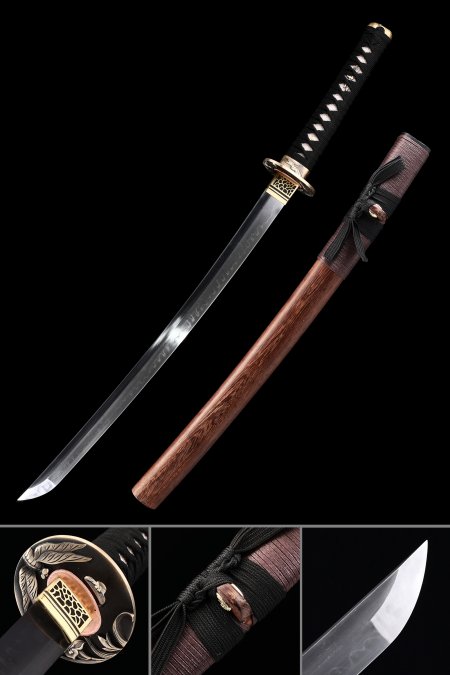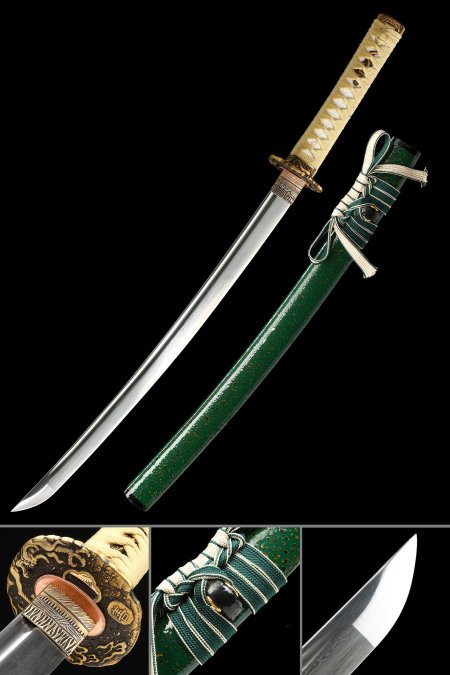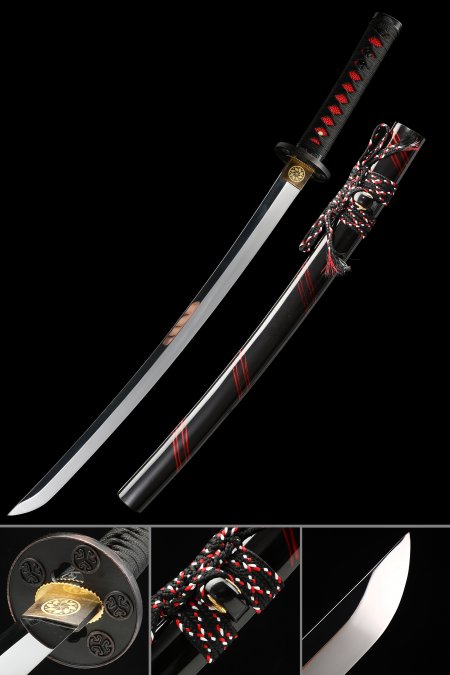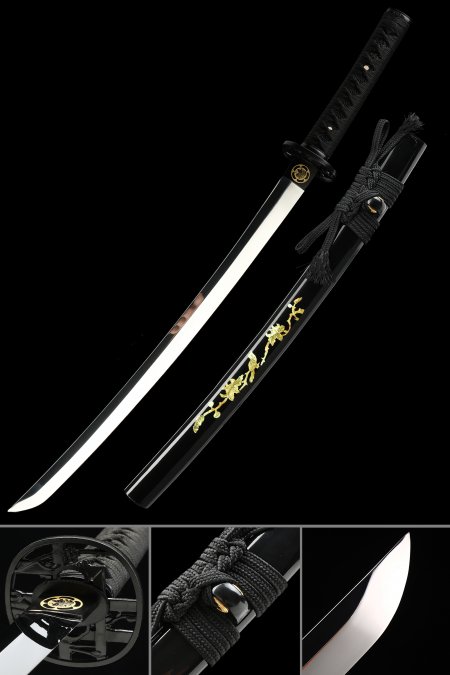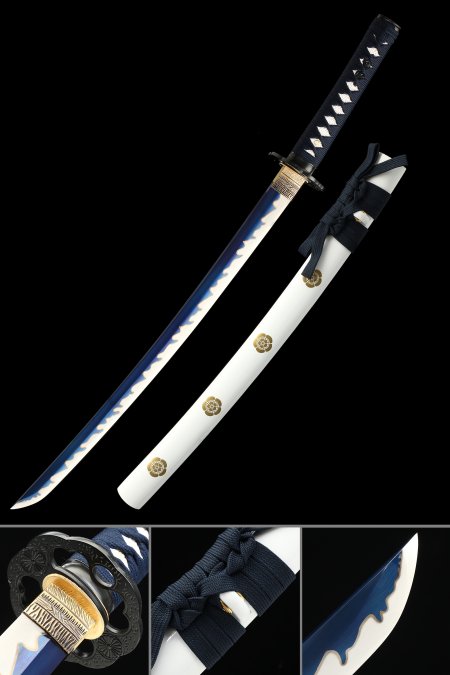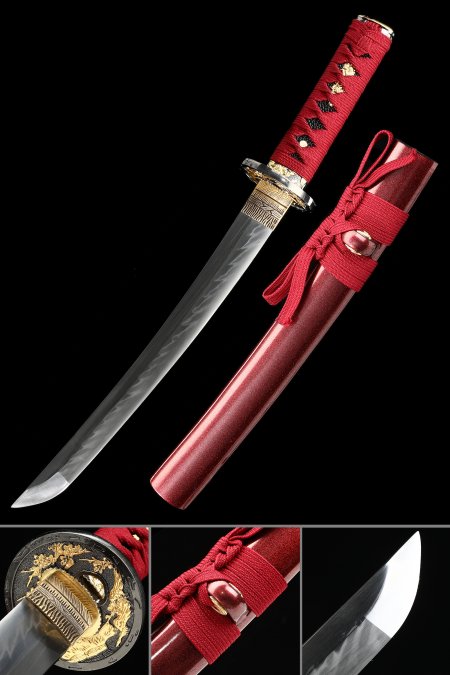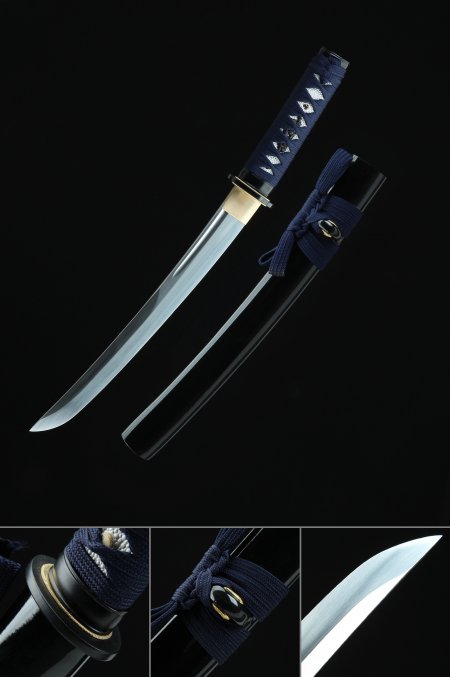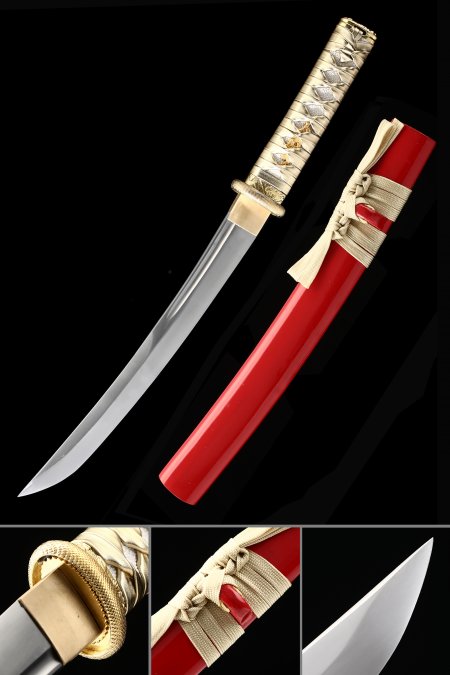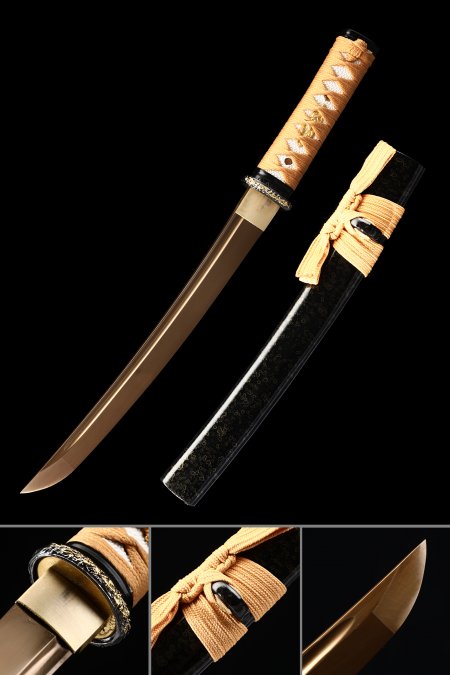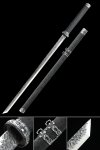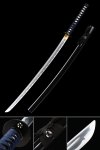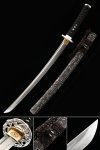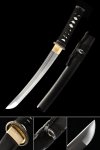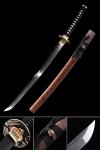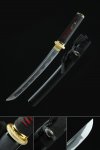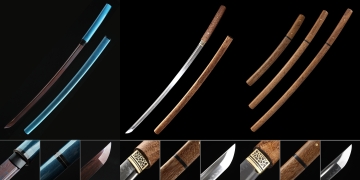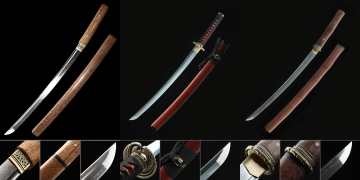
Antique Japanese Samurai Sword

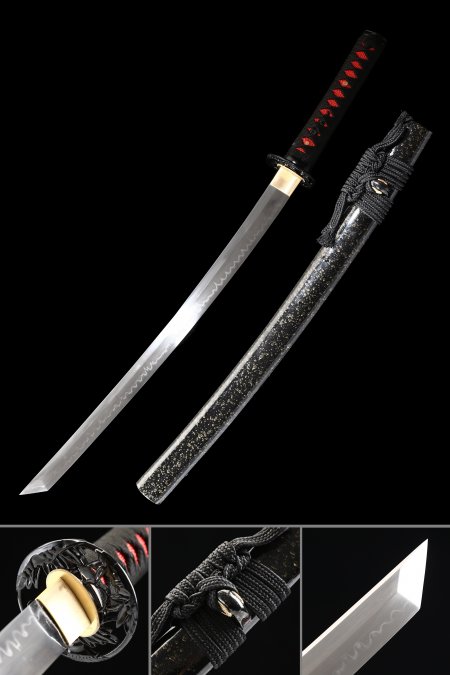
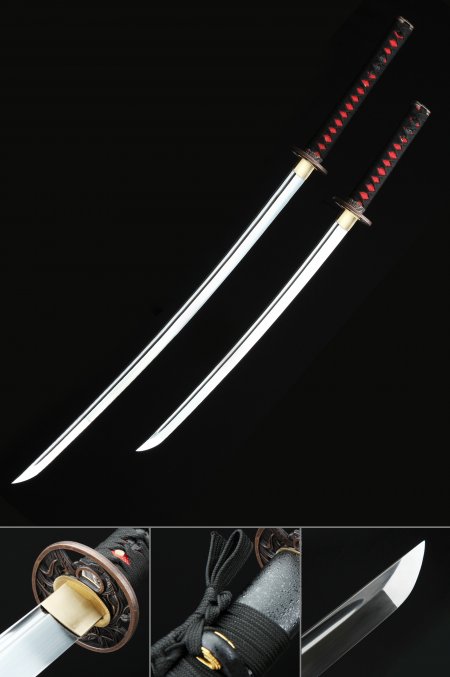
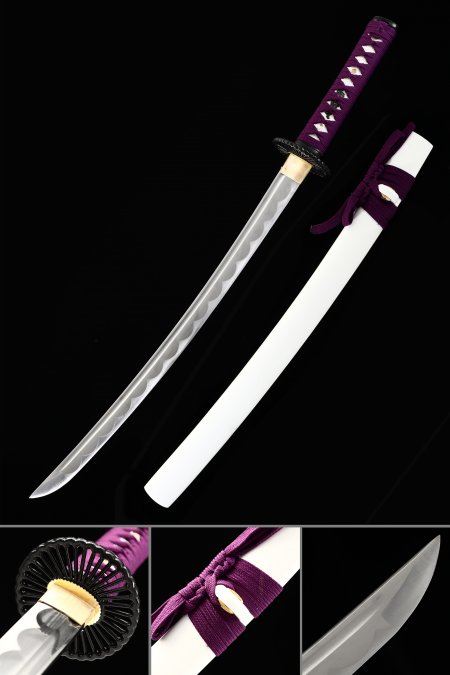
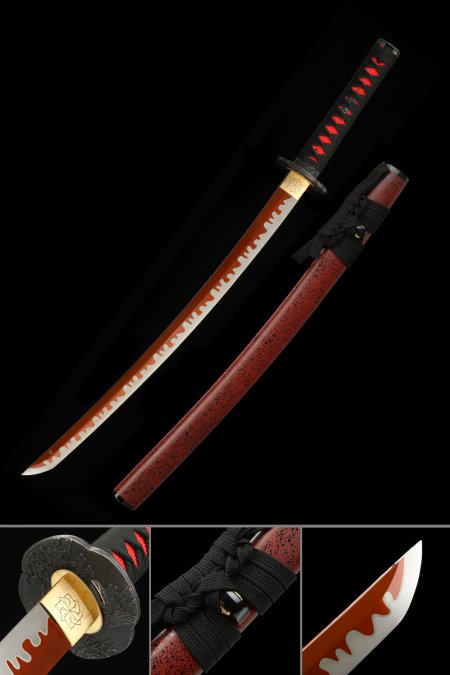
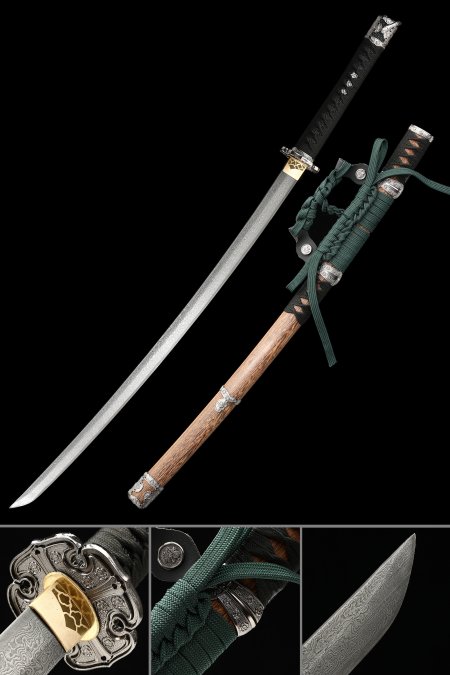
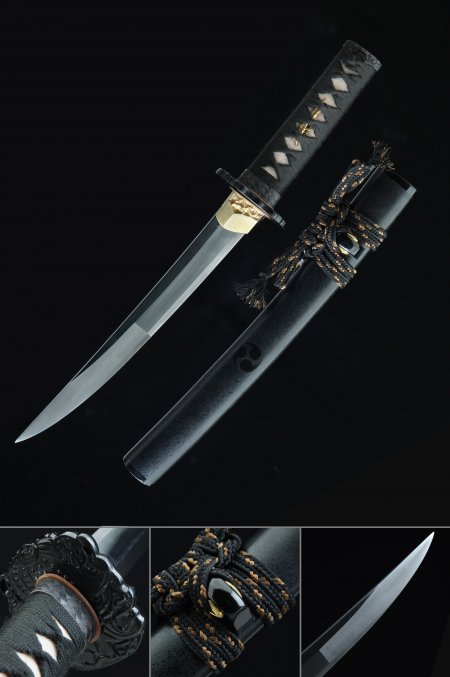
Explore our antique Japanese samurai sword collection - handcrafted Japanese katana in T10 clay-tempered and 1060 carbon steel with full-tang construction, featuring classical period-inspired designs in black, red, and brown with traditional materials and historically-referenced fittings. Antique-style Japanese samurai swords honor the visual tradition of Muromachi and Edo period blade culture in genuine carbon steel construction. Free US shipping and hassle-free returns included.
Showing 118 Products

Related Collections

T10 Samurai Sword115 items


380 Reviews

1045 Sword116 items


3821 Reviews

Shirasaya Sword84 items


553 Reviews

High Quality Wakizashi29 items


38 Reviews

Frequently Asked Questions

What distinguishes an antique-style Japanese samurai sword from a genuine antique?
An antique-style Japanese samurai sword collectible is a modern handcrafted piece that references the aesthetic and construction traditions of historical Japanese sword periods, while a genuine antique is a sword actually made during those periods. The distinction is fundamental: a modern antique-style piece is a new collectible built to historical aesthetic standards, while a genuine antique is a historical artifact with provenance, age, and the specific metallurgical characteristics of historical tamahagane steel production. Genuine Japanese antique swords are rare, expensive, highly regulated objects that require authentication documentation. Modern antique-style collectibles provide the historical aesthetic reference in genuine high-carbon steel construction without the rarity, cost, and regulatory complexity of genuine antiques. The T10 clay-tempered construction in modern antique-style pieces produces the same genuine hamon that historical pieces show, providing the defining visual marker of the tradition.
What historical periods do antique Japanese samurai sword designs reference?
Antique Japanese samurai sword designs reference the primary periods of Japanese sword history whose aesthetic traditions shaped the contemporary image of the Japanese sword. The Muromachi period established the katana format as the primary samurai sword - the curved blade, the proportional standards, and the basic construction conventions that define the katana emerged during this period. The Edo period refined the aesthetic to its most polished expression: elaborate iron tsuba guards, silk ito wrapping, high-quality lacquered scabbards, and clay-tempered T10 hamon as the quality standard. The Meiji period introduced specific Western-influenced military hardware elements while maintaining the fundamental Japanese blade tradition. Each period's visual conventions provide specific reference points for antique-style collectibles.
What steel grades are appropriate for antique-style Japanese samurai sword collectibles?
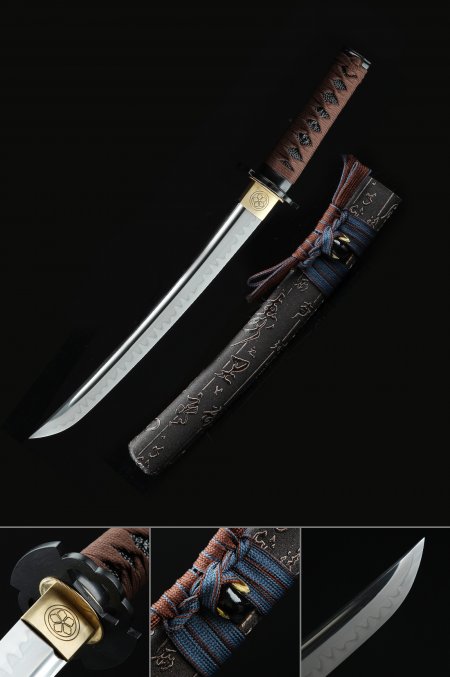
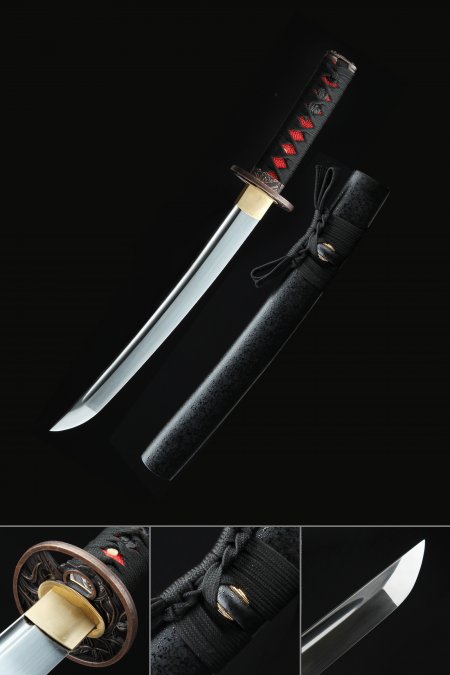
T10 clay-tempered steel is the most historically appropriate grade for antique-style Japanese samurai sword collectibles because it most closely replicates the functional properties of historical tamahagane steel in a modern production context. T10 clay-tempering produces the genuine hamon that is the defining visible craft marker of historical Japanese blade tradition - the temper line that samurai and collectors through the centuries have used as the primary quality indicator. 1060 carbon steel provides the accessible tier for antique-style aesthetics without the full clay-tempering capability. Both grades offer significantly more historical accuracy than stainless steel or mild steel, which cannot replicate the heat treatment characteristics of genuine high-carbon blade construction. For collectors who want maximum historical reference accuracy in their antique-style pieces, T10 clay-tempered is the recommended choice.
How should antique-style Japanese samurai swords be stored to preserve their historical aesthetic?
Antique-style Japanese samurai swords require storage conditions that protect both the blade steel and the period-aesthetic materials of the fittings and housing. Temperature and humidity stability are the primary requirements - avoid both high-humidity environments that promote carbon steel oxidation and very dry environments that can stress wood scabbard materials. The natural-wood and lacquered scabbards of classical-style pieces are sensitive to humidity extremes. Apply camellia or mineral oil to the blade after every handling to prevent fingerprint-induced oxidation on the high-carbon steel. Store horizontally or at a slight incline with the blade edge upward in the traditional Japanese orientation. Keep the complete sword in its scabbard during storage to protect the blade surface. Avoid exposure to direct sunlight, which can bleach lacquered scabbard surfaces and stress natural wood materials over extended periods.

Customer Reviews

Michael Deshaun Taliaferro North Carolina, United States

Not like any videos were saying slandering the tk it's not flimsy, doesn't rust easily, is infact very sharp, saya isn't weak wood and overall is just a very decent maybe even entry level katana for only 200$ I will say though it did bend the very tip of the katana when I hit something metal on accident but that aside its very great qualityr
r
5 stars to the smith
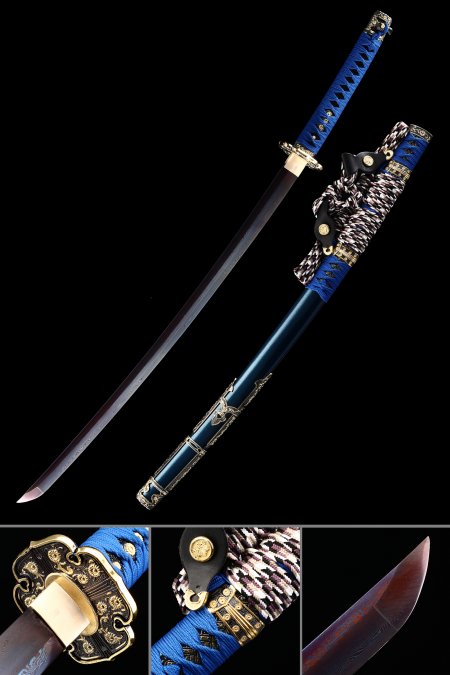
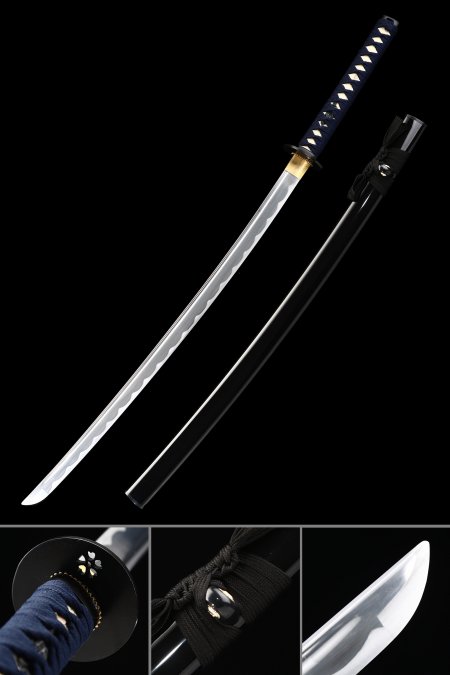
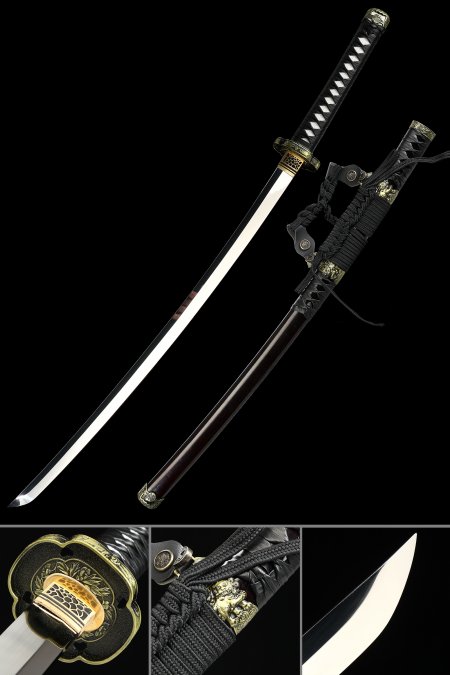
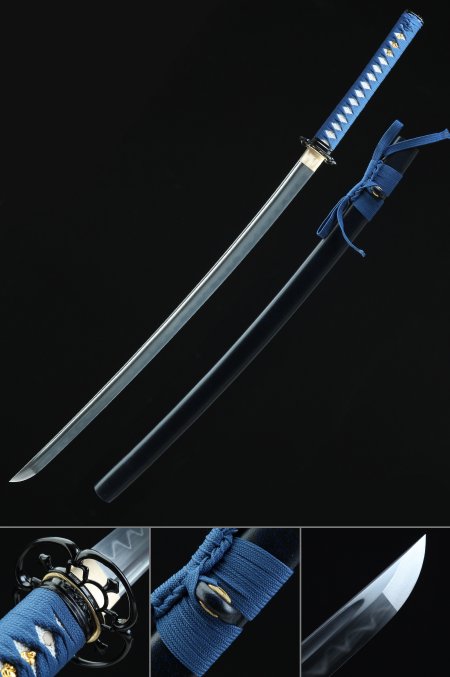
Clay Tempered T10 Carbon Steel Katana with Blue Ito Handle and Black Flower Tsuba - Full Tang Japanese Sword Clay Tempered T10 Carbon Steel Katana with Blue Ito Handle and Black Flower Tsuba - Full Tang Japanese Sword