FAST SHIP
Free Shipping
209.00 USD
ON SALE! 15% OFF
Was: 249.00 USD

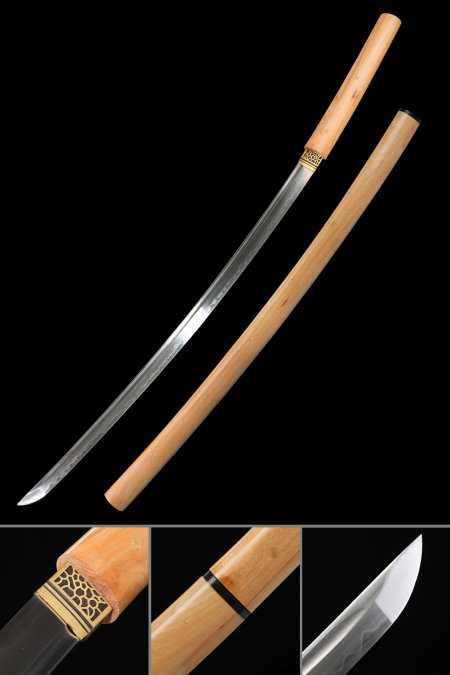
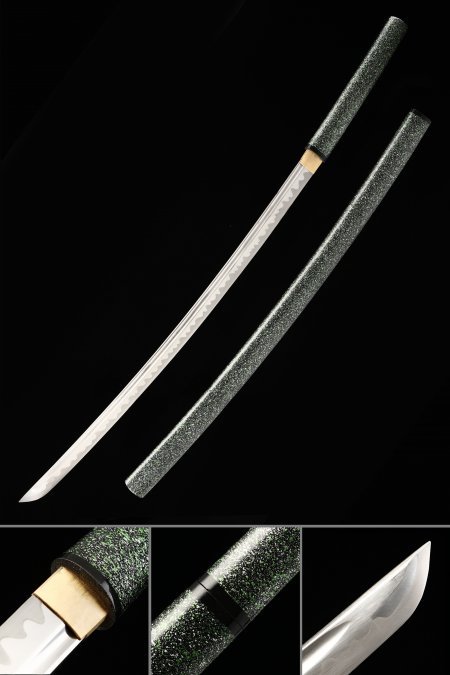
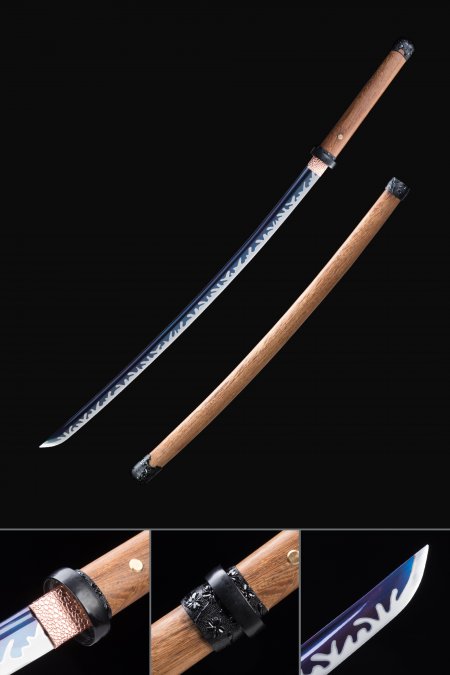
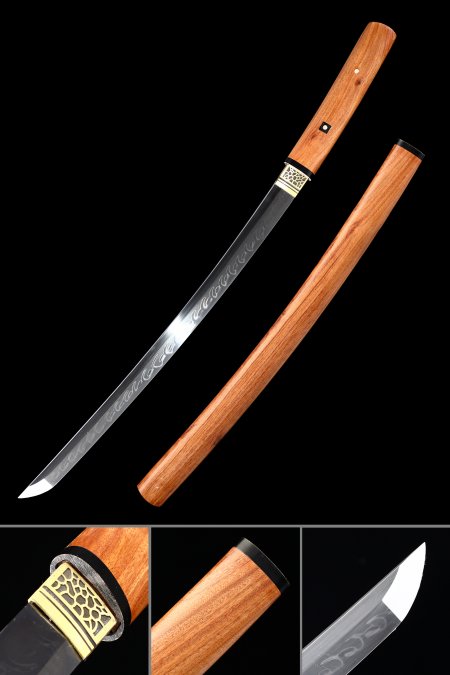
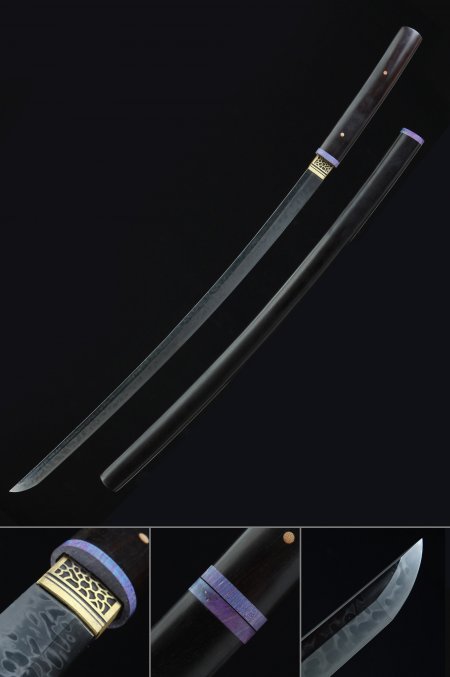
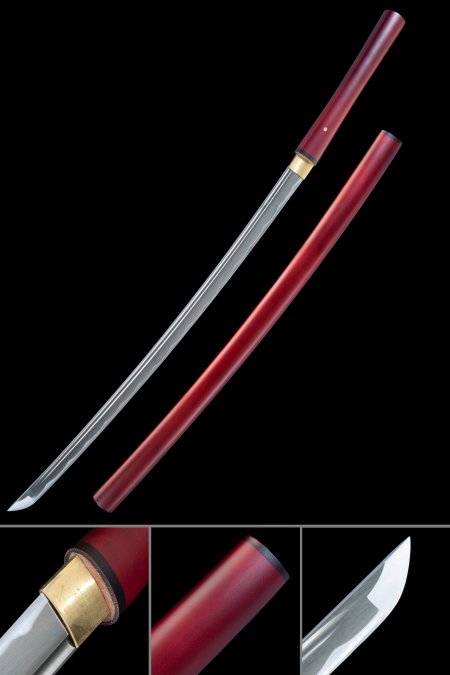
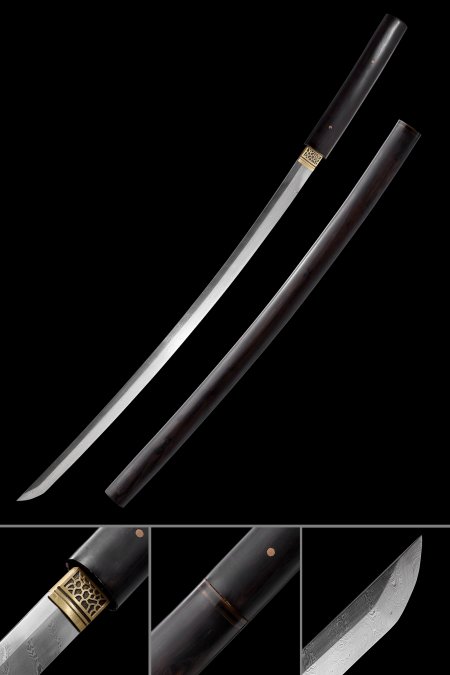
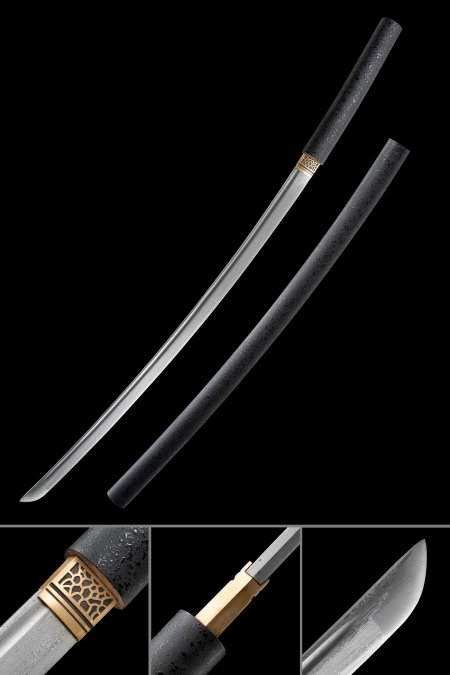
Explore our finest shirasaya katana collectibles — minimalist Japanese swords defined by clean hardwood mountings, no tsuba, and seamless blade-to-saya lines. Each piece is hand-forged from premium steels including T10 carbon, Damascus, and folded steel, with clay-tempered real hamon on select models. Whether displayed on a stand or added to a growing collection, these shirasaya katana embody understated craftsmanship at its highest level. Every order ships with free shipping and hassle-free returns.
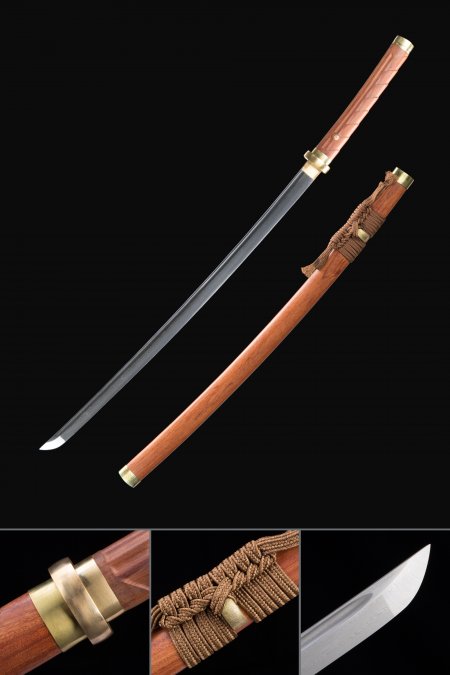
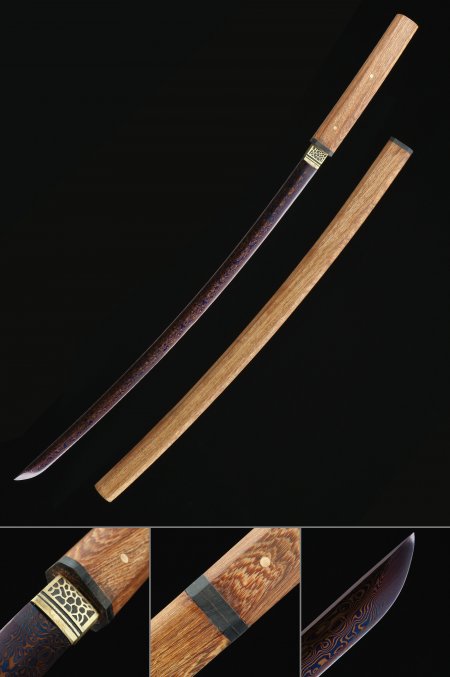
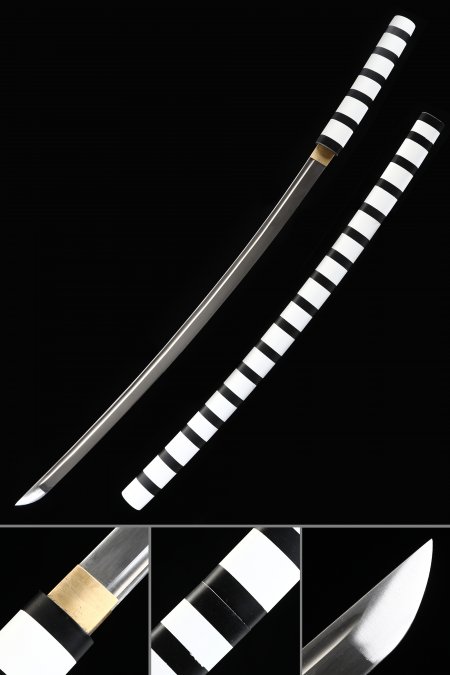
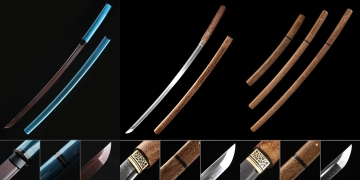
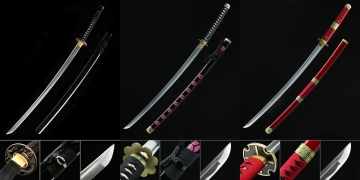
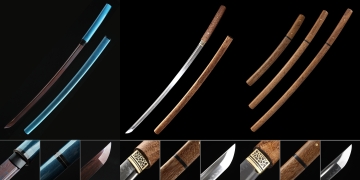
Such a well made sword. The woodin, scabbard and handle go so well together!
 |
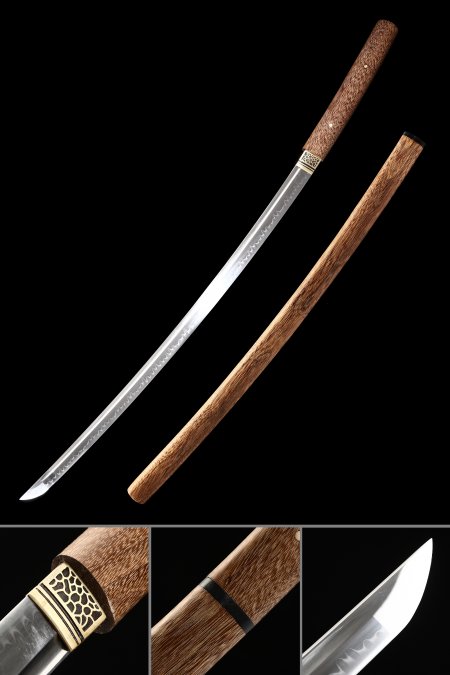
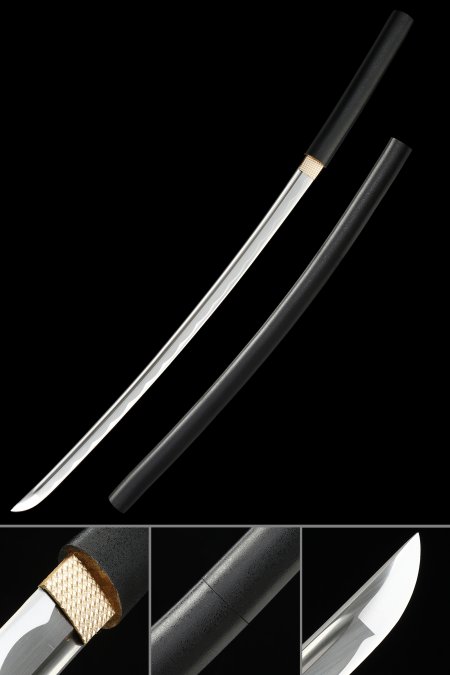
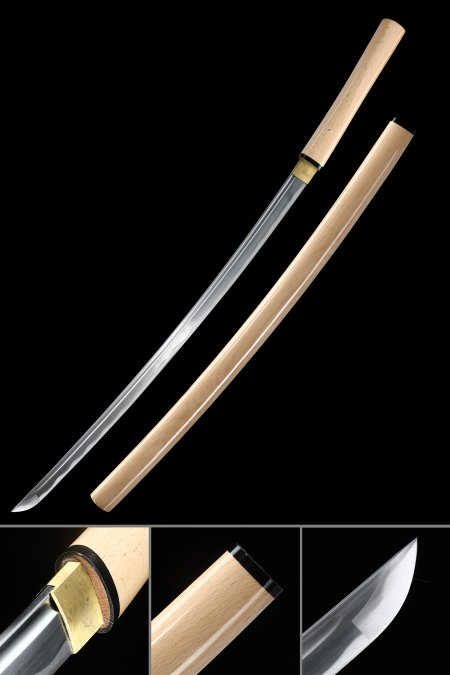
1065 Carbon Steel Shirasaya Katana with Natural Wood Saya - Handmade, Full Tang Blade |
The first one was damaged, but they did replace it.
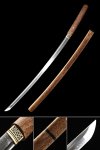 |
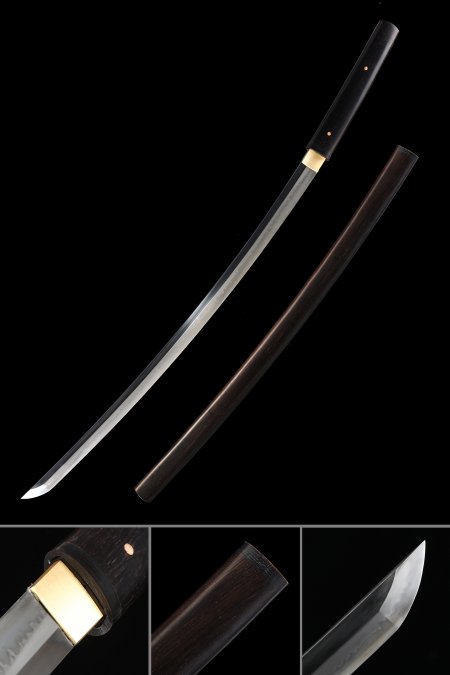
T10 Carbon Steel Shirasaya Katana with Clay-Tempered Real Hamon in Natural Wengewood Saya |
Super nice and good looking display piece, that's why i got it, probably not good at cutting and it doesn't really look stable enough to do so. but the wax in the saya is awful. Everytime you sheath it and take it out you gotta clean half a pound of wax off which is super annoying especially after you clean it. r
r
I personally wont be buying any blades from this website if i actually want to cut something harder than like a cantaloupe haha. r
r
Sorry for the bad talk but this is just the truth, also if you wanna see if a company has good stuff or not, check reddit.
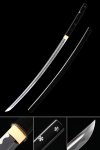 |
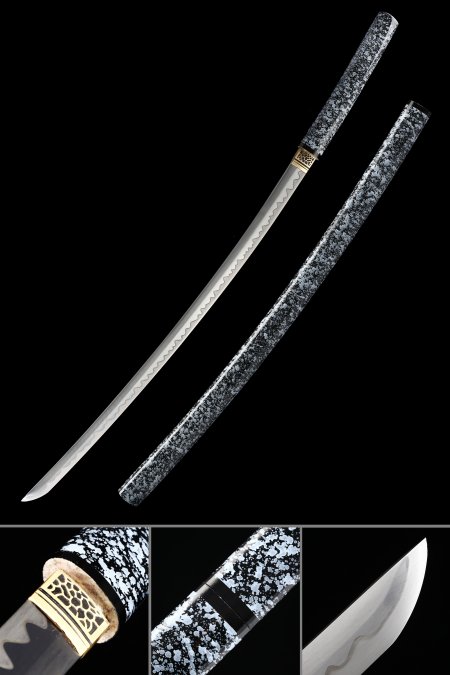
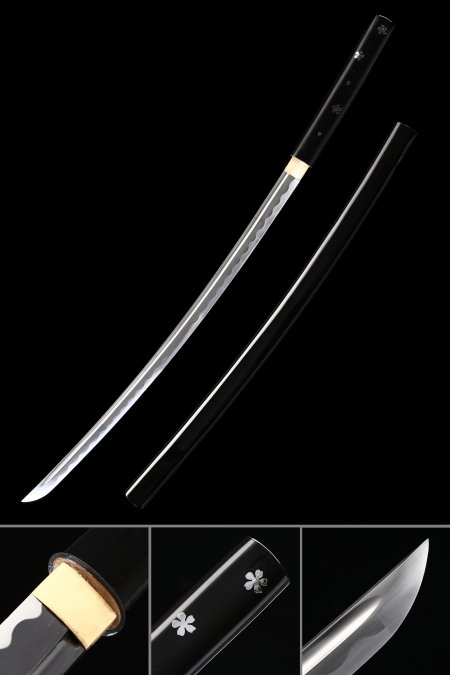
O-Ren Ishii Sword - Kill Bill Shirasaya Katana Hattori Hanzo 1065 Carbon Steel Silver Flower Handle |
The only recommendation I will make is please upload the physical dimension specs of the swords -- it would help with people who want to make custom stands or mounts. Otherwise these look lovely and are quality pieces I am glad I purchased. r
r
Very much "adult" style of katana, classy, and tasteful for my wall.
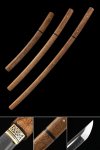 |
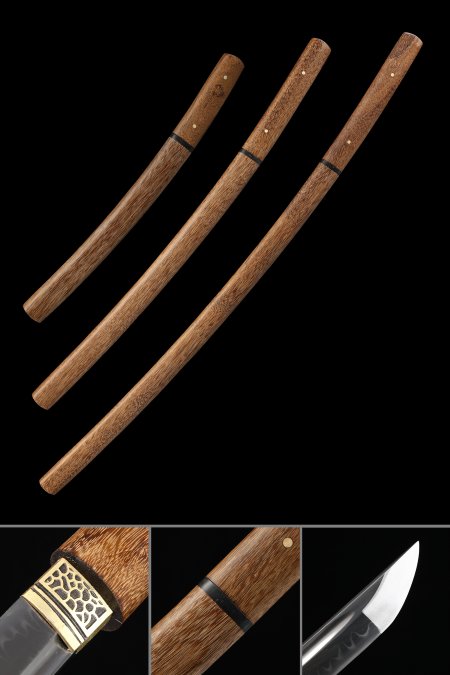
T10 Clay Tempered Daisho Set - Shirasaya Katana Wakizashi Tanto in Rosewood with Real Hamon 3-Piece Collection |
I love the sword thank you so much for the time and energy into making it💯💯
|
O-Ren Ishii Sword - Kill Bill Shirasaya Katana Hattori Hanzo 1065 Carbon Steel Silver Flower Handle |
Very pleased with the quality the order.was shipped promptly too.very sharp too so be careful kiddos.
|
T10 Carbon Steel Shirasaya Katana with Clay-Tempered Real Hamon in Natural Wengewood Saya |
I love the wood looks beautiful .has a great feeling. Price was awseome shipping was awseome. I just can't get the sword out of the sheath .it's like it's swollen. Inside
|
T10 Carbon Steel Shirasaya Katana with Clay-Tempered Real Hamon in Natural Wengewood Saya |
Nice sword.good quality. I have plans to buy more in the future
|
T10 Carbon Steel Shirasaya Katana with Clay-Tempered Real Hamon in Natural Wengewood Saya |