
Black Cloud Tsuba Katana
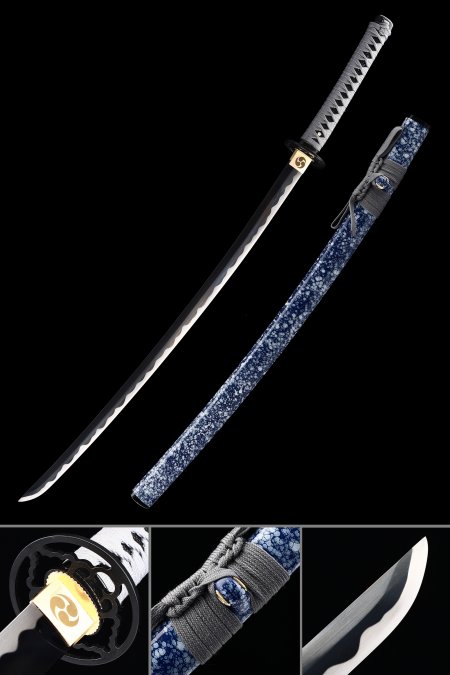
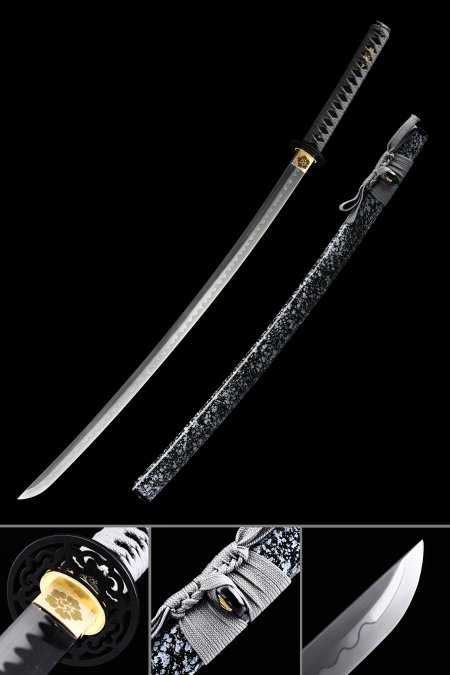
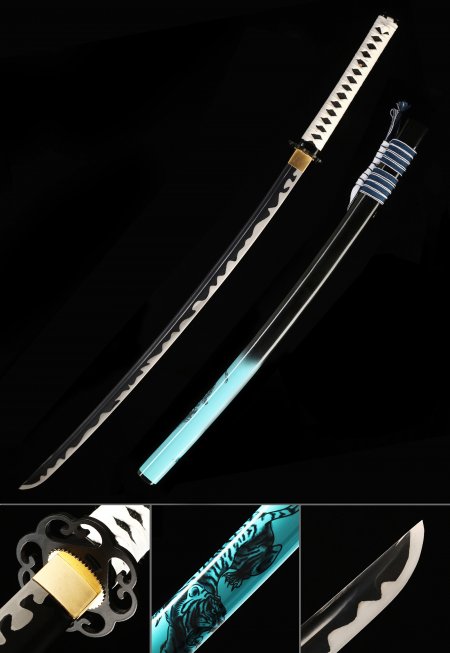
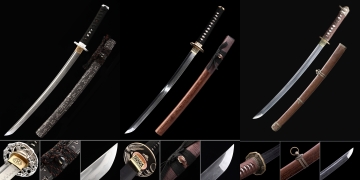
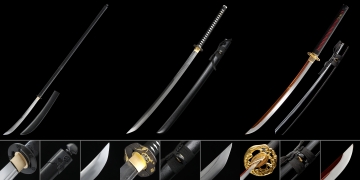
The Black Cloud Tsuba Katana collection brings together hand-forged blades distinguished by elegantly cast cloud-motif tsubas and striking lacquer sayas - each piece a testament to traditional Japanese sword-making artistry. From spring steel with piano lacquer finishes to clay-tempered manganese steel showcasing genuine hamon activity, every sword in this lineup is crafted with full-tang construction and meticulous attention to materials and aesthetics. Ideal for serious collectors and display enthusiasts seeking a centerpiece of authentic craftsmanship. Enjoy free shipping and hassle-free returns on your order.
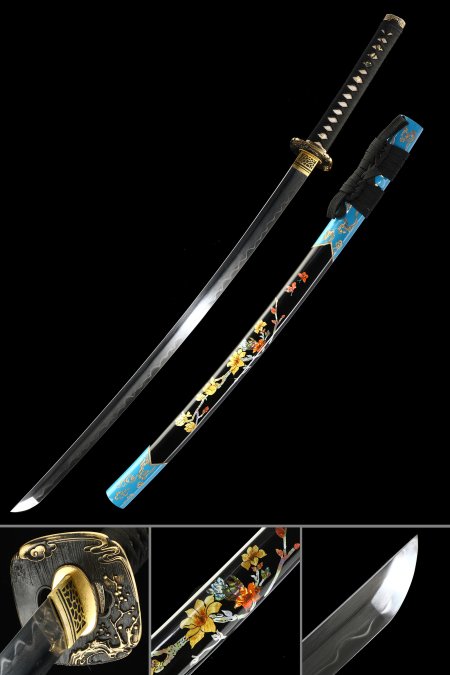
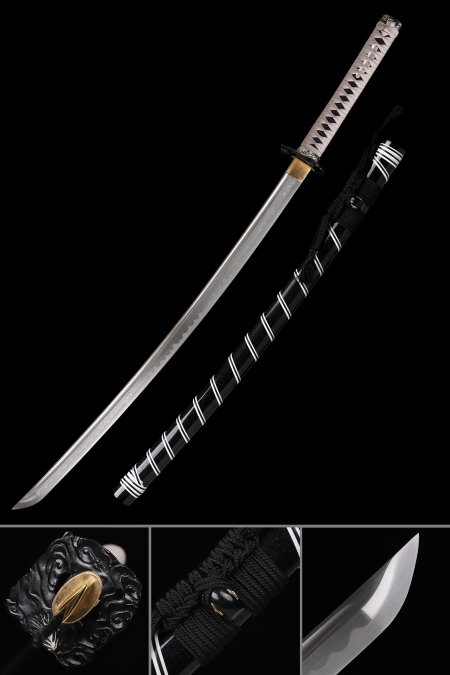
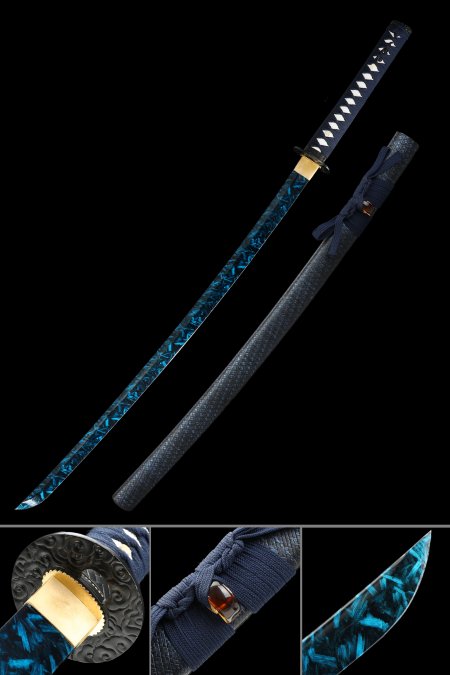
Free Shipping
239.00 USD
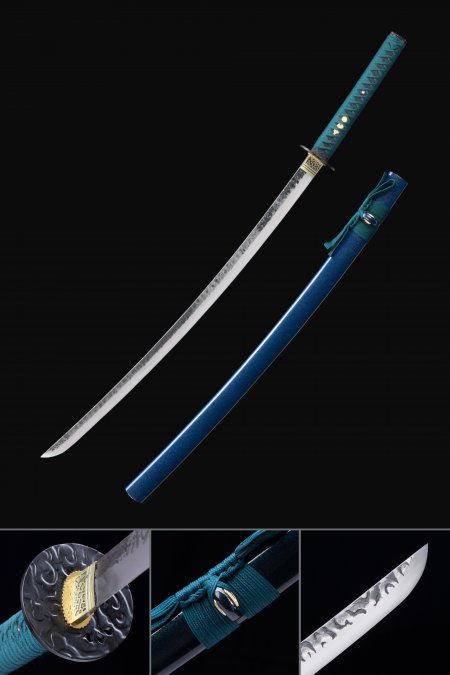
Free Shipping
219.00 USD
Free Shipping
279.00 USD
Related Collections
Frequently Asked Questions
What makes a cloud tsuba different from standard katana guards?
A cloud tsuba (kumo tsuba) features a cast or carved guard shaped around stylized cloud imagery drawn from Japanese artistic tradition. Unlike a plain circular iron guard, the cloud motif incorporates negative space cutouts and sculpted relief that give the fitting a layered, almost dimensional appearance. Historically, cloud designs in Japanese art symbolized impermanence and natural elegance - themes that resonated deeply in samurai culture. From a collector's perspective, a well-executed cloud tsuba elevates the entire presentation of a katana, creating a visual focal point that plain guards simply cannot achieve. The pieces in this collection use this motif as a unifying design element, making the tsuba one of the primary reasons collectors choose these blades over more generic configurations.
How does spring steel differ from manganese steel in these katanas?
Spring steel - typically a 9260 silicon-manganese alloy - is prized for its exceptional flex recovery, meaning the blade can bend under stress and return to true without warping. It holds a polished finish well and pairs naturally with the vivid lacquer sayas in this collection. Manganese steel, by contrast, offers excellent toughness and surface hardness, and responds particularly well to clay tempering - the process that produces a visible hamon along the edge. If a natural temper line and traditional differential hardening aesthetics are priorities for your display, the clay-tempered manganese steel models are the more compelling choice. If visual brilliance under light and a highly polished surface matter more, spring steel is the better fit. Both are full-tang constructions appropriate for serious collectors.
Is the hamon on these blades real or cosmetically applied?
On the clay-tempered models in this collection, the hamon is genuine - produced through the traditional process of applying clay to the blade before quenching, which causes differential cooling and creates a hard edge with a softer, tougher spine. The resulting temper line is entirely natural and unique to each individual blade. No two hamon are identical in shape or activity, which is a key point of value for serious collectors. Some less expensive katanas on the market feature an acid-etched or wire-brushed hamon that simulates the look without the underlying metallurgical process - those are cosmetic only. The clay-tempered pieces here undergo actual differential heat treatment, so the hamon you see reflects genuine craft, not surface decoration.
How should I store and maintain a lacquered saya long-term?
A lacquered saya - whether piano black, marble finish, or floral pattern - requires moderate humidity control to prevent the lacquer from cracking or lifting over time. Aim for a storage environment between 40-60% relative humidity; extremes in either direction stress the lacquer coating. Avoid prolonged direct sunlight exposure, which can fade colors and dry out the wood beneath. For the blade itself, apply a light coat of choji oil or mineral oil every few months to prevent oxidation, particularly if you live in a humid coastal climate. When sheathing the blade, do so with a slow, deliberate motion to avoid chipping the interior of the saya. Display stands that hold the katana horizontally with saya on are ideal for both aesthetic presentation and long-term preservation of the fittings.
Are these katanas a good choice as a display gift for a sword enthusiast?
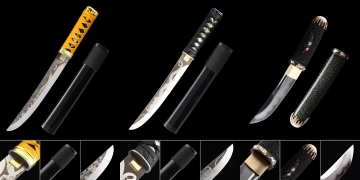
For a recipient who appreciates Japanese craftsmanship and aesthetics, the Black Cloud Tsuba Katana collection offers gift options that go well beyond generic novelty swords. The cloud tsuba design is immediately recognizable as a deliberate artistic choice rather than a stock fitting, which signals to any knowledgeable collector that genuine thought went into the selection. The coordinated color pairing - ito wrap matched to saya finish - means the piece arrives as a complete, considered composition rather than an assembly of mismatched components. If your recipient already collects Japanese blades, consider pairing a katana from this collection with a complementary shorter blade, such as a piece from the Black Rayskin Handle Tanto lineup, to create a daisho-inspired display set. Each sword ships fully assembled and presentation-ready.
Customer Reviews
Randy Iverson
Montana, United States
Sword looks really nice but I was really disappointed with the sharpness. Item description said razor sharp but the blade was ridiculously dull
 |
Manganese Steel Black Blade Katana with Blue Floral Lacquer Saya - Gray Tsuka, Cloud Tsuba |
Jaxon Bohlin
Minnesota, United States
I love it. It's perfect but if your wanting to get one look at the specifications.
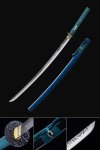 |
Spring Steel Blue Katana with Cloud Tsuba in Piano Lacquer Saya - Teal Ito Full Tang Collectible Sword |
Evan Mohn
Michigan, United States
Very good material. Love the set so far. Will be getting more in the future. Arigato
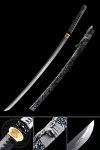 |
Clay Tempered Manganese Steel Katana with Real Hamon in Black and Silver Marble Saya - Grey Wrap |
Joshua
West Virginia, United States
I love the Katana! I was torn between about 10 different ones I loved and just took a leap and bought this one. The colors and workmanship are fantastic. I will definitely get another one in the future!
|
Clay Tempered Manganese Steel Katana with Real Hamon in Black and Silver Marble Saya - Grey Wrap |