FAST SHIP
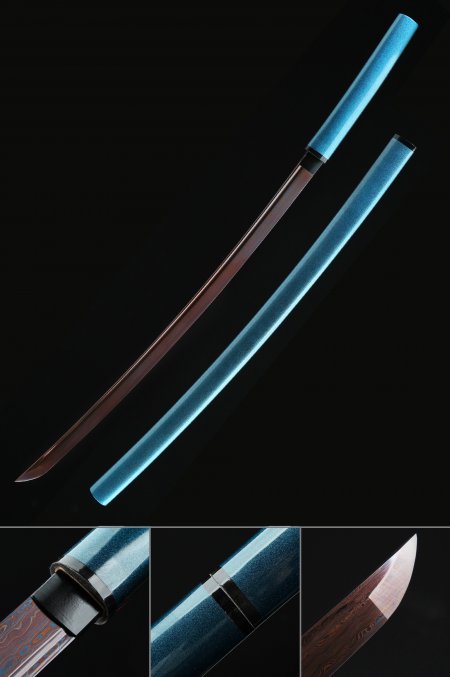
20 Reviews
Free Shipping
209.00 USD
ON SALE! 15% OFF
Was: $249.00

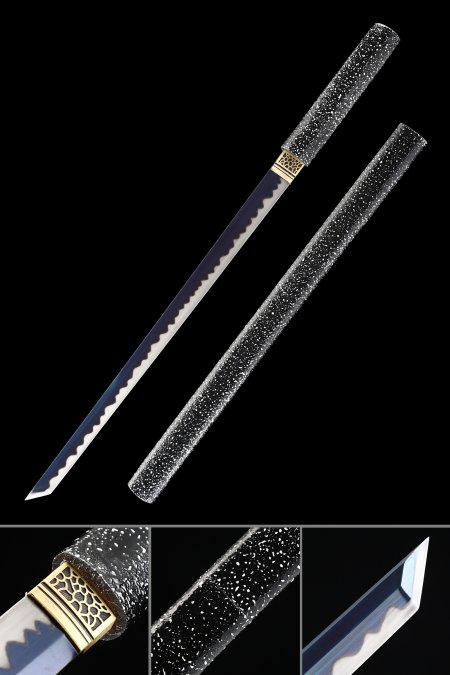
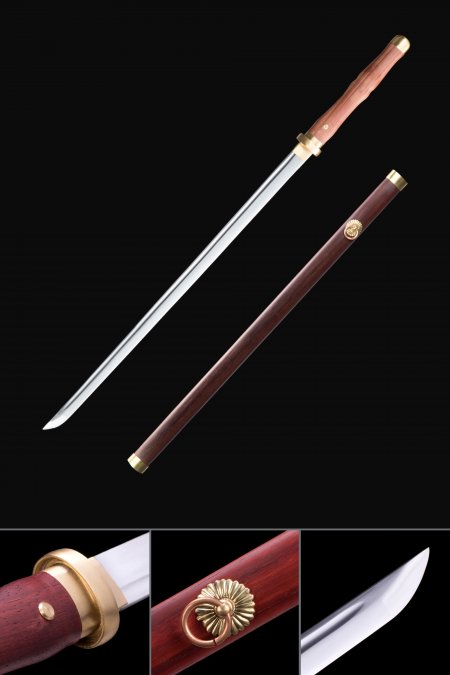
The shirasaya strips a Japanese sword down to its purest form — a hand-forged carbon steel blade seated in an unadorned magnolia wood handle and scabbard with no tsuba, no wrapping, and no decorative fittings. Originally designed as a preservation mount to protect valuable blades during long-term storage, the shirasaya has become one of the most sought-after presentation styles in modern sword collecting for its minimalist beauty and the way it puts the blade's own character — the steel, the hamon, the polish — front and center without distraction.
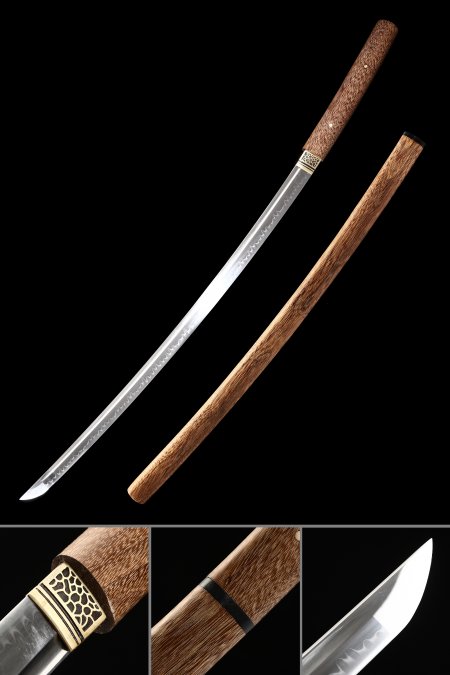
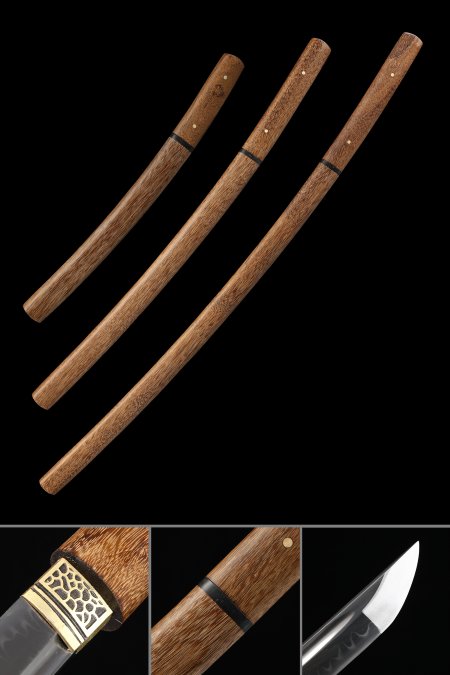
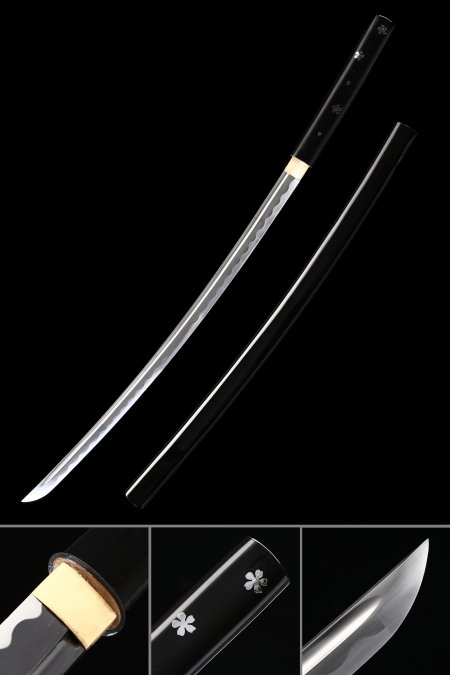
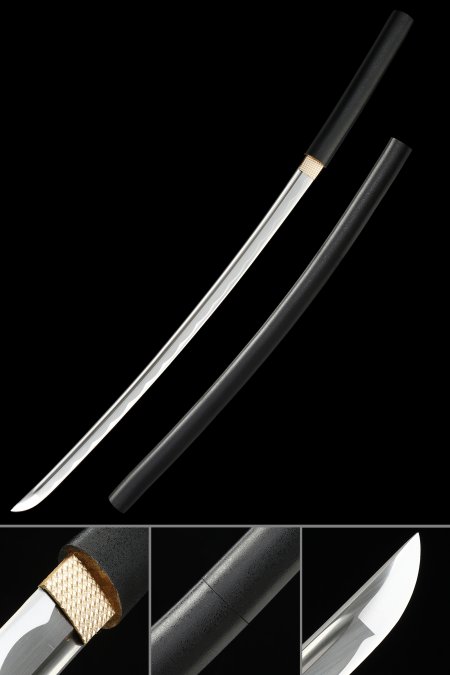
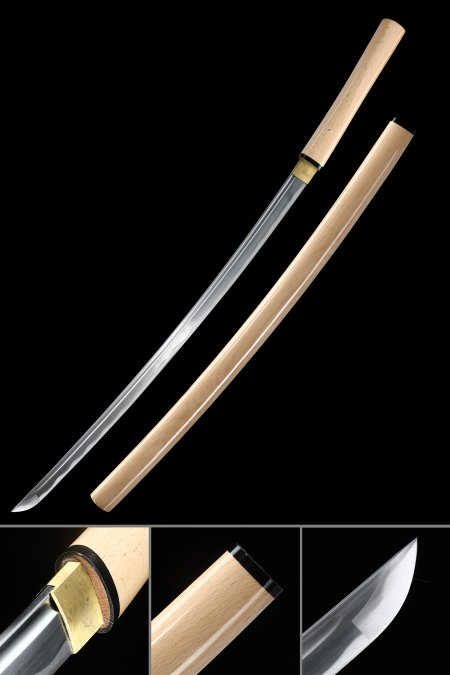
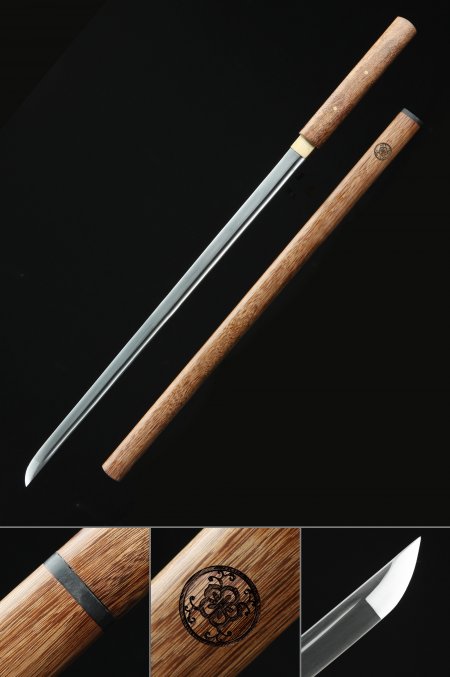
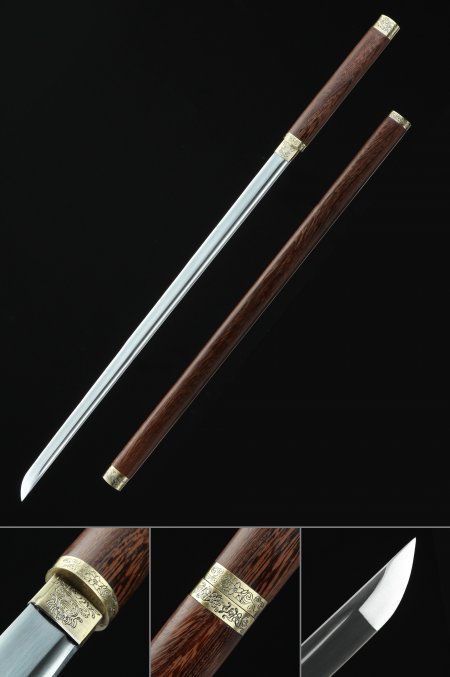
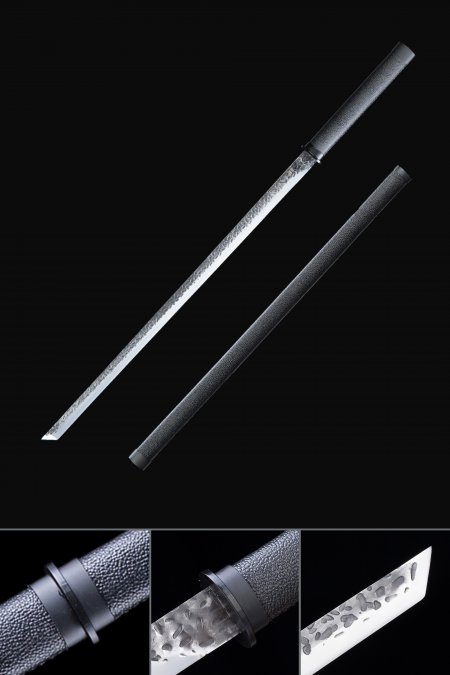
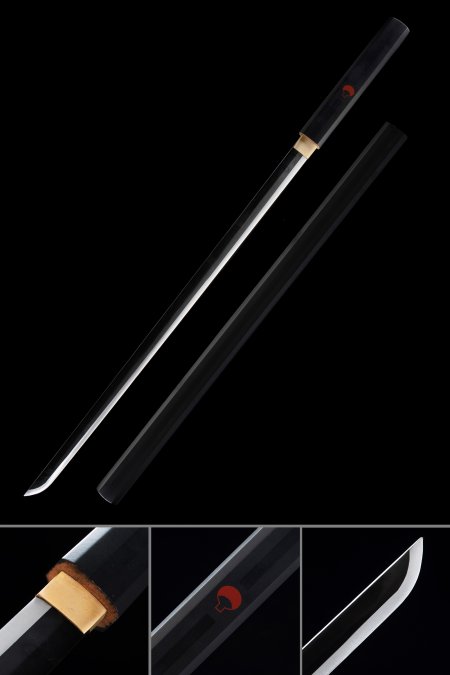
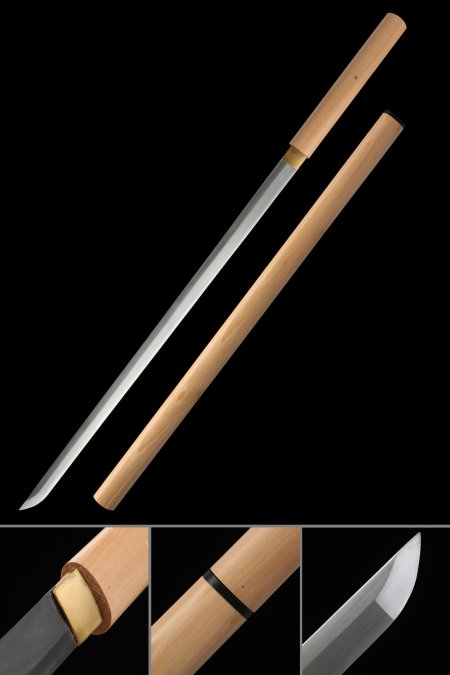
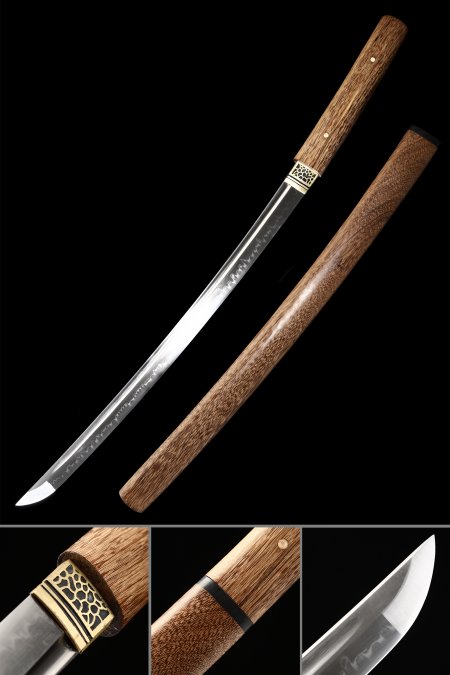
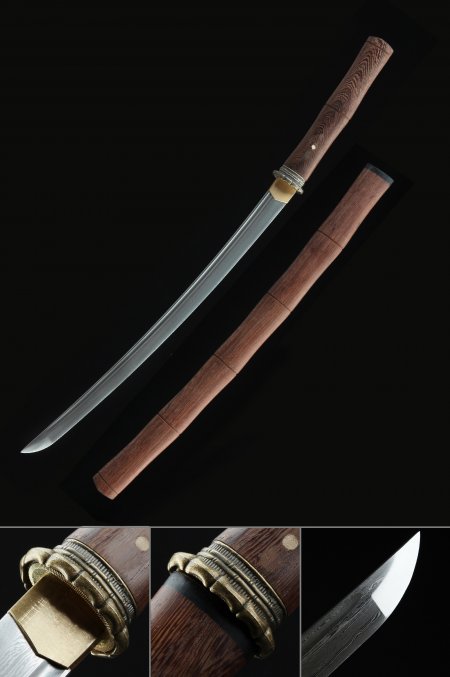
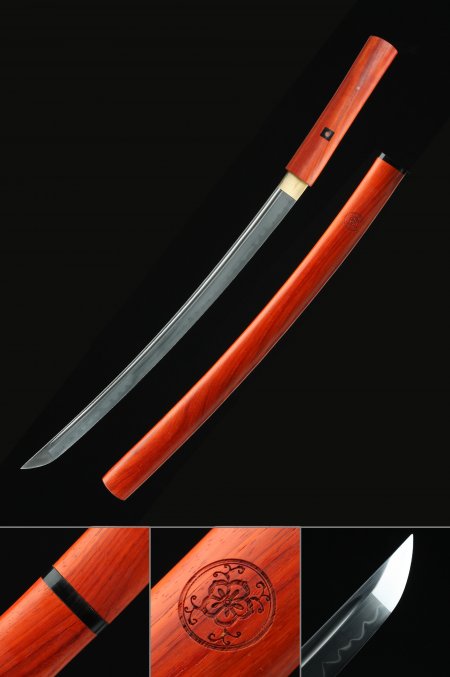
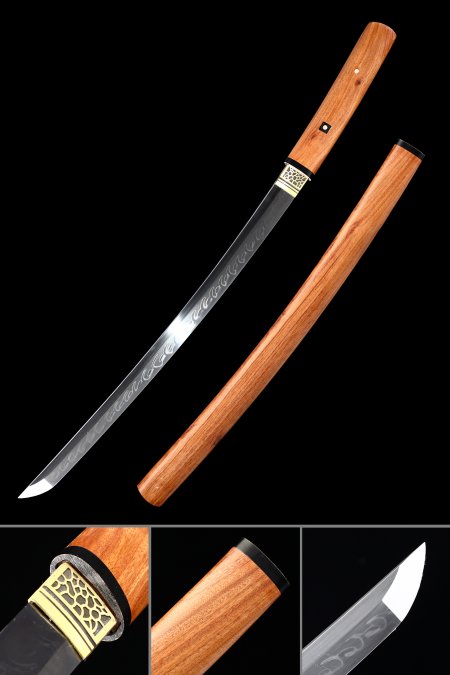
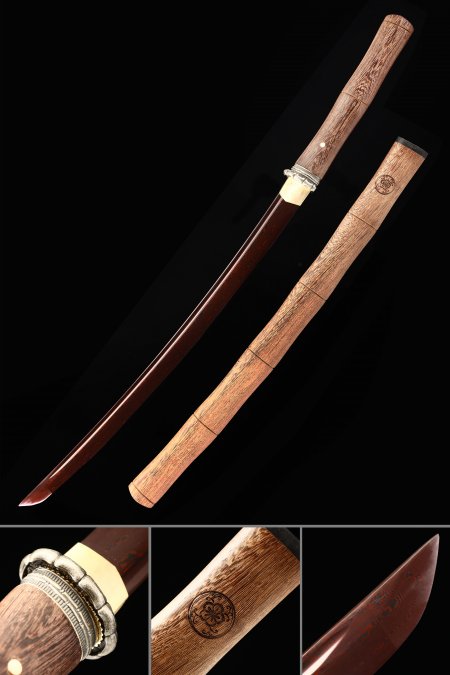
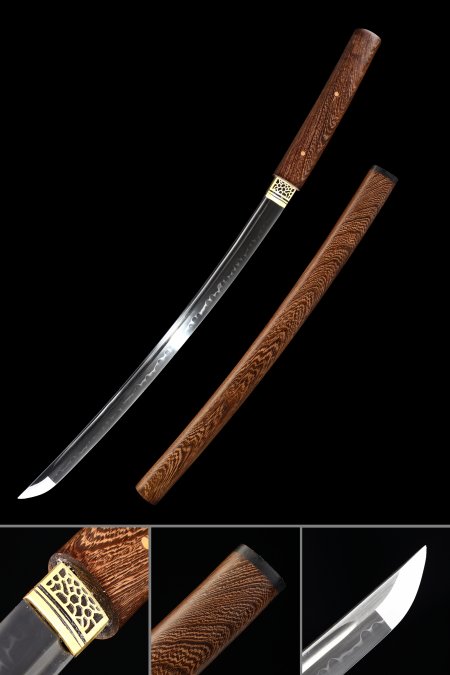
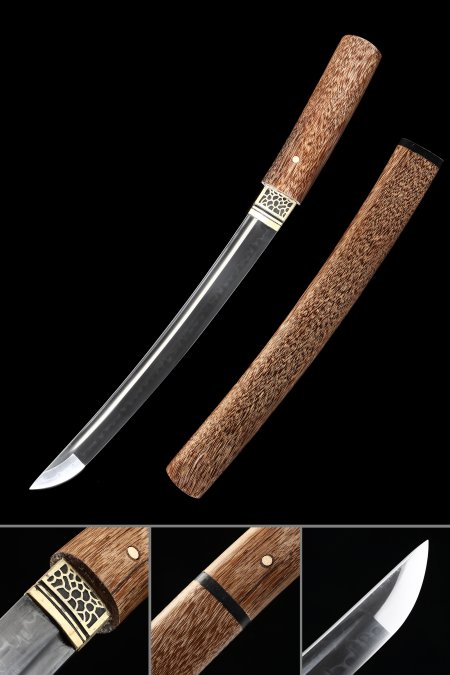
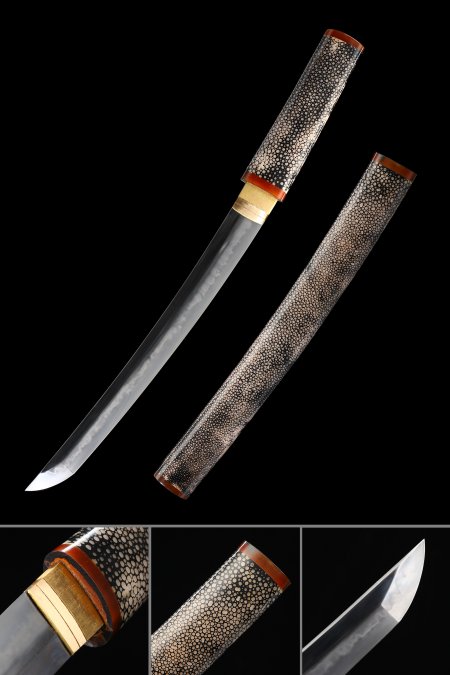
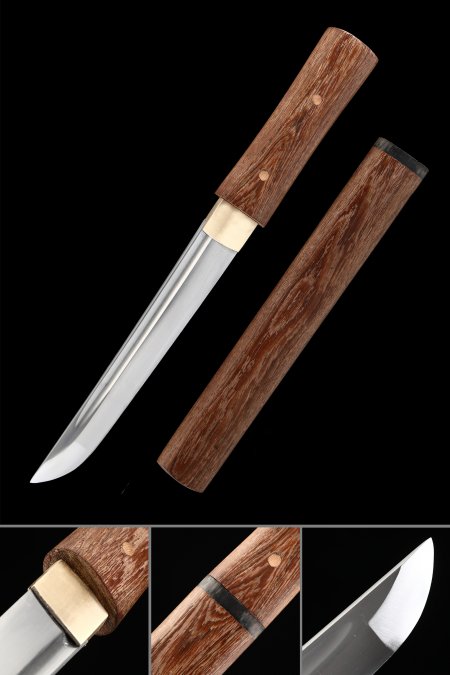
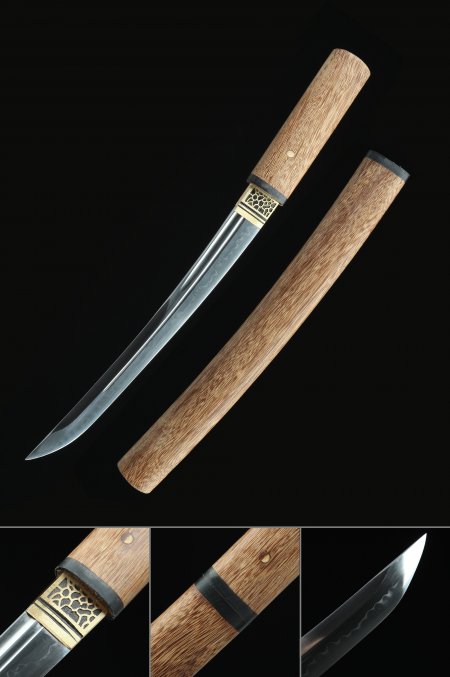
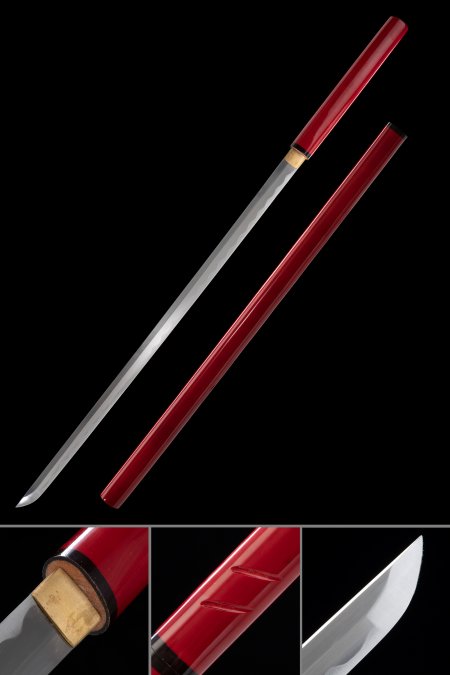
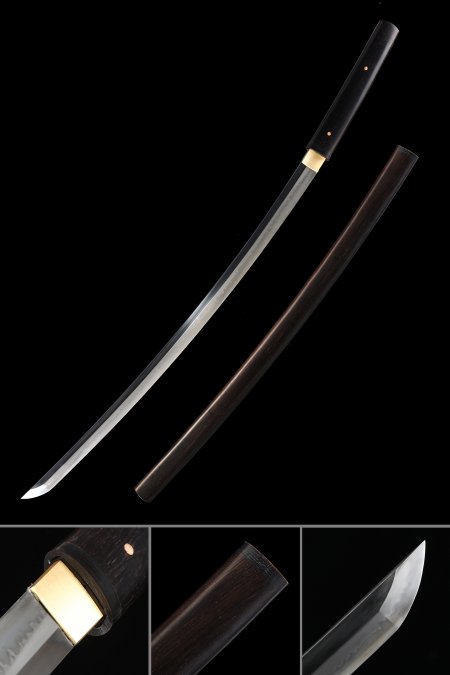
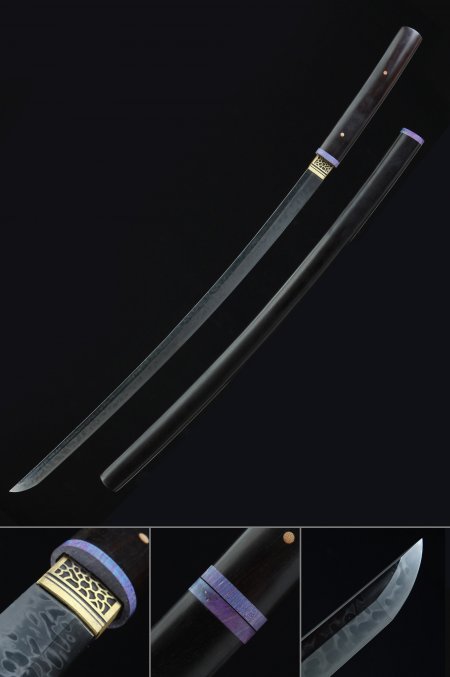
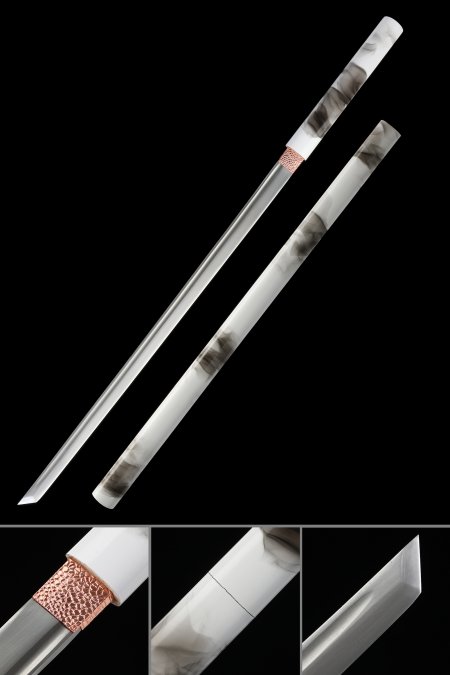
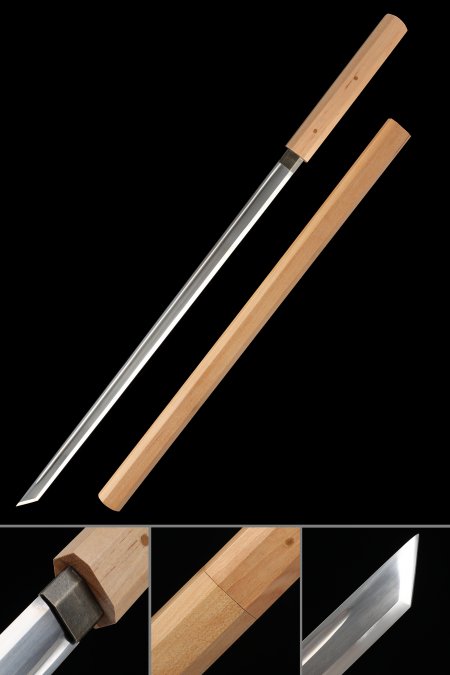
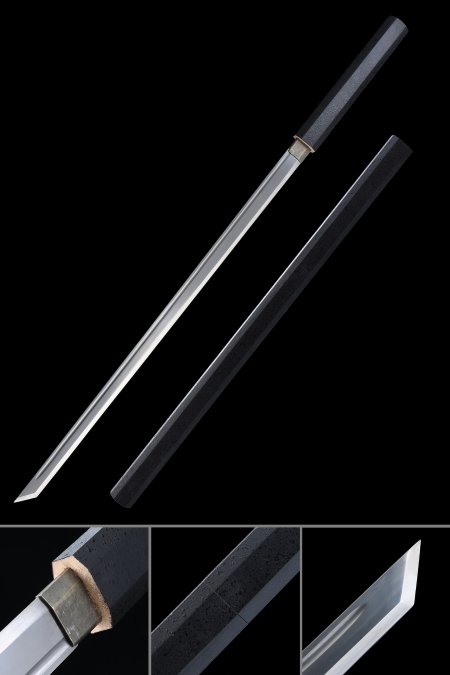
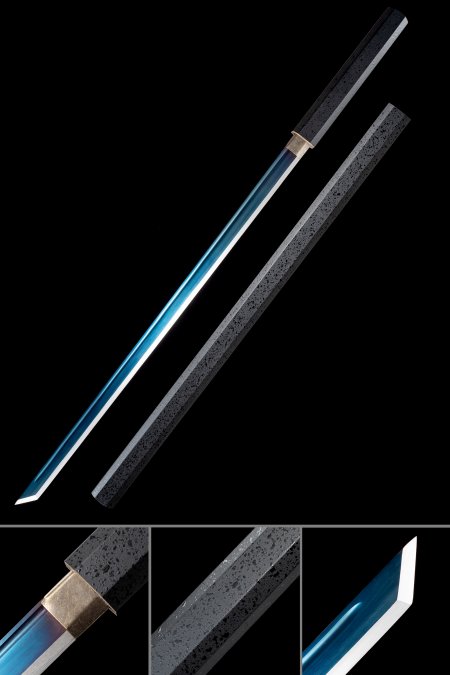
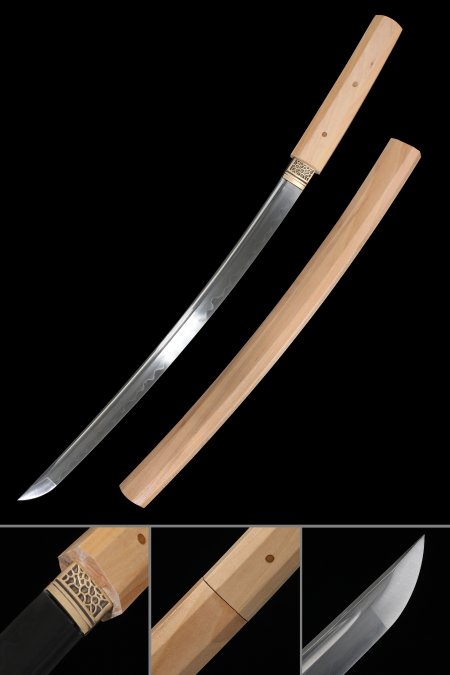
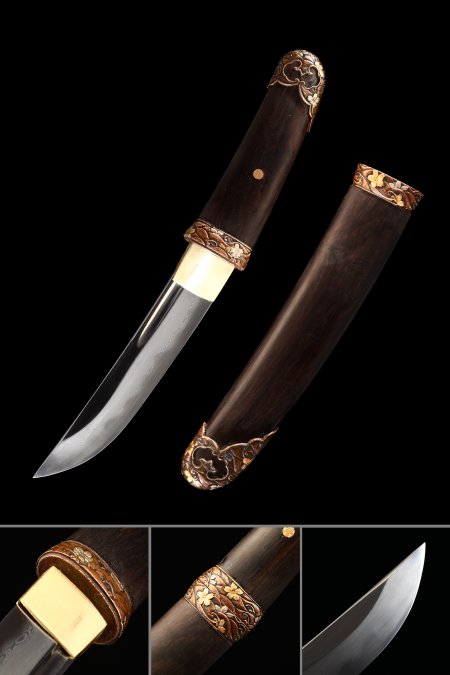
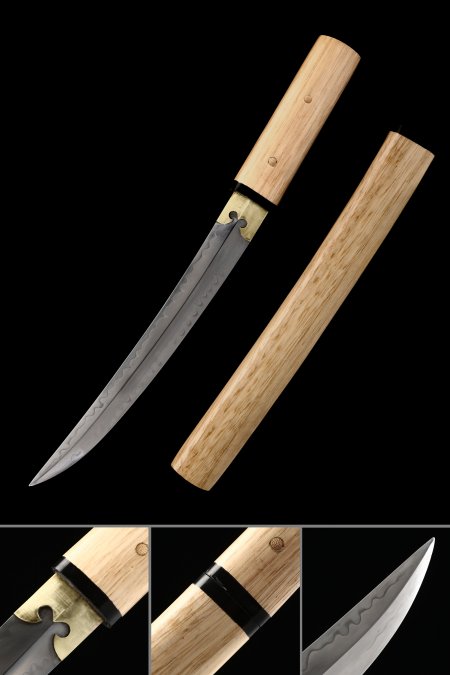
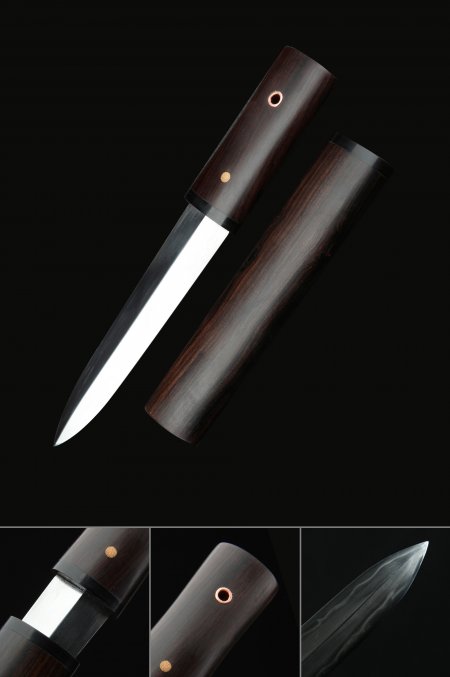
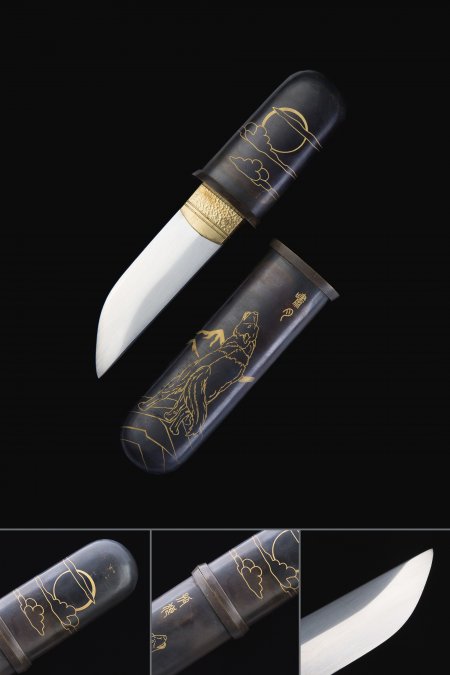
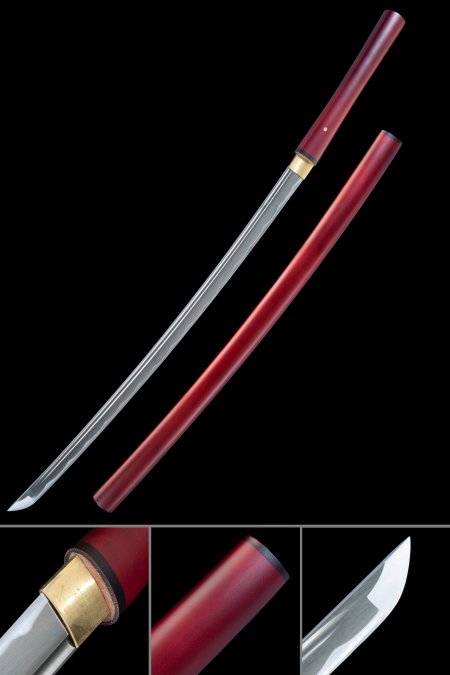
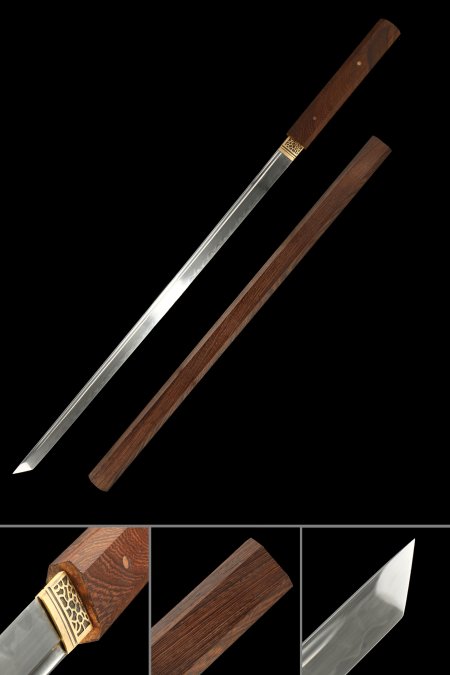
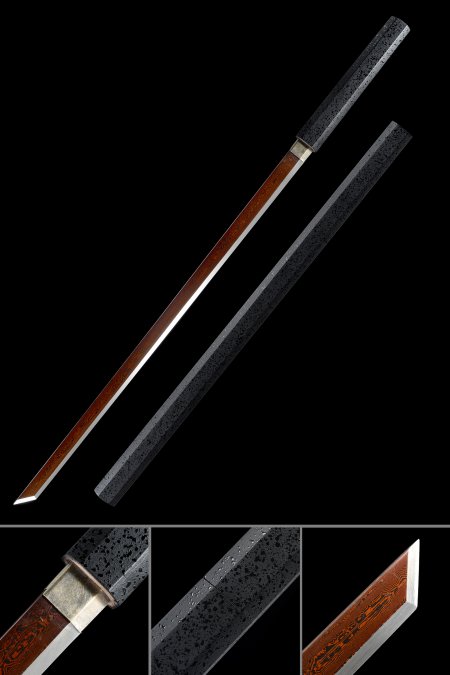
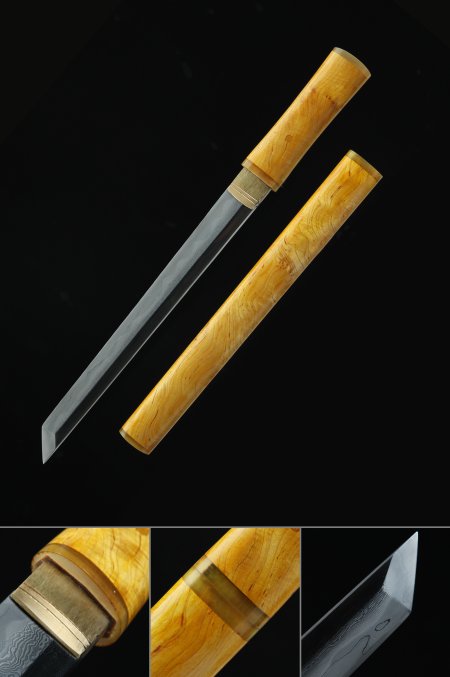
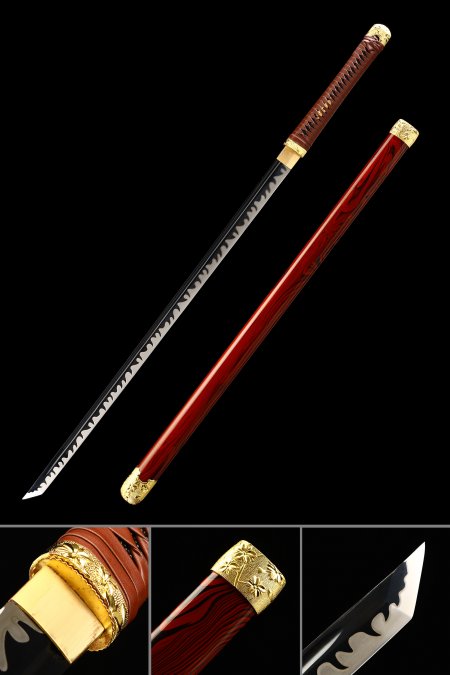
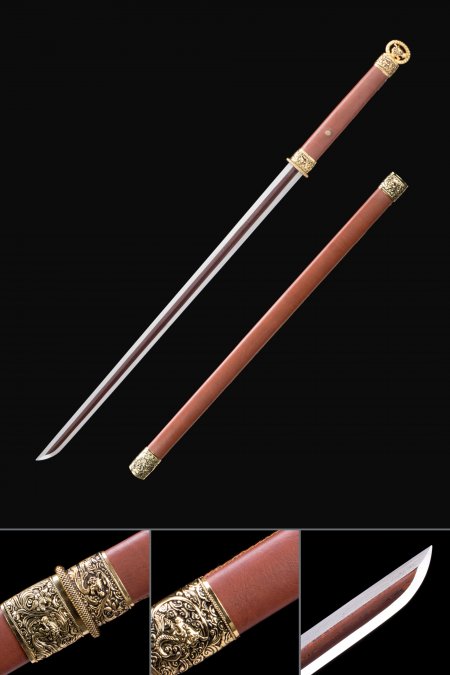
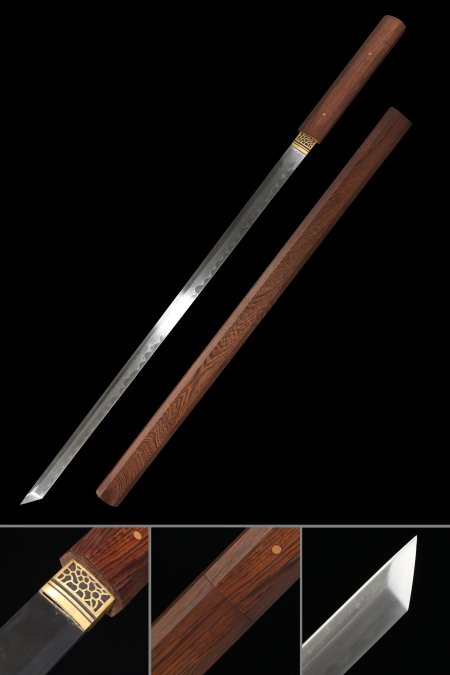
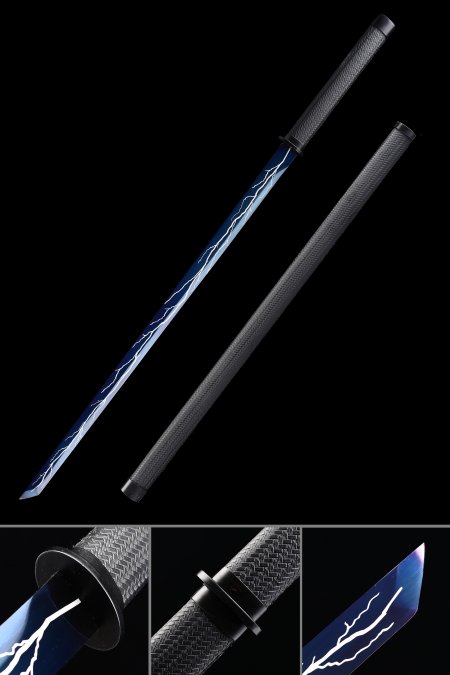
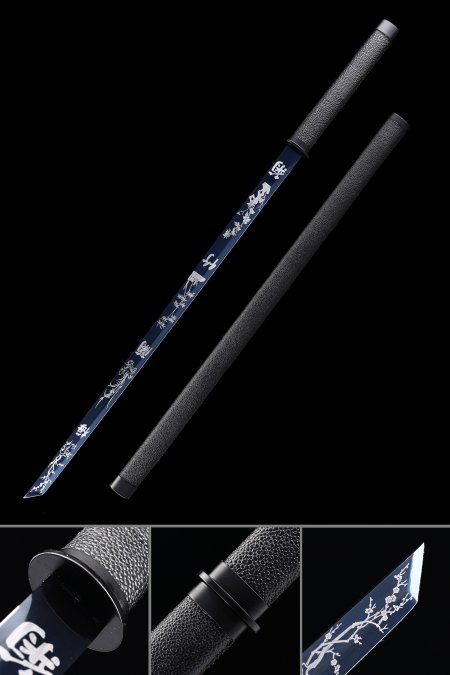
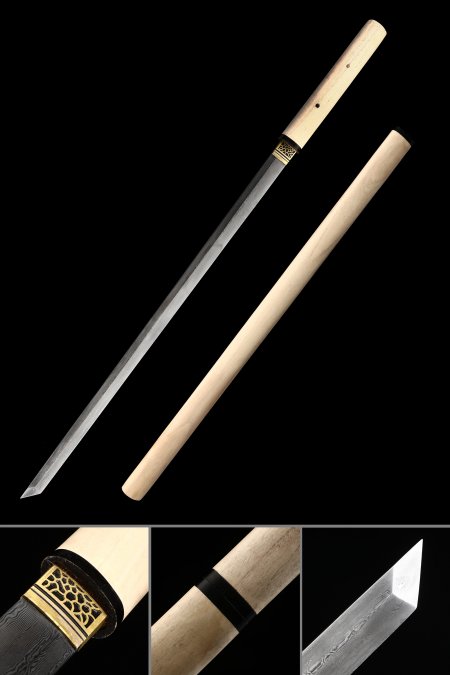
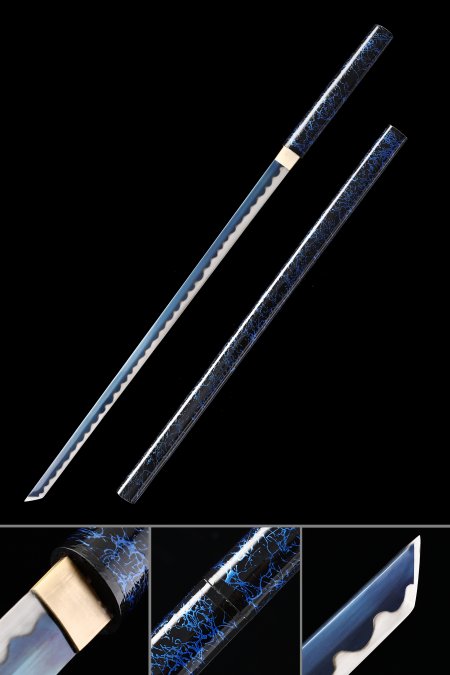
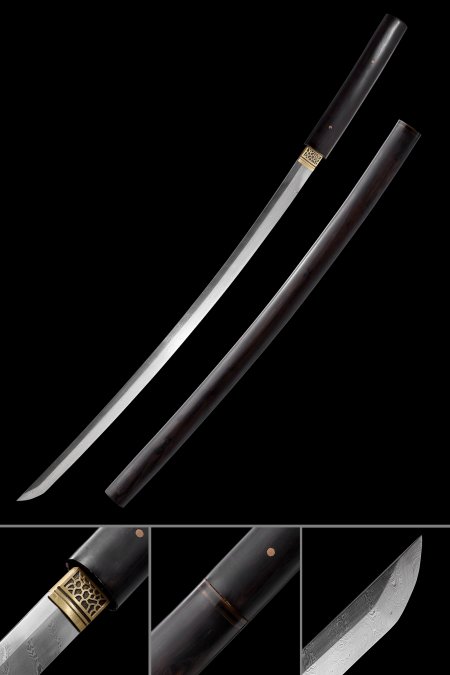
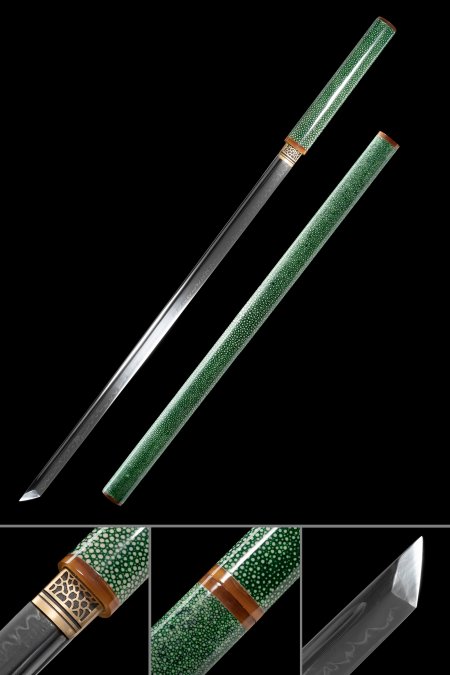
A shirasaya is a Japanese sword mounted in a plain, unfinished wooden handle and scabbard with no tsuba (hand guard), no ito wrapping, no samegawa (ray skin), and no decorative metal fittings — the most minimalist mounting style in Japanese sword culture. The word shirasaya (白鞘) translates to "white scabbard," referring to the pale, natural color of the untreated honoki (magnolia) wood traditionally used for both the handle and the scabbard. The shirasaya was originally developed during the Edo period (1603–1868) as a specialized storage mount designed to preserve valuable sword blades during long-term periods of non-use. Japanese swordsmiths discovered that the standard koshirae mounting — with its lacquered saya, tightly wrapped handle, and metal fittings — actually damaged blades during extended storage: lacquer trapped moisture against the steel causing rust, metal fittings created galvanic corrosion at contact points, and the wrapped handle generated humidity around the tang. The shirasaya eliminated all of these problems by using bare magnolia wood, which has extremely low resin and sap content, fine grain that won't scratch polished steel, and an open structure that allows air to circulate around the blade. In modern collecting, the shirasaya has evolved from a purely utilitarian storage solution into one of the most aesthetically prized sword presentation styles. Its minimalist design puts all visual attention on the blade itself — the steel grain, the hamon temper line, and the polish quality become the focus rather than the fittings. The shirasaya katana collection features this traditional plain-wood mounting across multiple steel grades, from entry-level carbon steel through premium clay-tempered blades with visible hamon lines.
Shirasaya is written as 白鞘 in Japanese, combining two characters: 白 (shira), meaning "white" or "plain," and 鞘 (saya), meaning "scabbard" or "sheath." The "white" in the name doesn't refer to paint or pigment — it refers to the natural pale color of untreated honoki (magnolia) wood in its raw, unfinished state, which appears almost white when freshly cut before gradually mellowing to a warm cream or light tan as the wood ages and develops patina from handling and environmental exposure. The name is closely related to the Japanese word shiraki (白木), meaning "white wood" or "plain wood," which describes any natural, unlacquered, unfinished wooden surface. In Japanese aesthetic tradition, shiraki carries connotations of purity, simplicity, and the inherent beauty of natural materials — values that align directly with the wabi-sabi philosophy of finding beauty in simplicity and imperfection. This philosophical resonance is part of why the shirasaya has become so popular as a presentation style rather than just a storage method: the plain wood embodies a distinctly Japanese aesthetic principle that values restraint over ornamentation and natural beauty over applied decoration. When a collector or swordsmith refers to "mounting a blade in shirasaya," they mean housing it in this minimalist plain-wood format — typically as a preservation measure for the blade or as a deliberate aesthetic choice that prioritizes the blade's own character over external decoration. The shirasaya collection embodies this aesthetic philosophy — swords presented in natural wood that lets the blade define the visual experience.
Shirasaya and koshirae represent the two fundamental mounting philosophies in Japanese sword culture — storage versus active use — and understanding the distinction helps you choose the right presentation for your collecting goals. Koshirae (拵え) is the full-dress mounting designed for carrying and combat: a lacquered wooden saya (scabbard), a tsuka (handle) wrapped in samegawa (ray skin) and ito (cord), a tsuba (hand guard), menuki (ornamental grip sculptures), a kashira (pommel cap), a fuchi (handle collar), and various other metal fittings that together transform a bare blade into a complete, functional weapon and a showcase of decorative metalwork. Every component of koshirae serves a practical purpose — the tsuba protects the hand, the wrapping provides secure grip, the lacquer resists weather — while also providing a canvas for artistic expression. Shirasaya (白鞘) strips all of this away, leaving only bare magnolia wood and the blade itself. Where koshirae dresses the sword for the world, shirasaya undresses it — revealing the tang, exposing the blade's surface without the visual competition of fittings, and presenting the steel in its most honest, unadorned state. The practical difference is significant: koshirae is designed to be worn, drawn, and used, while traditional shirasaya is designed for preservation and display. The lack of a tsuba and grip texture in a shirasaya means the sword is not safe or effective for cutting — the smooth wood handle provides no purchase under force, and the absent guard offers no hand protection. In modern collecting, many buyers own both mountings: koshirae for the visual impact and functional completeness of a traditional samurai sword, and shirasaya for the contemplative beauty of a blade presented on its own terms. The samurai sword collection includes both koshirae and shirasaya-mounted options across all blade types and steel grades.
Traditional shirasaya were never designed for combat and are not safe for functional cutting or martial arts practice — but modern manufacturers have created "battle-ready shirasaya" variants that reinforce the handle construction to address some of the traditional design's limitations. The original shirasaya's unsuitability for combat comes from two specific structural issues. First, the bare wood handle provides no grip security — without samegawa (ray skin) and ito wrapping to create friction between the hand and the handle surface, the smooth wood can rotate or slip in the hand under the torsional forces of cutting, which is both dangerous and ineffective. Second, the absence of a tsuba (hand guard) means there is nothing preventing the hand from sliding forward onto the blade during a thrust or a suddenly stopped cut — a serious safety hazard with a sharp blade. Japanese sword culture understood these limitations clearly: shirasaya was the sword's resting mount, and koshirae was its working mount. A samurai would store his blade in shirasaya at home and mount it in koshirae before going out. Modern "functional shirasaya" or "battle-ready shirasaya" designs attempt to bridge this gap by adding subtle grip texture to the handle surface, tightening the handle-to-tang fit for reduced play, and using more durable wood species or finish treatments that improve the handle's resistance to the sweat and friction of active use. Some also include a very small, subtle guard ring or flared handle shape to reduce hand-forward risk. These modifications make the sword safer for light cutting but still don't match the grip security and hand protection of a properly wrapped koshirae handle with a fitted tsuba. The shirasaya katana sword collection includes both traditional display-focused shirasaya and reinforced variants for collectors who want the minimalist aesthetic with improved handling safety.
The traditional and preferred wood for shirasaya is honoki (朴木, Magnolia obovata, also called bigleaf magnolia or Japanese magnolia) — a species chosen specifically for its chemical and physical properties that make it ideal for long-term contact with carbon steel sword blades. Honoki's key advantage is its extremely low content of sap, resin, and organic acids — substances present in most other commonly available woods that create corrosive conditions when trapped against carbon steel. Woods like cedar, oak, pine, and walnut contain varying levels of tannins, resins, and volatile organic compounds that would actively attack a polished blade surface over months and years of contact, causing pitting, discoloration, and corrosion. Honoki avoids this problem almost entirely, making it safe for indefinite blade storage. The wood's grain structure is another critical factor: honoki is fine-grained, even-textured, and relatively soft — soft enough that a polished sword blade slides in and out of the scabbard without the micro-scratching that harder or coarser-grained woods would inflict on the mirror-polished surface. This matters because Japanese sword polishing is an extremely time-intensive and expensive process, and any wood that damages the polish during routine insertion and removal defeats the entire purpose of the storage mount. Honoki is also dimensionally stable — it resists warping and seasonal expansion and contraction better than many alternative woods, which is important because the scabbard must maintain a precise friction fit with the blade over years of storage. In modern production, genuine Japanese honoki is expensive and sometimes difficult to source in quantity, so some manufacturers substitute other magnolia species, basswood, or tulip poplar — woods that share honoki's low-resin, fine-grained characteristics at lower cost. The authentic shirasaya collection uses quality magnolia-family wood that honors the traditional material choice and provides genuine blade-safe storage properties.
The shirasaya and shikomizue are visually similar — both feature a blade housed in a plain wooden mounting — but they serve completely different purposes and carry very different cultural and legal associations. A shirasaya is a sword storage and presentation mount: the plain wood handle and scabbard are clearly identifiable as a sword mount, the blade is openly present, and there is no attempt to disguise what the object is. You look at a shirasaya and you know it's a sword — the proportions, the shape of the scabbard, and the habaki fitting all signal "sword" to anyone familiar with Japanese blades. A shikomizue (仕込み杖), by contrast, is a concealed weapon — literally "prepared cane" — designed to disguise a sword blade inside an object that looks like an ordinary walking stick, umbrella, or cane. The entire point of a shikomizue is deception: the exterior is designed to pass casual inspection as a harmless everyday object, while the interior conceals a functional blade that can be drawn in an emergency. Shikomizue were associated with bodyguards, plainclothes warriors, and individuals who needed to carry a weapon without attracting attention during periods when open sword carry was restricted or suspicious. The legal distinction matters significantly in modern collecting: a shirasaya is classified as a sword (openly visible as such), while a shikomizue is classified as a concealed weapon in many jurisdictions — and concealed weapon laws are substantially stricter than sword ownership laws in most US states and international markets. Before purchasing anything marketed as a "sword cane" or "hidden blade," research your local concealed weapon laws thoroughly. The shirasaya katana collection features only openly mounted swords in the traditional plain-wood shirasaya style — no concealment, no disguise, just clean wood and steel.
The shirasaya omits the tsuba (hand guard) because its original purpose was blade storage and preservation — not combat — and the tsuba serves no function in a storage context while actually creating problems for long-term blade health. In a koshirae (combat mounting), the tsuba performs two critical functions: it prevents the hand from sliding forward onto the blade during thrusts and sudden stops, and it provides a deflection surface that helps protect the hand during close-quarters sword engagement. Both of these functions are combat-specific — they matter when you're using the sword against a resisting target or opponent, but they're irrelevant when the sword is sitting in storage at home. From a preservation standpoint, the tsuba is actually counterproductive. Metal tsuba (iron, copper, bronze) sitting in direct contact with the blade's habaki and the wooden saya creates a junction point where three different materials meet — metal, steel, and wood. These material boundaries trap moisture, create galvanic corrosion cells between dissimilar metals, and introduce condensation points where temperature changes cause water vapor to collect. Over months and years of storage, these contact points become the first places where rust and pitting appear on an otherwise pristine blade. By eliminating the tsuba, the shirasaya removes this corrosion risk entirely — the only materials touching the blade are the steel habaki and the chemically neutral magnolia wood. The clean, guardless profile also became one of the shirasaya's most distinctive aesthetic features — the unbroken line from handle to blade creates a visual simplicity that modern collectors find deeply appealing, and it's the defining design element that separates the shirasaya silhouette from every other Japanese sword mounting style. The shirasaya collection embraces this guardless design philosophy — clean-profile swords where the wood-to-blade transition is uninterrupted by metal fittings.
Yes — the sword wielded by O-Ren Ishii (played by Lucy Liu) in Quentin Tarantino's Kill Bill: Volume 1 (2003) is presented as a shirasaya-mounted katana, and it became the single most influential depiction of a shirasaya in Western pop culture. The film's prop features the classic shirasaya elements: a plain wooden handle with no guard, a smooth wooden scabbard with no lacquer or decoration, and a blade that draws from the wood with no tsuba to mark the transition between handle and blade. Tarantino's choice to give O-Ren a shirasaya rather than a traditionally mounted katana was a deliberate character statement — the understated elegance of the plain wood matched O-Ren's controlled, refined lethality, contrasting with the more visually aggressive weapons carried by other characters. The famous "Showdown at the House of Blue Leaves" sequence — where O-Ren draws the shirasaya on the snow-covered balcony — is widely considered one of the most visually striking sword-fight scenes in cinema, and the shirasaya's clean lines against the white snow created an image that embedded itself permanently in popular culture. Following Kill Bill's release, demand for shirasaya replicas surged dramatically in the sword collecting market, and "Kill Bill shirasaya" became a recognized product category that remains popular over two decades later. The film also introduced millions of viewers to the shirasaya concept who would never have encountered it through historical or collector channels, creating a new audience for minimalist Japanese sword mounting. The Kill Bill sword collection features replicas inspired by the film's iconic weapons, including the O-Ren Ishii shirasaya and the Bride's Hattori Hanzo katana.
Shirasaya swords are exceptional for display — the minimalist mounting style creates one of the most visually elegant sword presentations available, and the plain-wood aesthetic integrates seamlessly into modern home and office decor in a way that heavily ornamented traditional mountings sometimes struggle with. The clean lines of bare magnolia wood against a polished steel blade project a calm, refined energy that reads as art rather than weaponry, which makes shirasaya one of the most popular choices for collectors who display swords in living rooms, offices, and bedrooms where a full koshirae katana might feel visually aggressive. On a traditional horizontal sword stand, a shirasaya creates a meditation-like focal point — the smooth wood, the subtle grain pattern, and the blade's hamon line draw the eye without the visual busyness of wrapped handles, ornate guards, and lacquered scabbards competing for attention. For multi-sword displays, shirasaya swords provide excellent contrast against koshirae-mounted blades — the interplay between ornate and minimal, decorated and bare, creates a display wall with more visual depth and narrative variety than collections featuring a single mounting style. Matched shirasaya sets (katana, wakizashi, tanto) on a three-tier stand are particularly striking because the ascending or descending blade sizes create rhythmic visual movement while the unified wood mounting holds the composition together. For practical display considerations, the shirasaya's guardless profile means the sword lies flatter against the wall on horizontal mounts and takes up slightly less visual depth than a koshirae-mounted sword with a protruding tsuba. The wood surface should be kept away from direct sunlight to prevent bleaching and drying. The shirasaya katana collection features swords in multiple sizes optimized for display — from compact pieces that fit small shelves to full-length katana that command a wall.
Super cool sword. Feels relatively sturdy. The fittings were a little messy, I had to file off some excess material but the blade is beautiful. I would say it's a pretty sword with good display value and it makes for some fun if you did want to cut softer objects with it. Although they have a long list of don't do's that's come with the blade. All in all I think the sword is well worth the price. The team is friendly and responds quickly. The shipping was quick as well.
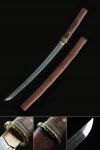 |
Damascus Steel Wakizashi with Natural Rosewood Saya and Gold Alloy Fittings - Folded Steel Collectible Sword |
The sword arrived unscathed, excellent craftsmanship. Well balanced and blade was sharp, Plan to get more in the near future.
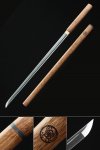 |
Manganese Steel Shikomizue Sword With Natural Rosewood Saya And Engraved Floral Crest |
Beautiful katana, well built. No rattle in handle, perfectly straight blade. It come decently sharp. Not as sharp as I would like. Overall it's a beautiful piece of art. I also recently purchased the matching Tanto. Just waiting for it to arrive
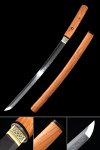 |
Damascus Steel Shirasaya Katana with Clay-Tempered Real Hamon in Natural Hardwood Saya - Full Tang Collectible |
I recently received my second purchase from TrueKatana, and it is just as wonderful as my first one. This time, I bought the Hand-forged 1045 carbon steel shirasaya katana with dark red saya, and it is a beauty! The quality is superb! Everything is perfect! The balance, the aesthetics, the attention to detail.Thank you, TrueKatana!
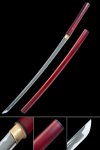 |
1045 Carbon Steel Shirasaya Katana with Dark Red Matte Hardwood Saya - No Tsuba Design |
Exceeded expectations, quality materials and workmanship
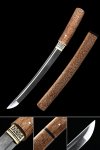 |
Shirasaya Tanto T10 Folded Clay Tempered Steel with Real Hamon in Natural Rosewood Saya |
My second blade bought from True Katana and I am very happy with both. Sharp and beautiful to look at.r
Highly recommend
|
Shirasaya Tanto T10 Folded Clay Tempered Steel with Real Hamon in Natural Rosewood Saya |
Such a well made sword. The woodin, scabbard and handle go so well together!
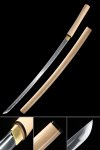 |
1065 Carbon Steel Shirasaya Katana with Natural Wood Saya - Handmade, Full Tang Blade |
its my first one, not the only one. i love good for decoration
|
Shirasaya Tanto T10 Folded Clay Tempered Steel with Real Hamon in Natural Rosewood Saya |