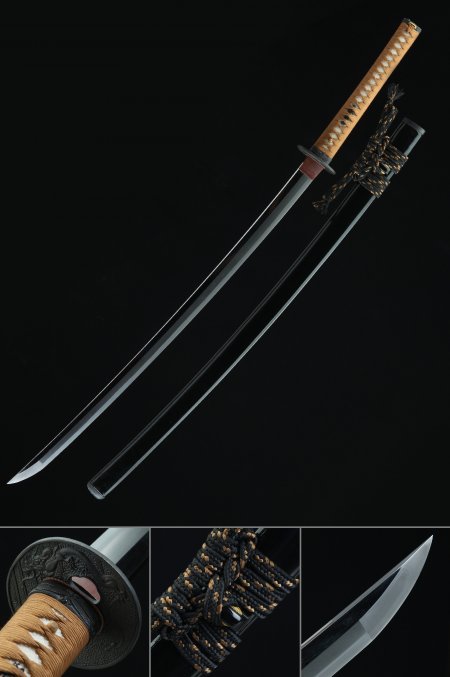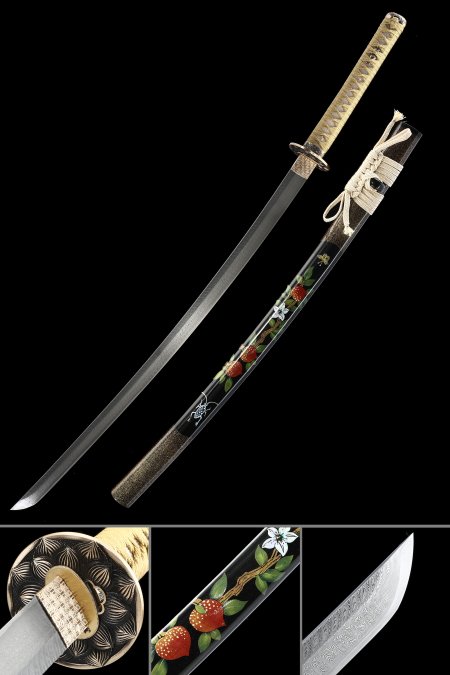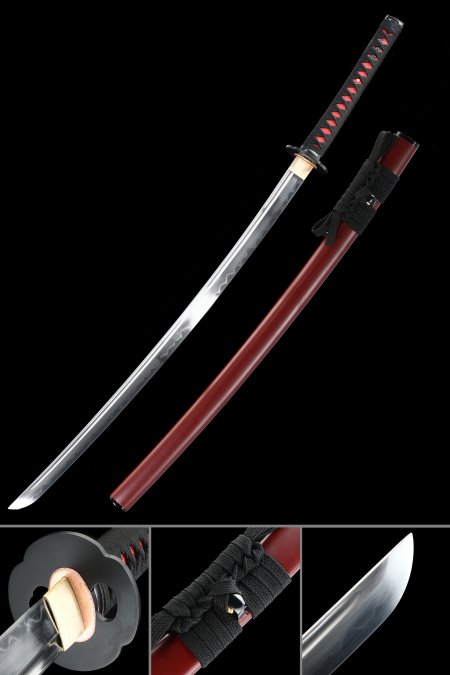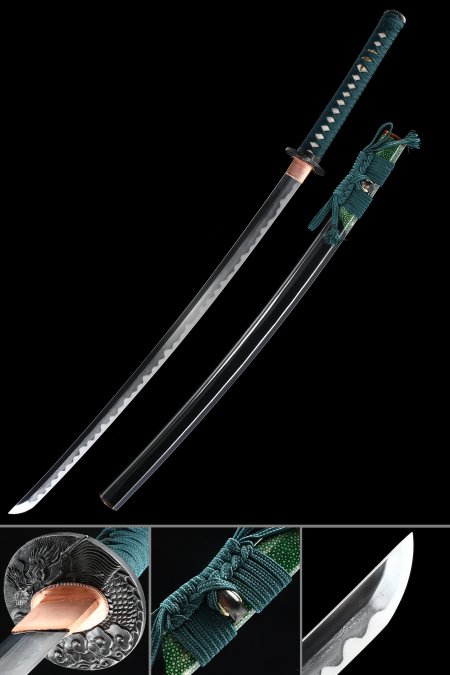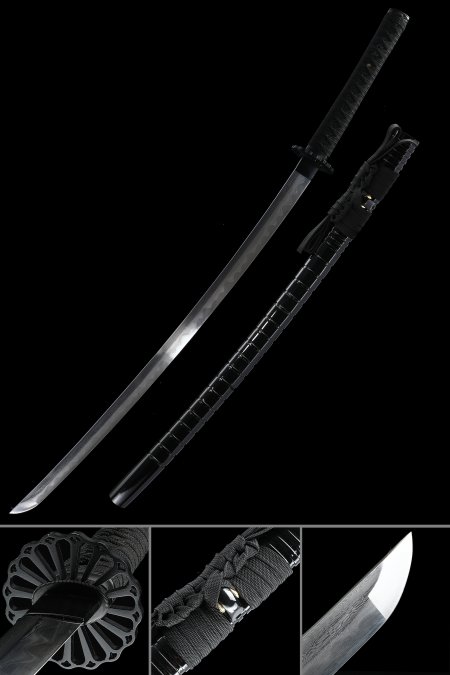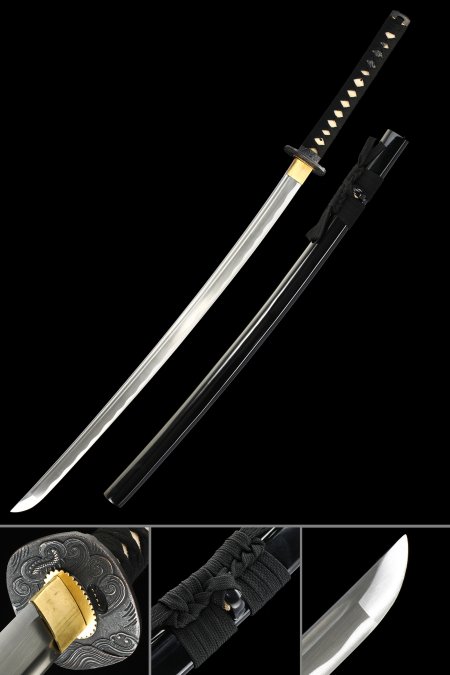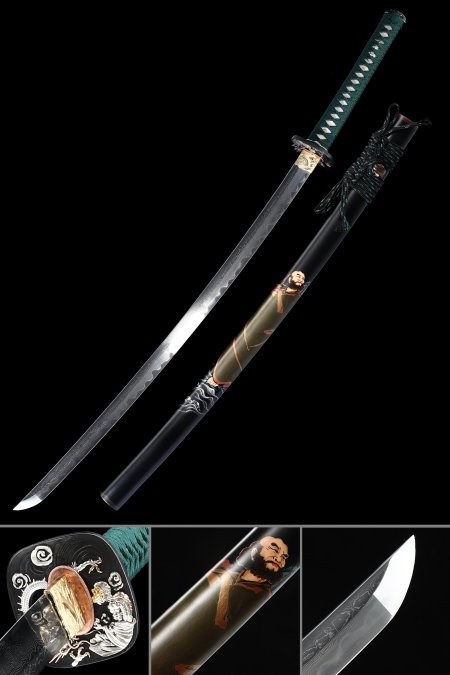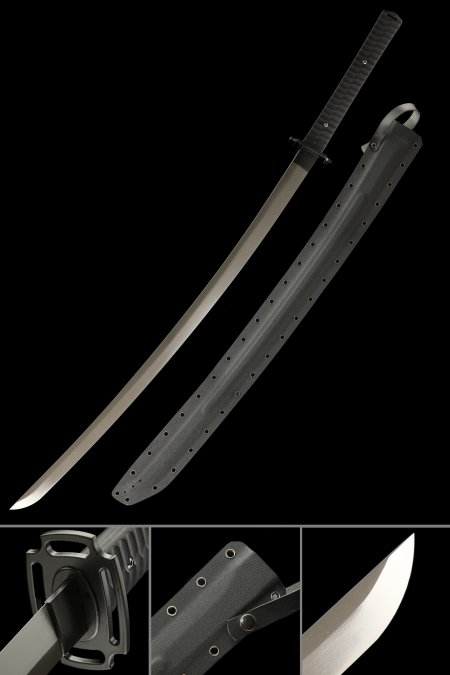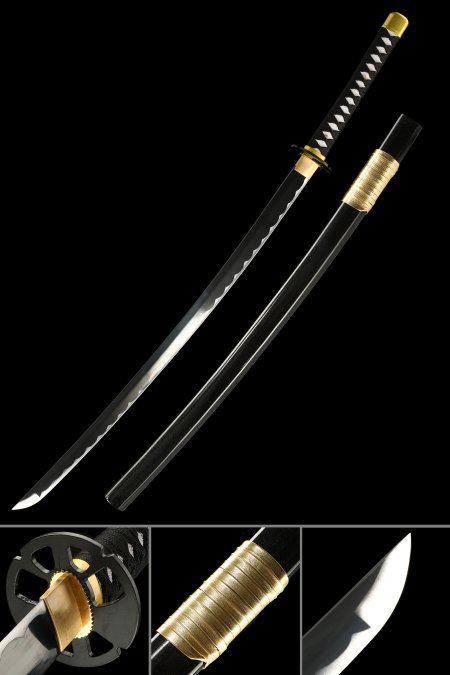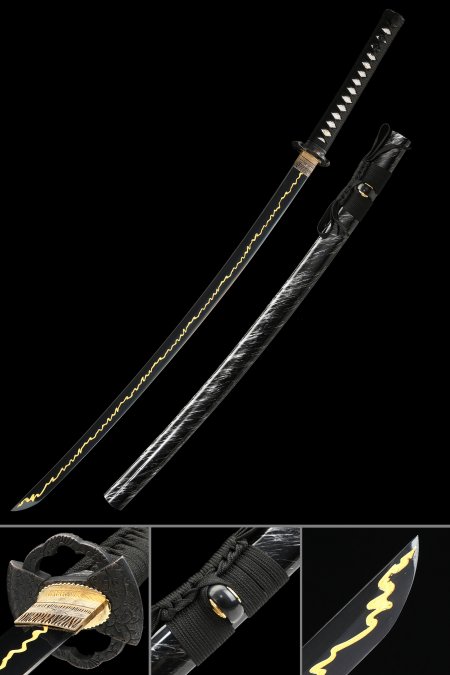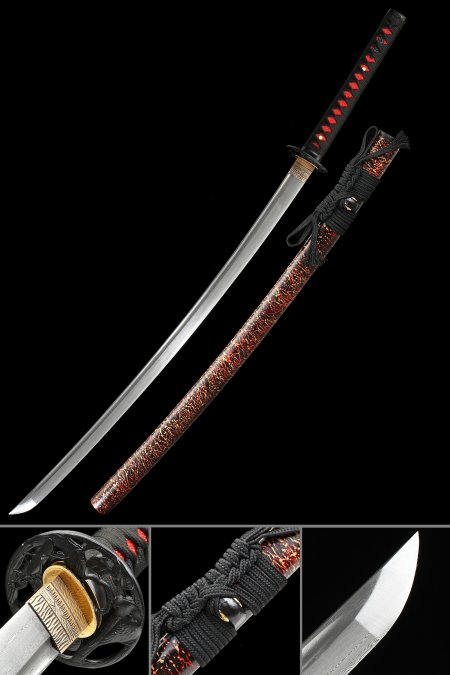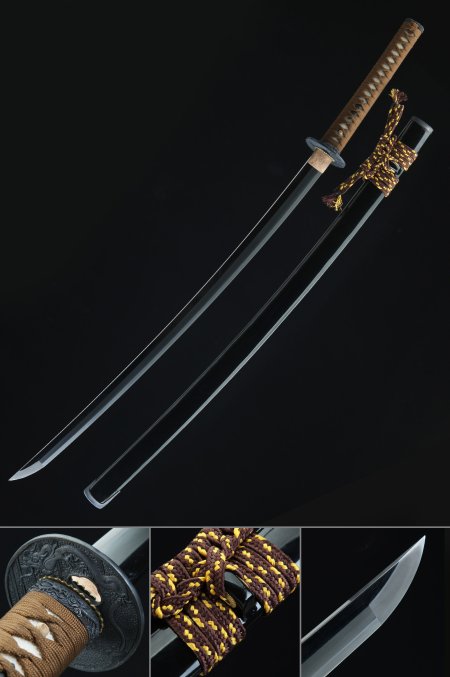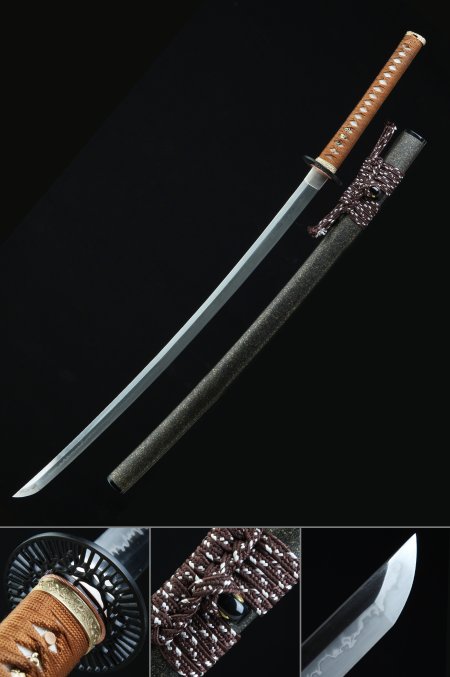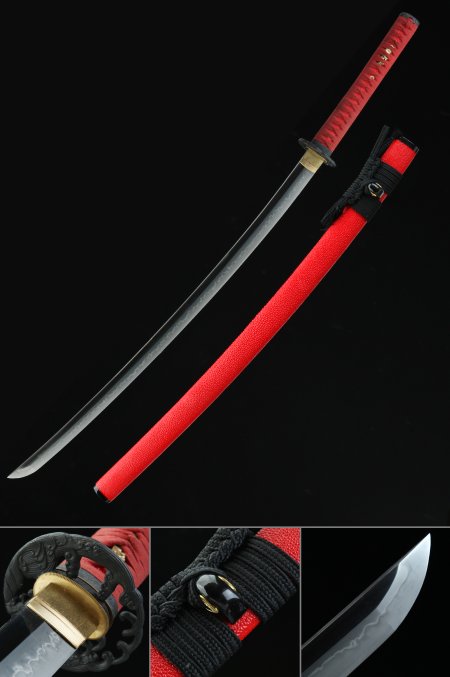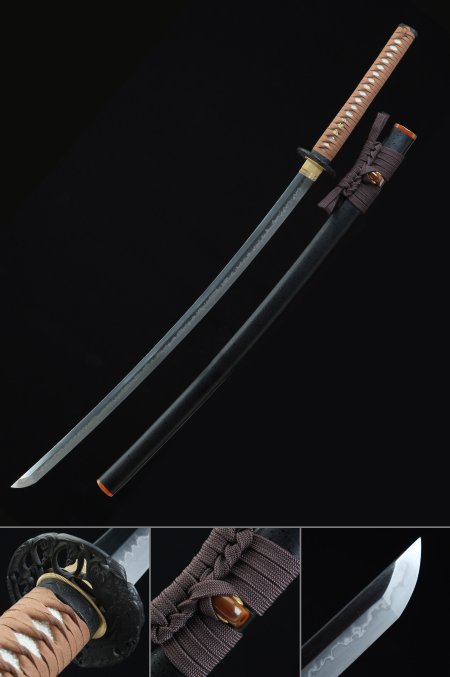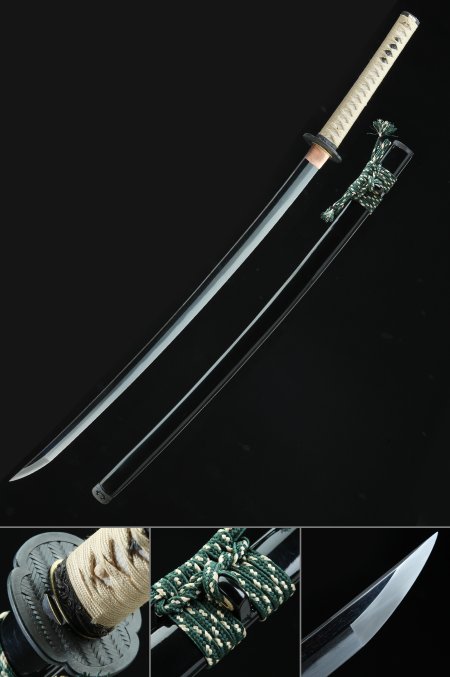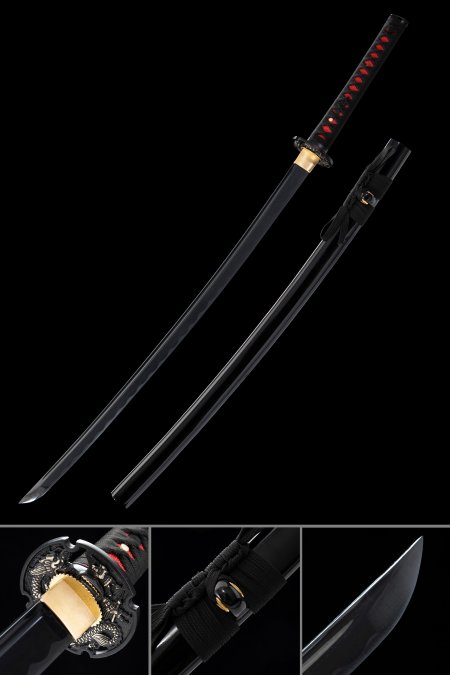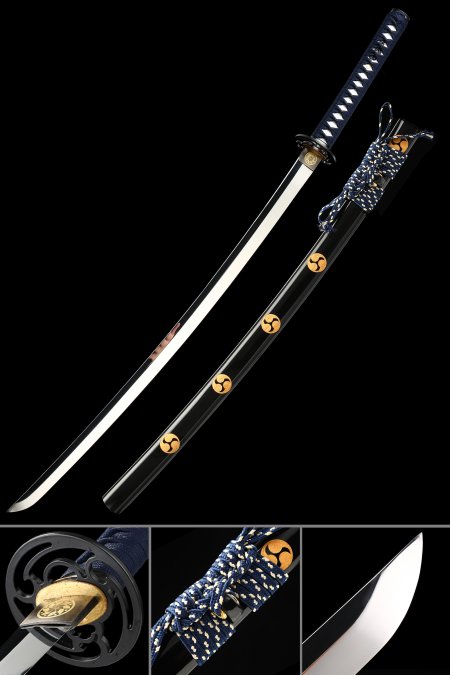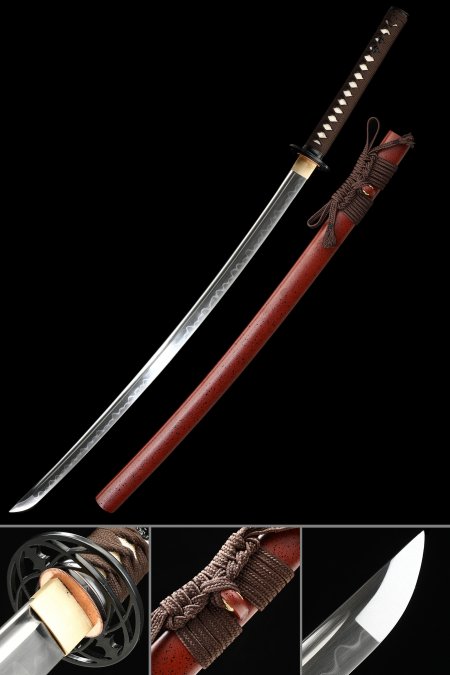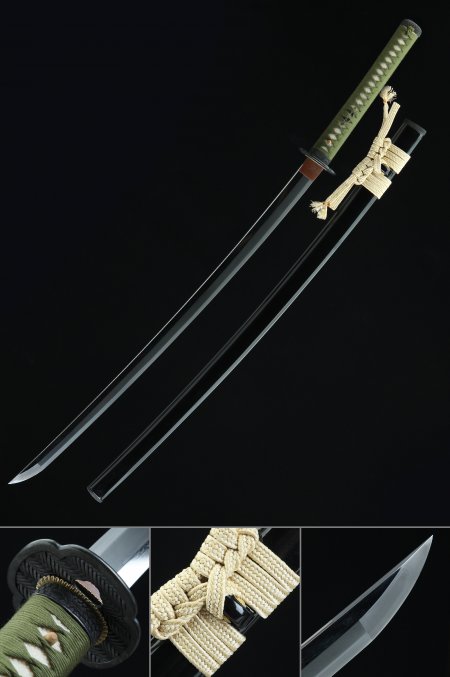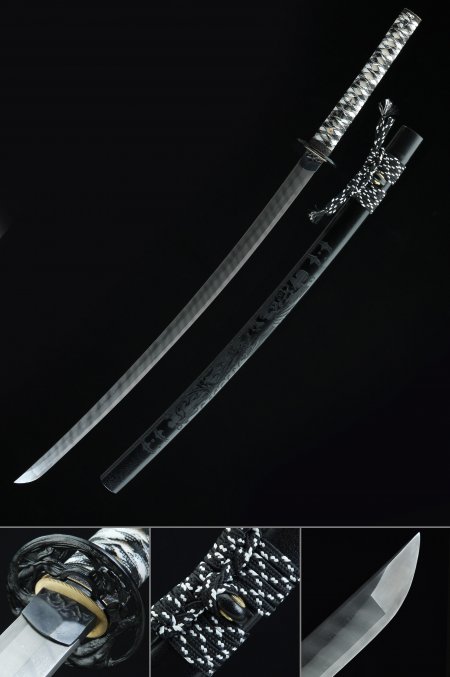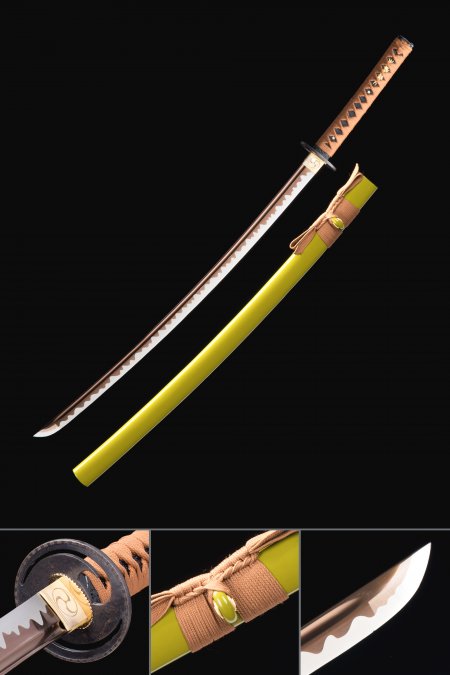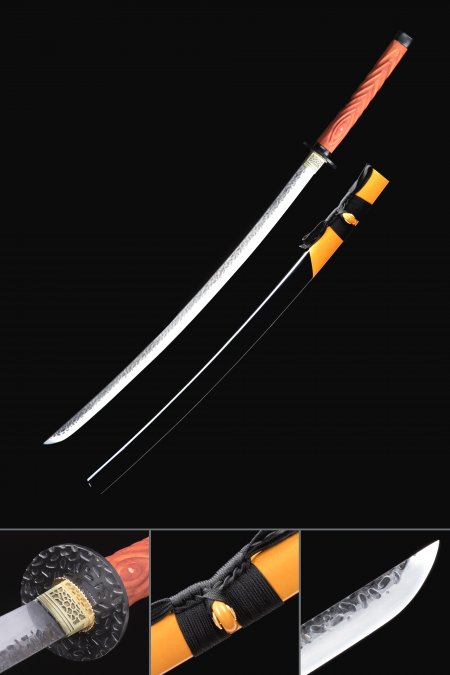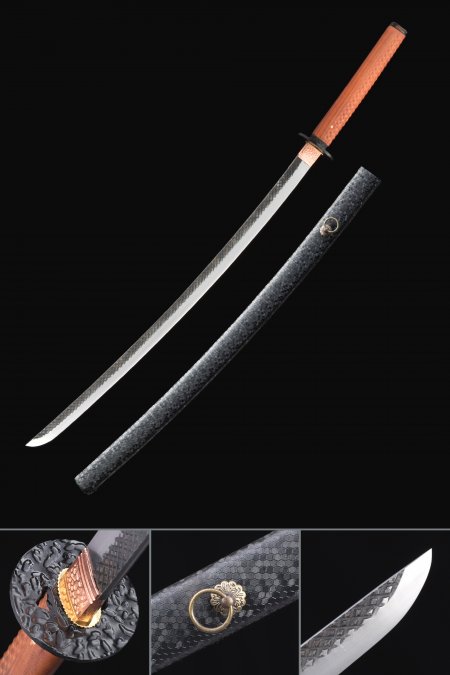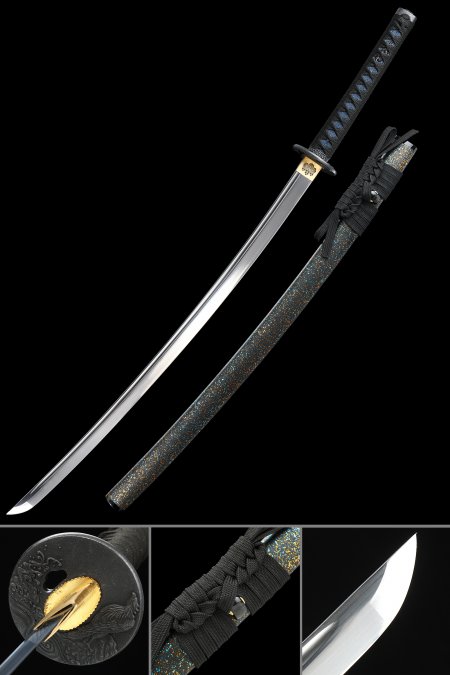
Black Tsuba Katana

A black tsuba anchors the entire aesthetic of a katana — framing the blade, grounding the color palette, and signaling a collector's eye for intentional design. Every sword in this collection is hand-forged with full-tang construction, featuring carbon and high-alloy steel blades ranging from 1045 to clay-tempered T10, paired with fittings chosen for visual harmony rather than coincidence. Enjoy free standard shipping on your order, and shop with confidence knowing returns are always welcome.
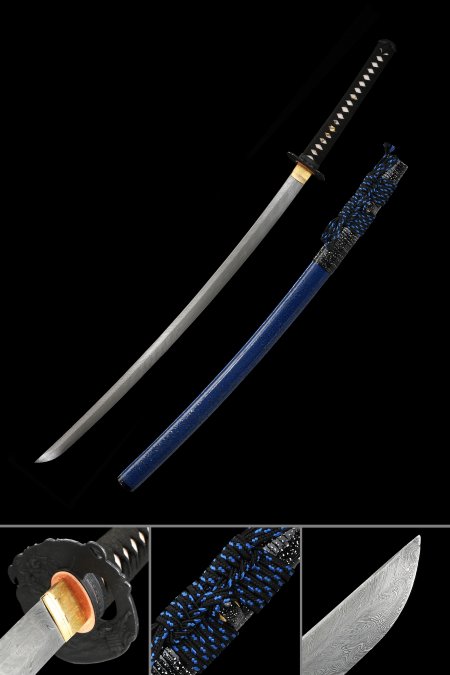
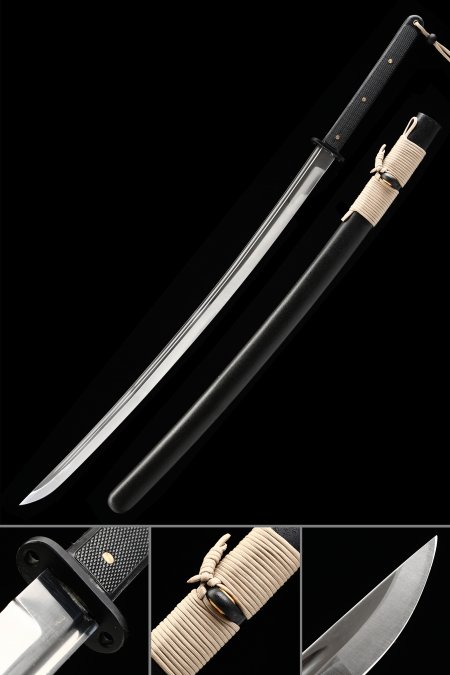
Showing 302 Products

Related Collections

Black Tanto Sword59 items


363 Reviews

Black Cord Handle Katana110 items


1981 Reviews

Frequently Asked Questions

What makes a tsuba 'black' — is it a coating or the metal itself?
The answer varies by piece. Traditional Japanese iron tsuba develop a natural dark patina through controlled oxidation — a process called rokusho treatment or simple oil-and-heat cycling — that produces a stable, matte black or dark grey surface that is part of the metal itself, not a surface layer that can chip or peel. Modern production pieces more commonly use a black oxide finish, a chemical conversion coating that bonds to the iron at the molecular level and provides similar visual results with good durability. Some decorative tsuba use a lacquer layer over iron or steel for a glossier appearance. For display purposes, all three are stable choices, but oil-patinated iron develops the most character over time, deepening slightly with age and handling.
How does clay tempering affect a katana's visual appearance?
Clay tempering — known as tsuchioki — is the process of applying an insulating clay mixture to the spine and sides of the blade before the hardening quench. The edge, left exposed or thinly coated, cools faster and hardens into martensite, while the clay-insulated spine cools more slowly and remains relatively tough. The boundary between these two zones becomes the hamon: a visible temper line that runs the length of the blade. On a well-executed T10 or 1095 clay-tempered blade, the hamon is not uniform — it shows activity, nie (fine martensite crystals), and sometimes nioiguchi (a bright, cloud-like boundary). This is entirely distinct from an acid-etched or sandblasted hamon, which mimics the look without the underlying metallurgical structure. Collectors who know the difference find clay-tempered hamon significantly more compelling as a display and investment piece.
Does a black tsuba suit any handle wrap color, or are some combinations better?
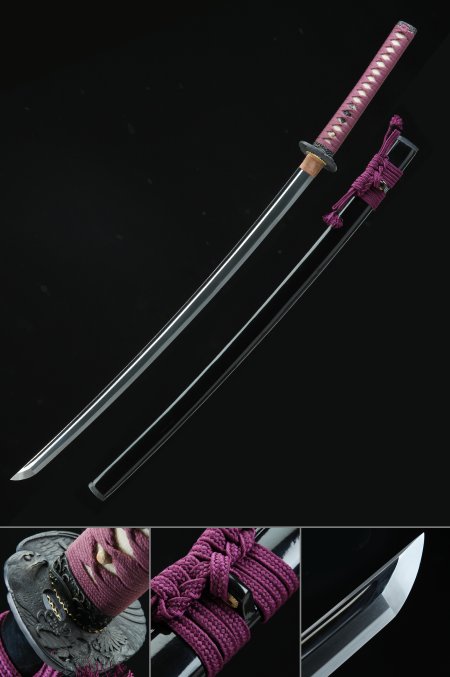
A black tsuba is one of the most versatile guard choices in Japanese sword aesthetics precisely because it anchors almost any ito color without competing with it. Neutral pairings — black tsuba with beige, white, or natural silk ito — produce a high-contrast, classically composed look. Richer colors like deep blue, burgundy, or forest green read as deliberately curated against a black guard, allowing the wrap to carry the color story while the tsuba provides grounding. Purple tsuka ito, which appears on several pieces in this collection, creates a historically resonant pairing that echoes the aesthetic preferences of Edo-period high-ranking koshirae. The combination that requires the most care is pairing a black tsuba with a black ito wrap and a black saya: the result can be visually striking but demands variation in texture — different lacquer finishes, contrasting sageo — to avoid flatness.
How should I store a katana with an iron tsuba to prevent rust?
Iron tsuba are susceptible to rust in high-humidity environments, particularly if fingerprints — which leave salt and oil residue — are not removed before storage. The practical protocol: wipe the tsuba with a clean, lightly oiled cloth (choji oil is traditional; mineral oil is an accessible modern equivalent) before placing the sword in its shirasaya or storage bag. Silica gel packets inside a sword bag or display case help maintain stable humidity below 60%. Avoid sealed plastic storage, which can trap moisture rather than dispel it. For long-term display, a glass case with low-wattage lighting and good airflow is preferable to an open wall mount in rooms with fluctuating temperature. Never store a mounted katana touching another metal surface without a protective barrier.
Is a full-tang construction important for a display katana?
Full-tang construction means the steel of the blade extends the entire length of the handle, secured by one or more mekugi (bamboo or steel retaining pins) through the tsuka. For a display collectible, this matters for two reasons. First, structural integrity: a full-tang sword holds its assembly without adhesives as the primary join, making it stable for decades of display without the handle loosening. Second, authenticity: all production katana from Japan's classical period were full-tang by necessity — the nakago (tang) was signed, dated, and considered an integral part of the blade. A collectible that replicates this construction is truer to the original object being honored. Rat-tail tang or partial-tang constructions are a cost-cutting measure that compromises both longevity and collector credibility, which is why every piece in this collection specifies full-tang assembly.

Customer Reviews

Michael Deshaun Taliaferro North Carolina, United States

Not like any videos were saying slandering the tk it's not flimsy, doesn't rust easily, is infact very sharp, saya isn't weak wood and overall is just a very decent maybe even entry level katana for only 200$ I will say though it did bend the very tip of the katana when I hit something metal on accident but that aside its very great qualityr
r
5 stars to the smith

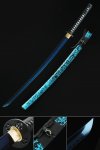
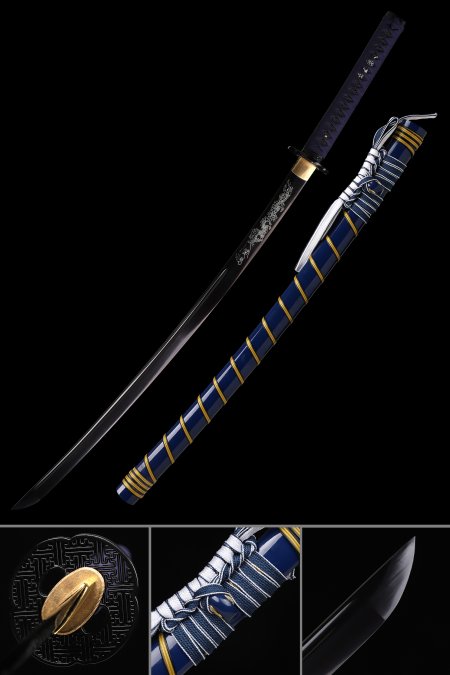
Clay Tempered T10 Carbon Steel Katana with Blue Ito Handle and Black Flower Tsuba - Full Tang Japanese Sword Clay Tempered T10 Carbon Steel Katana with Blue Ito Handle and Black Flower Tsuba - Full Tang Japanese Sword
Randy Joe Duke Indiana, United States

I'm no expert, and won't pretend to be, but I did grow up around blades and martial arts and have owned many swords over the years. I'm 64 years old now, on the other side of some hardships and setbacks. r
r
I still train with a boken, and have been since I was a teen, but I sold all my swords several years back. Life forced me to learn to do without, but as my life improved, I missed my swords and wanted to replace them.r
r
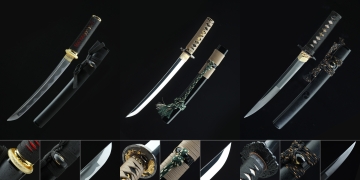
My late Father was a cutlery distributor, so I built my previous collection with great discounts and lots of resources. I didn't have those advantages this time. I had to study the new market. So I began reading posts and watching reviews about the available makers and suppliers, as well as their specific offerings in my price range. This led me to take a chance on Truekatana and this particular offering.r
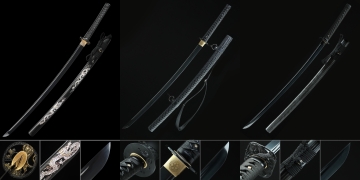
r
I thought I owned some pretty nice blades before, but this one beats them all! I love everything about it! It feels great in my hand, and it is so much better than I hoped for. I immediately ordered another model katana, and I'm sure I'll be getting more in the future. It was packed well and arrived quickly and safely. r
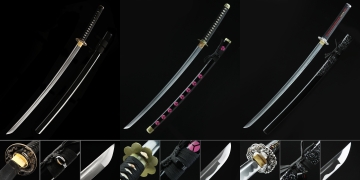
r
I'm definitely a huge fan of Truekatana!
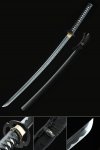
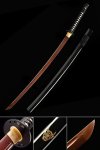
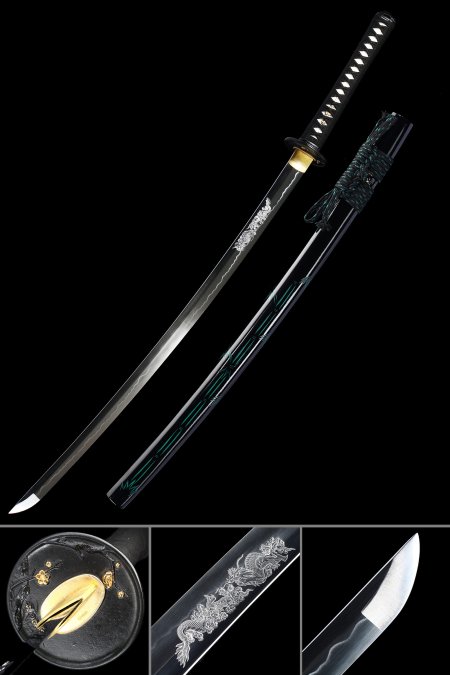
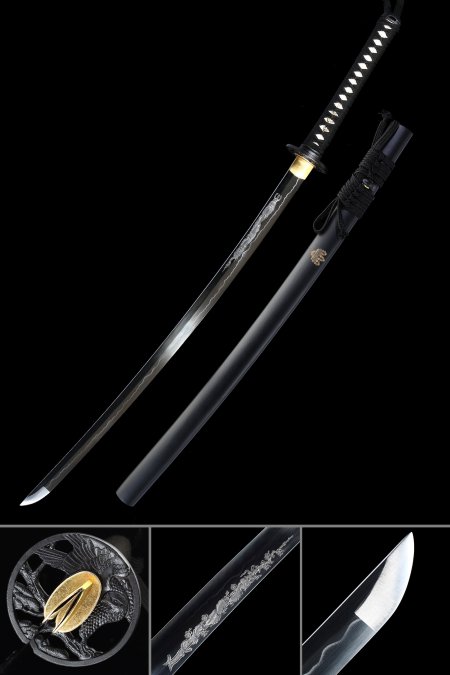
1060 Carbon Steel Black Katana with Clay-Tempered Hamon in Matte Black Hardwood Saya - Full Tang Collectible Sword 1060 Carbon Steel Black Katana with Clay-Tempered Hamon in Matte Black Hardwood Saya - Full Tang Collectible Sword
Alberto Sánchez Alabama, United States

Es algo increíble. Es arte gracias. Es más de lo que esperaba. Es elegancia, paz y fuerza juntas esto está hecho con el corazón con el alma. r
Ya también la adquirí para una presente a mi jefe pensé en algo único
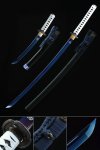
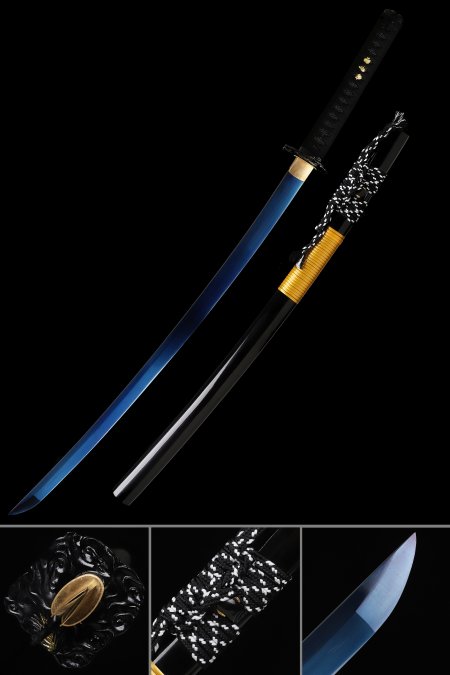
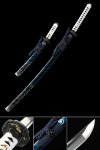
Handmade Japanese Katana And Tanto Sword Set With Blue Blade Handmade Japanese Katana And Tanto Sword Set With Blue Blade