FAST SHIP
Free Shipping
189.00 USD
ON SALE! 15% OFF
Was: 219.00 USD

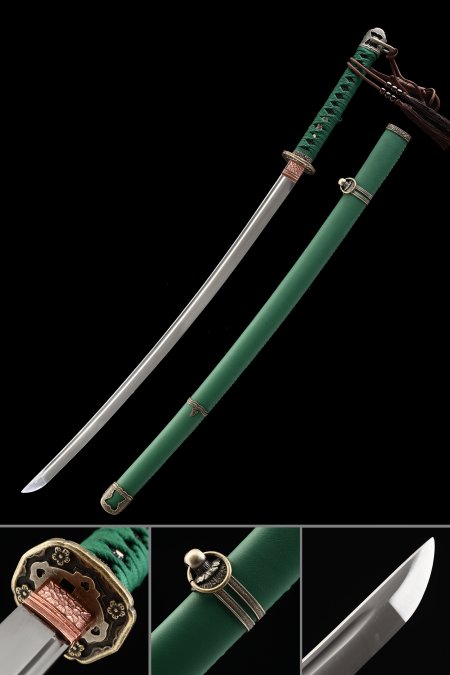
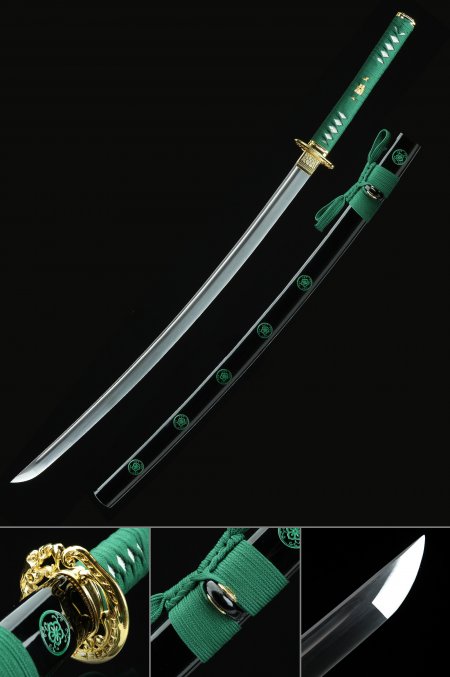
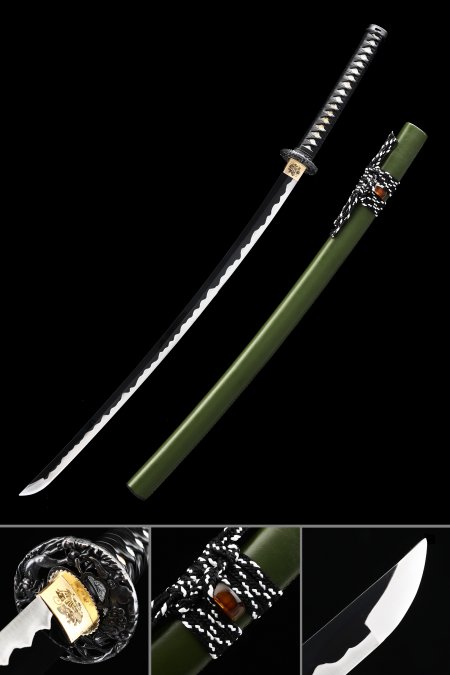
Green Manganese Steel Katana swords blend striking visual character with the proven toughness of manganese steel — a high-impact alloy prized for its resilience and ability to hold a clean edge through repeated use. Each piece in this collection is hand-assembled with carefully selected fittings, from lacquered saya in rich forest and dark green finishes to ornate tsuba featuring floral and dragon motifs. Whether you are adding to a curated display or searching for a distinctive gift for a discerning enthusiast, these katana offer craftsmanship and aesthetic presence in equal measure. Enjoy free shipping on your order, plus easy returns for peace of mind.
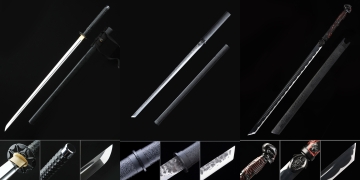
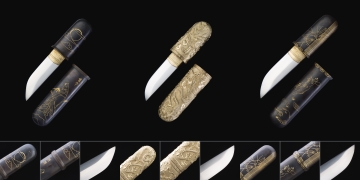
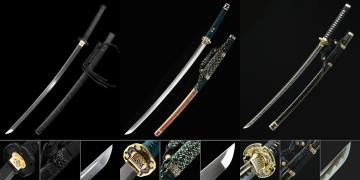
Quality was great and shipping was fast. Will definitely recommend to others
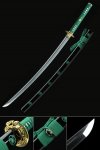 |
Manganese Steel Katana with Green Ito Wrap in Black Lacquered Saya - Gold Floral Tsuba Samurai Sword |
This is the best thing I have spent my money with. Overall the craftsmanship is amazing. The detail on the handle is great, but the strings was slipping a bit, but still wonderful sword.
|
Manganese Steel Katana with Green Ito Wrap in Black Lacquered Saya - Gold Floral Tsuba Samurai Sword |
A lille wird on the shipping got no notification but i just arrived at my dor so im not complaining
|
Manganese Steel Katana with Green Ito Wrap in Black Lacquered Saya - Gold Floral Tsuba Samurai Sword |
I’m love with this sword so much details in it and the color is just amazing really worth every cent it’s a gift for my boyfriend and he absolutely loves it! Amazing sword!! Highly recommend truekatana
|
Manganese Steel Katana with Green Ito Wrap in Black Lacquered Saya - Gold Floral Tsuba Samurai Sword |
My only qualm is that the handguard is a little loose, but other than that everything is perfect. I will absolutely be ordering more katanas from here in the future.
|
Manganese Steel Katana with Green Ito Wrap in Black Lacquered Saya - Gold Floral Tsuba Samurai Sword |
Sword arrived in perfect condition and is a very beautiful piece.The steel is incredibly sharp and durable.I am very satisfied with my purchase.
|
Manganese Steel Katana with Green Ito Wrap in Black Lacquered Saya - Gold Floral Tsuba Samurai Sword |
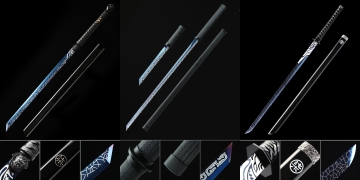
Didn’t realize there would be any metal scabbards though, that doesn’t scream hand made or traditional Japanese Katana at all. I would really like to know if the more expensive ones are worth it. Only two out of the 5 swords I got were sharpened in any way. The rest seemed to just have false edges. That being said I did still like how 4 of them were made. The 3 swords with the wooden scabbards are pretty sweet! The green sword is my favorite. Tanto is my second favorite. Love the big hunk of metal that the machete is, just wish it was sharpened.
And the disappointment would be half and half the black and red sword with metal scabbard.
Had these all Ben sharpened properly, for the price I paid I would’ve said 5 stars.
|
Manganese Steel Katana with Green Ito Wrap in Black Lacquered Saya - Gold Floral Tsuba Samurai Sword |
Very well crafted and maintained. Great quality for the price, with welcome consideration for the customer. Looking forward to starting a collection soon.
|
Manganese Steel Katana with Green Ito Wrap in Black Lacquered Saya - Gold Floral Tsuba Samurai Sword |