Free Shipping
509.00 USD

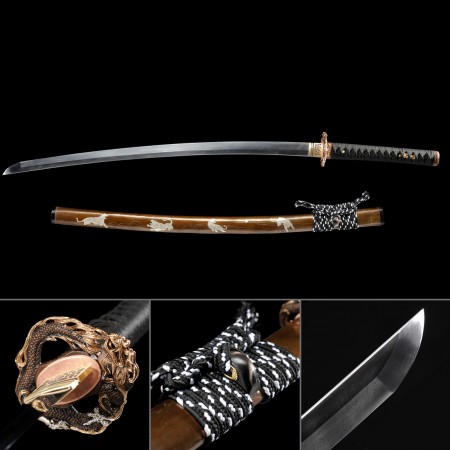
Shop our hand-forged samurai sword collection - handcrafted Japanese katana and samurai swords built by skilled craftsmen using traditional forge techniques across T10, Damascus, Manganese Steel, and 1045 carbon steel with full-tang construction. Hand-forged samurai swords carry the direct craft imprint of the bladesmithing process in their construction - the grain structure, the hamon, and the blade geometry are all products of skilled handiwork rather than industrial production. Free US shipping and hassle-free returns included.
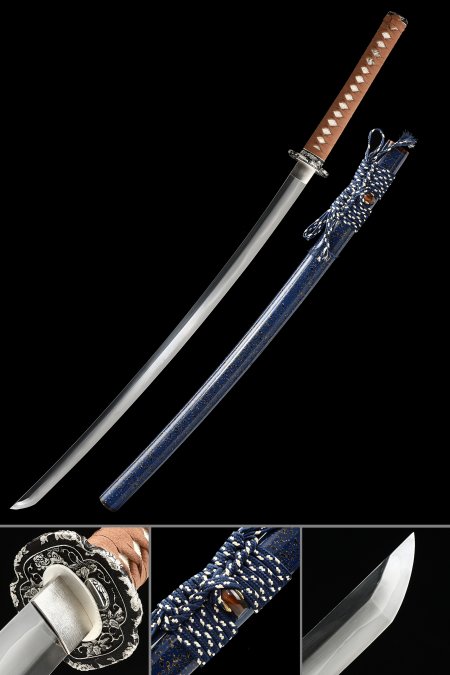
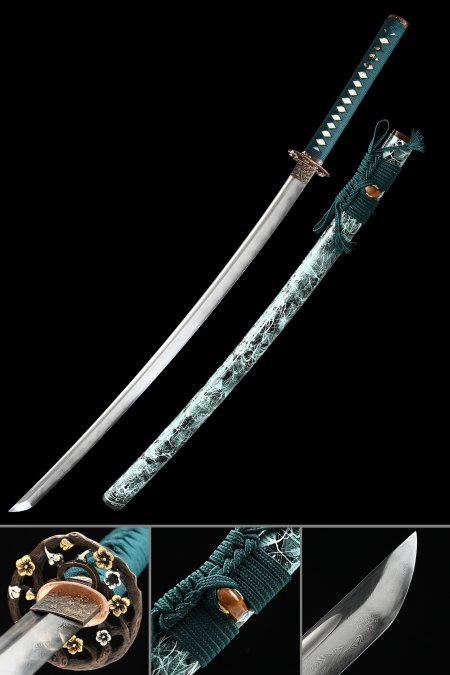
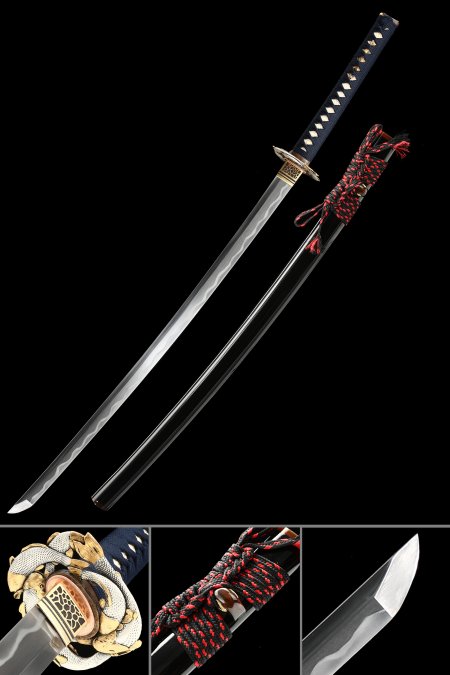
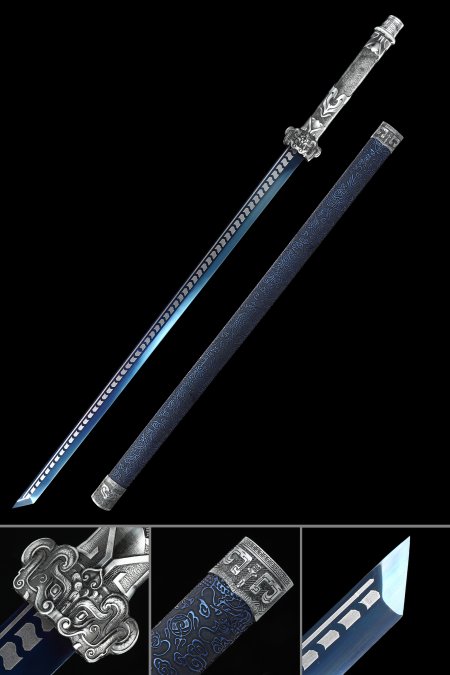
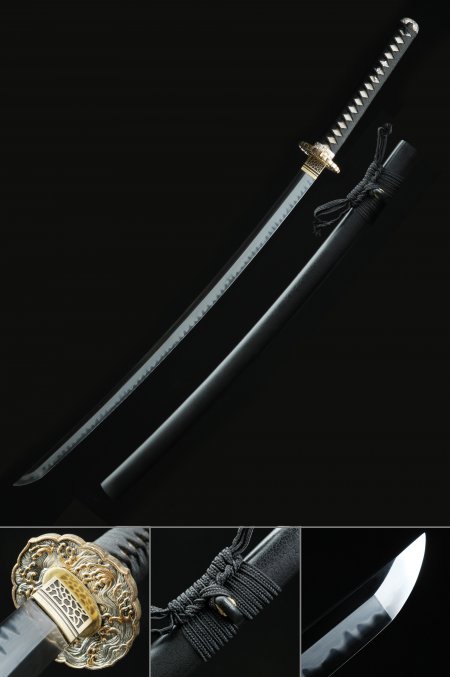
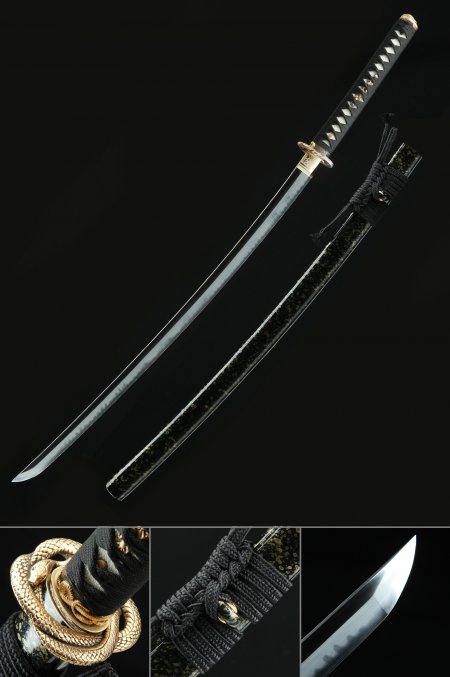
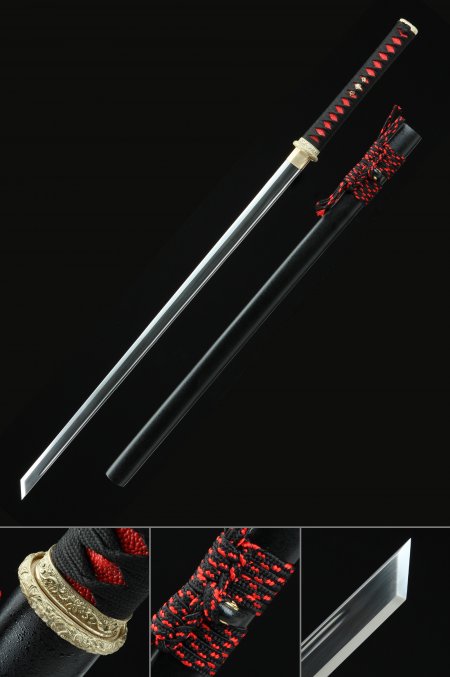
Like a true ninja it appeared on my doorstep. Beautiful work and it’s a real sword. Heavier than I expected and really solid. A beautiful piece of art that’s fully functional. Came from China and arrived really quickly. Thanks True Katana. Expect a few more orders from me in the near future
 |
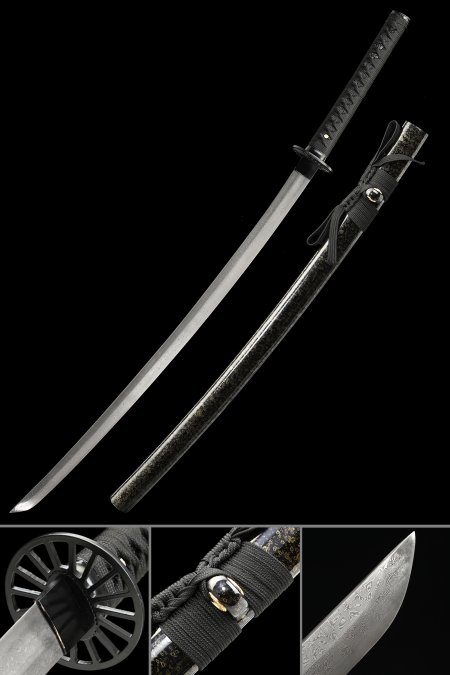
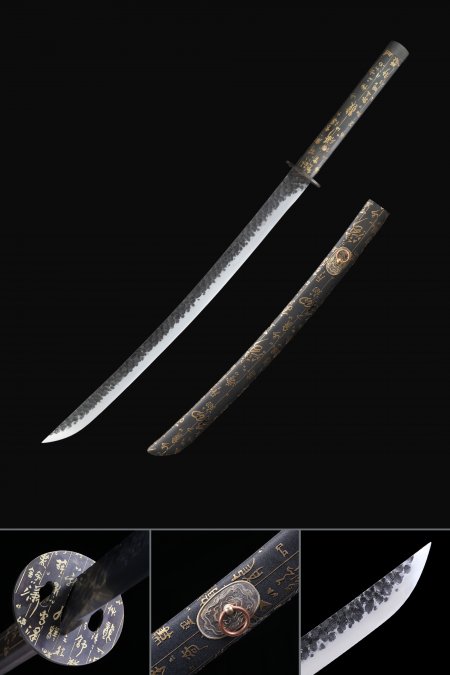
T10 Carbon Steel Ninjato with Hamon Blade in Multi-Color Glitter Saya - Black Cord Handle |
Great product! Item was a described. Fast shipping.
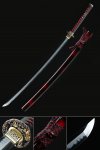 |
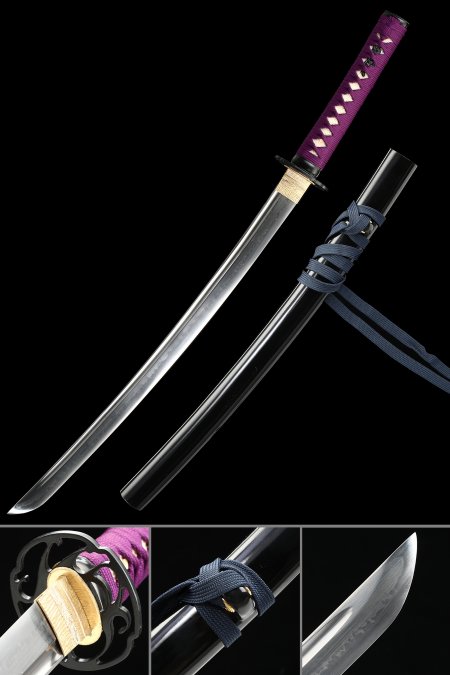
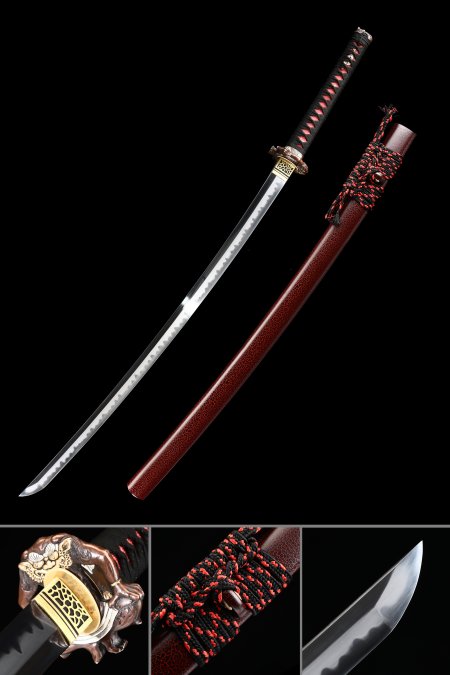
T10 Carbon Steel Katana with Clay-Tempered Real Hamon in Dark Red Piano Lacquer Saya - Floral Copper Tsuba |
Seems to be very well made and edge is very sharp hope the steel is actually as they advertised
|
T10 Carbon Steel Katana with Clay-Tempered Real Hamon in Dark Red Piano Lacquer Saya - Floral Copper Tsuba |
When I first ordered this sword, the sheath arrived cracked in half. But the same day I received it, TrueKatana already had a new one on the way to me. The new one is pristine and one of the most well-made swords in my collection. I WILL be buying again!!
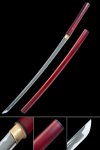 |
1045 Carbon Steel Shirasaya Katana with Dark Red Matte Hardwood Saya - No Tsuba Design |
Truly badass sword. Exactly as pictured and man feels good to hold and swing like a samurai! Seriously though feels very strong and sturdy we will put that to the test.
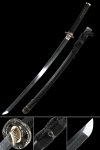 |
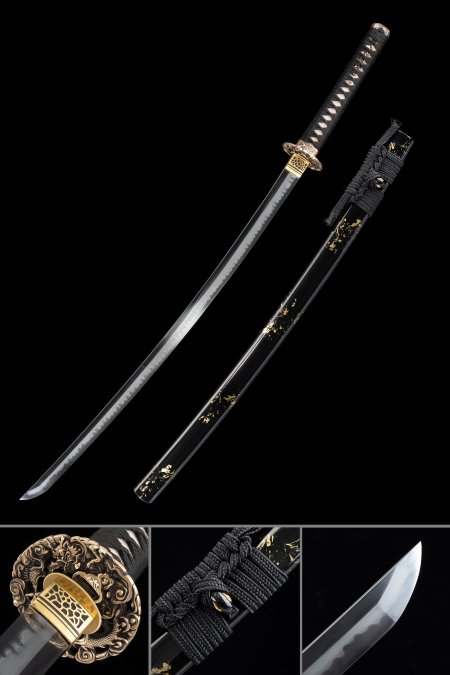
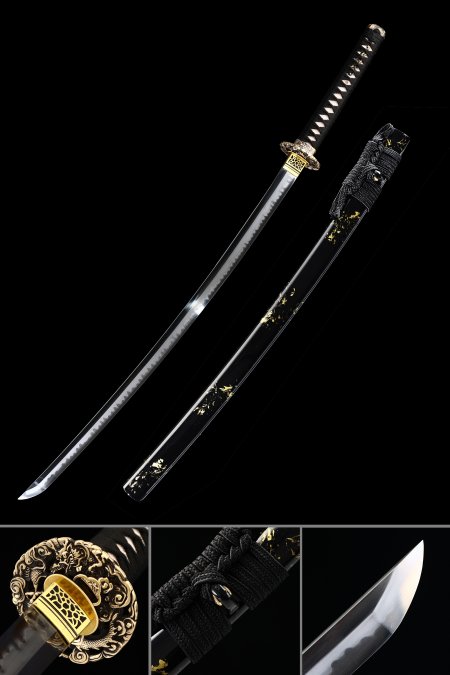
T10 Carbon Steel Katana with Dragon Tsuba in Black Hardwood Lacquer Saya - Hamon Blade |
Overall good weapon nice cutting and feel but something wrong with the glue job inside the saya as it would keep getting on the blade no matter how many times said saya cleaned it and washed it out with soap and water until I cut it in half and removed it and did my own glue job which seemed to fix that but yea cause of that I can’t give it a 5 star I’m sure you’d understand
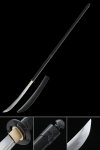 |
1060 Carbon Steel Japanese Naginata - Black Hardwood Saya, Full Tang, Hand Forged Polearm |
Quality of my order is very outstanding. The balance of my naginata is excellent.as is my short sword.
I would buy from this company again.
|
1060 Carbon Steel Japanese Naginata - Black Hardwood Saya, Full Tang, Hand Forged Polearm |
Very happy with my purchase. Quality sword, to replace the family katana which was lost during WWII due to the internment of Japanese-Americans citizens.
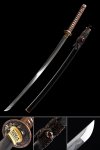 |
Hand Forged Damascus Steel Katana with Real Hamon - Gold and Silver Gilding Tsuba, Black Saya |