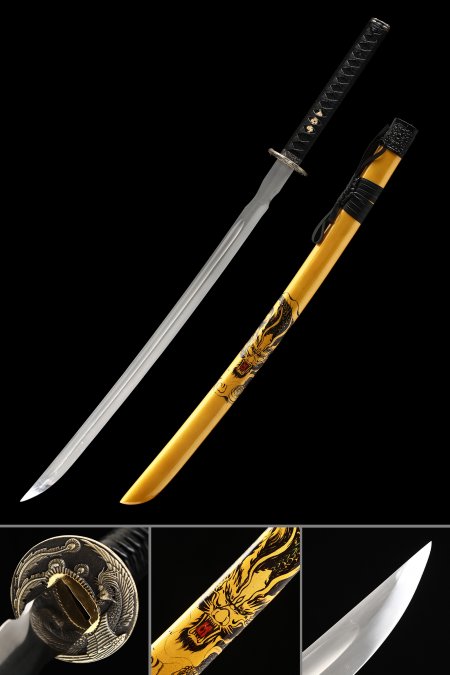
Yellow And Black Katana
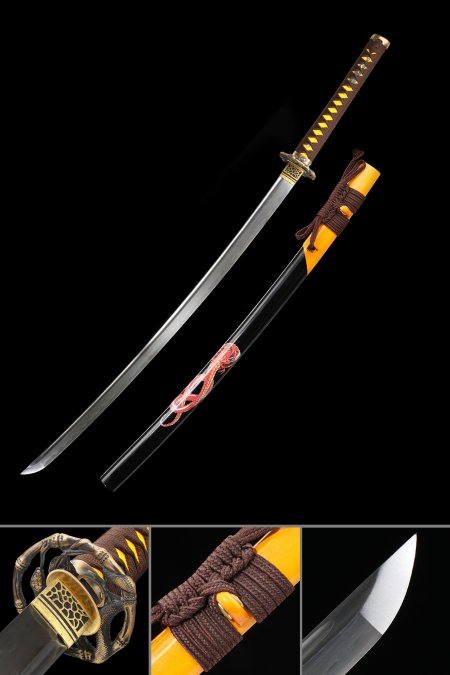
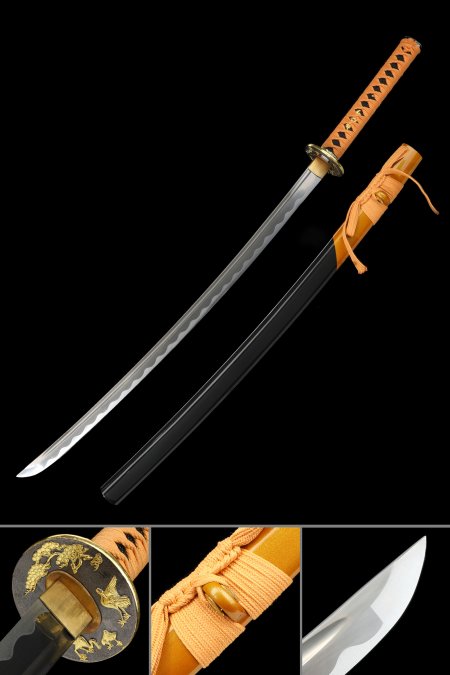
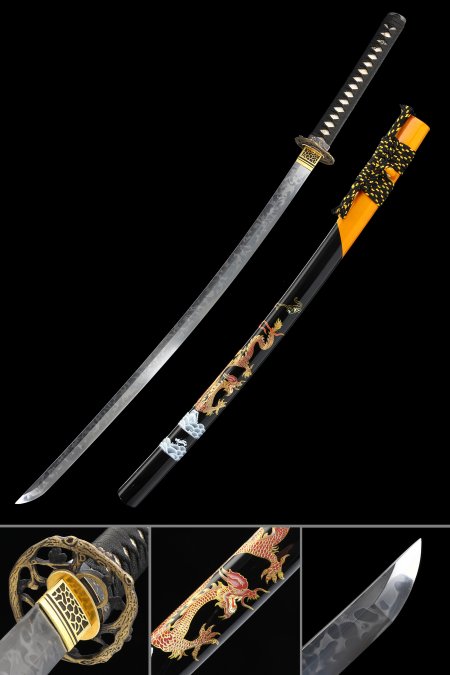
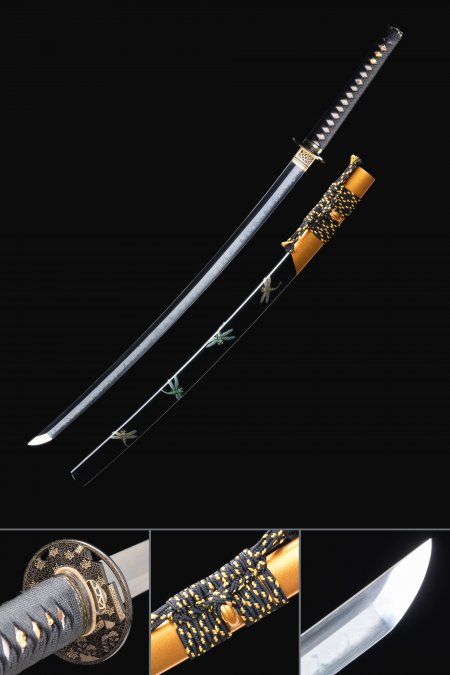
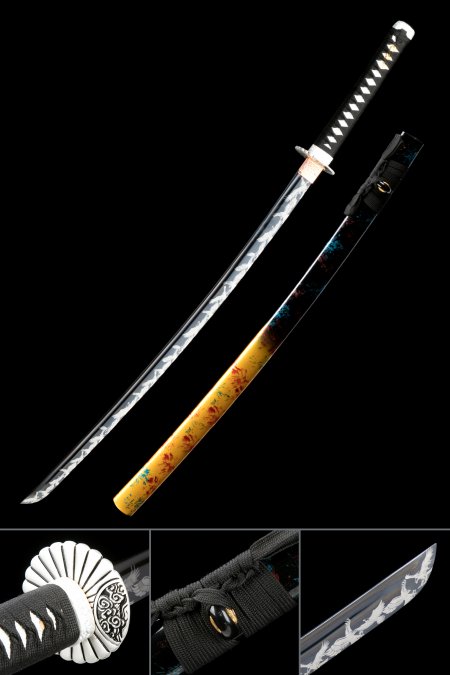
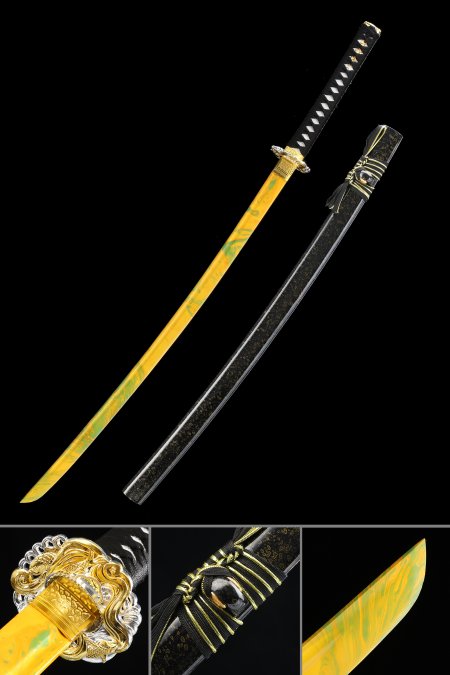
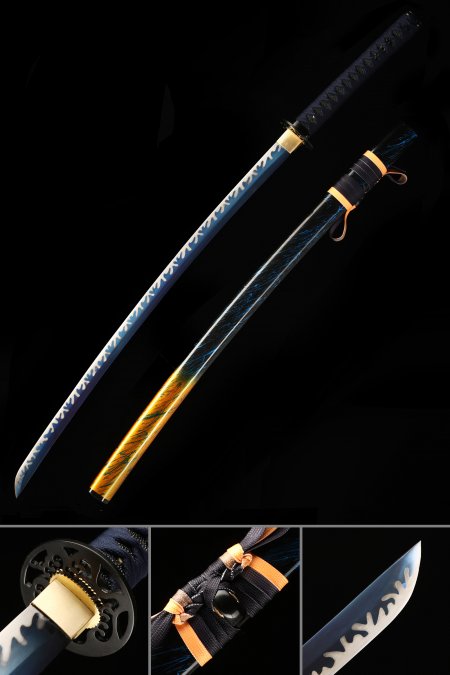
The Yellow and Black Katana collection brings together bold chromatic contrast and time-honored Japanese sword-making tradition. Each piece features hand-forged blades in premium carbon or Damascus steel, paired with lacquered saya and meticulously wrapped handles that make these katanas exceptional display centerpieces. Every detail — from tsuba motifs to ito wrapping — is executed with the precision collectors demand. Enjoy free shipping on your order, backed by our hassle-free return policy.
Free Shipping
549.00 USD
Free Shipping
269.00 USD
Related Collections
Frequently Asked Questions
What steel types are used in yellow and black katanas?
This collection spans several respected steel grades. T10 carbon steel is a top choice among collectors for its high carbon content and the authentic hamon it develops through clay tempering — that visible temper line along the blade is a genuine metallurgical feature, not an etched imitation. Damascus steel pieces are constructed from layered folded steel, producing the flowing grain pattern on the surface that makes every blade visually one-of-a-kind. For collectors newer to the hobby, 1045 and 1060 carbon steels offer reliable full-tang construction and good structural integrity at a more accessible entry point. The steel grade you choose affects the blade's visual character, surface texture, and the presence or absence of a real hamon, so it is worth understanding these distinctions before selecting a piece.
What does a real hamon mean on a collectible katana?
A hamon is the boundary line between the hardened edge and the softer spine of a clay-tempered blade. During the tempering process, clay is applied along the spine before quenching, causing differential cooling that creates a harder edge and a more flexible body. The resulting hamon appears as a misty, undulating line running the length of the blade — each one unique to that specific sword. On collectible katanas, a genuine hamon produced by clay tempering is a significant mark of authentic craftsmanship, distinct from decorative acid-etched lines found on lower-grade pieces. Several T10 steel katanas in this collection feature real hamon, which collectors can examine closely under good light to appreciate the natural activity and variation within the temper line.
How do I display and store a yellow and black katana properly?
For display, a horizontal katana stand keeps the blade rested in its saya with the cutting edge facing upward in the traditional Japanese manner. Position the display away from direct sunlight, which can fade lacquered saya finishes over time — particularly relevant for the piano lacquer black saya found on several pieces in this collection. For long-term storage, apply a light coat of blade oil (choji oil is traditional) to the blade surface before placing it in the saya, which prevents oxidation without damaging the steel. Keep the storage environment stable in humidity; sharp swings in moisture can affect both the wooden saya and the wooden handle core beneath the ito wrapping. Periodically remove the blade to inspect for any moisture or surface spotting, re-oiling as needed.
Why is yellow chosen as a paired color in katana collecting?
Yellow carries significant symbolic meaning in East Asian visual tradition, historically associated with imperial authority, vitality, and prestige. In the context of katana collecting, pairing yellow with black creates one of the strongest chromatic contrasts available — the black saya or handle serving as a grounding, formal element while yellow accents draw the eye and communicate energy. On these pieces, yellow and gold tones appear in lacquered saya finishes, gold-alloy tsuba work, and ito wrapping details. This color combination also has recognizable cultural resonance in modern collecting and display culture, making yellow and black katanas particularly striking statement pieces on a display wall or in a curated collection arrangement.
Are yellow and black katanas suitable as gifts for collectors?
Yes, and they tend to make especially memorable gifts precisely because of their visual distinctiveness. Unlike a plain-finish katana that blends into a display, a yellow and black piece immediately stands out and communicates a deliberate aesthetic choice on the part of the giver. For recipients who already collect Japanese swords, a T10 clay-tempered piece with a real hamon offers genuine craft value they will recognize. For someone newer to collecting, a 1045 or 1060 full-tang katana with a piano lacquer saya and ornate tsuba delivers impressive visual impact without requiring deep prior knowledge to appreciate. Pairing a katana gift with a matching wakizashi from a coordinating collection creates a daisho display set that serious collectors genuinely prize.
Customer Reviews
Ashley Pliego
Minnesota, United States
I bought this as a gift for my boyfriend and he loved it
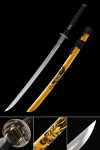 |
1095 Carbon Steel Katana with Gold Dragon Saya - Black Handle, Phoenix Tsuba |
Abigail Weber
Missouri, United States
It was absolutely beautiful besides it being broke, which was the mails fault. I contacted true katana and they are sending me a new one. So happy with their great customer service! Cant wait to get the sword
|
1095 Carbon Steel Katana with Gold Dragon Saya - Black Handle, Phoenix Tsuba |
Michael Milian
Florida, United States
This Katana is beautiful! This is my first sword but definitely not my last! Very nice
|
1095 Carbon Steel Katana with Gold Dragon Saya - Black Handle, Phoenix Tsuba |