FAST SHIP
Free Shipping
329.00 USD
ON SALE! 20% OFF
Was: 409.00 USD

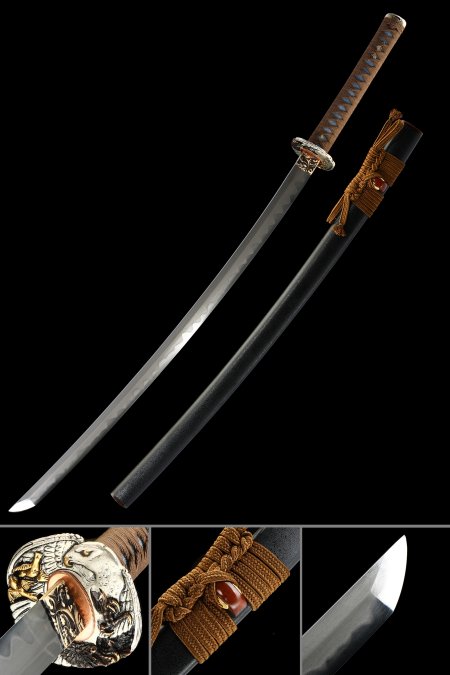
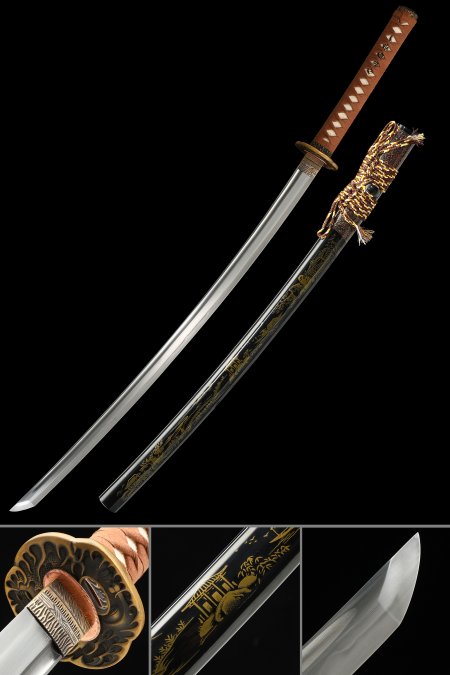
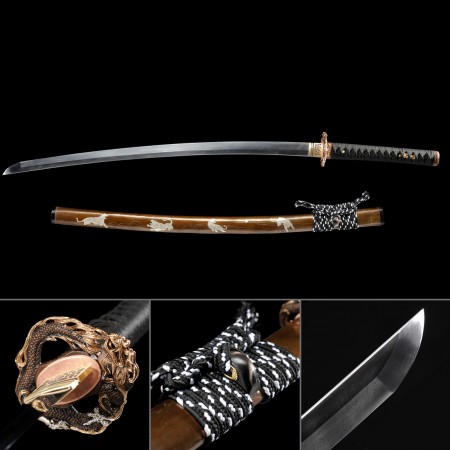
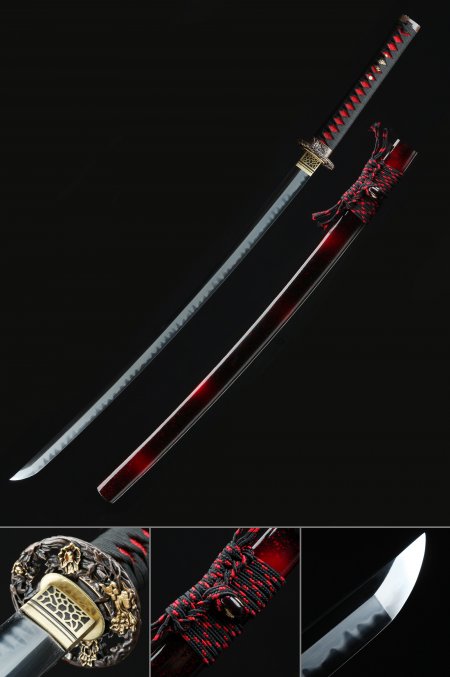
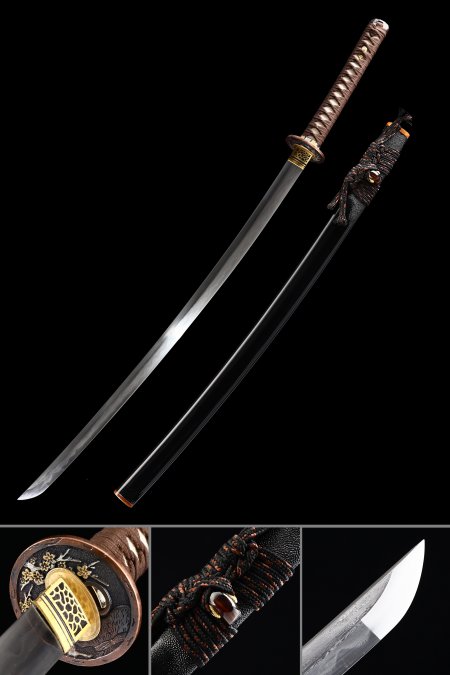
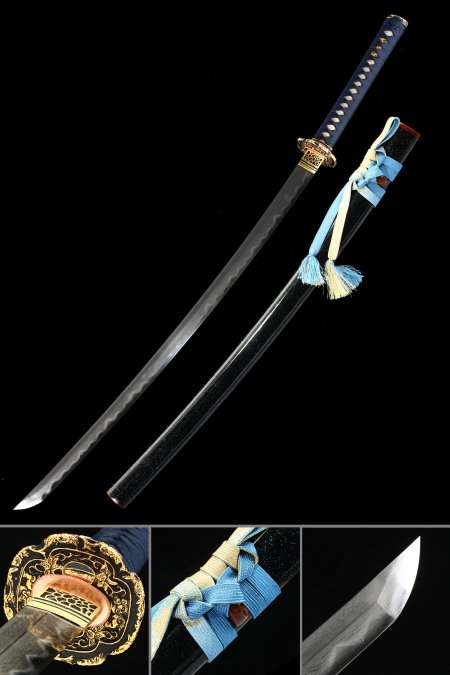
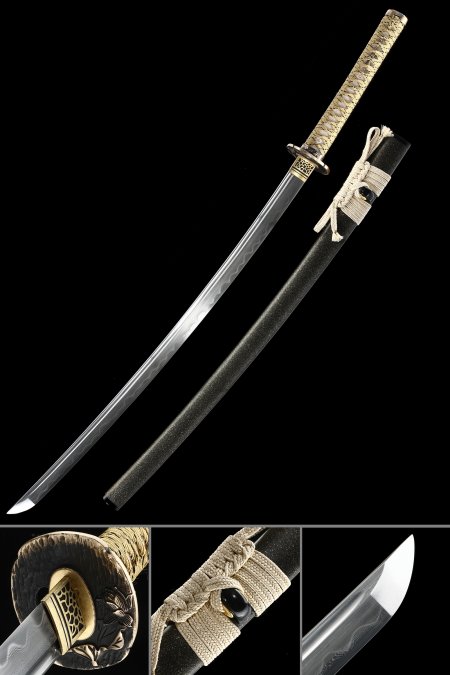
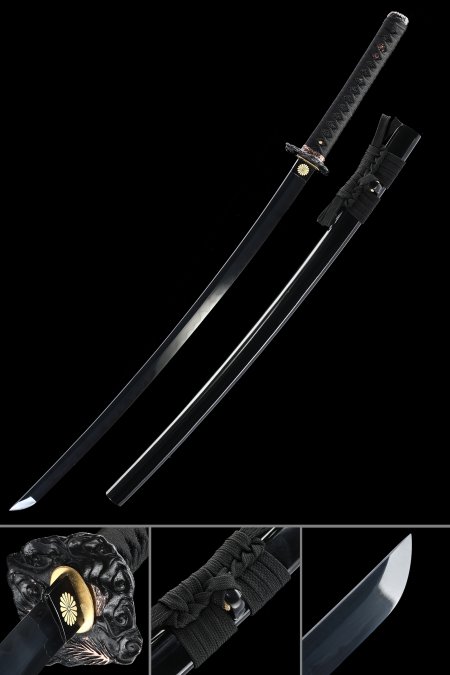
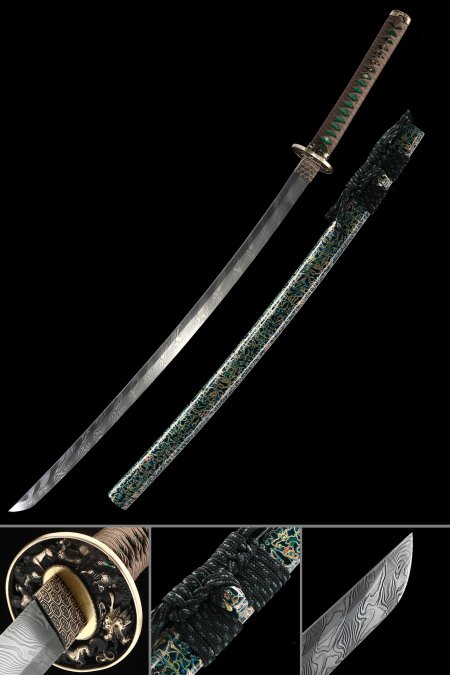
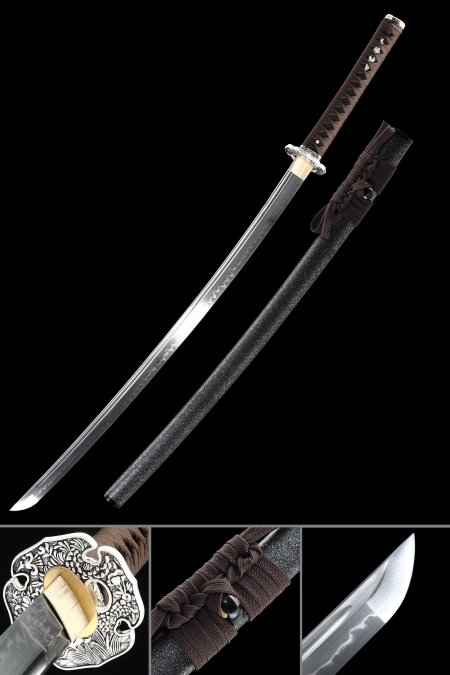
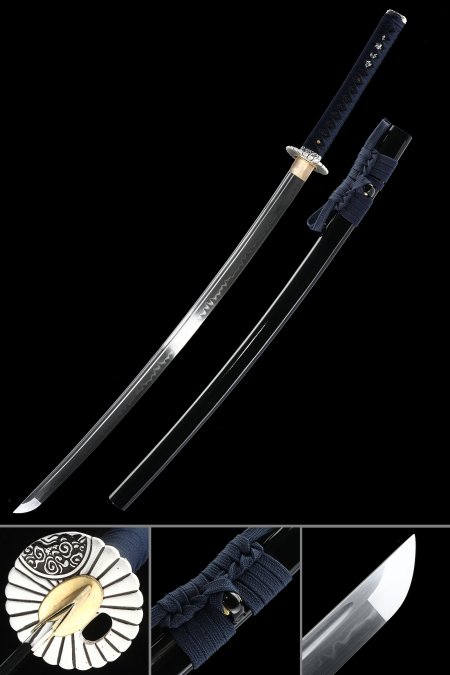
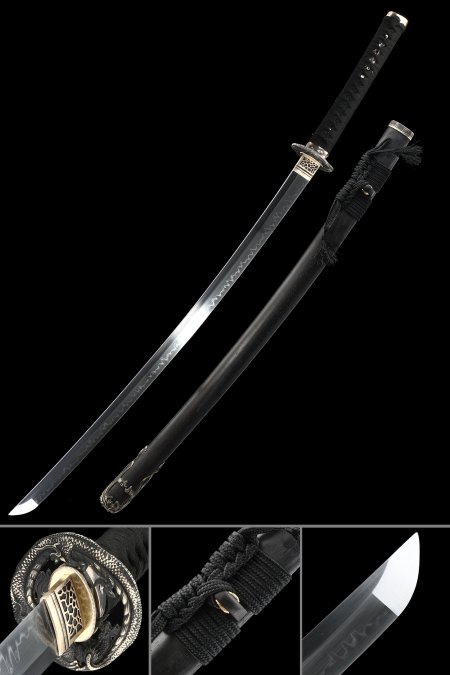
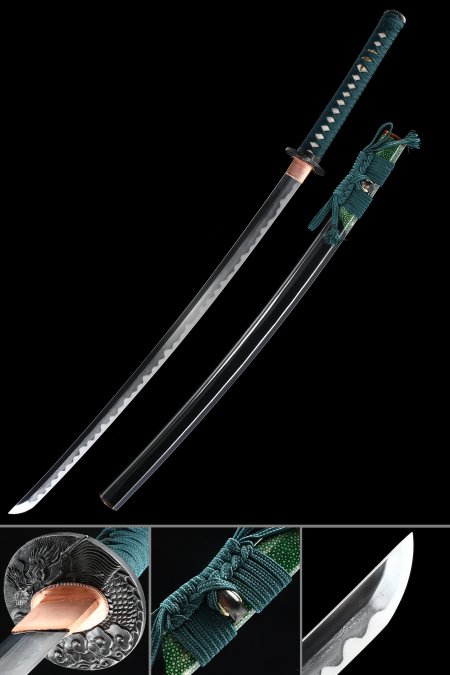
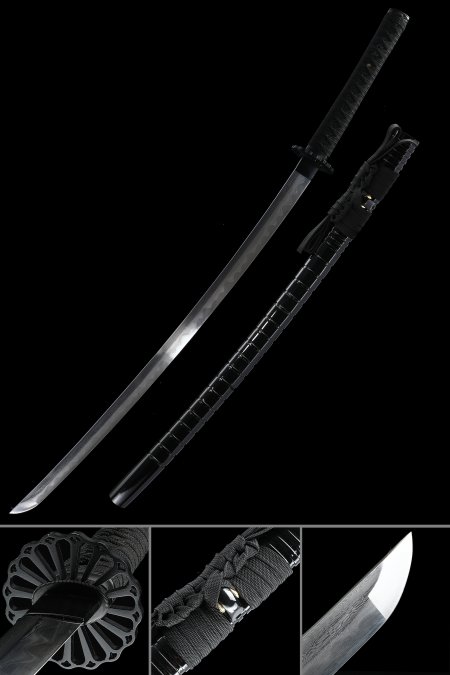
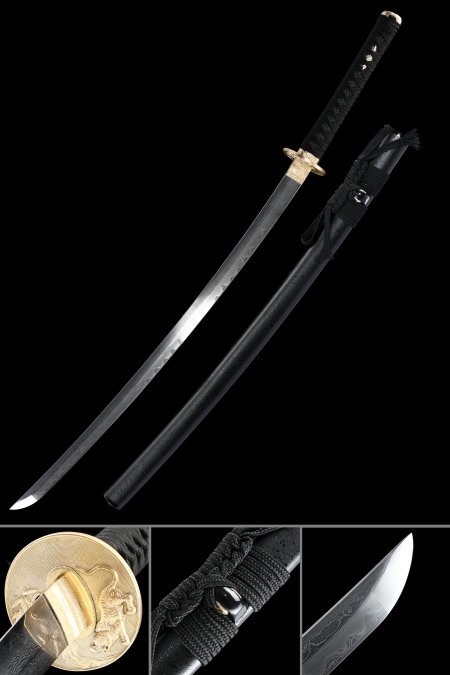
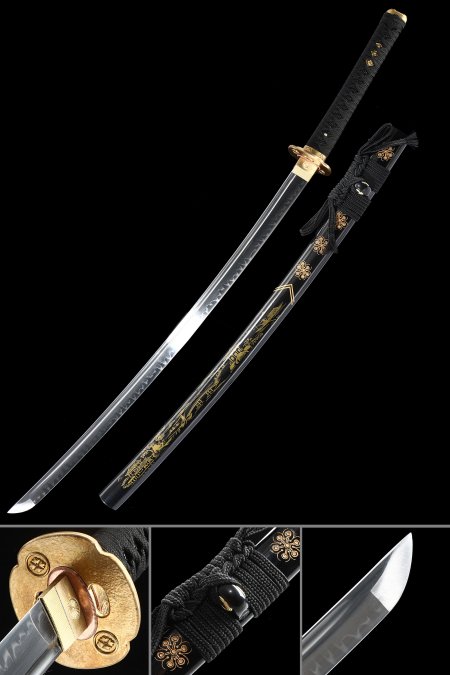
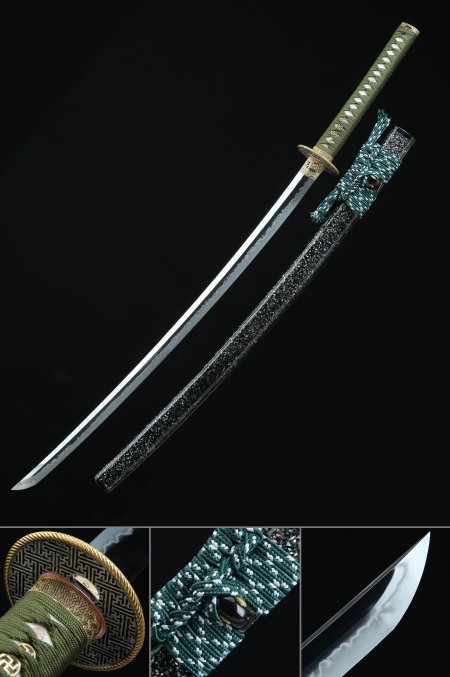
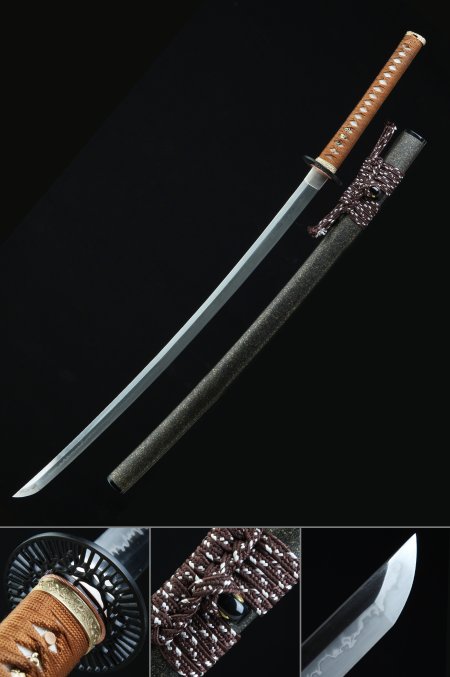
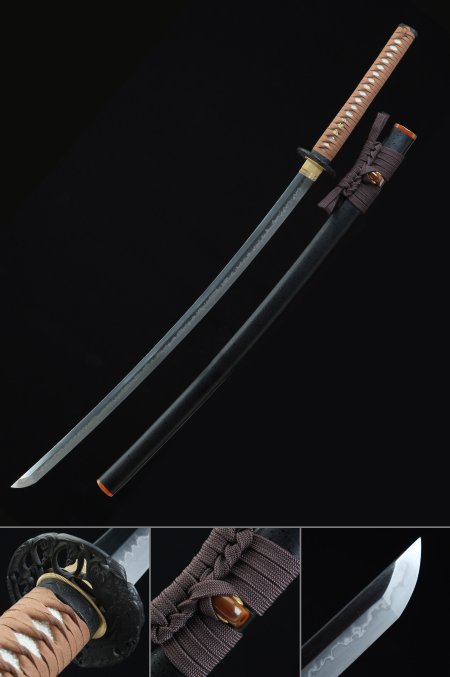
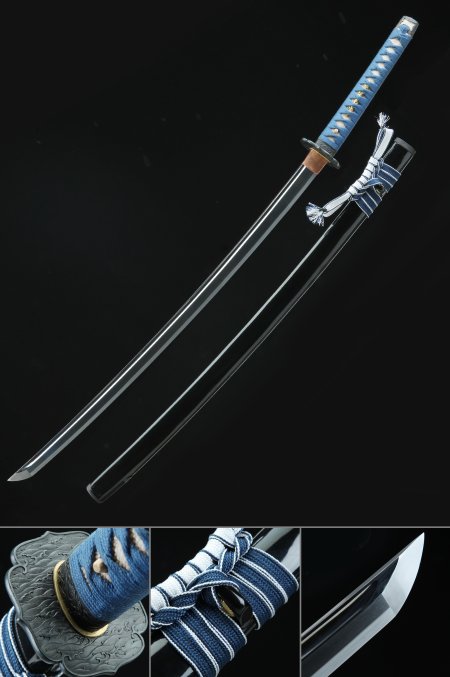
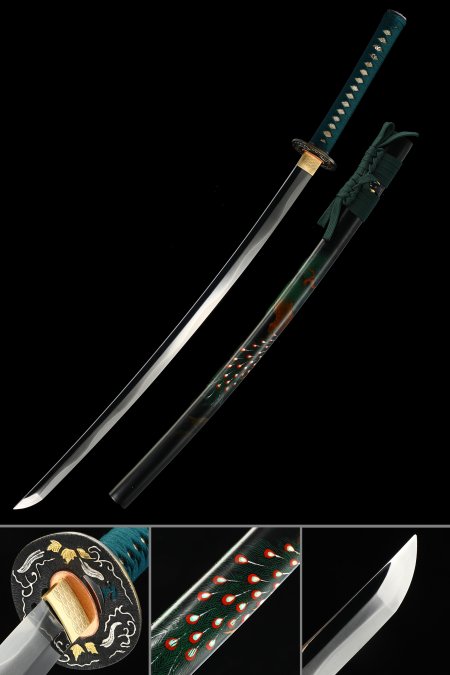
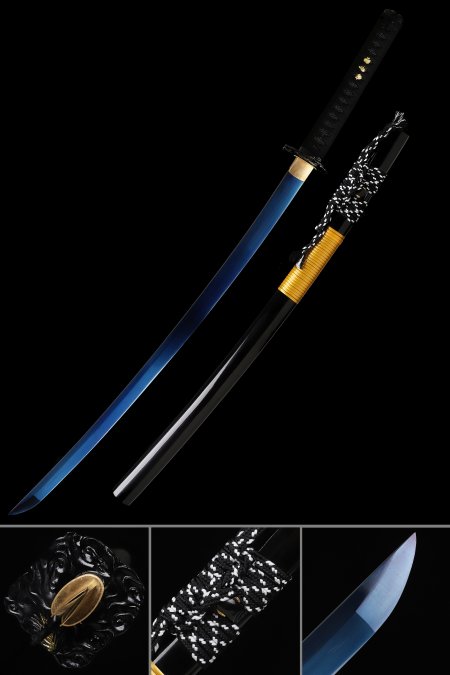
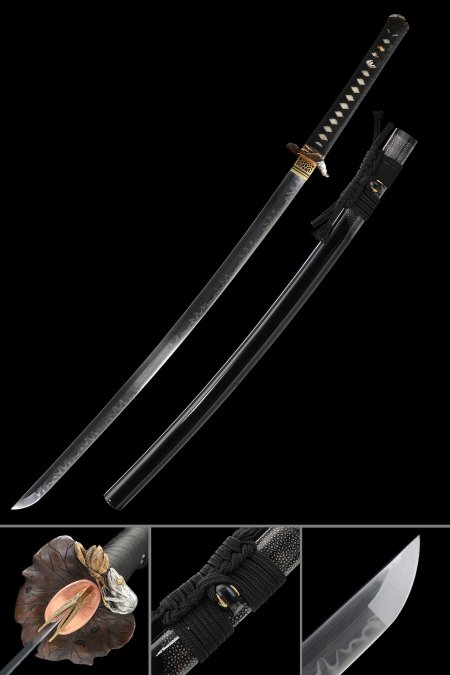
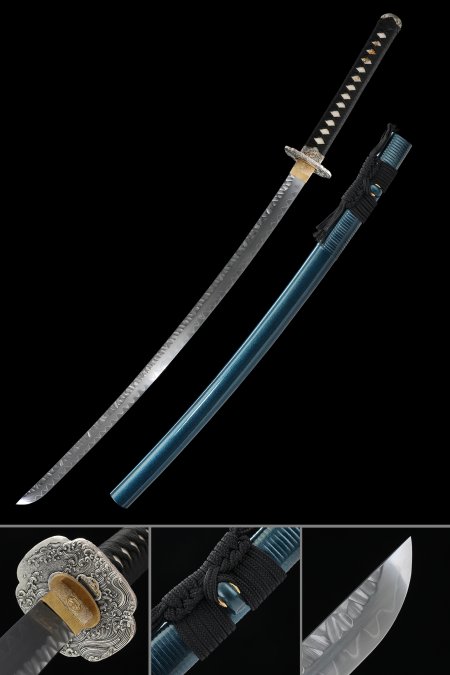
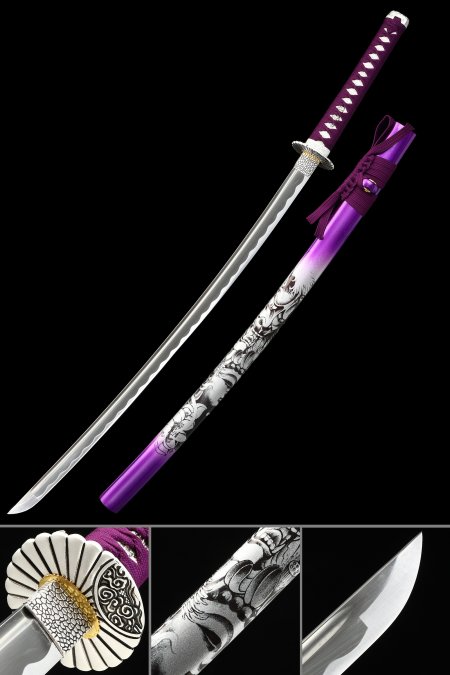
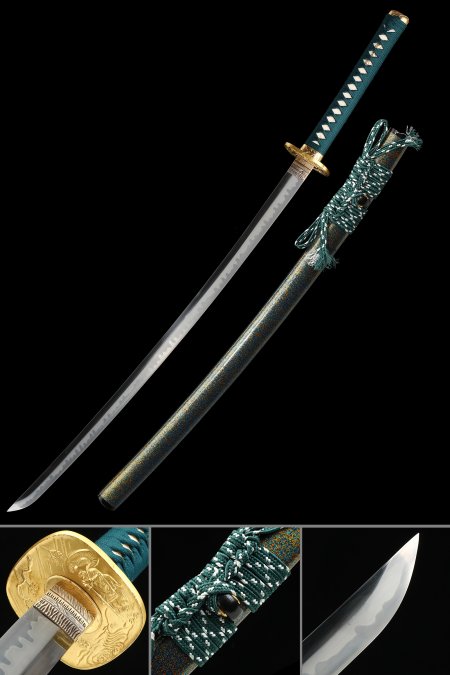
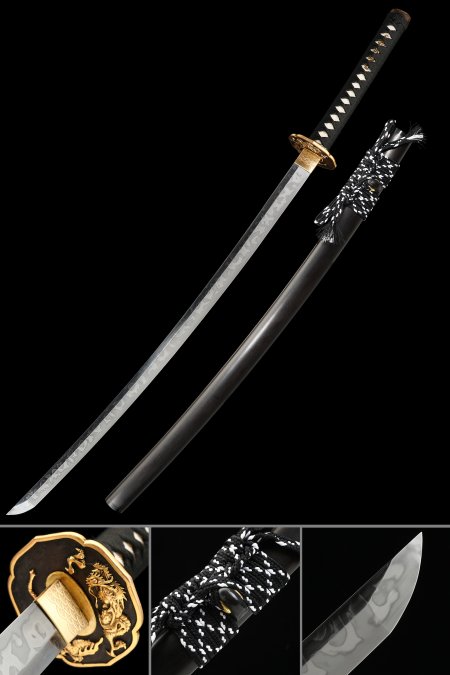
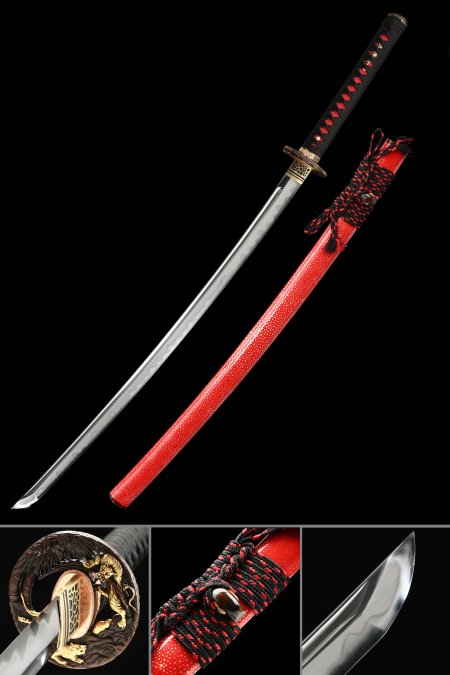
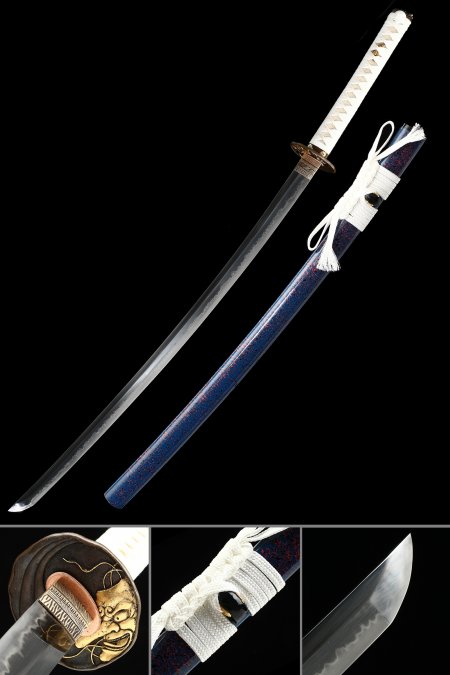
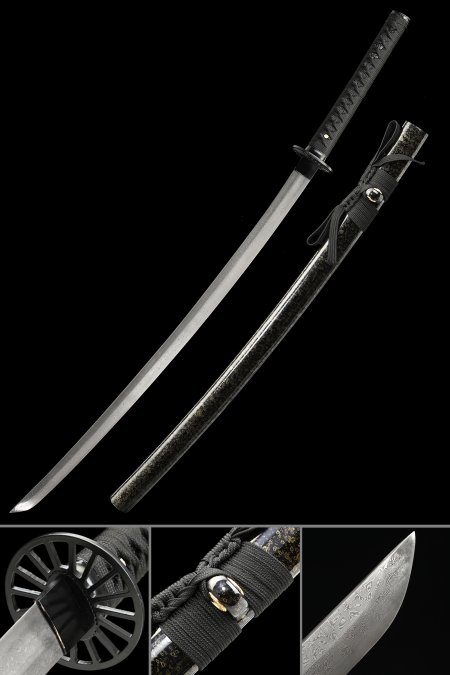
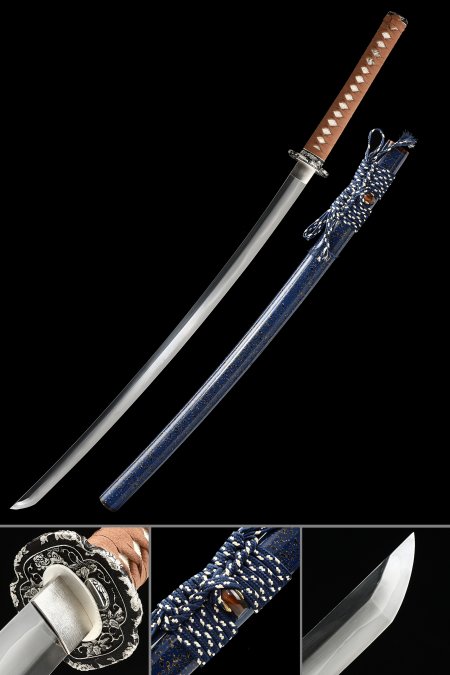
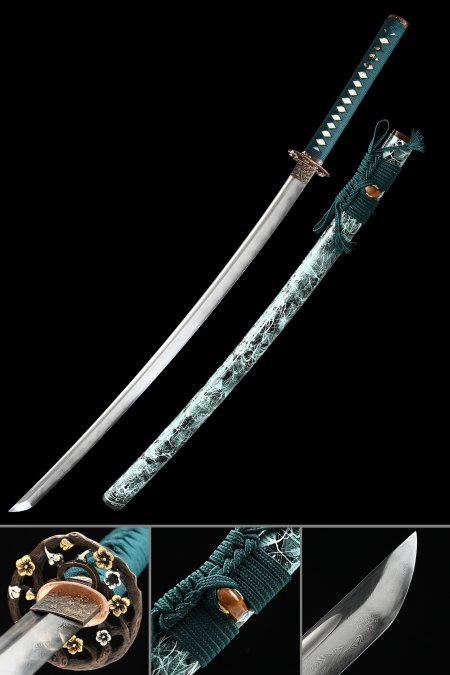
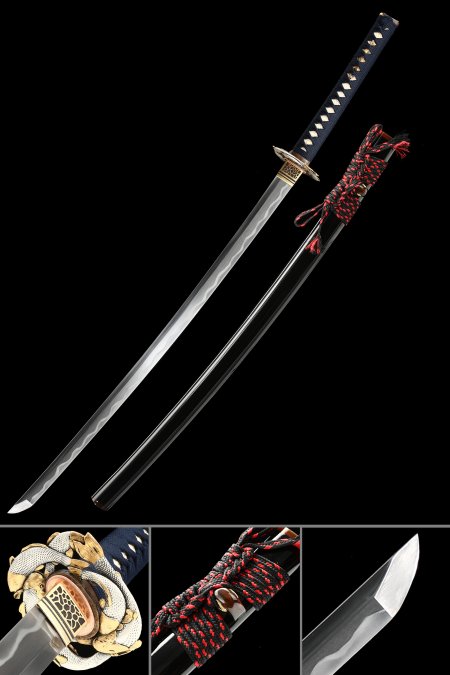
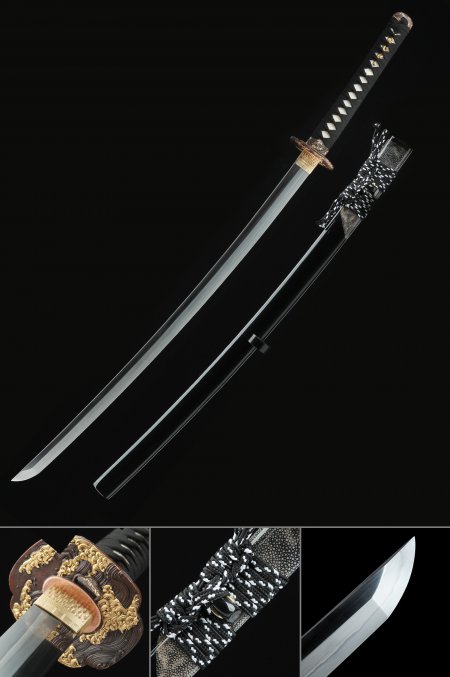
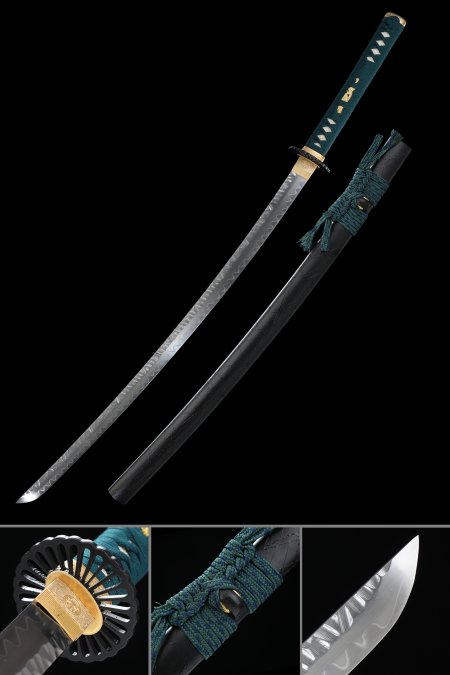
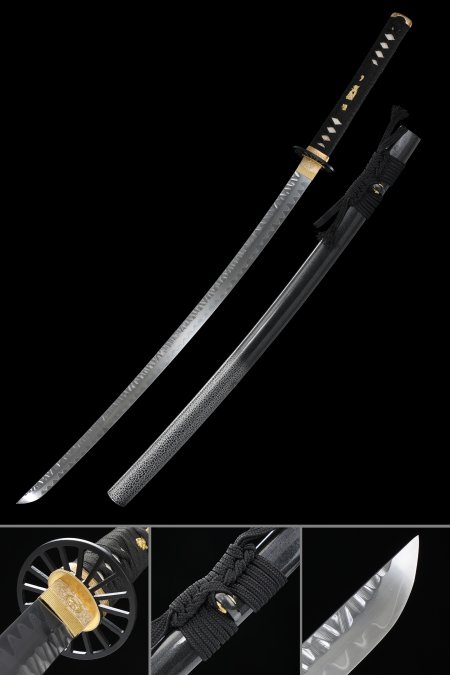
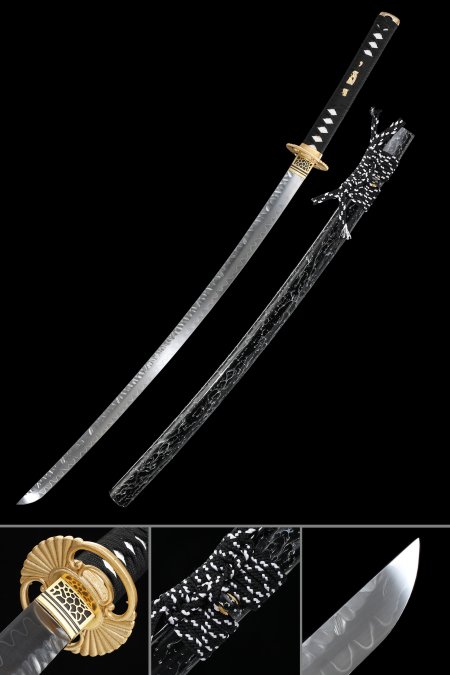
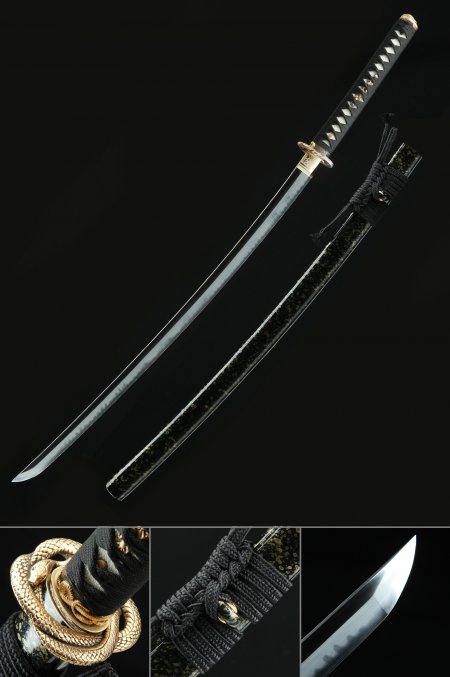
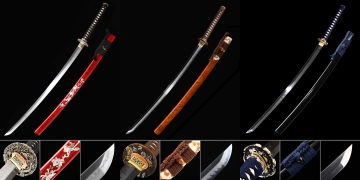
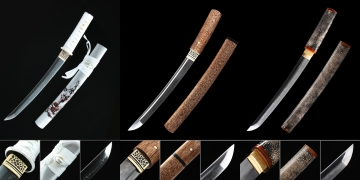
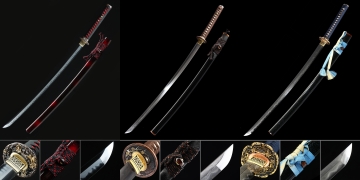
Every katana in this collection is individually hand forged by skilled artisans, shaped through traditional folding and differential clay tempering to produce a genuine hamon along each blade. Materials range from high-carbon T10 steel to layered Damascus, paired with ornate tsuba designs and lacquered saya finished in deep black or rich dark red. Whether you are building a serious display collection or seeking a centerpiece for a dedicated Japanese sword cabinet, these pieces are crafted for authenticity, visual impact, and lasting admiration. Enjoy free shipping on all orders, backed by our hassle-free return policy.
Great product! Item was a described. Fast shipping.
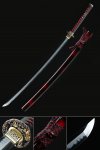 |
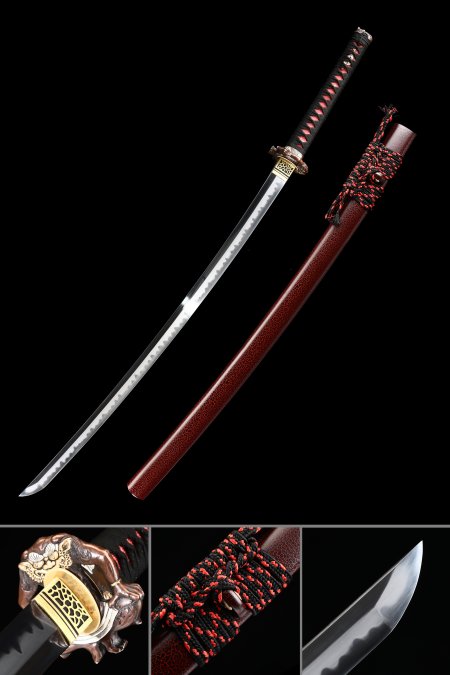
T10 Carbon Steel Katana with Clay-Tempered Real Hamon in Dark Red Piano Lacquer Saya - Floral Copper Tsuba |
Seems to be very well made and edge is very sharp hope the steel is actually as they advertised
|
T10 Carbon Steel Katana with Clay-Tempered Real Hamon in Dark Red Piano Lacquer Saya - Floral Copper Tsuba |
When I first ordered this sword, the sheath arrived cracked in half. But the same day I received it, TrueKatana already had a new one on the way to me. The new one is pristine and one of the most well-made swords in my collection. I WILL be buying again!!
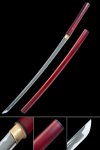 |
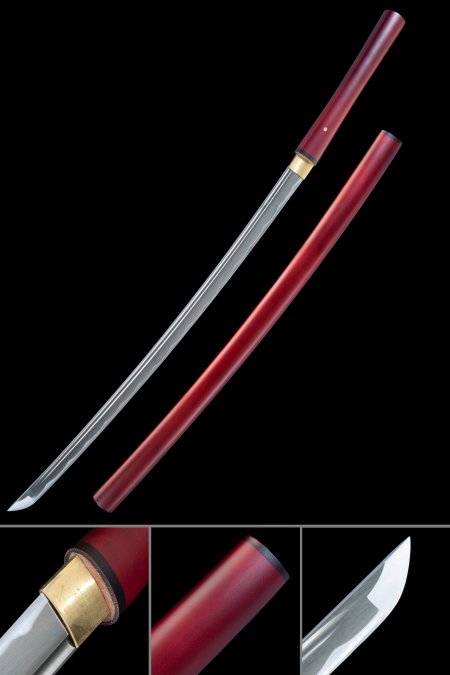
1045 Carbon Steel Shirasaya Katana with Dark Red Matte Hardwood Saya - No Tsuba Design |
Truly badass sword. Exactly as pictured and man feels good to hold and swing like a samurai! Seriously though feels very strong and sturdy we will put that to the test.
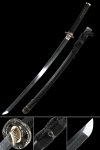 |
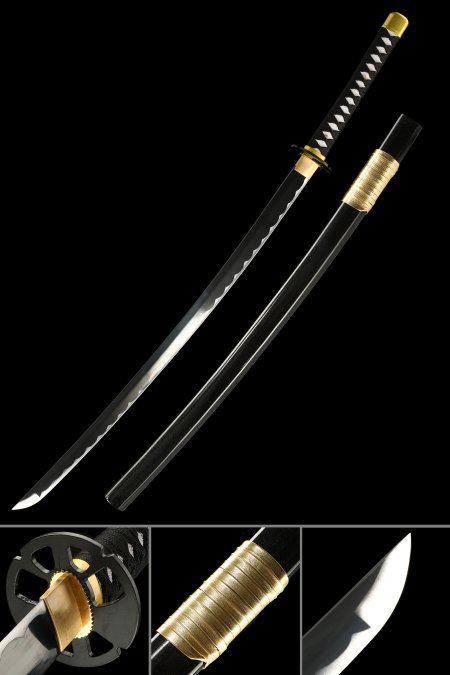
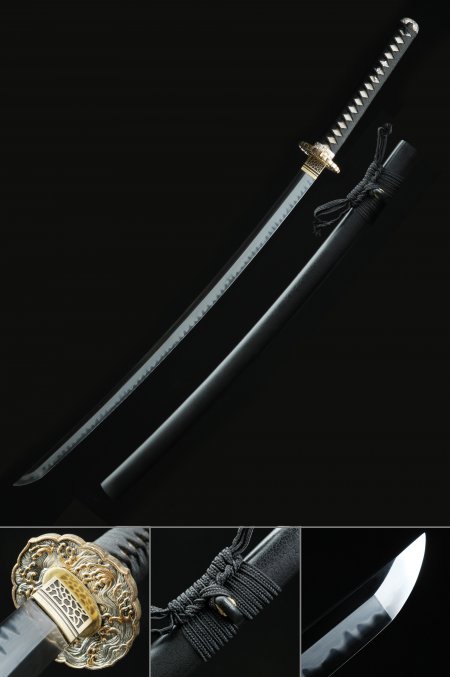
T10 Carbon Steel Katana with Dragon Tsuba in Black Hardwood Lacquer Saya - Hamon Blade |
Very happy with my purchase. Quality sword, to replace the family katana which was lost during WWII due to the internment of Japanese-Americans citizens.
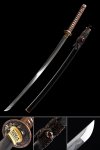 |
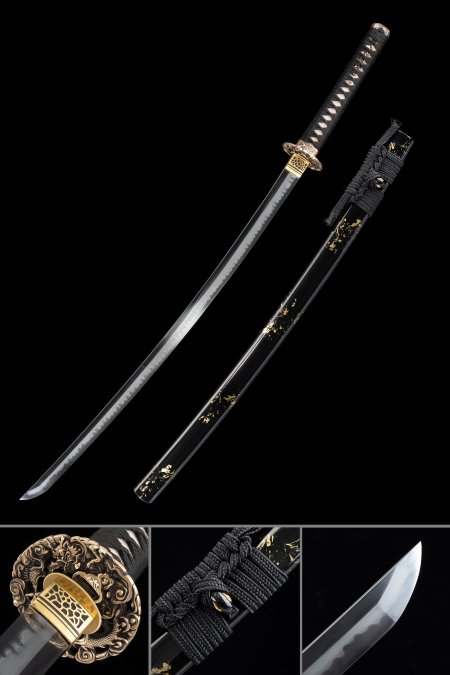
Hand Forged Damascus Steel Katana with Real Hamon - Gold and Silver Gilding Tsuba, Black Saya |
For me this seemed like alot of money to spend on a sword. But, that thought changed as soon as I saw and handled it. Ot was exactly as described and then some. Beautiful perfectly balanced sword, Tsuba and case.
A true work of art that will be proudly used and displayed.
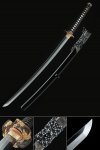 |
T10 Clay Tempered Japanese Katana - Real Hamon, Black Saya, Hand Forged Full Tang |
Excellent service and product, definitely recommend True Katana.
|
T10 Carbon Steel Katana with Clay-Tempered Real Hamon in Dark Red Piano Lacquer Saya - Floral Copper Tsuba |
The sword was better than I expected. The workmanship and exquisite detail is amazing. I will proudly display this beautiful piece of art in my weapons room for all to see. Thank you for providing this great product.
David Smith
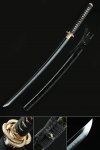 |
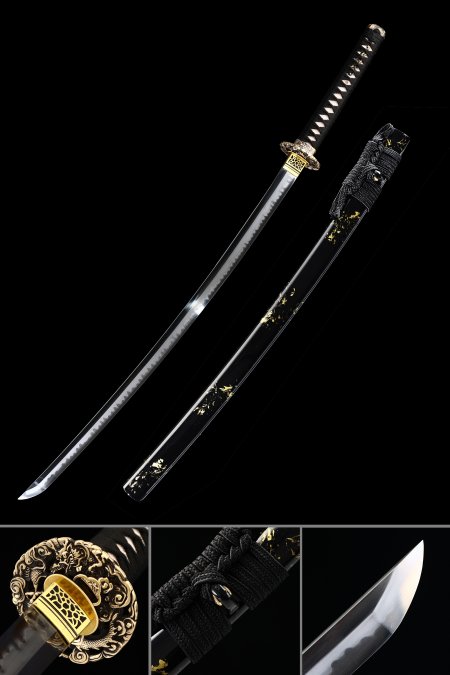
Hand Forged T10 Steel Katana with Gold Snake Tsuba - Black Lacquer Saya, Clay Tempered |