
Black Ninjato
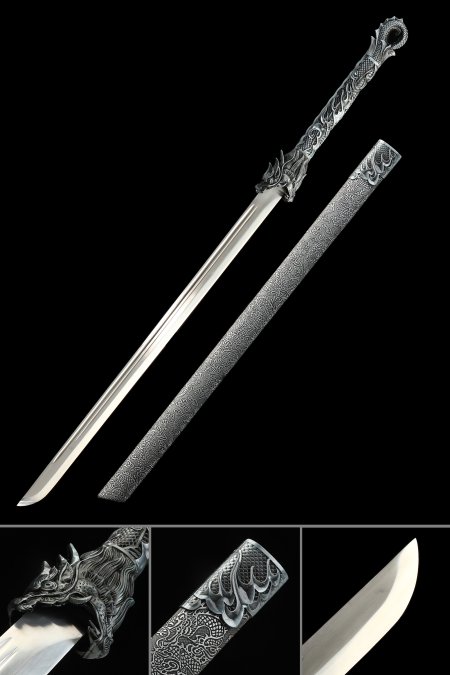
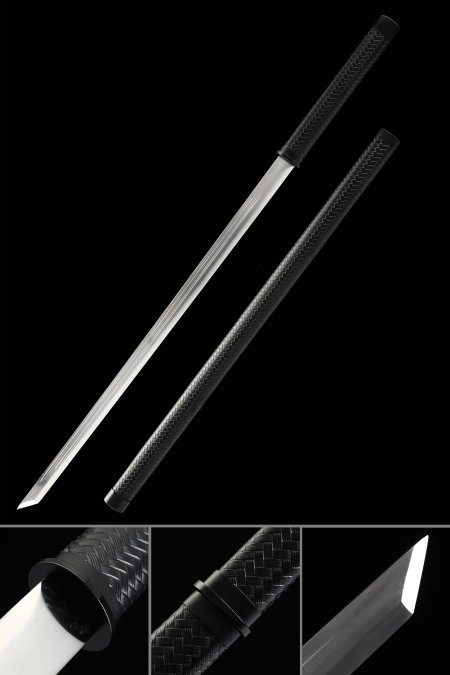
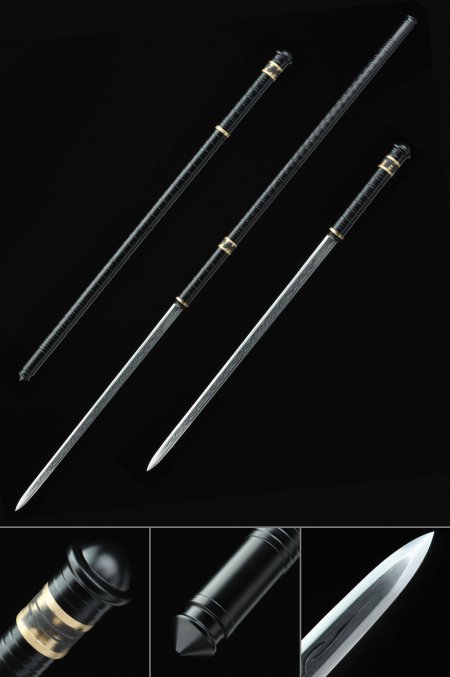
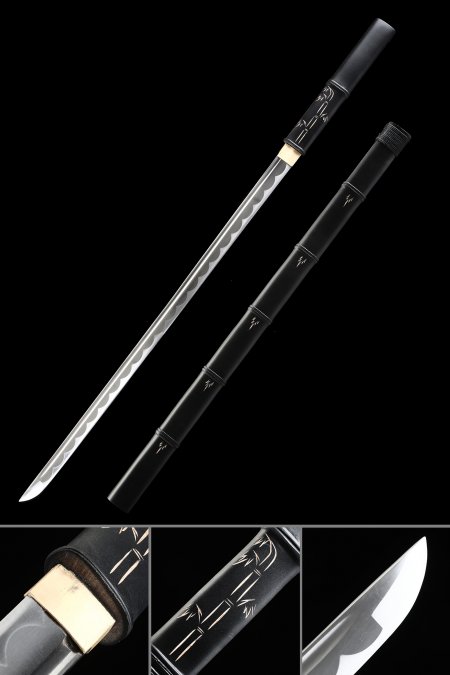
Shop our collection of black ninjato swords - hand-forged Japanese straight-blade ninja swords featuring all-black aesthetic configurations spanning black blade treatments, black lacquer scabbards, and black handle wrapping, available in T10, 1045 carbon steel, and Damascus steel with full-tang construction. Black ninjato combine the geometric directness of the straight blade with the most dramatic color aesthetic in Japanese sword collecting. Free US shipping and hassle-free returns included.
FAST SHIP
Free Shipping
139.00 USD
ON SALE! 15% OFF
Was: 169.00 USD
FAST SHIP
Free Shipping
169.00 USD
ON SALE! 15% OFF
Was: 199.00 USD
Free Shipping
139.00 USD
ON SALE! 15% OFF
Was: 169.00 USD
FAST SHIP
Free Shipping
169.00 USD
ON SALE! 15% OFF
Was: 199.00 USD
Free Shipping
139.00 USD
ON SALE! 15% OFF
Was: 169.00 USD
FAST SHIP
Free Shipping
139.00 USD
ON SALE! 15% OFF
Was: 169.00 USD
FAST SHIP
Free Shipping
189.00 USD
ON SALE! 15% OFF
Was: 219.00 USD
Free Shipping
139.00 USD
ON SALE! 15% OFF
Was: 159.00 USD
FAST SHIP
Free Shipping
159.00 USD
ON SALE! 15% OFF
Was: 189.00 USD
FAST SHIP
Free Shipping
149.00 USD
ON SALE! 15% OFF
Was: 179.00 USD
FAST SHIP
Free Shipping
169.00 USD
ON SALE! 15% OFF
Was: 199.00 USD
FAST SHIP
Free Shipping
159.00 USD
ON SALE! 20% OFF
Was: 199.00 USD
Free Shipping
179.00 USD
ON SALE! 15% OFF
Was: 209.00 USD
Free Shipping
169.00 USD
ON SALE! 15% OFF
Was: 199.00 USD
Free Shipping
199.00 USD
Free Shipping
199.00 USD
Free Shipping
119.00 USD
ON SALE! 30% OFF
Was: 169.00 USD
Free Shipping
279.00 USD
Free Shipping
179.00 USD
ON SALE! 15% OFF
Was: 209.00 USD
Free Shipping
279.00 USD
Free Shipping
249.00 USD
Free Shipping
239.00 USD
Free Shipping
229.00 USD
Free Shipping
219.00 USD
Free Shipping
229.00 USD
Free Shipping
219.00 USD
Free Shipping
219.00 USD
Free Shipping
219.00 USD
Free Shipping
209.00 USD
Free Shipping
209.00 USD
Free Shipping
209.00 USD
Free Shipping
199.00 USD
Free Shipping
129.00 USD
ON SALE! 30% OFF
Was: 179.00 USD
Free Shipping
159.00 USD
ON SALE! 15% OFF
Was: 189.00 USD
Free Shipping
209.00 USD
Free Shipping
179.00 USD
Free Shipping
189.00 USD
Free Shipping
189.00 USD
Free Shipping
209.00 USD
Related Collections
Frequently Asked Questions
What black configurations are available in the black ninjato collection?
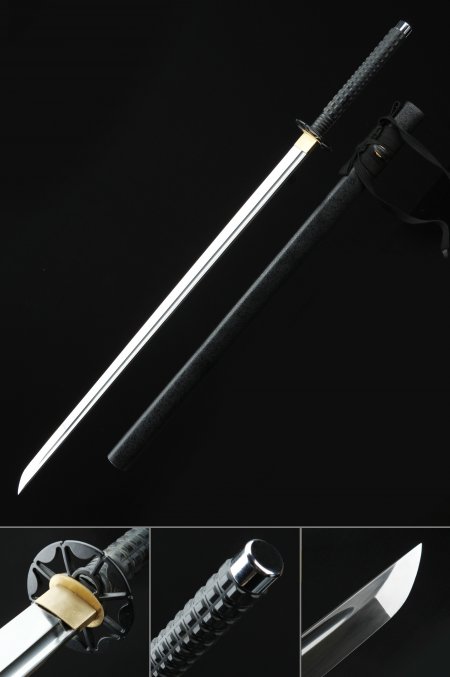
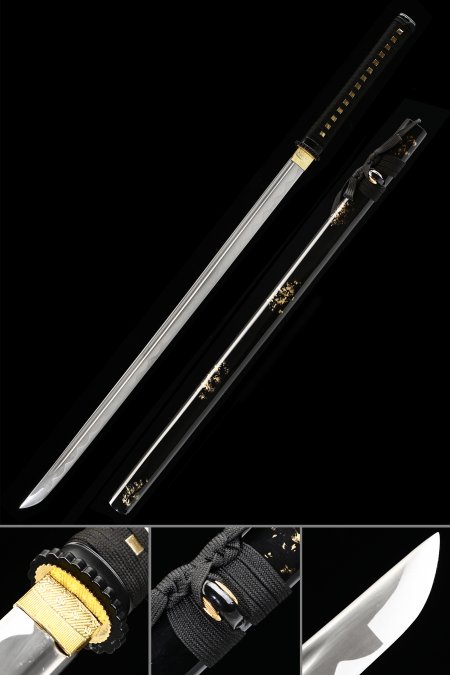
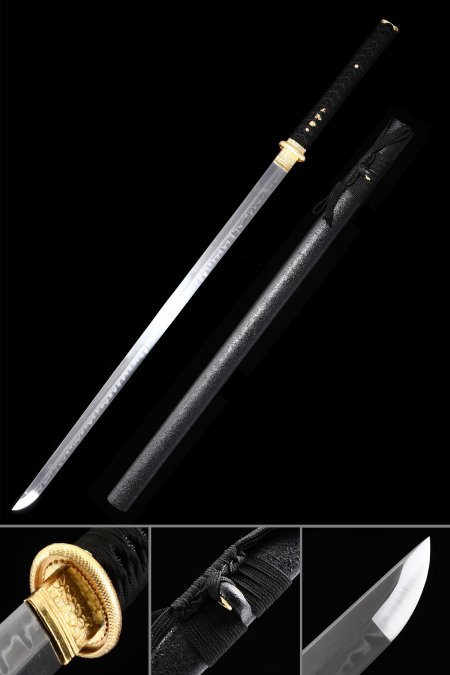
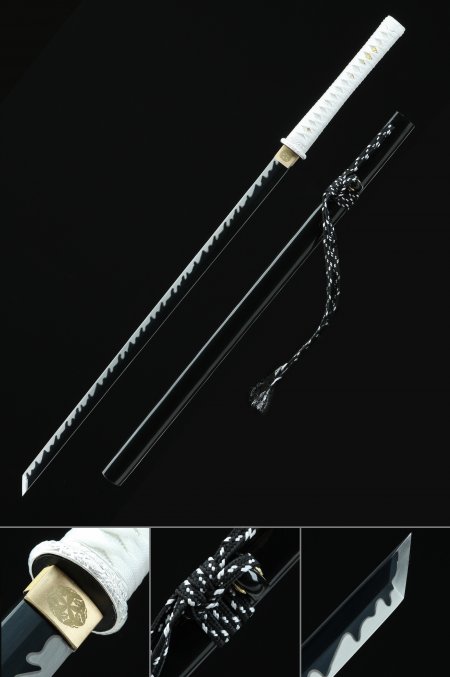
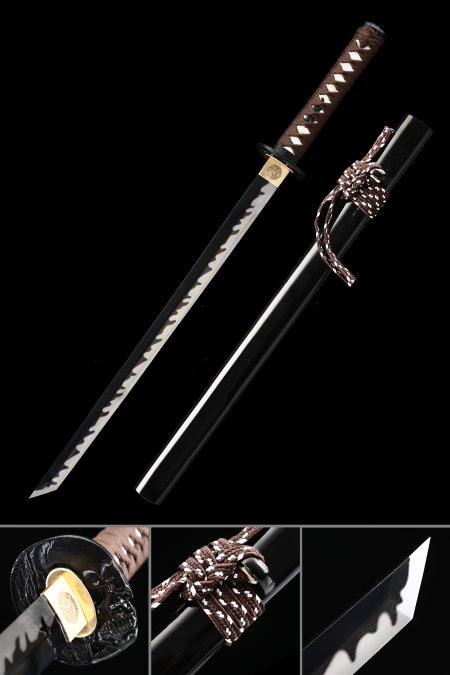
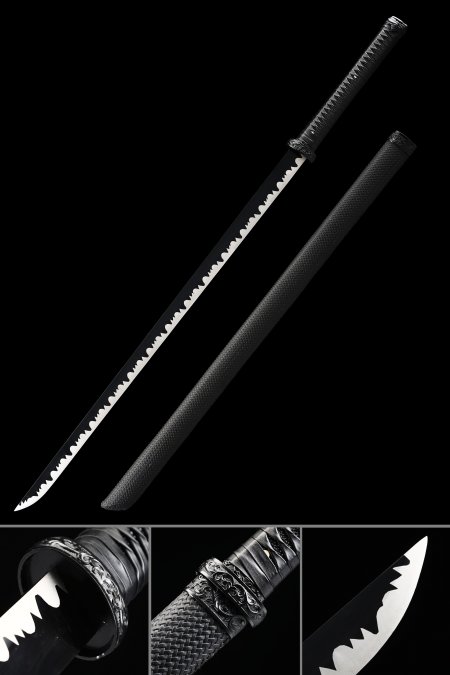
The black ninjato collection includes several distinct all-black aesthetic configurations within the straight-blade ninjato format. Full all-black pieces combine black blade treatment, black lacquer scabbard, and black handle wrapping for a unified monochromatic presentation - the most visually complete expression of the black ninjato aesthetic. The straight blade in full black creates a geometric electric-dark silhouette that reads with a different visual character from a curved black katana: the ninjato's straight line is precise and intentional where the katana's curve is organic and flowing. Black scabbard ninjato carry the black color primarily in the lacquered scabbard housing, creating a bold sheathed presentation. Black blade treatment ninjato apply the dark color to the steel surface directly, making the blade visible in dark tones when drawn. Damascus steel black ninjato are among the most visually complex pieces, where the Damascus patterning is subtly visible beneath the dark surface treatment as texture variation.
How does a black ninjato display compare to a black katana?
A black ninjato and a black katana both use the all-black aesthetic but create very different display characters due to their fundamental difference in blade geometry. The ninjato's straight blade creates a clean horizontal line in the display, with the black color reading as a crisp, geometric dark element of exceptional precision. The katana's curved blade creates an organic arc in the display, with the black reading as a flowing, dynamic dark form. For display purposes, the straight ninjato blade sits perfectly flat on a horizontal bracket with the full blade visible in a single plane, while the katana's curve means only part of the blade is fully visible in a single viewing plane. The ninjato's straight profile also creates a different spatial relationship with the display surface - the flat blade is parallel to the wall behind it in a way the curved katana is not. In a multi-sword display including both black ninjato and black katana, the geometric contrast between straight and curved silhouettes adds visual dimension even within the unified black color palette.
What steel grades are used in black ninjato collectibles?
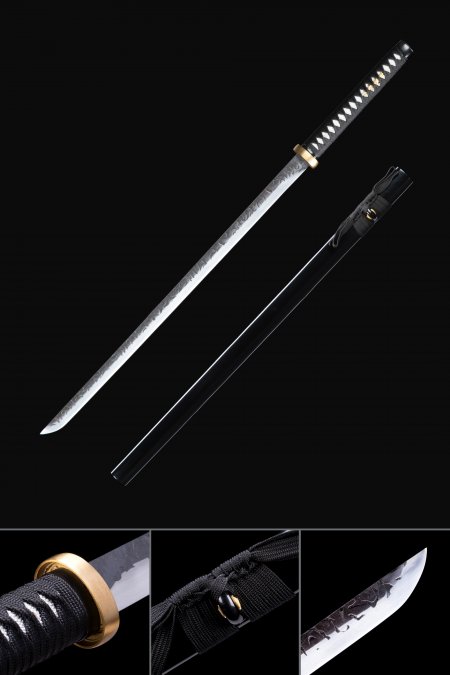
Black ninjato collectibles in this collection are built from high-carbon steel grades appropriate to serious Japanese sword collecting. T10 carbon steel is the premium option: on T10 clay-tempered pieces with black blade treatments, the differential heat treatment creates a hamon that may be subtly visible beneath the dark blade surface - a blade craft detail that is particularly interesting on the straight ninjato profile, where the hamon runs along the full blade length without the interruption of a katana's curve. Damascus steel black ninjato combine fold-forged layered blade patterning with dark finishes, creating pieces where the Damascus structure is detectable as texture and light-reflection variation beneath the black treatment. 1045 carbon steel is the most widely available grade in the black ninjato collection, providing reliable full-tang construction with proper blade hardness at accessible price points. All grades maintain full-tang construction with the steel running from kissaki tip through the complete handle body.
How do I care for a black blade treatment on a ninjato sword?
Caring for a black blade treatment on a ninjato follows the same fundamental approach as any colored blade finish on high-carbon steel. After every handling session, wipe the full straight blade with a soft lint-free cloth to remove moisture and fingerprints - high-carbon steel beneath any color treatment will oxidize if left with moisture on the surface. Apply a very thin coat of camellia oil or mineral oil and buff away excess with a soft cloth. For the black surface treatment specifically, use only soft cloths for any contact and never use abrasive materials, metal polishing compounds, or solvents that would damage or remove the color. The straight ninjato blade makes the wiping routine particularly straightforward - the flat, uninterrupted surface can be wiped from spine to edge along the full length in a single smooth motion without navigating the katana's curve. Store the black ninjato in the scabbard or on a display rack in a low-humidity room to protect both blade and lacquered scabbard surfaces. Inspect periodically for any oxidation developing beneath or through the black treatment.
Customer Reviews
Goku A
California, United States
Really happy with the purchase. Great craftsmanship for the price, and customer service got back to me quickly.
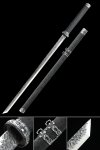 |
Ninjato 1090 Carbon Steel Hand-Hammered Blade with Black Dragon-Engraved Saya and Silver Scroll Tsuba |
Goku A
California, United States
Really happy with this purchase. Great craftsmanship for the price, and customer service was quick to respond.
|
Ninjato 1090 Carbon Steel Hand-Hammered Blade with Black Dragon-Engraved Saya and Silver Scroll Tsuba |
Kareem Andrews
Ohio, United States
Really love the sword. Better than I expected. Will definitely be a returning customer
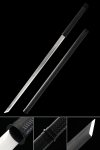 |
1045 Carbon Steel Ninjato Sword with Black Faux Leather Wrapped Saya in Full Tang Construction |
Deimos Boone
Georgia, United States
The quality is superb. I love the sharpness of the blade and it matches the other 2 blade that are almost identical to one another. By far one of the best purchases i made thus far when it comes to collecting blades.
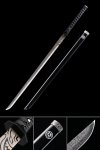 |
Kokushibo Ninjato in Manganese Steel with Crackle Hamon, Black Lacquer Saya & Dragon Kojiri |
Karen Mcmaster
Idaho, United States
My sons were very excited to get these katanas! Great service and I would recommend TrueKatana.com
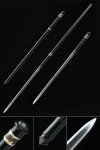 |
1045 Carbon Steel Expandable Spear Sword with Black Iron Saya and Brass Accents - Ninjato Collectible |
Jerome Wilson
Florida, United States
Second sword from these guys and I look forward to my third purchase!
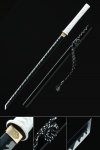 |
1095 Carbon Steel Straight Ninjato with Black Blade & White Ito - Piano Lacquer Saya |
William Ginipro
New Jersey, United States
2nd year I purchased my so one of the swords. He absolutely loves them. Becoming a Christmas tradition. Ordering easy, quality product, and quick delivery.
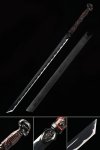 |
T10 Steel Clay-Tempered Ninjato with Skull Pommel in Black PU Leather Saya - Straight Ninja Sword |
Karoly Pum
Soer Troendelag, Norway
The sword is beautiful a bit heavy for single hand use i don't know yet how durable in real fight shortly will figure out.r
Was a very quick international delivery akso i surprised how cheap. Here in norway a quality sword start from 1000 $ for 170$ from usa i very happy with the company.
|
T10 Steel Clay-Tempered Ninjato with Skull Pommel in Black PU Leather Saya - Straight Ninja Sword |