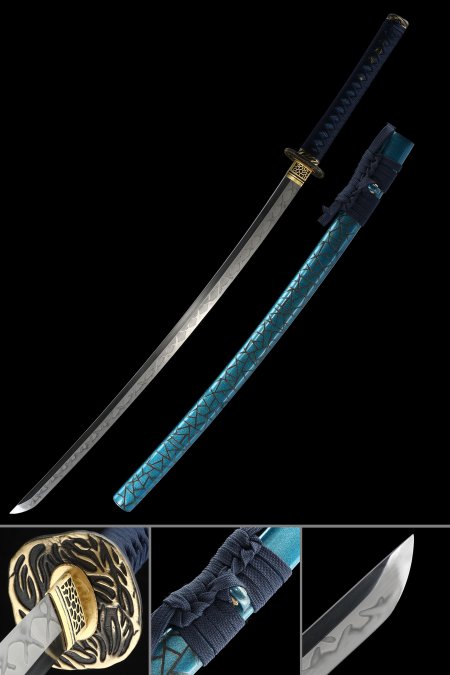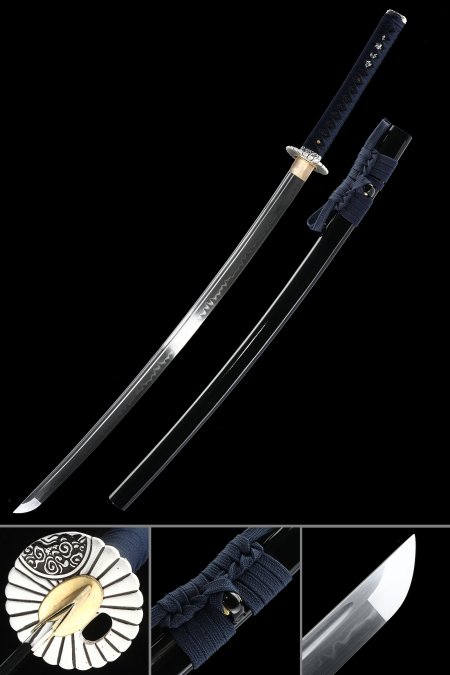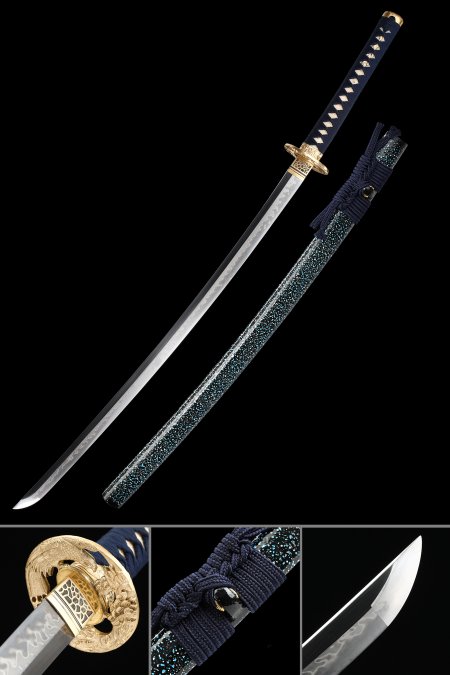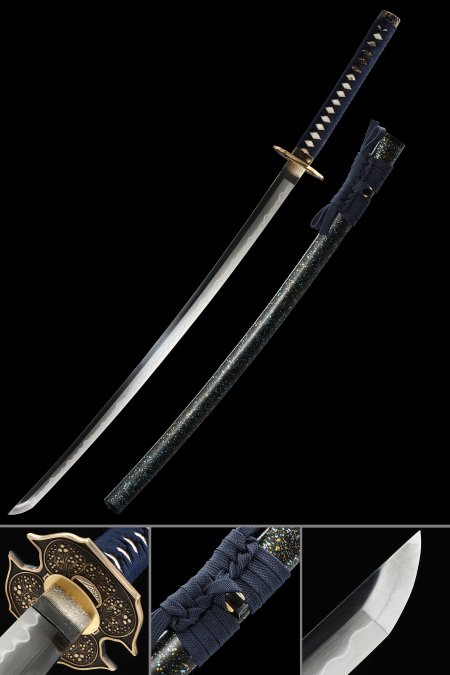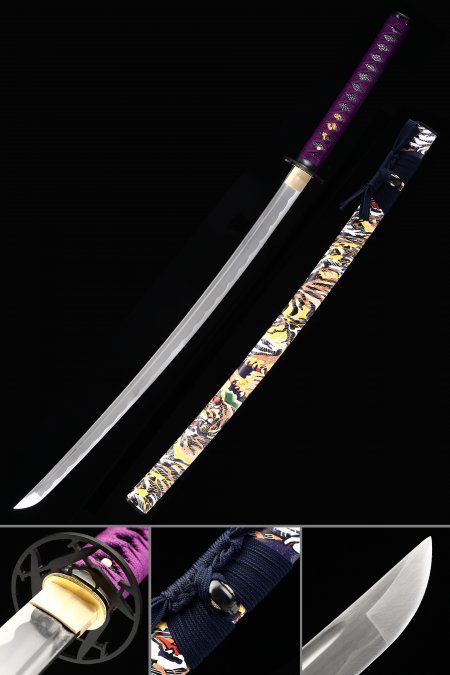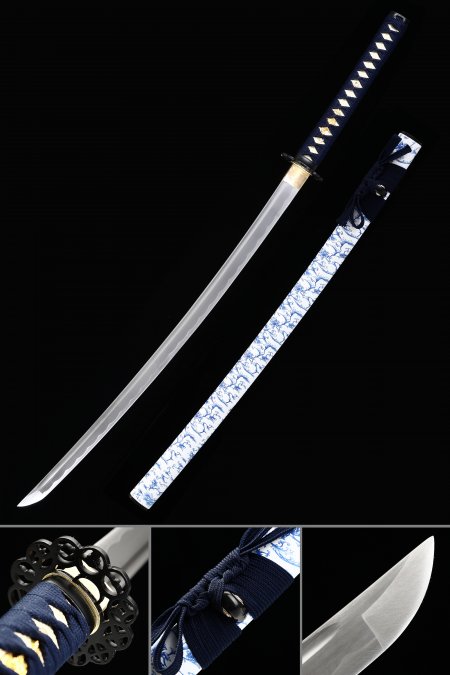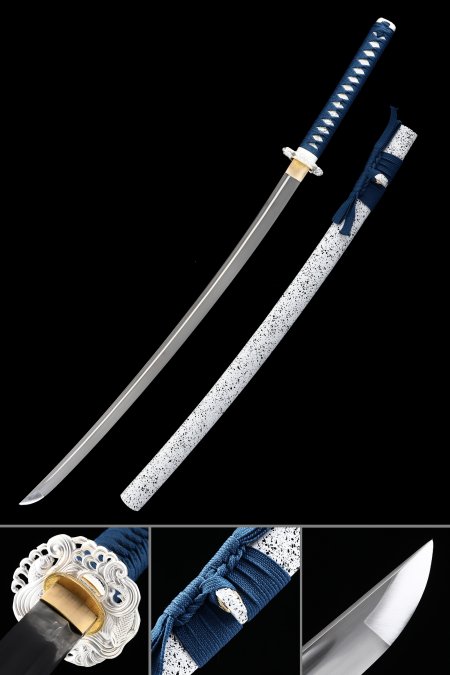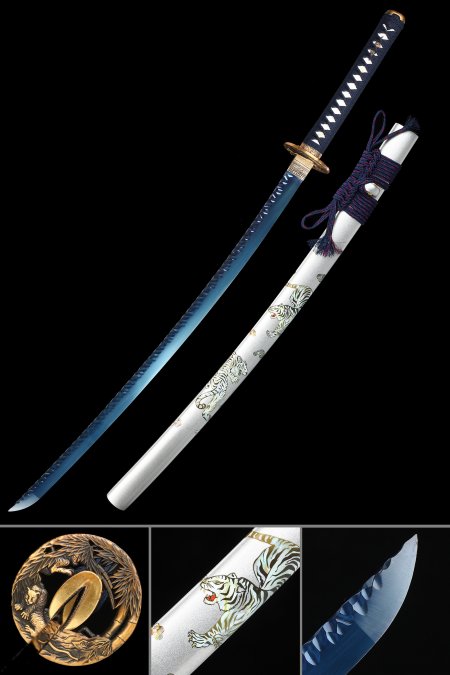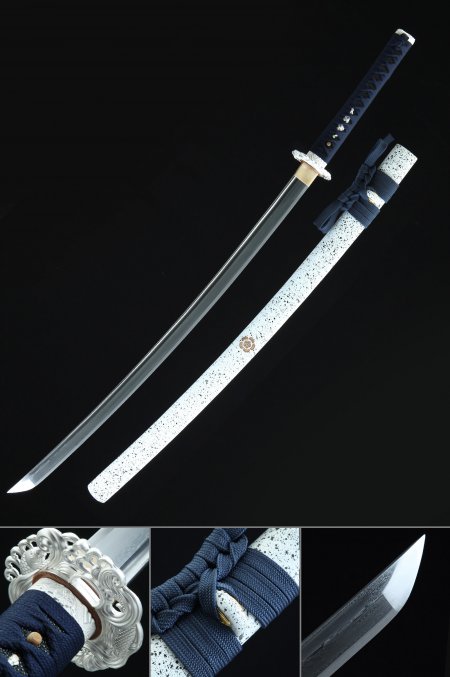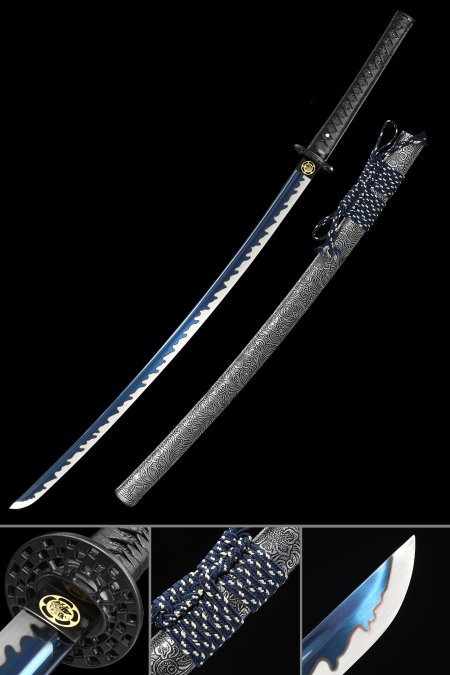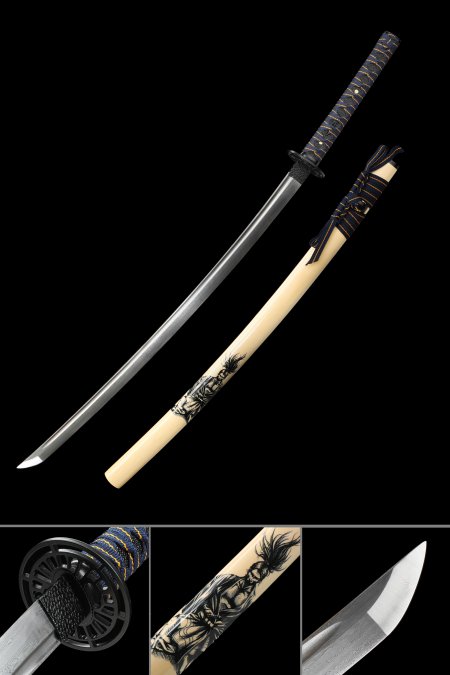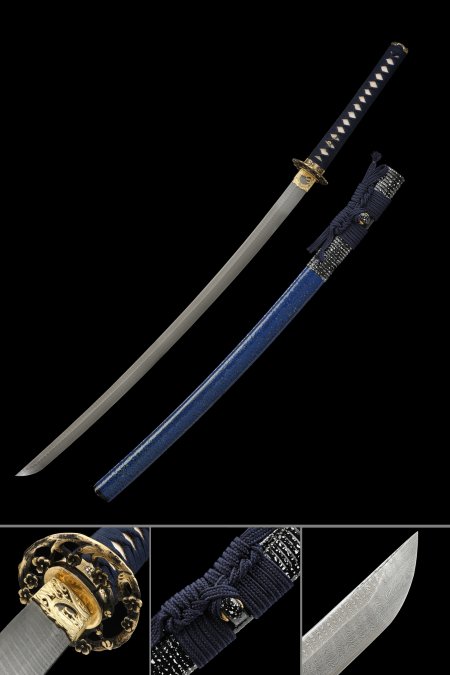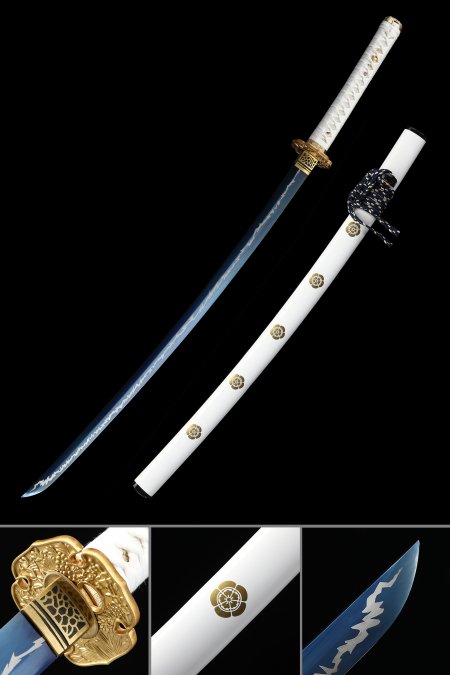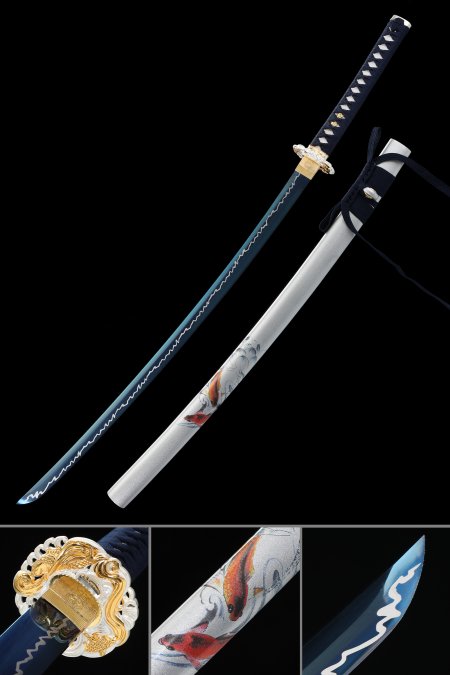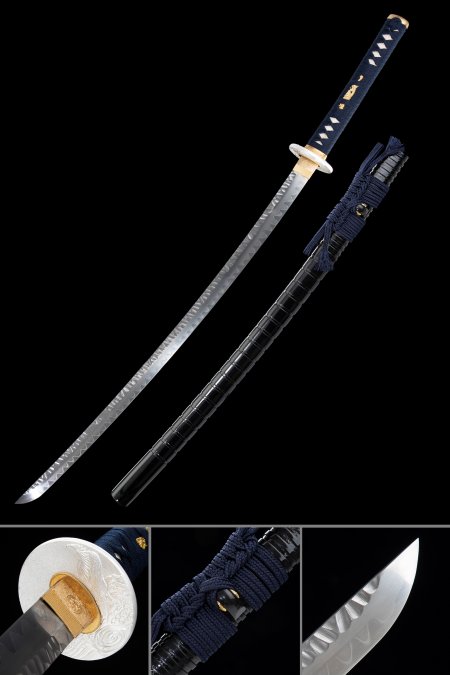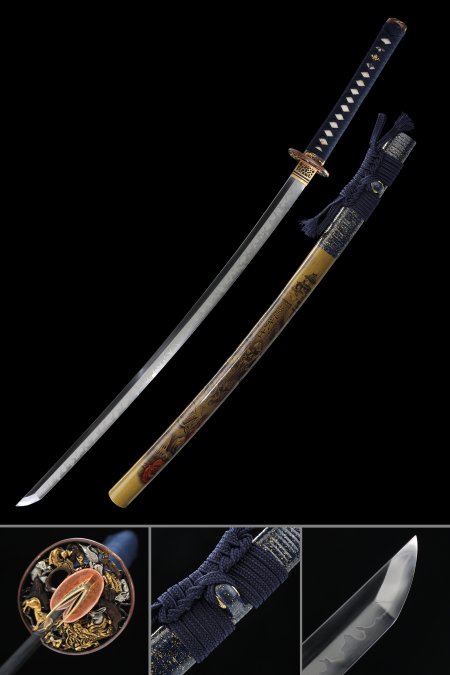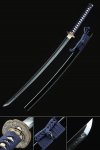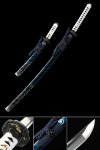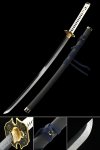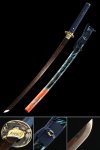
Dark Blue Sageo Katana

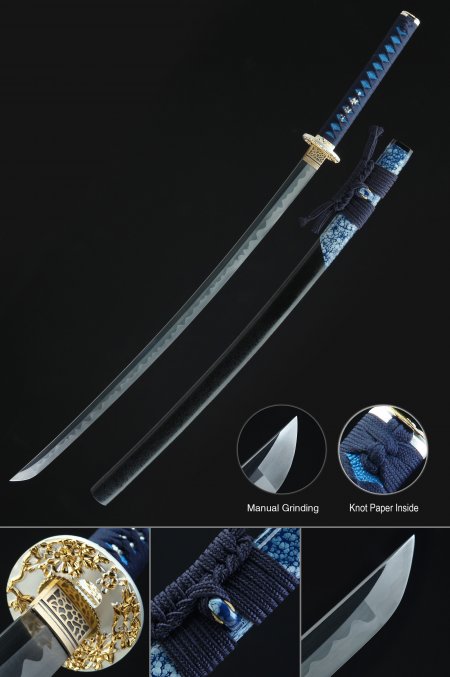
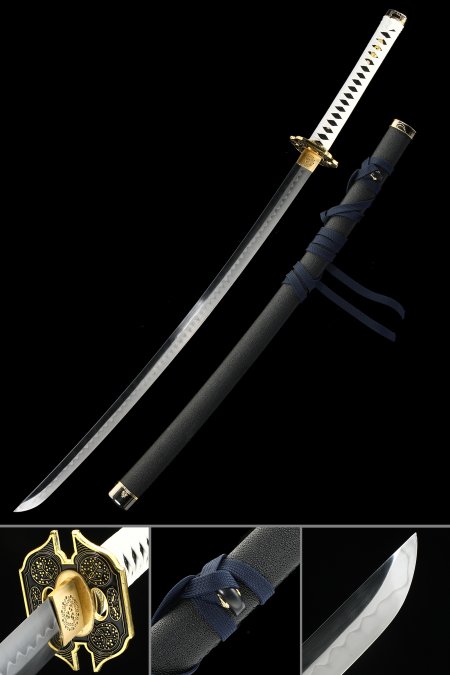
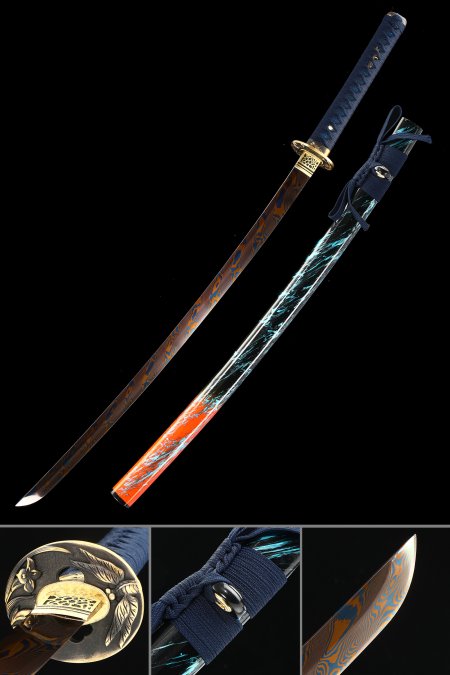
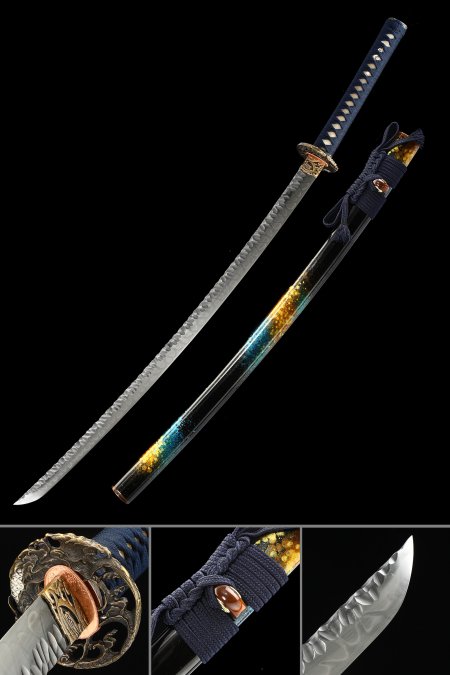
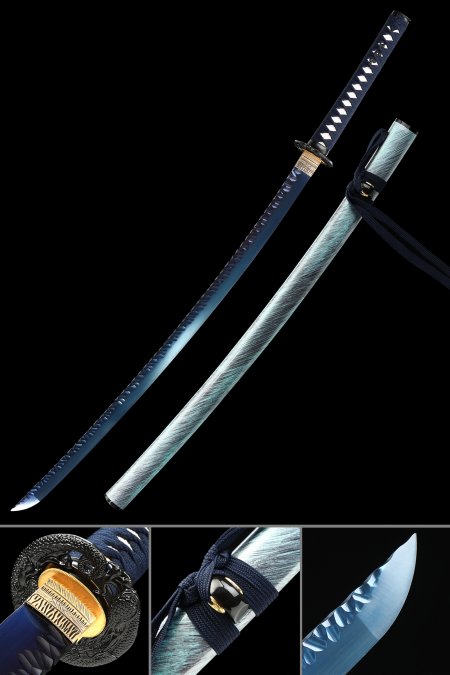
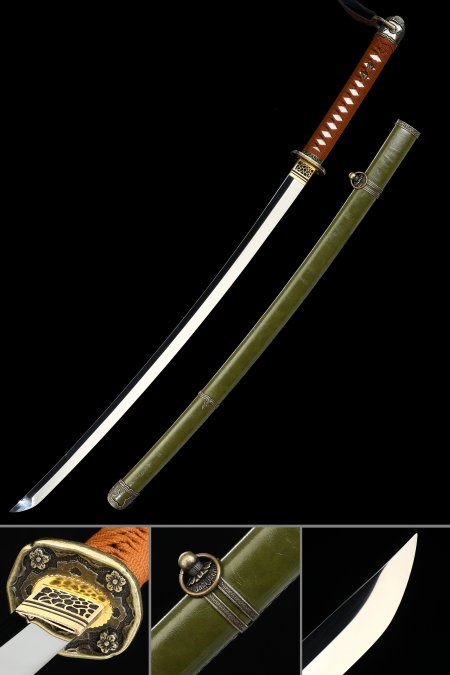
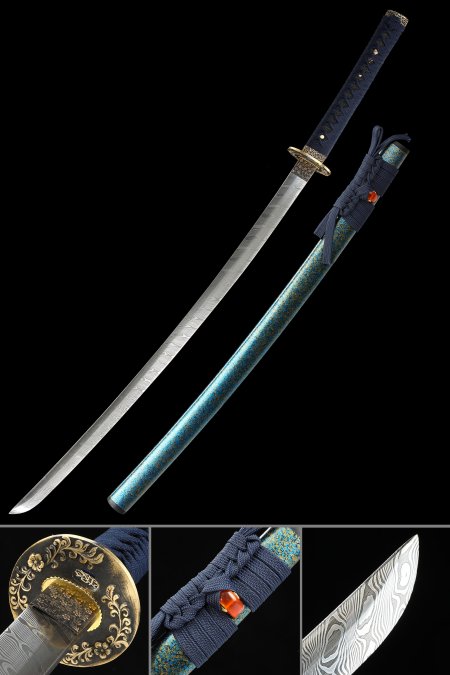
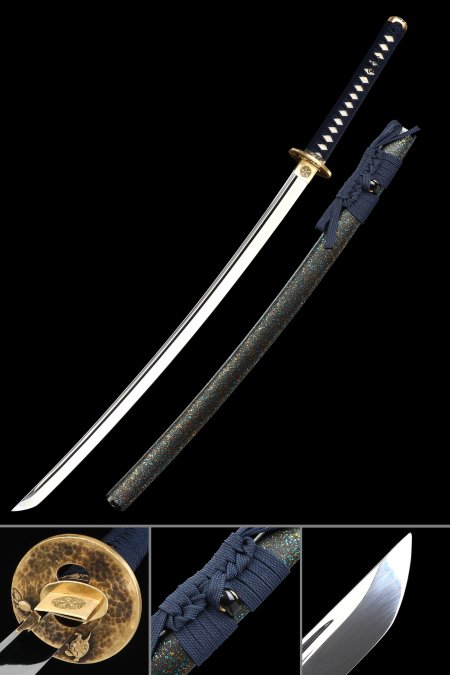
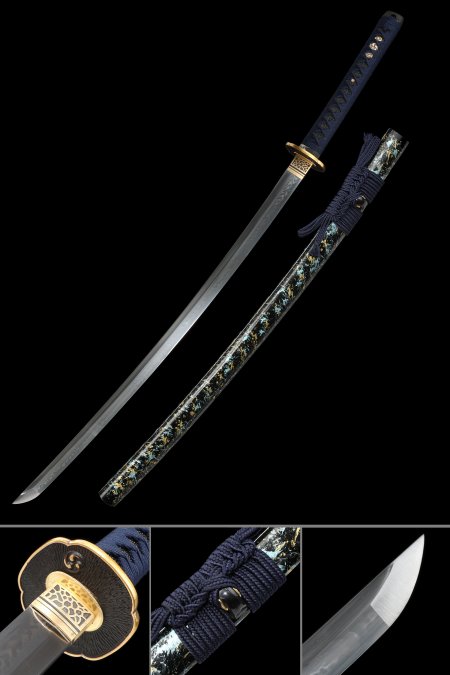
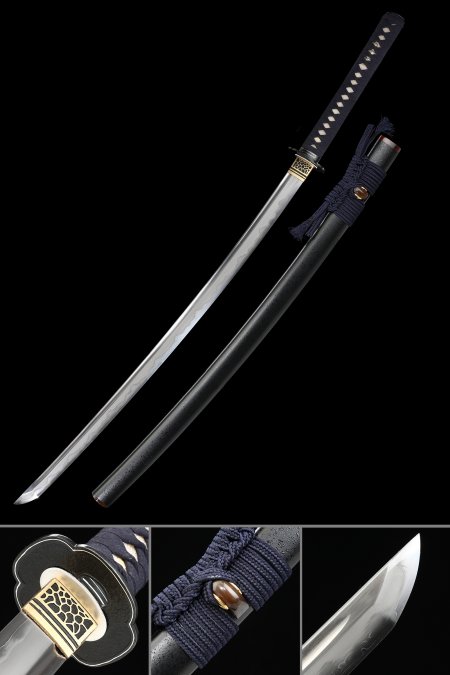
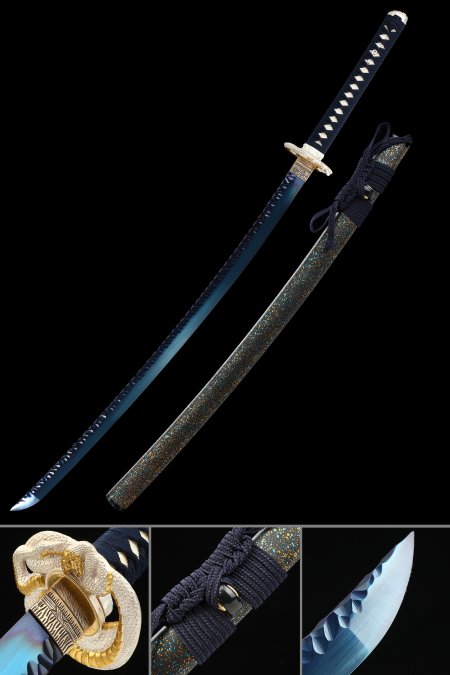
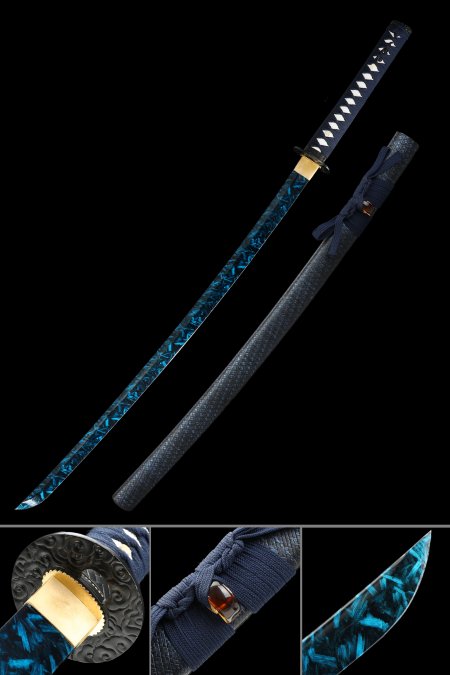
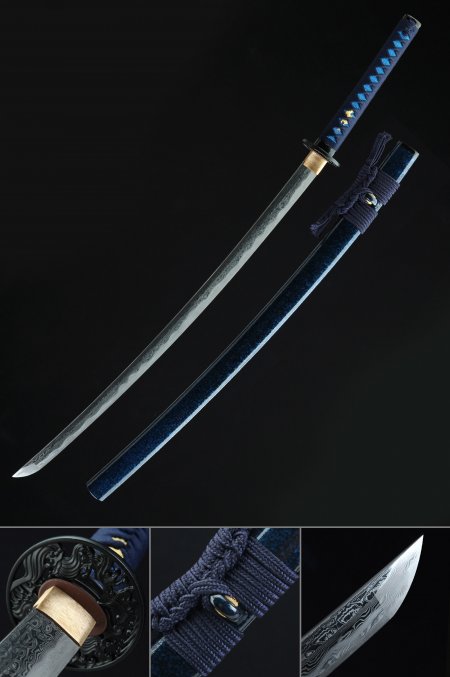
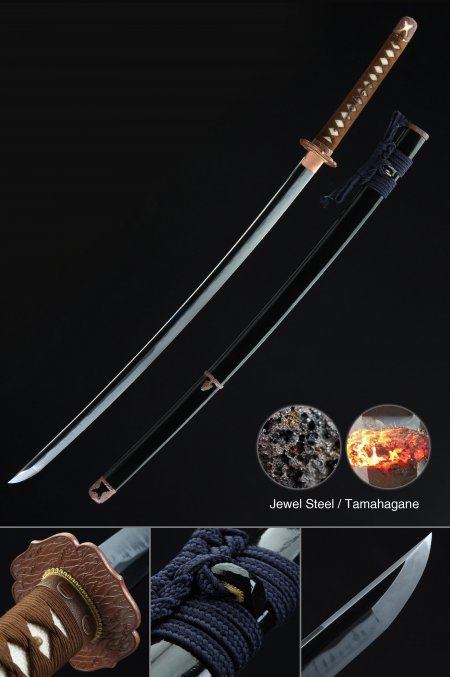
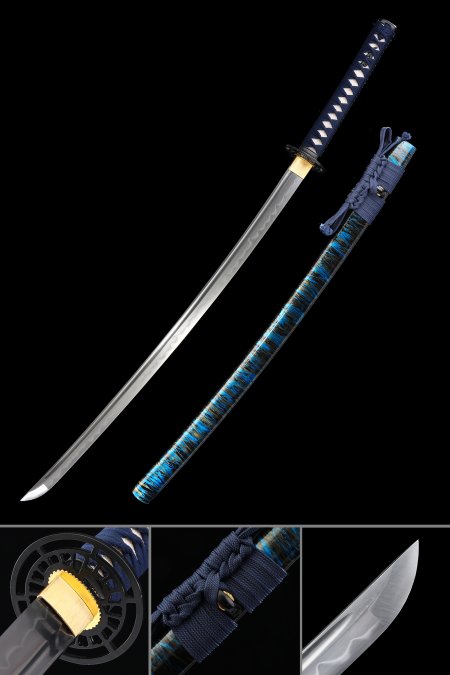
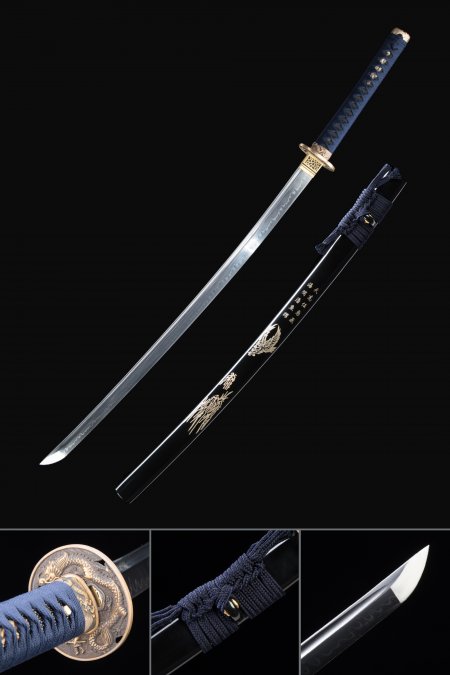
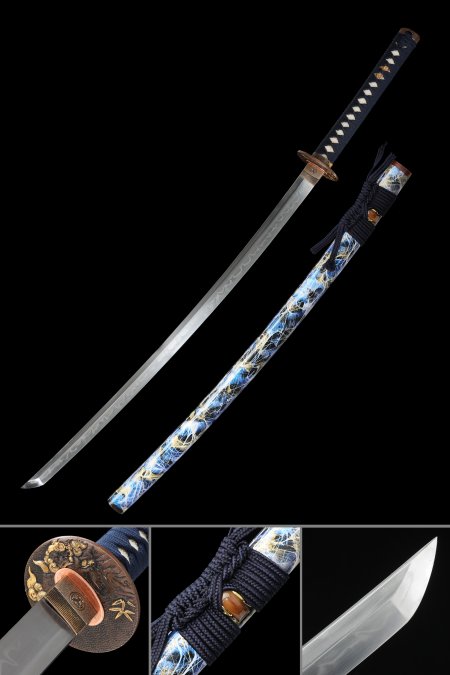
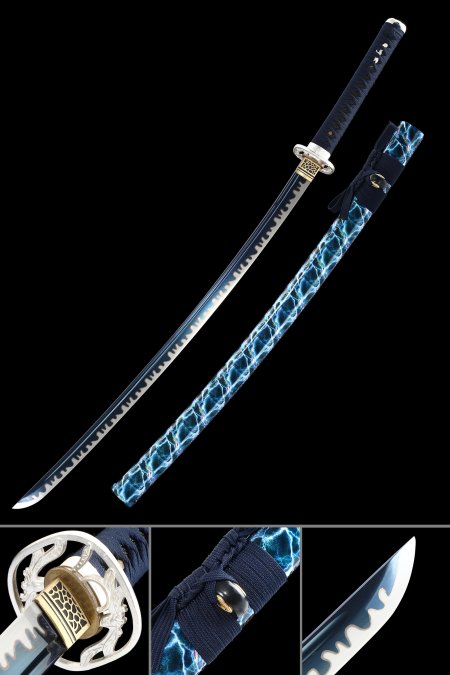
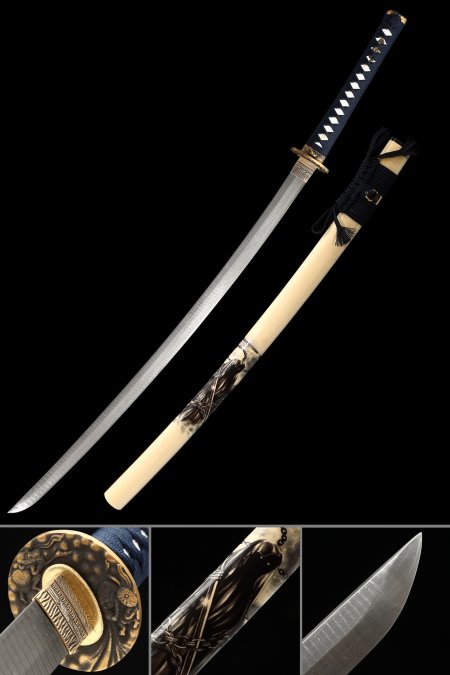
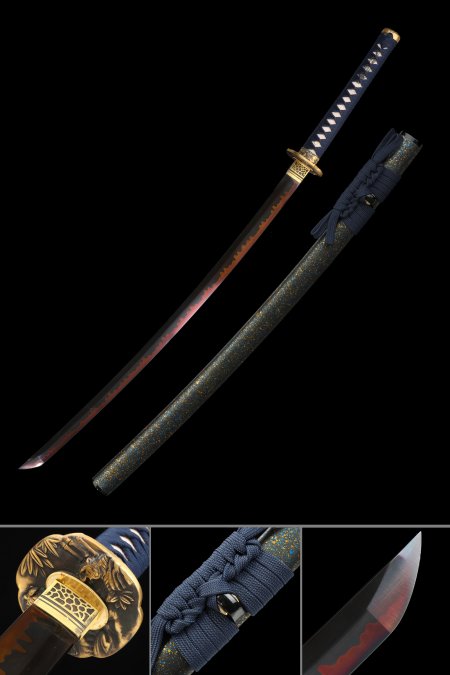
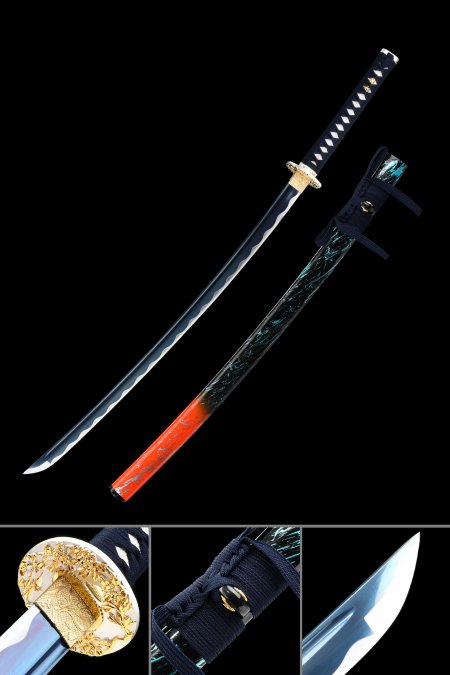
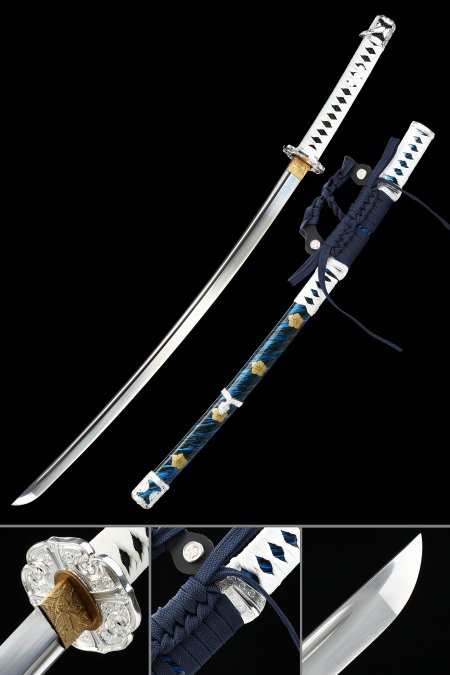
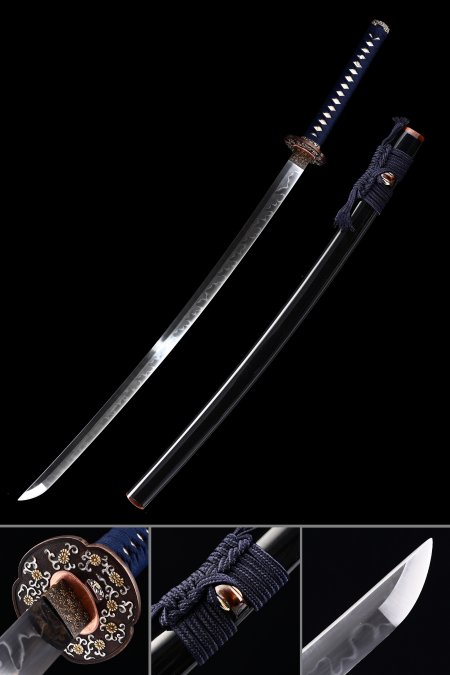
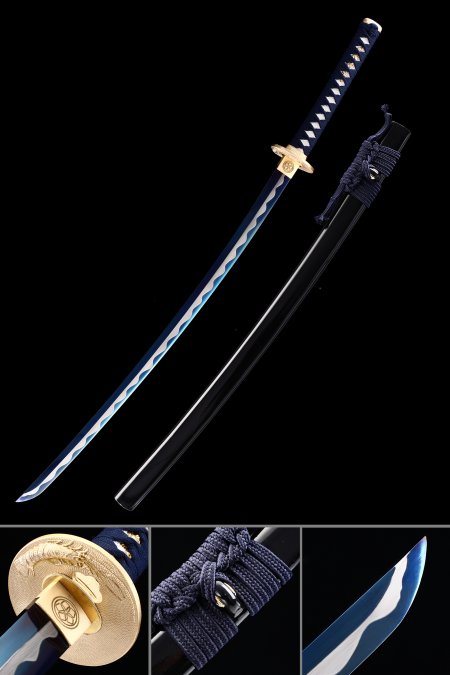
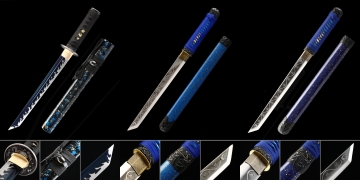
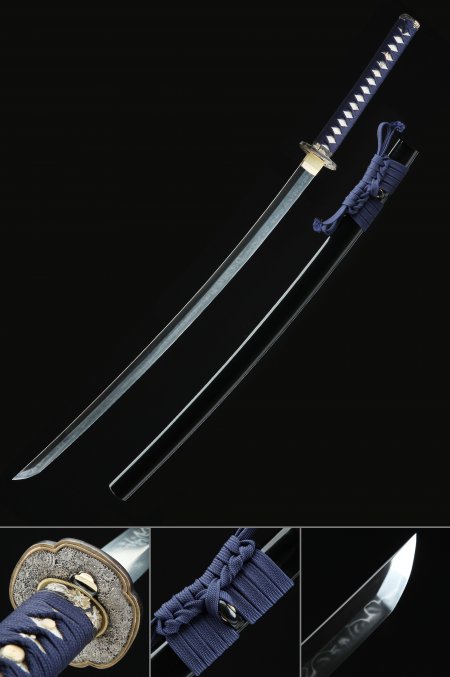
A dark blue sageo is more than a finishing detail — it anchors the entire aesthetic of a katana, tying together the tsuka wrap, tsuba, and saya into a unified, intentional composition. The pieces in this collection are hand-forged from high-carbon and specialty steels including T10 clay-tempered, Damascus, and manganese steel, each fitted with deep navy cord sageo that elevates the presentation from standard to gallery-worthy. Every sword ships with a fitted saya and arrives ready to display. Free standard shipping is included on all orders, and we stand behind every piece with a hassle-free return policy.
Showing 58 Products

Related Collections

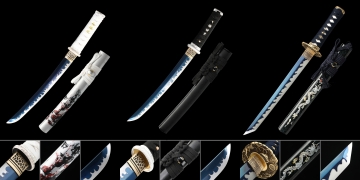
Blue Tanto10 items


68 Reviews

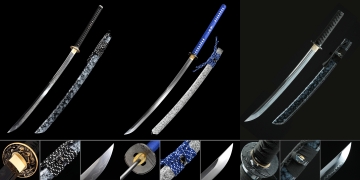
Blue Odachi4 items


16 Reviews

Blue Naginata3 items


7 Reviews

Blue Hamidashi3 items


3 Reviews

Frequently Asked Questions

What is a sageo and why does its color matter?
The sageo is the braided or woven cord attached to the kurigata — the small knob on the saya — traditionally used to secure the scabbard to the obi when worn. In classical Japanese sword fittings, sageo color was often chosen to complement or contrast the ito wrap on the tsuka, creating a visual coherence across the entire koshirae. For display and collectible pieces, the sageo remains one of the most expressive aesthetic details available. A dark blue sageo, in particular, pairs well with both black lacquer saya and natural hardwood finishes, and echoes navy ito wraps on the handle without being an exact match — a subtle design distinction that experienced collectors tend to notice and appreciate.
How does T10 clay-tempered steel differ from manganese steel?
T10 is a high-carbon tool steel with a small tungsten content that improves wear resistance and grain refinement. When clay tempered, the blade is coated in a differential clay pattern before quenching, which produces a harder edge and softer spine — and most importantly, a visible hamon activity line along the transition zone. This hamon is a genuine metallurgical feature, not a surface etching. Manganese steel, by contrast, gains its toughness from elevated manganese content rather than differential hardening. It does not typically produce a natural hamon, but it offers excellent structural resilience and a clean, consistent surface finish. For collectors prioritizing visible metallurgical detail, T10 clay tempered is the more expressive choice. For those prioritizing long-term display durability, manganese steel is a practical alternative.
How should I store a katana with a dark blue ito wrap?
Silk and cotton ito wraps — including dark blue variants — are susceptible to fading from prolonged UV exposure and moisture absorption over time. For long-term display, position the katana away from direct sunlight or use a UV-filtering display case. In humid climates, silica gel packets placed near the display stand help prevent moisture from affecting both the ito and the underlying same rayskin. The blade itself should be lightly coated with choji oil or a neutral mineral oil every few months, applied with a soft cloth and wiped thin. Avoid touching the blade surface directly, as skin oils accelerate oxidation. For storage rather than display, a soft cloth bag inside a wooden storage box provides good protection against dust and humidity fluctuation.
Can a Ghost of Tsushima replica katana work as a display piece?
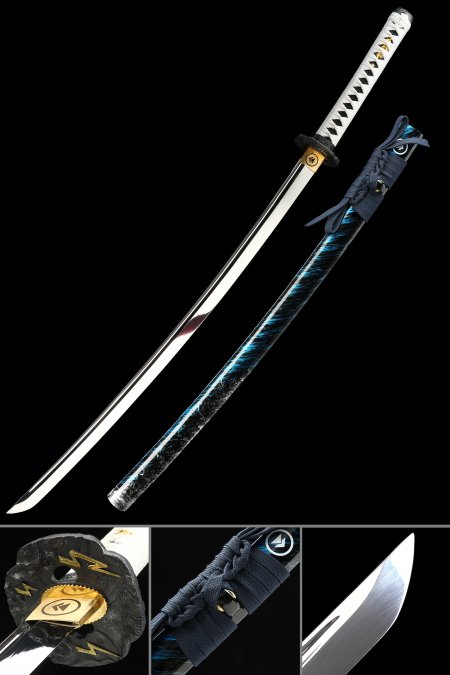
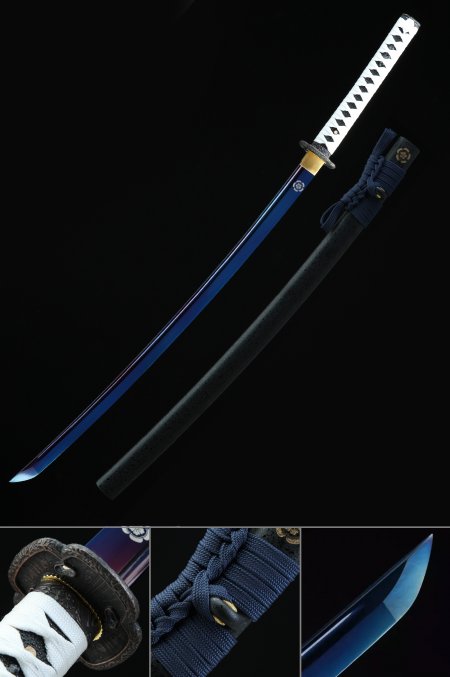
Yes — video game and film-inspired replica katana have become a recognized category within the broader collector market, particularly for younger collectors or those who appreciate the crossover between Japanese blade aesthetics and contemporary pop culture. The Jin Sakai replica in this collection is built on a 1065 carbon steel blade with a blue finish and black saya, which translates well to a standalone display even for those unfamiliar with the source material. The design draws on legitimate koshirae proportions rather than purely fantastical styling, making it compatible with traditional display stands and wall mounts. It occupies a distinct collecting niche from classical tamahagane-style pieces, but the craftsmanship standard — full-tang construction, fitted hardwood saya, finished fittings — is consistent with the rest of this collection.
What display pairing works well with a dark blue sageo katana?
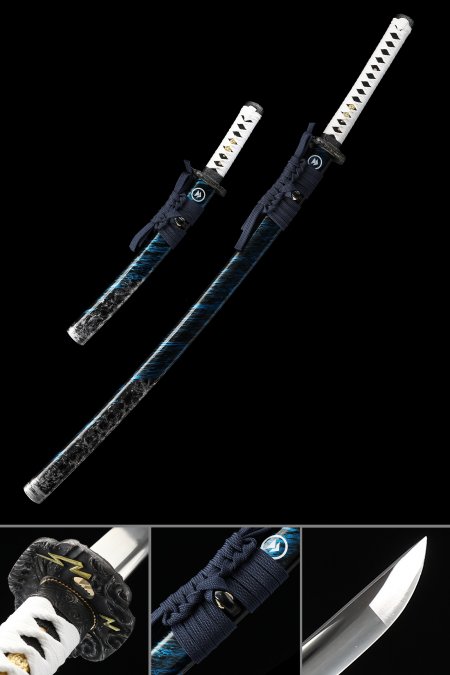
For a daisho-style display — the traditional pairing of katana and wakizashi — the Blue Scabbard Wakizashi collection offers strong visual matches, particularly pieces with navy or dark blue saya that echo the sageo color of the longer blade. When displayed side by side on a two-tier horizontal stand, matching or complementary cord colors across both pieces create a unified presentation. Collectors interested in a broader themed display case can extend the palette into different blade forms by incorporating a piece from the Dark Blue Scabbard Ninjato collection, which introduces a distinct blade geometry while maintaining the deep blue color story throughout the display.

Customer Reviews

Brenee Texas, United States

This sword is really nice and sharp. its a pretty blue tent to the blade. The only small complaint would be the container that holds the sword. The inside is like wood maybe if they color that black instead of raw material I guess it’s not really a complaint. It’s more of a suggestion honestly there there’s really no complaints really it’s a nice product.😅 I bought it for my brothers birthday! I want one myself!💛
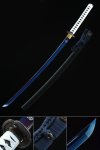
Ghost of Tsushima Katana - Jin Sakai Replica, 1065 Carbon Steel, Blue Blade, Black Saya Ghost of Tsushima Katana - Jin Sakai Replica, 1065 Carbon Steel, Blue Blade, Black Saya