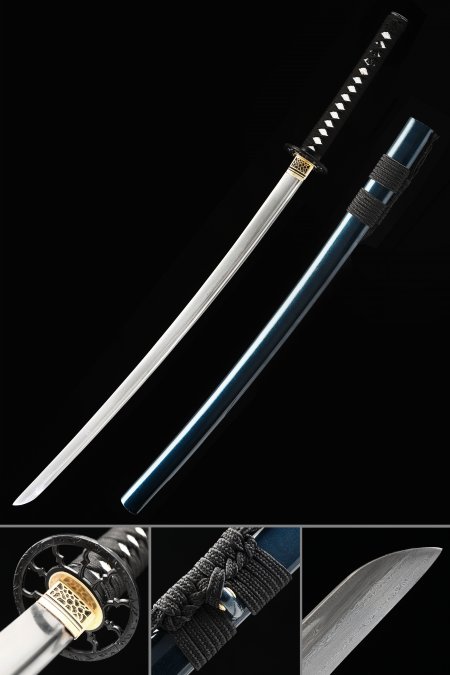
Dark Blue Saya Katana

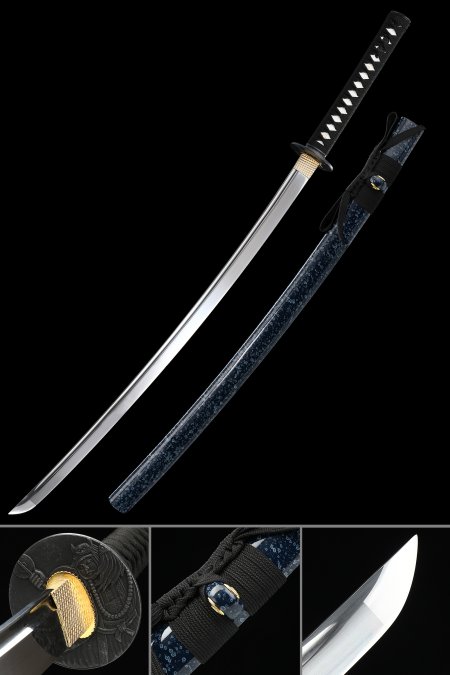
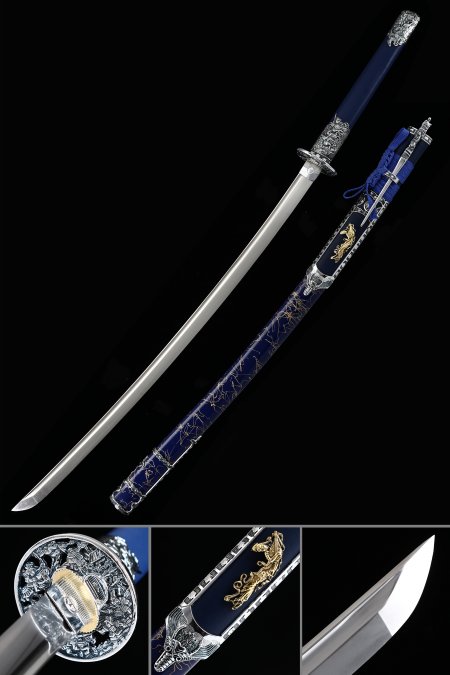
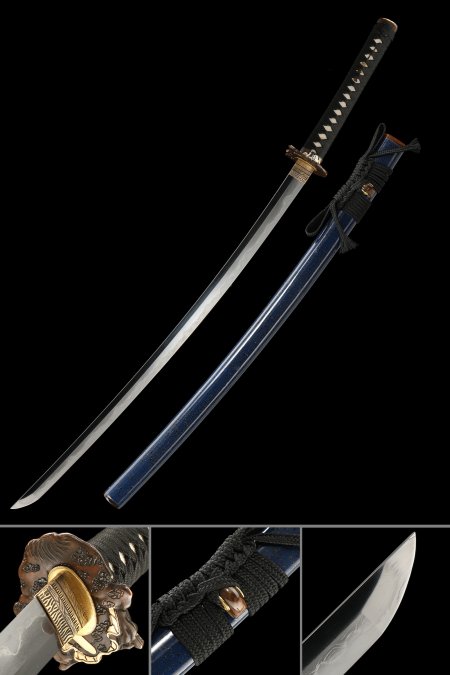
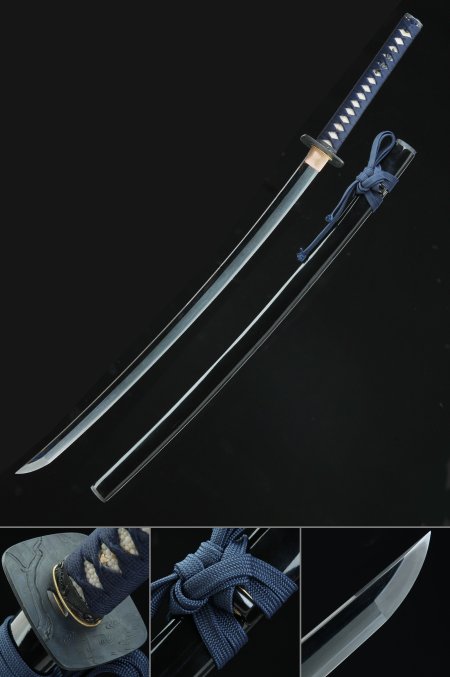
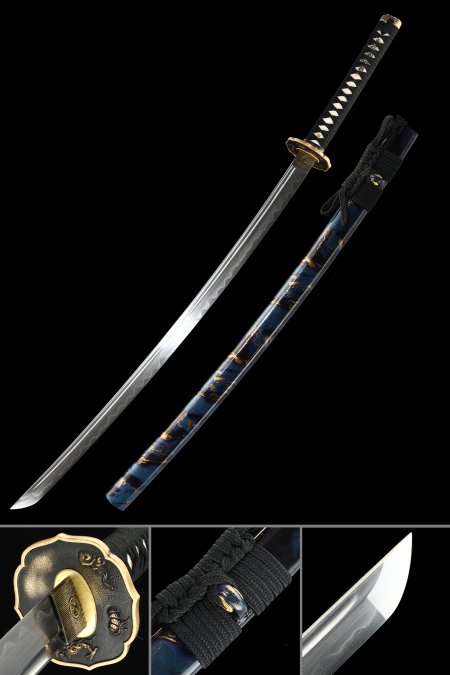
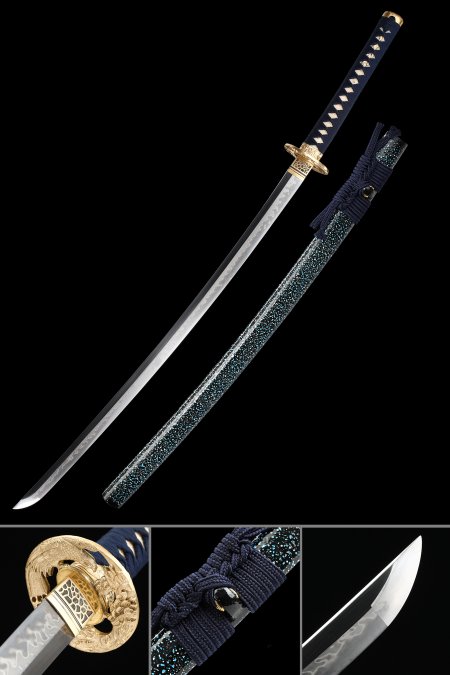
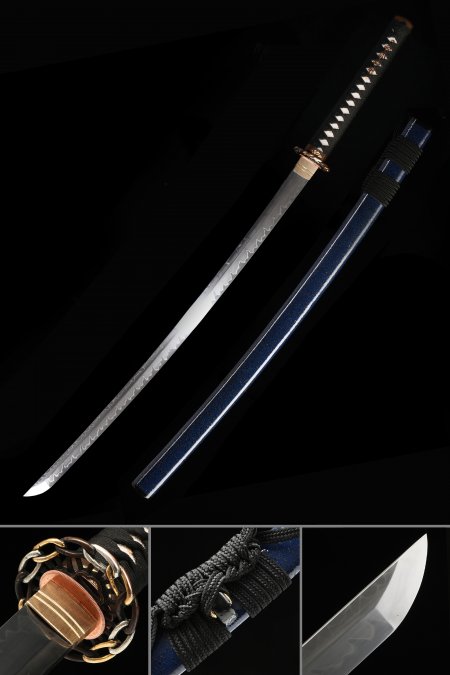
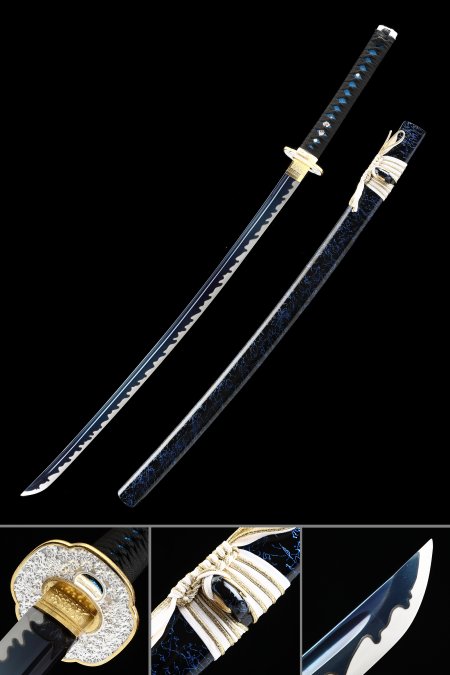
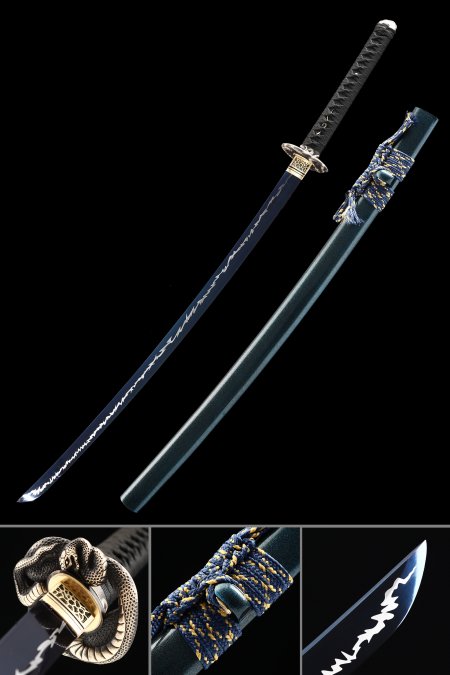
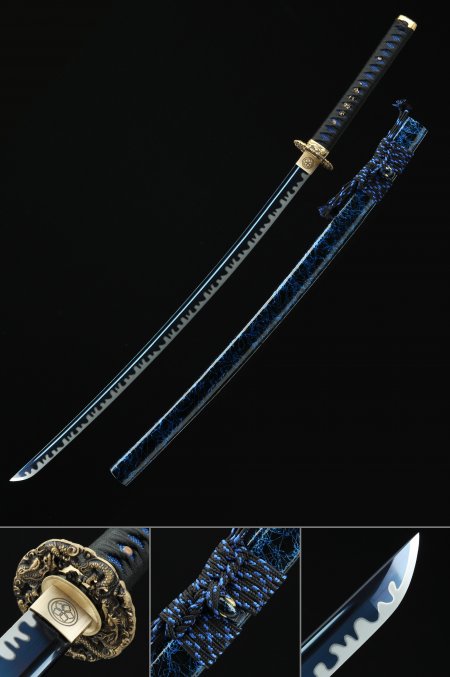
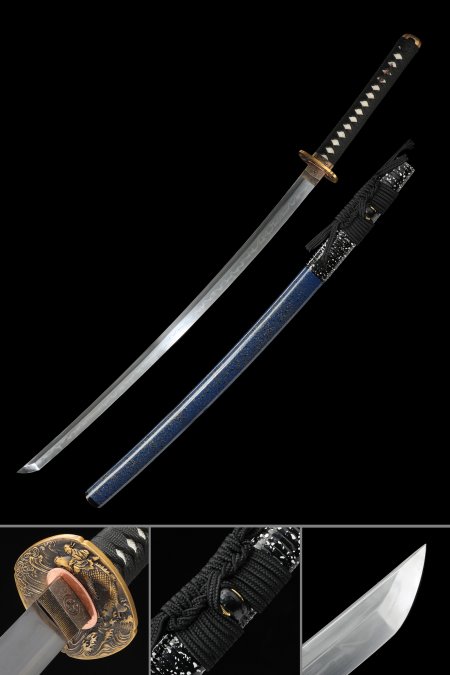
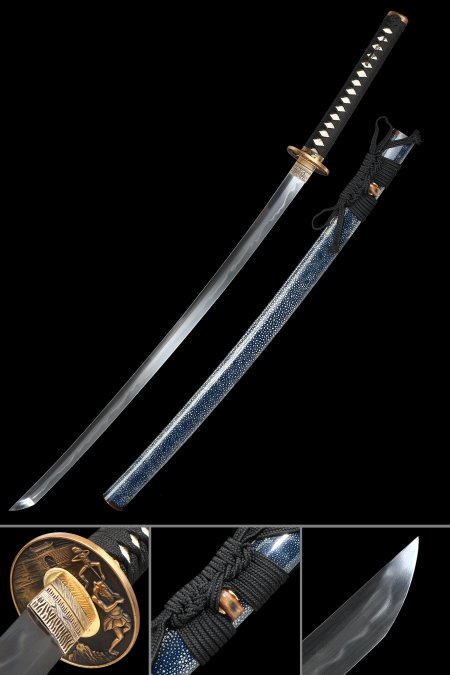
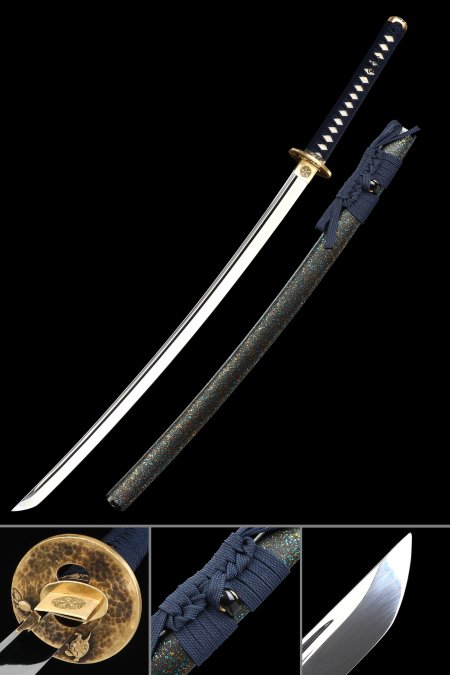
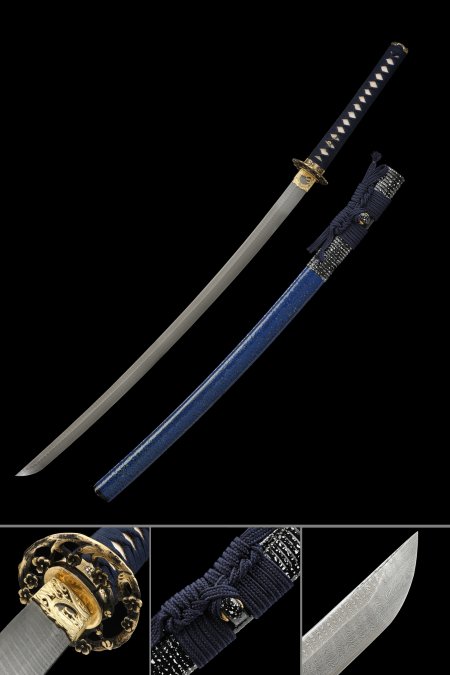
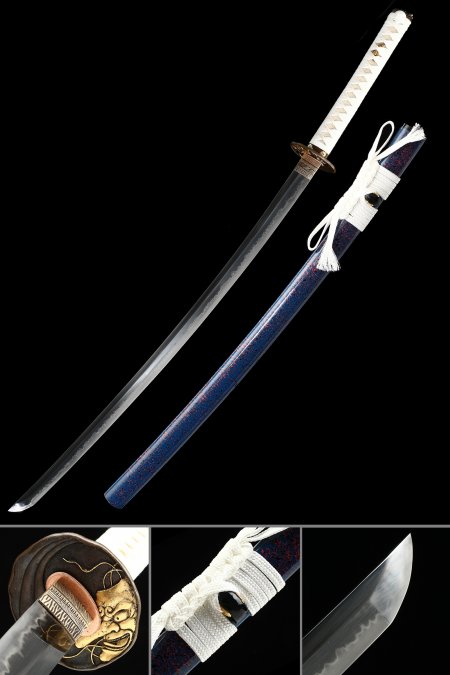
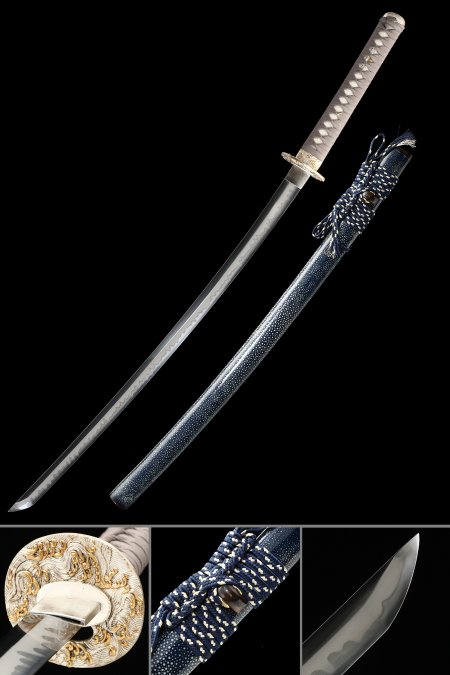
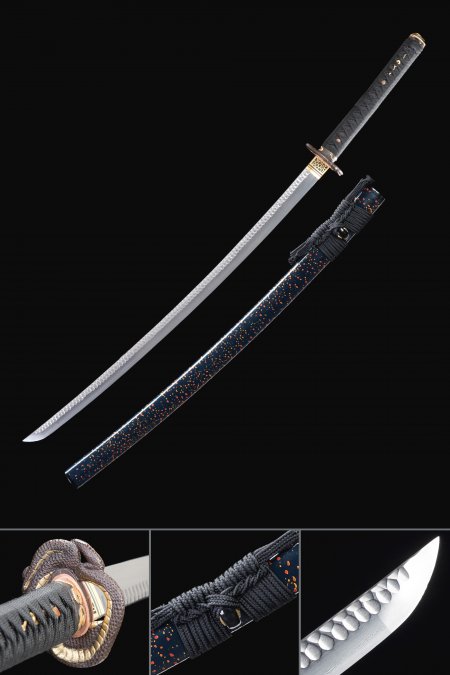
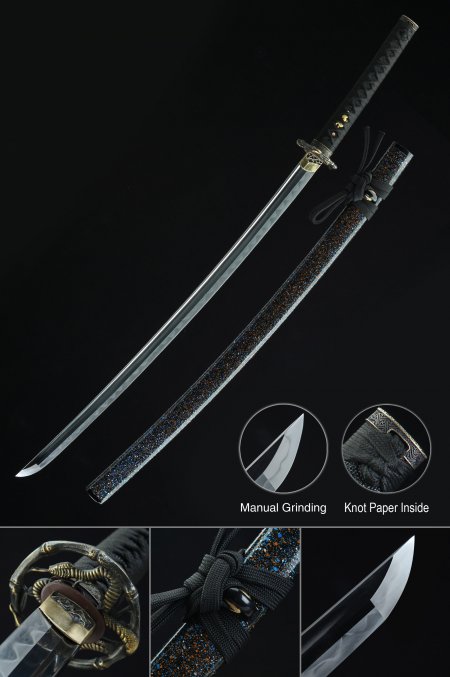
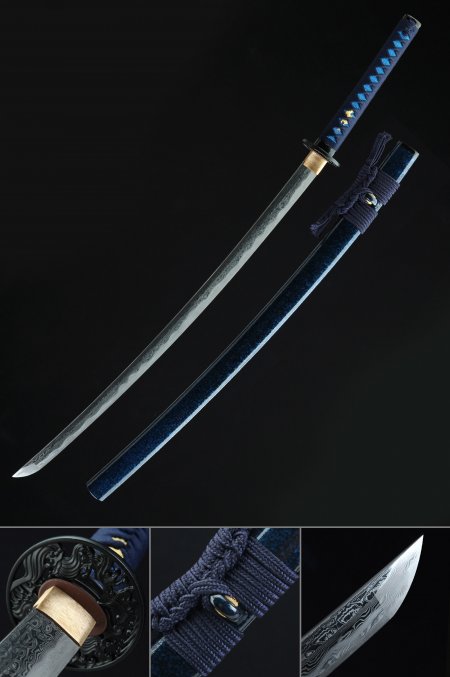
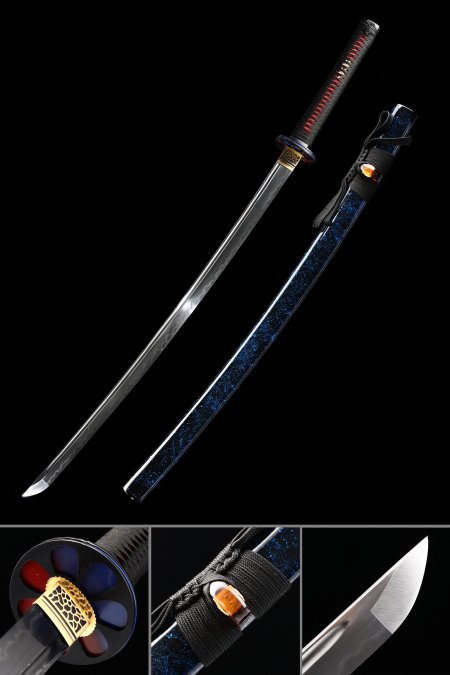
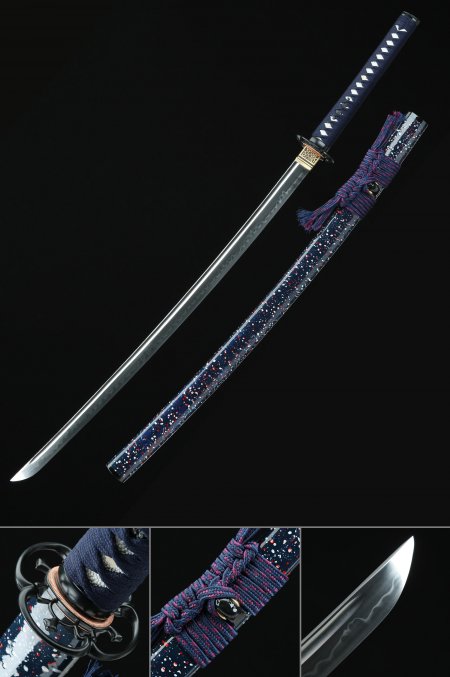
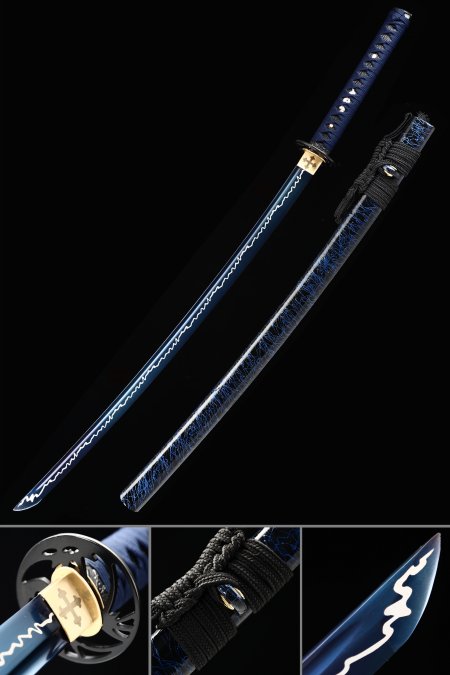
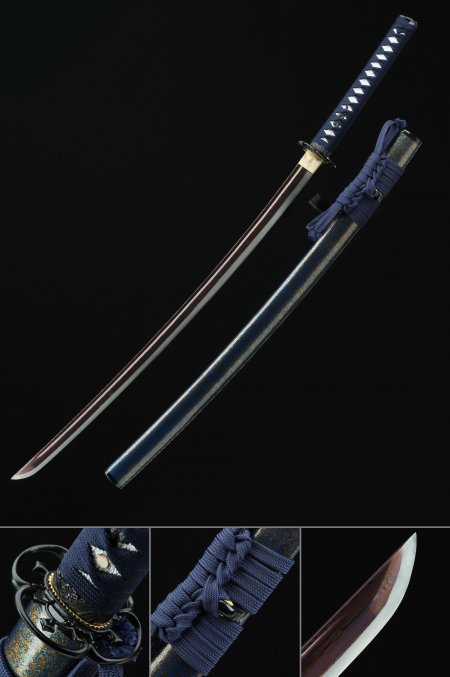
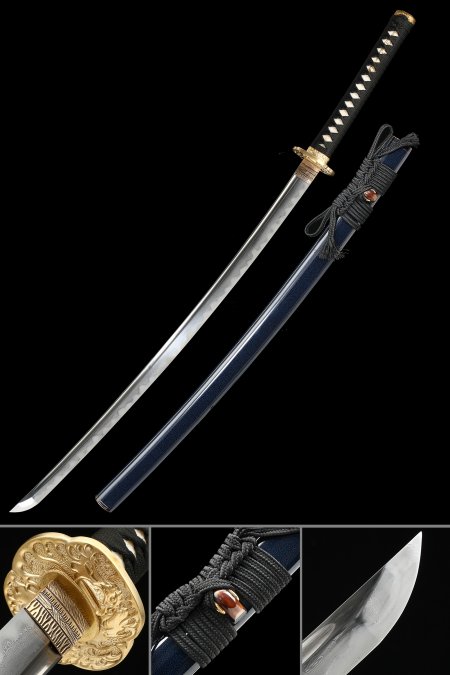
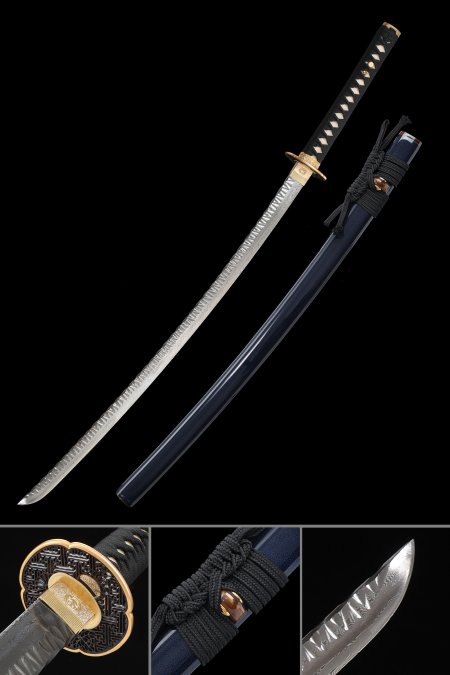
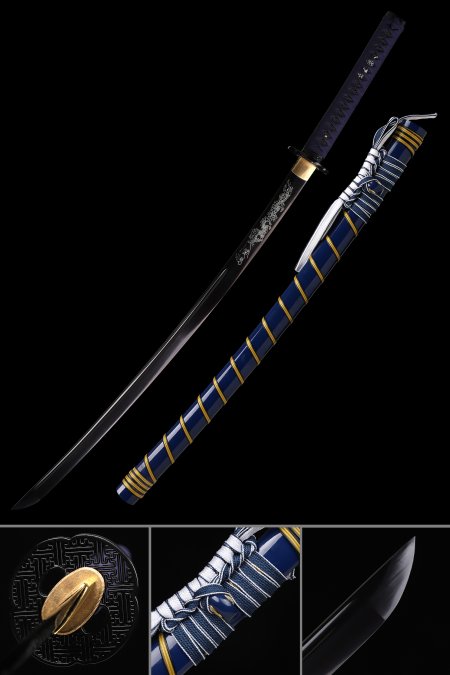
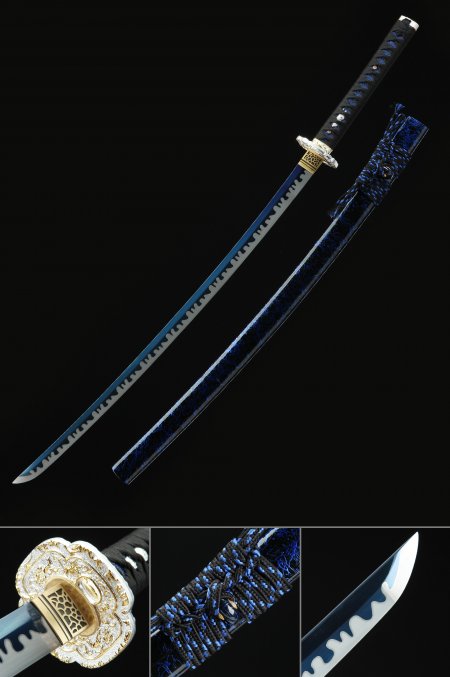
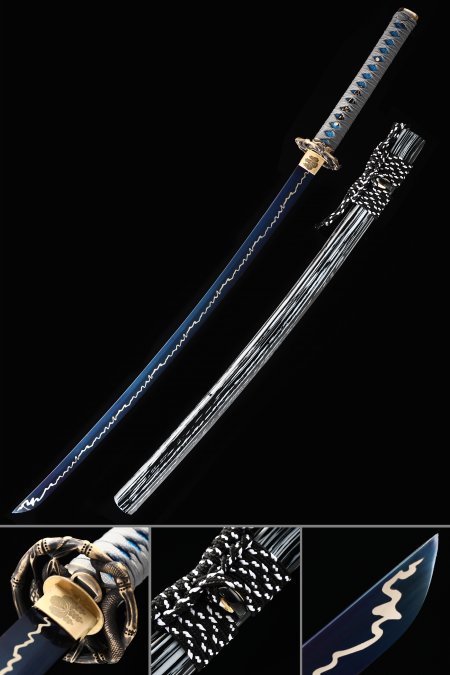
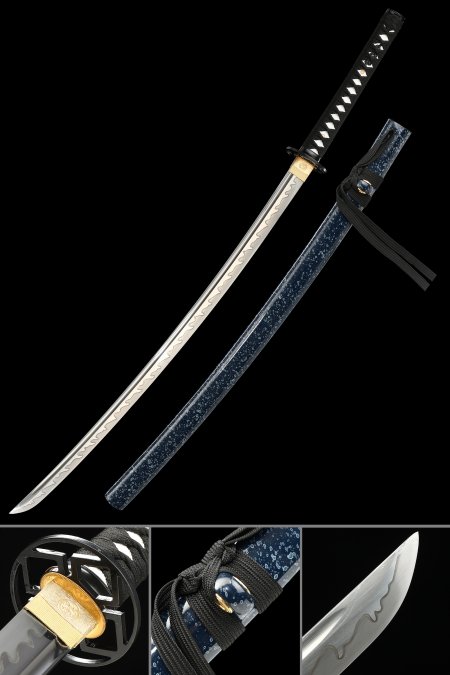
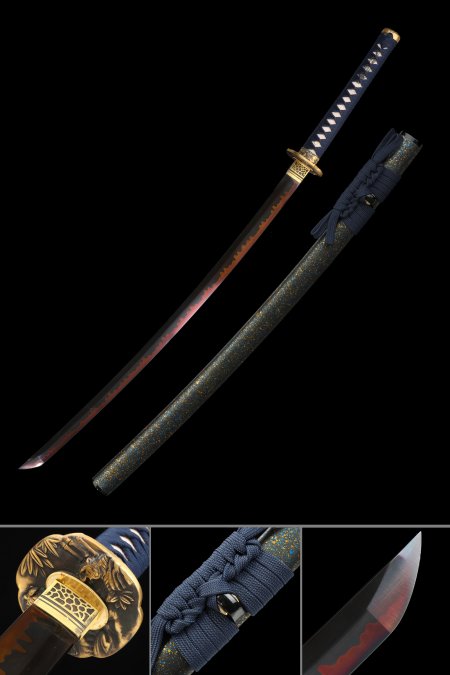
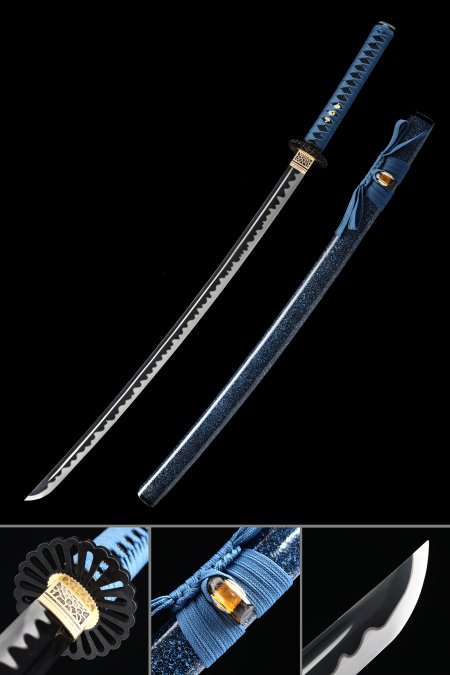
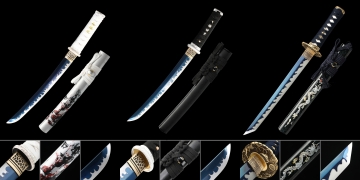
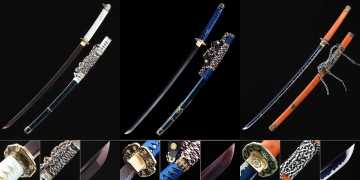
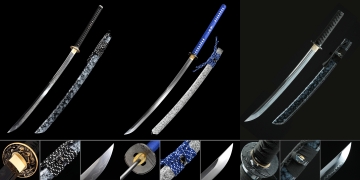
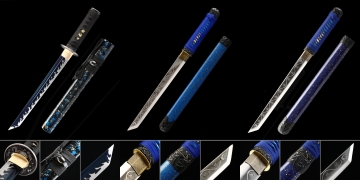
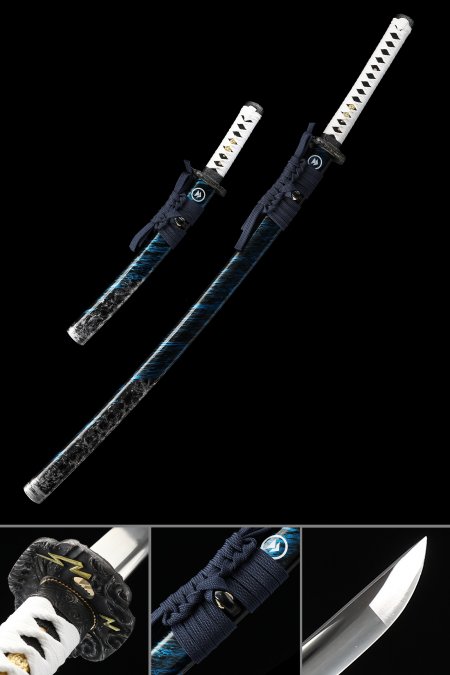
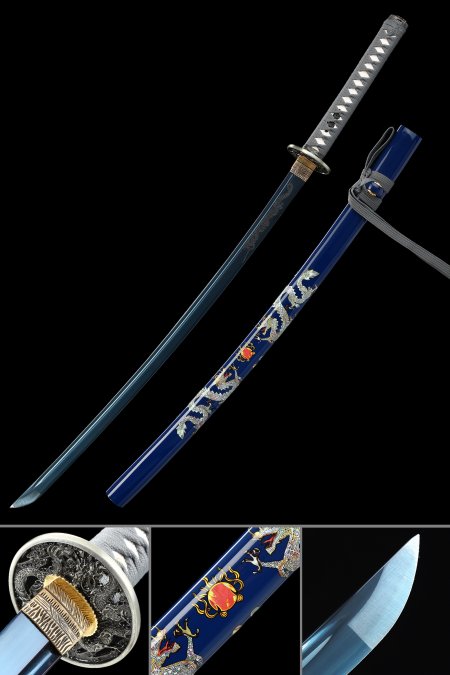
A dark blue saya transforms a katana from a display piece into a statement — one that speaks to craftsmanship, restraint, and collector's instinct. Each sword in this collection pairs hand-forged blades in 1045 carbon steel, T10, spring steel, manganese steel, and Damascus with lacquered or hardwood saya finished in deep navy and midnight blue tones. Fittings range from dragon and snake tsuba to chrysanthemum motifs, with ito wraps in black, blue, and black-red. Every piece is full-tang construction, built to be owned for a lifetime. Enjoy free shipping and hassle-free returns on your order.
Showing 34 Products

Related Collections

Blue Tanto10 items


68 Reviews

Blue Odachi4 items


16 Reviews

Blue Naginata3 items


7 Reviews

Blue Hamidashi3 items


3 Reviews

Frequently Asked Questions

What steel types appear in dark blue saya katana collections?
This collection draws on five distinct steel types, each chosen for specific visual and structural qualities. 1045 carbon steel is the most accessible, offering consistent hardness and good surface polish. T10 tool steel is favored for its fine carbide distribution, which produces a well-defined hamon line when clay-tempered — a detail highly visible against a polished or blue-treated blade. Spring steel is selected for flexibility and its tendency to develop a subtle blue-grey surface tone under heat treatment. Manganese steel, less common in decorative pieces, naturally takes on a blue cast that pairs well with lightning hamon engravings. Damascus (folded) steel shows layered grain patterns across the blade face, making the forging process itself part of the visual appeal. Collectors focused on material authenticity should note that T10 and Damascus pieces typically carry the most distinctive surface detail.
How is the dark blue color achieved on the saya?
The deep blue finish on these scabbards is achieved through different methods depending on the piece. Hand-painted lacquer involves applying multiple coats of urushi-style lacquer over a wooden saya core, each layer sanded before the next is applied — the result is a smooth, hard surface with considerable depth of color. Piano lacquer finishes follow a similar process but are polished to a higher gloss, producing a near-mirror effect that intensifies the blue under direct light. Hardwood saya with blue stain or light lacquer allow the wood grain to remain visible beneath the color, creating a warmer, more organic appearance. Each method produces a different visual character: high-gloss lacquer reads as formal and precise, while grain-visible finishes feel more artisan. Collectors displaying under gallery lighting often prefer piano lacquer for its reflective quality.
What tsuba designs are available in this collection?
Tsuba — the handguard — carries significant visual weight in any katana display, and the dark blue saya collection includes several distinct motif categories. Snake tsuba in gold-silver alloy add a naturalistic, sinuous element that contrasts sharply against dark blue lacquer. Dragon tsuba, traditionally associated with power and elemental force in Japanese iconography, appear in both detailed relief and silhouette styles. Chrysanthemum tsuba reference the imperial flower of Japan, lending a more formal, court-influenced aesthetic. Lightning-engraved tsuba appear alongside the blue blade manganese steel pieces, creating a cohesive storm-and-sky visual theme across blade, tsuba, and saya. Collectors assembling a thematic display should consider whether they want consistent motifs across pieces or intentional contrast between blade and guard imagery.
How should I store and maintain a lacquered blue saya katana?
Lacquered saya require specific storage conditions to preserve both the finish and the blade within. Humidity is the primary concern: sustained exposure above 60% relative humidity can cause the lacquer to soften, crack, or bubble over time. A climate-controlled display case with a silica gel desiccant pack is the most reliable solution for long-term preservation. The blade itself should be lightly coated with choji oil or a neutral mineral oil every three to six months to prevent oxidation — apply with a soft cloth and wipe away any excess before reinserting the blade into the saya. Avoid storing the katana in direct sunlight, as UV exposure fades blue lacquer finishes more rapidly than darker colors. When removing or inserting the blade, hold the saya horizontally rather than angled, which reduces stress on the koiguchi (mouth of the scabbard) over repeated handling.
Is a dark blue saya katana a suitable gift for a collector?
A dark blue saya katana is one of the stronger choices in Japanese sword collecting as a gift, precisely because the color distinction makes it feel intentional rather than generic. The navy and midnight blue palette reads as sophisticated to collectors who have already acquired more traditional black or natural wood saya pieces. For a first-time recipient, a T10 carbon steel piece with a real hamon offers immediate visual interest — the wavy temper line along the blade is one of the most recognizable marks of traditional Japanese sword craft and gives the new collector something specific to learn about and discuss. For experienced collectors, Damascus or spring steel pieces with matched blue ito and themed tsuba offer more layered detail. All pieces in this collection are full-tang, which is considered a baseline quality standard among knowledgeable collectors and signals that the gift was chosen with informed intent.

Customer Reviews

Wayne Kienitz Ontario, Canada

2 years ago I became aware of the Phoenix weapon. It is activated every 138 years. In 2040 middle of May the Phoenix Phenomena will cause a pole shift, worldwide quakes, worldwide volcanism, oceans slip basins, coastal tsunamis. Atmospheric convergence will render the reptilians unable to disguise themselves. These swords are for the protection of my family and I. Phoenix also brings the Vapor Canopy atmosphere bringing optimal conditions for growth of all lifeforms. Gigantism will return. Meaning giant animals, Avians, insects and humans. And yes reptiles. Dinosaurs. Giant birds will swoop down and take humans away to be eaten. Get your swords chop those birds down and eat THEM. r
Yours Truly, Adam Wayne Herod
Sakabato Reverse Blade Katana - 1000 Layer Folded Steel Rurouni Kenshin Sword with Blue Lacquer Saya Sakabato Reverse Blade Katana - 1000 Layer Folded Steel Rurouni Kenshin Sword with Blue Lacquer Saya
Angelo Long Maryland, United States

The sword looks exactly as advertised on the shop, and the blade even came oiled. I can tell that the saya really was handcrafted to fit the blade because when I sheathe the sword, there’s literally no room for error once I get to the hilt. Very good product and I’m more than happy with my purchase, I plan on buying more swords from you guys for sure!
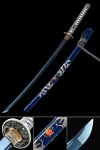
1065 Carbon Steel Blue Blade Katana with Dragon-Themed Saya in Deep Blue Lacquer and Grey Cord Wrap 1065 Carbon Steel Blue Blade Katana with Dragon-Themed Saya in Deep Blue Lacquer and Grey Cord Wrap