Free Shipping
199.00 USD

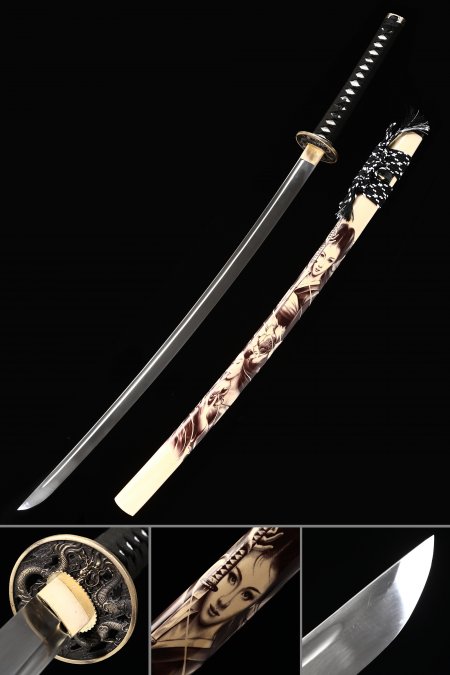
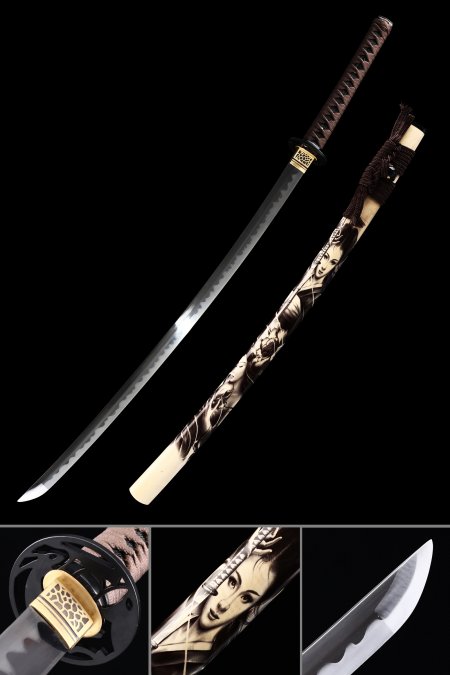
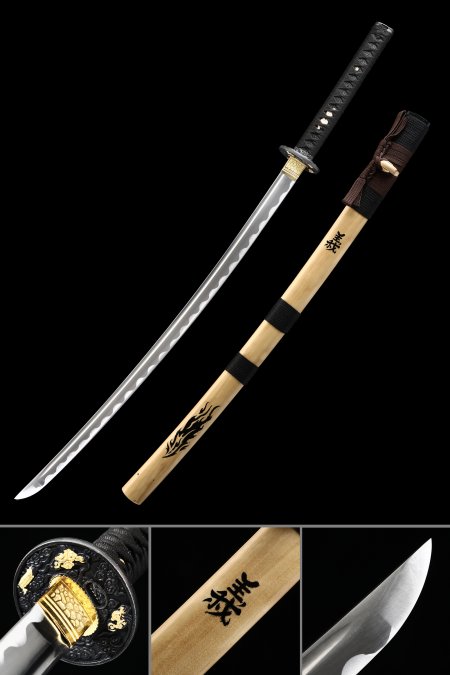
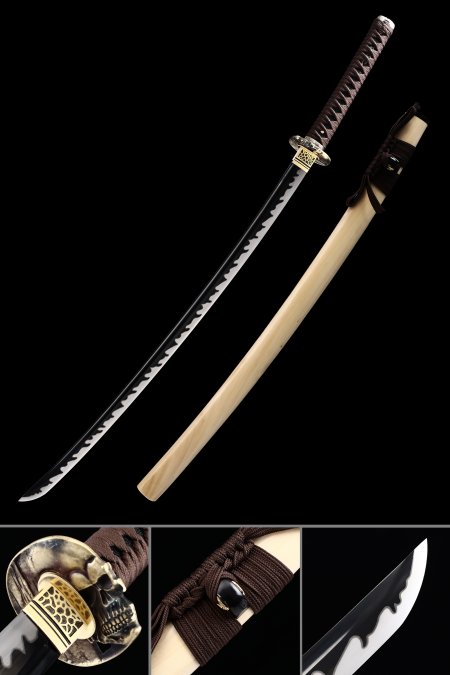
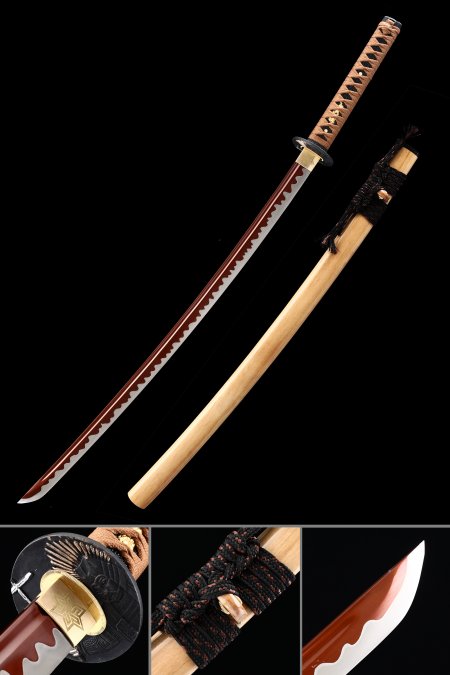
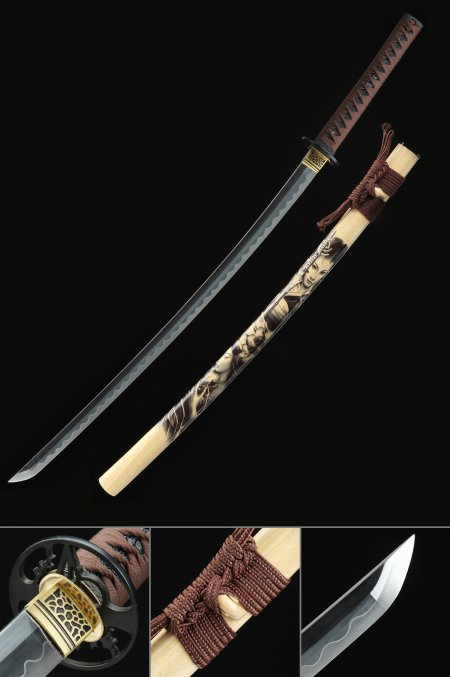
Each Natural-wood Manganese Steel Katana in this collection pairs a hand-forged manganese steel blade with a genuine natural wood saya, delivering the warmth and authenticity that serious collectors prize. From hand-painted samurai-scene scabbards to dragon-carved hardwood, every sheath is a work of art in its own right - matched by full-tang construction and meticulously wrapped ito handles. Whether displayed on a stand or added to a growing collection, these katana make an exceptional gift for any admirer of Japanese sword craft. Enjoy free shipping on your order, plus hassle-free returns.
Sword is legit and authentic. I definitely recommend.
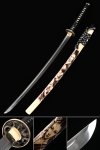 |
Spring Steel Dragon Katana with Geisha-Painted Hardwood Saya in Black Ito and Snake Tsuba Collectible Sword |
This was the 3rd sword I've received from True Katana recently and once again exquisite. It arrived on time well packaged in perfect condition and is sharp as all 3 from True Katana have been and it is absolutely beautiful. True Katana blades are top notch and priced well. True Katana not only has my trust but my loyalty. Excellent customer service and quality real deal blades each masterfully crafted with attention to detail. I highly recommend True Katana...
|
Spring Steel Dragon Katana with Geisha-Painted Hardwood Saya in Black Ito and Snake Tsuba Collectible Sword |
This is the most beautiful sword I ever seen it’s really heavy and the color is beautiful. Best purchase I ever made and the sword is so sharp!
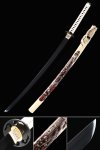 |
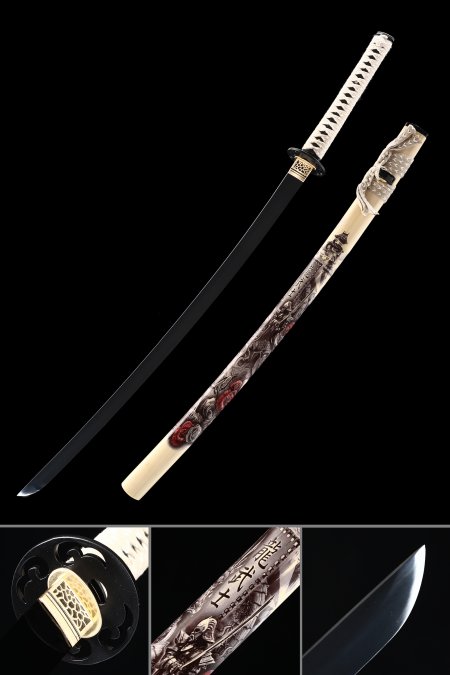
Spring Steel Katana with Black Blade and Dragon-Themed Carved Saya in White Tsuka Wrap |
I absolutely love this sword!! When I ordered it I thought it would take awhile to get to me, but it made it before the expected delivery date! I would highly recommend shopping at truekatana.com, when I order another sword I will be going here!
|
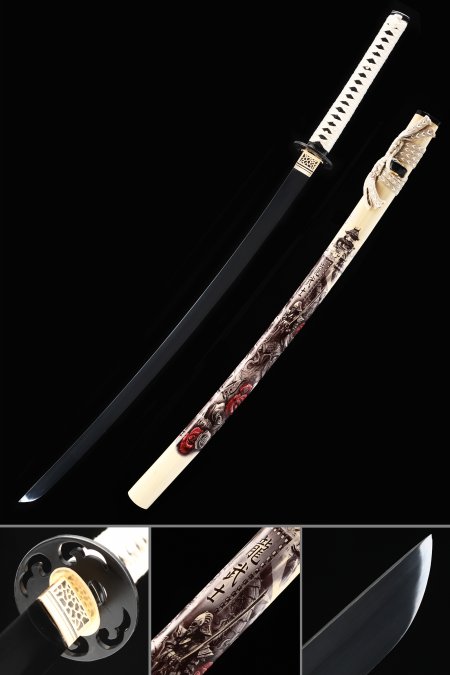
Spring Steel Katana with Black Blade and Dragon-Themed Carved Saya in White Tsuka Wrap |
Excellent product 👌
I got it for my son's birthday and he is in love with it. I'm sure I'll get one for myself soon!Thanks guys keep doing what you doing!
|
Spring Steel Katana with Black Blade and Dragon-Themed Carved Saya in White Tsuka Wrap |
It arrived earlier than expected and was also much greater quality from what I expected for the price. It's very sharp and I love the color of the blade.
|
Spring Steel Katana with Black Blade and Dragon-Themed Carved Saya in White Tsuka Wrap |
Package was packed great. Sword was un-damaged. Tracking information was great so I knew when to expect it. Would definitely order from this site again.
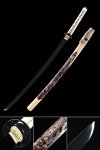 |
Manganese Steel Katana with Hand-Painted Samurai Scene Natural Wood Saya in White |
WoW , the katana is amazing , quality is really good , was stress out before receving , but now i will order others soonner or later
|
Spring Steel Katana with Black Blade and Dragon-Themed Carved Saya in White Tsuka Wrap |