
Olive Manganese Steel Katana
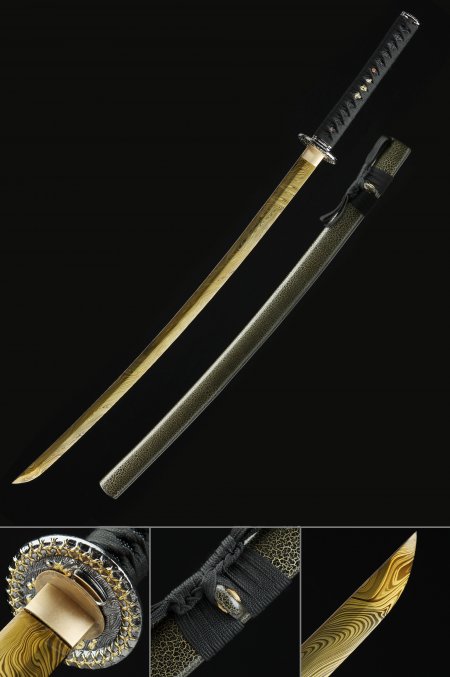
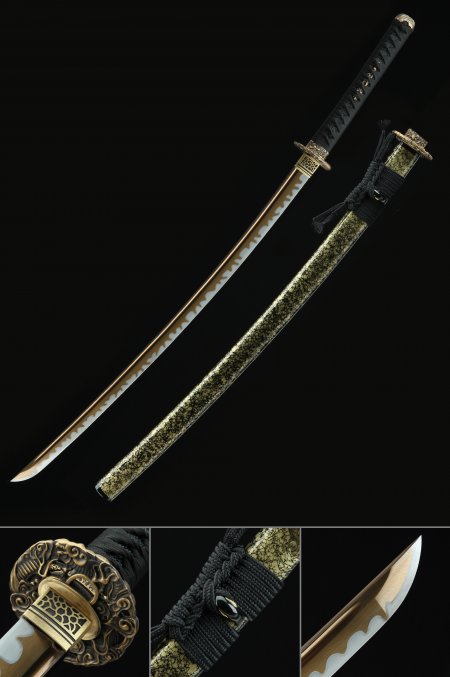
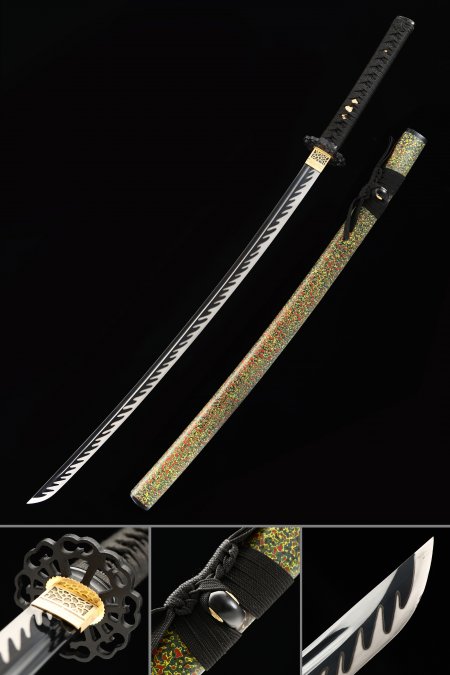
Each Olive Manganese Steel Katana in this collection is hand-forged from high-carbon manganese steel, paired with a distinctive olive lacquer saya that sets it apart from standard production pieces. Artisan-crafted fittings - from engraved tsuba to silk-wrapped tsuka - make every sword a worthy centerpiece for any serious display or collection. Enjoy free shipping on your order, with hassle-free returns should anything fall short of your expectations.
Free Shipping
249.00 USD
Free Shipping
299.00 USD
Related Collections
Blue Manganese Steel Ninjato10 items
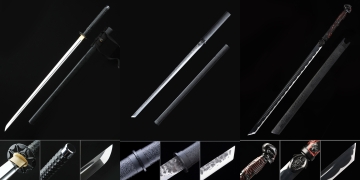
Black Manganese Steel Ninjato31 items
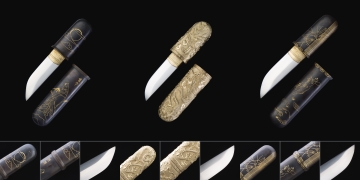
Manganese Steel Aikuchi4 items
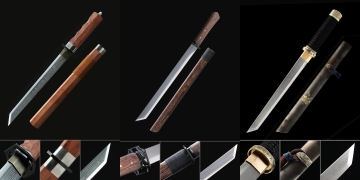
Manganese Steel Hamidashi21 items
Frequently Asked Questions
What makes manganese steel different from high-carbon steel?
Manganese steel is alloyed with a higher proportion of manganese than standard high-carbon steel, which significantly increases the material's toughness and resistance to surface deformation. In practical terms for a collectible katana, this means the blade holds its ground geometry well during the grinding and polishing stages, resulting in a cleaner surface finish. High-carbon steel at similar hardness ratings can be more brittle under lateral stress, whereas manganese steel absorbs that energy more effectively. For a display piece that may occasionally be handled or test-cut, this toughness margin is meaningful. The trade-off is that manganese steel can be slightly harder to bring to a mirror polish than some premium carbon steels, which is why the finish quality of a forged manganese blade reflects the skill of the individual smith.
How is the olive lacquer finish applied to the saya?
The saya in this collection starts as a fitted hardwood core, typically ho wood, shaped precisely to the blade's profile so the sword seats securely without rattling. The olive lacquer finish is then built up in multiple coats, with each layer allowed to cure fully before the next is applied. Depending on the specific design, craftsmen may add a crackle texture - achieved by manipulating the drying conditions of the topcoat - or a smoother, more uniform surface. The distinctive olive tone itself comes from the pigment blend used in the lacquer mixture, which shifts slightly between pieces due to hand application. This minor variation is considered a mark of handcraft authenticity rather than a quality defect, and it means no two saya in the collection are perfectly identical.
Are these katana suitable for wall display, and what mount works best?
Yes, these pieces are proportioned and finished specifically with display in mind. A horizontal katana wall mount - either a single-tier or two-tier stand that allows the blade to rest edge-upward in traditional Japanese presentation style - is the most common choice. The olive lacquer saya photographs exceptionally well under warm LED lighting, which enhances the depth of the lacquer tones. When mounting, ensure the display location avoids direct sunlight, which can cause lacquer discoloration over time, and keep ambient humidity moderate. If displaying alongside a wakizashi, a two-tier daisho stand creates a visually balanced pairing. The tsuba and tsuka fittings on these pieces are designed with proportions that read clearly from across a room, making them effective focal points in both home and office settings.
How should I maintain the blade to prevent oxidation over time?
Manganese steel, like all carbon-based alloys, will develop surface oxidation if left unprotected for extended periods, especially in humid environments. The standard maintenance routine for a collectible katana involves lightly applying a thin coat of choji oil - a traditional Japanese mineral oil blend - along the entire blade surface every two to three months, or after any handling. Before oiling, remove the previous coat using a soft cloth or rice paper (nugui-gami) to avoid oil buildup, which can attract dust and mask the blade's surface finish. Store the sword horizontally on a stand or in its saya, never in a sealed case without airflow, as trapped moisture is the primary cause of blade patina in storage conditions. Avoid touching the blade surface with bare hands, as fingerprint acidity accelerates oxidation noticeably on polished steel.
What tsuba designs are featured in this collection, and do they match the saya?
The collection features several distinct tsuba designs, each selected to complement the color palette and decorative theme of its paired saya. Cherry blossom engravings appear on pieces with classic olive lacquer finishes, reinforcing a spring-season aesthetic. Dragon motifs in cast metal accompany the floral olive lacquer saya, creating a contrast between the organic gold tones of the blade and the green-earth tones of the scabbard. Chrysanthemum tsuba designs are paired with multicolor lacquer finishes, where the complexity of the guard echoes the layered color work on the saya. This coordinated design philosophy means collectors can assess a piece as a complete visual composition rather than evaluating each fitting in isolation, which is the approach most experienced katana collectors use when acquiring display-grade swords.
Customer Reviews
Elaine Marie Vanhoozer
Iowa, United States
My son was simply ecstatic when he received the sword. It is beautifully crafted and the blade design is simply amazing.
We are very happy with our purchase and will be back again to order additional product.
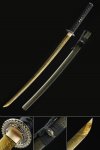 |
Golden Blade Katana - Spring Steel Clay Tempered Sword with Snake Tsuba and Olive Crackle Saya |