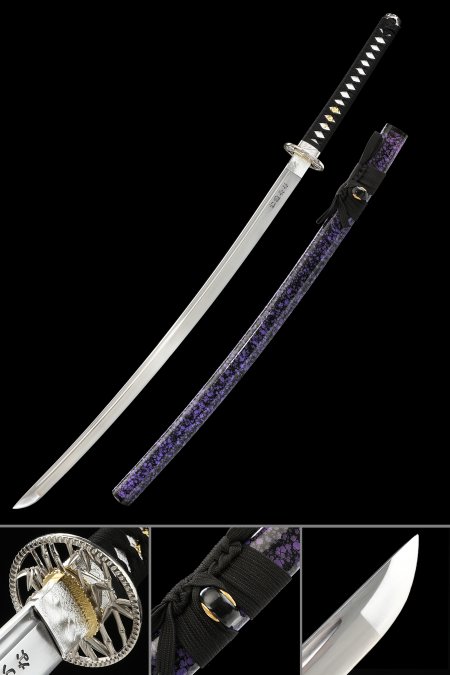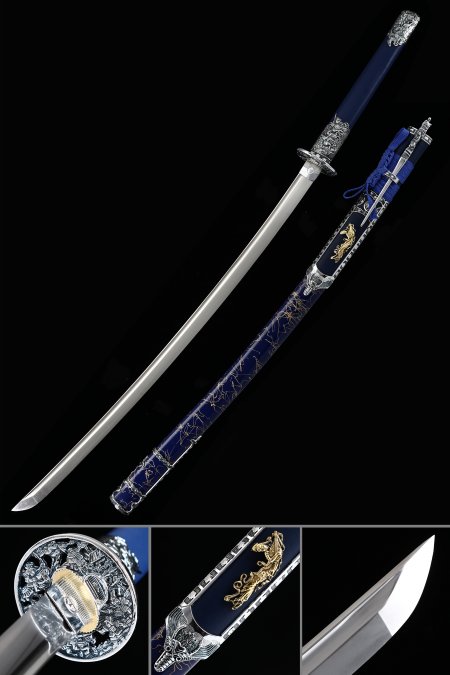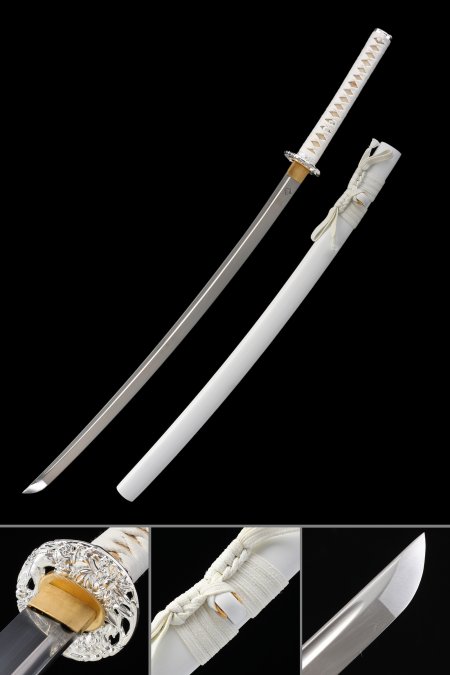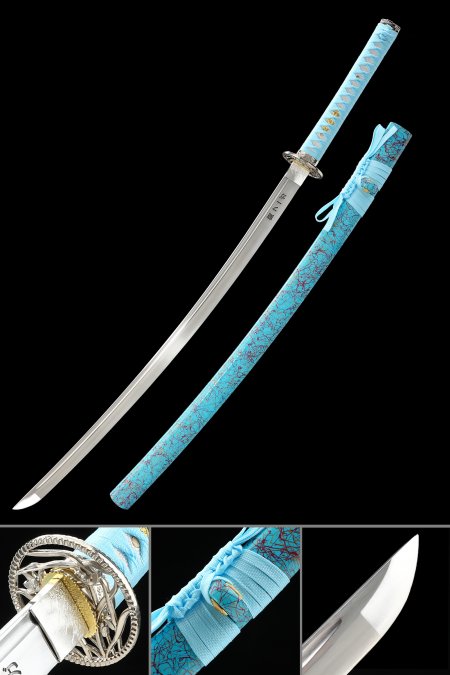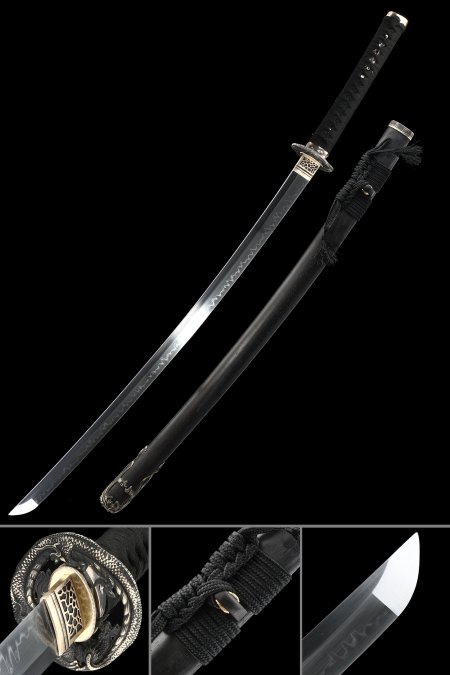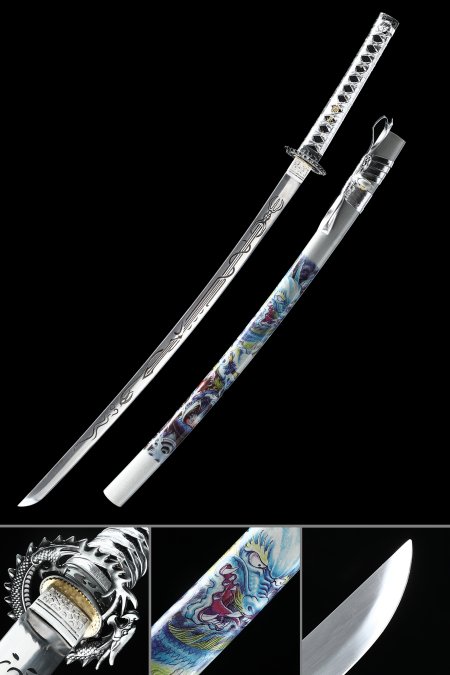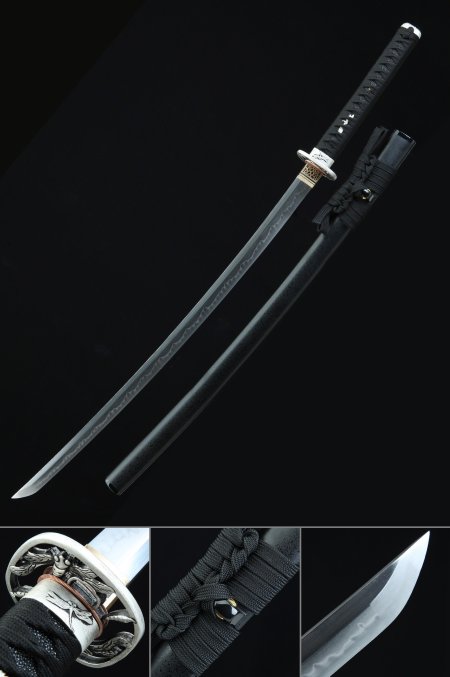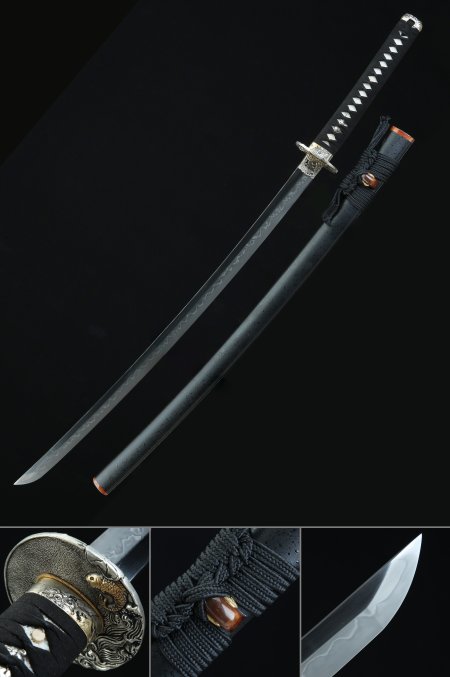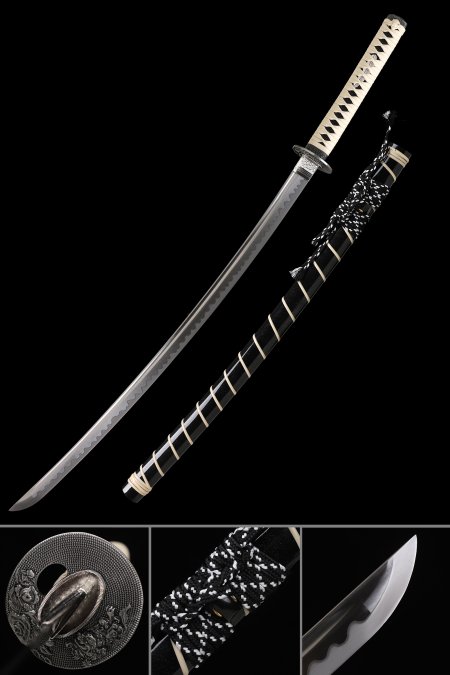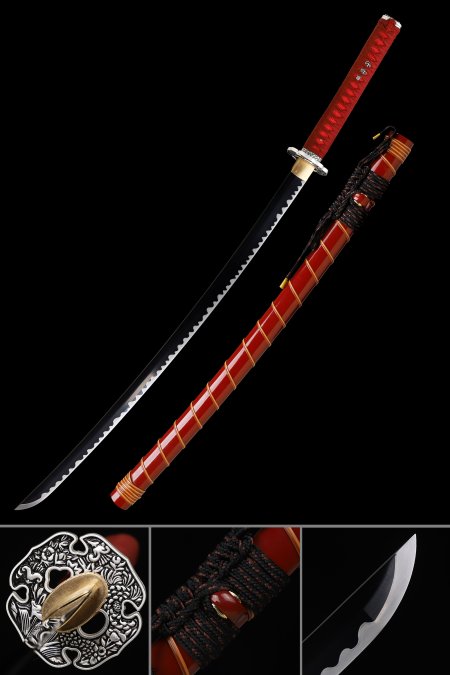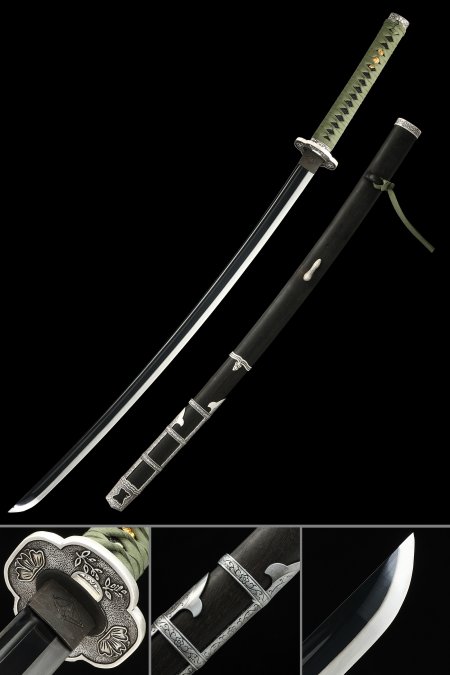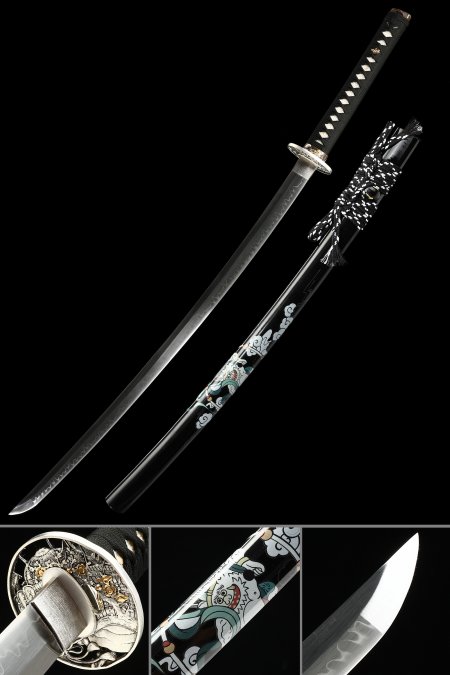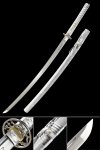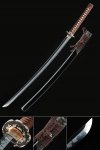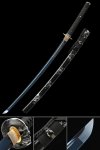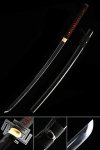
Silver Tsuba Katana

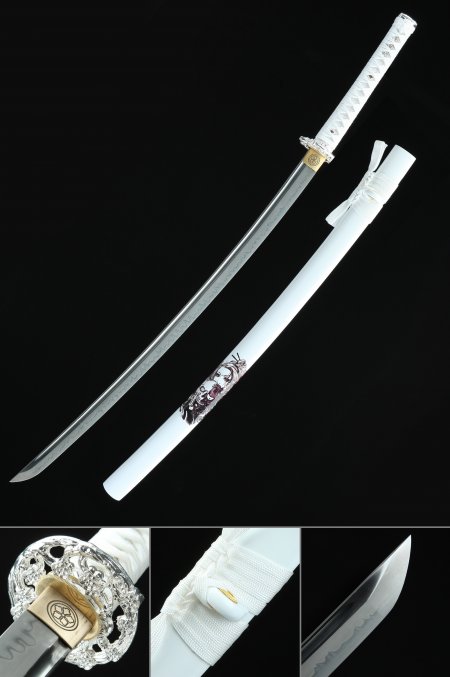
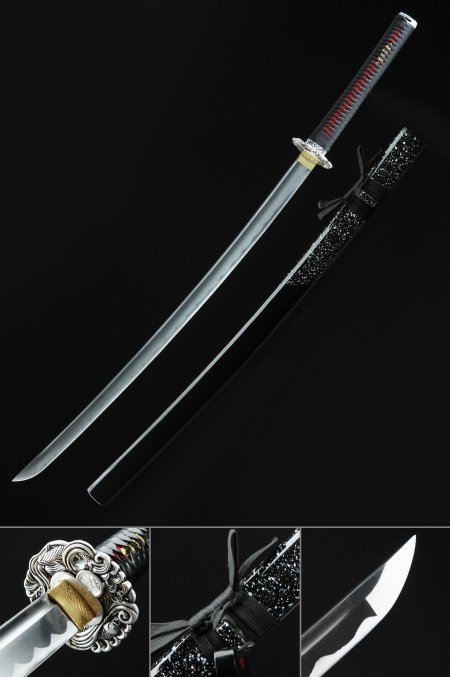
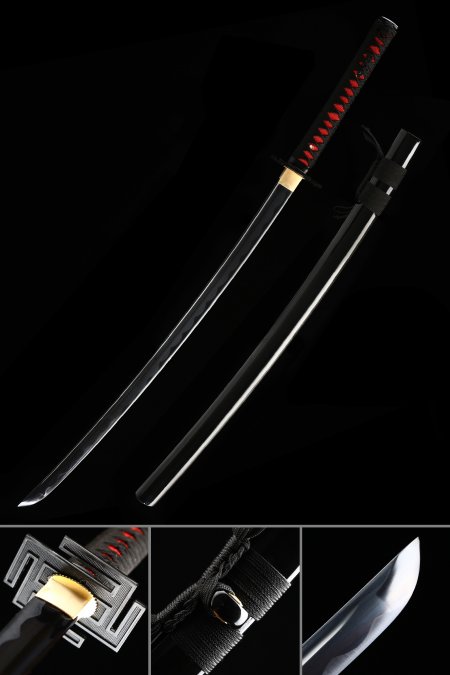
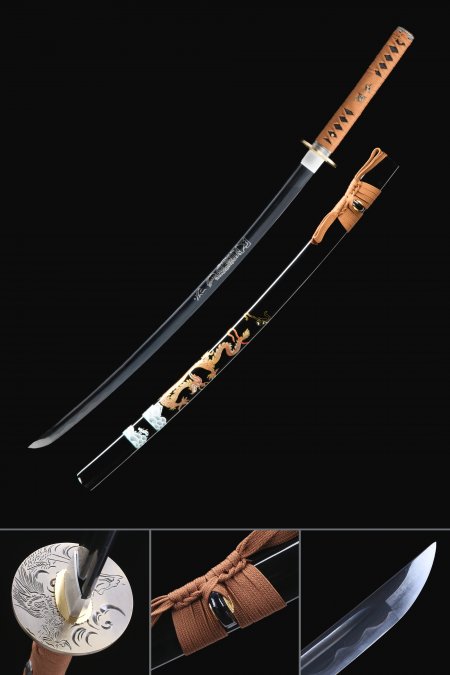
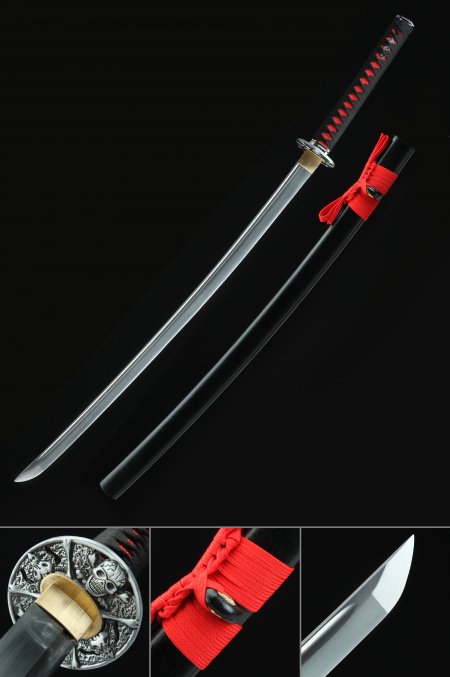
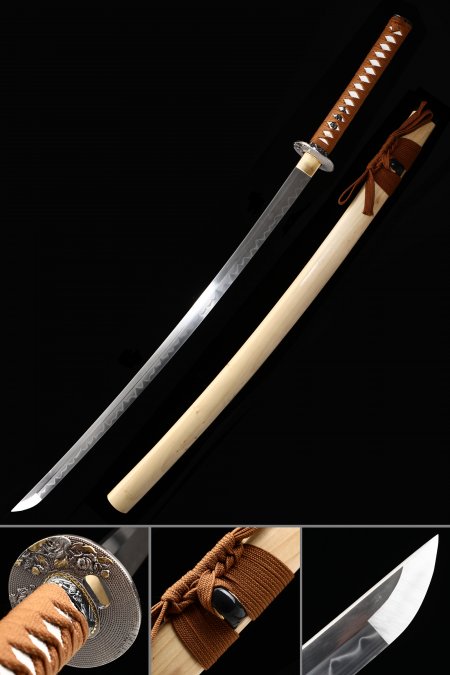
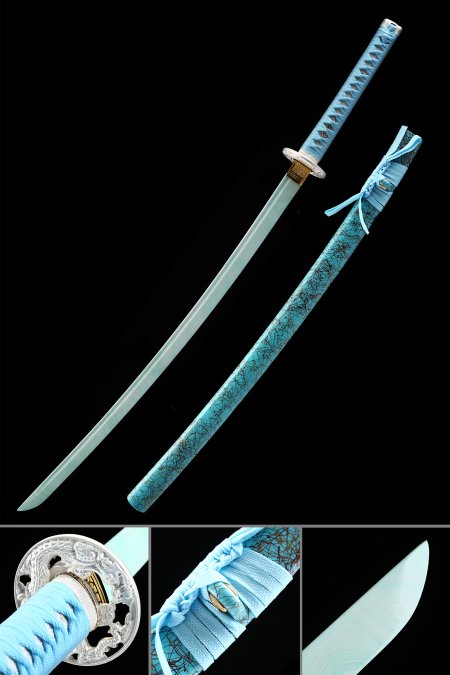
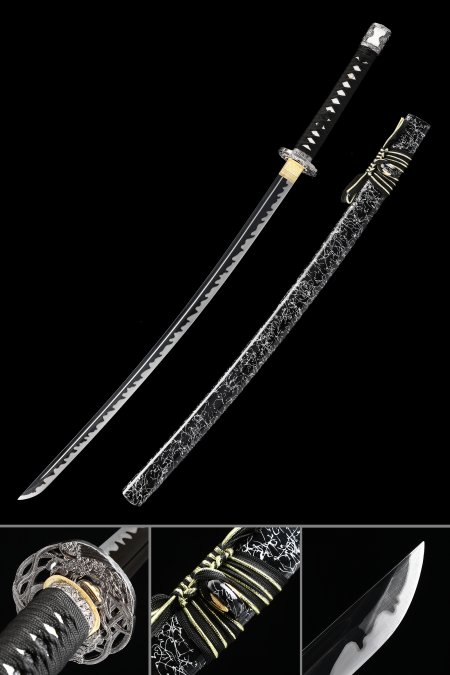
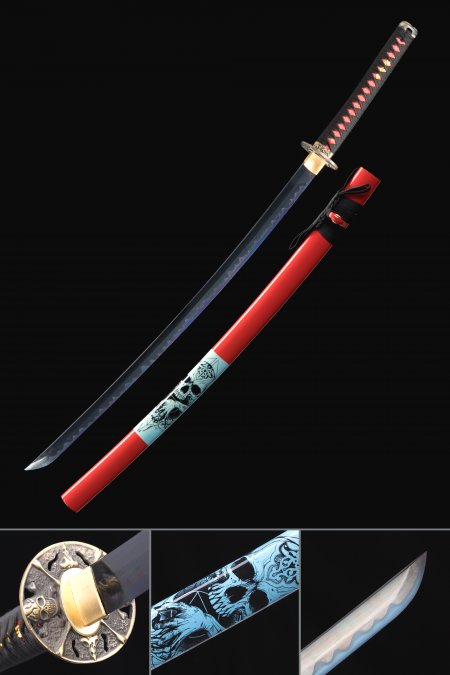
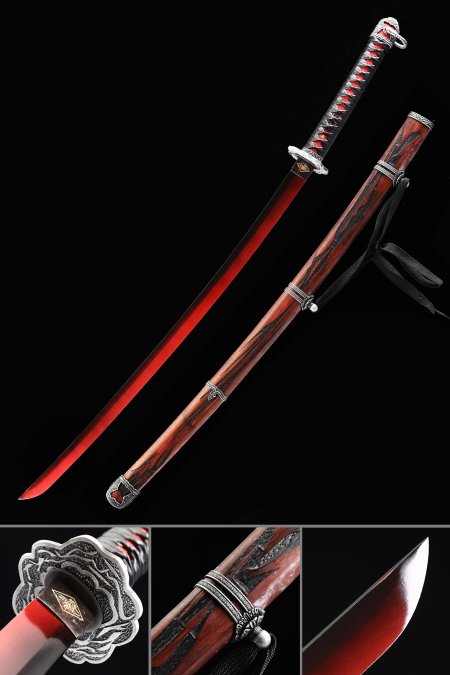
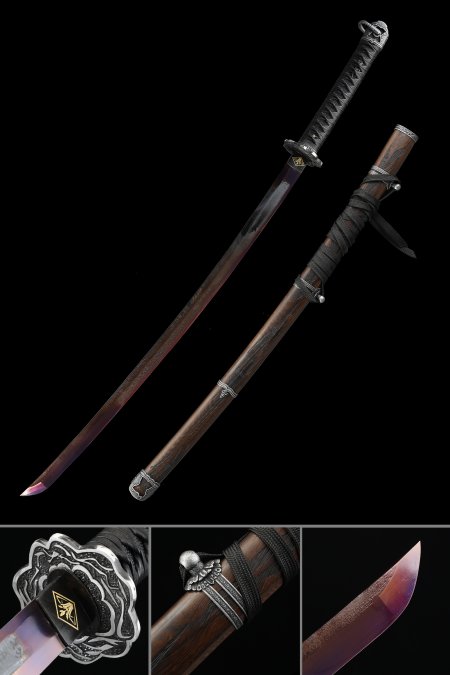
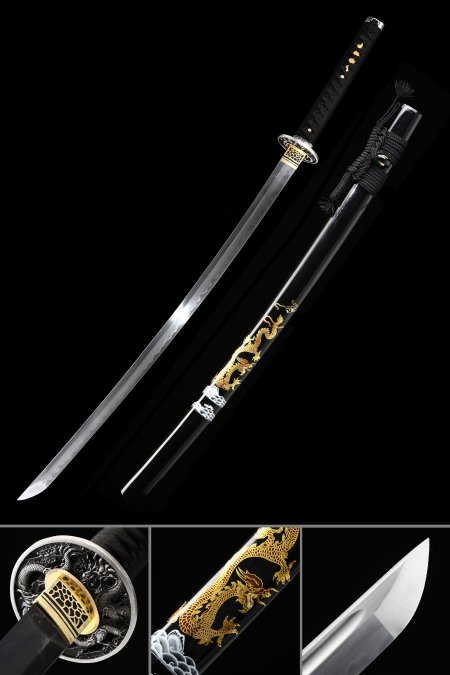
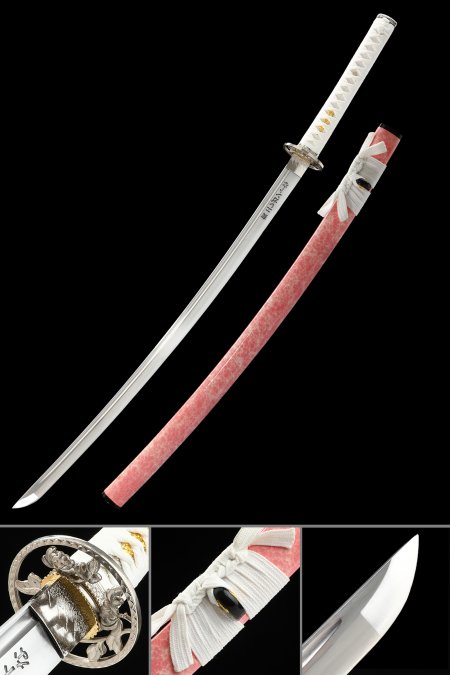
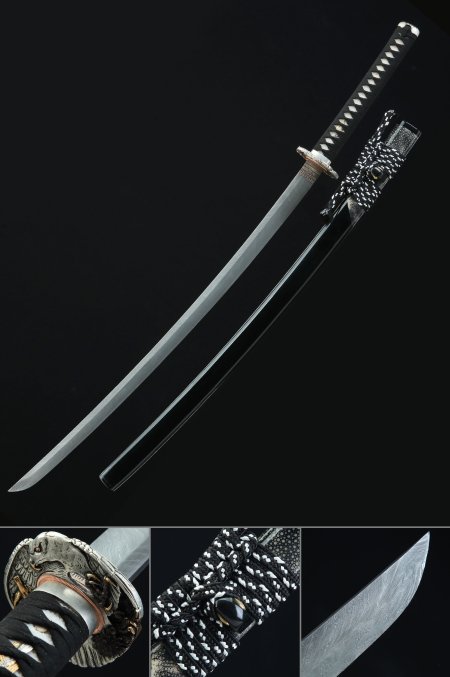
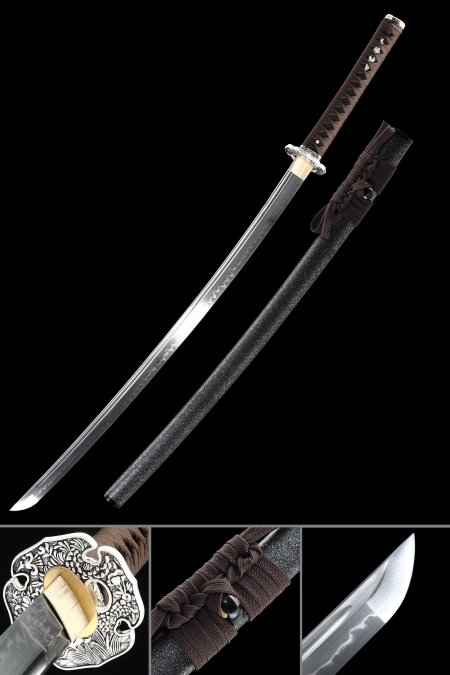
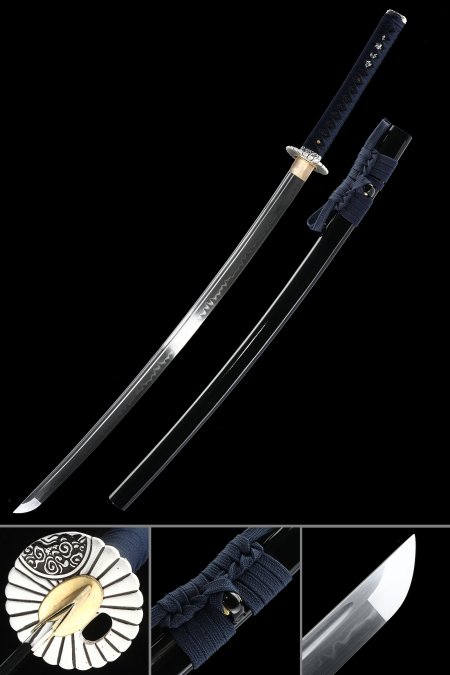
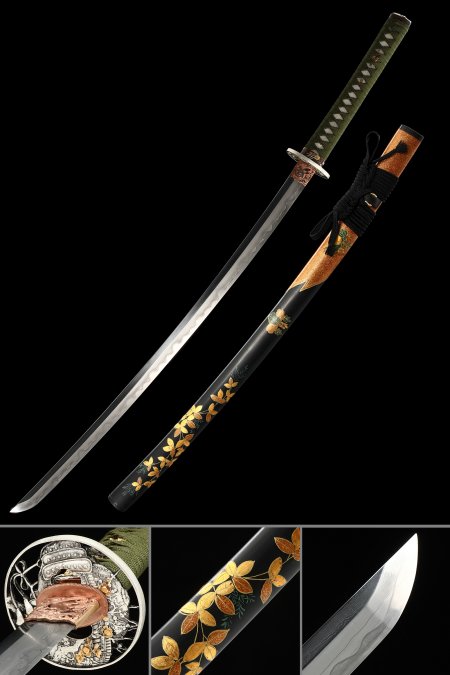
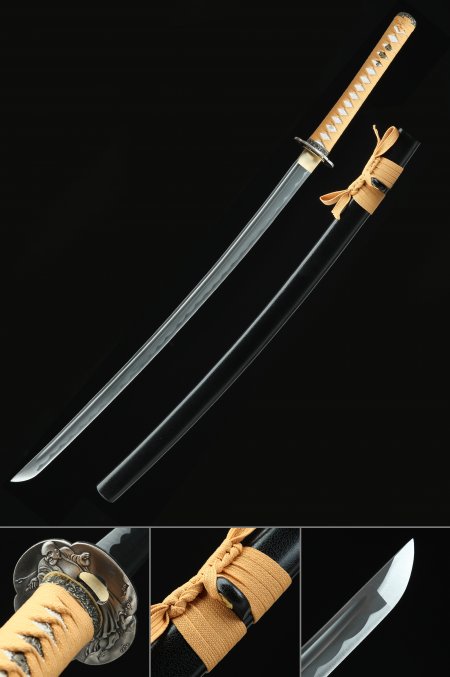
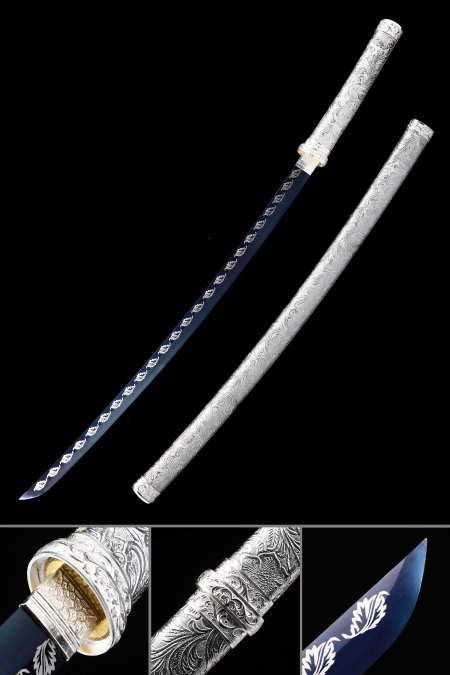
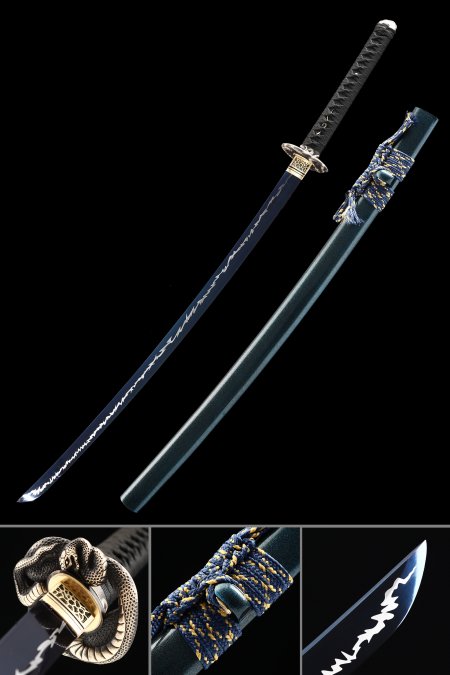
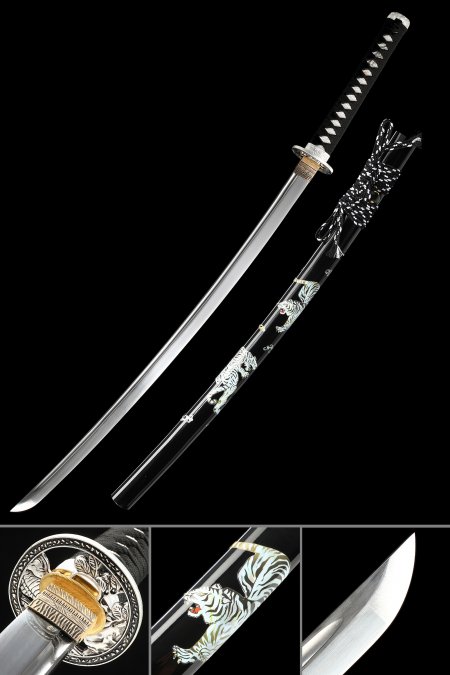
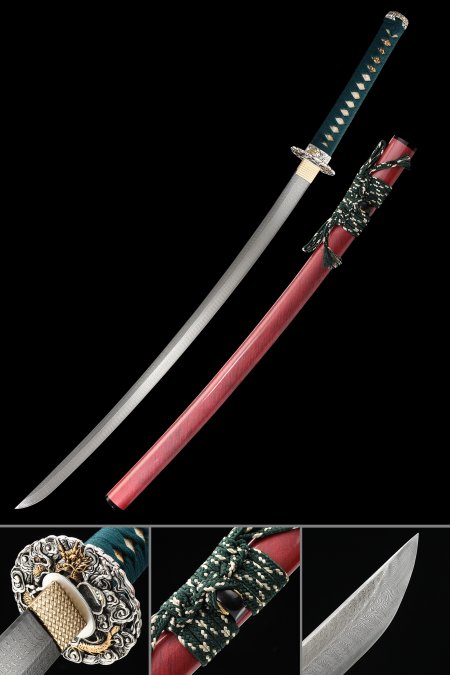
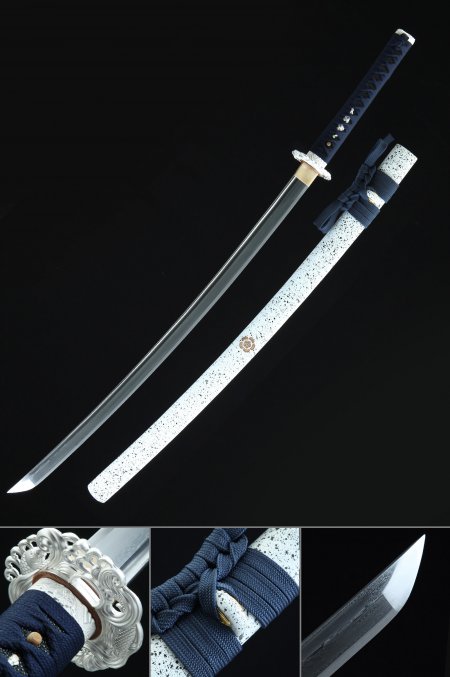
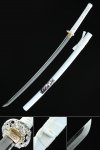
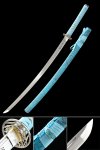
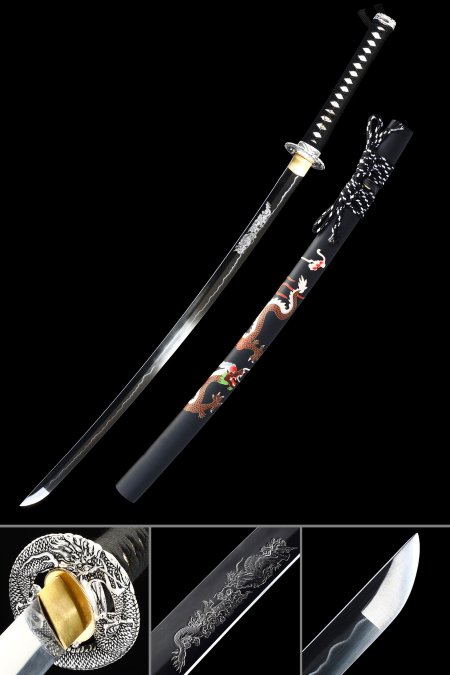
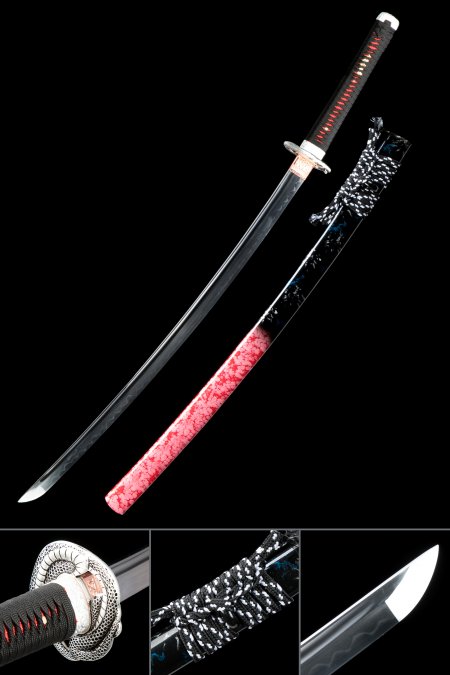
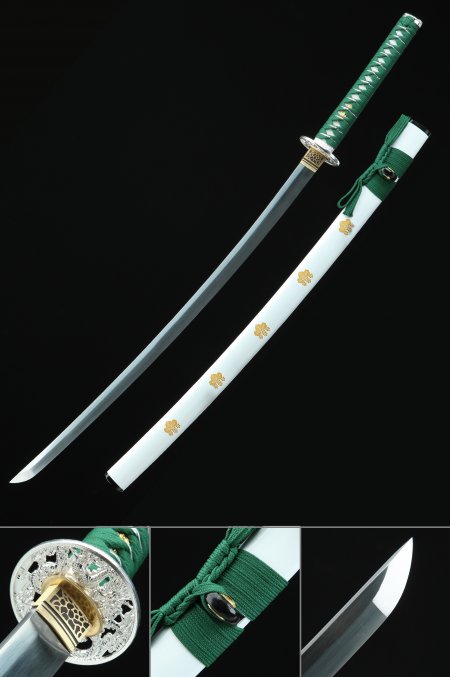
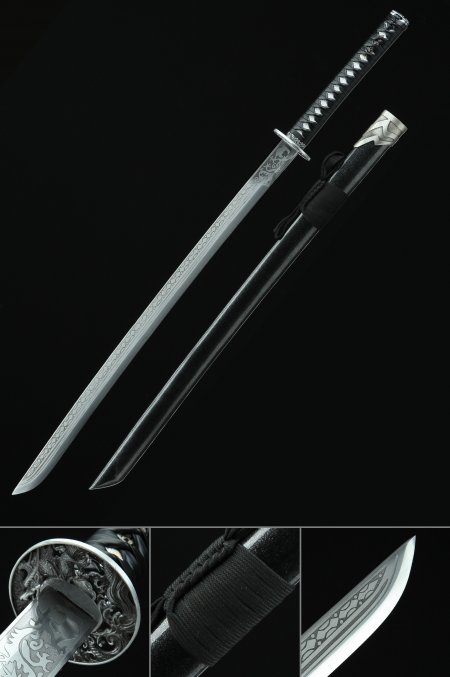
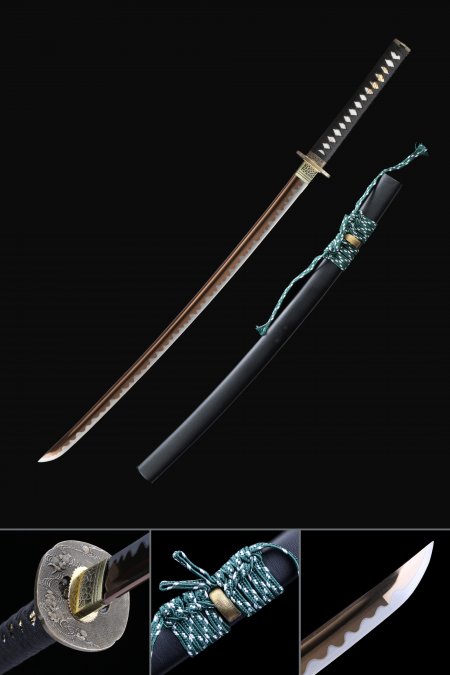
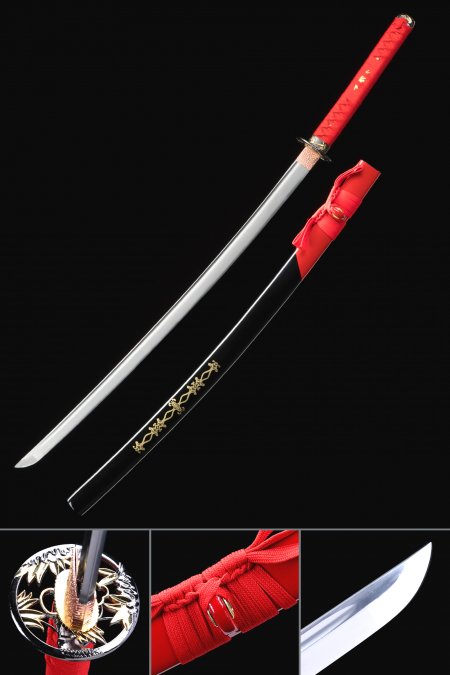
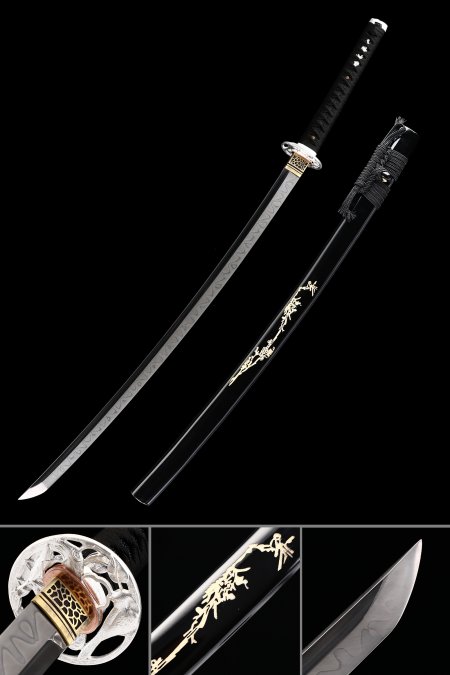
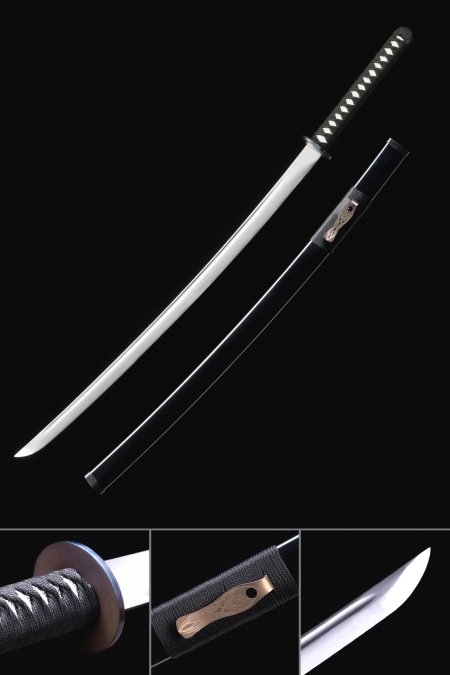
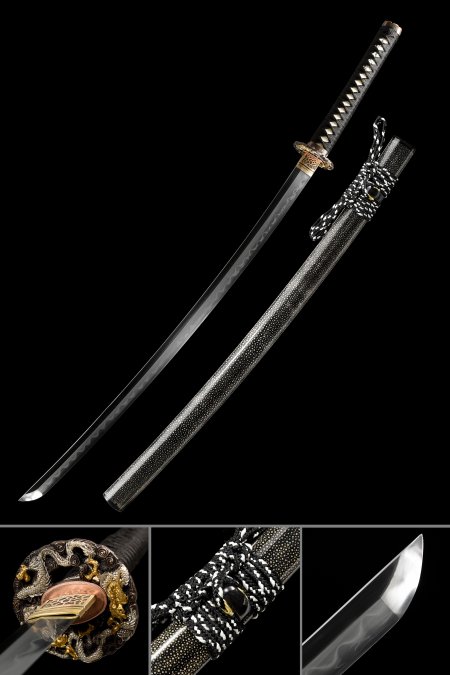
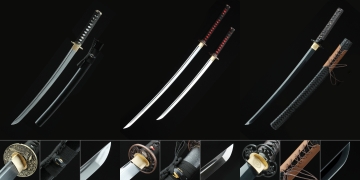
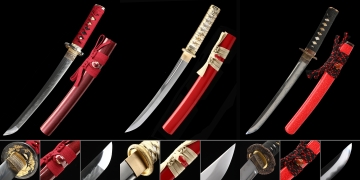
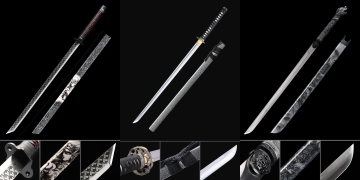
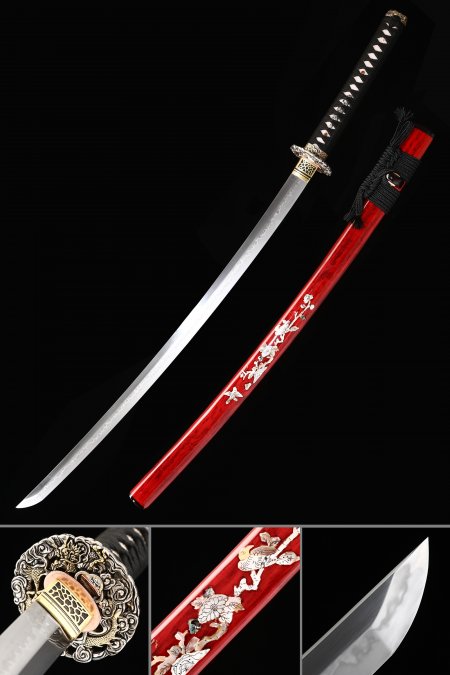
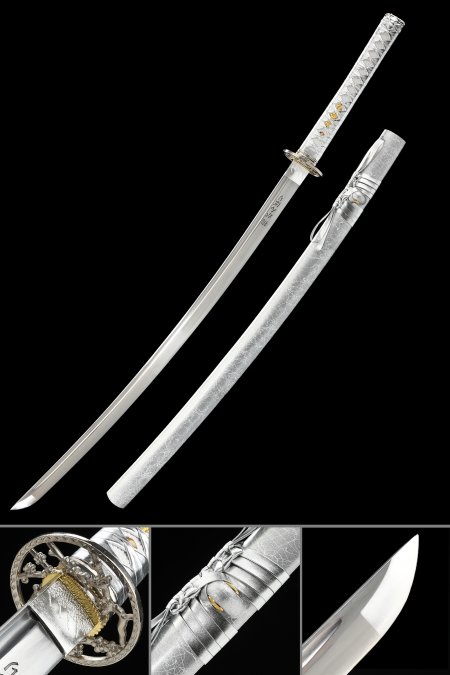
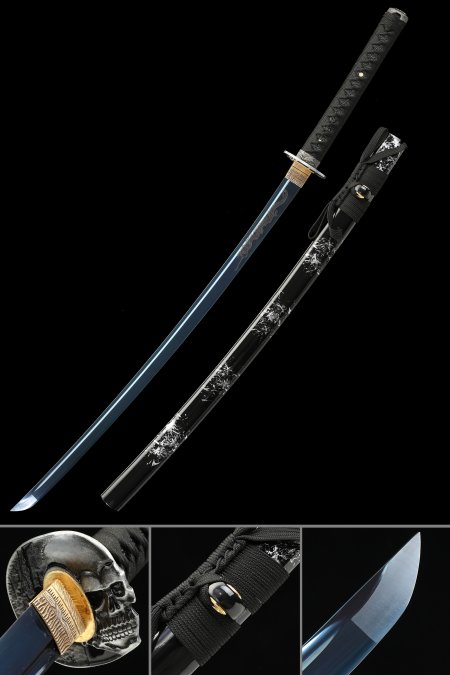
A silver tsuba is more than a guard — it's the focal point of a katana's visual identity, reflecting the hand-engraved artistry of traditional Japanese sword fittings. Each piece in this collection pairs that distinctive metalwork with high-carbon steel blades and full-tang construction, built for serious collectors who value both aesthetic precision and structural integrity. Free standard shipping is included on every order, and we stand behind each sword with a hassle-free return policy.
Showing 105 Products

Related Collections

Silver Scabbard Ninjato5 items


4 Reviews

Silver Ninja Sword3 items


10 Reviews

Frequently Asked Questions

What makes a silver tsuba different from other tsuba finishes?
Silver-toned tsuba are finished in a way that enhances the legibility of engraved or cast surface details. Because the cooler metallic tone provides strong visual contrast, motifs like scrollwork, phoenixes, and wave patterns read with sharper definition compared to darker iron or brass guards. Historically, silver and silver-alloy fittings were associated with higher-tier sword mountings, often commissioned by officials or collectors who wanted their koshirae — the full set of sword fittings — to reflect refined taste. On a modern collectible katana, a well-finished silver tsuba serves the same visual purpose: it anchors the sword's identity and elevates the overall presentation without requiring additional ornamentation elsewhere.
What is the difference between 1045, 1060, and T10 steel in these katana?
The number in carbon steel designations refers to carbon content by weight: 1045 contains approximately 0.45% carbon, 1060 contains around 0.60%, and T10 tool steel sits near 1.0% with added tungsten for wear resistance. In practical terms for collectors, higher carbon content generally means a blade that takes a finer edge geometry and displays a more refined surface polish — both qualities that matter for display presentation and test-cutting performance. T10 steel, when clay tempered, produces a genuine hamon — the crystalline boundary line visible along the blade's edge — formed by differential quenching rather than acid etching. That distinction is significant for collectors who want an authentic detail tied to traditional Japanese hardening technique. 1045 prioritizes toughness; T10 prioritizes edge refinement and visual authenticity.
How should I store and maintain a lacquered saya katana?
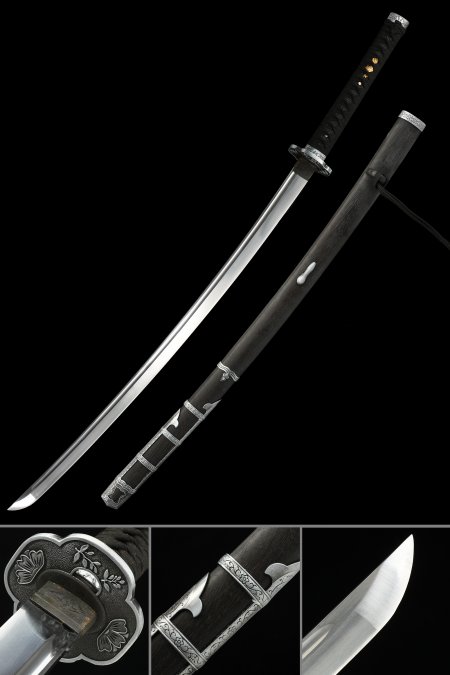
Lacquered saya — whether matte black or high-gloss piano lacquer — should be stored horizontally or on a proper display stand, blade edge facing upward in the traditional Japanese orientation. Avoid prolonged exposure to direct sunlight, which can cause lacquer to fade or crack over time. Keep the sword away from high-humidity environments; moisture trapped between the blade and the saya interior can cause surface oxidation. For the blade itself, apply a thin coat of choji oil (a light mineral oil traditionally scented with cloves) every two to three months using a soft cloth or rice paper. This creates a protective barrier against rust without leaving a heavy residue. When reinserting the blade, ensure no dust or grit has entered the saya, as abrasive particles can scratch the polished steel surface during draw and resheathing.
Is full-tang construction important for a display katana?
Yes — full-tang construction is the primary structural standard that separates a quality collectible from a decorative piece not built to any meaningful specification. In a full-tang katana, the steel runs continuously from the tip of the blade through the entire length of the handle core, secured by one or more mekugi (bamboo or wooden pegs) through the tsuka. This means the handle assembly won't loosen or separate during handling, repeated drawing, or test-cutting sessions. For display purposes, full-tang construction also ensures the sword can be safely handled for photography, showing, or occasional cutting practice without risk of the handle detaching. It's the benchmark detail serious collectors verify before any purchase.
Can these katana make a meaningful gift for a sword enthusiast?
A silver tsuba katana is a particularly strong choice as a collector's gift because the visual detail of the guard gives it immediate display presence — it looks impressive the moment it's drawn from the saya. For a recipient who already collects Japanese swords, steel grade matters: T10 with a real hamon or 1065 carbon steel will be recognized as a meaningful upgrade over entry-level pieces. For someone beginning a collection, a 1045 or 1060 full-tang katana with a distinctive silver tsuba motif — a dragon, skull, or floral scroll — provides both aesthetic character and structural quality at an accessible point. Consider pairing a katana with a complementary wall mount or display stand to complete the gift, as proper display is part of the collecting experience.

Customer Reviews