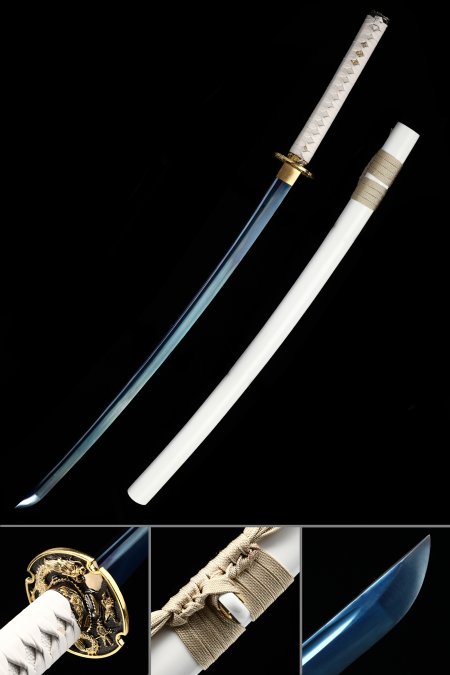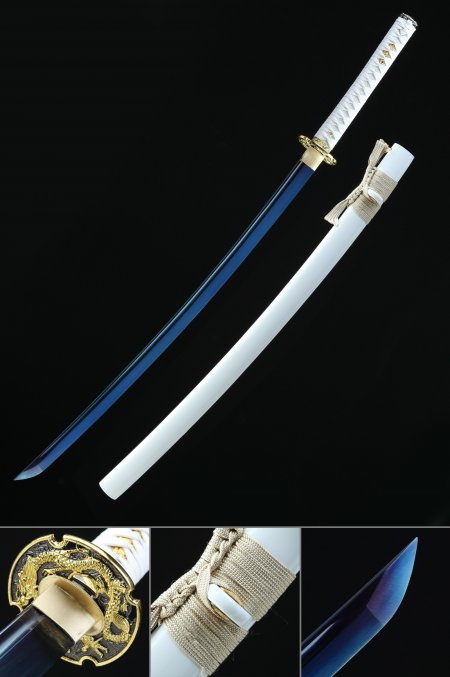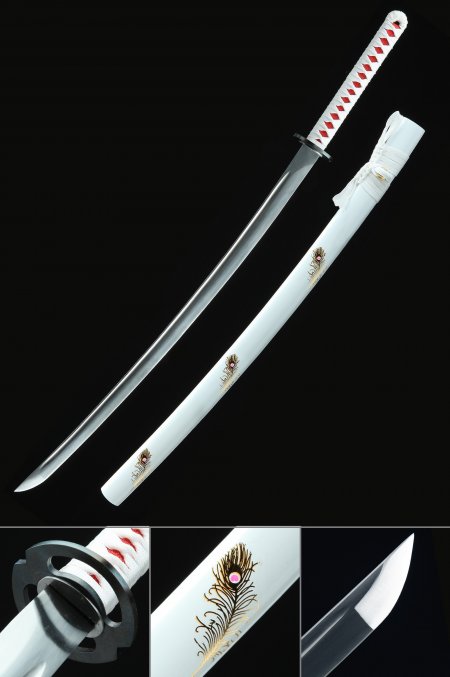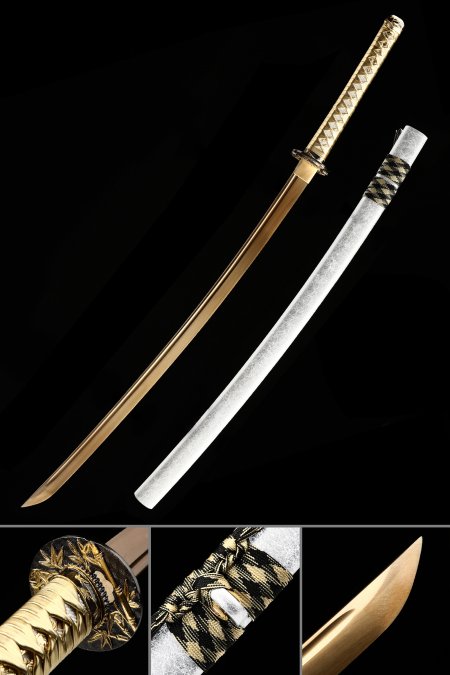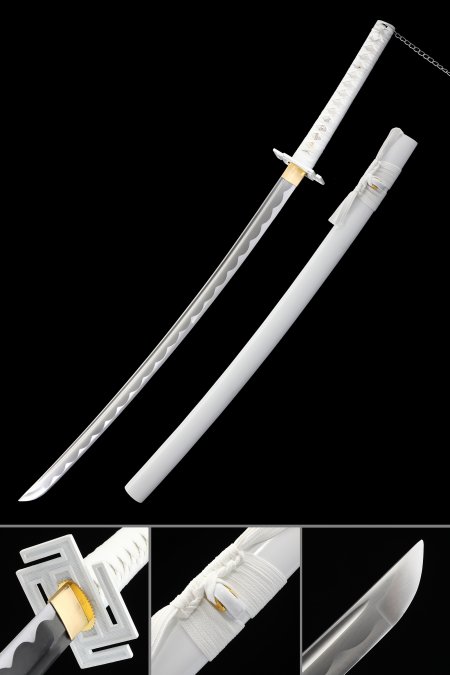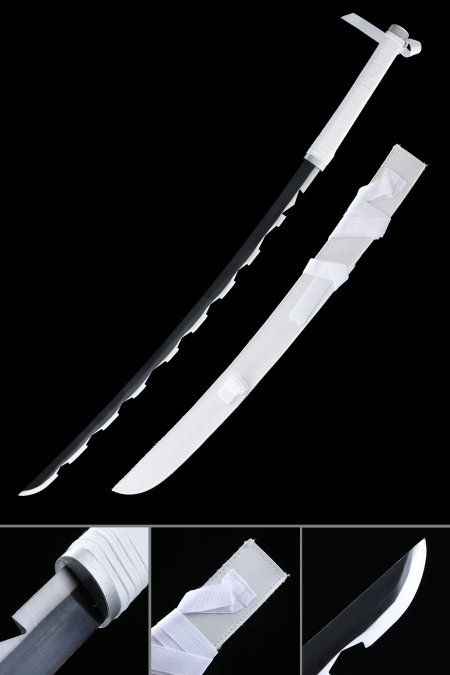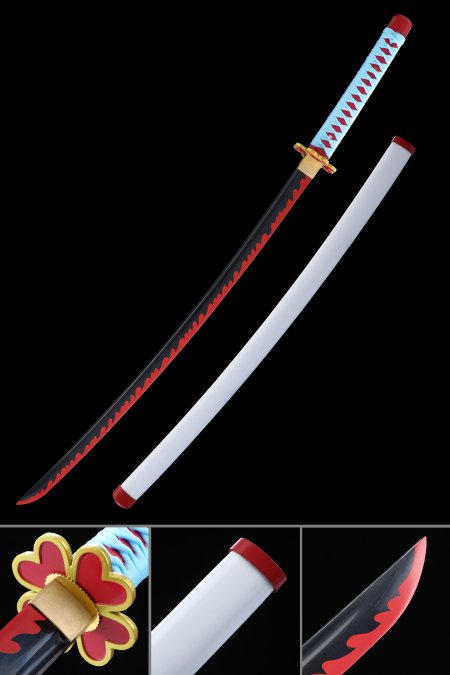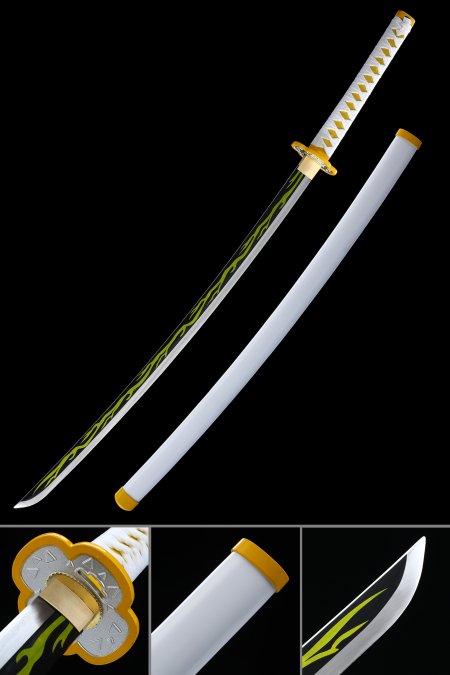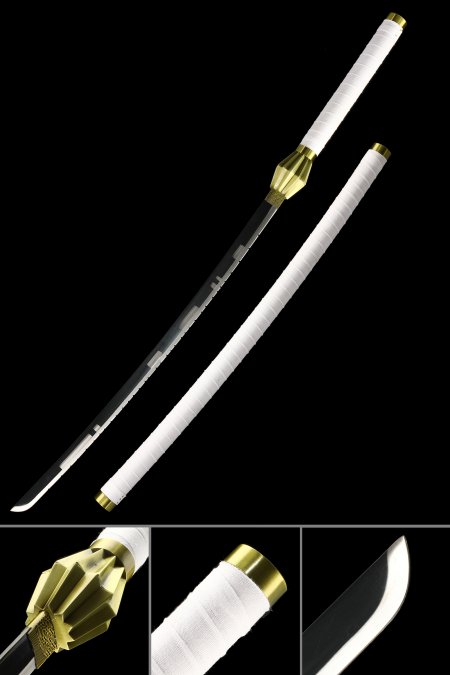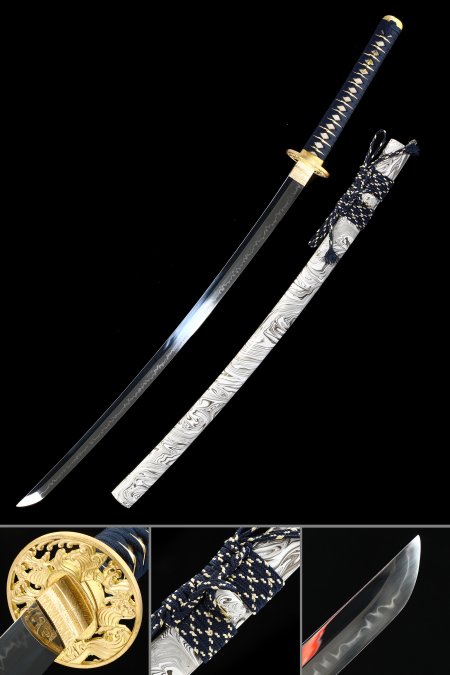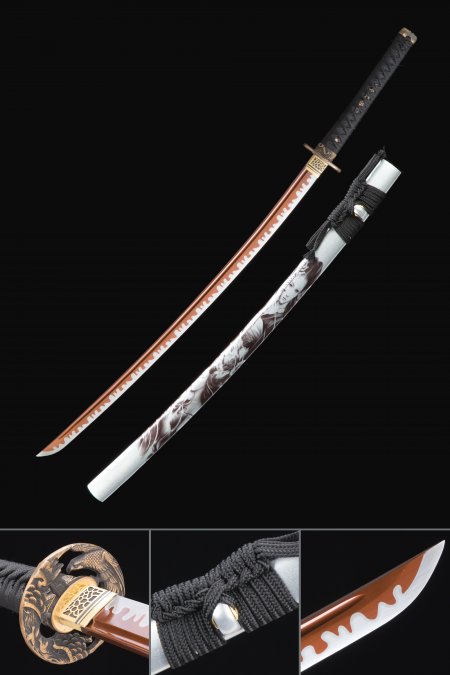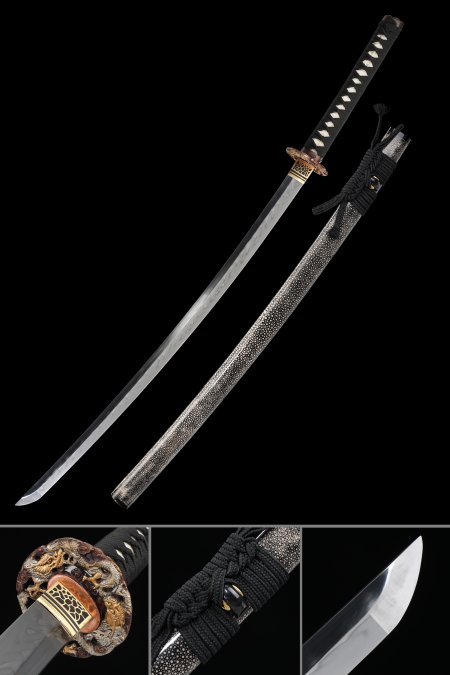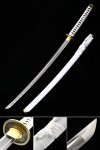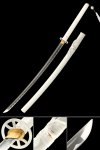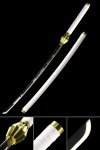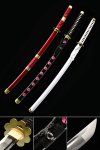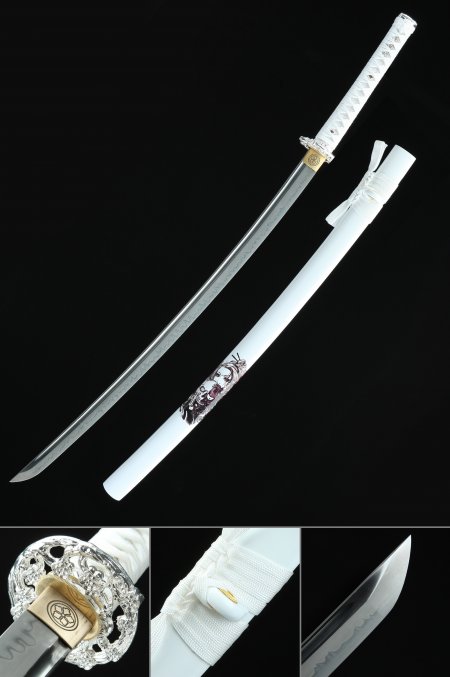
White Saya Katana

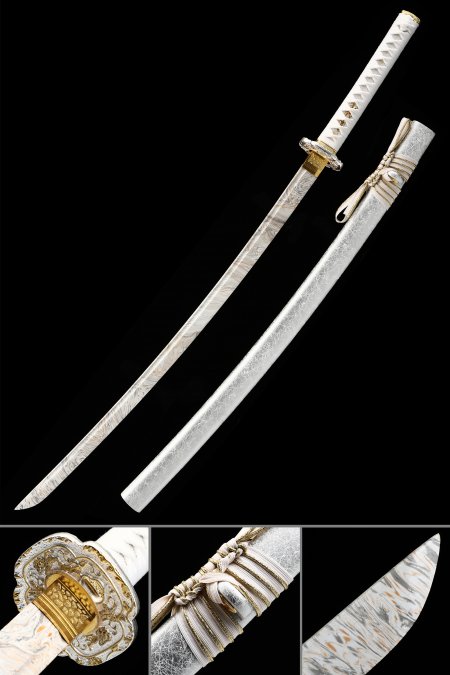
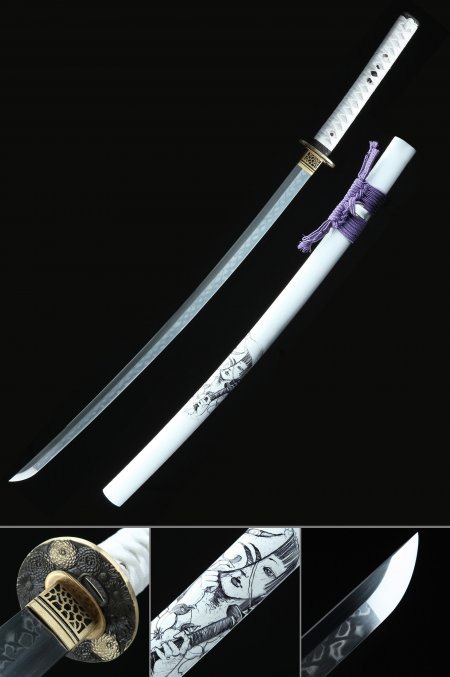
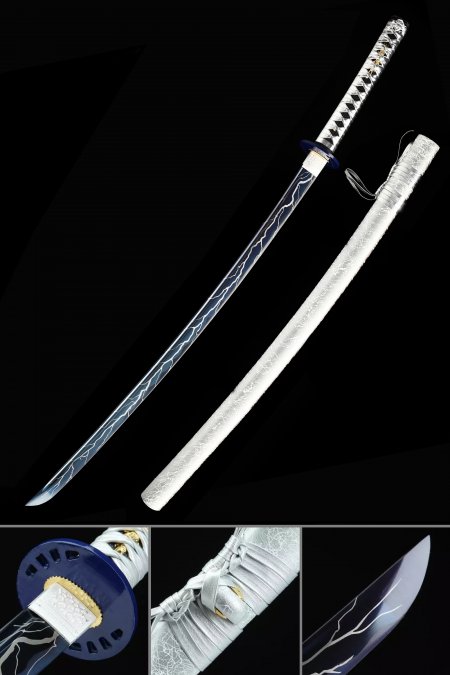
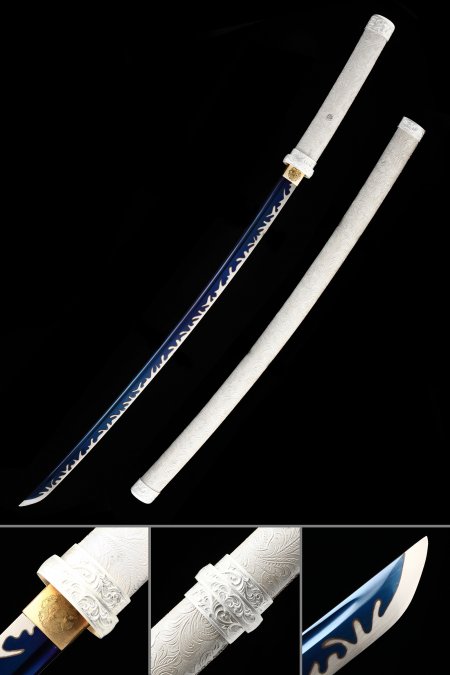
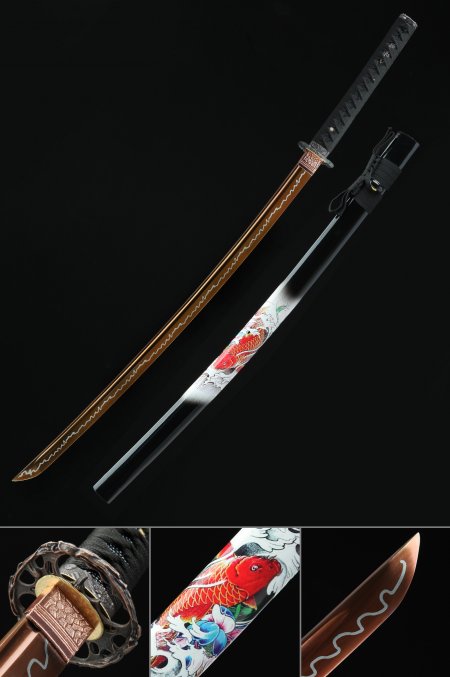
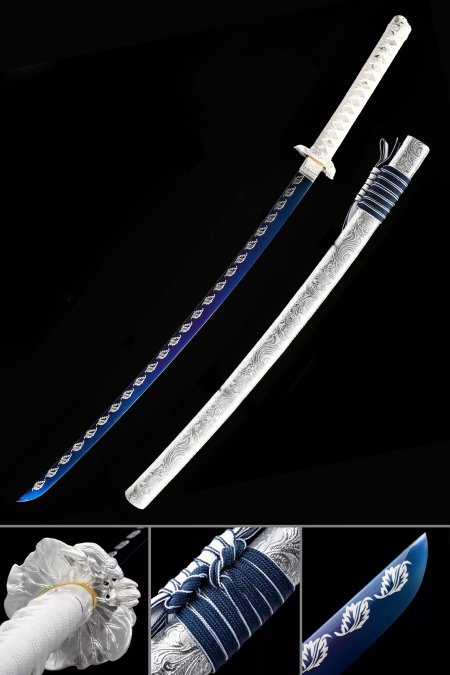
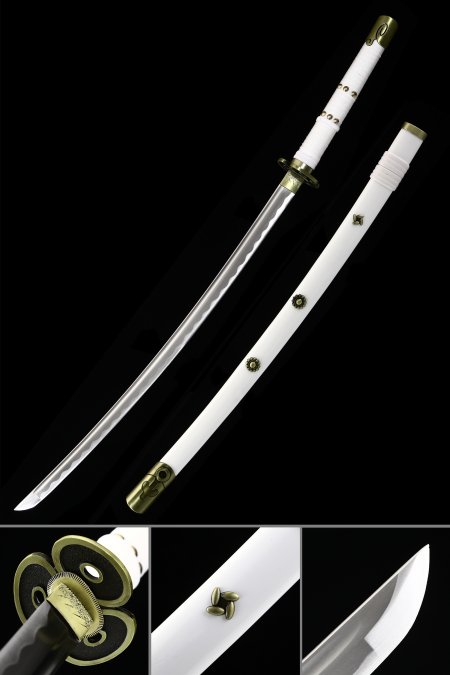
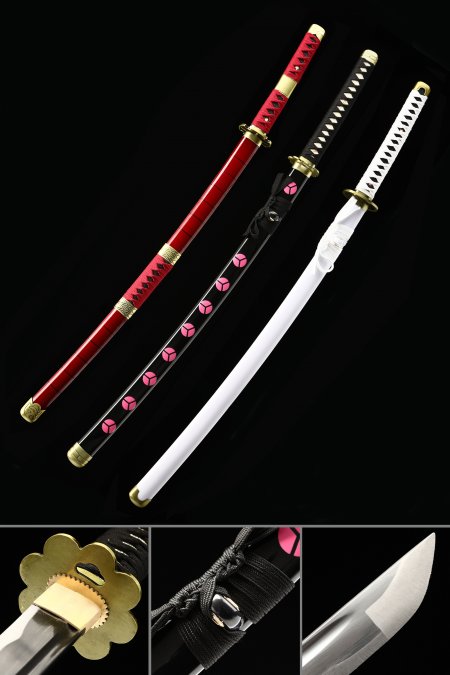
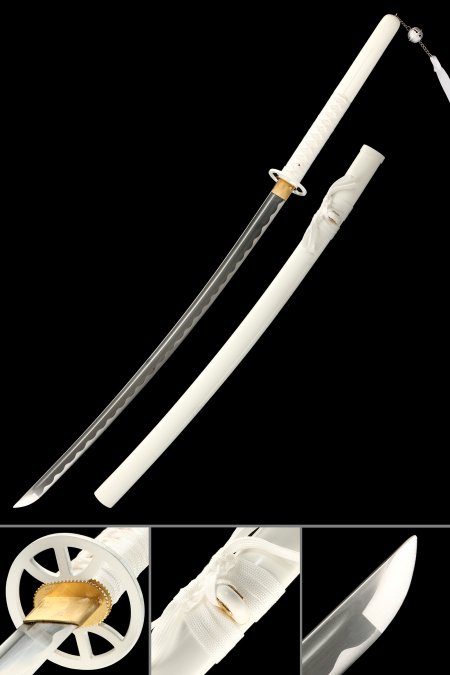
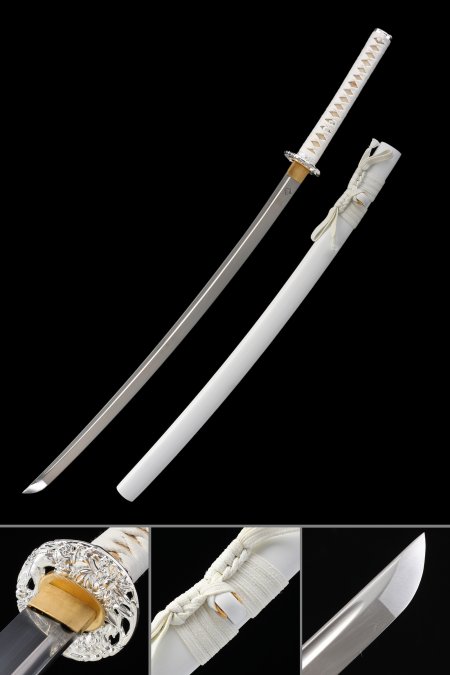
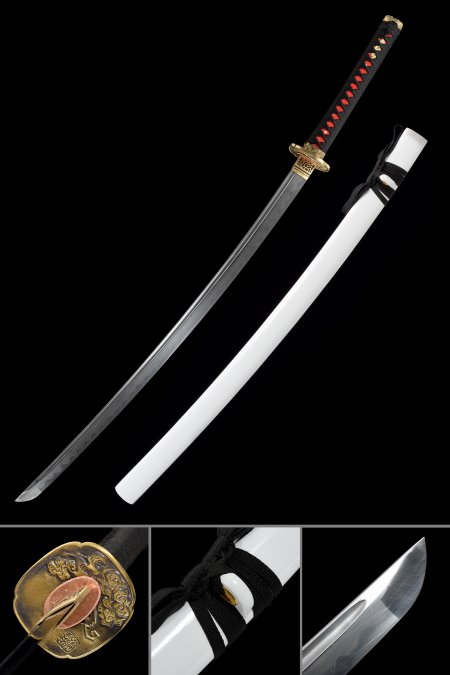
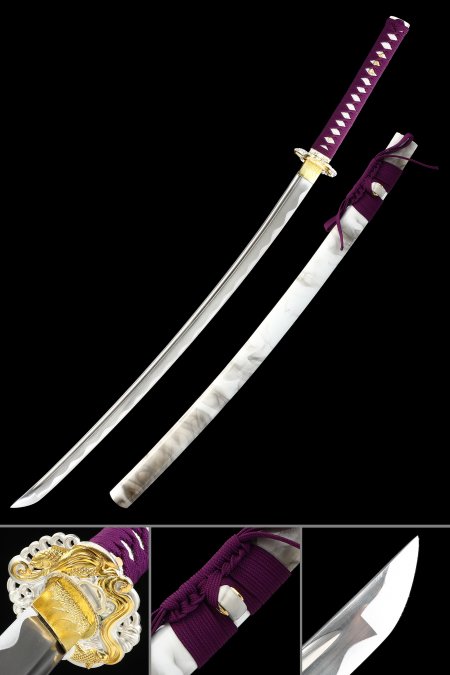
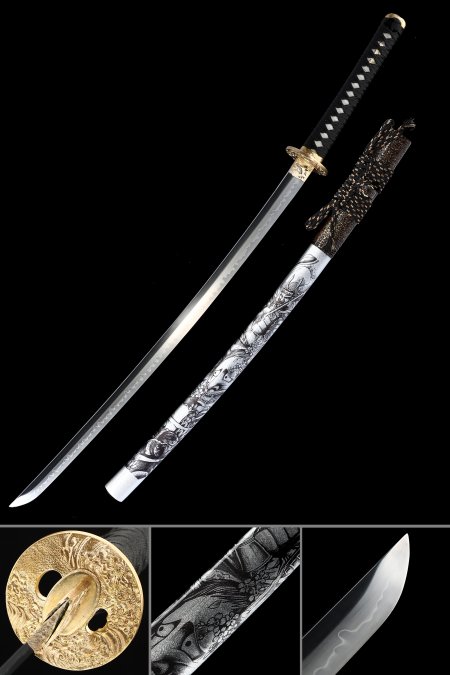
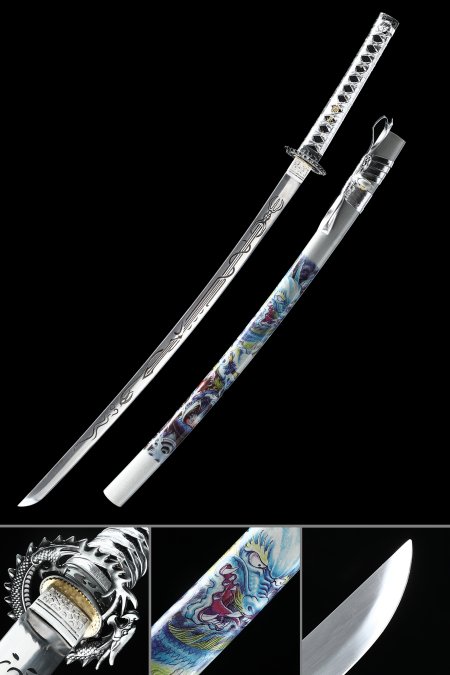
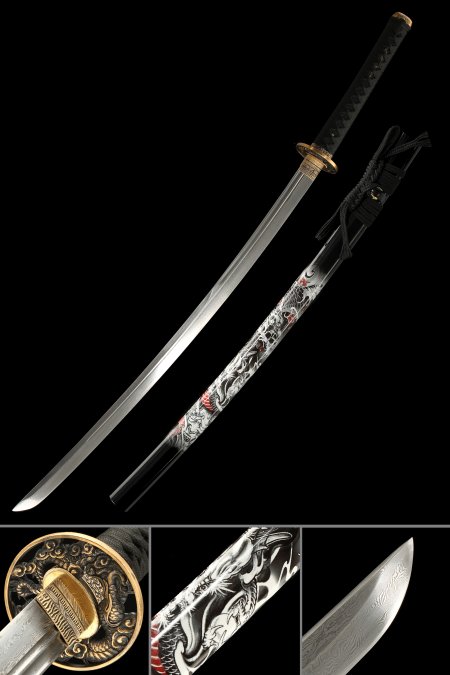
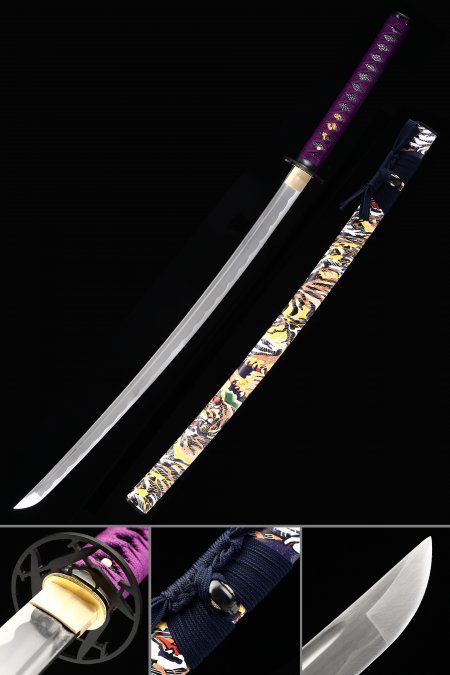
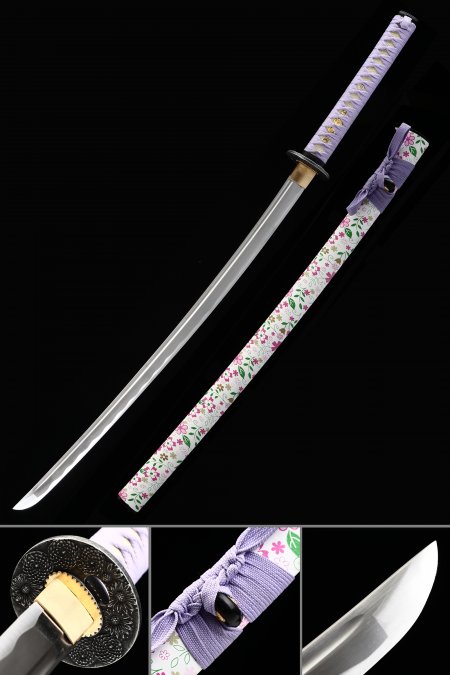
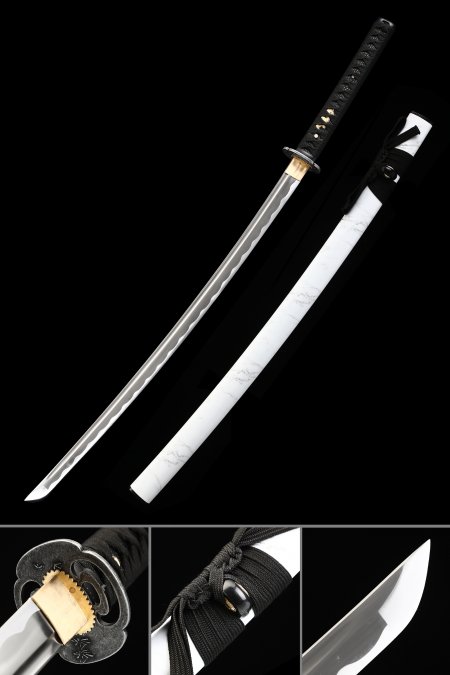
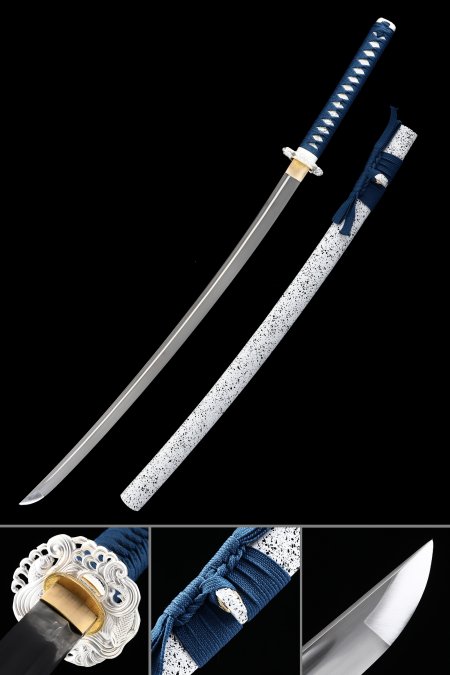
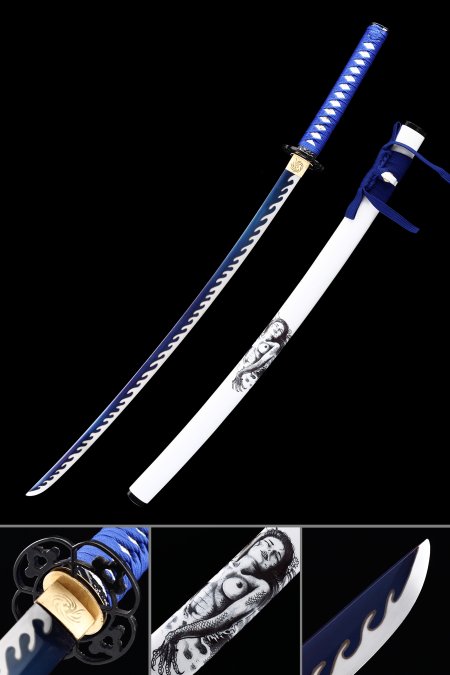
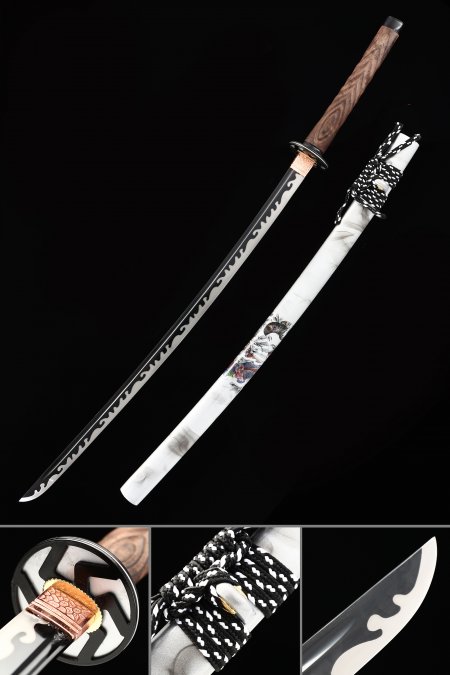
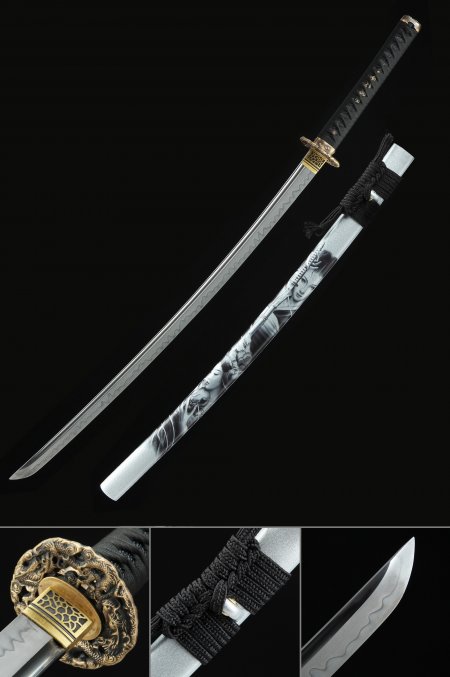
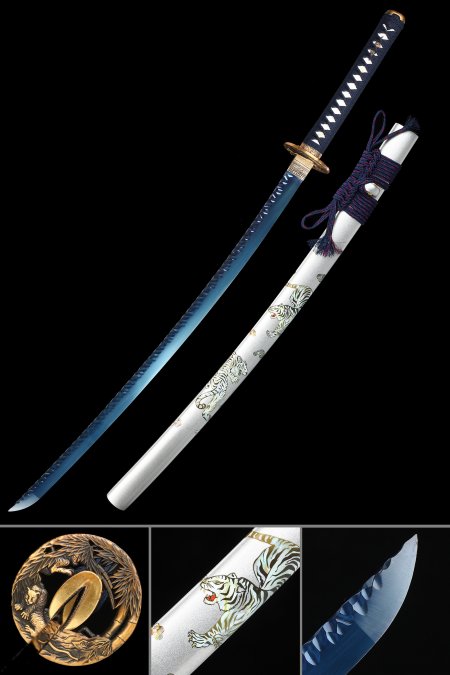
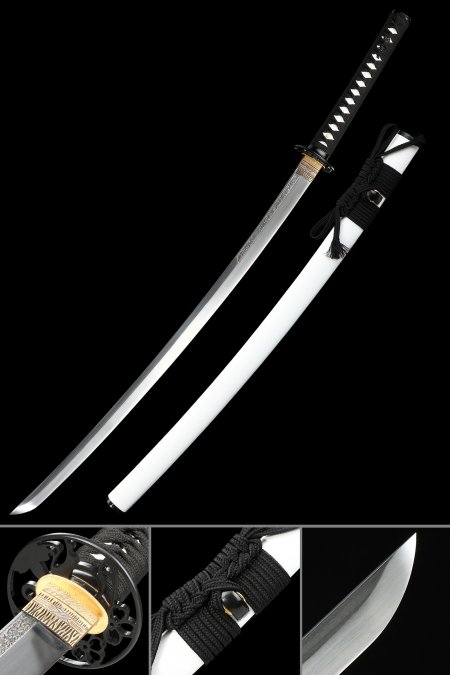
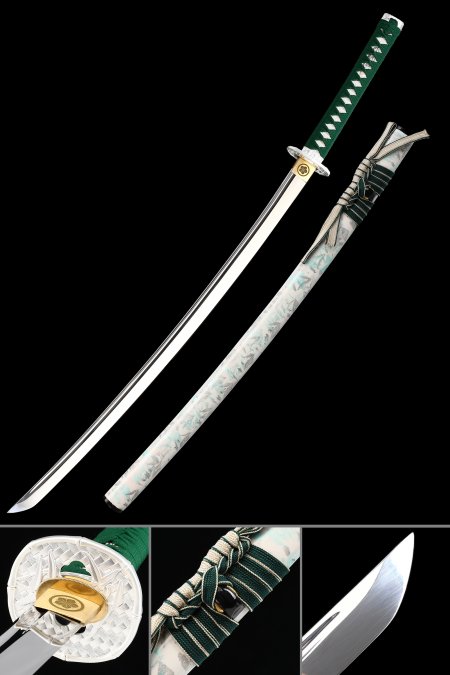
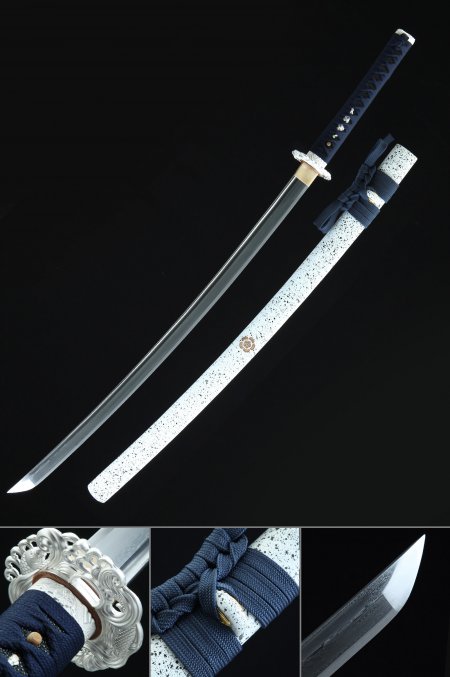
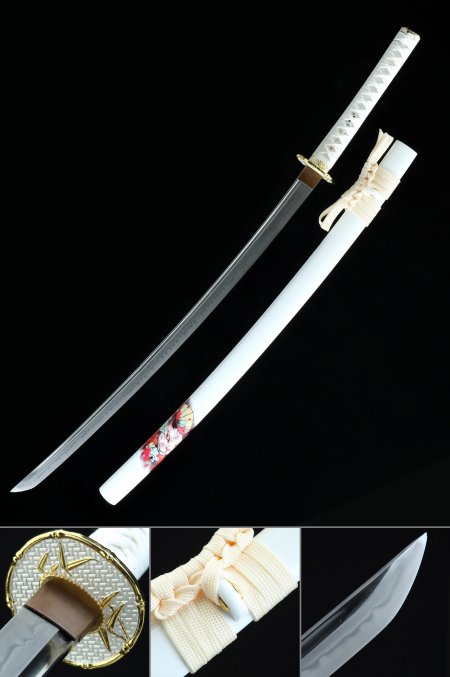
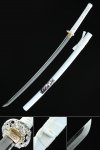
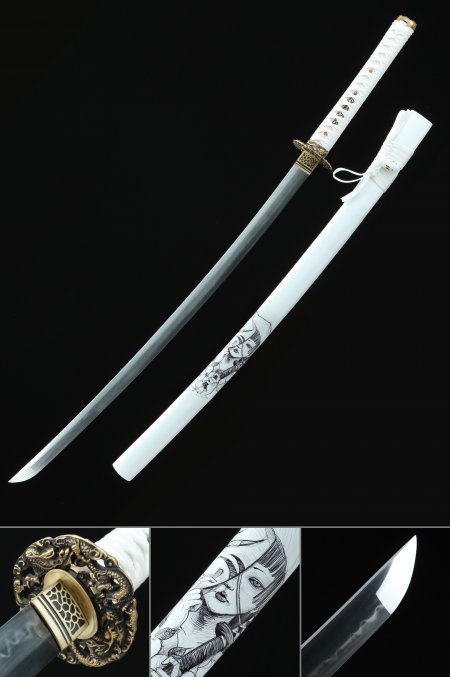
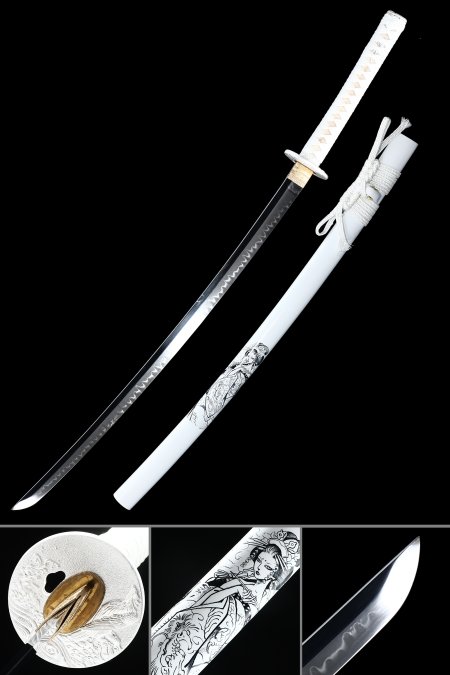
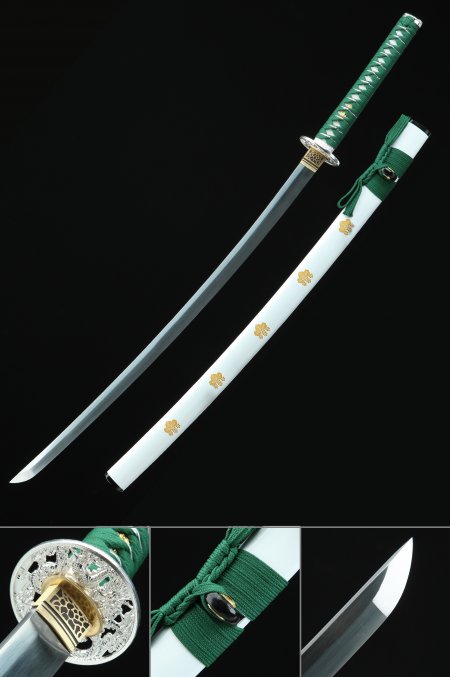
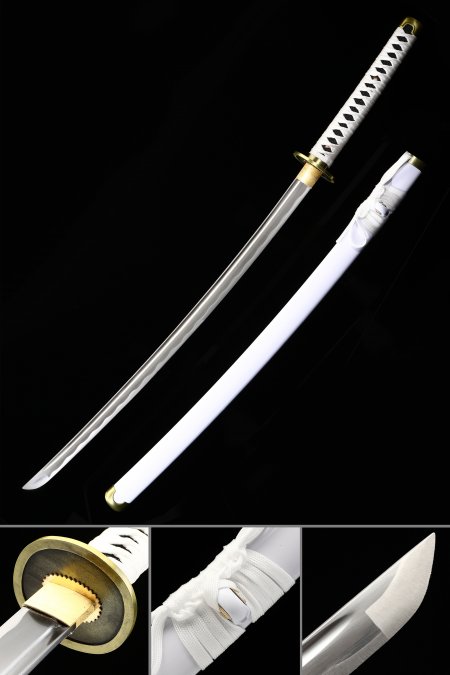
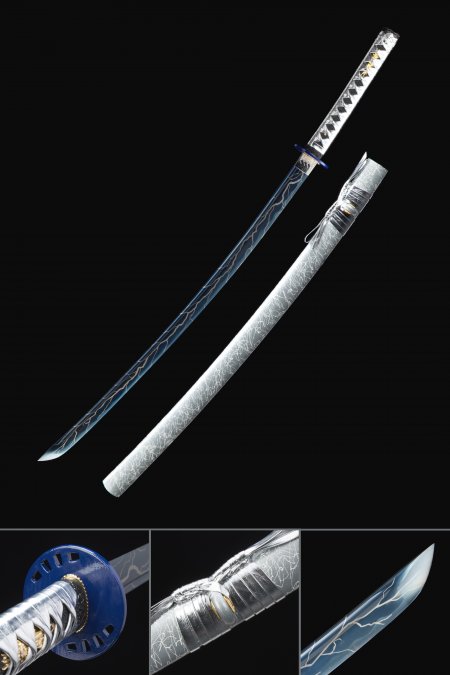
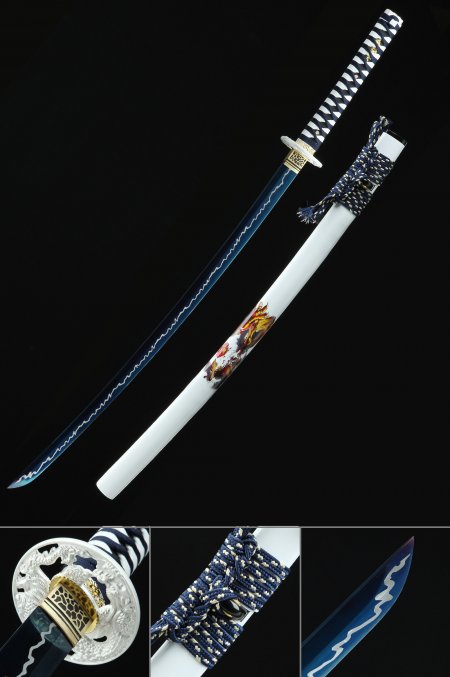
White Saya Katana collections at TrueKatana bring together hand-forged blades dressed in pristine lacquered scabbards — from piano-white finishes to speckled and crackle textures — each one a considered pairing of steel craft and visual refinement. Steels range from 1045 and 1095 carbon to T10 and spring steel, many clay tempered with a visible hamon that collectors prize for its authenticity. Every piece ships free and is backed by our hassle-free return policy, so building your display collection is completely risk-free.
Showing 100 Products

Related Collections

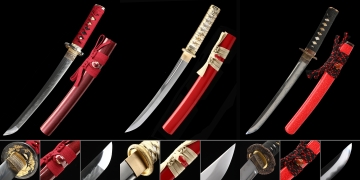
Red Tanto16 items


22 Reviews

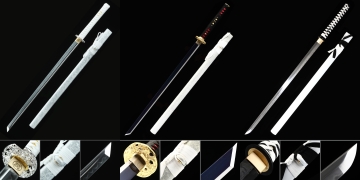
White Ninjato3 items


23 Reviews

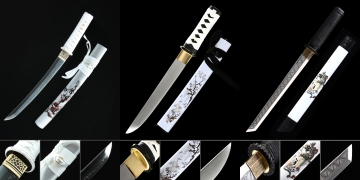
White Tanto6 items


34 Reviews

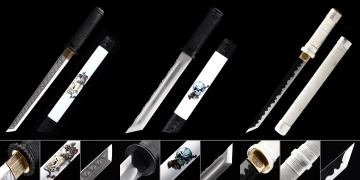
White Hamidashi3 items


4 Reviews

Frequently Asked Questions

What makes a white saya different from a standard black lacquer scabbard?
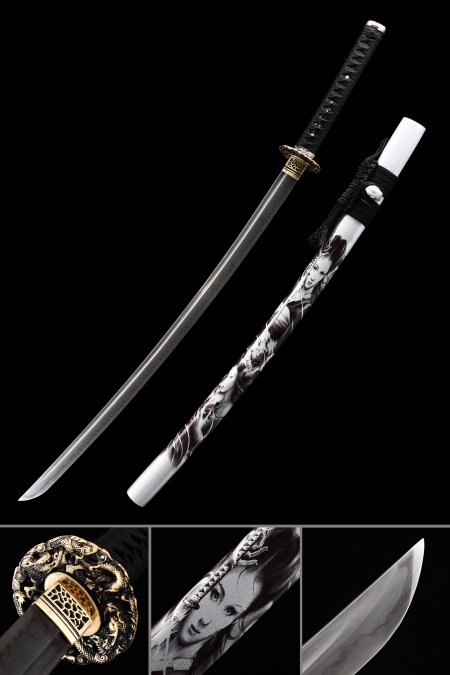
Beyond the obvious color contrast, white saya finishes are produced through distinctly different lacquering processes. A piano-white lacquer saya requires multiple application and sanding stages to build up the glass-smooth, high-reflectivity surface that defines the style. Speckled and crackle finishes involve layered techniques that create controlled texture variation across the scabbard body. Black lacquer saya, while classic, tends to recede visually in a display context. White finishes have the opposite effect — they draw the eye, amplify the contrast with a dark or polished blade, and create a focal point in any collection arrangement. For collectors building a display with visual impact, the white saya is often the more considered and compositionally interesting choice.
How does T10 steel compare to 1095 in a clay-tempered katana?
Both 1095 and T10 are high-carbon steels well suited to the clay-tempering process that produces a visible hamon, but T10 carries a small percentage of tungsten — typically around 0.9 to 1.0 percent — that is absent in 1095. This addition improves wear resistance and allows T10 to hold a finer grain structure at higher hardness levels. In practical terms for a collectible, a T10 blade tends to show a sharper, more defined hamon line with more distinct nie and nioi activity along the temper boundary. The 1095 blade is excellent in its own right and is often preferred for its more traditional carbon-steel character. Collectors who prize hamon clarity and edge definition typically gravitate toward T10; those who value the purist high-carbon aesthetic often choose 1095.
Is a full-tang construction important for a display katana?
For a display collectible, full-tang construction matters for reasons that go beyond durability in use. A full-tang blade — where the steel runs continuously from tip through the entire length of the tsuka — means the sword's balance point and handling character are authentic to a traditionally constructed katana. This affects how the sword feels when removed from its saya for inspection, how it sits on a display stand, and how it responds to repositioning and photography. Rat-tail tang construction, where a narrow steel rod is threaded into a separate handle body, can shift the balance noticeably toward the hilt. For collectors who handle their pieces regularly and care about authenticity of feel alongside aesthetics, full-tang construction is the meaningful specification to confirm before purchasing.
How should I store and maintain a white lacquer saya long-term?
White lacquer saya require slightly more attentive storage than natural wood finishes because the lacquer surface shows fingerprint oils, dust, and micro-scratches more readily against the pale background. Store the sword horizontally on a padded rack in a climate-controlled environment — relative humidity between 40 and 60 percent is ideal for both the lacquer and the blade. Wipe the saya surface with a clean, dry microfiber cloth rather than any solvent-based product, which can dull or cloud the lacquer finish over time. For the blade itself, a light application of choji oil or a dedicated sword oil applied with a soft cloth every few months prevents oxidation and keeps the steel's surface character intact. Avoid storing in leather cases or sealed bags for extended periods, as trapped moisture accelerates rust on carbon steel blades.
Can white saya katana work as a gift for a first-time sword collector?
White saya katana make particularly strong gifts for first-time collectors because the visual presentation is immediately striking without requiring prior knowledge of sword styles to appreciate. A piano-white lacquer saya with a detailed tsuba — a peacock feather or floral motif, for example — reads as an art object to someone unfamiliar with Japanese sword culture, while also rewarding the more knowledgeable recipient who understands the steel specification and construction details beneath the surface. Pairing a white saya katana with a companion piece from the White Scabbard Wakizashi collection creates a display set that gives a new collector an immediate thematic starting point for a broader collection.

Customer Reviews