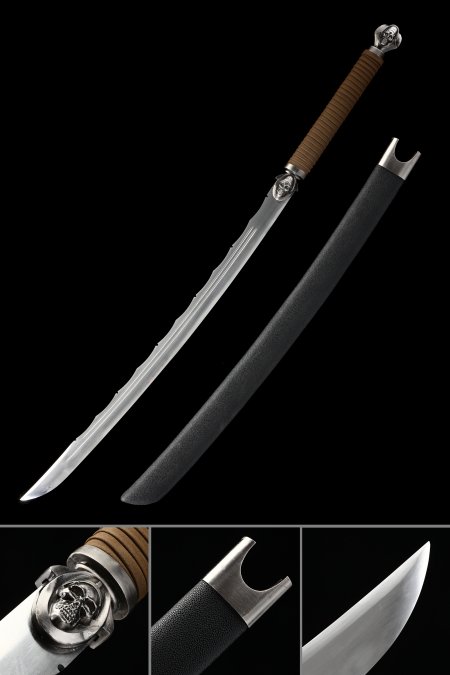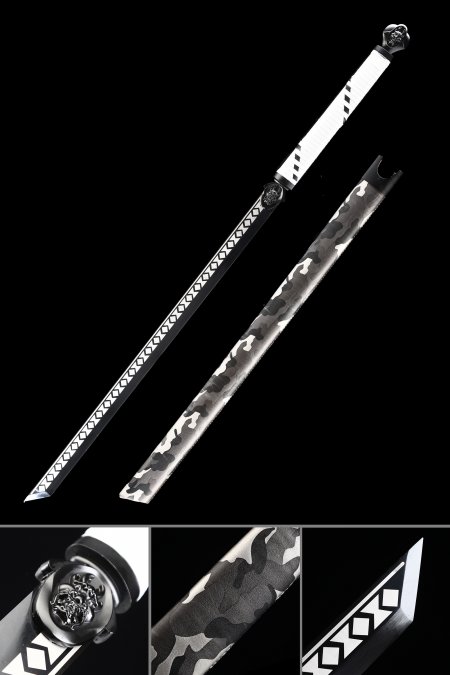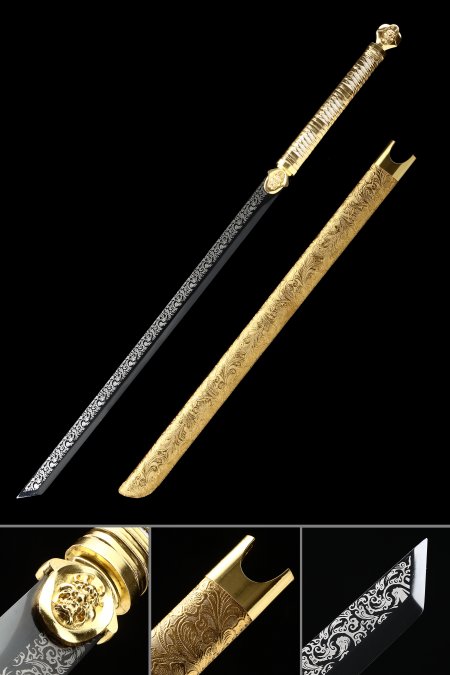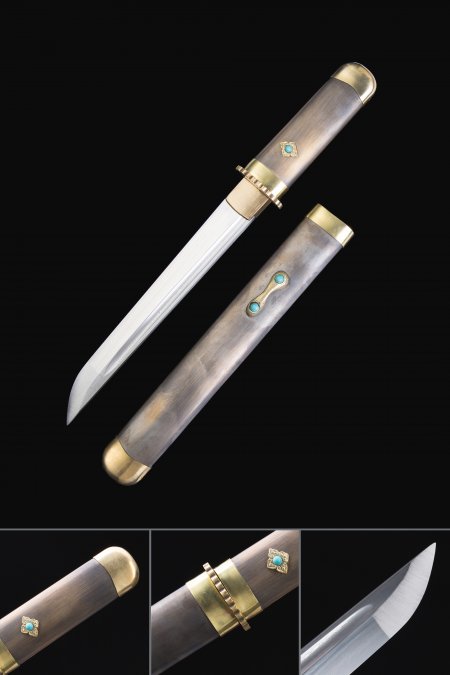
Modern Chokuto

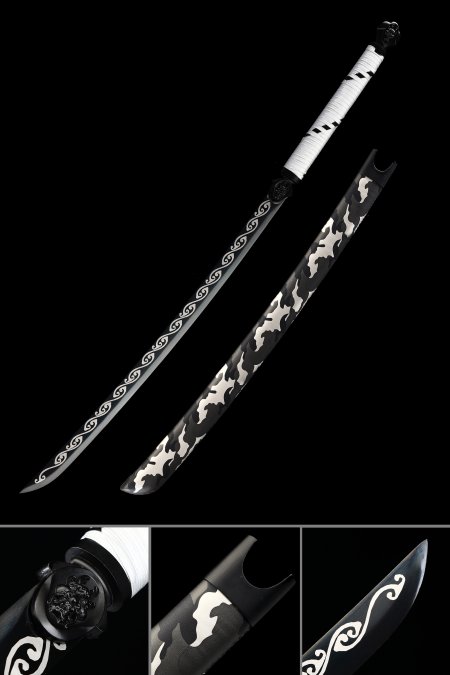
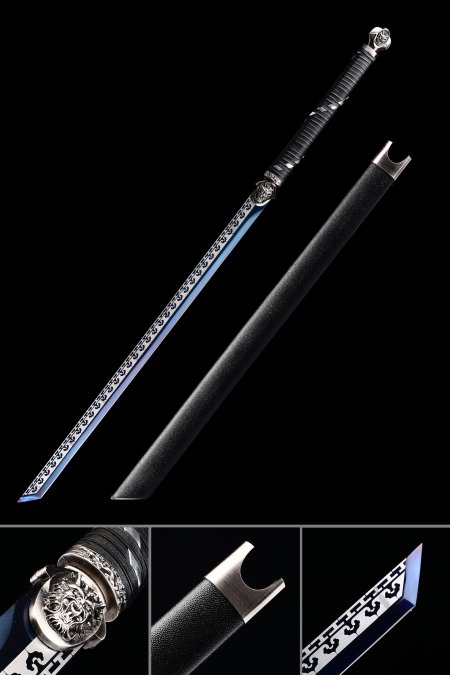
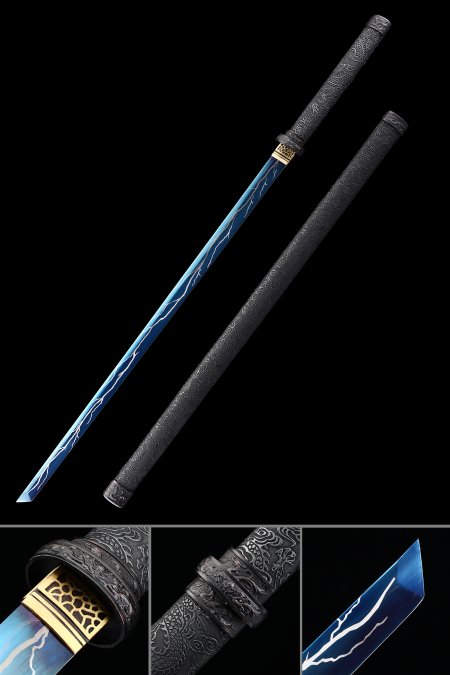
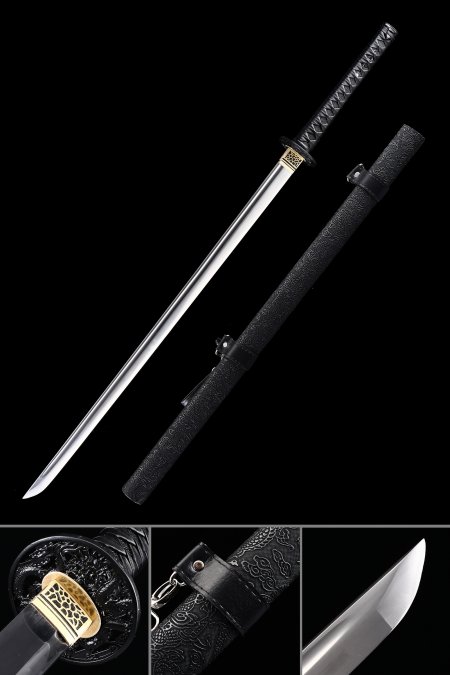
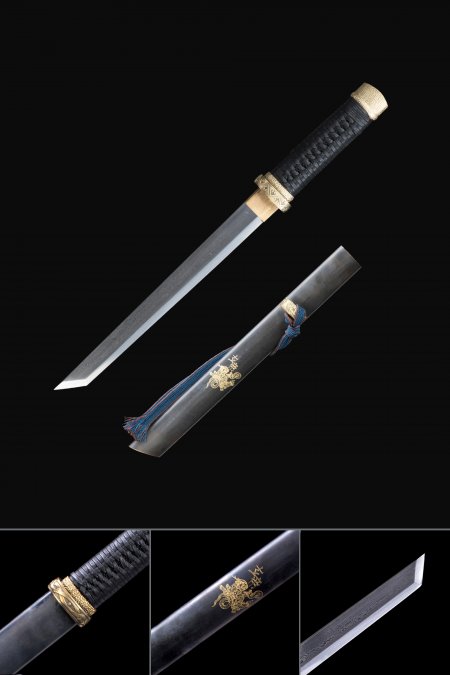
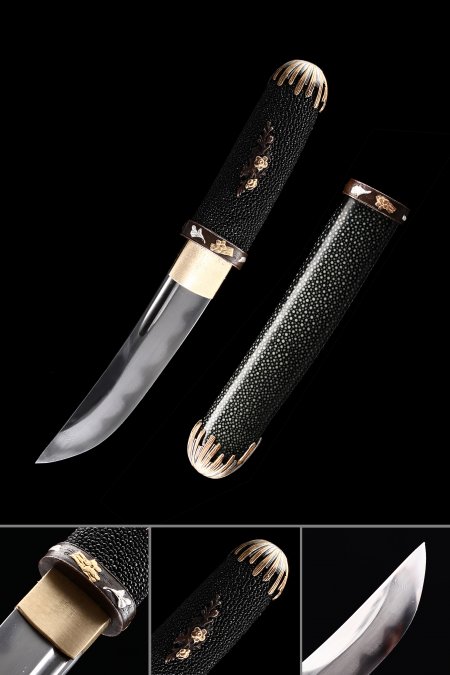
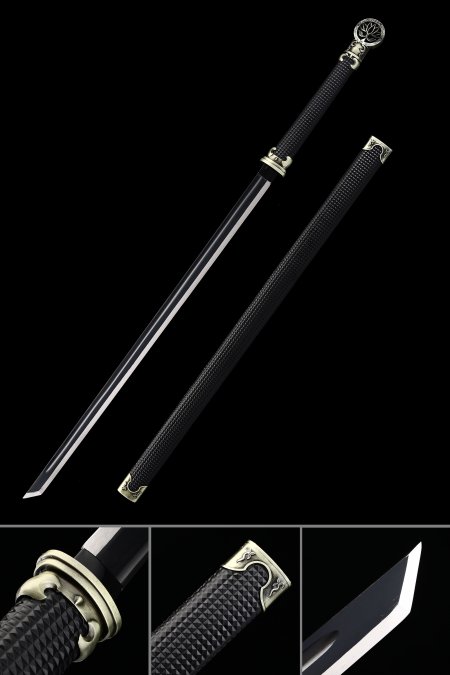
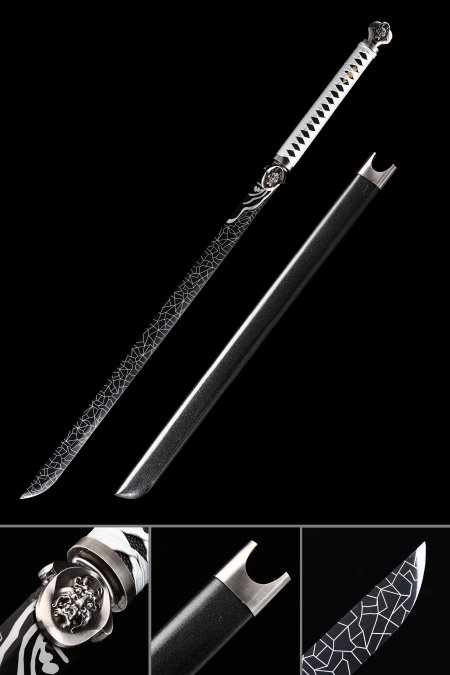
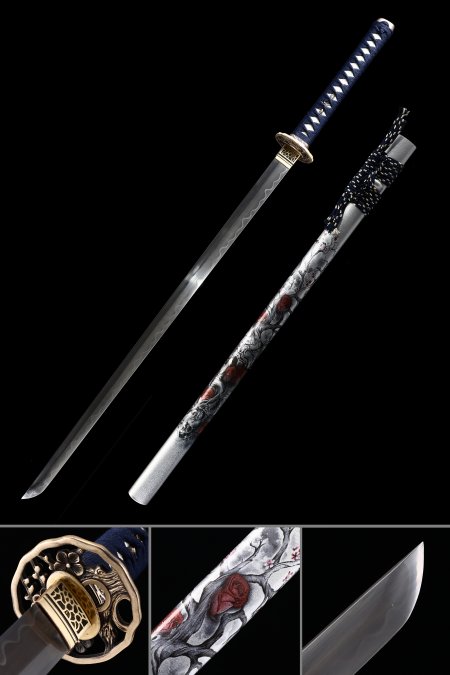
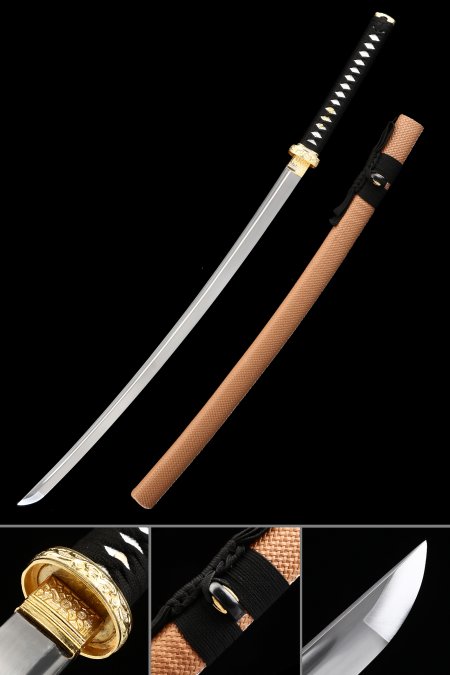
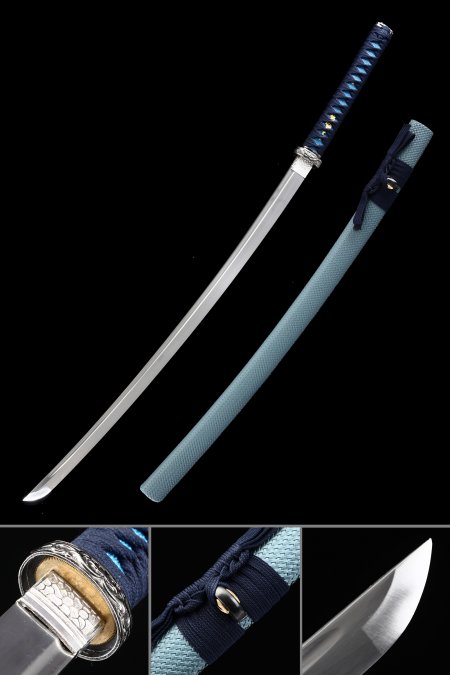
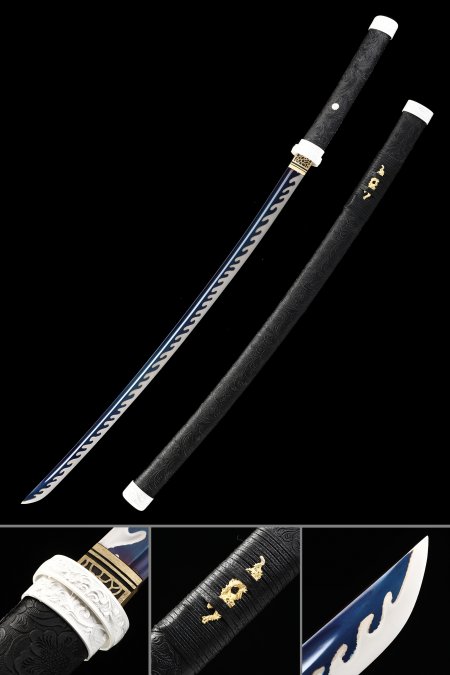
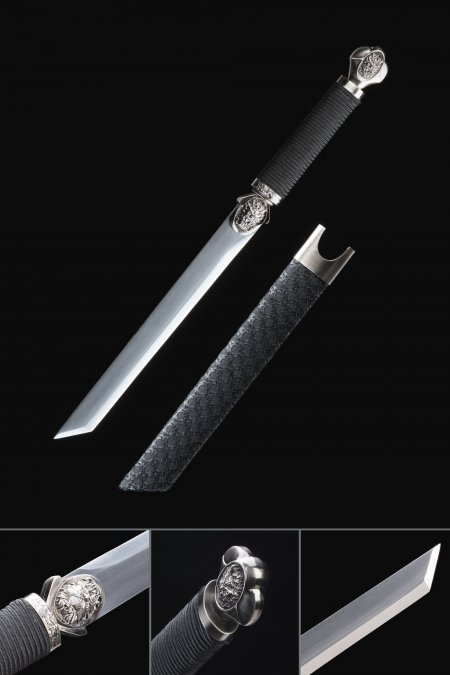
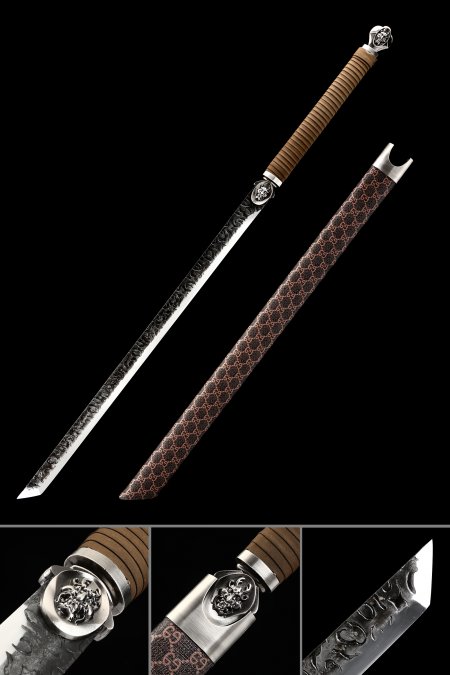
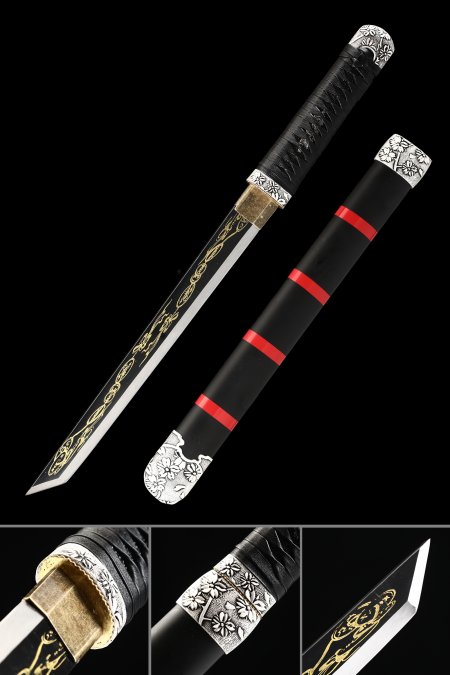
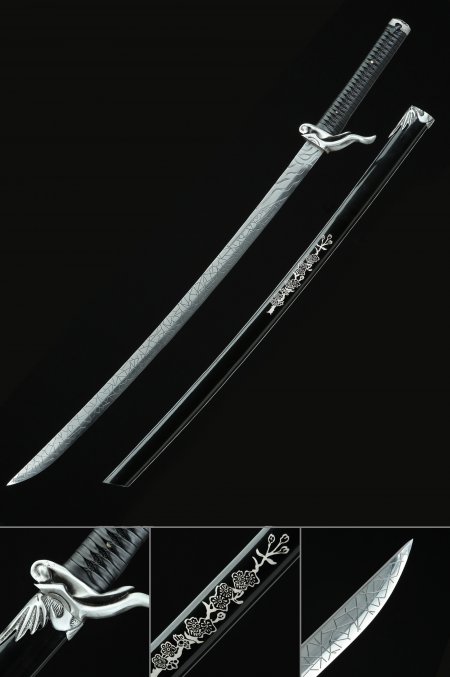
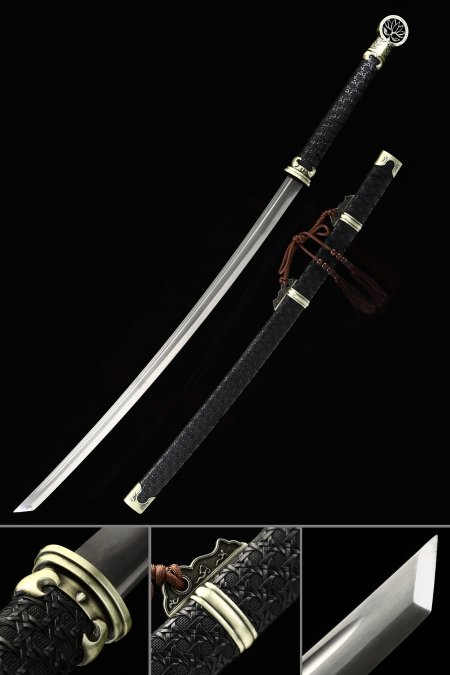
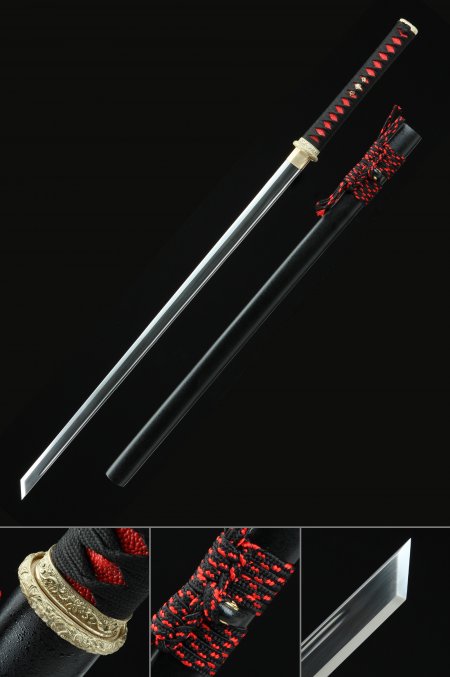
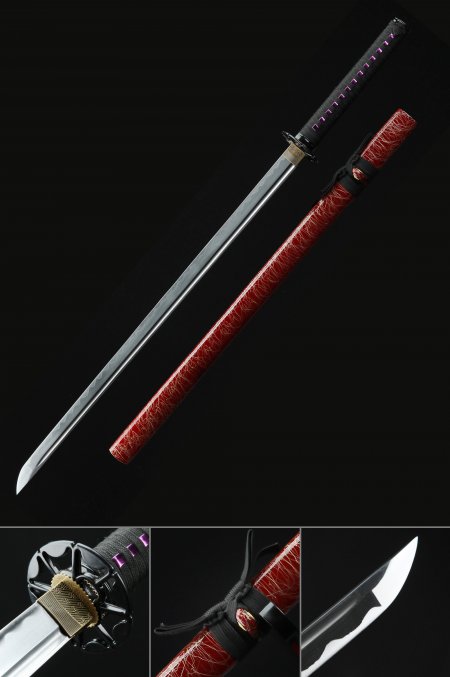
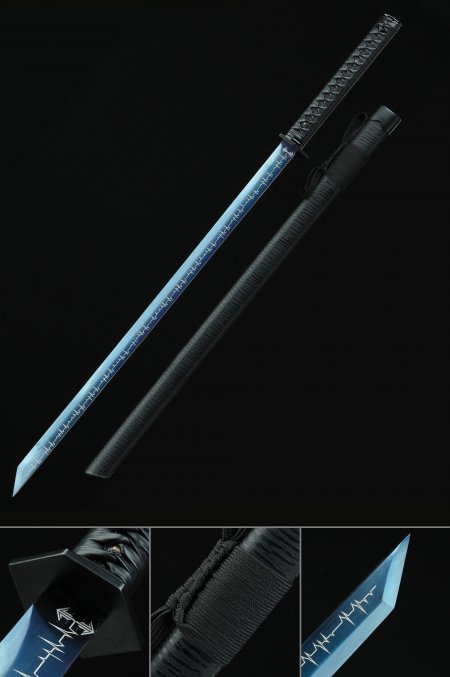
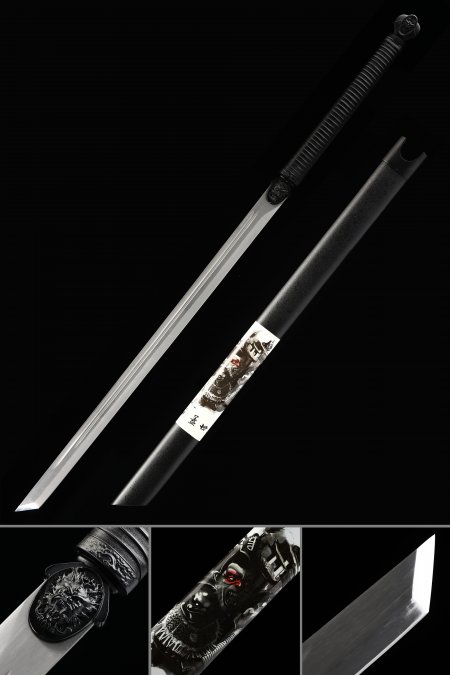
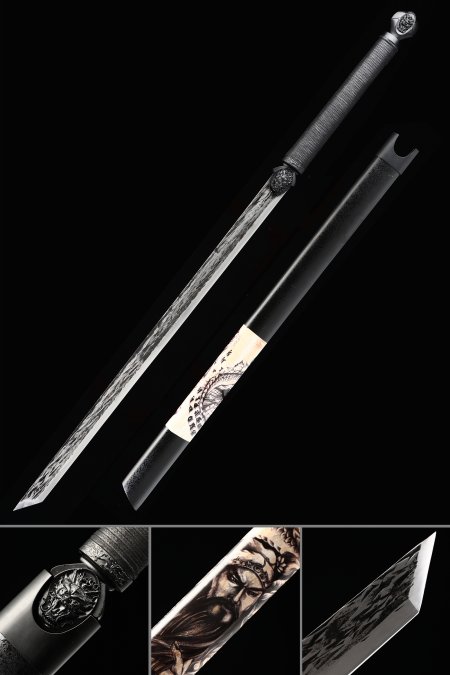
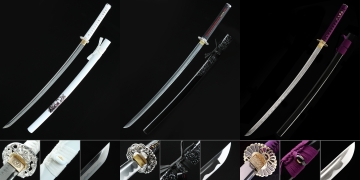
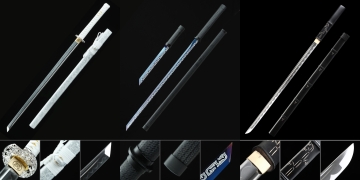
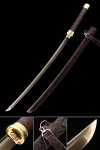
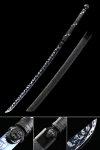
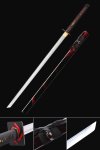
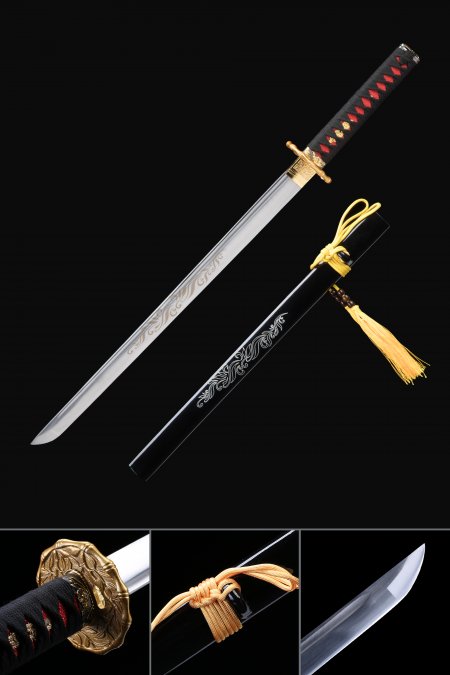
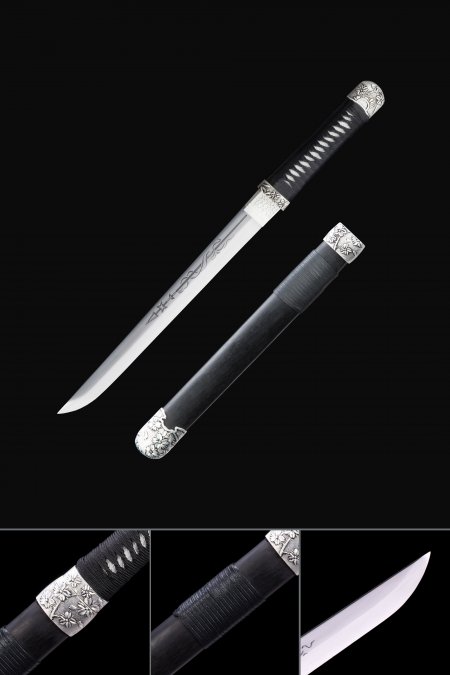
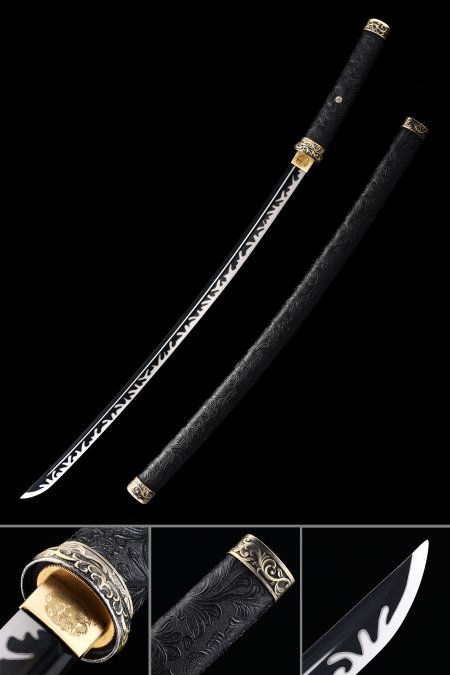
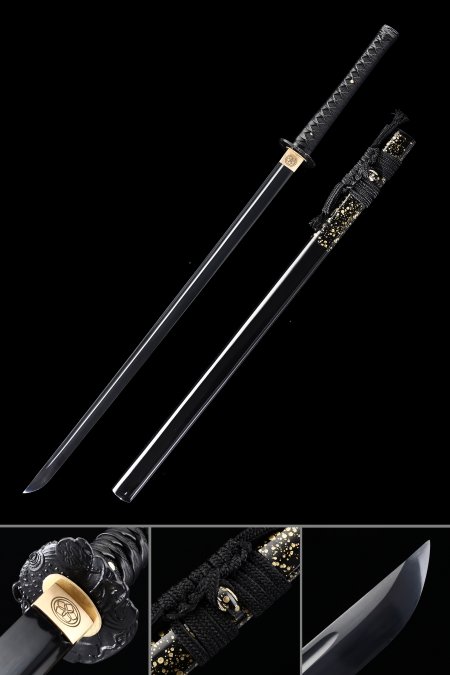
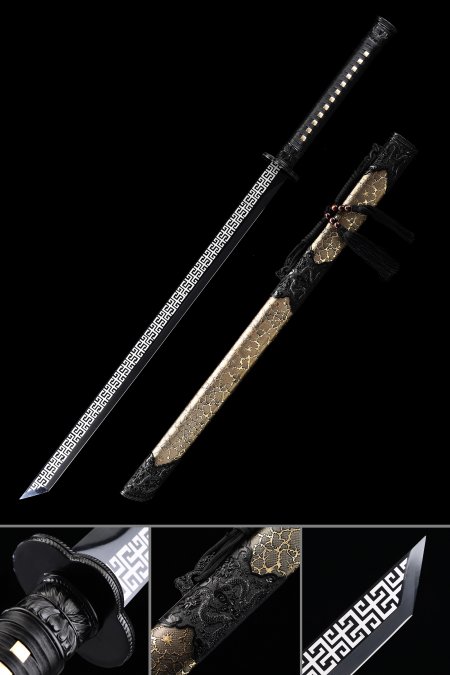
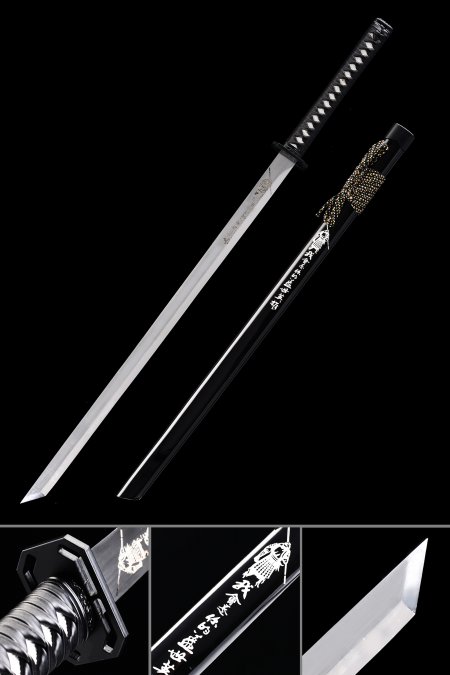
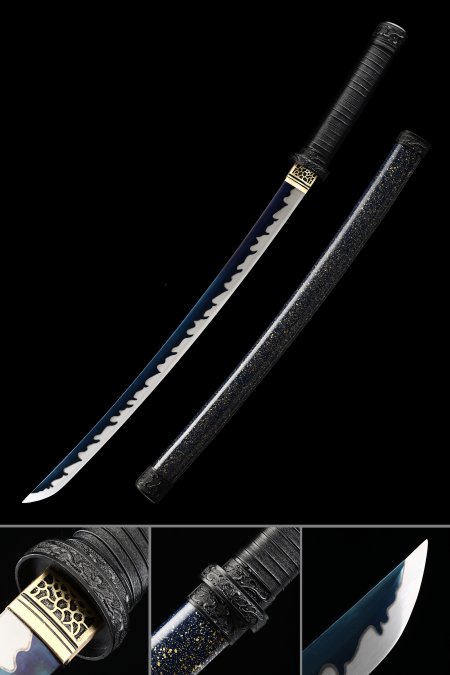
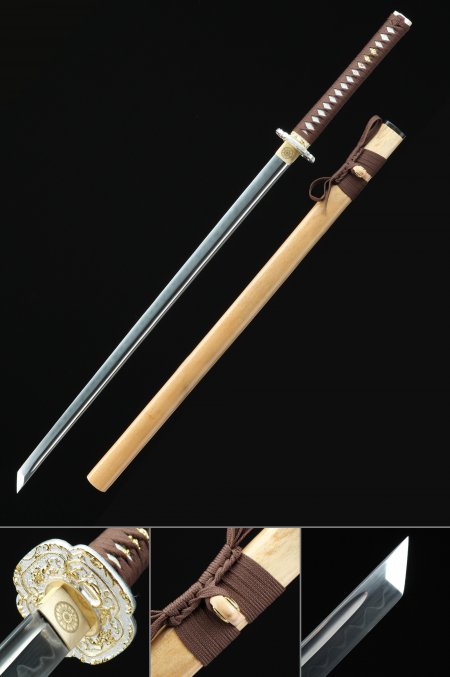
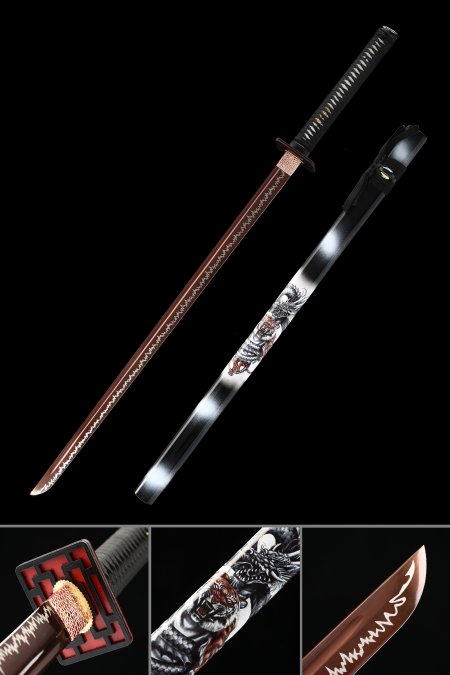
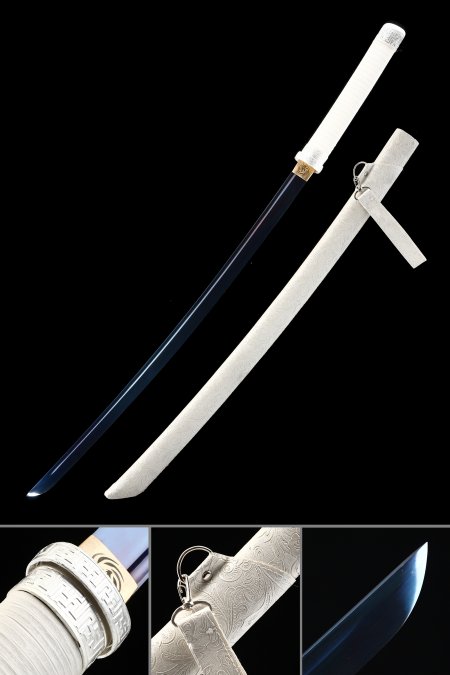
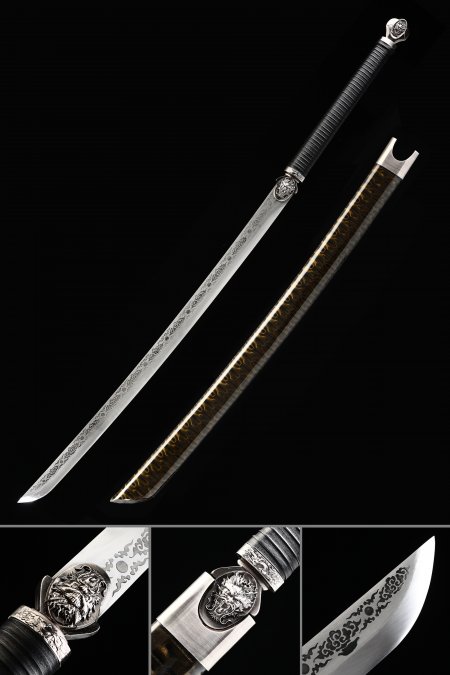
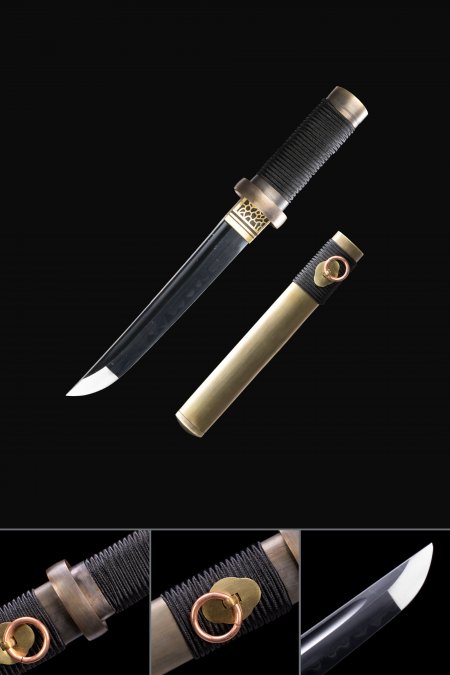
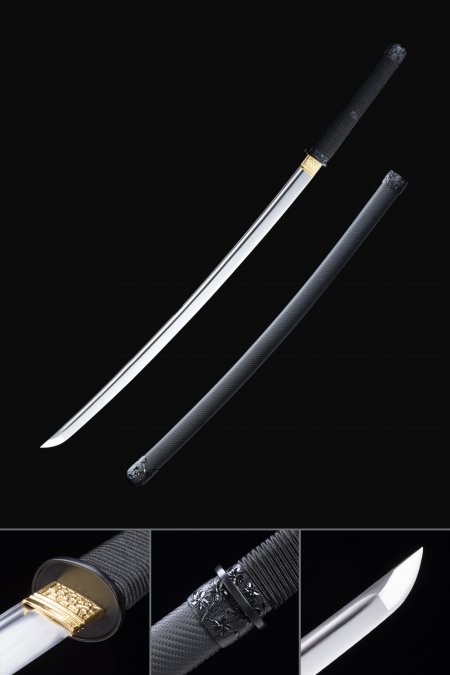
The modern chokuto reimagines Japan's oldest straight-bladed tradition through contemporary materials and refined craftsmanship. Each piece in this collection is hand-forged from quality carbon or manganese steel, fitted with authentic ray skin, lacquered hardwood saya, and carefully wrapped ito - details that distinguish a serious collectible from an ordinary display sword. Enjoy free shipping on your order, backed by our hassle-free return policy.
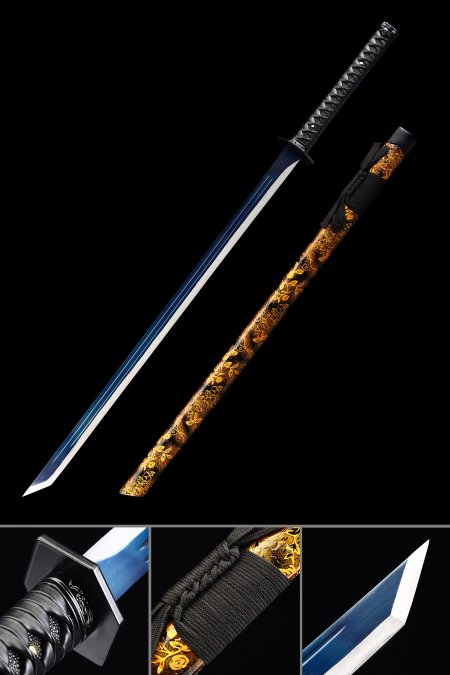
Showing 88 Products

Related Collections

Modern Samurai Sword43 items


141 Reviews

Modern Japanese Sword43 items


141 Reviews

Chokuto Katana97 items


1100 Reviews

Chokuto Training Sword44 items


289 Reviews

Frequently Asked Questions

What steel types are used in modern chokuto swords?
Modern chokuto in this collection are built across several steel grades, each with distinct collector appeal. 1045 carbon steel is the most accessible option — it machines cleanly, holds a decent edge, and develops a natural patina with age. 1060 steel offers a tighter grain structure and greater toughness, making it a step up for collectors who want a blade with more refined surface response. T10 tool steel, when clay-tempered, produces a genuine hamon — the wavy temper line visible along the edge — which is highly prized among serious collectors because no two are exactly alike. Manganese steel and Damascus variants also appear in the lineup, the former known for its springy characteristics and the latter for its visually layered surface pattern formed by forge-welding multiple steel types together. Each material choice reflects a different collecting priority: metallurgical authenticity, visual drama, or historical resonance.
How does a chokuto differ from a katana or ninjato?
The chokuto is a straight single-edged blade — Japan's original sword form, predating the curved silhouette that most people associate with Japanese swords by several hundred years. The katana, by contrast, carries a pronounced curvature (sori) along its spine, a design refinement that evolved to optimize draw speed and cutting geometry on horseback. The ninjato shares the chokuto's straight profile but is a largely modern construct with no definitive historical prototype; its association with covert practitioners is more cinematic than documented. In practical collecting terms, the chokuto is distinguished by its clean, uninterrupted blade line and its connection to early Japanese court culture, while the ninjato tends toward more utilitarian or tactical-themed mountings. If historical authenticity of form matters to your collection, the chokuto is the more academically grounded choice among straight-bladed Japanese swords.
What does full-tang construction mean for a display sword?
A full-tang blade extends the steel continuously from tip through the entire length of the handle, secured with one or more mekugi (bamboo or steel pins) through the tsuka. For collectors, this matters beyond mere durability. Full-tang construction is a marker of authentic sword-making practice — historical Japanese blades were always full-tang, and any reproduction that shortcuts this detail is immediately identifiable as a lower-tier piece to an experienced eye. On a display sword, full-tang assembly also ensures the handle sits flush and solid, with no flex or rattle that would undermine the piece's presence on a stand or in a display case. When assessing a modern chokuto for your collection, confirming full-tang construction is one of the most reliable quality indicators available before purchase.
How should I store and maintain a modern chokuto collectible?
Proper storage begins with keeping the blade dry and away from humidity fluctuations, which accelerate oxidation on carbon and manganese steel surfaces. Store the sword horizontally on a dedicated sword stand or in its saya, edge facing upward in the traditional orientation. Every three to six months, lightly apply a thin coat of choji oil (a traditional clove-based mineral oil) or a modern equivalent along the blade's surface using a soft, lint-free cloth, then wipe away any excess — too much oil attracts dust and can seep into the tsuka wrap. Avoid touching the blade surface with bare hands; skin oils are mildly acidic and will cause micro-corrosion over time. For lacquered saya, wipe occasionally with a dry cloth and keep them away from direct sunlight to preserve the finish. Ito wraps can be gently brushed clean with a soft bristle brush if dust accumulates in the folds.
Is a modern chokuto a good gift for a Japanese sword enthusiast?
A modern chokuto makes a particularly thoughtful gift for collectors precisely because the form is less commonly encountered than katana or wakizashi — it signals that the giver has done genuine research rather than defaulting to the obvious choice. Within this collection, there are mounting styles that suit a range of aesthetic preferences: the bamboo-engraved saya and gold chrysanthemum tsuba combinations lean toward ornate display pieces, while matte hardwood saya with black alloy fittings appeal to collectors who prefer a more austere, historically understated look. Damascus steel options carry obvious visual impact and tend to impress non-collectors and enthusiasts alike. If you know the recipient collects a particular steel type or favors a specific color palette in their tsuka wraps, the variety here makes it straightforward to find a piece that complements an existing collection rather than duplicating it.

Customer Reviews