FAST SHIP
6 Reviews
ON SALE 15% OFF
$199.00$229.00

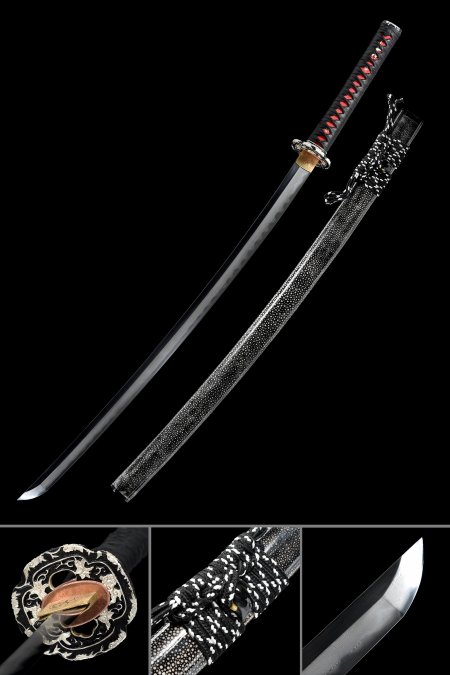
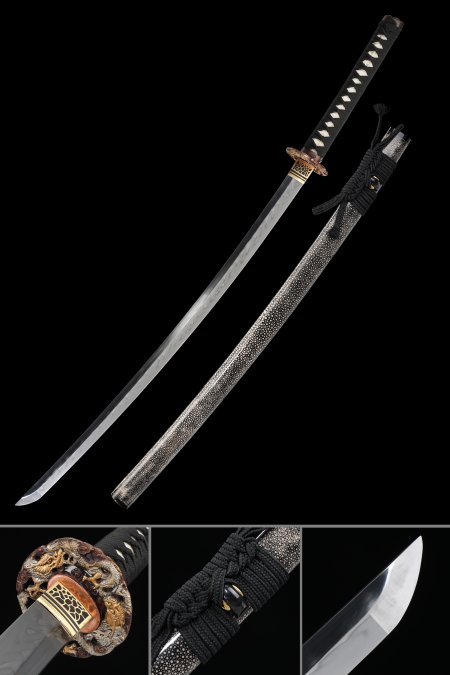
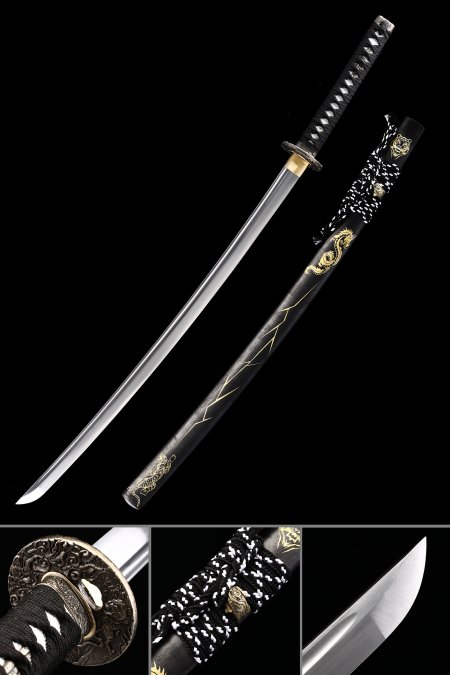
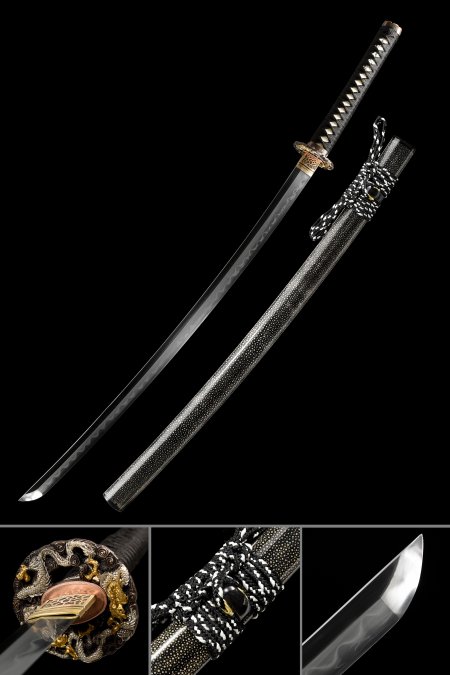
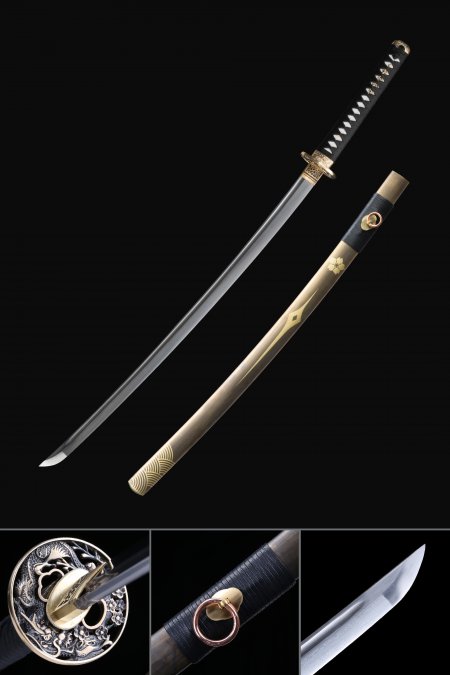
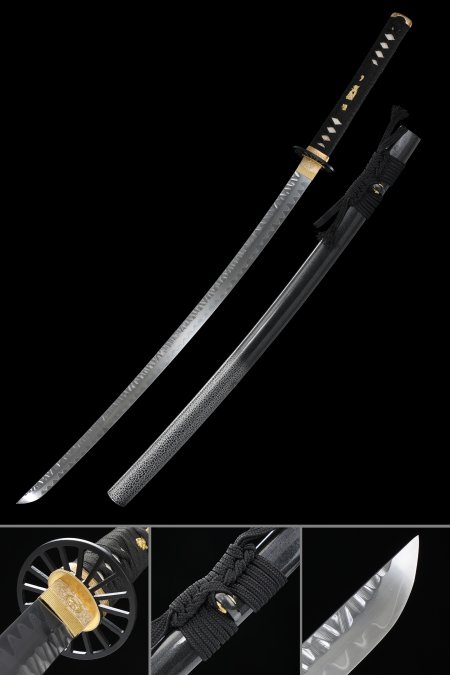
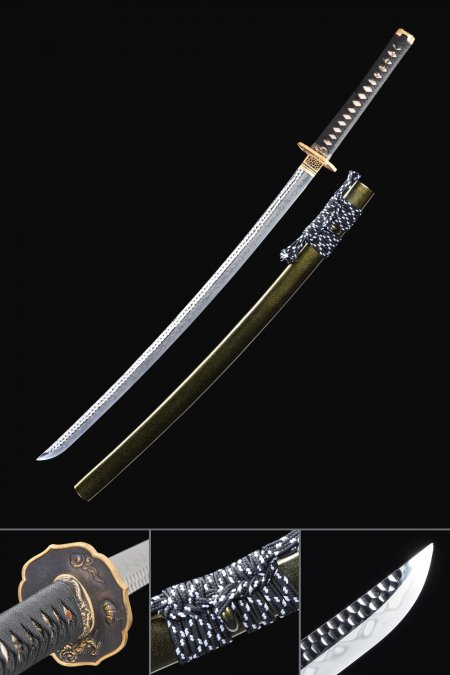
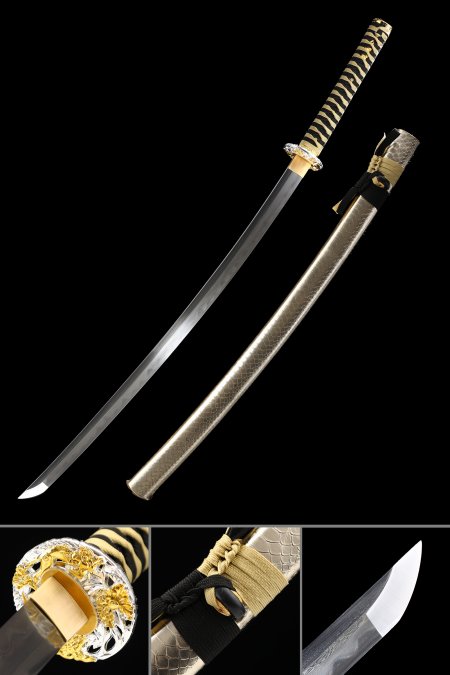
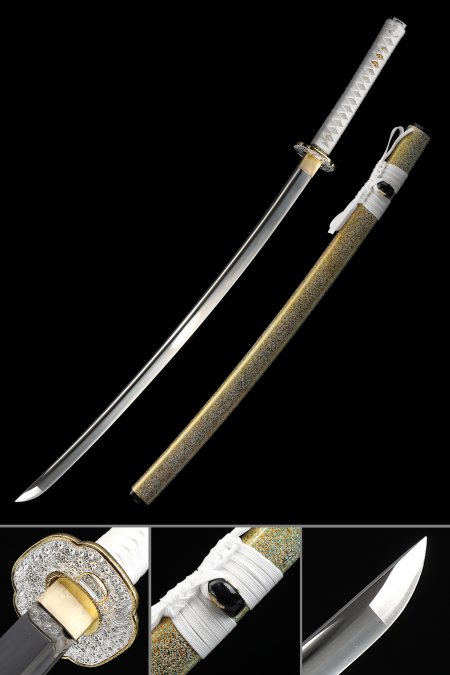
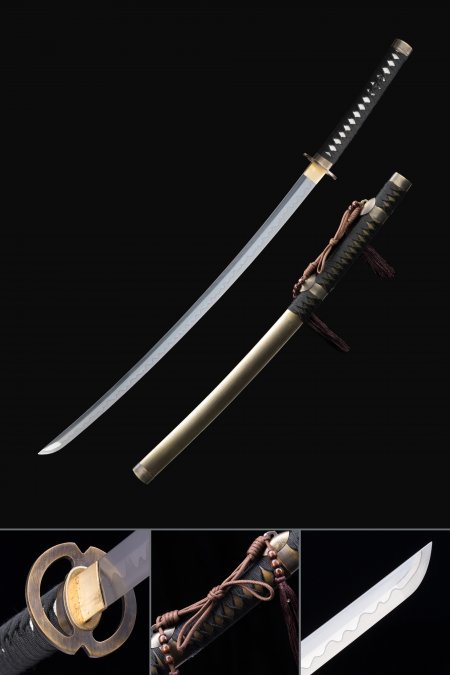
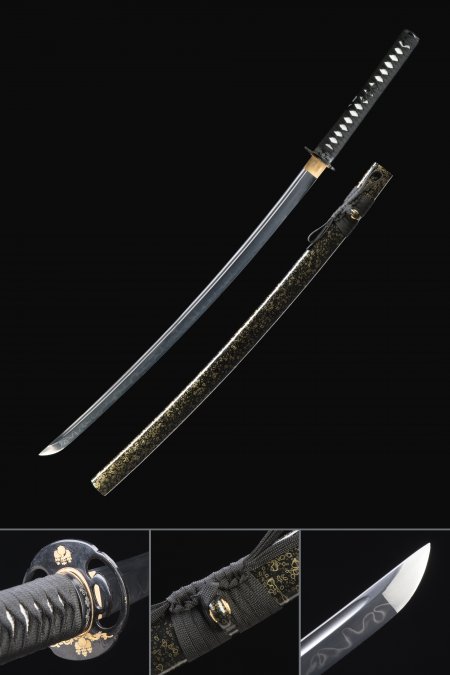
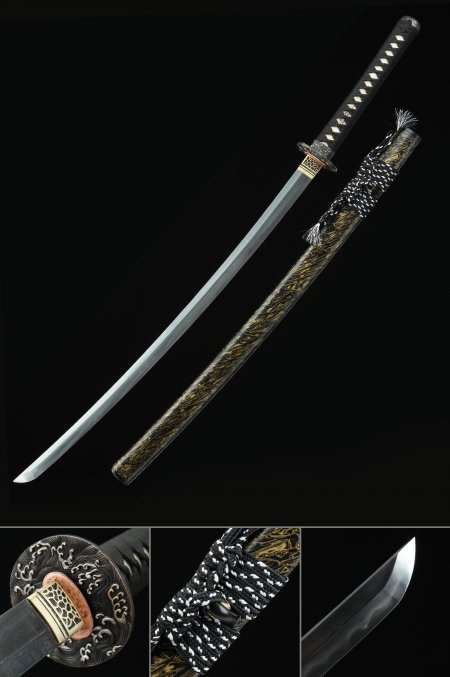
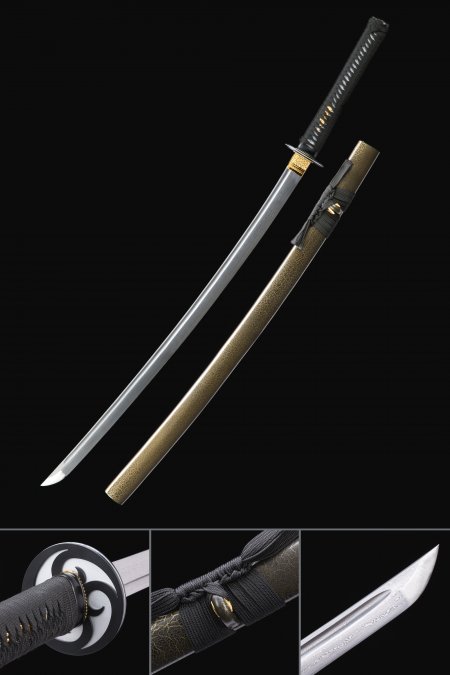
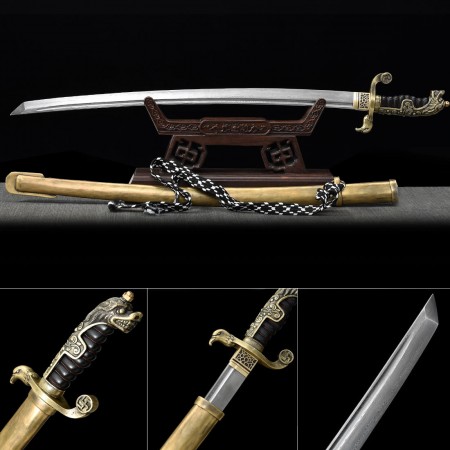
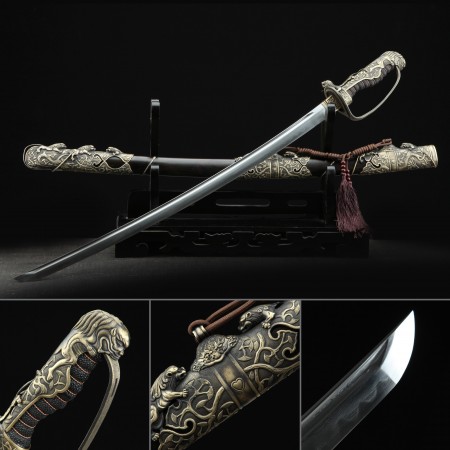
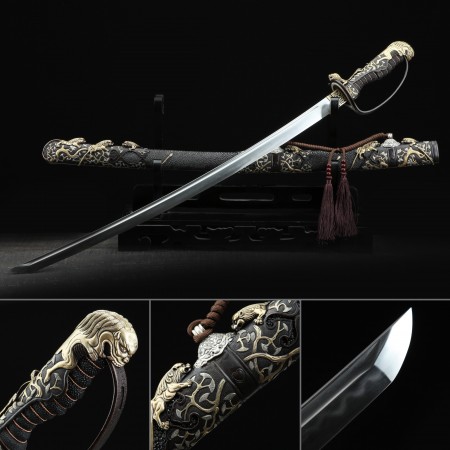
TrueKatana's bronze katana collection brings together dozens of handcrafted Japanese swords featuring warm, eye-catching bronze fittings. Every sword in this lineup pairs a high-performance steel blade with bronze tsuba, fuchi, kashira, and scabbard hardware, giving each piece a look you won't find in standard finishes. Browse models built with Damascus steel, T10 carbon steel, manganese steel, and melaleuca steel across full-size katana, shorter wakizashi, compact tanto, and other traditional blade types. All orders within the United States ship free, every purchase is backed by 10,000+ verified customer reviews, and our 30-day return policy means zero risk. Pick a style, choose your steel, and add a one-of-a-kind bronze-fitted sword to your collection today.
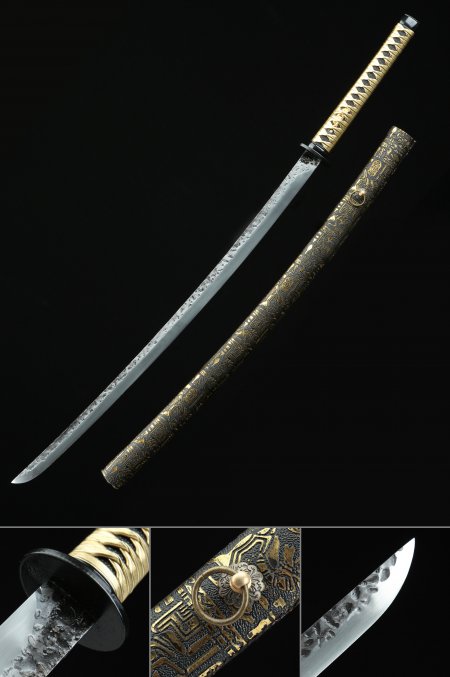
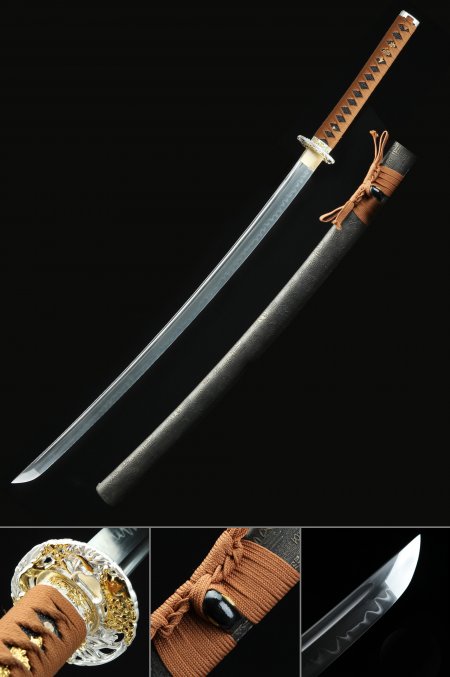
The difference sits in the fittings, not the blade. A bronze katana uses bronze metal for the tsuba (hand guard), fuchi (hilt collar), kashira (pommel cap), menuki (grip ornaments), and often the scabbard hardware. Standard katana typically use iron, steel, or alloy fittings in silver or black tones. The blade itself is still made from steel — T10 carbon steel, manganese steel, Damascus steel, or melaleuca steel depending on the model. So a bronze katana cuts, flexes, and performs exactly like any other katana of the same steel type. The bronze only changes the external appearance and the feel of the grip area.
Visually, the difference is obvious. Bronze has a warm, golden-brown color that contrasts sharply with the cool steel blade and the dark handle wrap. This contrast creates a balanced aesthetic where each component stands out on its own while contributing to a unified whole. Standard iron fittings tend to blend into the handle, making the blade the only visual focus. With bronze, the fittings become a design feature in their own right. The tsuba especially benefits — bronze allows for deeper relief carving and finer decorative detail than harder metals, which means bronze tsuba often feature more intricate designs.
From a maintenance perspective, bronze behaves differently from iron. Iron fittings can rust in humid conditions and need the same oiling attention as the blade. Bronze resists corrosion naturally and instead develops a patina — a darkened surface layer that many collectors find attractive. You don't need to fight the patina unless you prefer a shiny finish, in which case periodic polishing with a bronze-safe cloth restores the original luster. This lower-maintenance characteristic makes bronze fittings appealing for swords that spend most of their time on display rather than in active training rotation.
Historically, bronze fittings appeared on Japanese swords long before standardized iron fittings became dominant. Early tachi — the precursor to the katana — frequently used bronze for guards and scabbard mounts, particularly on weapons owned by wealthy warriors who could afford premium materials. Choosing a bronze-fitted sword today connects you to that older tradition and gives your collection a historical dimension that standard fittings don't carry. For buyers who care about authenticity and cultural context, that historical link adds real value beyond simple aesthetics. Whether you choose a bronze tsuba katana for its classic round guard or a bronze damascus steel katana for its layered blade patterns, the bronze fittings tie any model back to a centuries-old Japanese samurai sword tradition that standard finishes simply don't evoke.
That depends on how you plan to use the sword. Each steel type in the bronze collection has strengths that match different priorities, and no single option is universally best. The right choice comes down to balancing sharpness, durability, maintenance demands, and budget.
T10 carbon steel is the top pick for serious training and cutting practice. It holds a hard, sharp edge after heat treatment and responds well to resharpening when the edge dulls from use. If you cut tatami mats, bamboo, or water bottles regularly, a bronze T10 carbon steel katana gives you the cutting performance to do clean work. The catch is maintenance — T10 rusts easily when exposed to moisture or body oils. You need to wipe and oil the blade after every session and store it in a dry environment. If you enjoy the discipline of caring for a fine tool, T10 delivers the best performance reward for that effort.
Damascus steel combines visual beauty with strong all-around performance. The multi-layer forging process produces visible grain patterns on the blade surface that make every sword unique. Beyond looks, the layered structure absorbs impact vibrations better than single-steel blades, which makes Damascus comfortable for extended practice. Edge retention and flexibility both score high marks. A bronze damascus steel katana is the premium choice when you want a sword that performs at a high level and doubles as a museum-quality display piece. Damascus costs more due to the complex forging process, but many buyers consider it the best value per dollar in the long run because it excels at everything rather than specializing in one area.
Manganese steel is the low-maintenance champion. It resists rust and corrosion far better than T10 or Damascus, making it ideal for humid climates or casual owners who don't want to oil their blade every few days. A bronze manganese steel katana holds a working edge, handles moderate cutting practice without trouble, and stays in good condition even with minimal care. It won't achieve the extreme sharpness that T10 delivers, but for most owners that trade-off is well worth the convenience. Beginners and gift recipients often land on manganese because it removes the worry of accidental rust damage from the ownership experience.
Melaleuca steel sits in a less common category but offers a solid middle ground between the other options. It heat-treats cleanly, takes a polished finish well, and provides good edge retention with moderate upkeep needs. A bronze melaleuca steel katana is a smart pick for collectors who already own T10 and manganese pieces and want something different. The relative rarity of melaleuca in most collections adds variety and conversation value — visitors will ask about a steel they haven't seen before, which gives you a story to tell.
Absolutely. The sharpness of a katana depends on the blade steel and heat treatment, not the fitting material. Bronze appears on the tsuba, pommel, and scabbard hardware — it has nothing to do with the cutting edge. A bronze T10 carbon steel katana sharpened to a proper edge cuts tatami mats, bamboo, and water bottles just as cleanly as the same blade with iron fittings. There is no performance penalty for choosing bronze.
That said, not every model in the collection is designed for heavy cutting. Some swords emphasize display-grade aesthetics over raw training durability. If cutting practice is your primary goal, stick with T10 carbon steel or Damascus steel blades. Both hold hard edges through repeated impacts and flex enough to handle the shock without cracking. Manganese steel also handles moderate cutting, though the edge dulls a bit faster under repeated heavy use.
Edge geometry matters as much as steel selection. A blade intended for cutting typically features a thinner grind near the edge, which concentrates force on a smaller contact area and slices more efficiently. Display swords sometimes use a slightly thicker edge profile that looks visually clean but doesn't cut quite as aggressively. When ordering, check the product description for terms like "battle ready" or "functional" — these indicate the blade was ground and heat-treated with actual use in mind.
Practice targets influence the edge you need, too. Tatami mats and rolled straw — the traditional tameshigiri targets — require a well-sharpened blade and decent technique to cut cleanly. Water bottles are more forgiving and work with a moderately sharp edge. Thick bamboo stalks demand both sharpness and structural strength in the blade. If your training involves heavy tatami cutting, invest in a bronze T10 carbon steel katana or bronze damascus steel katana with a proper cutting grind — these combinations deliver the performance you need.
Keep in mind that all blades dull with use regardless of steel type. Regular maintenance extends the working edge, and professional sharpening services can restore a well-worn edge to factory condition. Owning a good set of sharpening stones and learning basic touch-up techniques will extend the intervals between full resharpening sessions. With proper care, a quality bronze-fitted blade stays cutting-ready for years of regular practice. Whether you choose a bronze manganese steel katana for low-maintenance durability or a bronze T10 carbon steel tanto for compact cutting power, the bronze fittings never limit what the blade itself can accomplish. The steel does the work; the bronze makes it look exceptional while doing it.
Bronze fittings are one of the lower-maintenance aspects of owning a katana, which is good news for anyone who already has to deal with blade oiling and scabbard conditioning. The key is keeping the bronze clean and deciding early on whether you want to maintain a polished finish or allow natural patina to develop. Both approaches are valid — it's purely a matter of personal taste.
For routine care, wipe the bronze fittings with a clean, soft cloth every time you handle the sword. Your skin oils, while not immediately damaging, can leave marks over time that uneven the patina. A quick wipe removes oils before they set. Every few weeks, dust all the fittings — tsuba, fuchi, kashira, and any scabbard metalwork — with a dry microfiber cloth. This prevents dust buildup in carved details or textured surfaces where particles settle into grooves and become harder to remove later.
If you want to keep the fittings bright and polished, use a bronze-specific metal polish and a soft cloth. Apply a small amount of polish to the cloth — not directly to the metal — and work in gentle circular motions. Avoid pressing hard or using abrasive materials. Bronze is softer than steel, so harsh treatment can flatten fine detail work on the tsuba and other decorative elements. After polishing, wipe away all residue with a clean cloth. Leaving polish residue on the surface invites discoloration and attracts dust.
If you prefer the natural patina look — which many collectors and historians favor — simply leave the bronze alone and let it age. Patina develops faster in humid environments and slower in dry ones, so your local climate influences how quickly the color deepens. The patina itself is actually protective: it seals the underlying bronze from further oxidation, which means a well-patinated sword requires less maintenance, not more. Some collectors accelerate patina by lightly misting bronze with diluted vinegar and then letting it dry, but this technique requires practice to avoid blotchy results.
Watch for loose fittings. Bronze is softer than iron and can wear slightly at contact points over years of use. If your tsuba wobbles or the pommel feels loose, don't attempt a DIY fix with glue or tape. Take the sword to a professional who can properly re-seat the components without damaging either the fittings or the blade tang. A loose tsuba isn't just a cosmetic issue — during practice, it creates a safety hazard and accelerates wear on both the guard and the handle assembly. The same care principles apply across every product type in the collection, from a bronze tsuba katana to a bronze damascus steel tanto or a compact bronze scabbard tanto — the bronze components all respond to the same gentle cleaning and optional polishing routine described above.
Each fitting metal occupies a different price point and aesthetic niche, and the best choice depends on what you value most — visual impact, historical accuracy, maintenance ease, or budget efficiency. Bronze sits in a compelling middle ground that borrows advantages from both directions without inheriting the major drawbacks of either extreme.
Gold fittings represent the luxury end. They don't tarnish, they catch light beautifully, and they communicate unmistakable premium status. But solid gold fittings are extremely expensive, soft enough to dent during training use, and so visually dominant that they can overshadow the blade itself. Gold-plated fittings cost less but can wear through over time, revealing the base metal underneath. A bronze gold tsuba katana offers a practical compromise — bronze base fittings with gold accents or plating that provide the warm glow of gold without the extreme cost or fragility of solid gold construction.
Silver fittings produce a cool, bright tone that pairs cleanly with polished steel blades. The aesthetic is sleek and modern-feeling, though silver tarnishes readily and requires regular polishing to maintain its luster. Silver also sits at a higher price point than bronze for equivalent detail work. If you prefer warm tones over cool ones, bronze will appeal more than silver regardless of other considerations.
Bronze hits the practical sweet spot for most buyers. It costs less than gold or silver, resists corrosion better than iron, allows fine detail carving, and develops a natural patina that many collectors find more attractive than a static finish. Historically, bronze has the strongest link to early Japanese sword traditions, which adds authentic cultural weight. A gold bronze tsuba katana that combines bronze and gold elements captures the prestige of gold highlights while keeping the base cost and durability advantages of bronze.
Iron and steel fittings represent the budget-friendly end. They're functional, widely available, and easy to match across different manufacturers. But they lack the visual distinctiveness that collectors value, and iron rusts more aggressively than bronze in humid conditions. For display swords or collection centerpieces, plain iron fittings rarely deliver the aesthetic impact that bronze, gold, or silver achieve. The step up from iron to bronze is one of the most cost-effective upgrades you can make in terms of visual impact per dollar spent. If you're comparing options side by side, put a plain-iron katana next to a bronze tsuba katana of the same steel type — the difference in presence and perceived quality is immediately obvious, and the price gap is far smaller than most people expect.
Pricing spans a wide range depending on steel type, blade length, fitting detail, and overall build quality. Expect the entry point for a well-made bronze katana to start in the low hundreds, with premium Damascus steel models or particularly ornate fitting work pushing into the higher hundreds. Gold-accented variants with elaborate tsuba designs command the top prices in the collection.
Steel type is the biggest single cost driver. Manganese steel blades cost the least to produce because the alloy is straightforward to work with and requires less intensive heat treatment. T10 carbon steel sits in the middle — the high-carbon composition requires careful temperature control during forging and heat treatment, which adds labor time and therefore cost. Damascus steel commands the highest prices because each blade involves forge-welding multiple steel layers together, repeated folding, and acid etching to reveal the grain pattern. A bronze damascus steel katana costs meaningfully more than a bronze manganese steel katana of the same size, and the difference reflects genuine additional craftsmanship rather than marketing markup.
Fitting detail also influences price. A bronze tsuba katana with a simple, clean guard design costs less than one featuring deep relief carving, pierced cutout patterns, or gold overlay accents. The labor hours involved in hand-finishing intricate metalwork add up quickly. If you're buying primarily for training function, a simpler fitting design saves money without sacrificing performance. If display impact or collector value matters most, investing in detailed fittings pays dividends every time someone admires your sword.
Blade length affects cost proportionally. More steel means more material cost and more labor during forging, grinding, and polishing. A bronze tanto costs less than a bronze wakizashi, which costs less than a full-size katana, which costs less than an oversized tachi. Building a multi-piece collection is more budget-friendly if you start with smaller blades and work up to the full-size katana as funds allow.
Value comparisons should focus on total cost of ownership rather than sticker price alone. A slightly more expensive manganese steel blade that never rusts might save you money over time compared to a cheaper carbon steel blade that needs professional rust removal and resharpening after humidity damage. Similarly, well-made bronze fittings that stay tight for years cost less in the long run than cheap fittings that need professional re-seating after a few months of use. Buy the best quality you can afford at each price point, and your purchase will reward you for far longer than a bargain blade that disappoints after the initial excitement fades.
Yes — many models in this collection are designed specifically for functional training use. The presence of bronze fittings has no negative impact on training performance. The blade steel, heat treatment, and overall construction quality determine whether a sword handles well in practice, and bronze-fitted models use the same blade materials and manufacturing standards as their non-bronze counterparts.
For kata practice — the solo forms that make up the foundation of most Japanese sword arts — any functional-grade bronze katana works well. The slightly different weight distribution of bronze fittings compared to lighter iron alternatives actually benefits technique development. The added weight at the guard encourages proper hand positioning and punishes lazy grip mechanics, which helps students build cleaner habits from the start. Many instructors consider slightly heavier fittings an advantage for early training rather than a drawback.
Tameshigiri — test cutting on targets like rolled tatami mats — requires a sharp, well-constructed blade regardless of fitting material. A bronze T10 carbon steel katana or bronze damascus steel katana with a cutting-grade edge handles tatami work cleanly. The key factors are edge geometry, blade alignment, and your cutting technique. Bronze fittings don't affect any of these variables. If anything, the slightly forward-biased weight distribution of heavier bronze guards can help beginners commit to their cuts rather than hesitating mid-swing.
Partner drills and supervised sparring — where applicable in your specific art — demand weapons that feel responsive and controlled. Bronze-fitted swords require a brief adjustment period if you're transitioning from lighter aluminum or iron fittings, but most practitioners adapt within a few sessions. The additional guard weight improves defensive stability when absorbing blocks and parries. Start with slow-speed drills when switching to a new weapon weight profile, then increase speed gradually as your muscle memory adjusts.
One practical consideration: heavy training accelerates wear on all sword components, including fittings. If you train multiple times per week with aggressive cutting, consider designating one bronze katana as your training weapon and keeping a nicer piece reserved for display. This approach protects your investment while still giving you the bronze aesthetic during practice. Manganese steel makes an excellent dedicated training blade because its corrosion resistance means sweat and occasional outdoor humidity won't cause problems between oiling sessions. Shorter weapons like a bronze wakizashi or bronze tanto also serve well in training rotations, letting you practice close-quarters techniques and one-handed forms that a full-size katana can't replicate. Variety in your training arsenal develops more complete skills and keeps sessions from feeling repetitive.
no complaints. everything was good. it was a gift n i got good feedback. v sharp blade.
 |
Manganese Steel Katana with Bronze Totem Leather Saya in Gold and Dark Blue - Collectible Samurai Sword |
Good shipping, good quality steel, expect that the black coating was actually kinda painted and it fell off the very moment i cleaned the sword from oil residue.r
r
The overall quality seems kinda good, expect aint anything extraordinary.r
Just worth the actual sale price, nothing more.r
r
Sword arrived not sharpened.
|
Manganese Steel Katana with Bronze Totem Leather Saya in Gold and Dark Blue - Collectible Samurai Sword |
Got that sword on the day. I said it would arrive and good condition as advertised. Thank you
|
Manganese Steel Katana with Bronze Totem Leather Saya in Gold and Dark Blue - Collectible Samurai Sword |
Absolutely fabulous, exquisite and epic quality - this one is simply fantastic!
 |
Clay Tempered T10 Carbon Steel Katana with Real Hamon in Bronze Kanji Saya - Gold and Silver Tsuba |
I loved my 2 swords, very beautiful, they arrived quickly, a dream to decorate my office, thanks, regards
 |
Melaleuca Steel Katana with Lion Koshirae, Real Hamon, Black-Gold Rayskin Saya, Full Tang |
Awesome katana and was delivered relatively fast. Definitely worth the buy.
|
Clay Tempered T10 Carbon Steel Katana with Real Hamon in Bronze Kanji Saya - Gold and Silver Tsuba |
This exceeded my expectations. I am glad that this was my purchase.
 |
Melaleuca Steel Katana with Real Hamon - Bronze Lion Tsuba, Black Hardwood Lacquer Saya, Full Tang |
I had only few issues. One being the address and very few updates on where the swords location was along with it not meeting the expected dates. But I love the look and the detail of both swords I am looking forward to expanding with a few more from you all. Thank you Truekatana.
|
Manganese Steel Katana with Bronze Totem Leather Saya in Gold and Dark Blue - Collectible Samurai Sword |